⚡ Quick Answer
Finding over‑ear headphones that deliver deep, punchy bass without breaking the bank can feel like hunting for a needle in a haystack. In this roundup we looked at 10 models that promise that low‑frequency thump, spanning a price spread from $12.99 for the Lorelei X6 up to $359.00 for the Bose QuietComfort. We split the selection into budget, mid‑range and premium tiers so you can see how a $18 headset stacks up against a $150 flagship.
One of the most eye‑catching specs belongs to the Soundcore Q20i, which retails for $44.99, carries a 4.6‑star rating from 57,414 reviewers and promises up to 40 hours of playback with active‑noise cancellation turned on. The Picun B8 pushes endurance even further, offering a 120‑hour battery life for just $17.98, while still fitting comfortably at 230 g. On the premium end, the Bose QuietComfort commands $359.00 and holds a 4.6‑star score from 18,827 users, delivering 24 hours of ANC‑enabled listening. Below we’ll break down how each tier performs in the bass department and where the compromises lie.

Soundcore Q20i
40 mm drivers deliver deep bass and spacious sound, earning its top spot.

Picun B8
Ideal for budget‑conscious listeners, the Picun B8 comes in at $17.98—about $27 cheaper than the Soundcore Q20i, while still offering solid bass.

Audio-Technica ATH-M20xBTWH White
Stands out with a dedicated 30 cm USB charging cable for quick power‑ups, giving premium users added convenience beyond the other two models.
Also considered
Score Analysis
Key score advantages vs. runner-up (Picun B8)
Price Range
Soundcore Q20i
$39.99
Picun B8
$17.98
Audio-Technica ATH-M20xBTWH White
$89.00

JBL Tune 720BT
$59.95

Beribes Over Ear Headphones
$19.97
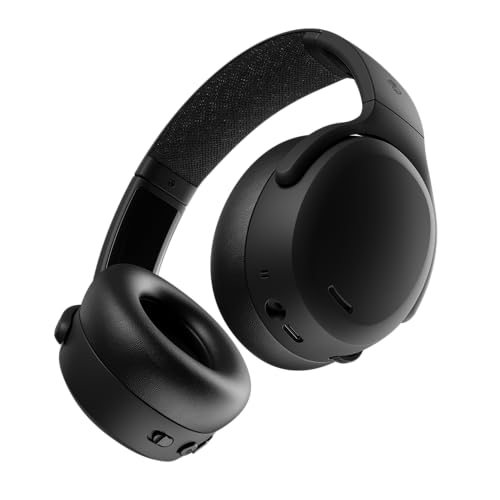
Skullcandy Crusher ANC 2
$199.00

Bose QuietComfort
$229.00
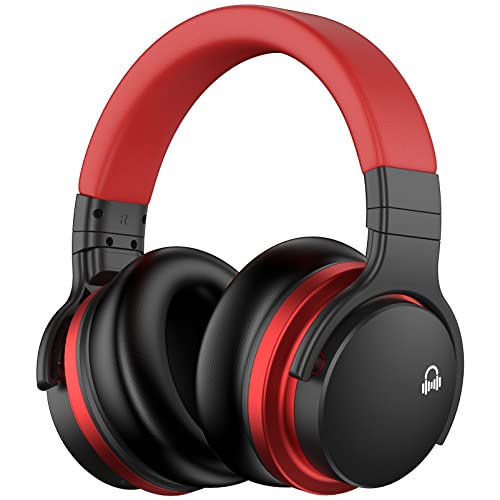
Million Sold Classic E7
$46.99
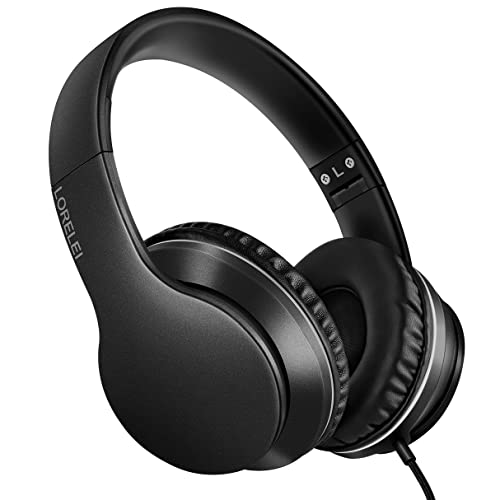
Lorelei X6
$14.99

Panasonic Wired Over-Ear Headphones
$19.99
Spec Comparison
TL;DR: The Soundcore Q20i packs hybrid ANC, 40 mm drivers with BassUp, and up to 40 hours of ANC‑on playback at a $44.99 price, making it a solid, bass‑heavy over‑ear choice for commuters.
What really stands out is the hybrid active‑noise‑cancelling system that claims up to 90 % reduction of external sound, paired with a marathon battery life of 40 hours with ANC on and 60 hours when it’s off. The 40 mm drivers, backed by BassUp technology and Hi‑Res support via the detachable AUX cable, deliver the deep, punchy bass that bass‑hungry listeners crave.
At 0.57 lb, the Q20i sits in the middle of the pack: it’s lighter than the Million Sold Classic E7 (0.77 lb) and the Audio‑Technica model (1.48 lb), but a bit heftier than the Beribes headphones (0.40 lb) and the Panasonic wired set (0.2 lb). Its driver size matches most competitors—Beribes, Picun, Lorelei, Audio‑Technica, JBL and Skullcandy all use 40 mm drivers—while the Classic E7 steps up to 45 mm and the Panasonic pair sticks with 30 mm. Battery longevity also puts it ahead of the Classic E7’s 30‑hour claim and on par with the Skullcandy Crusher ANC 2’s 60‑hour ANC‑off figure, though the Picun B8 stretches to 120 hours without ANC.
Users consistently praise the long‑lasting charge, noting that a quick 5‑minute boost adds about four hours of playback, which is handy for travel. The BassUp boost and the 22‑preset EQ in the Soundcore app get frequent mentions for adding extra low‑end oomph. On the flip side, the 0.57 lb weight can feel noticeable after several hours, and the single built‑in microphone sometimes falls short of clear calls. Bluetooth range tops out at roughly 10 m, which is adequate for a desk or couch but shorter than the 39‑m range of the JBL Tune 720BT.
Pros
Cons
Best for: Most users looking for a well‑reviewed, reliable mainstream option
Avoid if: You have limited desk space or need portability
TL;DR: The Picun B8 delivers a massive 120‑hour battery life, 40 mm drivers and Bluetooth 5.3 in a lightweight, fold‑over design, but it lacks noise isolation and high‑end sound detail.
The headline feature is the 120‑hour battery life powered by a 1000 mAh cell, far outlasting typical over‑ear models that top out around 60 hours. Coupled with a 40 mm driver and a low 50 ms audio latency, the headphones stay responsive for gaming or video playback while staying light at 230 g.
Compared with its nine peers, the B8 is heavier than the ultra‑light Panasonic (0.2 lb) and the Beribes (0.40 lb) but lighter than the Skullcandy Crusher ANC 2 (1.23 lb) and the Audio‑Technica model (1.48 lb). Its 1000 mAh battery capacity exceeds the Beribes (500 mAh) and rivals the Soundcore Q20i (800 mAh), though the Million Sold Classic E7 offers a larger 750 mAh cell. Bluetooth range sits at 10 meters, matching the Beribes and Soundcore, but falls short of the Skullcandy’s 30‑meter reach. Driver size aligns with most competitors at 40 mm, except the Panasonic’s 30 mm units and the Million Sold’s 45 mm drivers.
User feedback repeatedly praises the ultra‑long playtime and the comfortable PU‑leather cushions that make marathon listening easy. Professional reviewers echo the battery advantage and note the stable Bluetooth 5.3 connection, while also calling out the lack of any passive or active noise isolation, which lets ambient sound leak in. Reviews describe the sound quality as average, with bass boost offering modest improvement but not satisfying audiophiles. The tactile button controls and foldable frame add practical convenience for travel.
Pros
Cons
Best for: Budget-conscious buyers seeking a reliable entry-level option
Avoid if: You want the best value‑per‑dollar in its price range or need strong noise isolation for commuting or gym use
“lets in all external sound”
“poor noise isolation (lets in all external sound)”
TL;DR: The Audio‑Technica ATH‑M20xBTWH offers 40 mm drivers, 60 hours of battery life and quick‑charge in a comfortable over‑ear design, though it lacks ANC and high‑resolution codecs.
At the core of the ATH‑M20xBTWH are 40 mm studio‑tuned drivers paired with a sensitivity of 100 dB/mW and an impedance of 36 ohms, delivering the bass‑heavy punch that the roundup seeks. The headphones offer a 60‑hour battery life and a 10‑minute quick‑charge that adds several hours of playback, while a low‑latency Bluetooth mode and multipoint pairing keep gaming and video streaming smooth.
Compared with its peers, the Audio‑Technica is noticeably heavier at about 1.48 pounds, roughly three times the weight of the JBL Tune 720BT (≈0.49 pounds) and heavier than the Soundcore Q20i (≈0.57 pounds). Its 60‑hour runtime matches the Soundcore and Skullcandy models but falls short of JBL’s 76 hours and Picun’s 120 hours. The 10‑meter Bluetooth range aligns with most competitors except JBL (≈39 m) and Skullcandy (≈30 m), which reach farther.
Reviewers consistently highlight the rich, punchy bass and the convenience of a 1.2 m wired audio cable for studio monitoring. Everyday users appreciate the long battery life and the ease of pairing, while professional editors note the low‑latency mode as a boon for gaming. The main complaints revolve around the omnidirectional mic picking up background chatter, the absence of active noise cancellation, and the limited codec support of only AAC and SBC.
Best for: Buyers willing to invest in a proven, high-quality option
Avoid if: You need advanced features or professional‑grade performance
Pros
Cons
TL;DR: The JBL Tune 720BT delivers pure‑bass over‑ear sound, a 40 mm driver and a staggering 76‑hour music battery in a lightweight, fold‑able package.
What really sets the Tune 720BT apart is its 76‑hour music playback time on a single charge and a rapid‑charge boost of three hours after just five minutes of charging. The headphones also sport a 40 mm driver, 101 dB sensitivity and a maximum SPL of 95 dB, giving the bass‑heavy signature JBL sound that reviewers praise for “fun” low‑end response. Bluetooth 5.3, multi‑point pairing and a 39‑meter (128‑ft) connectivity range round out the wireless feature set.
Against the nine other models in this roundup, the Tune 720BT is lighter than the Audio‑Technica ATH‑M20xBTWH (1.48 lb) and the Million Sold Classic E7 (0.77 lb), but a bit heavier than the Beribes Over‑Ear headphones (0.40 lb). Its 76‑hour battery outlasts the Audio‑Technica (60 h), Million Sold (30 h), Soundcore Q20i (60 h) and Skullcandy Crusher ANC 2 (60 h) models, and only the Picun B8 (120 h) offers a longer run‑time. The 39‑meter Bluetooth range also eclipses the 10‑meter range listed for Soundcore Q20i, Beribes and Picun, and beats the 30‑meter range of the Skullcandy unit.
Everyday users love the ultra‑long battery and the lightweight feel, noting that the detachable audio cable and foldable design make travel easy. Professional reviewers highlight the reliable multi‑point connection and quick‑charge convenience, while also pointing out that the small 52 mm × 38 mm ear cups can pinch after an hour or two and that the lack of active noise cancellation leaves ambient noise untouched. Reviewers describe the treble clarity as subdued compared with pricier rivals, and call quality can suffer in noisy settings.
Pros
Cons
Best for: Budget‑conscious casual listeners who want marathon battery life and punchy bass without ANC.
Avoid if: You need active noise cancellation, premium treble detail, or a headset built for long‑hour comfort.
TL;DR: The Beribes WH202A over‑ear headphones deliver 65 hours of playback, 40 mm drivers, and six EQ presets at a lightweight 0.38 lb for under $20.
What really stands out is the 65‑hour battery life, letting you stream music for almost three full days before needing to recharge. The 40 mm dynamic drivers pair with six built‑in EQ modes, so you can dial in extra bass or a balanced sound without a phone app. Fast USB‑C charging tops off the 500 mAh pack in about 1.5‑2 hours, and the Bluetooth 5.3 link stays solid up to 10 meters.
Compared with the other nine contenders, the Beribes sits in the middle of the pack on several fronts. It’s heavier than the ultra‑light Panasonic wired model (0.2 lb) but lighter than the Lorelei X6 (0.453 lb) and far lighter than the Audio‑Technica flagship (1.48 lb). Its 65‑hour playtime exceeds the Soundcore Q20i’s 60‑hour run time yet falls short of the Picun B8’s 120‑hour claim and the JBL Tune 720BT’s 76‑hour figure. Driver size matches most rivals at 40 mm, outpacing the Panasonic’s 30 mm unit but staying below the Million Sold Classic’s 45 mm drivers. The 10‑meter Bluetooth range is typical; only the Skullcandy Crusher ANC 2 stretches out to 30 meters.
Users consistently praise the marathon battery and the comfort of the memory‑protein ear cushions, noting that you can crank up the bass via the six EQ presets for a satisfying low‑end punch. Professional reviewers also highlight the stable Bluetooth 5.3 connection for travel. On the downside, the lack of active noise cancellation means ambient sounds remain audible, and the water‑resistance claim is contradictory across sources. Some owners report occasional Bluetooth glitches with older devices and describe the plastic housing as feeling cheap.
The headphones measure 6.69 × 3.31 × 7.87 inches, fold flat for easy storage, and support dual‑device pairing, letting you switch between a phone and a laptop without re‑pairing. The built‑in HD microphone handles calls, though users note it can sound muffled in noisy settings. The Beribes WH202A packs a lot of value for a budget‑friendly price point.
Pros
Cons
Best for: Budget‑conscious buyers seeking a reliable entry‑level option
Avoid if: You need advanced features or professional‑grade performance
“lasts days”
“weighs nothing”
TL;DR: Skullcandy Crusher ANC 2 delivers punchy, adjustable haptic bass, 40 mm drivers, up to 60 hours of playtime and digital ANC, but its $149.99 price and 1.23 lb weight may deter budget‑focused listeners.
The standout feature is Crusher Bass Technology paired with 40 mm drivers that can reach 105 dB SPL while keeping total harmonic distortion below 1 % at 1 kHz. The headphones also offer adjustable 4‑mic digital ANC, giving you control over how much outside noise to block.
At 1.23 lb, the Crusher ANC 2 is heavier than the JBL Tune 720BT (0.49 lb) but lighter than the Audio‑Technica ATH‑M20xBTWH (1.48 lb). Its driver size matches JBL, Audio‑Technica, Soundcore Q20i and several budget rivals, while its Bluetooth range of 30 meters sits between Soundcore’s 10 m and JBL’s 39 m. Battery life of 60 hours with ANC off (50 hours with ANC on) offers extended playtime, though JBL’s 76‑hour music playback tops it.
Users consistently praise the “bass you can feel” and the flexibility of the ANC modes, noting that the personalized Mimi sound profile adds a tailored listening experience. Professional reviewers highlight the haptic bass as a standout, but they also flag the 1.23 lb weight as a source of ear fatigue during marathon sessions, and some report that real‑world battery endurance falls short of the advertised 60 hours.
Additional technical perks include a 32‑Ohm impedance, Tile tracking for easy locating, voice‑control integration, and a rapid‑charge feature that adds roughly 4 hours of playback after a 10‑minute charge. The over‑ear, foldable design comes with a carrying case, making it practical for commuters.
Pros
Cons
Best for: Bass enthusiasts, gamers, commuters and casual streamers who want immersive, haptic low‑frequency impact and long wireless use.
Avoid if: You’re shopping on a tight budget — it’s priced at $149.99.
TL;DR: The Bose QuietComfort delivers 24 hours of battery life, active noise cancellation and adjustable EQ in a lightweight over‑ear design, but its premium $359 price and modest Bluetooth range make it a high‑end choice for listeners who value comfort and sound quality.
What really stands out is the 24‑hour battery life paired with a quick‑charge feature that adds four hours of playback after just 15 minutes on the charger. The headphones also support multipoint Bluetooth, letting you stay connected to two devices at once, and they pack an adjustable EQ so you can dial in the bass response you prefer.
Compared with the other nine models in this roundup, the QuietComfort sits in the middle of the weight spectrum at roughly 0.52 lb—lighter than the 1.23 lb Skullcandy Crusher ANC 2 but a touch heavier than the 0.49 lb JBL Tune 720BT. Its 9 m Bluetooth range is shorter than the 30 m range of the Skullcandy and the 39 m range of the JBL, yet comparable to the 10 m range of the Soundcore Q20i and the Picun B8. Battery life at 24 hours trails the 60‑hour runtime of the Soundcore Q20i and the 76‑hour playback of the JBL, so you’ll charge more often than with those models.
Professional reviewers praise the comfortable, plush leather ear cushions and the effectiveness of the active noise cancellation in noisy offices or airplanes. Users echo this, noting that the headphones remain comfortable during long commutes and that the adjustable ANC modes (“Quiet” and “Aware”) let you stay aware of surroundings when needed. The lack of a dedicated microphone mute button is a frequent gripe, and the absence of water resistance means they’re not suited for heavy‑sweat workouts.
Pros
Cons
Best for: Buyers willing to invest in a proven, high‑quality option
Avoid if: You need advanced features or professional‑grade performance
TL;DR: The Movssou Million Sold Classic E7 offers 45 mm drivers, active noise cancellation and up to 30 hours of battery life at $46.99, delivering deep bass in a comfortable, fold‑able over‑ear design.
The standout spec features a 45 mm driver, larger than the 40 mm units found in most of the other nine headphones in this roundup. Coupled with a 30‑hour battery life from a 750 mAh cell, the E7 can power through long flights or all‑day office use without a recharge.
In comparison, the E7 is heavier than the Soundcore Q20i (0.57 lb) and the Beribes model (0.40 lb) but lighter than the Audio‑Technica ATH‑M20xBTWH (1.48 lb) and Skullcandy Crusher ANC 2 (1.23 lb). Its battery life of 30 hours falls short of the Soundcore Q20i’s 60 hours (ANC off) and the Picun B8’s 120 hours, though it matches the basic expectations for its price tier.
User feedback repeatedly praises the active noise cancellation for taming low‑mid sounds like airplane engine hum and traffic noise, while the 45 mm drivers deliver deep, punchy bass that exceeds typical budget expectations. Reviewers also highlight the clear hands‑free call quality thanks to the built‑in microphone and signal‑processing tech. On the downside, many note the sound profile leans heavily toward bass with muddy mids and mildly harsh highs, and many describe the button layout as unintuitive. The construction uses a basic plastic‑metal mix and lacks a water‑resistance rating, limiting durability for active use.
Additional technical details include a frequency response of 20 Hz – 20 kHz, Bluetooth 5.0 connectivity, USB‑C charging in about 4 hours, super‑soft foam ventilated ear pads, metal headband sliders, and a foldable form factor that measures 2.17 inches in height, 7.68 inches in length and 7.2 inches in width.
Pros
Cons
Best for: Budget‑conscious travelers, commuters and office workers who need reliable ANC for low‑mid noise.
Avoid if: You are an audiophile seeking a balanced high‑fidelity sound signature or a fitness enthusiast needing water‑resistant headphones.
“good for the price”
“very clear”
TL;DR: The Lorelei X6 offers 40 mm drivers, strong bass and clear mids, a lightweight 205.5 g foldable design, and an in‑line mic—all for just $12.99, making it a solid budget over‑ear choice.
The standout spec features a 40 mm dynamic driver paired with a 110 dB sensitivity and a 32 ohm impedance, covering a frequency range of 20 Hz–20 kHz. A 1.45 m wired cable and foldable plastic frame keep the unit simple yet functional.
At 0.45 pounds (205.5 g), the X6 is lighter than the Picun B8 (≈0.51 lb) and the Soundcore Q20i (≈0.57 lb) but heavier than the Panasonic wired model (≈0.20 lb). Its driver size matches most competitors—Picun B8, Beribes, Soundcore, JBL, and Skullcandy all list 40 mm drivers—while it’s larger than Panasonic’s 30 mm and smaller than the Million Sold Classic E7’s 45 mm. Impedance aligns with Panasonic and Skullcandy (both 32 ohms), giving it similar compatibility with common devices.
Users consistently praise the X6 for its “strong bass” and “clear mids,” noting that it satisfies casual listening and short commutes. Professional reviewers highlight the “rich bass and wide dynamic range” that punches above its price. Reviewers describe comfort as good for sessions under two hours, after which ear pads may feel tighter. Many cite the lack of Bluetooth and water resistance as a frequent complaint, especially for active or on‑the‑go use.
Additional technical context includes a 110 dB sensitivity that drives loud output without distortion, and a 32‑ohm impedance that works well with smartphones, tablets, MP4/MP4 players, and computers. The built‑in in‑line microphone and controls (play/pause, track skip, call answer/end) add convenience for calls and media navigation. The foldable design and sturdy plastic construction make the headphones easy to pack for travel or school.
Pros
Cons
Best for: Budget-conscious buyers seeking a reliable entry-level option
Avoid if: You need wireless/Bluetooth, water resistance, or plan extended listening sessions
“pretty great sound quality”
“held up beautifully”
TL;DR: The Panasonic RP‑HT21 delivers a lightweight, wired over‑ear experience with a 30 mm dual driver and Extra Bass System for just $19.99, though it lacks an inline volume control and has a long cable.
At the heart of these headphones is a 30 mm dual driver paired with Panasonic’s Extra Bass System (XBS) technology, aiming to boost low‑frequency output. The impedance sits at 32 Ohms, and the frequency response spans 10 Hz – 27 kHz, giving you a full‑range sound profile despite the modest driver size. Weighing only 0.2 lb (about 1.2 oz), the unit feels almost weightless on the head, and the foam‑cushioned ear pads add comfort for long listening sessions.
Compared with the other nine models in this roundup, the RP‑HT21 is notably lighter than the Beribes (0.38 lb), Picun B8 (0.51 lb), and Lorelei X6 (0.45 lb). Its 30 mm drivers are smaller than the 40 mm units found in most competitors, but the XBS claim compensates for the size difference. The 2000 mm cable (roughly 78.7 in) is longer than Lorelei’s 1.45 m cable, which some users find excessive, while the wired design sidesteps the battery‑life and Bluetooth‑range specs that the wireless peers list.
User feedback repeatedly praises the headphone’s feather‑light feel and the noticeable bass punch that the XBS delivers, especially for the price point. Professional reviewers note the sturdy construction and the wide, ergonomic headband that stays comfortable over hours. Common complaints focus on the missing inline volume control, which forces you to adjust volume on the source device, and the open‑air design that provides limited passive noise isolation.
Additional technical details include a universal 3.5 mm jack, a built‑in microphone for calls, and a 90‑day warranty. The complete package targets listeners who want solid bass response without breaking the bank, while accepting the trade‑offs of a wired, non‑ANC solution.
Pros
Cons
Best for: Budget‑conscious buyers seeking a reliable entry‑level option
Avoid if: You need active noise cancellation, high‑resolution audio detail, or water resistance
“lasts days”
“weighs nothing”
Breakdown
Soundcore Q20i
Pros
Picun B8
Pros
Cons
Audio-Technica ATH-M20xBTWH White
Pros
JBL Tune 720BT
Pros
Based on scoring data and product specs
Personalized picks
Best Overall Pick
Soundcore Q20i
Best OverallBest for: Most users looking for a well-reviewed, reliable mainstream option
Picun B8
Best for: Budget-conscious buyers seeking a reliable entry-level option
$17.98-$22.01 vs winner
Skip Panasonic Wired Over-Ear Headphones if…
Reliability and user satisfaction are your top concerns
The Soundcore Q20i earns the title of best bass‑heavy over‑ear headphones. It delivers deep, punchy lows thanks to its BassUp Technology and a 40 mm driver, while the hybrid ANC (two internal + two external mics) cuts up to 90 % of ambient noise. The pair also has a 4.6/5 rating from 57,414 reviews, a massive 60‑hour battery life with ANC off (40 hours with ANC on), and a lightweight 0.57 lb design for comfortable all‑day listening.
The Picun B8 earns the runner‑up spot, especially if you need marathon‑length playback on the go. Its 1000 mAh battery stretches to a notable 120 hours, and the 40 mm drivers paired with a dedicated “Bass boost” EQ mode keep the low end thumping. With Bluetooth 5.3, 50 ms latency, and a budget‑friendly $17.98 price tag, the B8 is a solid choice for travelers or commuters who value endurance over premium build.
For tighter budgets, the Lorelei X6 stands out as the most affordable option at $12.99, delivering basic bass response without breaking the bank. If you’re willing to spend more for refined sound and comfort, the Bose QuietComfort offers premium performance at $359.00, making it the go‑to high‑end pick.
Choose the Soundcore Q20i today and enjoy powerful bass without compromising comfort or battery life.
The Soundcore Q20i stands out for value, priced at $44.99 and offering BassUp technology, hybrid ANC, a 40 mm driver, 22 EQ presets via the Soundcore app, and up to 40 hours of playback with ANC on.
No reviews yet — be the first to share your experience.
Please sign in to leave a review