⚡ Quick Answer
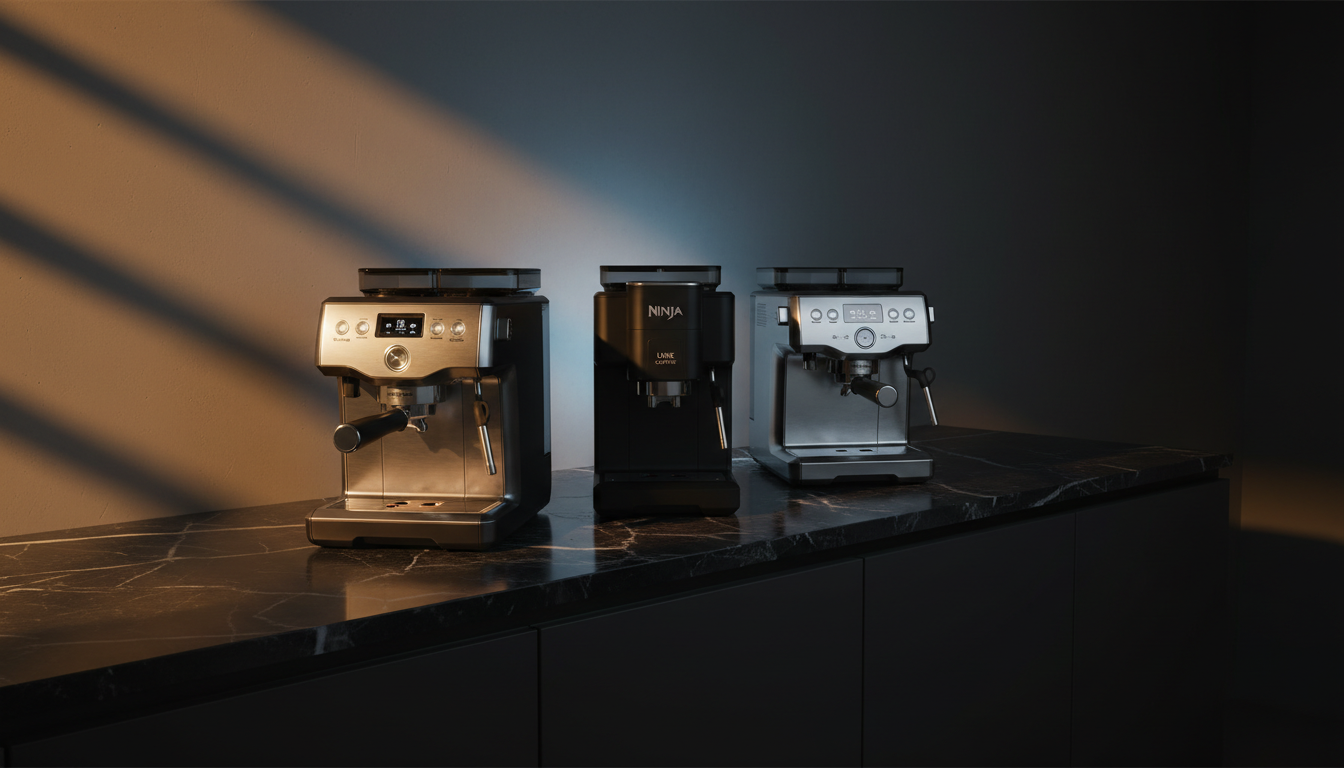
The premium‑priced De’Longhi Eletta Explore, at $1,799.95, carries a 4.3‑star rating—slightly lower than the $749.99 Ninja Luxe Café Pro and the $549.95 Breville Barista Express, both at 4.4 stars. While the Eletta features a 300 g bean hopper, a 3.5‑inch touchscreen and 19‑bar pressure, its higher price keeps it from earning the top score among the nine machines examined.
The roundup spans three clear price tiers: budget options (Philips 1200, 3300, and 2200 series) start at $346.84, mid‑range choices (Gaggia Brera, Breville Barista Express, De’Longhi Magnifica Start) sit between $549.95 and $599.95, and premium models (Ninja Luxe Café Pro, De’Longhi Rivelia, De’Longhi Eletta Explore) range up to $1,799.95. Each machine brings a different mix of bean‑hopper capacity, water‑tank size and frothing features, so you can match a unit to your kitchen space, daily brew volume and how hands‑on you like to be. Below is a breakdown of each model’s strengths, specs, and ideal use cases.

De'Longhi Eletta Explore
Its 17.5‑in depth gives it a spacious interior, supporting the premium performance and feature set that earns the top title.

Ninja Luxe Café Pro
Ideal for budget‑conscious coffee lovers, the Ninja Luxe Café Pro delivers premium quality at $749.99—about $1,050 less than the De'Longhi Eletta Explore.

Breville Barista Express
The Breville Barista Express packs a compact 13.8‑in depth and a lower $549.95 price, offering a space‑saving, affordable alternative to the larger premium models.
Score Analysis
Key score advantages vs. runner-up (Ninja Luxe Café)
Price Range
De'Longhi Eletta Explore
$1,799.95
Ninja Luxe Café Pro
$749.99
Breville Barista Express
$549.95

Philips 1200 Series
$346.84

Philips 3300 Series
$427.27

De'Longhi Magnifica Start
$599.95

Philips 2200 Series
$429.95

De'Longhi Rivelia
$1,275.99
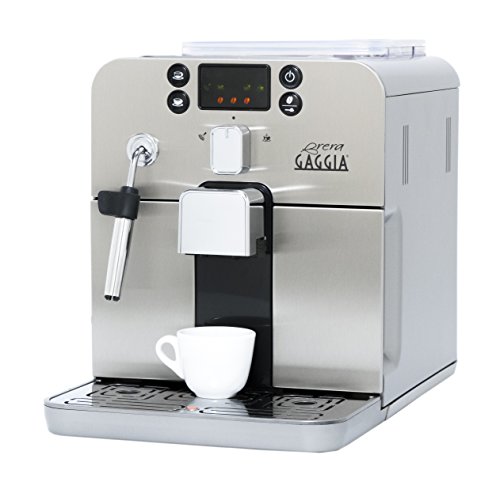
Gaggia Brera Silver
$481.45
Spec Comparison
TL;DR: The De'Longhi Eletta Explore blends a 19‑bar pump, 300 g bean hopper and under‑3‑minute Cold Brew with Wi‑Fi control, but its plastic build and premium price may limit appeal.
What really stands out is the Cold Extraction Technology that delivers a cold‑brew coffee in under 3 minutes, paired with a 19‑bar pressure system and 13 grind‑setting options. The 3.5‑inch TFT touchscreen and built‑in Wi‑Fi let you launch any of the 50+ one‑touch recipes from a smartphone app.
At 24.6 lb, the Eletta Explore is heavier than the De'Longhi Rivelia (21.38 lb) and the Magnifica Start (19.62 lb), yet lighter than the Ninja Luxe Café Pro (27.07 lb). Its 17.5 in depth matches the Magnifica’s 440 mm depth, but exceeds the Ninja’s 339.7 mm and the Philips 1200’s 433 mm. The 300 g bean hopper outpaces most rivals—Rivelia’s 250 g, Magnifica’s 250 g, and the Philips models’ 275 g—while only the Ninja’s 340 g hopper is larger. Water‑tank capacity sits at 1.8 L, equal to the Magnifica and Philips units, but below the Ninja’s roughly 2 L.
Professional reviewers praise the rapid cold‑brew feature and the LatteCrema system’s variable foam texture, noting that the machine produces hot or cold milk foam with a dishwasher‑safe carafe. Everyday users love the one‑touch operation and the included 16‑oz travel mug, but many flag the predominantly plastic housing as feeling less premium and report that the grinder performs at an average level, so you need to clean it frequently despite dishwasher‑safe parts.
Pros
Cons
Best for: Those who value versatile hot and cold drinks, integrated app control, and a sizable bean hopper.
Avoid if: You’re shopping on a tight budget — it’s priced at $1799.95.
“Ease of use for daily lattes/espressos, quick Cold Brew/iced options, consistent foam, and app customization”
TL;DR: The Ninja Luxe Café Pro packs a 25‑level conical burr grinder, built‑in scale and 2 L water tank into a 27‑lb stainless‑steel machine that handles espresso, drip, cold brew and hot water.
What sets this model apart is the integrated weight‑based dosing scale paired with Barista Assist technology, letting you grind, dose and brew with a single button press. The grinder offers 25 grind settings and the bean hopper holds 340 g of beans, while the 68 oz water reservoir (about 2.0 L) supports the 4‑in‑1 functionality without frequent refills. Power comes from a 1650 W, 120 V heating element, and the machine’s dimensions are 339.7 mm deep, 376.7 mm high and 317.0 mm wide.
Compared with the other eight entries, the Luxe Café Pro is noticeably heavier than the Philips 2200 Series (3.75 lb) and the De'Longhi Magnifica Start (19.62 lb), reflecting its more robust build. Its 2.0 L water tank matches the 2.0 L tank of the Breville Barista Express, and its 340 g bean hopper exceeds the 250 g containers that several competitors use. The maximum cup height of 8 in (20.3 cm) comfortably clears most mugs, a clear advantage over models limited to around 140 mm.
Reviewers love the machine’s versatility – the same unit can pull a single espresso, brew a drip coffee, produce cold‑pressed espresso or dispense hot water for tea. Professionals note the “Barista Express killer” built‑in scale and the dual froth system with five preset textures as strong points. However, users also point out the lack of pre‑infusion and adjustable brew‑temperature controls, which keeps the machine from satisfying coffee‑aficionados who crave fine‑tuned parameters. The 18 oz cap on brew size and the 27‑lb weight can feel limiting for high‑volume or space‑constrained kitchens.
Pros
Cons
Best for: Home barista beginners or versatile daily drinkers who want espresso, drip coffee, cold brew and hot water in one premium machine.
Avoid if: You need pre‑infusion, adjustable temperature control, or a lighter, budget‑friendly option.
TL;DR: The Breville Barista Express offers a built‑in 16‑setting conical burr grinder, 2.0 L water tank and 15 bar pump in a 22.09‑lb stainless‑steel unit that heats up in about a minute, earning a strong 4.4‑star rating.
The standout feature is its integrated conical burr grinder with 16 grind settings, feeding a 230 g bean hopper straight into a 54 mm portafilter. Combined with a 2.0 L water tank, a 15 bar pump and a 1‑minute heat‑up, the machine can pull a single or double shot while the LCD digital display guides you through each step.
At 22.09 lb, it’s heavier than De'Longhi Magnifica Start (19.62 lb) and Gaggia Brera (18 lb) but lighter than the Ninja Luxe Café Pro (27.07 lb). Its 2.0 L tank outpaces the 1.8 L tanks of De'Longhi Magnifica Start, Philips 2200 and Philips 1200, and even the 1.4 L reservoir of De'Longhi Rivelia. The 230 g hopper is a touch smaller than the 250 g containers on Magnifica Start and Gaggia Brera, while its 1600 W power draw sits between the 1450 W of Magnifica Start and the 1650 W of Ninja Luxe Café Pro.
Everyday users love the convenience of grinding and brewing in one footprint, noting the fresh‑ground flavor and the sleek brushed stainless steel look. Professional reviewers praise the rapid 1‑minute heat‑up and the reliable 15 bar extraction pressure, but they also point out that the single‑boiler design forces a pause between brewing and steaming, which can be a nuisance for back‑to‑back milk drinks. Some owners mention the 16‑setting grinder feels limited when dialing in precise grind sizes for specialty beans.
A single thermoblock serves both brewing and steaming, delivering steam in roughly 0.25 minute. Automatic shut‑off and a manual steam wand round out the feature set, making it approachable for beginners while still satisfying intermediate enthusiasts.
Pros
Cons
Best for: Most users looking for a well‑reviewed, reliable mainstream option
Avoid if: You need advanced features or professional‑grade performance
TL;DR: For $346.84 the Philips 1200 Series offers a 12‑setting ceramic grinder, 15 bar pump and a 1.8 L water tank in a compact 15.43 lb package, making solid espresso without the premium price.
The standout feature is the 12‑setting ceramic grinder, which reviewers praise for its quiet operation and consistent grind size. Coupled with a 15 bar pump and a brew temperature range of 90–98 °C, the machine can extract espresso with the pressure typically found in higher‑priced models.
In the broader lineup, the 1200 Series is lighter than the Gaggia Brera (18.0 lb) and the De'Longhi Magnifica Start (19.62 lb), yet only a shade lighter than the Philips 3300 (16.53 lb). Its 1.8 L water tank matches the Philips 2200 and De'Longhi Magnifica Start, and it exceeds the Brera’s 1.2 L capacity. The 275 g bean hopper holds more beans than the Brera’s 250 g but less than the Ninja Luxe Café Pro’s 340 g hopper.
User sentiment highlights the machine’s ease of use: the one‑touch interface and frontal access to the drip tray and water tank simplify daily cleaning. Professional reviewers note the adjustable cup clearance of 85–145 mm and the pre‑brew aroma control as handy ergonomic touches. The main complaints revolve around the manual steam wand, which many find finicky compared to automatic milk frothers, and the predominance of plastic in the chassis, which some users say doesn't feel premium over time. The limited selection of 2–3 pre‑programmed drinks also leaves power users wanting more variety.
Additional technical perks include AquaClean filter compatibility (up to 5,000 cups per filter), a 30‑minute auto shut‑off, ECO mode for energy savings, and a standby draw of just 0.2 W. The waste container holds 12 servings, and the 100 cm cord gives flexible placement on most countertops.
Pros
Cons
Best for: Shoppers on a tight budget who want the most for their money
Avoid if: You need automatic milk frothing, high‑volume brewing, or a premium metal build
TL;DR: The Philips 3300 Series offers a 15‑bar pump, 1.8 L water tank, and integrated LatteGo frother in a compact 433 mm‑deep design for under $430, but its limited drink menu and lack of custom profiles may deter enthusiasts.
The standout feature is the built‑in LatteGo milk system paired with a ceramic flat‑burr grinder that provides 12 grind settings, letting you dial in the perfect grind for espresso. A 15 bar pump drives extraction, while the 1.8 L water tank and 260 ml milk container support two‑cup servings without frequent refills.
At 16.53 lb, the machine is heavier than the Philips 1200 Series (15.43 lb) and considerably heftier than the Philips 2200 Series (3.75 lb), but its 433 mm depth matches the 1200’s footprint and is shallower than the Gaggia Brera’s 18‑in depth. The 371 mm height and 246 mm width keep it from dominating a small countertop, and users praise its suitability for limited kitchen space.
Home users consistently highlight the plug‑and‑play simplicity, quiet operation, and hassle‑free milk cleaning. Professional reviewers note the Silent Brew technology and the pre‑brew function as contributors to a low‑noise extraction. The downside is a menu of only six specialty drinks and no ability to save custom drink profiles, which some enthusiasts find restrictive.
Pros
Cons
Best for: Entry‑level buyers or those on a tight budget
Avoid if: You want the best value‑per‑dollar in its price range
TL;DR: The De'Longhi Magnifica Start packs a 13‑setting conical burr grinder, 15 bar pump and a 1.8 L water tank into a 19.62‑lb, compact chassis, making it a solid entry‑level super‑automatic for small spaces.
At the heart of the Magnifica Start is a conical burr grinder with 13 adjustable settings, delivering fresh grounds for each shot. A 15 bar pump and a 1.8 L water tank let you pull espresso or Americano without refilling after every cup, while the 250 g bean container holds enough beans for a few days of brewing. The machine weighs 19.62 lb and measures 440 mm deep by 240 mm wide, fitting comfortably on most countertops.
Compared with the other eight machines in this roundup, the Magnifica Start sits in the middle of the weight range—heavier than the Philips 1200 Series (15.43 lb) but lighter than the Breville Barista Express (22.09 lb). Its depth of 440 mm is deeper than the Philips 2200 Series (371 mm) yet comparable to the Philips 3300 Series (433 mm). The 250 g bean hopper matches the Gaggia Brera Silver’s capacity but is a bit smaller than the Ninja Luxe Café Pro’s 340 g hopper. Unlike the De'Longhi Rivelia and Eletta Explore, it lacks a built‑in milk system, limiting it to manual frothing.
Reviewers consistently praise the compact footprint—standing roughly 350‑360 mm tall—and the straightforward soft‑touch button interface. Professional testers note the quick grind time and reliable 15 bar pressure, while everyday users love the dishwasher‑safe parts for easy cleanup. Users complain about the plastic‑dominant build, which feels less premium, and the noticeable grinding noise. The manual steam wand means you’ll need a bit of practice to achieve latte‑like foam.
Pros
Cons
Best for: Most users seeking a balanced, mainstream option
Avoid if: You need advanced features or professional‑grade performance
“great coffee and espresso”
“excellent midranged superautomatic”
TL;DR: The Philips 2200 Series offers a compact, 12‑setting ceramic grinder, 1.8 L water tank, and manual milk frother for $429.95, but its limited drink range and modest 3.8‑star rating may deter power users.
The standout spec is the 12‑setting ceramic flat‑burr grinder, which Philips rates for 20,000 cups and lets you dial in grind size for espresso or coffee. A 15 bar pump delivers the pressure needed for a proper crema, while the 1.8 L water tank reduces refill trips during a morning routine. At just 3.75 Pounds (1700 g), the machine stays light enough to move without a dolly.
Compared with the eight other machines in this roundup, the 2200 Series is noticeably lighter than the Philips 3300 Series, Philips 1200 Series, Gaggia Brera, Breville Barista Express, De'Longhi Magnifica Start, Ninja Luxe Café Pro, De'Longhi Rivelia, and De'Longhi Eletta Explore—all of which weigh well over 15 Pounds. Its 371 mm depth also gives it a shallower footprint than the 433 mm depths of the Philips 3300 and 1200 models, making it a better fit for tight countertops.
Everyday users praise the intuitive touch screen and the consistent coffee quality fresh beans deliver through the ceramic grinder. The AquaClean filter, which can skip descaling for up to 5,000 cups, highlights a major convenience, and the machine’s A‑class energy rating and >95 % recycled material content appeal to eco‑conscious buyers. On the downside, reviewers say the classic manual milk frother requires practice and that only espresso and coffee (plus hot water) are available, limiting variety for milk‑drink enthusiasts.
Pros
Cons
Best for: Entry-level buyers or those on a tight budget who need a compact, easy‑to‑use bean‑to‑cup machine.
Avoid if: You need powerful performance, multiple automated milk‑based drinks, or professional‑grade features.
“good espresso for starters”
“delicious milk froth”
TL;DR: The De'Longhi Rivelia blends a 13‑setting stainless steel burr grinder, 3.5‑inch touch screen and 19‑bar pump into a 21.38‑lb machine that delivers café‑level espresso, but its tall profile and premium price may limit some kitchens.
The integrated stainless‑steel conical burr grinder with 13 grind settings is the standout spec, paired with Bean Adapt Technology that automatically tweaks grind, dose and temperature for each bean type. Combined with a 1.4 L removable water reservoir and a 19‑bar pump, the Rivelia delivers consistent extraction without manual adjustments.
Compared with the eight other machines in this roundup, the Rivelia sits in the mid‑weight range: it’s lighter than the Ninja Luxe Café Pro and De'Longhi Eletta Explore, yet heavier than the Philips 2200 Series and Philips 1200 Series. Its 3.5‑inch color touch display matches the Eletta Explore’s screen size, yet it offers more advanced automation like the LatteCrema Hot System with auto‑clean and four customizable user profiles.
Reviewers consistently praise the convenience of one‑touch brewing and the “killer coffee” quality fresh grinding provides. Professional reviewers highlight how the machine produces rich crema and offers three temperature levels for espresso extraction. Users, however, note the 14.75‑inch height can be a tight fit on standard countertops, and the 250 g bean hopper—while interchangeable—might need more frequent refills for heavy drinkers.
Pros
Cons
Best for: Coffee enthusiasts who want café‑quality drinks without barista training and appreciate extensive automation.
Avoid if: You have limited countertop space, a tight budget, or only need a basic espresso maker.
“a modern fully automatic coffee machine that makes killer coffee and is bang on the money in terms of preparation and design”
TL;DR: The Gaggia Brera Silver packs a ceramic flat‑burr grinder, 250 g bean hopper and 1.2 L water tank into a 10 × 13 × 18‑inch footprint for under‑$500, but its pump pressure and limited temperature control may disappoint espresso purists.
The standout feature is the built‑in ceramic flat‑burr grinder with five grind settings and a 250 g bean hopper. Combined with a 1.2 L front‑loading water tank, the machine can brew multiple drinks before refilling, all while staying under a compact 10 in width, 13 in height and 18 in depth.
At 18 lb, the Brera is considerably heavier than the ultra‑light Philips 2200 Series, which weighs just 3.75 lb, yet it's lighter than the Breville Barista Express at 22.09 lb and the De'Longhi Magnifica Start at 19.62 lb. Its 1.2 L tank is smaller than the 1.8 L reservoirs found in most of the other eight machines, and the 250 g bean hopper matches the capacity of the De'Longhi Magnifica Start while being a touch below the 275 g hopper of the Philips 2200.
Reviewers love the one‑touch espresso and lungo buttons and the machine’s space‑saving size, calling it ideal for first‑time users. However, many note the integrated grinder is the weakest link, producing less consistent grind quality than a dedicated grinder. Professional reviewers also point out the 15 bar pump pressure can feel low, leading to watery shots and weaker crema, and the lack of programmable brew temperature limits advanced tweaking.
Technically, the Brera uses a stainless‑steel thermoblock with PID control to reach 164 °F for a 2‑oz cup and 168 °F for an 8‑oz cup. It features a stainless‑steel Pannarello steam wand with an auto‑frothing attachment, an automatic standby mode after one hour, and Brita‑filter compatibility. Power draw is 1250 W on 120 V (1400 W on 230 V), which is typical for machines in this class.
Pros
Cons
Best for: Beginners and entry‑level users who want a fully automatic espresso machine that fits a small kitchen.
Avoid if: You are a specialty‑coffee enthusiast seeking extensive shot customization, premium pressure and temperature control.
Breakdown
De'Longhi Eletta Explore
Pros
Cons
Ninja Luxe Café Pro
Pros
Breville Barista Express
Pros
Philips 1200 Series
Pros
Based on scoring data and product specs
Personalized picks
Best Overall Pick
De'Longhi Eletta Explore
Best OverallBest for: Those prioritizing quality and willing to pay for premium performance
Ninja Luxe Café Pro
Best for: Those prioritizing quality and willing to pay for premium performance
$749.99-$1,049.96 vs winner
Skip Gaggia Brera Silver if…
You have limited desk space or need portability
The De'Longhi Eletta Explore takes the top spot thanks to its high user rating of 4.3 / 5 from 472 reviews, a generous 300 g bean hopper and 13 grind settings that let you fine‑tune extraction. Its 1.8 L water reservoir and 19‑bar pressure ensure you can pull multiple drinks in a row, while the 3.5‑inch full‑touch display and Wi‑Fi connectivity make programming effortless.
Ninja Luxe Café Pro lands as the runner‑up, especially if you need precision dosing and guided brewing. It sports a built‑in scale, 25 grind settings and Barista Assist technology that walks you through grind, dose and brew steps. With a 12‑oz (340 g) hopper, 68‑oz water tank and a dual froth system, it handles espresso, drip coffee, cold brew and hot water without swapping accessories.
For tighter budgets, the Philips 1200 Series delivers solid espresso performance at $346.84, which makes it the best value pick. The Breville Barista Express, priced at $549.95, offers a strong mid‑range option with a built‑in grinder and reliable espresso quality. If you want premium features without the top‑tier price, the De'Longhi Rivelia provides high‑end functionality at $1 275.99.
Choose the De'Longhi Eletta Explore for a versatile, high‑rated bean‑to‑cup experience that covers every coffee craving.
The Gaggia Brera Silver has a depth of 18 in and a width of 10 in, making it slightly more compact than the De'Longhi Eletta Explore, which measures 17.5 in deep and 10.25 in wide. Both fit on a typical countertop, but the Brera’s smaller footprint gives it a modest edge in tight spaces.
No reviews yet — be the first to share your experience.
Please sign in to leave a review
Also considered
$749.99