⚡ Quick Answer
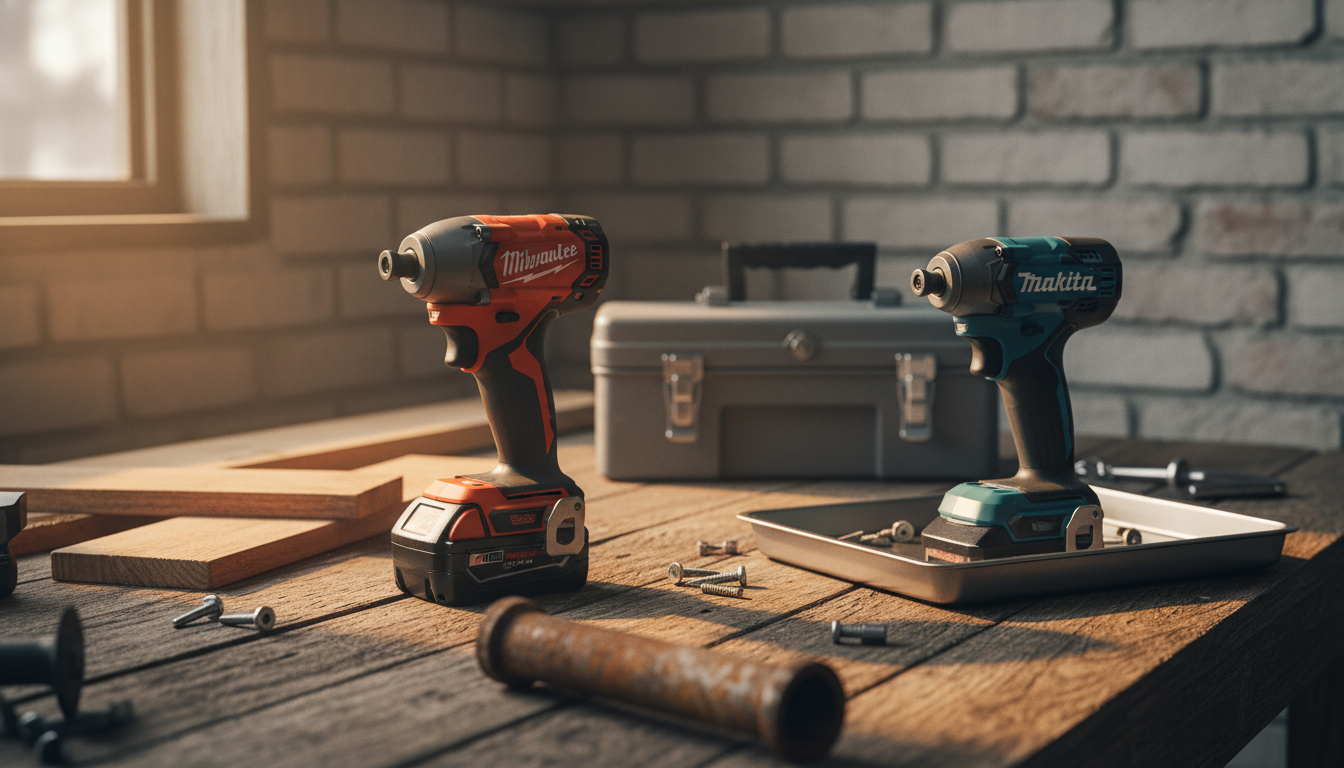
We lined up 9 18‑V impact drivers to see how they stack up across budget, mid‑range and premium tiers. The Milwaukee M18 Fuel immediately catches the eye with a listed price of $141.99, a 4.7‑star rating from 2,422 reviewers, 2,000 in‑lb of torque, 4,400 IPM, a 3‑mode speed selector and a compact 4.47‑in length—all packed into a 2.2‑lb tool that sports three LEDs and a belt clip.
At the low end, the Ryobi ONE+ Impact Driver ($39.00) and Milwaukee M18 2656‑20 ($67.00) give you solid performance for under $70, while the Ridgid 18V Brushless ($69.95) adds a 2.3‑k in‑lb torque punch. Moving up, the Ryobi ONE+ HP ($82.00) and Makita XDT13Z ($107.76) bring higher torque and longer runtimes, and Bosch’s GDR18V‑1950CN ($137.97) adds a 3‑speed selector and two LEDs. The premium camp—Milwaukee M18 Fuel, Milwaukee M18 2953‑20 ($139.00) and Metabo HPT KC18DEXQB ($149.00)—offers the highest torque figures and the most refined control features.
Next, we’ll break down each model’s strengths, so you can match the right driver to your projects.

Milwaukee M18 Fuel
Its compact 4.47 in length keeps the tool snug in tight spaces, a key factor in earning the Best Overall title.

Ryobi ONE+ HP Impact Driver
Perfect for home and office DIY projects, the Ryobi ONE+ HP packs strong performance at $82.00, noticeably lower than the $141.99 price of the Best Overall model.
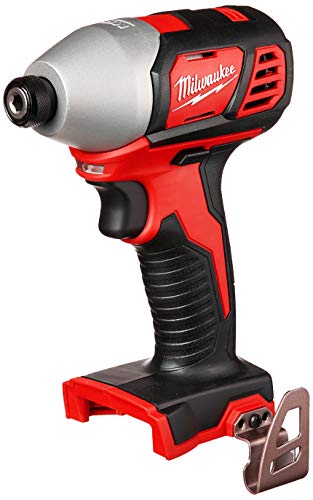
Milwaukee M18 2656-20
At just 7.85 in tall, the Milwaukee M18 2656-20 offers the most compact profile of the three, ideal when space is at a premium.
Also considered
TL;DR: The Milwaukee M18 2656-20 packs 1,500 in‑lb of torque, up to 3,450 IPM, and a brushless 4‑pole motor into a compact 7.85‑inch tool that’s backed by a five‑year warranty.
The standout spec is its maximum torque of 1,500 in‑lb paired with an impact rate of 0‑3,450 IPM, which gives you strong, fast fastening in a tool that measures just 5.69 in long and 2.93 in wide. A single LED sits below the quick‑connect chuck for illumination in tight spots, and the variable‑speed trigger lets you dial in the exact speed you need, up to 2,750 RPM.
Compared with the eight other drivers in this roundup, the Milwaukee sits in the mid‑weight range at 2.8 lb—lighter than the Ridgid 2.74 lb model but a touch heavier than the Ryobi ONE+ HP at 2.31 lb. Its torque is lower than Ridgid’s 2,200‑2,300 in‑lb and Ryobi ONE+ HP’s 2,200 in‑lb, matching the Makita and Bosch models that also list 1,500 in‑lb. The impact rate of 3,450 IPM sits between Ryobi’s 4,000 IPM and Makita’s 3,600 IPM, giving it a balanced performance profile.
Professional reviewers praise the brushless 4‑pole frameless motor for longer life and higher power than brushed rivals, and they note the REDLINK Intelligence system’s overload protection as a confidence‑boosting feature. Users appreciate the compact size and quick‑change chuck for tight‑space jobs, though many flag the tool‑only configuration as a downside because you’ll need to buy an M18 battery and charger separately. The 1,500 in‑lb torque is solid for most fastening tasks, but a few users mention it may fall short on heavy‑duty structural work.
Pros
Cons
Best for: Budget-conscious buyers seeking a reliable entry-level option — the Milwaukee M18 2656-20 offers Impacts Per Minute: 0‑3,450 IPM
Avoid if: You need higher torque for heavy structural work or prefer an all‑in‑one package with battery included.
TL;DR: The Milwaukee M18 Fuel Impact Driver packs 2,000 in‑lbs of torque, up to 4,400 IPM, and a compact 4.47‑in body into a lightweight 2.2‑lb, brushless‑motor tool for pro‑level fastening.
What really sets this driver apart is its 2,000 in‑lbs maximum torque paired with a 0–4,400 IPM impact rate. The 4‑mode drive control lets you dial in power for everything from tiny screws to heavy fasteners, while the POWERSTATE brushless motor promises faster driving speeds and cooler operation. At 18 V, the tool delivers the kind of performance you’d expect from a job‑site workhorse.
Compared with the eight other drivers in the roundup, the M18 Fuel is surprisingly agile. It weighs 2.2 lb, which is lighter than the 3.0‑lb Bosch GDR18V‑1950CN and a touch lighter than the Milwaukee M18 2953‑20 that tips the scales at 2.49 lb. Its 4.47‑in length is shorter than Makita’s 5‑in XDT13Z and far more compact than Ryobi’s 9‑in ONE+ HP model, making it easier to maneuver in tight spaces. The three‑LED light cluster also outshines Bosch’s two‑LED setup, and the built‑in belt clip adds on‑the‑go convenience that many peers lack.
Everyday users consistently highlight the driver’s lightweight feel and the confidence they get from its reliable power delivery. Reviewers note that the single‑handed bit insertion and the ULTIMATE TRIGGER CONTROL help prevent stripped screws, especially on delicate work. Professional testers point out that the REDLINK PLUS intelligence safeguards against overloads and overheating, while the ONE‑KEY app lets you customize settings and track tool usage—features that appeal to contractors who need both control and accountability.
Pros
Cons
Best for: Buyers willing to invest in a proven, high‑quality option — the Milwaukee M18 Fuel offers Maximum Torque: 2,000 in‑lbs
Avoid if: You're on a tight budget or only need basic functionality
TL;DR: The Makita XDT13Z delivers 1,500 in‑lb of torque, 3,600 IPM and a brushless motor in a lightweight 2.43‑lb package, but it arrives without a battery and offers only a single speed setting.
What really sets the XDT13Z apart is its 1,500 in‑lb of maximum torque paired with a variable‑speed range that tops out at 3,400 RPM. The brushless motor also promises up to 50% longer runtime per charge, which reviewers say translates into fewer interruptions on typical DIY jobs.
Compared with the eight other impact drivers in this roundup, the Makita sits in the middle of the weight spectrum—heavier than the Ryobi ONE+ HP at 2.31 lb but lighter than Bosch’s 3.0‑lb model. Its 3,600 IPM impact rate trails the Milwaukee and Ryobi HP units that reach 4,000 IPM or more, and its single‑speed control is fewer than the 3‑ or 4‑mode selections found on most competitors. Torque-wise, the XDT13Z’s 1,500 in‑lb is below the 2,000‑in‑lb figures of the Milwaukee M18 series and the 2,200‑in‑lb range of Ridgid, though it matches the torque of the Milwaukee M18 2656‑20.
Users consistently applaud the ergonomic soft grip and the bright LED work light, noting that the tool feels balanced during extended fastening tasks. Professional reviewers highlight the brushless motor’s cooler operation and the advertised 50% runtime boost as real advantages. The most common complaint is that the package does not include a battery, so owners must already have Makita 18V LXT cells on hand. A second frequent remark points to the single‑speed setting, which some hobbyists find limiting when switching between delicate and heavy‑duty screws.
Pros
Cons
Best for: Most users looking for a well‑reviewed, reliable mainstream option — the Makita XDT13Z offers Impacts Per Minute: 0 - 3,600 IPM
Avoid if: You need advanced features or professional‑grade performance
TL;DR: At $39, the Ryobi ONE+ Impact Driver packs 1,800 in‑lbs of torque and 3,400 IPM in a 2.6‑lb, compact package, making it a solid entry‑level choice for DIY projects.
This driver’s standout spec is its 1,800 in‑lbs of torque combined with a 3,400 IPM impact rate, both driven by an 18 V brushed motor. The variable‑speed trigger lets you dial in speed, while a single LED worklight shines on tight spots. At 7.4 in tall, 6.7 in wide and only 2.9 in deep, it fits comfortably in cramped work areas.
Compared with the eight other tools in this roundup, the Ryobi lands in the middle of the weight spectrum—heavier than the Milwaukee M18 Fuel at about 2.2 lb but lighter than Bosch’s 3.0‑lb model. Its torque is lower than the Milwaukee M18 Fuel’s 2,000 in‑lbs and the Ridgid’s 2,200‑2,300 in‑lbs, yet it matches the Milwaukee 2656‑20’s 1,500 in‑lbs and exceeds the Metabo HPT’s 620 in‑lbs. The 3,400 IPM rate sits just below Milwaukee’s 4,400 IPM top end but outpaces the Ryobi HP’s 4,000 IPM, offering a respectable middle ground for most fastening jobs.
Professional reviewers note that the 1,800 in‑lbs torque is ample for typical DIY fastening, and the fast impact rate speeds up wood and metal screw driving. Users appreciate the lightweight feel and the convenience of the on‑board LED. The main criticism is the brushed‑motor design, which tends to be less efficient and durable than brushless alternatives found in higher‑end models, and the lack of multiple driving modes that premium variants provide.
Beyond the raw numbers, the tool features a 1/4 in. hex quick‑connect chuck, a variable‑speed trigger, and a three‑year warranty. It ships as tool‑only, so you’ll need a compatible Ryobi ONE+ 18 V battery to power it.
Pros
Cons
Best for: Budget‑conscious buyers seeking a reliable entry‑level option — the Ryobi ONE+ Impact Driver offers Impacts Per Minute: 3,400 IPM.
Avoid if: You need brushless durability for heavy professional use or require higher torque for large structural fasteners.
TL;DR: The Ryobi ONE+ HP Impact Driver packs 4,000 IPM, 2,200 in‑lb of torque and a four‑mode brushless motor into a lightweight 2.31‑lb body for fast, precise fastening.
What really stands out is the 4,000 impacts per minute paired with a maximum speed of 2,900 RPM, delivering up to 25% faster driving than older brushed models. The four‑mode control—three speed settings plus an Assist Mode for delicate fasteners—lets you dial in exactly the power you need without over‑driving screws.
Compared with the other eight tools in this roundup, the Ryobi is lighter than the Ridgid 18V Brushless (2.74 lb) and the Milwaukee M18 2656‑20 (2.8 lb), yet it matches Ridgid’s torque range of 2,200‑2,300 in‑lb. Its 4,000 IPM outpaces Milwaukee’s 0‑3,450 IPM and Makita’s 0‑3,600 IPM, putting it near the top of the impact‑rate spectrum. While the Milwaukee M18 Fuel and the Milwaukee M18 2953‑20 both offer four‑mode drives, the Ryobi’s brushless HP motor claims a 25% speed boost, a benefit highlighted by professional reviewers.
Users consistently praise the “blazing speed” and the ability to drive large lag screws with ease, noting that the 2,200 in‑lb torque feels impressive for a tool of this size. The Assist Mode is frequently called a “game‑changer” for sheet‑metal and small fasteners, reducing the risk of over‑driving. On the downside, owners mention that the motor can run hot after extended heavy use and that the tool‑only package forces a separate purchase of a battery and charger. The lack of a belt clip also shows up in a few complaints.
Pros
Cons
Best for: DIY enthusiasts and contractors who need high torque and fast impacts in a compact, lightweight package—especially those already invested in Ryobi’s 18V ONE+ system.
Avoid if: You require ultra‑heavy‑duty 1/2‑inch impacts or don’t already own Ryobi 18V batteries, as the tool‑only setup adds extra cost.
“Delivers up to 2,200 in/lbs. torque, 2,900 RPM... very happy with this Ryobi. Adjust torque by moving the selector—great control.”
“Blazing fast on screws—2,200 in./lbs. is no joke for the size”
TL;DR: The Metabo HPT KC18DEXQB packs a 2.0 Ah battery, 22‑stage clutch and 1,549 in‑lb of impact torque into a compact drill‑driver combo, but its 10.5‑lb weight and $149 price put it at the premium end of the market.
The combo’s standout spec is the impact driver’s 1,549 in‑lb of torque, which sits comfortably between the 1,500 in‑lb offered by the Makita XDT13Z and the 2,000 in‑lb seen on the Milwaukee M18 Fuel. Its 3,400 BPM impact rate matches the rhythm of many midsize tools while staying below the 4,400 IPM ceiling of the Milwaukee and Ryobi HP models.
At 10.5 pounds, the kit is noticeably heavier than the roughly 2‑3 lb range of the other eight impact drivers in this roundup, making it less ideal for long‑duration overhead work. However, the driver drill’s 6.1‑inch length is the most compact among its peers, and the impact driver itself weighs only 2 lb—lighter than the Milwaukee M18 Fuel’s 2.2‑lb unit and far lighter than the Bosch GDR18V‑1950CN’s 3‑lb combo.
Professional reviewers praise the Reactive Force Control safety feature and the dual‑voltage 18 V/36 V MultiVolt platform, which lets you swap batteries across a growing ecosystem. Users also note the bright LED work light and the brushless motor’s efficiency, though they acknowledge that the premium $149 price and the overall heft may deter hobbyists who prioritize lightweight portability.
Pros
Cons
Best for: Those prioritizing quality and willing to pay for premium performance — the Metabo HPT KC18DEXQB offers Battery Capacity: 2.0Ah
TL;DR: The Milwaukee M18 2953‑20 packs 2000 in‑lb of torque, 0–4,400 IPM impact and a brushless motor into a 2.2‑lb, 4‑mode driver, delivering pro‑level power at a mid‑range price.
What really sets this driver apart is its 2000 in‑lb maximum torque paired with a 0–4,400 IPM impact rate. The 4‑mode drive lets you dial in power for delicate screws or heavy‑duty bolts, while the POWERSTATE™ brushless motor keeps the output smooth across the 0–3,900 RPM no‑load speed range. All of that lives in a compact 4.47 in tool length and a 7.6 in height, making it easy to reach tight spots.
At 2.2 lb, the M18 2953‑20 is lighter than the Bosch GDR18V‑1950CN’s 3.0 lb body and a touch lighter than Makita’s 2.43 lb XDT13Z, yet it matches the weight of its sibling Milwaukee M18 Fuel. Its torque matches the Milwaukee M18 Fuel’s 2000 in‑lb and exceeds Makita’s 1,500 in‑lb, though Ryobi’s ONE+ HP lists a slightly higher 2,200 in‑lb. Impact-wise, it tops the Bosch and Makita figures (4,000 IPM and 3,600 IPM respectively) and sits alongside Ridgid’s 3,600‑4,200 IPM range.
Reviewers love the raw power you get in such a compact package, especially the self‑tapping screw mode that reduces walking and overdriving. The REDLINK PLUS™ intelligence’s overload and overheating protection earns praise for keeping the tool safe during long jobs. Users also note the tri‑LED lighting and rubber‑overmold grip as handy for work in dim, cramped spaces. On the flip side, some mention the trigger can be overly sensitive, leading to stripped fasteners, and the lack of One‑Key connectivity is a missed smart‑tool feature.
Pros
Cons
Best for: Those prioritizing quality and willing to pay for premium performance — the Milwaukee M18 2953‑20 offers Maximum Torque: 2000 in‑lbs
Avoid if: You're shopping on a tight budget — it's priced at $139.00
“Insanely fast on deck screws—clears 3" lags effortlessly”
“Fits where bigger drivers can't.”
TL;DR: The Bosch GDR18V-1950CN packs 1,950 in‑lb of torque and 4,000 ipm in a compact 113 mm head, but its $137.97 price and lack of a battery keep it in the mid‑range tier.
What really stands out is the combination of 4,000 impacts per minute and a peak torque of 1,950 in‑lb, delivered through a brushless 18 V motor. The driver offers three speed settings (800, 2,300, and 3,400 RPM) and a short 113 mm head length, letting you reach tight spots that larger tools miss. Dual LED worklights brighten dim work zones, and the variable trigger gives smooth control from light to heavy‑duty fastening.
Compared with the eight other impact drivers in this roundup, the Bosch sits heavier than the Milwaukee M18 Fuel at roughly 3.0 lb versus about 2.2 lb, yet it’s far lighter than the Metabo HPT model that tips the scales at 10.5 lb. Its price point lands it above the Ryobi ONE+ HP driver, positioning it as a mid‑range option rather than a budget pick. While it lacks an included battery, many peers bundle theirs, so you’ll need to factor that extra cost.
Users consistently praise the tool’s balanced feel and the bright dual LEDs, noting that the compact head makes it a go‑to for confined jobs like cabinet installation. Professional reviewers highlight the Auto Stop and Auto Slow Down features for delivering consistent fastener depth. On the flip side, a handful of reviewers mention occasional torque drop‑outs when pushing the driver to its maximum setting, and the absence of a battery means runtime depends on the pack you pair with it.
Beyond the core specs, Bosch equips the driver with a 1/4 inch hex chuck, reverse function, and a belt clip for easy carry on the jobsite. The five‑year limited warranty adds confidence for contractors who expect durability over years of use.
Pros
Cons
Best for: Most users seeking a balanced, mainstream option — the Bosch GDR18V-1950CN offers Impacts Per Minute: 4,000 ipm
Avoid if: You're shopping on a tight budget — it's priced at $137.97
TL;DR: The Ridgid 18V Brushless Impact Driver packs 3‑speed brushless power, up to 4200 IPM, and a compact 3.39‑inch length for under $70, making it a solid budget workhorse.
What really stands out is the 3600‑4200 IPM impact rate paired with a max torque range of 2200‑2300 in‑lb, all driven by an 18 V brushless motor. At 2.74 lb and a height of 7.91 in, the tool feels solid without being unwieldy, and the 1/4 in. Hex Quick‑Eject chuck lets you change bits with one hand.
Compared with the eight other drivers in this roundup, the Ridgid sits in the middle of the weight spectrum—heavier than the 1.5 lb Milwaukee M18 2656‑20 but far lighter than the 10.5 lb Metabo HPT KC18DEXQB. Its 3.39 in. length is noticeably shorter than Milwaukee’s 5.69 in. model, giving it an edge in tight spaces. Impact‑rate wise, it outpaces the Milwaukee 2656‑20 (up to 3,450 IPM) and Ryobi’s non‑HP version (3,400 IPM), yet falls short of the Milwaukee Fuel and Bosch units that push 4,000 IPM or more.
Users consistently praise the raw torque for driving lag bolts and the bright LED for work‑site visibility. Professional reviewers note the “compact 5.1‑inch design” (the listed 3.39 in. tool length plus handle) as a major advantage in cramped jobs. The variable‑speed trigger, however, draws criticism for being less precise than dial‑only triggers on some competitors, and owners mention that adding a battery brings the total weight up to about 3.4 lb, which can cause fatigue on prolonged use.
Pros
Cons
Best for: Entry‑level buyers or those on a tight budget — the Ridgid 18V Brushless offers Height: 7.91 Inches
Avoid if: You need ultra‑precision for delicate electronics work or prioritize the highest possible impact rate.
“best bang for buck”
“faster and more powerful”
Breakdown
Milwaukee M18 Fuel
Pros
Ryobi ONE+ HP Impact Driver
Pros
Milwaukee M18 2656-20
Pros

Milwaukee M18 2953-20
Pros
Cons
Based on scoring data and product specs
Personalized picks
Best Overall Pick
Milwaukee M18 Fuel
Best OverallBest for: Buyers willing to invest in a proven, high-quality option — the Milwaukee M18 Fuel offers Maximum Torque: 2,000 in-lbs
Ryobi ONE+ HP Impact Driver
Best for: Home and office users seeking a balance of features and value — the Ryobi ONE+ HP Impact Driver offers Impacts Per Minute: 4,000 IPM
$84.99-$60.00 vs winner
Skip Ridgid 18V Brushless if…
Reliability and user satisfaction are your top concerns
The Milwaukee M18 Fuel wins the Impact Driver roundup. It delivers a maximum torque of 2000 in‑lb, pushes up to 4400 impacts per minute, and offers a 4‑mode speed selector, giving you the power and control you need for demanding jobs. At just 2.2 lbs, it’s light enough for extended use, and the three built‑in LEDs keep the work area bright. Users have backed it with a 4.7‑star rating from over 2,400 reviews.
The Ryobi ONE+ HP Impact Driver lands as the runner‑up, and it shines when you need a bit more torque for larger fasteners while still wanting a longer reach. It supplies 2,200 in‑lb of torque, 4,000 IPM, and a 9.0‑inch tool length that helps you access deeper screw locations. Its 4‑mode control and single‑handed quick‑connect bit release make precision work feel effortless.
Pick the Milwaukee M18 Fuel for the most capable, all‑around impact driver you can buy today.
The M18 Fuel packs 3 LED lights, a belt‑clip, a 4‑mode speed selector and a variable‑speed trigger, all in a compact 4.47‑inch tool that weighs 2.2 lb. It also delivers a maximum torque of 2000 in‑lb and up to 4400 impacts per minute, which are higher than most of the competitors.
No reviews yet — be the first to share your experience.
Please sign in to leave a review