⚡ Quick Answer
Choosing a butane stove under $50 can feel like a tightrope walk between power, portability and price. Our roundup of five models spans a price range from $13.99 for the ultra‑light AOTU Portable Camping Stove up to $49.95 for the Fire‑Maple Fixed Star 1, and the reviews cluster around four‑and‑a‑half stars – the Coleman Classic leads with a 4.6‑star rating from 1,808 reviewers.
To make sense of the spread, we grouped the offerings into three price tiers that the market already respects. The budget tier houses the AOTU and the Gas One GS‑3800DF, both under $30 and light enough for a daypack. The Chef Master Portable Butane Camping Stove occupies the mid‑range slot, a 4‑pound unit with a 7,650 BTU output. The Coleman model and the Fire‑Maple Fixed Star 1 serve as premium choices, each bringing a carry case and higher heat ratings. Below we’ll break down how each stove stacks up on weight, ignition type and power, so you can match a unit to your campsite or kitchen nook.
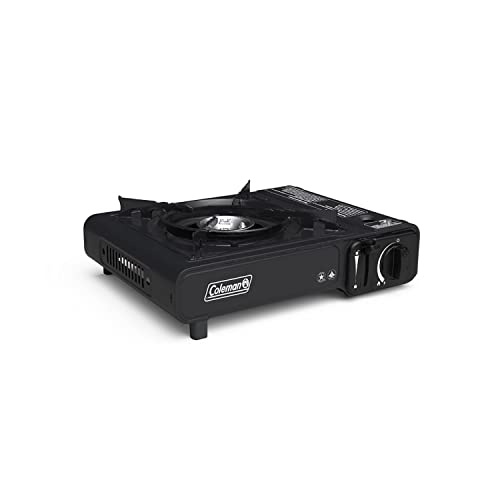
Coleman Butane or Propane Camping Stove
Its 165 mm height provides a stable cooking surface, reinforcing the high value and rating that buyers trust.

AOTU Portable Camping Stove
Ideal for budget‑focused campers, this stove costs $13.99—about $26.90 less than the Coleman, delivering reliable performance at entry level.
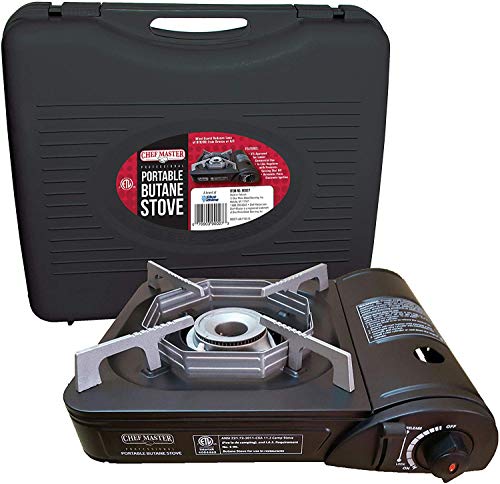
Chef Master Portable Butane Camping Stove
The Chef Master’s 127 mm height makes it more portable than the Coleman while still offering richer features than the ultra‑compact AOTU.
Score Analysis
Key score advantages vs. runner-up (AOTU Portable Camping)
Price Range
Coleman Butane or Propane Camping Stove
$34.22
AOTU Portable Camping Stove
$12.99
Chef Master Portable Butane Camping Stove
$39.90
Gas One GS-3800DF
$34.99

Fire-Maple Fixed Star 1
$39.95
Spec Comparison
TL;DR: The Coleman Classic 1‑Burner stove packs 7,650 BTU/h of heat into a 249 g, 165 mm tall unit, offering Instastart ignition and a 3‑year warranty for under $50.
The stove delivers 7,650 BTU/h, enough to bring water to a boil quickly, while weighing just 249 g and measuring 165 mm in height and 381 mm in length. Its rust‑proof aluminum burner and porcelain‑coated removable grate keep the cooking surface durable and easy to clean. Instastart push‑button ignition means you can light it with a single press, no matches required.
Compared with the other four options in this budget roundup, the Coleman model it's markedly lighter than the Chef Master stove, which tips the scales at several pounds, and its footprint is smaller than the bulkier Gas One unit. It also offers a higher power output than the ultra‑compact AOTU stove, while staying more affordable than the premium‑priced Fire‑Maple model. In short, it lands in a sweet spot of portability, power, and price.
Users repeatedly praise its feather‑light build and the convenience of the Instastart ignition, noting that it “just works” even in breezy conditions thanks to the wind‑protecting base. Professional reviewers echo this sentiment, highlighting the stove’s stability and reliable flame control. The main trade‑off mentioned by campers is the single‑burner design, which limits you to one 10‑inch pan at a time, and the relatively short fuel burn time, so extra canisters are advisable for longer outings. The manufacturer lists compatibility with both butane and propane canisters, adding fuel flexibility.
Pros
Cons
Best for: Solo campers, minimalists, and small groups who need a lightweight, reliable stove for quick meals.
Avoid if: You require family‑size cooking, long burn times, or are planning trips in very cold weather where butane performance may suffer.
TL;DR: The AOTU AL‑GHFA stove packs a 10,000 BTU/h output into a 0.24‑lb, 75 × 95 × 65 mm package for under $15, making it the lightest budget option for occasional backpacking.
The standout spec is its 3000 W (≈10,000 BTU/h) power output, which rivals many larger camp stoves while staying under a pound at just 0.24 lb (109 g). Its compact fire board (9.5 × 9.5 cm) and folded dimensions of 75 mm height, 95 mm length and 65 mm width let it slip into a tiny case that measures only a few centimeters on each side.
Compared with the four peers, the AOTU is dramatically lighter: the Gas One GS‑3800DF weighs 3.78 lb, the Chef Master 4.0 lb, the Coleman model about 0.55 lb, and the Fire‑Maple 1.13 lb. It’s also shorter than the Gas One (277 mm vs 75 mm) and narrower than the Chef Master (305 mm vs 65 mm). However, its 10,000 BTU/h output is lower than the Gas One’s 11,000 BTU/h and the others’ 7,650 BTU/h, so you’ll trade a bit of heat for ultra‑light portability.
Users highlight the stove’s “tiny folded footprint” and “sub‑3‑oz weight” as major wins, especially for hikers who need to save every gram. Reviewers note the built‑in piezo igniter and the honeycomb aluminum wind‑proof net, but they also flag durability concerns—igniter failures and limited wind resistance appear repeatedly in consumer comments.
Technical details boost its appeal: it accepts 7/16‑inch threaded butane or butane‑propane mixed canisters (EN 417), and the honeycomb net helps protect the flame in mild breezes. The piezo ignition means you won’t need matches, and the stove’s 3000 W output compares to a kitchen burner, making boil‑only meals quick and efficient.
Pros
Cons
Best for: Budget‑conscious buyers seeking a reliable entry‑level option
Avoid if: You need a stove that handles high wind, frequent heavy use, or precise simmering control
TL;DR: The Chef Master 90027 delivers 7,650 BTU/h of heat from a 4.0‑lb, hard‑shell‑cased unit that fits a 254 mm pan, making it a solid under‑$50 choice for portable butane cooking.
The stove’s standout spec is its 7,650 BTU/h power output, which lets you bring water to a boil or sear a steak quickly despite the compact footprint. At 127 mm tall, 356 mm long and 305 mm wide, it accommodates a maximum pan diameter of 254 mm, and the built‑in wind guard helps maintain flame stability in breezy conditions. The piezo electric ignition and in‑line regulator with pressure‑sensing shut‑off add safety and convenience, while the hard‑shell carrying case protects the unit during transport.
Compared with the other four stoves in this budget roundup, the Chef Master is larger and heavier than the ultra‑light AOTU (75 mm × 95 mm, 0.24 lb) and the compact Fire‑Maple (173 mm × 127 mm, 1.13 lb). It also outweighs the Coleman model (249 g) and the Gas One (1714 g). Its 7,650 BTU/h output matches the Coleman stove but falls short of the Gas One’s 11,000 BTU/h. All competitors use piezo‑type ignition except the Coleman, which relies on an Instastart system. The Chef Master’s dimensions sit between the taller Gas One (277 mm high) and the shorter AOTU, offering a middle ground for backpackers who need a decent cooking surface without sacrificing too much pack space.
Reviewers consistently praise the stove’s portability and the sturdy case, noting that the 4.0‑lb weight feels manageable for short trips. Professional reviewers highlight the safety‑focused regulator and wind guard as valuable for consistent cooking in drafty environments. A common complaint is the need to purchase a separate butane cartridge, which adds an extra cost and logistical step. Users also mention that the high‑heat runtime feels limited, so the unit is best suited for brief cooking sessions rather than all‑day use.
Additional context from the spec sheet shows the stove’s overall dimensions (127 mm × 356 mm × 305 mm) and a maximum pan diameter of 254 mm, fitting most standard camping cookware. The 4.5‑star rating from 427 reviews suggests solid satisfaction, while the 7,650 BTU/h output places it in the higher‑heat tier for budget‑friendly butane stoves.
Pros
Cons
Best for: Most users seeking a balanced, mainstream option
Avoid if: You need multi‑burner cooking, extended high‑heat operation, or plan to cook in temperatures below 30 °F
TL;DR: The Gas One GS-3800DF delivers 11,000 BTU/h of heat for $29.99, weighs 3.78 lb, and includes CSA‑approved safety features, making it a solid budget stove for quick meals.
The standout spec is its 11,000 BTU/h power output, which easily outpaces many entry‑level camp stoves. At a list price of $29.99 and a weight of 3.78 pounds (1,714 g), it packs serious heat into a compact package that measures 277 mm high, 328 mm long and 102 mm wide.
Compared with the four other models in this roundup, the Gas One is lighter than the Chef Master Portable butane stove (4.0 lb) yet heavier than the ultra‑light AOTU (0.24 lb), Coleman (0.55 lb) and Fire‑Maple (1.13 lb) options. Its 11,000 BTU/h output also surpasses the 7,650 BTU/h that the Chef Master and Coleman models list, while the Fire‑Maple doesn't list a BTU rating, making the Gas One the most powerful BTU‑wise of the group.
Reviewers frequently praise the rapid boil time that the high output provides, noting that meals cook “twice as fast” as with many standard portable stoves. However, users also point out that the stove relies on a single 8 oz non‑refillable butane canister, which can require frequent replacements on longer trips.
Technical details include a CSA‑approved safety certification, an integrated thermal plate for even heating, and a piezo electric starter with an automatic safety shut‑off. Gas One backs the unit with a one‑year warranty, adding a bit of peace of mind for budget shoppers.
Pros
Cons
Best for: Budget-conscious buyers seeking a reliable entry-level option
Avoid if: Reliability and user satisfaction are your top concerns
TL;DR: The Fire‑Maple Fixed Star 1 packs a 1 L hard‑anodized pot, heat‑exchange fins and a piezo igniter into a 511 g, 173 mm tall system that boils up to 30% faster, but it weighs more than ultra‑light rivals and costs just under $50.
The standout feature is its integrated cooking kit: a 1 liter hard‑anodized aluminum pot surrounded by heat‑exchange fins that the manufacturer claims cut boiling time by up to 30% compared with traditional backpacking stoves. The whole unit, including a neoprene‑sleeved cover and stainless‑steel locking handle, weighs 511 g (about 1.13 lb) and stands 173 mm tall.
Compared with the four other stoves in this roundup, the Fixed Star is heavier than the ultra‑light AOTU model at 0.24 lb and lighter than the Gas One GS‑3800DF at 3.78 lb. Its 173 mm height makes it slightly taller than the Coleman stove’s 165 mm profile, yet more compact than the Chef Master’s 127 mm height when you consider overall bulk. All five models use piezo ignition except the Coleman, which relies on an Instastart system.
User feedback highlights the clever nesting design that saves pack space and a reliable one‑button piezo start. Reviewers also praise the 30% boil‑time gain, but many note that a 1 L boil consumes roughly 15 g of fuel, which is higher than expected for a budget canister stove. The non‑regulated burner can lose a bit of punch in very cold conditions; professional reviewers note performance drops in sub‑zero weather.
The stove’s 3‑year warranty and solid 4.5‑star rating from 3,315 reviewers add confidence, while the integrated pot‑and‑fins design delivers the efficiency most solo or duo hikers seek. However, the added weight and fuel appetite mean it isn’t the best pick for ultralight expeditions or extreme‑cold treks.
Pros
Cons
Best for: Solo or duo hikers who value a compact, integrated cooking system and don’t mind a modest weight premium.
Avoid if: You need the lightest possible stove or plan to camp in extreme cold where burner regulation matters.
“extremely satisfied at a fraction of competition price.”
“will last years”
Breakdown
Coleman Butane or Propane Camping Stove
Pros
AOTU Portable Camping Stove
Pros
Cons
Chef Master Portable Butane Camping Stove
Pros
Cons
Gas One GS-3800DF
Pros
Cons
Based on scoring data and product specs
Personalized picks
Best Overall Pick
Coleman Butane or Propane Camping Stove
Best ValueBest for: Buyers willing to invest in a proven, high-quality option
AOTU Portable Camping Stove
Best for: Budget-conscious buyers seeking a reliable entry-level option
$12.99-$21.23 vs winner
Skip Fire-Maple Fixed Star 1 if…
Reliability and user satisfaction are your top concerns
We’re naming the Coleman Butane or Propane Camping Stove the clear winner. At $40.89 it delivers a strong 7,650 BTU/h output, earns a 4.6‑star rating from 1,808 reviewers, and comes with a 3‑year limited warranty—all while weighing just about 0.55 lb, making it both powerful and portable.
The AOTU Portable Camping Stove lands as the runner‑up, perfect if you need an ultra‑light packable option for fast‑hike meals. It tips the scales at only 0.24 lb, folds down to a 4 × 5 × 8 cm package, features a piezo ignition and a honeycomb wind‑proof net, and supplies 3000 W of cooking power.
For those eyeing other price points, the AOTU Portable Camping Stove serves as the best budget choice at $13.99, offering affordability at $13.99. The Chef Master Portable Butane Camping Stove serves as the top mid‑range pick at $39.99, balancing solid construction with its price. For a budget up to $50, the Fire‑Maple Fixed Star 1 at $49.95 provides features for a slightly higher spend.
Grab the Coleman stove now and enjoy reliable heat without breaking the bank.
The AOTU Portable Camping Stove includes a honeycomb high‑temperature aluminum alloy wind‑proof net, giving it excellent wind resistance for its price. The Chef Master model also ships with a wind guard, while the Coleman stove does not list a dedicated wind‑shield feature.
No reviews yet — be the first to share your experience.
Please sign in to leave a review
Also considered
$12.99