⚡ Quick Answer
Finding a stable monopod that won’t break the bank can feel like hunting for a needle in a haystack, especially when you need something that fits in a backpack and still supports a DSLR. In this roundup we compared 8 options, from the $17.80 Amazon Basics 67‑inch model that carries a 4.6‑star rating from 10,695 reviews, to the $99.00 iFootage Cobra 3.
The selection splits into three price tiers. The budget tier groups the Acuvar ($14.99), Altura Photo ($16.94) and Amazon Basics ($17.80) monopods, all under $18 and light enough for travel. Mid‑range choices are the Koolehaoda K‑266 at $28.88 and the Neewer 66.5‑Inch at $28.99, each offering a 10 kg load capacity. Premium options—Victiv at $36.99, Zomei Z818 at $92.99, and iFootage Cobra 3 at $99.00—push height and payload limits for more demanding shoots.
Below we’ll break down each model’s key specs, user feedback, and ideal use‑cases so you can match a monopod to your shooting style and budget.
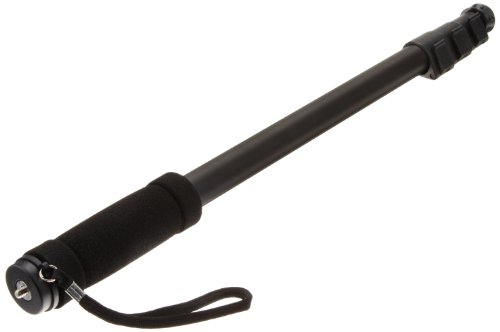
Amazon Basics 67-inch Monopod
Its 6.6 lb load capacity lets you support most camera kits while staying compact at a 21.4‑inch collapsed length, delivering strong value at the $17.80 price.
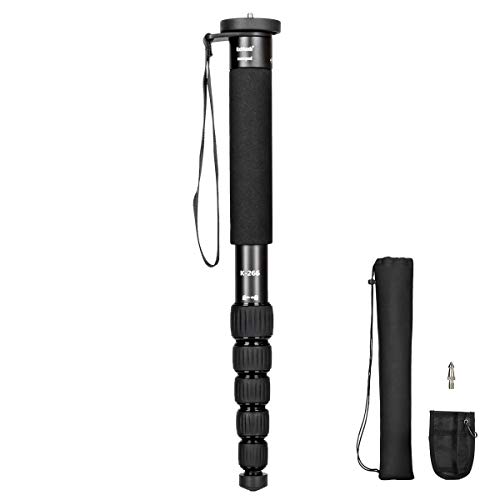
Koolehaoda K-266
Ideal for travelers who need a lightweight 602 g monopod, it folds to 380 mm and costs about $11 more than the Amazon Basics option.

Victiv Camera Monopod
It converts in 5 seconds to a 17.3‑inch height, offering fast setup for action shots despite the $36.99 price.
Also considered
Score Analysis
Key score advantages vs. runner-up (Koolehaoda K-266)
Price Range
Amazon Basics 67-inch Monopod
$17.80
Koolehaoda K-266
$28.88
Victiv Camera Monopod
$36.99

Neewer 66.5-Inch Camera Monopod
$28.99

Acuvar 62-inch Monopod
$14.99
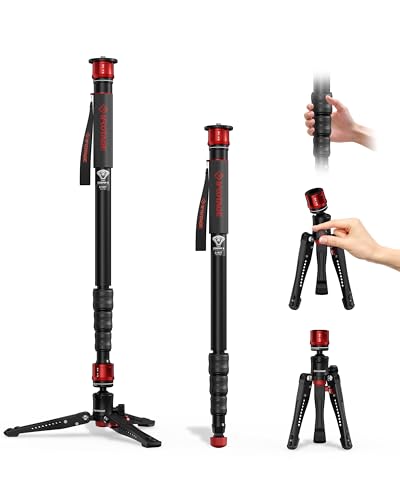
Ifootage Cobra 3
$99.00
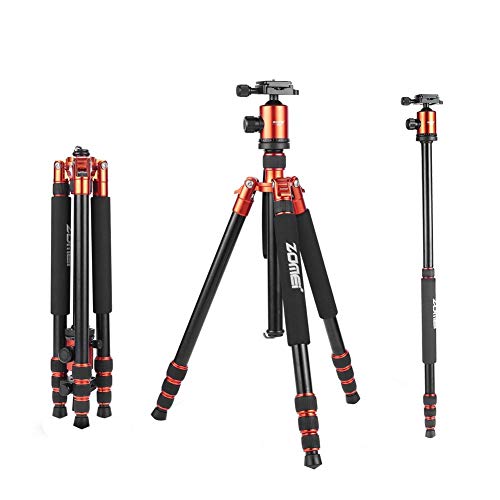
Zomei Z818
$92.99

Altura Photo 62-inch Monopod
$24.99
Spec Comparison
TL;DR: At $17.80, the Amazon Basics 67‑inch Monopod offers a 0.8 lb aluminum build, 21.4‑inch collapsed size, a 3 kg load capacity, and a 4.6‑star rating from over 10 k reviewers.
The monopod reaches a max height of 67 inches and it's made of lightweight aluminum, weighing just 0.8 lb. It folds down to 21.4 inches, features four telescoping sections, and can support equipment up to 3 kg, covering most entry‑level DSLRs and mirrorless cameras.
Compared with the other seven options, it is taller than the Altura Photo 62‑inch model (62 inches) and the Acuvar 62‑inch version, yet its collapsed length of 21.4 inches is longer than Altura’s 16.75 inches, making it slightly less pocket‑sized. At 0.8 lb it is heavier than Altura’s 0.59 lb but lighter than the Koolehaoda K‑266 (0.95 lb) and far lighter than the Victiv (3.53 lb) and Zomei (3.7 lb) models. Its 3 kg load capacity exceeds Altura’s 2.27 kg but falls short of Koolehaoda’s 10 kg and Neewer’s 10 kg limits.
User feedback repeatedly highlights the monopod’s featherweight feel and the convenience of the included carrying bag and adjustable wrist strap. Professional reviewers note that the built‑in cushion grip and non‑skid rubber foot with retractable spikes give reliable ground contact for on‑the‑move shooting. The main criticism is the inherent stability limitation of a monopod and the absence of a built‑in pan/tilt head, which some users find restrictive for low‑light or long‑exposure work.
The device mounts a standard 1/4‑inch universal thread, includes a built‑in cushion grip for comfortable handling, and the foot can switch between rubber and spikes for indoor or outdoor surfaces. These features, combined with the low price point, make it a practical starter option for hobbyists and vloggers.
Pros
Cons
Best for: Budget‑conscious buyers seeking a reliable entry‑level option
Avoid if: You need high‑precision stability for long‑exposure photography, heavy professional rigs, or a built‑in pan/tilt head
TL;DR: The Koolehaoda K‑266 is a six‑section, 38 cm‑folding aluminum monopod that reaches 156 cm, weighs under 1 lb, and offers interchangeable feet for versatile outdoor shooting.
The K‑266 packs six telescoping sections into a folded length of 380 mm, letting you slip it into a backpack and extend it to a maximum height of 1560 mm. At 0.9479877266 pounds (430 g) it’s light enough for long hikes, and the reversible 1/4‑20 & 3/8‑16 mounting plate lets most ball heads bolt on without adapters.
Compared with the other seven monopods in this roundup, the K‑266 folds shorter than the Neewer (575 mm) and Amazon Basics (544 mm) while staying taller than the Altura Photo (425 mm) when collapsed. Its 10 kg load capacity matches the Neewer but exceeds the Amazon Basics’ 3 kg limit, giving you more headroom for mid‑range DSLR kits. It’s heavier than the ultra‑light Altura Photo (0.59 lb) and Acuvar (0.66 lb) but still lighter than the bulkier Zomei Z818 (3.7 lb) and Ifootage Cobra 3 (2.74 lb).
Users consistently highlight the feather‑light feel and the convenience of the included carrying bag, noting that the rubber feet and metal spikes switch easily for pavement or trail. Professional reviewers point out the solid 22 lb (10 kg) load rating as reassuring for most hobbyist rigs, while some mention that the aluminum alloy body doesn’t match the durability of carbon‑fiber competitors. A small number of buyers report occasional shipping damage, which seems to be an isolated issue.
Pros
Cons
Best for: Outdoor, travel, and hiking photographers who need a lightweight, compact support system with interchangeable feet.
Avoid if: You want the best value‑per‑dollar in its price range.
“strikes the perfect balance between durability and lightweight portability”
“peace of mind during your shooting sessions”
TL;DR: The Victiv T72 offers a 72‑inch reach, 5‑second conversion, and a full set of accessories for $36.99, making it a solid, portable choice for hobby shooters.
The standout spec is the rapid conversion: the T72 flips from tripod to monopod in approximately 5 seconds, and it extends to a maximum height of 72 inches. Its aluminum legs are 24 mm in diameter and the unit folds to a length between 17 and 21.3 inches, with a compact width of 4.92 inches and a length of 4.72 inches.
Compared with the seven other budget monopods, the Victiv is heavier at 3.53 lbs, while many rivals sit under 1 lb. However, its 72‑inch reach outpaces most, matching only the taller Zomei and Ifootage models. It also bundles a wireless remote, a 2‑in‑1 phone/tablet holder (phones 5.5–9 cm wide, tablets 11–18 cm), and two Arca‑Swiss‑compatible quick‑release plates—features that lighter competitors often omit.
Reviewers highlight the T72’s stability, especially when using the mid‑level spreader, rubber feet, and stability hook in windy conditions. Reviewers also highlight the quick‑flip leg locks and 3‑way swivel (or optional ball) head as smooth, though some note the head lacks the precision professionals need for video work. The manufacturer doesn’t list load capacity in kilograms, which some users see as a limitation for heavier DSLR rigs.
Pros
Cons
Best for: Amateur photographers, vloggers, travelers, and outdoor enthusiasts who want a tall, quick‑setup monopod without sacrificing portability.
Avoid if: You need professional‑grade precision or support for large DSLR rigs and heavy accessories.
“Very sturdy... holds my spotting scope in place does not move around”
“Best tripod I've ever owned! Stability of the legs... even during breezes was amazing”
TL;DR: The Neewer TP42 monopod extends to 1690 mm, supports up to 10 kg, and weighs just 456 g, offering a lightweight, high‑capacity option for travel shooters at a budget price.
The TP42 reaches a maximum height of 1690 mm and can carry up to 10 kg, while its aluminum‑alloy tube weighs only 456 g (about 1.01 lb). It folds down to 575 mm, has a 25 mm tube diameter, and uses four quick‑lock sections for fast height changes.
Compared with the other seven monopods, the Neewer is a bit heavier than the Koolehaoda K‑266 (≈0.95 lb) but far lighter than the Victiv model (≈3.53 lb). Its 10 kg load capacity matches the Koolehaoda and outstrips the Amazon Basics (3 kg), Altura Photo (≈2.27 kg) and Acuvar (3 kg). The collapsed length of 575 mm exceeds the Amazon Basics (544 mm) yet stays shorter than the Acuvar (584 mm), giving a balanced footprint for travel.
Reviewers repeatedly note the monopod’s feather‑light feel and smooth quick‑lock action, making it a favorite for on‑the‑go shooting. Professional comments praise the solid aluminum construction and interchangeable nonslip/steel‑spike feet for stable footing on uneven terrain. Some users, however, mention that the locks can feel fiddly and may need periodic tightening, and a few report a slight loss of rigidity when fully extended under heavy gear.
Additional technical details include a silicone‑covered grip, a reversible 1/4‑20 to 3/8‑16 mounting adapter, and interchangeable feet that let you switch between rubber and steel spikes. The four‑section design lets you adjust height in one‑inch increments, and the quick‑lock system speeds up setup without sacrificing stability when you properly tighten the locks.
Pros
Cons
Best for: Traveling photographers, videographers, vloggers, and outdoor enthusiasts who need a compact, lightweight monopod with solid load capacity.
Avoid if: You need full tripod stability, work with rigs exceeding 10 kg, or require a built‑in handle or case for studio setups.
“Very sturdy... holds my spotting scope in place does not move around”
“Best tripod I've ever owned! Stability of the legs... even during breezes was amazing”
TL;DR: The Acuvar 62‑inch Monopod offers a 3 kg load capacity, 0.66 lb weight and a fully padded grip for under $15, making it a solid entry‑level choice for lightweight camera setups.
The standout spec is its combination of a 3 kg (3000 g) load capacity with an ultra‑light chassis that weighs just 0.66 lb (0.30 kg). At a maximum height of 1575 mm (62 in) and a compact collapsed length of 584 mm, it fits easily into a travel bag while still giving you enough reach for low‑angle shots.
Compared with the other seven options, the Acuvar is lighter than the Amazon Basics 67‑inch model (0.8 lb) and the Altura Photo version (0.59 lb). Its load capacity matches the Amazon Basics (6.6 lb) and exceeds the Altura Photo’s 5 lb limit, though it falls short of the 10 kg capacity found on the Koolehaoda and Neewer models. The four‑section aluminum pole has fewer sections than the six‑section designs of higher‑priced competitors, but the integrated safety strap and rubber‑with‑metal‑tip leg ends give it a solid feel for its price tier.
User feedback repeatedly praises the monopod’s feather‑light feel and the fully padded adjustable handle, which many say makes handheld shooting comfortable for long periods. Reviewers also note the convenience of the built‑in safety strap that helps keep the pole upright when extended. On the downside, several users point out the lack of a fluid head or pan‑tilt mechanism, making it less suited for smooth video motion, and the 3 kg payload ceiling can be limiting for heavier DSLR rigs.
Pros
Cons
Best for: Budget‑conscious buyers seeking a reliable entry‑level option
Avoid if: Reliability and user satisfaction are your top concerns
TL;DR: The Ifootage Cobra 3 offers an 8 kg payload, 181 cm reach, and twist‑lock design for $99, making it a sturdy, feature‑rich budget monopod that feels solid for run‑and‑gun shooting.
The Cobra 3’s standout specification is its 8 kg payload capacity while weighing just 2.74 lb. Four telescoping sections fold down to 69 cm and extend up to 181 cm, giving you plenty of height for low‑angle video or high‑angle stills. A knob base provides a 90° tilt and a full 360° swivel, and the twist‑lock collars keep the sections secure without tools.
Compared with the other seven monopods in this roundup, the Cobra 3 sits in the middle of the weight range—lighter than the Zomei Z818’s 3.7 lb but heavier than the Amazon Basics model at 0.8 lb. Its 8 kg load capacity outstrips the Amazon Basics (6.6 lb) and Altura Photo (5 lb) options, though it doesn’t reach the Zomei’s 18 kg rating. The 69 cm folded length exceeds the Zomei’s 46 cm, giving you a more compact travel size than some but a larger footprint than the ultra‑short Koolehaoda K‑266.
User reviews consistently praise the monopod’s sturdy feel and the convenience of the 360° rotation and quick‑disconnect collar, especially for vloggers and sports shooters who need to swap accessories fast. Professional reviewers note the strong strength‑to‑weight ratio and the generous 181 cm reach, while also mentioning that the twist‑lock system can feel slower to engage than flip‑lock designs on carbon models. The knob base’s tilt adjustment, though reliable, isn’t as instantaneous as pedal‑type bases.
Beyond the core specs, the Cobra 3 includes a quick‑release plate, a modular design that lets you swap bases, and a carry bag plus wrist strap for easy transport. Compatibility covers DSLR, mirrorless, smartphones and GoPro (adapters not included), with standard 1/4‑20 and 3/8‑inch threads, making it a versatile addition to most camera kits.
Pros
Cons
Best for: Buyers willing to invest in a proven, high-quality option
Avoid if: You're shopping on a tight budget — it's priced at $99.00
TL;DR: The Zomei Z818 packs a 2‑in‑1 tripod‑monopod design, 18 kg load capacity and 46 cm folded size into a $92.99 package, but its price and conversion steps may deter budget‑focused users.
The standout spec is the 18 kg load capacity, which dwarfs the 8 kg limit of the Ifootage Cobra 3 and the 10 kg caps on the Neewer and Koolehaoda models. Coupled with a 74‑inch extended height and a 42 cm–130 cm monopod range, the Z818 can handle most DSLR‑mirrorless rigs while staying compact at a folded length of 46 cm.
Compared with the seven other monopods, the Z818 is heavier than the Amazon Basics (0.8 lb) and Koolehaoda (0.95 lb) but lighter than the Ifootage Cobra 3 (2.74 lb). Its four‑section legs and three angle positions give more adjustment flexibility than the single‑section Victiv and the minimal‑adjustment Altura, while its twist‑lock mechanism feels more secure than the quick‑release style on the Acuvar. The inclusion of a phone holder, quick‑release plate and a carrying bag also adds value that many peers lack.
Reviewers consistently note the easy setup and sturdy aluminum‑magnesium alloy build, praising the integrated bubble level and 360° pan head for precise framing. Professional voices highlight the 2‑in‑1 versatility as a travel win, yet everyday users flag the need to disassemble the center column when switching to monopod mode as cumbersome. The 3.7‑pound weight, while portable, can feel light on windy days, prompting some to add extra weight for stability.
Pros
Cons
Best for: Buyers willing to invest in a proven, high-quality option
Avoid if: You're shopping on a tight budget — it's priced at $92.99
“Ease of setup and operation for beginners”
“Durability and longevity in varied weather conditions”
TL;DR: The Altura Photo 62‑inch Monopod stretches to 62 in, weighs just 0.59 lb, and folds down to 16.75 in, making it a feather‑light travel companion for lightweight DSLR or mirrorless kits.
The standout spec is its ultra‑light weight of 0.59 lb (267 g) paired with a maximum height of 62 in (1575 mm). Five telescoping sections lock in place with four twist‑lock mechanisms, and the aluminum build keeps the overall length at 17.0 in (432 mm) while staying slim at 2.7 in (69 mm) wide. A soft‑foam grip with an integrated wrist strap adds comfort for handheld shooting, and the included carry pouch makes packing effortless.
Compared with the seven other monopods in this roundup, the Altura is the lightest—significantly lighter than the Amazon Basics (0.8 lb), Acuvar (≈0.66 lb), Koolehaoda (≈0.95 lb) and Neewer (≈1.01 lb). Its collapsed length of 16.75 in also beats the Amazon Basics (21.4 in) and Neewer (≈22.6 in), though it is a touch longer than Koolehaoda’s 15.0 in folded size. On the downside, its 5 lb (2.27 kg) load capacity trails the Amazon Basics (6.6 lb), Acuvar (≈6.6 lb), and the higher‑capacity models that handle up to 10 kg or more. The maximum height of 62 in matches Acuvar but falls short of the taller Amazon Basics (67 in), Neewer (66.5 in), and the professional‑grade options that reach 71‑72 in.
User feedback repeatedly praises the monopod’s portability—reviewers love how it slips into a backpack and the soft grip’s stability for lightweight rigs. Those reviews note the limited 5 lb load rating as a constraint for heavier lenses or DSLR bodies, and the 4.3‑star average hints that a minority of owners have encountered durability concerns. The retractable rubber cap with a metal spike provides enough traction for indoor and soft‑ground use, while the 1/4‑20‑inch thread with a 3/8‑inch reducing bushing ensures compatibility with most cameras.
Pros
Cons
Best for: Hobbyist photographers, vloggers, and travelers who need a feather‑light, compact support for lightweight DSLR or mirrorless cameras.
Avoid if: You rely on heavy lenses, professional‑grade stability, or need the tallest possible reach for studio work.
Breakdown
Amazon Basics 67-inch Monopod
Pros
Koolehaoda K-266
Pros
Cons
Victiv Camera Monopod
Pros
Neewer 66.5-Inch Camera Monopod
Pros
Based on scoring data and product specs
Personalized picks
Best Overall Pick
Amazon Basics 67-inch Monopod
Best Budget PickBest for: Budget-conscious buyers seeking a reliable entry-level option
Koolehaoda K-266
Best for: Most users looking for a well-reviewed, reliable mainstream option
$28.88+$11.08 vs winner
Skip Altura Photo 62-inch Monopod if…
Reliability and user satisfaction are your top concerns
The Amazon Basics 67‑inch Monopod takes the top spot thanks to its rock‑solid 6.6 lb load capacity, a compact 21.4‑inch collapsed length and a lightweight 0.8 lb build. At just $17.80 it also lands the lowest price among the top‑ranked options, while its 4.6‑star rating from 10,695 reviewers shows strong user confidence.
Coming in second, the Koolehaoda K‑266 is the runner‑up if you need a versatile tool that doubles as a hiking stick. It offers a generous 10 kg maximum load, six telescoping sections for fine height adjustments, and both rubber feet and metal spikes for varied terrain.
For shoppers looking beyond the winner, the Acuvar 62‑inch Monopod is the best budget choice at $14.99, delivering basic support at $14.99, the lowest price point. The Koolehaoda K‑266 remains the strongest mid‑range pick, balancing dual‑purpose functionality with a solid 10 kg capacity. If you’re willing to stretch to a premium option, the Ifootage Cobra 3 is listed as the top‑rated alternative at $99.00, offering higher‑end construction for demanding setups.
Pick the Amazon Basics 67‑inch Monopod today and get reliable support without breaking the bank.
The Koolehaoda K‑266 stands out for outdoor work because it offers both rubber feet and metal spikes, a dual‑purpose design that can double as a hiking stick, and a higher load capacity of 10 kg. Its six‑section aluminum alloy construction also gives it a longer reach and better stability on rough ground compared with the Amazon Basics model.
No reviews yet — be the first to share your experience.
Please sign in to leave a review