
The QNAP TS-133 1‑bay leads the pack with a 4.4‑star rating from 303 reviewers, a 1.8 GHz quad‑core CPU, 2 GB DDR4 RAM and a 1 Gbps Ethernet port, all for $159.00. Its compact design and low‑power operation make it a solid choice for families or remote workers who want a silent, plug‑and‑play personal cloud.
The review covers 9 products that span three price tiers. The budget tier includes the Synology BDS70‑1T at $114.01, the SSK SSM‑F200 2 TB HDD for $125.99, and the Buffalo LinkStation 210 2TB at $139.99. Mid‑range options feature the QNAP TS‑133, the Synology DS124 also priced at $139.99, and the SSK SSM‑F200 2 TB SSD at $159.99. Premium offerings are the Buffalo LinkStation 210 4TB for $174.99, the Ugreen DH2300 at $193.99, and the Synology DS223j 2‑bay with a 4.5‑star rating for $194.99.
The following sections explore each model’s key strengths, helping you pick the cloud‑storage device that fits your budget and workflow.

QNAP TS-133 1-bay
Operates from 0 °C up to 40 °C, ensuring reliable performance in typical home environments.
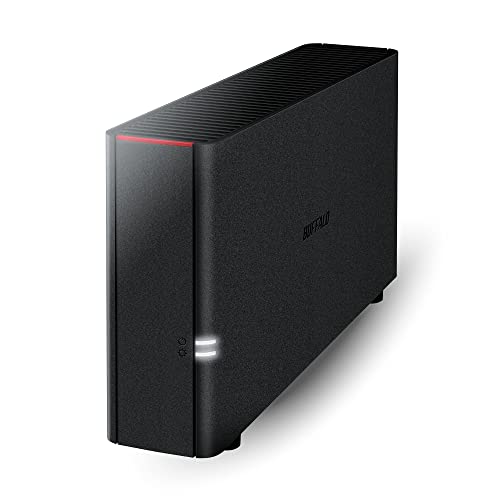
Buffalo LinkStation 210 4TB
Ideal for power users who need 4 TB of fast-access storage, and it sits about $16 above the mid‑range pick.
Buffalo LinkStation 210 2TB
Its compact 220.22 mm height makes it easier to fit into tight spaces, offering a 2 TB entry point at a lower price.
Also considered
Score Analysis
Key score advantages vs. runner-up (Buffalo LinkStation 210)
Price Range
QNAP TS-133 1-bay
$159.00
Buffalo LinkStation 210 4TB
$174.99
Buffalo LinkStation 210 2TB
$139.99
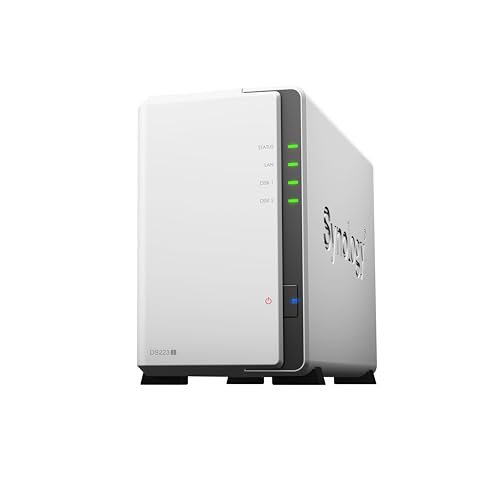
Synology DS223j 2-bay
$194.99
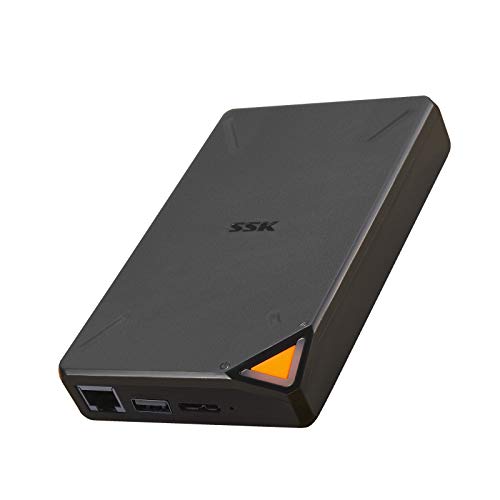
SSK SSM-F200 2TB HDD
$145.99

Synology BDS70-1T
$120.40
Synology DS124 1-bay
$144.99
SSK SSM-F200 2TB SSD
$159.99

Ugreen DH2300
$206.98
Spec Comparison
TL;DR: The QNAP TS‑133 packs a 1.8 GHz quad‑core ARM CPU, AI‑powered photo tagging and up to 18 TB of storage into a silent, low‑power 1‑bay NAS for under $200.
The standout hardware is the dedicated Neural Processing Unit that powers QNAP’s QuMagie AI photo manager, delivering six‑times faster face and object recognition. Under the hood sits a 1.8 GHz ARM Cortex‑A55 quad‑core processor, 2 GB DDR4 RAM (non‑expandable) and 4 GB of flash memory for OS protection. You can fit a single 3.5‑inch drive up to 18 TB, and the unit supports up to 308 TB via external expansion or cloud integration.
Compared with the other eight devices, the TS‑133 offers more RAM than the Buffalo LinkStation 210’s 256 MB and matches the Synology DS124’s four‑core CPU, though the DS124 runs at 1.7 GHz. Its power draw is modest at 7.32 W typical and 2.74 W standby, noticeably lower than the LinkStation 210’s 24 W maximum. Physically, the QNAP’s 157.6 mm depth is shorter than the LinkStation 210’s 205 mm, and it includes two HDMI 2.0 ports—something not listed for the peers. Network‑wise it provides a single 1 GbE port, aligning with the other models that also feature a single Gigabit Ethernet connection.
Reviewers consistently praise the device’s whisper‑quiet operation thanks to a 50 mm smart fan, and the AI‑driven photo organization provides a major convenience for families with growing image libraries. The low power consumption makes it comfortable to run 24/7. Common complaints focus on the single‑bay design, which offers no RAID redundancy, and the fixed 2 GB RAM that limits multitasking or heavier app use. Professionals also note the lack of 2.5 GbE or 10 GbE networking and the absence of Docker/VM support.
Pros
Cons
Best for: Home users, families, and photographers who want a low‑power personal cloud with AI photo organization.
Avoid if: You need advanced features like RAID, expandable RAM, high‑throughput networking, or professional‑grade virtualization.
“Setup took 15 minutes — so easy even my parents can use it.”
“QuMagie recognizes faces in my 10-year photo library instantly.”
TL;DR: For $174.99 the Buffalo LinkStation 210 delivers 4 TB of pre‑installed storage, a 800 MHz Marvell CPU and Gigabit Ethernet, offering a reliable entry‑level NAS for home media and backup.
The standout spec is the built‑in 4 TB hard drive, paired with a single 800 MHz ARMADA 370 processor and 256 MB DDR3 SDRAM. With one Gigabit Ethernet port and a 1 × USB 2.0 port, the unit handles basic file sharing and remote access while drawing just 0.9 W in sleep mode and 24 W at full load. At 2.43 pounds it’s compact enough to sit on a desk without crowding a home office.
Compared with other entries in this roundup, the LinkStation is heavier than the Synology DS223j (1.918 lb) but lighter than the Synology DS124 (2.749 lb). Its 256 MB of RAM is modest next to the QNAP TS‑133’s 2 GB DDR4, and its 800 MHz CPU runs slower than the QNAP’s 1.8 GHz quad‑core processor. Unlike the Ugreen DH2300, which ships with a 4 GB LPDDR4X module, the LinkStation sticks to a basic memory configuration, and it lacks a USB 3.0 port that some competitors provide.
Users consistently praise the plug‑and‑play setup: “just connect it to the router and the NAS is ready,” notes a frequent comment in reviews. Professional reviewers highlight the quiet operation and solid media streaming via DLNA/UPnP. The main criticisms focus on the absence of RAID (so no built‑in redundancy), the single USB 2.0 port that limits external backup speeds, and a non‑hot‑swappable drive bay that makes future HDD upgrades inconvenient.
Pros
Cons
Best for: Home users and families who want centralized storage, easy remote access, and solid media streaming without the complexity of RAID.
Avoid if: You need data redundancy, USB 3.0 speeds, or advanced features like Docker, virtualization, or SSD caching.
“Practically sets itself up — very fast transfer speeds”
“Replaced my old Lenovo NAS — much better and easier to use”
TL;DR: The Buffalo LinkStation 210 offers 2 TB of built‑in storage, gigabit Ethernet, and free remote access for $139.99, making it a solid, budget‑friendly NAS for home users.
The LS210 ships with a single 2 TB SATA drive, an 800 MHz Marvell ARMADA 370 processor and 256 MB DDR3 SDRAM, delivering basic NAS performance for everyday backups. Its single Gigabit Ethernet port and 1 × USB 2.0 (480 Mbps) connection give you wired network speeds and a modest external backup option, while the built‑in DLNA/UPnP and iTunes server let you stream media straight to TVs and speakers.
At 2.43 pounds, the LinkStation is lighter than the Synology DS124’s 2.749 pounds, yet it matches the weight of its 4 TB sibling, the Buffalo LinkStation 210 4TB. Compared with the QNAP TS‑133’s 2 GB of RAM, the LS210’s 256 MB is modest, and its USB 2.0 speed of 480 Mbps trails the SSD’s approx 550 MB/s transfer rate listed for the SSK SSM‑F200 SSD. Its dimensions (220.22 mm H × 240.03 mm L × 84.07 mm W) are taller than the Ugreen DH2300’s 213.7 mm height, but the unit still fits comfortably on a home desk.
Users appreciate the plug‑and‑play setup, the affordable $139.99 price point, and the free WebAccess remote service that lets you reach files from anywhere. Reviewers note reliable DLNA streaming, but they also point out the lack of RAID, the USB 2.0 limitation for external backups, and macOS support that stops at version 10.10. Professional reviewers highlight the straightforward configuration and the 2‑year warranty that even covers the included hard drive.
Pros
Cons
Best for: Entry-level buyers or those on a tight budget
Avoid if: You need advanced features or professional‑grade performance
“Practically sets itself up — very fast transfer speeds”
“Replaced my old Lenovo NAS — much better and easier to use”
TL;DR: The Synology DS223j offers a quad‑core 1.7 GHz CPU, 2‑bay capacity up to 108 TB, and Synology’s DSM OS at $194.99, making it a solid entry‑level NAS for home backup.
The standout hardware is the Realtek RTD1619B processor running at 1.7 GHz with four cores and four threads, paired with 1 GB DDR4 non‑ECC memory that’s onboard and non‑upgradable. It supports a maximum single volume of 108 TB across its two drive bays and connects via a 1 Gbps Ethernet port, giving you fast wired access for everyday file sharing.
Compared with the other eight devices in this roundup, the DS223j is heavier than the ultra‑light Synology BDS70‑1T and taller than the compact Ugreen DH2300, but it sits at a shorter depth than the Ugreen’s 213.7 mm height. It provides fewer RAM gigabytes than the Ugreen’s 4 GB LPDDR4X, yet it offers twice the drive bays of the single‑bay QNAP TS‑133. In price terms it sits above the Buffalo LinkStation 210 2TB, which many budget shoppers consider a low‑cost alternative.
Users consistently praise the DSM operating system for its intuitive setup and extensive app ecosystem, noting that RAID 1 redundancy gives peace of mind for personal data. Professional reviewers highlight the upgraded Realtek CPU as it's a noticeable boost over older Synology models. However, customers also point out the lack of tool‑less, hot‑swappable trays and the limited 1 GB RAM, which can restrict multitasking or advanced packages. The unit runs quietly at 18.2 dB(A) when idle, though some users report the fan becoming audible during hibernation, and the active power draw of 16.31 W remains modest for a two‑bay NAS.
Pros
Cons
Best for: Buyers willing to invest in a proven, high‑quality option
Avoid if: You're shopping on a tight budget — it's priced at $194.99
“airplane noise”
“Easy setup and migration”
TL;DR: The SSK SSM‑F200 packs a 2 TB mechanical HDD, a 3800 mAh battery and built‑in 2.4 GHz Wi‑Fi into a 20 mm‑high, 295 g portable NAS for travelers on a $125.99 budget.
What really sets this unit apart is its integrated 3800 mAh Li‑polymer battery, letting you run the drive without a wall outlet. Coupled with a 2.4 GHz Wi‑Fi radio that tops out at 300 Mbps, the SSM‑F200 can stream two 1080p videos or four 720p videos at the same time while staying under the 10‑device connection limit.
Compared with the other eight contenders, the SSM‑F200 weighs 295 g, making it lighter than the Buffalo LinkStation 210 (about 2.43 pounds) but heavier than the ultra‑compact Synology BDS70‑1T (≈0.095 pounds). Its 20 mm height and 130 mm length sit between the chunky Buffalo (over 220 mm tall) and the tiny Synology (65 mm tall, 65 mm long). Unlike the SSD‑based SSK SSM‑F200 2TB SSD, this model uses a mechanical HDD, which some reviewers note limits continuous backup speed but keeps the price at $125.99.
Travelers love the freedom of a portable NAS: the built‑in hotspot lets photographers back up shots on a flight, and families can share movies on road trips without hunting for Wi‑Fi. Professional reviewers note the niche fit for travel, yet they flag the app’s “excessive permissions” and its connection to Chinese servers as privacy concerns. The battery isn’t user‑replaceable, and iOS users report occasional backup hiccups, so the device isn’t ideal for a 24/7 home server.
Pros
Cons
Best for: Travelers, photographers, and families who need on‑the‑go backup and media streaming without a power outlet.
Avoid if: You need a 24/7 home NAS, have strict privacy requirements, or rely on flawless iOS automatic backups.
“Perfect for flights”
“Great for group trips”
TL;DR: At $114.01, the Synology BeeDrive offers 1 TB of built‑in NVMe storage, up to 1050 MB/s peak transfer, and plug‑and‑play backup software that automates local backups for up to five devices.
The standout spec of the BeeDrive is its 10 Gbps USB 3.2 Gen 2 connection, paired with a built‑in 1 TB NVMe SSD that delivers a sustained write speed of 800 MB/s and a peak transfer rate of 1050 MB/s. At just 65 mm × 65 mm × 15 mm and weighing only 0.09479877266 pounds (43 g), the drive fits in the palm of your hand while staying incredibly lightweight.
Compared with the bulkier SSK SSM‑F200 2TB HDD, which measures 20 mm × 130 mm × 80 mm and weighs 295 g, the BeeDrive is dramatically smaller and lighter. It also outpaces the Buffalo LinkStation 210’s 480 Mbps USB 2.0 port, offering a ten‑gigabit interface versus the LinkStation’s slower USB speed. While the Synology DS124 occupies 166 mm in height and 71 mm in width, the BeeDrive’s 65 mm footprint makes it far more portable. Capacity‑wise, the BeeDrive’s 1 TB is modest next to the 2 TB and 4 TB options found in the SSK and Buffalo models, but its speed and form factor target a different use case.
Everyday users praise the BeeDrive for simply working out‑of‑the‑box; the plug‑and‑play backup software automatically protects photos and files across up to five devices, and the BeeDrop wireless transfer feature adds a cable‑free option. Professional reviewers note the sustained 800 MB/s write performance and the intuitive setup, while also pointing out that backups only run when the host computer is turned on and that the device lacks built‑in hardware encryption, relying instead on BitLocker or macOS Disk Utility. The versioning system, which keeps up to five file versions, highlights another feature for families wanting a safety net.
The BeeDrive ships with a USB‑C to C cable, a USB‑C to A adapter, and a quick‑start guide, so you’re ready to connect to Windows 10/11 or macOS 12+ computers right away. It supports BitLocker on Windows and Disk Utility on macOS for encryption, and mobile apps on iOS 15+ and Android 10+ let you back up photos from phones. Synology backs the product with a three‑year warranty, reinforcing confidence in its NAS‑grade endurance.
Pros
Cons
Best for: Entry-level buyers or those on a tight budget
Avoid if: You want the best value-per-dollar in its price range
“Finally, a backup drive that just works.”
“I no longer lose photos from my phone—BeeDrive backs them up automatically.”
TL;DR: The Synology DS124 is a $139.99, 1‑bay NAS with a 1.7 GHz quad‑core ARM CPU, 1 GB DDR4 RAM, and up to 108 TB storage, offering quiet, low‑power home file sharing.
The DS124 packs a 4‑core 1.7 GHz 64‑bit ARM processor and a hardware encryption engine, backed by 1 GB DDR4 non‑ECC RAM. It supports a single drive bay that can hold up to 108 TB of storage, and it runs Synology’s DiskStation Manager (DSM) with Btrfs and EXT4 file‑system options.
At 2.749 pounds, the unit weighs more than the Buffalo LinkStation 210 (2.43 pounds) and also more than the Synology DS223j (1.918 pounds), but it's far lighter than the Synology BDS70‑1T (0.0948 pounds). Its 166 mm height makes it shorter than the LinkStation’s 220.22 mm height, giving it a more compact vertical profile. Memory‑wise, the DS124’s 1 GB RAM falls short of the QNAP TS‑133’s 2 GB, and its 1.7 GHz CPU runs a touch slower than the TS‑133’s 1.8 GHz, so the QNAP may feel quicker under heavy multitasking. The DS124 offers two USB 3.2 Gen 1 ports, whereas the LinkStation provides only a single USB 2.0 port.
Everyday users praise the DS124 for its plug‑and‑play DSM setup, silent operation at 19.0 dB(A), and low power draw of 10.69 W during active use. Reviewers highlight the Btrfs file system’s snapshots and self‑healing as strong data‑safety features. Common complaints focus on the limited 1 GB RAM, which restricts Docker or virtual‑machine workloads, the single‑bay design that offers no RAID redundancy, and the lack of a hot‑swappable drive tray.
Technical extras include a fan that can run in Full‑Speed, Cool, Quiet, or Low‑power modes, two USB 3.2 Gen 1 ports for fast external access, a single 1 GbE RJ‑45 LAN port, and support for up to 200 concurrent network connections. The device also provides built‑in data protection, smart surveillance integration, and a hardware encryption engine for secure backups.
Pros
Cons
Best for: Entry-level buyers or those on a tight budget
Avoid if: You want the best value-per-dollar in its price range
“This NAS is easy to set up, like all Synology products, and the system does what you expect. I’m using it as an SMB drive with automatic backup to Synology C3, and that works like a charm. You could run other services, but I’d rather have a separate device with more RAM and a better CPU for that.”
TL;DR: The SSK SSM‑F200 offers 2 TB of SSD storage, a 3800 mAh battery, and up to 10‑device Wi‑Fi access for portable cloud use at $159.99.
The SSK SSM‑F200 packs a full 2 TB of SSD storage into a pocket‑sized, battery‑powered chassis. Its 3800 mAh battery lets you run the built‑in Wi‑Fi hotspot for hours without a wall outlet, and the USB 3.0 Type‑A host port can reach roughly ≈550 MB/s when you need wired speed.
Compared with the QNAP TS‑133, which requires constant mains power and relies on a 1 Gbps Ethernet port, the SSM‑F200 runs off its own battery and creates a personal Wi‑Fi network. It’s also considerably lighter than the Buffalo LinkStation 210 4TB, which tips the scales at 2.43 pounds, making the SSM‑F200’s 295 g form factor far more portable for on‑the‑go use.
Users love the convenience of a wireless, multi‑device hub that can stream up to 4 × 720p (or 2 × 1080p) video streams at once and back up photos without an internet connection. Professional reviewers note the “high‑speed transmission” over USB and praise the P2P‑encrypted remote access via the SSKCloud app. However, several owners report that the battery’s capacity fades after about six months, and the real‑world Wi‑Fi speed of 5‑10 MB/s often feels sluggish for large file transfers.
Technical details round out the package: the device supports 802.11 b/g/n Wi‑Fi (2.4 GHz only), offers a theoretical wireless ceiling of 300 Mbps, and includes private/public storage zones with password protection. You’ll manage the drive from iOS, Android, Windows, macOS, or Linux, and the built‑in Ethernet RJ45 (on some models) adds a wired fallback when needed.
Pros
Cons
Best for: Travelers and digital nomads who need a secure, off‑grid 2 TB library that can stream 720p video to several devices.
Avoid if: You require high‑speed, large‑file transfers for video editing or need a stationary desktop NAS with robust Ethernet performance.
“Perfect for flights”
“Great for group trips”
TL;DR: The UGREEN DH2300 offers a 2‑bay, 4 GB RAM NAS with up to 60 TB capacity for $193.99, ideal for first‑time users who want a quiet, AI‑enhanced home storage hub.
The DH2300 packs a quad‑core Rockchip RK3576 processor built on an 8 nm architecture, reaching a max frequency of 2.2 GHz and delivering up to 125 MB/s file‑transfer speed. It runs 4 GB LPDDR4X RAM, 32 GB eMMC OS storage, and supports two SATA III drive bays for a theoretical 60 TB raw capacity. AI‑driven photo tagging and a 4K @ 60 Hz HDMI 2.0 output let you stream media directly from the unit.
At $193.99 the DH2300 sits near the top of the price band, making it pricier than the Buffalo LinkStation 210 but comparable to the Synology DS223j. It's 979 g, a touch heavier than the Synology’s 870 g and lighter than Buffalo’s 1100 g. Its height of 213.7 mm's slightly shorter than the Synology’s 226 mm, while its 98 mm width exceeds Buffalo’s 40 mm but remains compact for a desktop NAS. Like most peers, it offers a single 1 GbE Ethernet port, but its 4 GB RAM outstrips the 256 MB found in Buffalo and the 2 GB in the QNAP TS‑133.
Users consistently praise the NFC‑enabled, app‑driven setup for its plug‑and‑play simplicity, and the sleek aluminum chassis for looking good on a desk. Professional reviewers highlight the AI photo organization as a standout convenience. However, the modest 4 GB RAM can cause lag when multiple apps run, and the lack of an M.2/NVMe slot or Docker support limits power‑user scenarios. The unit runs quietly and draws 50 W, fitting well into a home office or living‑room media center.
Pros
Cons
Best for: First‑time NAS owners, Apple households needing Time Machine backups, and users who want AI‑assisted photo organization.
Avoid if: You’re a power user requiring Docker, virtualization, high‑speed 2.5 GbE networking, or extensive multitasking.
Breakdown
QNAP TS-133 1-bay
Pros
Buffalo LinkStation 210 4TB
Pros
Buffalo LinkStation 210 2TB
Pros
Synology DS223j 2-bay
Pros
Cons
Based on scoring data and product specs
Personalized picks
Best Overall Pick
QNAP TS-133 1-bay
Best Mid-Range PickBest for: Buyers in the mid price range seeking the best quality at that price point
Buffalo LinkStation 210 4TB
Best for: Those prioritizing quality and willing to pay for premium performance
$174.99+$15.99 vs winner
Skip Ugreen DH2300 if…
You're on a tight budget or only need basic functionality
The QNAP TS‑133 1‑bay takes the top spot, thanks to its solid 4.4/5 rating from 303 reviewers and a 2‑year warranty that backs up its reliability. Its 2 GB DDR4 RAM and 1 Gbps Ethernet keep everyday file transfers snappy, while the built‑in AI photo management (6× faster face and object recognition) adds a smart edge you won’t find on most budget NAS units.
The Buffalo LinkStation 210 4TB earns runner‑up honors for anyone who wants a ready‑to‑go 4 TB drive with no extra setup. It ships with a pre‑installed 4 TB HDD, includes NovaBACKUP Professional (5 PC licenses) for easy backups, and carries a respectable 3.8/5 rating from over 3,200 users—all for $174.99.
Looking beyond the top two, the Synology BDS70‑1T offers the best budget pick at $114.01, delivering essential NAS features at the lowest price point. For a premium option, the Synology DS223j 2‑bay stands out at $194.99, delivering dual‑bay flexibility and the highest rating in the lineup.
Pick the QNAP TS‑133; it offers the most capable, future‑proof budget cloud storage today.
The QNAP TS‑133 includes built‑in AI Photo Management with a dedicated NPU that the manufacturer claims speeds up face and object recognition. It also runs on 2 GB DDR4 RAM and 4 GB flash storage for the OS, while the other listed devices do not mention AI features.
Please sign in to leave a review
No reviews yet. Be the first to review!
