⚡ Quick Answer
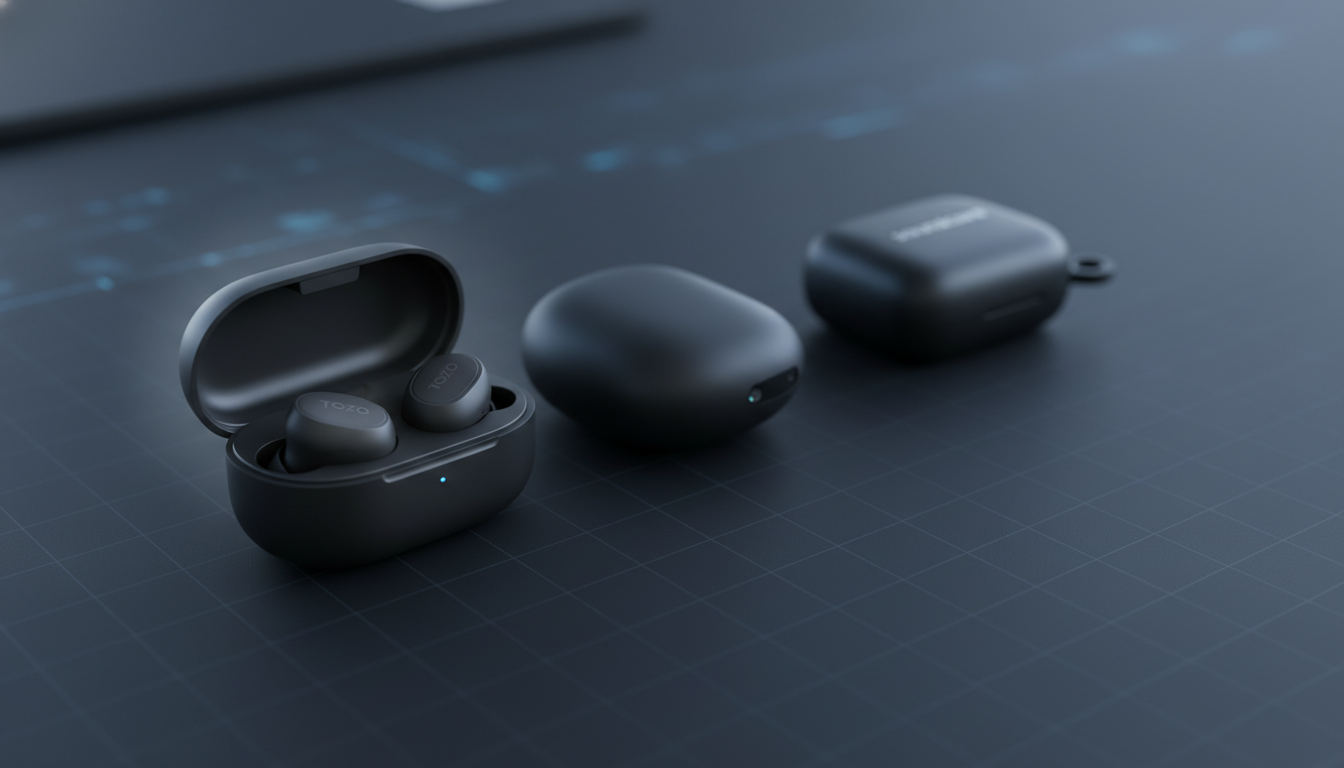
Finding true‑wireless earbuds under $25 can feel like hunting for a needle in a haystack, but we’ve narrowed the field to nine contenders that actually ship for less than $25. Prices span from a low $12.31 for the Tozo A1 up to $24.99 for several premium‑styled models, and every pair carries a rating of at least 4.1 out of 5 from hundreds of thousands of reviewers.
Our lineup splits into three price tiers. The budget bucket holds the ultra‑light Tozo A1 (3.7 g per earbud), Apple EarPods at $15.96, and the JLab Go Air Pop+ at $16.99. Mid‑range options include the JBL Endurance Run 2, Philips USB‑C Earbuds, and the Tozo T6, which offers a 720‑minute single‑earbud playtime. Premium picks—PocBuds, Soundcore P20i and JLab Go Sport+—push total battery capacity to 2200 mAh and feature larger drivers, like the 13 mm unit in PocBuds.
Next, we’ll break down each model’s strengths and quirks so you can match the right earbuds to your daily routine.

Tozo A1
Its 6 mm drivers deliver solid sound at a low 16 Ω impedance, offering strong value for the price.

Tozo T6
Ideal for frequent joggers who want longer listening time, the Tozo T6 adds a 400 mAh case battery and costs about $10.68 more than the A1.

Soundcore P20i
Stands out with 10 mm drivers, delivering richer bass that the 6 mm Tozo models can’t match, while staying within the same $25 budget.
Also considered
Score Analysis
Key score advantages vs. runner-up (Tozo T6)
Price Range
Tozo A1
$13.99
Tozo T6
$22.99
Soundcore P20i
$24.99

PocBuds Wireless Earbuds
$24.64

Apple EarPods
$15.98

JBL Endurance Run 2
$19.95

JLab Go Sport+
$24.99
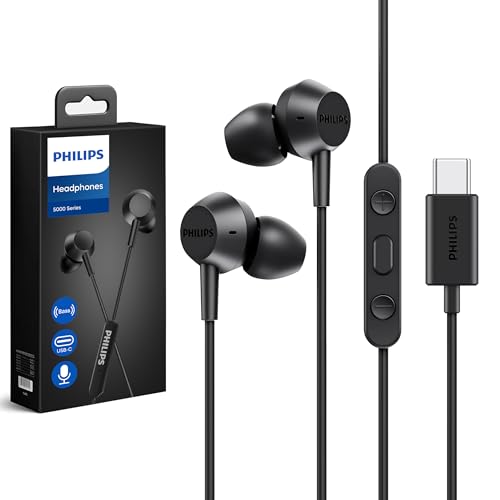
Philips USB-C Earbuds
$19.99

JLab Go Air Pop+
$16.99
Spec Comparison
TL;DR: The Tozo A1 packs a 6 mm driver, 7 hours of playtime per charge and a feather‑light 3.7 g earbud into an IPX5‑rated case for just $12.31, making it a solid entry‑level true‑wireless choice.
The A1’s standout spec is its ultra‑light 3.7 g earbud paired with a 6 mm driver and Bluetooth 5.3 connectivity. It offers up to 7 hours of listening on a single charge and a total of 32 hours when the case is included, all while staying within an IPX5 sweat‑resistant envelope. The case itself measures 86.1 × 84.1 × 43.9 mm and supports USB‑C fast charging in about 2 hours.
Compared with the other eight contenders, the A1 is lighter than the JBL Endurance Run 2 (20 g) but a bit heavier than the JLab Go Air Pop+ (0.30 g). Its driver size is smaller than the Apple EarPods’ 10 mm unit and the Philips USB‑C earbuds’ 10 mm driver, placing it in the more compact range. Battery‑life‑wise, its 32‑hour total matches the JLab Go Air Pop+ “35+ hours” claim and exceeds many wired options that lack a case. The 10 m (≈3280.8 ft) Bluetooth range is on par with typical true‑wireless specs in this price tier.
Reviewers consistently praise the barely‑noticeable fit for small ears and the stable Bluetooth link, which professionals say works well for video streaming and casual gaming. Reviewers highlight the OrigX acoustic technology for clear mids and highs, while the AI‑enhanced ENC mic reduces background noise on calls. On the downside, users mention thin bass response and occasionally oversensitive touch controls, and they note the lack of wireless charging compared with higher‑priced rivals.
The A1 also includes 32 EQ presets, smart touch gestures for volume and track control, and a USB‑C port for quick recharging. Its IPX5 rating means it can handle sweat and light rain, making it's a practical companion for workouts or daily commutes.
Pros
Cons
Best for: Budget‑conscious buyers seeking a reliable entry‑level option
Avoid if: You need advanced features or professional‑grade performance
TL;DR: The Tozo T6 offers a 6 mm driver, IPX8 waterproofing and up to 50 hours of total playback for $22.99, making it a solid budget pick for active listeners.
The standout spec is the total battery life of 3,000 minutes, which translates to 50.0 hours of playback across charges, while a single charge gives you 720 minutes (12.0 hours). The case itself holds a 400 mAh battery and the earbuds each contain 40 mAh cells, supporting both USB‑C and Qi‑compatible wireless charging.
Compared with the other eight earbuds in this roundup, the T6’s 6 mm driver matches the size found in JLab Go Sport+ but is smaller than the 13 mm driver in PocBuds and the 10 mm drivers in Soundcore P20i and Philips USB‑C earbuds. Its 400 mAh case capacity is lower than PocBuds’ 2,200 mAh but higher than the 380 mAh case in JLab Go Sport+. The Bluetooth range of 10 meters (about 3,280.84 ft) exceeds the 30 ft range listed for PocBuds, though it’s similar to the range of the Tozo A1. In terms of weight, the T6’s case weighs 53.3 g and each earbud 4.5 g, making it lighter than the 58.9 g total weight of JLab Go Sport+ and the 40 g total weight of PocBuds.
User feedback repeatedly praises the long battery life, the IPX8 rating (submersible up to 1 m for 30 minutes), and the 16 EQ presets the TOZO app offers. Reviewers note the low‑latency Bluetooth 5.3 connection works well for video and gaming, while the bass‑heavy ORIGX tuning is popular among EDM and hip‑hop fans. Some users mention that the touch‑sensitive controls can be overly responsive and that the microphone has trouble in windy or noisy environments.
Pros
Cons
Best for: Most users looking for a well‑reviewed, reliable mainstream option
Avoid if: You're shopping on a tight budget — it's priced at $22.99
TL;DR: The Soundcore P20i packs 10 mm drivers, 30 hours of total playback and IPX5 water resistance into a pink true‑wireless set that’s solid for everyday listening under $25.
At the heart of the P20i are 10 mm dynamic drivers that professional reviewers say deliver “big, powerful bass” while keeping mids and highs clear. The earbuds hold 60 mAh each, giving 600 minutes (10.0 hours) of playtime per charge, and the charging case’s 430 mAh pack pushes total usage out to 1 800 minutes (30.0 hours) before you need to plug in. A 10‑minute quick‑charge boost adds roughly 2.0 hours of listening.
Compared with the other eight entries, the P20i is heavier than the ultra‑light Tozo T6 and JLab Go Sport+, but lighter than the bulkier PocBuds Wireless Earbuds. Its 10 mm driver is larger than the 6 mm units in the Tozo T6 and JLab Go Sport+, yet smaller than the 13 mm driver found in the PocBuds. Battery capacity sits between the modest 45 mAh of the JLab Go Sport+ and the 2200 mAh case of the PocBuds, giving the P20i a respectable middle ground in endurance.
Users highlight the long battery life and bass punch as the biggest wins, while many note that the earbuds can slip during vigorous workouts. Professional reviewers also point out the lack of active‑noise cancellation, which makes the P20i suit noisy commutes less. The Soundcore app adds 22 EQ presets, AI Clear Calls with dual microphones, a low‑latency gaming mode, and a “Find Device” feature, so you have plenty of control without extra hardware.
Bluetooth 5.3 connects up to 10 meters (33 ft), and the IPX5 rating means they can handle sweat and light rain. Touch controls let you play, pause, or switch to single‑earbud mode with a tap, and the case includes a handy lanyard for on‑the‑go storage.
Pros
Cons
Best for: Bass enthusiasts seeking an affordable, portable true‑wireless solution for music, calls and casual gaming.
Avoid if: You need active‑noise cancellation or a ultra‑secure fit for high‑impact sports.
“crisp trebles, great mids, deep bass not hurting eardrums”
“Strong, deep bass without overpowering mids or treble; crisp highs and clear sound”
TL;DR: PocBuds pack a 13 mm driver, IPX7 water resistance and a 2200 mAh case that delivers up to 110 hours of total playback for just under $25.
What really sets the PocBuds apart is the massive 2200 mAh charging case, which the manufacturer states can provide 80–110 hours of total playback and a 15‑minute quick charge that adds more than 2 hours of listening. The earbuds house 13 mm drivers and a 30‑ft (914.4 m) Bluetooth 5.3 range, while the flexible ear‑hook design keeps them secure during vigorous workouts.
Compared with the other eight entries, the PocBuds are a touch lighter than the Soundcore P20i’s 0.10 lb and sport a larger driver than the Soundcore’s 10 mm, JLab Go Sport+’s 6 mm and Tozo T6’s 6 mm units. Their 30‑ft range outstretches Tozo T6’s 10‑meter range, and at 6 g per earbud they are lighter than JLab Go Sport+ (13.1 g) but a bit heavier than the ultra‑light Tozo T6 (4.5 g). The dual LED display and Qi wireless charging add convenience that many peers lack.
Reviewers consistently praise the marathon‑level battery life and the secure ear‑hook fit, noting that the case’s size can be a hassle to slip into a pocket. Professional testers also point out that the maximum volume feels capped, and sound detail drops off when cranked up, which can be noticeable in noisy gyms or streets.
Additional technical notes include dual beamforming microphones for clearer calls, a single‑button control scheme, and a five‑year manufacturer warranty that adds confidence for budget‑focused buyers.
Pros
Cons
Best for: Budget‑conscious athletes, runners, gym‑goers, and travelers who need a secure‑fit earbud with marathon‑level battery life.
Avoid if: You need a pocket‑friendly case, high‑fidelity audio, or strong volume for very noisy settings.
“80 hours... good for exercising”
“great because... they're going to get lost”
TL;DR: Apple EarPods deliver a 10 mm driver, ergonomic fit and iOS‑native Lightning controls for $15.96, but the open‑ear design can slip during vigorous activity.
At the heart of the EarPods is a 10 mm driver paired with an ear‑shaped geometry that Apple claims maximizes output and deep bass. The inline remote gives you volume, playback, call and Siri control without reaching for your phone, and the 8‑pin Lightning connector plugs straight into any iPhone, iPad or iPod running iOS 10 or later. The earbuds weigh just 12 g and measure 67.9 mm in overall length and 67.5 mm in height, keeping the profile slim enough to sit comfortably in most ears.
Compared with the eight other budget contenders, the EarPods are a wired alternative to the mostly wireless options. While the JLab Go Air Pop+ and Tozo A1 offer 35+ hours and 7 hours of battery life respectively, the EarPods need no charging at all. They’re also lighter than the JBL Endurance Run 2, which tips the scales at 20 g, but they lack the IPX4 water‑resistance that JBL advertises. In other words, you get a plug‑and‑play solution that avoids the hassle of case charging, though you’ve given up the freedom of true wireless mobility.
Professional reviewers repeatedly praise the ergonomic shape for feeling more natural than traditional circular earbuds, and users echo the sentiment, highlighting the comfort for long listening sessions and the satisfying bass response. The most common complaint, however, is the loose, open‑design fit that can cause the earbuds to fall out during movement, and several users note cable tangling as an annoyance. The lack of an official IP rating also means the EarPods aren’t designed for heavy sweat or rain, despite the “sweat‑and‑water protection” claim.
Pros
Cons
Best for: Budget‑conscious iPhone users who want a reliable, always‑on wired solution with solid sound and easy iOS controls.
Avoid if: You need a secure fit for intense sports, prefer wireless freedom, or require active noise cancellation.
“flat connector”
“effortlessly answer or end calls”
TL;DR: For $19.95, the JBL Endurance Run 2 delivers 8.2 mm JBL Pure Bass drivers, an IPX5 sweat‑proof design, and a secure TwistLock magnetic fit, making it a solid wired choice for budget‑focused gym sessions.
The standout spec features an 8.2 mm dynamic driver paired with JBL’s Pure Bass tuning, aiming to deliver a punchy low‑end response across the full 20 Hz‑20 kHz frequency range. At just 20 g (0.0440924524 lb) the earbuds feel light enough for long workouts, and the IPX5 rating promises protection against sweat and light rain.
Compared with the other eight entries, the Endurance Run 2 is heavier than the Philips USB‑C Earbuds (0.0324 lb) but still lighter than many wireless options that tip the scale at 0.088 lb or more. Its driver is smaller than the 10 mm units in the Philips and Apple EarPods, yet larger than the 6 mm drivers found in the Tozo T6 and JLab Go Sport+. The single‑button inline remote and magnetic earbuds give it a feature set that sits between basic wired models and the more spec‑dense wireless contenders.
Professional reviewers praise the secure TwistLock, FlexSoft and FlipHook mechanisms, noting that the earbuds “never hurt or fall out” during intense cardio. Users echo the durability and bass emphasis, but many flag the reliance on a 3.5 mm jack as a deal‑breaker for newer smartphones. The 4.4/5 star rating from 18,334 reviews reflects a generally positive response, though some consumers report disappointment because the product lacks Bluetooth and modern connectivity.
Beyond the driver and IP rating, the earbuds include a built‑in microphone for hands‑free calls and a magnetic tip that keeps the cable tidy when not in use. The single in‑line button offers basic playback control without adding bulk, and the FlexSoft silicone tips aim to balance comfort with a snug seal.
Pros
Cons
Best for: Budget‑conscious athletes and gym‑goers who need a reliable wired earbud with a secure fit and strong bass.
Avoid if: You rely on a Bluetooth‑only phone, want active‑noise cancellation, or need a completely wireless listening experience.
“Doesn't work with my Motorola Razr 2025”
TL;DR: The JLab Go Sport+ offers a sport‑ready earhook, IP55 sweat resistance and 35+ hours of total playtime for $24.99, making it a solid choice for active listeners who don’t mind a slightly higher price.
What really stands out is the combination of a secure earhook design and an IP55 rating, which the manufacturer claims protects the earbuds from sweat and splashes.
Compared with the other eight earbuds in this roundup, the Go Sport+ sits in the middle of the weight spectrum: at 58.9 g total it’s heavier than the Soundcore P20i’s 0.1 pounds but lighter than the PocBuds Wireless Earbuds, which weigh 0.088125 pounds. Its 6 mm drivers match the driver size of the Tozo T6 and Tozo A1, while the case’s 380 mAh capacity is a touch below Soundcore’s 430 mAh and Tozo’s 400 mAh. The 30+ ft Bluetooth range lines up with PocBuds’ 30 ft range and exceeds the Tozo T6’s 10 m specification. All eight models support Bluetooth 5.x, but JLab’s fast‑pair integration and latency under 200 ms in Movie Mode give it an edge for video‑watching on the go.
User sentiment highlights the comfort of the three‑set gel eartips and the reliability of the dual‑MEMS microphones with environmental noise cancellation. Reviewers also appreciate the JLab app, which lets you toggle between JLab Signature, Balanced and Bass Boost EQ presets, and the quick‑charge feature that adds an hour of playback in just ten minutes. The earbuds support SBC and AAC codecs, and the 16 Ω impedance pairs well with most smartphones.
Pros
Cons
Best for: Active users who need a sweat‑proof, secure‑fit earbud that can last through long workouts and travel.
Avoid if: You prioritize the lowest possible price or the highest user rating above all else.
TL;DR: Philips USB‑C Earbuds deliver 10 mm drivers, a 7‑40 kHz Hi‑Res range and a built‑in DAC for under $20, but the 1.2 m cable and lack of water‑proofing may limit active‑use scenarios.
What really stands out is the 10 mm driver paired with a 7 – 40 000 Hz frequency response and 109 dB sensitivity, giving you a wide Hi‑Res audio window for streaming and gaming. The earbuds also house a built‑in digital‑to‑analog converter, which is a feature most of the other eight budget options don’t list.
At roughly 0.03 lb (14.7 g), these Philips earbuds are lighter than the JBL Endurance Run 2 but they're noticeably heavier than the ultra‑light Tozo T6 and JLab Go Air Pop+. They sit in the middle of the weight spectrum, offering a comfortable fit without feeling flimsy. The three‑button in‑line remote and interchangeable small, medium, and large ear tips give them more control flexibility than the single‑button JBL model and the wireless‑only competitors.
Reviewers consistently praise the comfortable ear‑tip selection and the convenience of the built‑in microphone and controls. The same feedback notes that the 1200 mm cable feels short for active‑movement use, and the lack of any water‑resistance rating makes them less suitable for sweaty workouts. Professional reviewers also highlight the passive noise isolation from the oval acoustic tubes, which helps block ambient sound without active cancellation.
Pros
Cons
Best for: Budget‑conscious listeners who want wired Hi‑Res audio on USB‑C devices and value a built‑in DAC.
Avoid if: You need active noise cancellation, sweat‑proof construction, or a fully wireless experience.
TL;DR: The JLab Go Air Pop+ packs a 35+ hour total battery life, IPX4 splash resistance, and Bluetooth 5.3 into an ultra‑light 0.30 g design for under $17.
What really stands out is the endurance: the charging case holds enough juice for 26+ hours, while each earbud can play about 9 hours, giving you more than 35 hours of total playback before you need to plug in. The earbuds themselves weigh just 0.30 g (0.000661386786 lb), making them feel almost weightless in the ear.
Compared with the eight other picks, the Go Air Pop+ is among the lightest – it’s lighter than the JBL Endurance Run 2 (0.044 lb) and the Tozo A1 (0.077 lb), and only the Tozo T6 (0.00004 lb) is lighter. Its 35+ hour total battery life also outlasts the Tozo A1's listed 32‑hour total, and it offers IPX4 water resistance—a rating most rivals don’t mention. Bluetooth 5.3 gives a stable link, while many competitors don’t list a Bluetooth version at all.
Users repeatedly praise the long battery life and the secure fit for workouts, and they like the ability to tweak sound with the JLab app’s Bass Boost, Balanced, and JLab Signature presets. Professional reviewers note the clear mids and decent vocal detail for a budget set, but they also point out a hard‑edged sound signature, uneven bass across presets, and occasional ear fatigue after roughly two hours of listening. Common complaints include the lack of active noise cancellation and mixed call clarity.
Beyond endurance, the Go Air Pop+ includes a Be Aware Mode for ambient awareness, a Safe Hearing Volume Cap that can be set to 85 dB or 95 dB, and an on‑ear touch interface for playback and calls. The free JLab companion app manages all of this on iOS and Android, letting you switch EQ presets without digging into phone settings.
Pros
Cons
Best for: Budget‑conscious buyers seeking a reliable entry‑level option
Avoid if: You need premium sound fidelity, active noise cancellation, or crystal‑clear voice call quality for long sessions
Breakdown
Tozo A1
Pros
Tozo T6
Pros
Cons
Soundcore P20i
Pros
PocBuds Wireless Earbuds
Pros
Based on scoring data and product specs
Personalized picks
Best Overall Pick
Tozo A1
Best OverallBest for: Budget-conscious buyers seeking a reliable entry-level option
Tozo T6
Best for: Most users looking for a well-reviewed, reliable mainstream option
$22.99+$9.00 vs winner
Skip JLab Go Air Pop+ if…
You have limited desk space or need portability
Winner: Tozo A1 – at $12.31 it earns a solid 4.3‑star rating from more than 111 k reviewers, offers 7 hours of playback on a single charge (32 hours total with the case), and carries an IPX5 sweat‑resistant rating.
The runner‑up, Tozo T6, shines when you need extra durability and longer charge time. Priced at $22.99 it scores a 4.4‑star rating from 220 k reviews, has an IPX8 rating (water‑proof to 1 m for 30 minutes), supports Qi wireless charging, and provides up to 12 hours of listening on a single charge.
Pick the Tozo A1 now and get the best‑value earbuds under $25 without compromising on sound or durability.
The JLab Go Sport+ offers an IP55 sweat‑resistant rating, an ear‑hook sport design, and up to 9 hours of playtime per charge, making it a solid choice for intense activity. The PocBuds also survive sweat with an IPX7 rating and feature flexible ear hooks, while the JBL Endurance Run 2 provides IPX5 protection and a magnetic fit for a secure stay.
No reviews yet — be the first to share your experience.
Please sign in to leave a review