⚡ Quick Answer
Finding a gaming headset that balances comfort, sound quality, and price can feel like a quest. The guide lists nine models under $50, spread across three price tiers: budget picks like the PHOINIKAS ($17.49) and Ziumier ($19.99), mid‑range options such as the Senzer SG500 ($23.99) and Ozeino Wireless ($29.98), and premium‑feel choices including the HyperX Cloud II at $49.99 and the Razer BlackShark V2 X at $29.99. All of them carry strong community ratings—four of the nine sit at 4.4 / 5 or higher.
The HyperX Cloud II stands out with its 53 mm drivers, a 4.5 / 5 rating from 68,489 reviewers, and a lightweight 0.61 lb frame, all for just $49.99. Its detachable noise‑cancelling microphone and virtual 7.1 surround on PC/Mac make it a solid pick for gamers who value immersive audio without breaking the bank.
Below is a breakdown of each tier, highlighting what each headset does best, and helping you match a model to your gaming setup.

HyperX Cloud II
Its 53 mm drivers provide broader soundstage, underpinning the high rating and strong brand confidence that make it the best‑value choice.

Razer BlackShark V2 X
Ideal for gamers seeking solid performance on a tighter budget, it delivers 50 mm drivers at $20 less than the HyperX Cloud II.

Ziumier Gaming Headset
Stands out with a 2.2 kΩ microphone impedance, delivering clearer voice chat for entry‑level gamers at $19.99.
Also considered
Score Analysis
Key score advantages vs. runner-up (Razer BlackShark V2)
Price Range
HyperX Cloud II
$59.99
Razer BlackShark V2 X
$34.99
Ziumier Gaming Headset
$19.99

Ozeino Wireless Gaming Headset
$29.99

Senzer SG500
$23.99
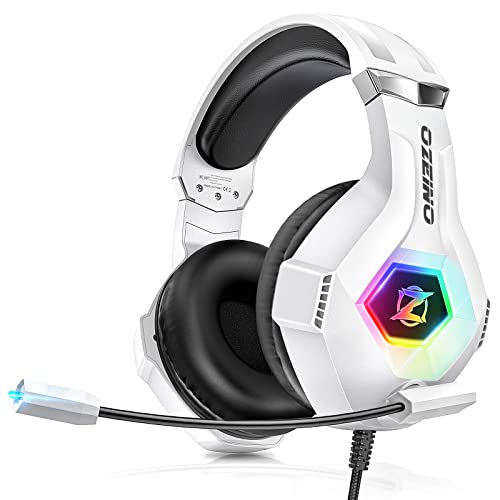
Ozeino Gaming Headset White
$19.99

PHOINIKAS Gaming Headset
$17.49
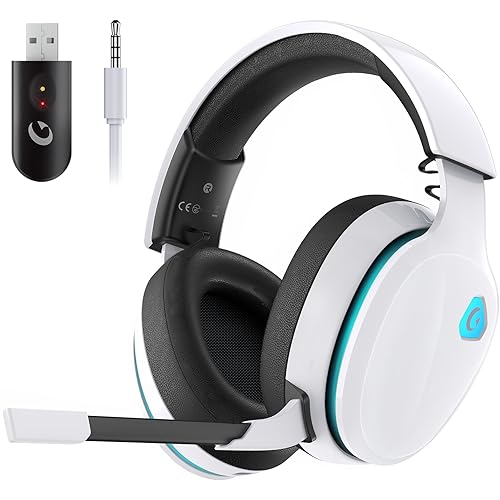
Gtheos Wireless Gaming Headset
$25.49
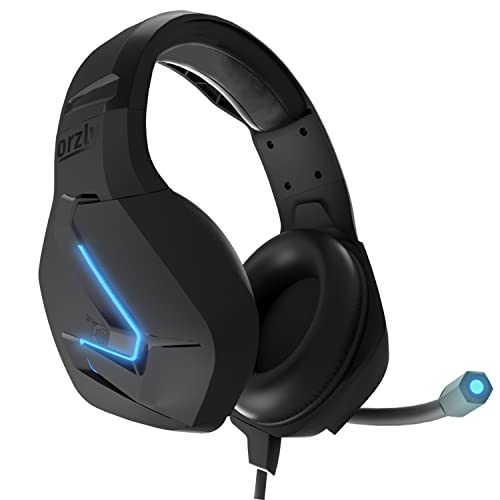
Orzly Gaming Headset
$29.91
Spec Comparison
TL;DR: The HyperX Cloud II delivers 53 mm drivers, a detachable noise‑cancelling mic and comfortable memory‑foam cushions for $49.99, but its bulk and price sit above many budget rivals.
At the heart of the Cloud II is a 53 mm dynamic driver paired with a 60 Ω impedance, giving a spacious soundstage that most budget headsets in this list lack. The headset also includes a USB 2.0 control box that provides virtual 7.1 surround on PC/Mac, while the detachable electret condenser mic offers a –42 dBV sensitivity and an LED mute indicator.
When you line it up against the eight other contenders, the Cloud II is heavier than the Razer BlackShark V2 X (0.53 lb) but lighter than the Gtheos Wireless Gaming Headset (0.8 lb) and the Ozeino Wireless Gaming Headset (1.08 lb). Its 53 mm drivers exceed the 50 mm units found in every other peer, and its 60 Ω impedance exceeds the 32 Ω of the Razer model, meaning it prefers a stronger source but still works fine with most consoles. Price‑wise, it sits at $49.99, which is a premium tier compared with many sub‑$30 options in the roundup.
Reviewers consistently praise the Cloud II’s comfort: memory‑foam ear cushions, covered in premium leatherette, keep pressure low during marathon sessions, and Tom’s Hardware notes the lightweight feel of roughly 0.61 lb. RTINGS.com highlights the headset’s negligible latency, making it responsive for competitive play, and the neutral EQ of the drivers suits gaming, music and voice chat alike. On the flip side, users report that the closed‑back design provides only passive noise isolation, so noisy rooms can bleed sound, and the bulkier frame makes the headset less travel‑friendly.
Pros
Cons
Best for: Buyers willing to invest in a proven, high‑quality option
Avoid if: You're shopping on a tight budget — it's priced at $49.99
“negligible latency”
“good audio reproduction”
TL;DR: The Razer BlackShark V2 X offers 50 mm drivers, a HyperClear cardioid mic, and a feather‑light 0.53 lb build for under $30, making it a solid budget choice for Xbox gamers.
The headset’s most eye‑catching spec is its 50 mm TriForce drivers paired with a 32 Ω impedance, delivering the detailed highs that competitive players crave. At just 0.53 lb (240 g), it feels almost weightless on the head, which reviewers say helps reduce fatigue during marathon sessions.
Compared with the other eight contenders, the BlackShark V2 X is lighter than the Ozeino Wireless Gaming Headset (≈1.08 lb) and only a shade heavier than the PHOINIKAS Gaming Headset (≈0.57 lb). Its driver size matches most rivals—Ozeino, Orzly, Senzer, Gtheos, Ozeino White, and Ziumier all list 50 mm drivers—so you’re not losing any diaphragm area. The 32 Ω impedance aligns with Ozeino’s figure but sits above Senzer’s 21 Ω, meaning it’s still easy to drive from a typical console or PC. With a 1300 mm (1.3 m) cable, it’s shorter than Ziumier’s 1.98 m lead but long enough for comfortable desktop setups.
Professional reviewers highlight the “triple threat of clear audio, mic clarity, and strong sound isolation,” noting that the HyperClear cardioid microphone provides a signal‑to‑noise ratio of ≥60 dB and a sensitivity of –42 dB V/Pa. Users consistently praise the lightweight feel and the Windows Sonic spatial audio support for a more immersive experience. The main trade‑off is the wired‑only 3.5 mm connection, which limits freedom of movement and lacks the convenience of wireless models.
Pros
Cons
Best for: Xbox competitive gamers who need a lightweight, comfortable headset with precise mic clarity.
Avoid if: You prefer wireless freedom, active noise cancellation, or built‑in virtual surround sound.
TL;TD: The Ziumier Gaming Headset packs 50 mm drivers, a noise‑cancelling mic and USB‑RGB lighting into a lightweight $19.99 package, making it a solid entry‑level choice for multi‑platform gamers.
The headset’s core features a 50 mm neodymium driver paired with a 6.5 ft (1.98 m) 3.5 mm combo cable, delivering stereo sound that reviewers describe as clear and bass‑rich for FPS titles. The microphone sports a 2.2 kΩ impedance and omnidirectional noise‑cancelling design, which users say cuts down on background chatter during team chat.
Compared with the eight other budget options, Ziumier’s driver size matches most competitors, while its 0.66 lb (300 g) weight sits in the middle of the range—lighter than the Orzly and Ozeino Wireless models, but a touch heavier than the Razer BlackShark V2 X and PHOINIKAS headsets. Its price point mirrors the Ozeino Gaming Headset White, positioning it as a competitively priced wired alternative to the wireless‑focused options.
Professional reviewers praise the comfortable over‑ear design with breathable protein memory foam and the vivid auto‑changing RGB lighting. Everyday users echo the comfort and clear mic feedback, though many note the lighting can’t be manually controlled and that console gamers need an extra Xbox adapter. Most reviewers say sound and mic quality are decent for the price, even if they don’t reach premium levels.
Pros
Cons
Best for: Budget-conscious buyers seeking a reliable entry‑level option
Avoid if: You want the best value‑per‑dollar in its price range
TL;DR: The Ozeino Wireless Gaming Headset packs a 50 mm driver, 40‑hour battery life and <30 ms latency into an over‑ear design, though its 1.0802650838‑pound weight makes it one of the heavier budget options.
What really stands out is the 40‑hour wireless battery life paired with a quick 3‑hour charge, letting you game marathon sessions without hunting for an outlet. The 50 mm drivers deliver lossless audio, and the ultra‑low latency under 30 ms keeps sound in sync with fast‑paced action.
Compared with the eight other headsets in this $50‑under roundup, the Ozeino is noticeably heavier than the Razer BlackShark V2 X (0.53 lb), Orzly (0.79 lb), Senzer (0.66 lb), Gtheos (0.8 lb), the white Ozeino model (0.66 lb), Ziumier (0.66 lb), PHOINIKAS (0.57 lb) and HyperX Cloud II (0.61 lb). Driver size matches the Razer, Orzly, Senzer, Gtheos, Ozeino White, Ziumier and PHOINIKAS models at 50 mm, and its 32 Ω impedance is on par with Razer’s, making it easy to drive from most devices. Unlike several peers that rely solely on wired or Bluetooth connections, this headset adds a 2.4 GHz dongle, USB‑C and a 3.5 mm jack for flexible pairing.
Users consistently praise the noise‑cancelling microphone and the comfortable over‑ear fit for long gaming nights. The 4.3‑star rating from 11,795 reviewers highlights solid build quality and the three‑year warranty, which many note as reassuring for a budget purchase.
Technical details reinforce its value: a 32 Ω impedance means you won’t need a powerful amp, and the <30 ms latency is suitable for competitive play. The headset measures 200 mm tall, 150 mm long and 100 mm wide, fitting most head sizes without feeling cramped.
Pros
Cons
Best for: Most users looking for a well‑reviewed, reliable mainstream option
Avoid if: You're shopping on a tight budget — it's priced at $29.98
TL;DR: The Senzer SG500 delivers a 50 mm driver, virtual surround and a clear bend‑able mic for $23.99, but its plastic build and flat out‑of‑the‑box sound keep it in the budget camp.
What really stands out is the 50 mm driver, which pairs with a 21 Ω impedance, making the headset easy to drive from most consoles and PCs. The low‑impedance design, together with a speaker sensitivity of about 110 dB, promises loud output without demanding a powerful amp. On the mic side, a passive noise‑cancelling bendable arm offers a sensitivity of –45 dB and a signal‑to‑noise ratio of ≥58 dB, so voice chat stays clear even in noisy rooms.
At 0.66 lb, the SG500 is about the same weight as the Ozeino Gaming Headset White and the Ziumier Gaming Headset (both around 0.66 lb), but noticeably lighter than the Orzly Gaming Headset, which tips the scales at roughly 0.79 lb. It’s a bit heavier than the Razer BlackShark V2 X, which weighs 0.53 lb. In terms of driver size, it matches most rivals that also use 50 mm drivers, while the HyperX Cloud II steps up to a 53 mm unit and the PHOINIKAS model drops to 40 mm.
Reviewers consistently praise the headset’s lightweight comfort and the soft memory‑foam ear cushions that stay pleasant for up to eight hours of play. The plug‑and‑play 3.5 mm jack earns points for hassle‑free multi‑platform use. However, users also note that the stock sound profile feels flat and often needs EQ tweaks or a DAC to reach a balanced tone. Reviewers describe the all‑plastic construction as “average,” and many gamers find the lack of active noise cancellation on the ear cups disappointing in noisy rooms.
Pros
Cons
Best for: Value‑conscious buyers seeking quality at $23.99
Avoid if: You require premium out‑of‑the‑box audio fidelity or active noise cancellation.
“shouldn't have taken this much setup.”
“plug-and-play powered via 3.5mm.”
TL;DR: The Ozeino Gaming Headset White offers 50 mm drivers, up to 40 hours of battery life, and dual 2.4 GHz + Bluetooth connectivity for $19.99, making it a solid entry‑level choice despite a heavier feel.
What really sets this headset apart is its 50 mm driver paired with a 40‑hour battery and a dual‑mode wireless system that includes a low‑latency 2.4 GHz dongle plus standard Bluetooth. It also ships with 7.1 virtual surround and a flip‑design microphone that claims –42 dB sensitivity and 360° noise cancellation.
At $19.99 the Ozeino sits on the low end of the price spectrum, matching the Ziumier price point and undercutting most of the other eight contenders. Its weight of roughly 0.66 lb is on par with Ziumier and Senzer, but noticeably heavier than the Razer BlackShark V2 X, HyperX Cloud II, and PHOINIKAS models, while still lighter than Orzly, the Ozeino Wireless version, and Gtheos.
Everyday users praise the reliable wireless link and the thick cushioning that keeps comfort high during marathon sessions, while professional reviewers highlight the stable 2.4 GHz connection with latency under 30 ms. The consensus notes the headset feels a bit chunky and the ear cups lack floating or rotational adjustment, which can be a drawback for those seeking an ultra‑light, highly customizable fit.
Pros
Cons
Best for: Budget-conscious buyers seeking a reliable entry-level option
Avoid if: You've limited desk space or need portability
TL;DR: The PHOINIKAS Gaming Headset delivers 40 mm drivers, a detachable noise‑canceling mic, and a lightweight 0.57‑lb design for just $17.49, making it a solid entry‑level pick.
At the heart of the headset sits a 40 mm driver, which the manufacturer lists as providing Hi‑Fi sound with strong bass and clear treble. The unit weighs 0.57099725858 pounds (259 g) and measures 198 mm tall, 216 mm long and 102 mm wide, giving it a compact profile that fits comfortably over most ears.
Compared with the eight other models in this roundup, the PHOINIKAS is the most affordable and is lighter than most peers, though the Razer BlackShark V2 X is a touch lighter. Its driver size is smaller than the 50 mm or 53 mm drivers found on the Ozeino, Ziumier, Senzer, Orzly, Ozeino Wireless, Gtheos Wireless and HyperX Cloud II, which may affect perceived bass depth for some users.
Professional reviewers note the headset’s durable PC+ABS headband and memory‑foam ear cups, while everyday buyers praise the clear sound and value‑for‑money feel. Common complaints focus on heat buildup in the ear cups during long sessions and a spring‑type head strap that can loosen after several hours. The detachable omnidirectional mic works well for Discord chats, though its audio quality rates as “average.” Bluetooth 5.0 is optional, but experts warn it isn’t ideal for low‑latency console gaming.
Pros
Cons
Best for: Budget‑conscious buyers seeking a reliable entry‑level option
Avoid if: You have limited desk space or need portability
TL;DR: The Gtheos Captain 300 offers 50 mm drivers, ultra‑low ≤20 ms latency, and up to 49 ft wireless range, but its $36.99 price and heavier build make it a premium pick among sub‑$50 headsets.
The headset’s standout spec is its ultra‑low wireless latency of ≤20 ms, which professional reviewers highlight as ideal for fast‑paced competitive gaming. It packs 50 mm drivers and a detachable omni‑directional noise‑canceling microphone, while supporting three connection modes—2.4 GHz USB dongle, Bluetooth 5.2, and 3.5 mm wired—so you can hook up to PS5, PC, Switch, mobile devices, or Xbox (wired only). Battery life reaches 35‑40 hours with RGB off, and the charging time is just 3 hours.
Compared with the eight other headsets in this $50‑under roundup, the Gtheos sits on the pricier side and is heavier at 0.8 lb. It outweighs the Razer BlackShark V2 X (0.53 lb) and Senzer SG500 (0.66 lb), but it’s lighter than the Ozeino Wireless Gaming Headset (1.08 lb). Its 50 mm drivers match most budget models, though the HyperX Cloud II steps up to 53 mm. Battery endurance matches the Ozeino Wireless Gaming Headset’s 40‑hour claim.
User feedback praises the low latency and the “30 % extra sound effect” boost, but many note that the microphone is silent on Nintendo Switch and that Xbox Series consoles limit mic use to wired only. The memory‑protein, breathable earmuffs and the mirror‑finish design add comfort, while the optional RGB lighting—though attractive—does cut into battery runtime.
Pros
Cons
Best for: Those prioritizing quality and willing to pay for premium performance
Avoid if: You're on a tight budget or only need basic functionality
TL;DR: The Orzly RXH-20 offers 50 mm directional drivers, a lightweight aluminium frame and a 120° rotating noise‑cancelling mic for $29.91, but its modest max volume and jack noise may limit audiophile appeal.
The headset’s standout hardware features a 50 mm directional driver and a lightweight aluminium frame that keeps the overall weight to 360 g (about 0.79 lb). A high‑tensile anti‑tangle braided cable and an in‑line volume knob round out the core design, while a USB‑plugged LED strip adds a splash of colour.
Compared with the other eight entries, Orzly’s driver size matches the 50 mm units most rivals use, and it out‑sizes the PHOINIKAS model’s 40 mm drivers. At 360 g, it weighs more than the Razer BlackShark V2 X (240 g) and the Senzer SG500 (300 g), yet sits just under the Gtheos Wireless headset (≈362.9 g) and above the PHOINIKAS headset (259 g). Unlike several competitors that tout wireless freedom, Orzly sticks to a wired 3.5 mm connection, which some users note can introduce audible static.
Everyday owners praise the sturdy build and the comfort of the suspended aluminium headband, especially during marathon sessions. However, many flag the headset’s low maximum volume, which makes it hard to push the audio loud enough for intense shooters, and they report occasional crackle from the 3.5 mm jack. Professional reviewers also highlight the 120‑degree adjustable, noise‑cancelling microphone as a practical feature for clear voice chat.
Pros
Cons
Best for: Multi‑platform gamers who want a wired headset with a solid mic and comfortable build.
Avoid if: You need high maximum volume, premium audio fidelity, or wireless operation.
Breakdown
HyperX Cloud II
Pros
Cons
Razer BlackShark V2 X
Pros
Ziumier Gaming Headset
Pros
Cons
Ozeino Wireless Gaming Headset
Pros
Cons
Based on scoring data and product specs
Personalized picks
Best Overall Pick
HyperX Cloud II
Best ValueBest for: Buyers willing to invest in a proven, high-quality option
Razer BlackShark V2 X
Best for: Buyers willing to invest in a proven, high-quality option
$34.99-$25.00 vs winner
Skip Orzly Gaming Headset if…
Reliability and user satisfaction are your top concerns
We’re naming the HyperX Cloud II the top pick of the under‑$50 roundup. It packs a 53 mm driver, virtual 7.1 surround sound and a detachable, noise‑cancelling mic, all while staying under the $49.99 price tag. Its 4.5‑star rating from 68,489 reviews shows strong user approval, and at roughly 0.61 lb it’s light enough for marathon sessions without feeling flimsy.
The Razer BlackShark V2 X lands as the runner‑up, especially if you need a lightweight headset for fast‑paced competitive shooters. Weighing just 0.53 lb, it delivers a 50 mm driver and a broad 12 Hz – 28 kHz frequency response, and its unidirectional cardioid mic helps keep your voice clear. All of this comes at $29.99 with a solid 4.4‑star rating from 26,887 reviewers.
Looking at the other tiers, the PHOINIKAS Gaming Headset is the best budget option at $17.49, giving you a functional entry point without breaking the bank. The Ozeino Wireless Gaming Headset offers wireless convenience for $29.98, making it the strongest mid‑range pick among the alternatives. If you want a step up in premium features while staying under $50, the Gtheos Wireless Gaming Headset stands out at $36.99.
Pick the HyperX Cloud II today and enjoy rich sound without paying premium prices.
The HyperX Cloud II costs $49.99, about $20 more than the $29.99 Razer BlackShark V2 X. It offers a larger 53 mm driver, virtual 7.1 surround and a premium leatherette‑covered memory‑foam cushion, which give it a quality‑at‑tier edge that many gamers find justifies the higher price.
No reviews yet — be the first to share your experience.
Please sign in to leave a review