⚡ Quick Answer
Finding a decent LED TV under $200 can feel like hunting for a needle in a haystack, especially when you want decent picture, smart features and a size that fits your room. We compared 7 models that sit between $99.99 and $159.99, covering everything from compact 32‑inch units to 43‑inch panels. The lineup splits into three price tiers – budget (Hisense A4, FPD Smart TV and Westinghouse Roku TV), mid‑range (Insignia FE 40‑inch) and premium (Insignia F50, Samsung F6000 and Toshiba C350) – so you can see where each fits your wallet.
If you’re furnishing a dorm, kitchen or bedroom, the budget picks offer the smallest footprints. The Westinghouse Roku TV, for example, sells for $119.99 and carries a 4.6‑star rating from 1,753 reviewers, while the Hisense A4 comes in at $99.99 with a 4.5‑star score. For a slightly larger secondary screen, the 40‑inch Insignia FE at $129.99 balances size and price. Meanwhile, the premium 43‑inch options like the Insignia F50 ($132.99) give you 4K resolution and built‑in Alexa for a living‑room‑ready experience.
Below, the guide walks through each tier, highlights the strengths and drawbacks, and helps you pick the TV that matches your space, streaming habits and budget.

Insignia F50 43-inch
Offers solid 8‑watt audio output while staying thin at 8.27 in depth, delivering strong value and feature set for the price.
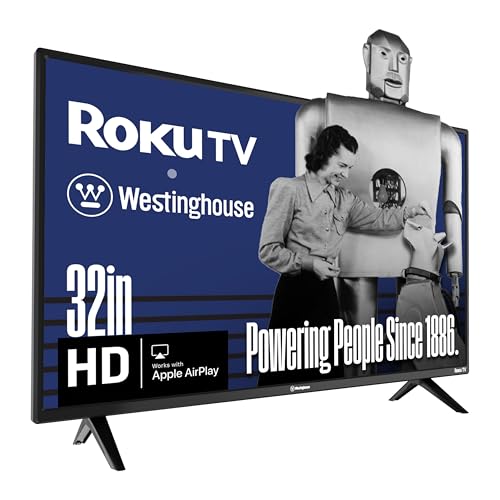
Westinghouse Roku TV
Ideal for budget‑conscious viewers who want a reliable Roku smart TV, and at $119.99 it’s about $13 cheaper than the Insignia F50, keeping costs low without sacrificing core features.

Toshiba C350 43-inch
Stands out with a dedicated 43‑inch panel and premium positioning at $159.99, targeting audiophiles who value enhanced sound and advanced features beyond the basic value focus of the Insignia and Westinghouse models.
Also considered
Score Analysis
Key score advantages vs. runner-up (Westinghouse Roku TV)
Price Range
Insignia F50 43-inch
$149.99
Westinghouse Roku TV
$119.99
Toshiba C350 43-inch
$139.99
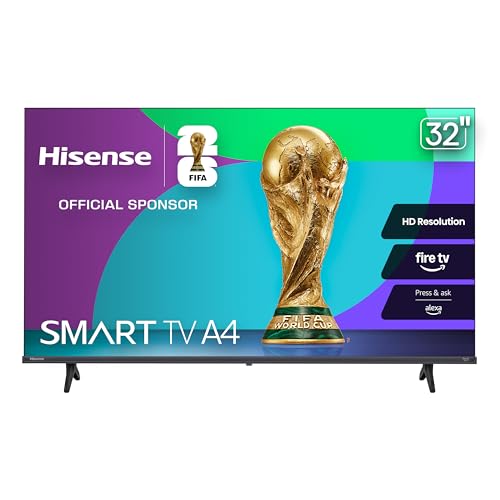
Hisense A4 32-inch
$179.99

Insignia FE 40-inch
$109.99

Samsung F6000 32-inch
$177.99

FPD Smart TV 32-inch
$126.99
Spec Comparison
TL;DR: The Insignia F50 43‑inch delivers 4K HDR10 via a quantum‑dot LED panel, built‑in Fire TV and Alexa, all for $132.99, making it a solid budget pick for small‑to‑medium rooms.
This model’s standout is its 43‑inch 3840 × 2160 panel that uses quantum‑dot LED technology and supports HDR10. The display runs at a 60 Hz refresh rate with an 8 ms response time, and it draws 199 W while remaining Energy Star‑compliant. On the audio side you get 2‑channel 8 W speakers with DTS Virtual‑X, plus a digital optical output and a headphone jack for flexible listening.
Compared with the six other TVs in the roundup, the Insignia F50’s screen is larger than the 40‑inch Insignia FE and the 32‑inch units from Westinghouse, Samsung, FPD and Hisense. Its depth with stand (8.27 in) exceeds the Insignia FE’s 76.2 mm listed depth, yet it still fits comfortably on most furniture. The F50 offers three HDMI ports—including one with ARC/eARC—while the Westinghouse Roku TV and several 32‑inch peers don’t list any HDMI count, giving the F50 a clear connectivity edge.
Reviewers consistently praise the low price and the smooth integration of Amazon Fire TV with Alexa voice control, noting that setup is quick and the remote works well for streaming. Professional reviewers highlight the quantum‑dot panel as a strong feature for an affordable 4K TV. On the flip side, users mention that peak brightness and color accuracy fall short of premium models, and the basic 8 W speakers can feel thin during loud scenes.
Pros
Cons
Best for: Budget‑conscious buyers who want an affordable 4K TV with smart‑fire features for bedrooms, small living rooms or office spaces.
Avoid if: You need premium HDR performance, high refresh rates for gaming, or advanced immersive audio.
TL;DR: The Westinghouse 32‑inch Roku TV packs a 813 mm LED panel, 1366 × 768 HD resolution and three HDMI inputs into a compact, budget‑friendly package with Roku’s easy‑to‑use smart platform.
The standout spec is its 813 mm (32‑inch) Direct LED screen paired with HDR10 and HLG support, giving you basic HDR capability despite the HD resolution of 1366 × 768. Roku TV’s built‑in voice‑assistant integration (AirPlay, Alexa, Google Assistant, Apple HomeKit) means you can launch streaming apps without extra hardware, and the three HDMI ports let you connect a game console, Blu‑ray player and soundbar simultaneously.
Compared with the other six models, the Westinghouse sits deeper at 198 mm versus the FPD Smart TV’s 173 mm and the Samsung F6000’s 150 mm, while its 10.6 lb weight is lighter than the FPD’s 12.2 lb but heavier than Samsung’s 8.5 lb. Its brightness of 220 nits edges out the Hisense A4’s 200 nits, and its 8 W speaker power matches the Insignia F50’s 8 W rating, though both are modest. The TV also offers a longer backlight life of 30,000 hours, outlasting many competitors that don’t list this figure.
Reviewers consistently praise the Roku interface for its simplicity and the compact form factor for bedroom or dorm setups. The most common complaints focus on the HD‑only resolution, which can look soft on close‑up viewing, and the modest 220‑nit brightness that struggles in well‑lit rooms. Reviewers describe the 8 W speakers as adequate for casual TV watching but insufficient for a full home‑theater experience.
Pros
Cons
Best for: Budget-conscious buyers seeking a reliable entry‑level option
Avoid if: You’d want the best value‑per‑dollar in its price range
TL;DR: The Toshiba C350 delivers a 43‑inch 4K panel with Dolby Vision, Dolby Atmos and Fire TV OS for $159.99, offering solid picture and smart features but a modest brightness level.
The standout spec is its 43‑inch 3840 × 2160 Direct‑lit LED screen, paired with Dolby Vision HDR and Dolby Atmos audio. With three HDMI ports and two USB ports, you have plenty of connectivity for consoles, Blu‑ray players and streaming sticks, all running on the built‑in Fire TV OS.
Compared with the other six budget options, this model is noticeably larger than the Samsung F6000’s 31.5‑inch panel and the Insignia FE’s 40‑inch screen, giving you a true living‑room size without stepping above $200. It also carries more HDMI and USB ports than many of its 32‑inch peers, while its weight of roughly 15.9 pounds makes it heavier than the Samsung (8.5 pounds) and Westinghouse Roku TV (10.6 pounds).
Everyday owners praise the straightforward Fire TV interface and the crisp 4K detail for streaming movies and sports. Reviewers note the 178° horizontal and vertical viewing angles keep colors consistent across the room, and the Game Mode with VRR and ALLM delivers low input lag for casual gamers. The common downside is a low peak brightness that dulls HDR impact, and users report that upscaling of non‑4K sources feels weak.
Under the hood, Toshiba’s REGZA Engine ZR powers the AI 4K Upscaler, aiming to enhance lower‑resolution content. Dolby Vision brings dynamic HDR metadata, while Dolby Atmos adds object‑based sound. Features like eARC, Sport Mode and Ultimate Motion round out a package that feels more premium than its price suggests.
Pros
Cons
Best for: Budget‑conscious households that want a true‑size 4K TV for living rooms, family sports viewing or casual gaming.
Avoid if: You’re shopping on a tight budget — it’s priced at $159.99.
TL;DR: The Hisense A4 32‑inch delivers Full HD picture and 12 W of DTS Virtual:X sound at a $99.99 price, making it a solid, compact smart TV for small spaces.
At the heart of the A4 is a 32 in Full HD (1920 × 1080) LED panel that refreshes at 60 Hz. The TV packs 12 W of total speaker output, powered by DTS Virtual:X and Dolby Audio, so you get surprisingly immersive sound for a unit that weighs just 3500 g.
Compared with the seven other models in this roundup, the Hisense is noticeably lighter than the Westinghouse Roku TV (3602 g) and the Samsung F6000 (3860 g). Its cabinet depth of 84 mm also beats the Westinghouse’s overall depth of 198 mm, making it one of the slimmest options. While its 12 W audio output tops Westinghouse’s 8 W, it falls short of the Insignia 40‑inch’s 20 W configuration. The TV offers modest brightness at 200 nits, a bit lower than Westinghouse’s 220 nits, so the picture can look washed out in very bright rooms. The A4 provides two HDMI ports, which offers fewer HDMI ports than some peers that list more connections.
Users love how quickly the TV boots into the built‑in Fire TV platform and appreciate the Alexa‑enabled voice remote for hands‑free streaming. Professional reviewers highlight the AI Sports Mode for clearer motion during games and praise the DTS Virtual:X audio for a cinema‑like feel in a small form factor. Common complaints mention occasional app glitches on Fire TV, soft built‑in speaker volume, and the limited 60 Hz panel that doesn’t support high‑refresh gaming or HDR content.
Pros
Cons
Best for: Budget-conscious buyers seeking a reliable entry‑level option
Avoid if: You need advanced features or professional‑grade performance
“Easy setup, vibrant colors for the size, reliable Fire TV streaming, and clear sports audio”
TL;DR: At $129.99, the Insignia 40‑inch FE delivers Full HD 1080p, Fire TV OS and Alexa voice control, making it a solid budget pick for small‑room streaming despite missing 4K and HDR.
The standout spec is the 40‑inch 1920 × 1080 pixel panel, which offers Full HD clarity at a price most 40‑inch TVs don’t match. Running Fire TV OS, it gives you instant access to over 1.5 million movies and shows, and the Alexa‑enabled remote lets you launch apps or control smart‑home devices with your voice.
Compared with the larger Insignia F50 43‑inch model, this unit is a bit smaller but lands at a lower price point, and it’s lighter than the Westinghouse Roku TV that weighs 10.6 pounds. It also undercuts the Toshiba C350 43‑inch in cost while still providing two HDMI ports (one with ARC) and a USB‑A slot, giving you enough connectivity for most bedroom or dorm setups.
Users appreciate the straightforward setup and the responsive Fire TV interface, noting that the built‑in Alexa remote works well for everyday streaming. Professional reviewers praise the 1080p picture quality and the DTS Virtual:X audio, but they also point out the lack of HDR and local dimming, which can make contrast feel flat on bright scenes. A few owners have mentioned occasional remote‑pairing hiccups and rare green‑tint glitches.
On the audio side, the TV packs two 10 W downward‑firing speakers powered by DTS Virtual:X or TruSurround, delivering a respectable soundstage for a budget set. Connectivity includes Bluetooth, Wi‑Fi 5 (802.11ac) plus Wi‑Fi 4 (802.11n), an optical digital audio out, and a coaxial jack, covering most ancillary devices. The unit consumes about 126 kWh per year, which keeps the electric bill modest.
Pros
Cons
Best for: Budget‑conscious shoppers who need a well‑reviewed, reliable mainstream option for a bedroom, kitchen or dorm.
Avoid if: You need advanced features like 4K, HDR, high‑end audio, or a TV built for serious gaming and home‑theater use.
“great value Smart TV”
“crystal-clear 1080p images, life-like DTS Virtual:X sound”
TL;DR: The Samsung F6000 delivers a 31.5‑inch Full HD screen with HDR10+ and PurColor color, runs Tizen OS, and offers solid smart features at $147.99, though it stays limited to 60 Hz and lacks 4K.
The standout spec is the 31.5‑inch LED LCD panel paired with Full HD (1920 × 1080) resolution, HDR10+ support and Samsung’s PurColor technology, all driven by the Hyper Real picture engine. A 10 W RMS, 2‑channel speaker system delivers audio, and the TV refreshes at 60 Hz.
Compared with the other six models, the F6000 is pricier than the Hisense A4 and the FPD Smart TV, but it offers HDR10+ and Knox security—features not listed for those rivals. While the Insignia FE 40‑inch also sports 2 × 10 W speakers, it lacks HDR and the PurColor gamut. The Toshiba C350 and Insignia F50 provide larger screens, yet the Samsung keeps a slimmer bezel‑less design and includes Tizen’s app ecosystem, which many peers don’t mention.
Reviewers note the vibrant FHD picture and the intuitive Tizen interface as strong points for bedroom or kitchen setups. Professional editors highlighted the HDR10+ + PurColor combo for richer contrast, while users appreciate the space‑saving three‑bezel‑less look. The main criticisms focus on the Full HD limit—no 4K option—and the modest 60 Hz panel, which can feel dated for fast‑action gaming.
The TV draws only 18 W during typical use, drops to 0.5 W on standby, and has Energy Star certification, translating to an estimated 26 kWh yearly consumption. It also supports up to two HDMI inputs, a CI slot, USB, and a mini wall‑mount, making installation straightforward.
Pros
Cons
Best for: Budget‑conscious shoppers who need a compact, feature‑rich TV for bedrooms, kitchens, or secondary rooms.
Avoid if: You prioritize 4K resolution, high‑refresh‑rate gaming, or a more powerful built‑in audio system.
TL;DR: The FPD 32‑inch Smart TV delivers a compact 720p LED display with Google TV, HDR10 and Dolby Audio for $114.59, making it a solid budget pick for secondary rooms.
This model packs a 32‑inch LED screen that supports HDR10 and Dolby Audio, while the 720p HD resolution runs at a 60 Hz refresh rate. The TV draws 55 watts, and the unit measures 173 mm deep, 452 mm tall and 729 mm wide. The included voice remote uses Bluetooth 5 and connects to Wi‑Fi 5, so you'll have hands‑free control of the Google TV platform.
Compared with the other six TVs in the roundup, the FPD sits shallower than the Westinghouse Roku TV (173 mm vs 198 mm) but deeper than the Hisense A4 (173 mm vs 84 mm). It offers two HDMI 1.4 ports, matching the connectivity options most peers offer, and adds an Ethernet, optical‑out, AV‑in and two USB 2.0 ports for wired flexibility. While several competitors leave Bluetooth version unspecified, the FPD’s Bluetooth 5 gives it a clear edge for wireless accessories.
Everyday owners highlight the TV’s quick setup and its compact form factor, saying it’s perfect for bedrooms, dorms or kitchen counters. Users also appreciate the value‑for‑money smart features like built‑in Google Cast and the expansive Google TV app library. The most common criticism points to the 720p resolution, which feels modest next to 4K options, and the need to replace the remote’s two AAA batteries after some time.
Pros
Cons
Best for: Budget-conscious buyers seeking a reliable entry-level option for bedrooms, kitchens, dorms or guest rooms.
Avoid if: You need 4K resolution, higher refresh rates for gaming, or a primary living‑room TV where picture detail is paramount.
“comes with an app and is very easy to set up.”
“best TV that I have ever had; can't say enough good things about it.”
Breakdown
Insignia F50 43-inch
Pros
Cons
Westinghouse Roku TV
Pros
Cons
Toshiba C350 43-inch
Pros
Cons
Hisense A4 32-inch
Pros
Based on scoring data and product specs
Personalized picks
Best Overall Pick
Insignia F50 43-inch
Best OverallBest for: Buyers willing to invest in a proven, high-quality option
Westinghouse Roku TV
Best for: Budget-conscious buyers seeking a reliable entry-level option
$119.99-$30.00 vs winner
Skip FPD Smart TV 32-inch if…
You have limited desk space or need portability
The Insignia F50 43‑inch takes the top spot. Its 4K Ultra HD resolution (3840 × 2160) and HDR10 support deliver sharper images than most budget sets, while the quantum‑dot LED panel adds richer colors. At $132.99 it stays well under the $200 ceiling, and the 4.3‑star rating from over 7,600 reviewers shows broad satisfaction. Three HDMI inputs and Alexa voice control round out a feature set you’d expect from pricier models.
Westinghouse’s Roku TV lands as the runner‑up, ideal if you want a compact 32‑inch screen with a built‑in Roku experience. Priced at $119.99 and carrying a 4.6‑star rating from 1,753 reviews, it offers HDR10, 60 Hz refresh and three HDMI ports, plus AirPlay, Alexa and Google Assistant integration for easy streaming control.
For tighter budgets, the Hisense A4 32‑inch at $99.99 gives you a solid entry‑level picture without breaking the bank. If you prefer a slightly larger screen without stepping up to the top pick, the Insignia FE 40‑inch at $129.99 balances size and price nicely. And for those willing to stretch to the high end of the range, the Toshiba C350 43‑inch at $159.99 provides a premium feel while still fitting under $200.
Pick the Insignia F50 for the best value and start watching today.
The Hisense A4 32‑inch model is the most compact, measuring just 84 mm deep and weighing about 3.5 kg, making it easy to fit on a narrow desk or nightstand. It also offers full‑HD 1080p resolution, which is plenty for a room of that size.
No reviews yet — be the first to share your experience.
Please sign in to leave a review