⚡ Quick Answer
It might surprise you that the cheapest option in our set – the Picun B8 at just $17.98 – also carries the highest user rating, a solid 4.6 out of 5 from more than 11 k reviews. Across the 8 over‑ear headphones we examined, prices stretch from $17.98 up to $89.95, and ratings cluster between 4.3 and 4.6, showing that a low price doesn’t automatically mean a compromise in satisfaction. The Picun B8 even offers a marathon‑long 120‑hour battery life, a figure that dwarfs most competitors.
We’ve grouped the lineup into three price tiers. The budget tier (Picun B8, Beribes Over Ear Headphones at $19.99, and Zihnic Bluetooth Headphones at $25.99) keeps you under $30 while still offering reasonable driver sizes and playtime. Mid‑range picks (OneOdio A71 at $31.34 and Soundcore Q20i at $44.99) add features like hybrid ANC and slightly higher battery capacities. The premium tier (Million Sold Classic E7 at $46.99, Audio‑Technica ATH‑M20x White at $59.00, and JBL Tune 720BT at $89.95) brings larger drivers, longer Bluetooth ranges, and premium build quality.
Next, we’ll break down each model’s sound profile, comfort, and extra features so you can pinpoint the right pair for your listening habits.

Picun B8
Its 40 mm drivers deliver surprisingly full sound for $17.98, making it the best overall value.

Soundcore Q20i
Ideal for listeners who want active‑noise cancellation and a 40 mm driver, the Soundcore Q20i costs $44.99—about $27 more than the Picun B8.

Beribes Over Ear Headphones
Features a 500 mAh battery for up to long listening sessions, setting the Beribes Over Ear Headphones apart from the Picun B8 and Soundcore Q20i.
Also considered
Score Analysis
Key score advantages vs. runner-up (Soundcore Q20i)
Price Range
Picun B8
$17.98
Soundcore Q20i
$39.99
Beribes Over Ear Headphones
$19.97

JBL Tune 720BT
$59.95

Zihnic Bluetooth Headphones
$25.99

Audio-Technica ATH-M20x White
$59.00

OneOdio A71
$31.34
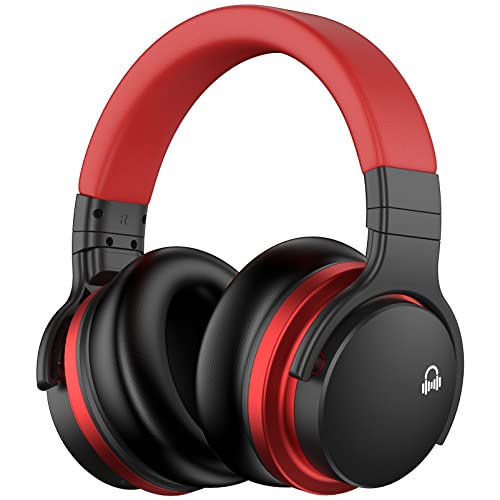
Million Sold Classic E7
$46.99
Spec Comparison
TL;DR: The Picun B8 offers a staggering 120‑hour battery life, lightweight 230 g design, and dual 40 mm drivers for under $18, making it the most endurance‑focused budget over‑ear set.
The headline feature is the 120‑hour playback time powered by a 1000 mAh battery, far outlasting the 65‑hour life of the Beribes model and the 14‑hour run of the Zihnic headphones. This endurance means you've only got to leave the headphones charging once a week and still have days of music or calls.
At 230 g, the B8 is heavier than the 0.38 lb (172 g) Beribes but lighter than the 0.66 lb (300 g) Zihnic and the 0.57 lb (259 g) Soundcore Q20i. All seven rivals share a 40 mm driver size, but the Picun’s Bluetooth range of 10 meters matches the Beribes and Soundcore while exceeding the shorter indoor ranges of some competitors. The B8’s tactile button controls and foldable frame keep it on par with the feature sets of its peers.
Reviewers consistently praise the ultra‑long battery and the comfortable PU‑leather cushions, noting that the lightweight build lets you wear them for hours without fatigue. Professional reviewers also point out the low 50 ms latency, which helps keep gaming and video sync smooth. The main criticisms focus on the lack of any noise isolation—both active and passive—and a sound profile that many describe as merely average, especially in the bass region. Users looking for deep bass or quiet commuting environments may find these trade‑offs limiting.
Pros
Cons
Best for: Budget‑conscious buyers seeking a reliable entry‑level option with long battery life and lightweight comfort.
Avoid if: You need strong noise isolation, audiophile‑grade sound, or a touch‑control interface for active workouts or commuting.
“lets in all external sound”
“poor noise isolation (lets in all external sound)”
TL;DR: The Soundcore Q20i packs hybrid ANC, 40 mm drivers and up to 40 hours of battery life with ANC on, all for $44.99, making it a solid budget pick for travelers.
The standout feature is its hybrid active‑noise‑cancellation system that combines two internal and two external microphones to cut up to 90 % of ambient sound. Coupled with 40 mm drivers, a sensitivity of 99 dB/mW and a 16 Ω impedance, the headphones deliver clear, dynamic audio and support Hi‑Res playback via the detachable 3.5 mm AUX cable. Battery endurance lasts 60 hours with ANC off and 40 hours with ANC on, plus a fast‑charge boost that gives four hours of listening from just five minutes of charge.
At 0.57 pounds (259 g), the Q20i is lighter than the 0.77‑pound Classic E7 and the 0.83‑pound OneOdio A71, but heavier than the 0.40‑pound Beribes and the 0.48‑pound JBL Tune 720BT. Its 40‑hour ANC‑on runtime outlasts the Classic E7’s 30‑hour battery life and rivals the Picun B8’s 120‑hour claim, while still offering a stronger ANC solution than the passive‑only Beribes. The manufacturer lists Bluetooth range at 10 m, which is shorter than the 40‑ft indoor range of the Zihnic headphones, but comparable to the Picun and Beribes models.
Professional reviewers highlight the hybrid ANC’s effectiveness for travel and office environments, noting the “up to 90 % noise reduction” as a key advantage. Users consistently praise the marathon battery life and the punchy bass produced by BassUp technology, while some mention that the single call microphone can feel limiting for voice calls. Comfort is generally positive thanks to memory‑foam ear cups, though the weight can become noticeable during marathon listening sessions. The Soundcore app adds 22 EQ presets and full customization, giving you fine‑tuned control without extra hardware.
Pros
Cons
Best for: Most users looking for a well‑reviewed, reliable mainstream option
Avoid if: You're shopping on a tight budget — it's priced at $44.99
TL;DR: The Beribes WH202A offers 65‑hour playback, ultra‑light 0.38 lb design, six EQ modes and fast USB‑C charging, making it the cheapest, most portable option in the sub‑$100 over‑ear segment.
What really sets the Beribes headphones apart is the advertised 65 hours of continuous Bluetooth playback on a single 500 mAh charge. Coupled with a 40 mm dynamic driver and a lightweight 0.38 lb (172 g) frame, they feel almost weightless on the head, which reviewers note helps during long listening sessions.
Compared with the seven other models in this roundup, the Beribes are lighter than every competitor—from the Picun B8’s 0.51 lb to JBL’s 0.49 lb. Battery life outlasts most peers, surpassing the Zihnic’s 14 hours and Soundcore’s 60 hours (ANC off), though the Picun B8 still edges it with 120 hours. Bluetooth range matches the standard 10 meters (33 ft) seen across the group.
Professional reviewers praise the fast USB‑C charging that tops out in 1.5–2 hours and the six preset EQ modes that let you dial in bass boost or balanced sound without an app. Users love the memory‑protein ear pads for comfort and the foldable design for travel. Critics note the lack of active noise cancellation, contradictory water‑resistance claims, and occasional Bluetooth hiccups on older devices.
Pros
Cons
Best for: Budget-conscious buyers seeking a reliable entry-level option
Avoid if: You need advanced features or professional‑grade performance
“lasts days”
“weighs nothing”
TL;DR: The JBL Tune 720BT delivers 40 mm drivers, a 76‑hour music battery and quick‑charge convenience in a lightweight, fold‑able over‑ear package for $89.95.
What really stands out is the 76 hours of music playback on a single charge, plus a 5‑minute quick‑charge boost that adds roughly 3 hours of listening. The headphones also house 40 mm drivers that produce JBL’s signature Pure Bass sound, while the 101 dB sensitivity and 32 ohm impedance keep the audio clear and efficient.
Compared with the seven other models in this budget roundup, the Tune 720BT sits near the top for endurance – only the Picun B8 claims a longer 120‑hour battery, while the Soundcore Q20i, Million Sold Classic E7 and Beribes units offer 60 hours, 30 hours and 65 hours respectively. At 0.4850169764 Pounds (220 g), it’s lighter than the Audio‑Technica ATH‑M20x, Soundcore Q20i and OneOdio A71, but a touch heavier than the ultra‑light Beribes pair. Its driver size matches most rivals except the Million Sold Classic E7, which uses a larger 45 mm unit. The 128‑ft Bluetooth range and multi‑point pairing also outpace the Zihnic and Beribes models, whose range specs sit around 40‑70 ft.
Professional reviewers praise the marathon battery and the bass‑forward sound signature, noting that the quick‑charge feature’s especially handy for commuters. Everyday users echo the long‑playtime sentiment, but several mention that the relatively small ear cups (52 mm × 38 mm) can pinch after an hour or two, and the lack of active noise cancellation means ambient noise is still audible in busy settings.
Pros
Cons
Best for: Listeners who value ultra‑long battery life and reliable Bluetooth performance over ANC.
Avoid if: You need the cheapest possible option — it’s priced at $89.95.
TL;DR: At $25.99, Zihnic’s 40 mm drivers deliver punchy bass and 14 hours of Bluetooth play, while the foldable design and built‑in micro‑SD slot make it a solid, ultra‑budget over‑ear option.
The headphones pack a 40 mm driver paired with 118 dB sensitivity and 32 Ω impedance, giving a lively sound signature for the price. A 450 mAh battery provides up to 14 hours of wireless playback, and a quick 2.5‑hour charge gets you back on the road fast. Bluetooth 5.0 reaches about 60‑70 ft outdoors, and the foldable frame folds into a protective case that’s included. Extras like an FM radio and a micro‑SD/TF slot (up to 32 GB) add offline versatility.
At 0.66 lb (300 g), Zihnic sits in the middle of the pack: it’s lighter than OneOdio (0.83 lb) and Million Sold (0.77 lb) but a touch heavier than Beribes (0.40 lb) and JBL (0.49 lb). Battery life is the weakest link—14 hours trails Beribes’ 65 hours, Picun’s 120 hours, Soundcore’s 60 hours (ANC off), and JBL’s 76 hours. Driver size matches most rivals at 40 mm, though Million Sold uses a larger 45 mm unit. Sensitivity at 118 dB outpaces OneOdio’s 110 dB and Soundcore’s 99 dB, promising clearer highs. The outdoor Bluetooth range of up to 70 ft exceeds Beribes and Picun’s roughly 33 ft but falls short of JBL’s 128 ft.
Reviewers praise the strong, punchy bass and crisp mids, noting the sound holds up well for pop, EDM, and hip‑hop. Professionals point out the quick Bluetooth pairing and stable connection as a plus for commuters. On the downside, the synthetic‑leather ear cushions can get warm after 1‑2 hours, and the bass may become muddy when cranked up. Reviewers describe the plastic housing as cheap‑looking, and the built‑in microphone delivers only average call quality.
Pros
Cons
Best for: Budget-conscious buyers seeking a reliable entry-level option
Avoid if: You want the best value-per-dollar in its price range
TL;DR: The Audio‑Technica ATH‑M20x in white delivers balanced 40 mm driver sound, solid isolation and a 3 m cable for $59, but its plastic build and fixed cable can limit long‑hour comfort.
At the core of the ATH‑M20x is a 40 mm neodymium driver paired with a 47 Ω impedance and 96 dB sensitivity, giving a clear mid‑range and punchy bass without needing an amp. The headphones weigh about 0.58 lb (260.9 g) and come with a straight 3.0 m cable that swivels 15°, making them easy to position on a desk or studio monitor.
Compared with the other seven contenders, the M20x is lighter than the Million Sold Classic E7 (0.77 lb) but a touch heavier than the JBL Tune 720BT (≈0.49 lb). Its driver size matches the 40 mm units found in the Soundcore Q20i, OneOdio A71, JBL, Zihnic, Beribes and Picun models, while the Classic E7 uses a larger 45 mm driver. The M20x’s 47 Ω impedance is higher than the 16 Ω of the Q20i and the 32 Ω of the OneOdio, meaning it may draw a bit more power from a source but still works fine with typical consumer devices.
Reviewers consistently praise the headphones for strong bass response and excellent sound isolation, noting that the closed‑back design keeps ambient noise out of a bedroom‑sized studio. Professional reviewers highlight tight channel matching and low audible distortion, making them a solid entry‑level choice for mixing. On the flip side, users report ear‑pad fatigue after 1–2 hours and describe the predominantly plastic construction as feeling cheap. Reviewers also note the fixed, non‑detachable cable as a durability concern, since wear can't be easily remedied.
Pros
Cons
Best for: Beginner to intermediate home‑studio musicians, vocalists, and content creators who need reliable isolation and solid sound without a wireless setup.
Avoid if: You need long‑duration comfort, premium build materials, or advanced features like ANC or Bluetooth connectivity.
TL;DR: The OneOdio A71 packs 40 mm drivers, 110 dB sensitivity and a detachable mic into a foldable, closed‑back design for under $100, but its plasticky build can feel less durable.
The A71 houses 40 mm drivers paired with a maximum input power of 1600 mW and a sensitivity of 110 dB ± 3 dB, delivering loud, detailed playback straight from the source. The closed‑back, over‑ear construction offers high passive sound isolation, and the 90° swiveling earcups fold flat for easy storage. A detachable boom microphone adds voice‑chat capability without extra accessories.
Weighing 0.83 lb (376 g), the A71 is heavier than the Zihnic (≈0.66 lb), Beribes (≈0.40 lb), Picun (≈0.51 lb), Soundcore (≈0.57 lb), Audio‑Technica (≈0.58 lb) and JBL (≈0.49 lb) models, and only the Million Sold Classic E7 approaches its heft. Despite the extra mass, its price stays well below many wireless alternatives, making it a solid budget choice for wired users.
Reviewers praise the rotatable, soft‑padded ear cushions and the strong bass response that stays clear even at high volumes. Professional reviewers highlight the wide soundstage and instrument separation that benefit entry‑level mixing. On the flip side, a common complaint is the plasticky construction, with some users noting speaker breakage after limited use, so durability isn’t guaranteed.
With an impedance of 32 Ω, the headphones pair easily with laptops, phones and portable audio interfaces without needing a dedicated amp. The listed frequency response spans 20 Hz – 40 kHz, though a few reviewers point out inconsistencies between the official spec and real‑world performance. The 6.6‑9.8 ft cable includes both 3.5 mm and 6.35 mm plugs, and the on‑device volume control lets you fine‑tune levels on the fly.
Pros
Cons
Best for: Budget‑conscious gamers, home‑studio beginners and casual listeners who want a wired, bass‑forward monitoring headphone.
Avoid if: You need a lightweight, ultra‑durable build for heavy daily travel or a premium‑grade studio reference.
“Incredibly comfortable with sturdy, rotatable pads that survive rough handling; good for extended wear”
TL;DR: The Movssou Million Sold Classic E7 offers 45 mm drivers, active noise cancellation and a 30‑hour battery life for $46.99, making it a solid budget over‑ear choice with comfortable foam pads.
The standout spec is the 45 mm driver, which is larger than the 40 mm drivers found in every other headphone in this eight‑product roundup. Coupled with a 750 mAh battery, the E7 delivers up to 30 hours of playback on a single charge, and it tops up fully in about 4 hours via USB‑C.
At 0.77 pounds, the E7 sits between the lighter Soundcore Q20i (0.57 pounds) and the heavier OneOdio A71 (0.83 pounds). Its driver size is also bigger than the 40 mm units in the Audio‑Technica ATH‑M20x, Zihnic, Beribes, Picun B8 and JBL Tune 720BT. Battery life is shorter than the Soundcore’s 60‑hour (ANC off) and 40‑hour (ANC on) runtime, but it outlasts the Zihnic’s 14‑hour claim and the Beribes’ 65‑hour claim, giving it a solid middle ground for travelers.
User sentiment repeatedly praises the comfort of the super‑soft foam, ventilated ear pads and the clear hands‑free call quality thanks to the built‑in mic and signal‑processing tech. TechVisibility highlighted the ANC’s ability to tame low‑mid noises like airplane engine hum, and professional reviewers called the 30‑hour battery life a major advantage for all‑day use. However, many users note a bass‑heavy profile with muddy mids and mildly harsh highs, and many describe the button layout as unintuitive.
Pros
Cons
Best for: Budget‑conscious travelers, commuters and office workers who want reliable ANC and long battery life without breaking the bank.
Avoid if: You need audiophile‑grade sound balance, water‑resistance for workouts, or a premium build quality.
“good for the price”
“very clear”
Breakdown
Picun B8
Pros
Soundcore Q20i
Pros
Cons
Beribes Over Ear Headphones
Pros
JBL Tune 720BT
Pros
Cons
Based on scoring data and product specs
Personalized picks
Best Overall Pick
Picun B8
Best OverallBest for: Budget-conscious buyers seeking a reliable entry-level option
Soundcore Q20i
Best for: Most users looking for a well-reviewed, reliable mainstream option
$39.99+$22.01 vs winner
Skip Million Sold Classic E7 if…
Reliability and user satisfaction are your top concerns
We’re naming the Picun B8 the clear winner of the under‑$100 over‑ear roundup. Its $17.98 price tag undercuts every competitor, while a 4.6‑star rating from 11,563 reviewers shows strong buyer confidence. The B8 also offers a 120‑hour battery life and a 40 mm driver, delivering long‑lasting playback without sacrificing sound size.
The Soundcore Q20i lands as the runner‑up, especially if you need active‑noise‑cancelling headphones for a noisy commute. It offers hybrid ANC with two internal and two external mics, and still manages 40 hours of playback with ANC on. At $44.99 it has a 4.6‑star rating from 57,414 users, a 40 mm driver and a 10 m Bluetooth range that keeps the connection stable in crowded spaces.
Beyond the top two, the mid‑range pick is the Soundcore Q20i for its ANC and app‑driven EQ, while the premium alternative is the JBL Tune 720BT, which justifies its $89.95 price with a higher‑end brand reputation and solid Bluetooth performance.
Pick the Picun B8 now and enjoy premium‑class over‑ear comfort without breaking the bank.
The Picun B8 is listed with a massive 120‑hour battery life, far outlasting the Soundcore Q20i’s 60‑hour claim (when ANC is off) and the JBL Tune 720BT’s 76‑hour music playback. If you need the longest unplugged listening sessions, the Picun B8 leads the pack.
No reviews yet — be the first to share your experience.
Please sign in to leave a review