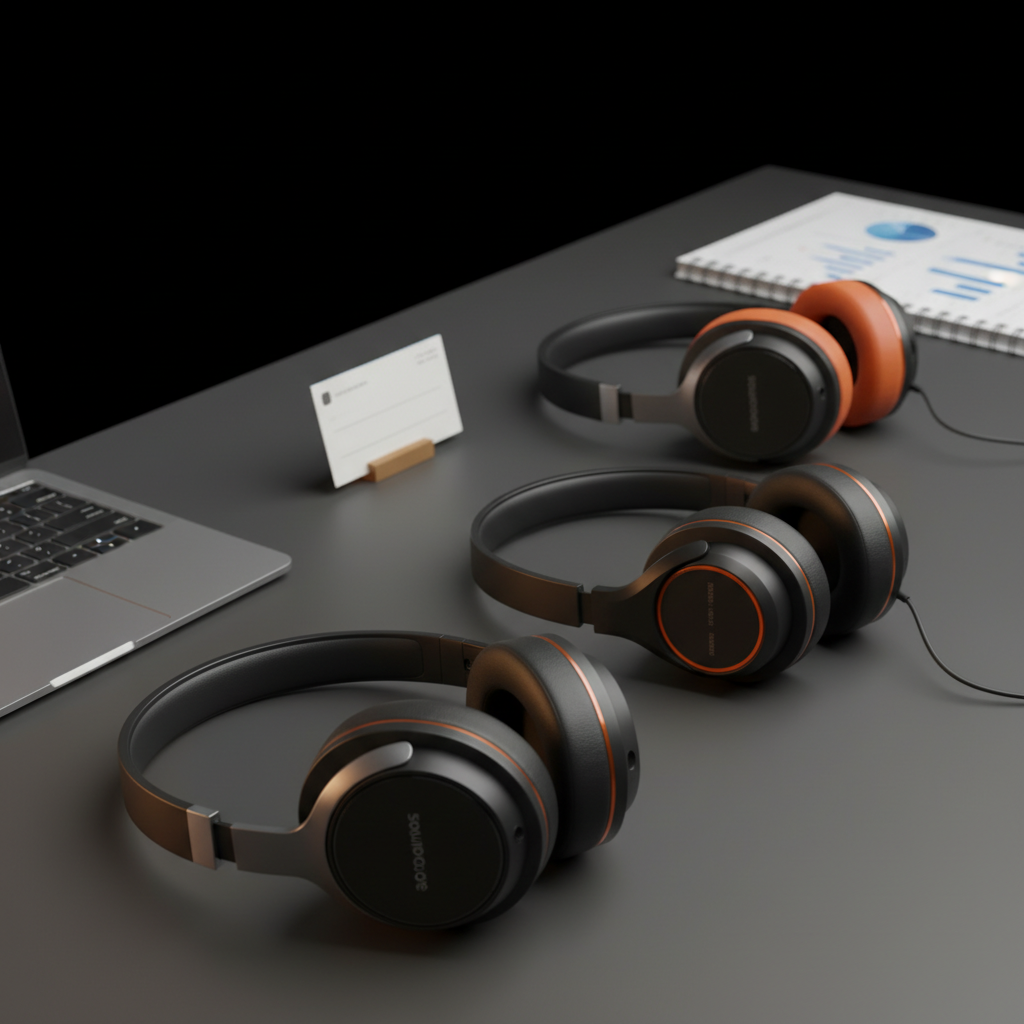
Finding a pair of over‑ear headphones that stay under $50 without sacrificing comfort or sound can feel like hunting for a needle in a haystack. We cut through the clutter by evaluating 11 models that fall into three clear price tiers – budget, mid‑range and premium – all costing under $50.
For daily commuters who crave quiet, the Soundcore by Anker Q20i Hybrid Active Noise Cancelling earns the top spot. At $39.98 it carries a 4.6‑star rating from over 55,000 reviewers and promises up to 90 % ambient‑noise reduction, plus 40 hours of playback with ANC on. Gamers on a shoestring will gravitate toward the Turtle Beach Recon 50, a lightweight 0.46‑pound wired headset that costs $27.99 and is praised for its clear boom mic. If you need the absolute cheapest option, the Lorelei X6 delivers solid 40 mm drivers for $14.99 and weighs just 0.453125 pounds.
Below we break down each tier, highlight the strengths of every model, and point you toward the pair that'll fit your listening habits and budget best.

Soundcore by Anker Q20i Hybrid Active Noise Cancelling
Its 40 mm drivers deliver fuller sound, helping it earn the top spot.
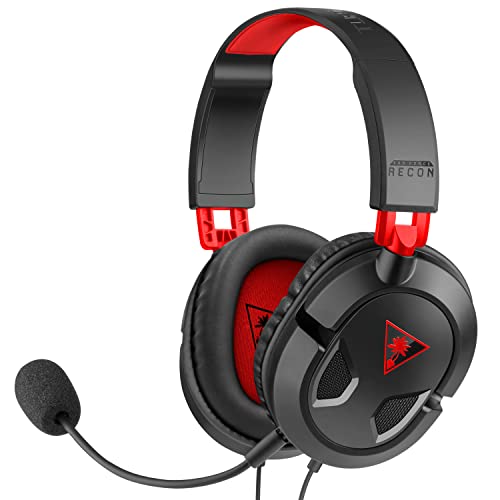
Turtle Beach Recon 50
Great for casual gamers or everyday listeners who want a solid set at $27.99, about $12 cheaper than the Best Overall.

Soundcore Life Q20
Features dual 40 mm drivers, delivering richer detail that audiophiles crave—an upgrade over the single‑driver designs of the other picks.
Also considered
Score Analysis
Key score advantages vs. runner-up (Turtle Beach Recon)
Price Range
Soundcore by Anker Q20i Hybrid Active Noise Cancelling
$44.99
Turtle Beach Recon 50
$27.99
Soundcore Life Q20
$44.99

OneOdio Pro
$29.99

Beribes WH202A
$19.99

Zihnic WH-816
$24.99

Logitech H390
$19.99

OneOdio A71 Hi-Res Studio Recording Headphones - Wired Over Ear Headphones
$31.34

Razer BlackShark V2 X Green
$49.99
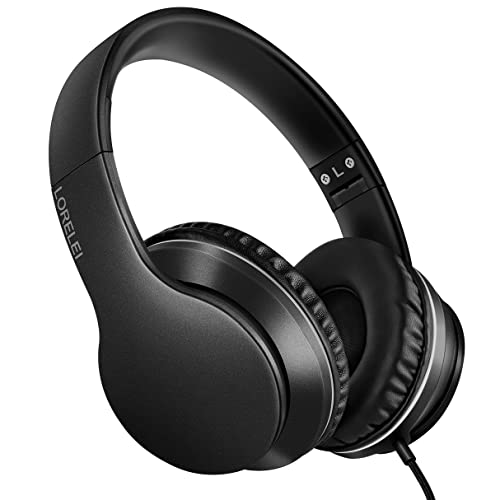
Lorelei X6
$14.99

AKG K240STUDIO
$50.49
Spec Comparison
TL;DR: The Soundcore by Anker Q20i offers hybrid ANC that cuts up to 90% of ambient noise, 40 hours of playback with ANC on, and a solid 4.6‑star rating for just $39.98.
What sets the Q20i apart is its hybrid active‑noise‑cancelling system, which combines two internal and two external microphones to achieve up to 90% ambient‑noise reduction. The headphones pack a 40 mm dynamic driver, 16 Ω impedance and a 115 dB sensitivity, delivering a bass‑rich sound that many users describe as lively. Battery life lasts 40 hours with ANC enabled and 60 hours when it’s off, while a 5‑minute fast‑charge boost adds four hours of listening.
Compared with the other ten contenders, the Q20i is slightly lighter than the Soundcore Life Q20 (0.54 lb vs 0.551 lb) and matches its 40 mm drivers and 16 Ω impedance. It also out‑lasts the OneOdio A71, which weighs 0.83 lb and lacks any listed battery life. Its weight is on par with the Razer BlackShark V2 X (about 0.53 lb) and a bit heavier than the Turtle Beach Recon 50 at 0.46 lb. None of the peers list as many EQ presets, so the Q20i’s 22 built‑in presets plus manual EQ in the Soundcore app give it a clear feature edge.
Users consistently praise the comfort of the over‑ear cushions and the long‑lasting battery, especially for flights and commutes. Professional reviewers highlight the effectiveness of the hybrid ANC and the convenience of a five‑minute charge. The most common complaints revolve around the plastic ABS/PC housing, which feels less premium than metal frames, a bass‑heavy default tuning that may not satisfy neutral‑sound fans, and noticeable sound leakage when the volume is turned up past a moderate level.
Additional technical details include four microphones (two internal, two external) that handle both ANC and voice pickup, Bluetooth 5.0 with a 10‑meter range, automatic dual‑device switching, and a USB‑C charging port. Transparency mode lets you hear surroundings without removing the headphones, and the physical buttons on the earcups give easy access to playback and mode controls.
Pros
Cons
Best for: Commuters, travelers, and remote workers who value long ANC battery life and customizable sound without breaking the bank.
Avoid if: You need ultra‑neutral audio fidelity, are highly sensitive to sound leakage, or prefer a metal‑build premium feel.
“Exceptional performance for the price”
“Super comfy, like butter, and lightweight”
TL;DR: The Turtle Beach Recon 50 offers a 40 mm driver, removable boom mic and 20 Hz‑20 kHz sound range for $27.99, making it a lightweight, cross‑platform headset that punches above its price.
At the heart of the Recon 50 is a 40 mm neodymium driver paired with a 20 Hz–20,000 Hz frequency response, delivering the full audible spectrum for casual gaming and media consumption. The headset weighs just 0.46 pounds (209 g) and features synthetic‑leather‑wrapped ear cushions with memory foam, so you'll wear it for hours without noticeable fatigue.
Compared with the other ten entries, its driver size matches the OneOdio A71 but is smaller than the 50 mm drivers used in the OneOdio Pro. In terms of heft, the Recon 50 is lighter than the OneOdio Pro (0.66 lb) and the OneOdio A71 (0.83 lb), yet a touch heavier than the ultra‑light Logitech H390 (0.434 lb) and the Beribes WH202A (0.397 lb). Priced at $27.99, it lands in the lower‑mid tier of the roundup, offering more specs than many rivals while staying well under $50.
Professional reviewers highlight the removable omni‑directional boom microphone as “surprisingly good” for a budget headset, and everyday users echo this sentiment, praising the mic’s clarity for team chat. However, the same sources note that the sound quality scores 3.9/5, with mids and highs described as “muddy” at higher volumes, and durability gets a modest 3.2/5 rating, reflecting occasional reports of early wear.
Pros
Cons
Best for: Budget‑conscious gamers who need a reliable, cross‑platform headset with a solid microphone.
Avoid if: Durability and premium sound fidelity are your top concerns.
TL;DR: The Soundcore Life Q20 offers hybrid ANC, 60‑hour battery life (40 h with ANC), 40 mm drivers and a $44.99 price, making it a strong budget over‑ear option.
At the heart of the Life Q20 are two 40 mm dynamic drivers with a low impedance of 16 Ω and a sensitivity of 110 dB, delivering clear mids and punchy lows. The hybrid active‑noise‑cancelling system can silence low‑frequency chatter, and the battery lasts up to 60 hours when ANC is off (40 hours with ANC enabled). Fast charging adds four hours of playback after just five minutes on the USB‑C cable.
Compared with the other ten headphones in this roundup, the Q20’s driver size sits between the larger 50 mm drivers of the Razer BlackShark V2 X and the smaller 30 mm units of the AKG K240STUDIO. Its weight of 0.551155655 pounds makes it slightly heavier than the Razer (0.53 pounds) but lighter than the OneOdio A71 (0.83 pounds). While many competitors are wired‑only or omit battery data, the Q20’s 60‑hour unplugged runtime clearly outpaces the lineup, matching the sibling Soundcore Q20i and eclipsing models that lack any wireless endurance.
Reviewers consistently praise the marathon‑long battery and the bass‑boosted BassUp mode, noting that the headphones stay comfortable for several hours of travel. However, users also report ear fatigue during very long sessions and point out that the hybrid ANC struggles with mid‑ and high‑frequency sounds. Users describe the plastic headband and ear‑cup construction as sturdy enough for daily use but prone to surface wear over time. Professional reviewers highlight the ANC’s competence at low frequencies while noting the missed opportunity of lacking ANC in wired mode.
Pros
Cons
Best for: Budget‑conscious commuters and travelers who want ANC and ultra‑long battery life without breaking the bank.
Avoid if: You're shopping on a tight budget — it's priced at $44.99
TL;DR: The OneOdio Pro packs a 50 mm driver, 110 dB sensitivity and dual detachable 3.5 mm/6.35 mm cables for under $30, delivering studio‑grade features in a fold‑able over‑ear design.
The headline spec is the 50 mm neodymium driver, which is larger than the 40 mm units many budget rivals use. Coupled with a sensitivity of 110 dB ±3 dB and a maximum input power of 1600 mW, the headphones can drive loud, detailed sound from phones, laptops or studio gear without needing an amp.
Compared with the Turtle Beach Recon 50, the OneOdio Pro is heavier (0.66 lb vs 0.46 lb) but offers a bigger driver and a dual‑cable system that the Recon 50 lacks. It also weighs less than the OneOdio A71 (0.66 lb vs 0.83 lb) while still providing the same 32 Ω impedance and 110 dB sensitivity that the A71 lists. The inclusion of both a 3 m coiled cable (9.8 ft) and a 0.9 m straight cable (3 ft) gives it studio‑range reach that many of the other ten contenders don’t mention.
Users have left 73,417 reviews with an average rating of 4.4 / 5, praising the value‑for‑price, the swivel earcups that fold flat, and the solid build that includes stainless‑steel trim and protein‑leather cushions. Professional reviewers note the high sensitivity and power handling as “DJ‑friendly” for loud mixes. The most common complaints revolve around a tight headband and firm foam padding that can press on the ears during long sessions, and the lack of on‑headphone volume controls.
From a technical standpoint, the headphones feature a closed‑back design, 32 Ω impedance that pairs well with portable devices, and a frequency response spanning 20 Hz – 40 kHz, covering the full audible range and beyond. The built‑in TRRS microphone adds media‑control convenience, and the 24‑month warranty backs the build quality.
Pros
Cons
Best for: Student musicians, entry‑level DJs, podcasters and anyone who wants studio‑style features without breaking the bank.
Avoid if: You have large ears, are sensitive to pressure on the head, or need built‑in volume knobs.
TL;DR: The Beribes WH202A delivers 65‑hour Bluetooth playback, dual 40 mm drivers, and a feather‑light 180 g design for under $20, making it a solid budget over‑ear choice.
What really sets the WH202A apart is its marathon‑length battery: the spec sheet lists 65 hours of continuous Bluetooth use on a 500 mAh cell, with a quick 2‑2.5 hour USB‑C charge and a standby clock of 950 hours. Pair that with dual 40 mm dynamic drivers, a sensitivity of 116.4 dB ± 3 and an impedance of 32Ω ± 15%, and you've got a headset that promises loud, detailed sound without frequent recharging.
At just 0.3968320716pounds (180 g), the WH202A is lighter than the Logitech H390 (0.434 pounds) and the Lorelei X6 (0.453125 pounds), and it also undercuts the Turtle Beach Recon 50 (0.46 pounds) in weight. Its driver size beats Logitech’s 30 mm unit while matching the 40 mm drivers used by several rivals, giving it a clear edge in acoustic potential without adding bulk.
Reviewers consistently praise the headset’s comfort during long work‑from‑home sessions and its six preset EQ modes, which let you dial in bass‑boost or vocal‑clear settings without a companion app. Professionals note the stable Bluetooth 5.3 link and the convenience of dual‑device pairing, a feature other budget models don't always list. On the downside, users mention that the plush earpads can warm up after a few hours, the plastic hinges may creak, and the lack of active noise cancellation makes it less suited for noisy commutes.
Pros
Cons
Best for: Budget‑conscious buyers seeking a reliable entry‑level option
Avoid if: You need active noise cancellation, plan to use them in noisy commutes, or require a more rugged gym‑ready design
“Battery lasts for days—I used it for a full week without charging.”
“Very comfortable for long work-from-home sessions.”
TL;DR: The Zihnic WH-816 delivers 14‑15 hours of Bluetooth‑enabled listening, a foldable over‑ear design and micro‑SD playback for $24.99, though latency and cheap build limit its appeal for gamers.
The standout spec is the 450 mAh battery that fuels up to 14–15 hours of wireless music and talk time, and it recharges in just 2.5 hours. Coupled with Bluetooth 5.0 and a 10‑meter wireless range, the headset also adds a built‑in FM radio and supports micro‑SD cards up to 32 GB, making it a versatile all‑in‑one solution for $24.99.
At 0.661386786 pounds, the WH‑816 is heavier than the Turtle Beach Recon 50 (0.46 lb) and lighter‑than‑nothing‑else wired options like the Logitech H390 (0.434 lb) or the Beribes WH202A (0.3968 lb). Its 450 mAh battery falls a touch below the Beribes model’s 500 mAh, though both share the same 10‑meter range. Compared with the OneOdio Pro (0.66 lb), the Zihnic feels almost identical in weight, but it offers wireless capability that the OneOdio Pro’s wired‑only design lacks.
Reviewers consistently praise the memory‑protein foam leather ear cushions for comfort on long commutes and the quick 2.5‑hour charge that gets you back on the road fast. Professionals note the stable Bluetooth link and solid 10‑meter range, yet many users flag noticeable audio latency when watching videos or gaming, and they describe the FM radio as weak with poor station clarity. The plastic housing feels lightweight, which some see as a trade‑off for the low price.
Technical specs include a 32 Ω impedance, a 20 Hz – 20 kHz frequency response and a signal‑to‑noise ratio exceeding 90 dB, while passive sound isolation helps block ambient noise during travel.
Pros
Cons
Best for: Budget-conscious buyers seeking a reliable entry-level option
Avoid if: You want the best value-per-dollar in its price range
“best sound quality I've ever had with headphones.”
“The sound is underwater and muffled, especially the vocals.”
TL;DR: The Logitech H390 delivers plug‑and‑play USB‑A audio with a 30 mm driver, rotating noise‑canceling mic and comfortable leatherette pads for under $20, making it a solid entry‑level headset for remote work.
The headset’s most distinctive hardware features a 30 mm driver paired with an impedance of ≈32 Ω and a sensitivity of 94 dBV/Pa ± 3 dB, delivering clear stereo sound for calls and music. A 1900 mm straight USB‑A cable lets you move freely while staying tethered, and the rotating noise‑canceling boom mic tucks away when not in use.
At 0.434 pounds, the H390 is a touch heavier than the Beribes WH202A (≈0.397 pounds) but noticeably lighter than the Zihnic WH‑816 (≈0.661 pounds). Its 30 mm drivers are smaller than the 40 mm drivers that the Lorelei X6 and Turtle Beach Recon 50 use, and far smaller than the 50 mm drivers in the OneOdio Pro. The 1900 mm cable is longer than the Lorelei’s 1.45 m lead, yet shorter than the OneOdio Pro’s 3 m coiled option, giving a middle‑ground balance of reach and manageability.
Users consistently praise the headset’s instant USB‑A plug‑and‑play setup on Windows, macOS and ChromeOS, noting that it requires no drivers. Professional reviewers highlight the rotating mic for clear voice capture, while everyday buyers love the padded headband and leatherette ear cushions for all‑day comfort. Recurring complaints focus on the fixed left‑side microphone boom, which can’t be repositioned, and the on‑ear design that sometimes leads to ear warmth after long sessions. The lack of in‑line call answer/end buttons also surfaces in several reviews.
Beyond audio, the H390 supports a full 20 Hz – 20 kHz frequency response and works with popular conferencing platforms like Zoom, Microsoft Teams and Google Meet. Sustainability notes include 23 % post‑consumer recycled plastic in the housing and FSC‑certified paper packaging, adding an eco‑friendly angle to its budget appeal.
Pros
Cons
Best for: Budget‑conscious buyers seeking a reliable entry‑level option
Avoid if: You need immersive gaming sound, high‑fidelity audio, or a headset that works with USB‑C‑only devices
TL;DR: The OneOdio A71 packs a 40 mm driver, 32 Ω impedance and a 110 dB sensitivity into a $32.99 wired over‑ear design, offering dual jacks and a long coiled cable for musicians on a modest budget.
The standout hardware is the dual‑input jack setup—3.5 mm TRRS with mic and a 6.35 mm TRS—plus a 2–3 m (9.8 ft) coiled cable that lets you connect a digital piano and a tablet at the same time. With a 40 mm driver, 32 Ω impedance and 110 dB ±3 dB sensitivity, the headphones can drive most consumer sources without needing an amp.
Compared with the other ten contenders, the A71 sits in the mid‑weight range at 0.83 pounds, heavier than the Turtle Beach Recon 50 (0.46 pounds) and Logitech H390 (0.434 pounds) but lighter than the OneOdio Pro (0.66 pounds). Its driver size matches the Turtle Beach Recon 50 and Soundcore Q20i, yet it’s smaller than the OneOdio Pro’s 50 mm unit. Impedance aligns with the OneOdio Pro (32 Ω) and is higher than the Soundcore Q20i (16 Ω) and Soundcore Life Q20 (16 Ω), which may make the A71 a bit more demanding on low‑output sources.
Reviewers consistently praise the comfort of the padded ear cups and the convenience of the detachable, long coiled cable. Professional reviewers highlight the dual‑jack design as a genuine workflow boost for streaming lessons while playing. However, many users note a bass‑heavy signature that can mask detail, and they often call the 1.2 m (3 ft) mic cable too short for flexible placement. Some owners report plastic flex and occasional driver issues after heavy use, which aligns with the “brittle plastic” complaints in consumer sentiment.
Pros
Cons
Best for: Musicians who need to listen to a digital piano while streaming lessons or backing tracks on a table
Avoid if: You're shopping on a tight budget — it's priced at $32.99
“While they definitely don’t sound BAD, I think OneOdio should really remove the ‘Studio’ word from the description... there is just too much bass boost going on.”
“Excellent sound for the price”
TL;DR: The Razer BlackShark V2 X Green packs 50 mm drivers, THX Spatial Audio and a removable HyperClear mic into a lightweight 0.53‑pound headset for $49.99, delivering competitive‑grade sound at a budget price.
The headset’s standout spec is its 50 mm custom dynamic drivers paired with a 12 Hz‑28 kHz frequency response and 100 dB SPL/mW sensitivity, delivering a broad soundstage and clear highs. It also includes a USB sound card that unlocks 7.1‑channel THX Spatial Audio, a feature usually reserved for higher‑end models.
Compared with the other ten entries, the BlackShark V2 X’s driver size is larger than the AKG K240STUDIO’s 30 mm unit and the 40 mm drivers found in the Soundcore Life Q20, Soundcore Q20i, OneOdio A71 and Turtle Beach Recon 50. Only the OneOdio Pro matches the 50 mm size. Its 32 Ω impedance sits between the low‑impedance 16 Ω of the Soundcore models and the higher 55 Ω of the AKG, offering a balanced load for most sources. At 0.53 pounds, it weighs less than the OneOdio Pro (0.66 pounds) but a touch more than the Turtle Beach Recon 50 (0.46 pounds).
Users consistently praise the headset’s comfort and the clarity of the removable HyperClear cardioid mic, noting that voice chat sounds “crystal‑clear” even in noisy rooms. Reviewers also highlight the immersive positional cues from THX Spatial Audio, which can give a competitive edge in fast‑paced shooters. The most common complaints revolve around the hard‑wired, non‑removable cable and the fact that the full software suite runs only on Windows PCs, limiting console use.
Pros
Cons
Best for: Buyers willing to invest in a proven, high‑quality option
Avoid if: You're on a tight budget or only need basic functionality
TL;DR: The Lorelei X6 delivers 40 mm dynamic drivers, a lightweight fold‑able design and a tangle‑free 1.45 m cable for just $14.99, making it a solid entry‑level over‑ear headset.
It features a 40 mm dynamic driver paired with 110 dB sensitivity, which professional reviewers note provides balanced sound and noticeable bass for the price. Its 1.45 m nylon‑braided cable stays untangled, and the headset folds flat for easy storage, while the built‑in microphone adds hands‑free calling.
Among the eleven contenders, the X6 sits in the middle of the weight range at 0.453125 pounds—heavier than the Logitech H390 (0.434 lb) but lighter than the OneOdio Pro (0.66 lb). Its driver size matches the Turtle Beach Recon 50 and OneOdio A71 (both 40 mm), out‑sizing the Logitech H390’s 30 mm drivers and falling short of the OneOdio Pro’s 50 mm unit. The 1.45 m cable is longer than the Turtle Beach’s 1.2 m lead but shorter than the Logitech H390’s 1.9 m cable.
Consumer sentiment highlights the headset’s durability and comfort, especially for students and children. Users frequently praise the padded headband and ear cushions for long‑wear sessions, while a recurring complaint points to occasional cable‑related audio dropouts. Professional reviewers also commend the sturdy plastic build for a sub‑$20 price tag, though they note the lack of active noise cancellation and wireless connectivity.
Pros
Cons
Best for: Budget‑conscious buyers seeking a reliable entry‑level option
Avoid if: You need active noise cancellation, wireless/Bluetooth connectivity, or audiophile‑grade sound quality
“Perfect for school”
“Comfortable for long wear”
TL;DR: The AKG K240STUDIO offers semi‑open, 30 mm drivers, low distortion and a comfortable lightweight build for $49.99, making it a solid studio‑monitor choice despite modest bass and a plastic headband.
What sets the K240STUDIO apart is its 30 mm (1.2") dynamic driver paired with a low <0.3% distortion factor and a rated impedance of 55 Ω. The headphones deliver 91 dB SPL/mW sensitivity (SoundGuys) and a flat 15 Hz‑25 kHz frequency response, which professionals cite as ideal for accurate mixing and mastering. At 0.5291094288 pounds, the unit is remarkably light, and the self‑adjusting steel‑cable headband helps keep fatigue at bay during long sessions.
Compared with the other ten entries in this sub‑$50 roundup, the K240STUDIO carries a smaller driver than the Razer BlackShark V2 X Green’s 50 mm unit and the Soundcore Life Q20’s 40 mm drivers. Its 55 Ω impedance is higher than Razer’s 32 Ω and the 16 Ω of the Soundcore models, meaning it may need a slightly stronger source but still drives easily from most audio interfaces. Weight‑wise, its 0.5291094288‑pound mass matches the Razer BlackShark V2 X Green’s 0.53‑pound weight, while being lighter than the OneOdio A71’s 0.83‑pound build. Priced at $49.99, it sits at the higher end of the sub‑$50 tier, whereas several competitors sit closer to $30‑$40.
Reviewers consistently praise the K240STUDIO’s accurate, detailed soundstage and the comfort of its replaceable, semi‑open earpads. Professional reviewers highlight the “excellent midrange clarity and smooth treble response,” and users love the detachable 3 m (9.8 ft) cable with a gold‑plated 6.3 mm TRS adapter. The downsides that surface in both expert and consumer feedback include a lean bass that rolls off around 60 Hz, a plastic headband that feels flimsy to some, and shallow earcup depth that can be uncomfortable for larger ears. Because the design is semi‑open, sound leakage may become noticeable in shared spaces, making them less suited for public or mobile use.
Pros
Cons
Best for: Buyers willing to invest in a proven, high-quality option
Avoid if: You need advanced features or professional‑grade performance
“Perfect for mixing — I can hear every detail.”
“Wore them for 8‑hour sessions with zero fatigue.”
Breakdown
Soundcore by Anker Q20i Hybrid Active Noise Cancelling
Pros
Turtle Beach Recon 50
Pros
Cons
Soundcore Life Q20
Pros
Cons
OneOdio Pro
Pros
Based on scoring data and product specs
Personalized picks
Best Overall Pick
Soundcore by Anker Q20i Hybrid Active Noise Cancelling
Best OverallBest for: Buyers willing to invest in a proven, high-quality option
Turtle Beach Recon 50
Best for: Most users looking for a well-reviewed, reliable mainstream option
$27.99-$17.00 vs winner
Skip AKG K240STUDIO if…
You need advanced features or professional-grade performance
The Soundcore by Anker Q20i Hybrid Active Noise Cancelling headphones are the clear winner of the budget over‑ear roundup. At $39.98 they sit well under the $50 ceiling, and a 4.6‑star rating from 55,650 reviewers shows strong approval. The Q20i also delivers up to 60 hours of playback with ANC off (40 hours with ANC on) and provides up to 90 % ambient‑noise reduction, giving you long listening sessions without distraction.
The Turtle Beach Recon 50 earns runner‑up honors for gamers who need a solid wired headset on a shoestring budget. Priced at $27.99 and backed by a 4.3‑star rating from 106,086 users, it packs 40 mm drivers, a detachable boom mic, and fold‑away earcups for easy storage – perfect for a bedroom gaming setup or LAN party.
Grab the Soundcore Q20i now and enjoy premium‑grade noise cancellation without breaking the bank.
The Beribes WH202A leads with up to 65 hours of battery life, according to its specs, while the Soundcore Q20i and Soundcore Life Q20 both list 60 hours with ANC off and 40 hours with ANC on. Keep in mind the Beribes model does not include active noise cancellation, so if ANC is essential you may still prefer the Soundcore options.
Please sign in to leave a review
No reviews yet. Be the first to review!
