⚡ Quick Answer
Finding a point‑and‑shoot that stays under $100 used to feel like hunting for a unicorn, but today the market offers nine solid choices that blend simplicity with enough tech to keep kids and casual shooters happy. Prices stretch from a pocket‑friendly $19.99 Aasonida Kids Instant Camera up to the $99.00 Kodak PIXPRO C1, and every model sits comfortably below the $100 ceiling. Even the top‑rated VTech KidiZoom Creator Cam Pink carries a 4.5‑star rating from over 5,700 reviewers, a 5 MP sensor and a 2.4‑inch screen for playful photo and video projects.
We’ve grouped the lineup into three price tiers so you can spot a fit fast. The budget tier – Aasonida, Smartklik and Camkory – starts at $19.99 and delivers specs like 48 MP sensors or 44 MP photo resolution, plus included storage cards. Mid‑range options such as the VTech KidiZoom Pix Blue ($47.99) and Jgipl 4K Camera ($58.99) bump up screen size to 3.0 inches and add 48 MP imaging. Premium picks – Duluvulu, VTech Creator Cam and Kodak – sit between $59.99 and $99.00, offering features like green‑screen effects, 5 MP creative kits or a 2.8‑inch tilt screen. Next, we’ll walk through each model’s strengths, so you can match a camera to your budget and shooting style.

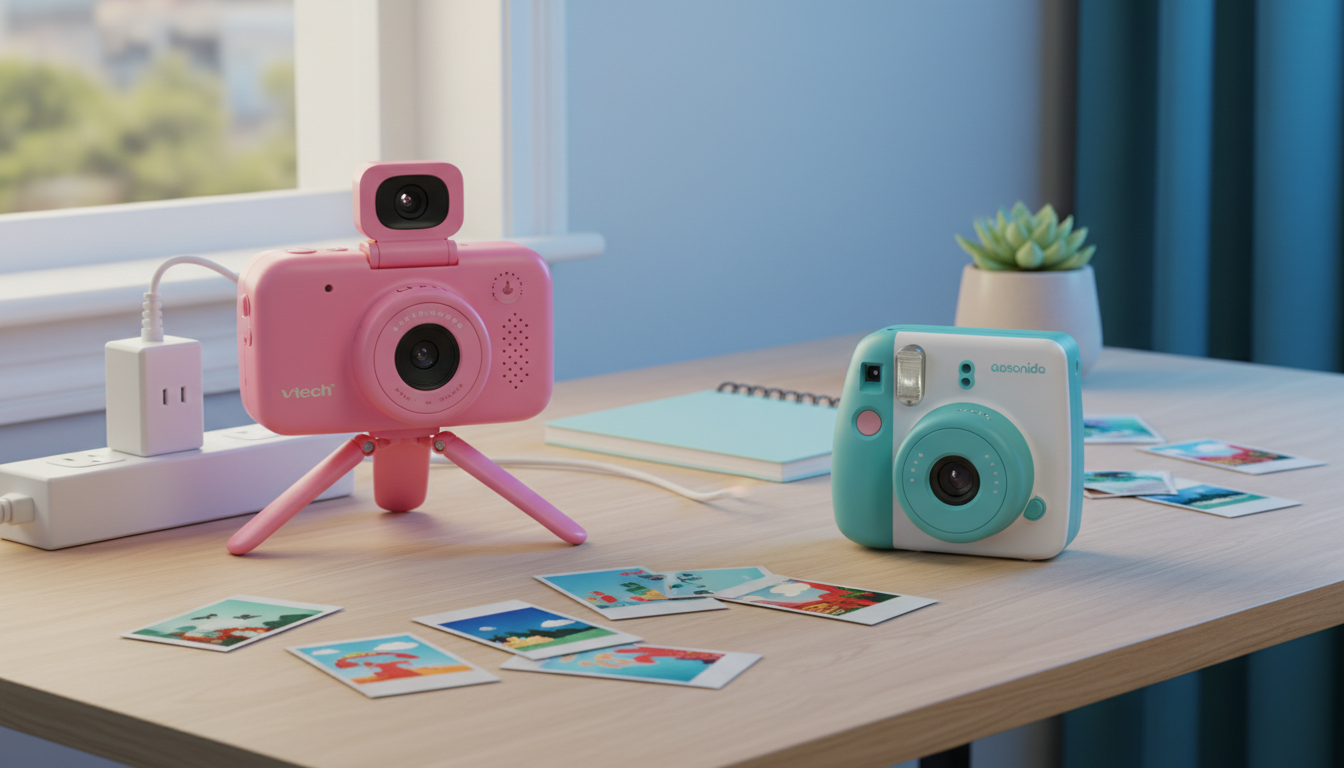
VTech KidiZoom Creator Cam Pink
Its 5 MP photo resolution gives clear shots while keeping the price at $69.99, delivers strong value for a proven VTech camera.

Aasonida Kids Instant Camera
Ideal for budget-conscious kids who want a simple snapper, it costs $19.99—about $50 less than the VTech Creator Cam.
VTech KidiZoom Camera Pix Blue
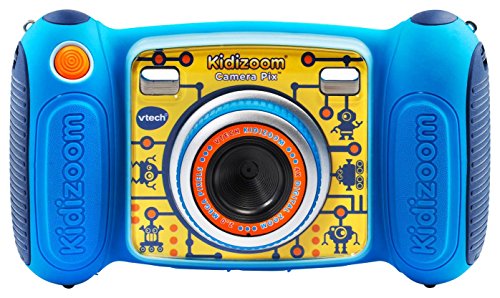
Stands out with a 4 x digital zoom and a solid 2.0 MP sensor, earning the highest 4.7‑star rating among budget point‑and‑shoots.
Also considered
Score Analysis
Key score advantages vs. runner-up (Aasonida Kids Instant)
Price Range
VTech KidiZoom Creator Cam Pink
$69.99
Aasonida Kids Instant Camera
$18.99
VTech KidiZoom Camera Pix Blue
$47.99

Jgipl 4K Camera Black
$58.99

Duluvulu 4K Camera Black
$58.97

Camkory Digital Camera Purple 32GB
$39.98

Lecnippy Digital Camera
$46.99

Smartklik Digital Camera Gold
$35.09
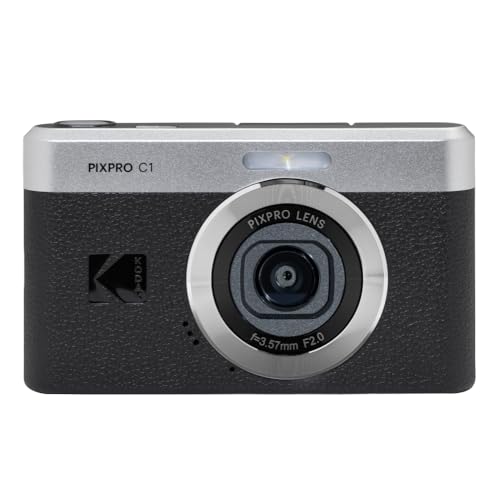
Kodak PIXPRO C1
$99.00
Spec Comparison
TL;DR: The VTech KidiZoom Creator Cam in glitter pink offers a 5 MP sensor, 720p video, a 2.4‑inch LCD and a full creative kit for kids, but its 256 MB internal memory means a microSD card is almost mandatory.
The camera’s standout spec is its kid‑focused feature set: a 5 MP photo sensor paired with 720p HD video, a 2.4‑inch color LCD for framing, a flip‑up selfie lens, built‑in green screen, and more than 20 special effects. It also ships with a tabletop tripod/selfie stick and three built‑in games, and runs on a 3.7 V rechargeable lithium‑ion battery.
Compared with the other eight cameras in this roundup, the Creator Cam is heavier than the VTech KidiZoom Camera Pix Blue (0.49 lb) but lighter than the Jgipl 4K Camera (1.43 lb). Its 2.4‑inch screen sits between the larger 3.0‑inch displays of the Duluvulu and Jgipl models and the smaller 1.8‑inch screen of the Pix Blue. Photo resolution is modest at 5 MP, while several peers list 48 MP or 44 MP sensors, and its 720p video falls short of the 4K Ultra HD offered by Duluvulu and Jgipl.
Users rave about the all‑in‑one creative kit: the green screen, flip‑up lens and built‑in games keep kids entertained for hours. Professional reviewers highlight those same tools as adding real creative value. In practice, the 256 MB internal memory (about 170 MB usable) fills up quickly, so most families end up buying a microSD card (up to 32 GB supported). Reviewers also note that the battery requires frequent recharging during extended play sessions.
Pros
Cons
Best for: Children ages 5‑10 who want a fun, all‑in‑one camera with green screen effects, games and a sturdy selfie lens.
Avoid if: You need professional‑grade photo resolution, 4K video, or long‑lasting battery performance.
“All‑in‑one creative kit sparks hours of fun with effects, games, and vlogging tools.”
“Durable for kids; clear 720p video even with movement.”
TL;DR: The Aasonida Kids Instant Camera packs a 48 MP dual‑lens, 16× digital zoom and 1‑second black‑and‑white prints into an ultra‑compact, kid‑friendly body for just $19.99.
What really stands out is the 48 MP dual‑lens system paired with 16× digital zoom, giving youngsters the ability to experiment with close‑up shots without needing extra accessories. The built‑in 2.4‑inch display lets kids frame their pictures, while the instant‑print module produces a black‑and‑white photo in just 1 second, turning every snap into a tangible memory.
Compared with the other eight cameras in this budget roundup, the Aasonida’s screen is a touch smaller than the 2.8‑inch displays on the Smartklik and Lecnippy models, yet it matches the 2.4‑inch screen of the VTech KidiZoom Creator Cam. Its 32 GB microSD card outpaces the Camkory’s included 32 GB card and the Smartklik’s 64 GB card in terms of capacity, while still supporting up to 128 GB for future expansion. Although Aasonida doesn’t list a weight, its “ultra‑compact” and child‑safe shell suggests it’s lighter than bulkier options like the Jgipl 4K, which tips the scales at 1.43 pounds.
User sentiment highlights the camera’s playful design: oversized buttons, a soft shock‑proof shell, and a matching neck strap make it easy for small hands to operate. Professional reviewers praise the vibrant purple finish and the generous out‑of‑the‑box package that includes the microSD card, USB‑C cable, and two paper rolls. However, both reviewers and parents note that no formal durability testing has been done on severe drops, so the camera may not survive very rough handling. The lack of detailed specs such as exact weight or battery capacity also leaves some unanswered questions for tech‑savvy buyers.
Pros
Cons
Best for: Budget-conscious buyers seeking a reliable entry-level option
TL;DR: The VTech KidiZoom Camera Pix Blue costs $47.99, weighs 0.49 lb, offers a 2.0 MP sensor, 4× digital zoom and a 1.8‑inch screen, making it a durable, kid‑focused point‑and‑shoot with solid ratings.
This camera’s standout specs are its lightweight build at 0.49 lb, a 2.0 MP sensor and 4× digital zoom, all displayed on a 1.8‑inch TFT LCD. The device measures 3.36 in tall, 7.99 in long and 5.97 in wide, fitting easily in small hands. It runs on four AA batteries (not included) and stores roughly 140 MB of internal memory, enough for a few dozen pictures before a microSD card is needed.
Compared with the other eight cameras in the roundup, the Pix Blue is lighter than the Lecnippy (≈0.71 lb) and the Camkory (≈0.57 lb), but heavier than the Kodak PIXPRO C1 (≈0.25 lb). Its 1.8‑inch screen is smaller than the 2.8‑inch displays on the Lecnippy, Smartklik and Kodak, and also smaller than the 3.0‑inch screens on the Jgipl and Duluvulu. The 4× digital zoom falls short of the 16× zoom found in most competitors, such as the Lecnippy and Camkory, which may limit distant shots.
Professional reviewers praise the camera’s simplicity and ruggedness, noting that the sturdy chassis survives drops typical of ages 3‑8. Users love the 35‑40 built‑in photo effects, four games and a face‑detect selfie mode that encourages creativity. However, users frequently complain about the limited internal memory, low 2.0 MP resolution, and the slow power‑up time that tests impatient kids. Video recording caps at 160 × 120 pixels internally (320 × 240 with a card), which many consider modest by today’s standards.
Pros
Cons
Best for: Children ages 3‑8 who want a well‑reviewed, rugged camera with fun effects and simple operation.
Avoid if: You need higher‑resolution photos, longer video clips, or faster startup performance.
“All‑in‑one creative kit sparks hours of fun with effects, games, and vlogging tools.”
“Durable for kids; clear 720p video even with movement.”
TL;DR: The Jgipl 4K Camera offers 48 MP stills, 4K video, a 3‑inch flip screen and dual batteries for $58.99, making it a solid entry‑level point‑and‑shoot for casual shooters.
At its core, the Jgipl 4K Camera packs a 48 MP CMOS sensor and records video at 2160p (4K UHD). The 3.0‑inch IPS LCD flips 180°, making selfies and vlogging easy. It offers 16× digital zoom and weighs about 1.43 lb, so it’s portable enough for travel.
Its specs line up closely with the Duluvulu 4K Camera, which also lists 48 MP and 16× digital zoom on a 3.0‑inch screen, but the Jgipl adds a built‑in flash and two rechargeable batteries. Compared with the VTech KidiZoom Creator Cam’s 2.4‑inch display, the Jgipl’s screen is noticeably larger. The Lecnippy Digital Camera’s 2.8‑inch screen and 0.71‑lb weight are a bit smaller and lighter, while the Camkory model offers 44 MP on a similar 2.8‑inch screen, so the Jgipl’s 48 MP gives it a resolution edge.
User reviews praise the generous 32 GB micro‑TF card and the two rechargeable batteries that let you shoot straight out of the box. Professional reviewers note the cheap plastic body feels flimsy and that the advertised 16× zoom is digital only, which can soften details. The small 1/3‑inch sensor also limits low‑light performance, a point many users mention.
The camera uses hybrid autofocus and digital anti‑shake stabilization, which helps keep subjects sharp in bright conditions. It supports the Micro Four Thirds mount, offers a 17:9 aspect ratio for widescreen shots, and records files as JPEG and MP4. No Wi‑Fi or Bluetooth appears, so transfers rely on the USB connection.
Pros
Cons
Best for: Beginners, kids, travelers, and vloggers who need a pocketable, inexpensive camera for social‑media.
Avoid if: You're shopping on a tight budget — it's priced at $58.99
“sub-$60 digital disposable camera”
“simple alternative to smartphones”
TL;DR: The Duluvulu DC101 delivers 48 MP stills, 4K video, and a 3‑inch 180° flip IPS screen for $59.99, making it a solid, pocket‑friendly option for beginners and casual vloggers.
The standout spec is the 48 MP effective pixel sensor paired with 4K Ultra HD video recording, letting you capture high‑resolution photos and crisp footage without a hefty price tag. A 3.0‑inch IPS display that flips 180° adds a clear view for selfies and vlog framing, while autofocus and anti‑shake help keep shots steady in everyday lighting.
Compared with the other eight cameras, Duluvulu matches the Jgipl 4K Camera’s 16X digital zoom but adds a hotshoe for external microphones—a feature many peers lack. Its 3.0‑inch screen is larger than the 2.4‑inch display on the VTech KidiZoom Creator Cam and outsizes the 2.8‑inch panels on Camkory and Smartklik, giving you a more comfortable preview area. While the price sits near the lower‑end of the range, the bundle includes a carrying case, two rechargeable batteries and an SD card, offering more immediate value than several competitors that ship without storage media.
Users repeatedly note the camera’s intuitive interface, quick power‑on and the convenience of USB webcam mode for video calls. Reviewers appreciate the flip screen for framing and the built‑in beauty mode for casual portraits. However, the digital‑only zoom tends to pixelate at full reach, reviewers describe the anti‑shake system as weak for fast motion, and the flip screen can feel fragile after frequent travel. People also commonly complain about low‑light noise, especially given the high megapixel count.
Beyond imaging, the DC101 packs a hotshoe, USB port and webcam capability, letting you attach a mic or use the camera as a streaming device. The package includes a protective case, flash control and lens cap, and the two rechargeable batteries let you shoot for a decent stretch before recharging. Features such as smile/face detection, time‑lapse, slow‑motion and exposure compensation from –3.0 to +3.0 EV round out its beginner‑friendly toolkit.
Pros
Cons
Best for: Those prioritizing quality and willing to pay for premium performance
“sub-$60 digital disposable camera”
“simple alternative to smartphones”
TL;DR: The Camkory Purple point‑and‑shoot offers 44 MP photos, 1080p video, and a 32 GB microSD card for under $40, making it a lightweight, beginner‑friendly option for casual snaps.
The Camkory Digital Camera in purple packs a 44 MP CMOS sensor and 16x digital zoom into a tiny body that weighs just 0.57099725858 pounds (259 g). It records full‑HD 1080p video and ships with a 32 GB microSD card, so you can start shooting right out of the box without buying extra storage.
At under $40 it lands on the lower end of the price spectrum, making it cheaper than many of the nine‑camera lineup. Its 259 g chassis is lighter than the Smartklik’s 280 g frame but a bit heavier than the VTech KidiZoom’s 222 g design, and comparable to the Lecnippy’s 258 g build. While the Camkory includes a 32 GB card, the Smartklik bundles a larger 64 GB card, and the Lecnippy also offers 32 GB storage, so the Camkory sits in the middle of the storage offerings.
Everyday users rave about the camera’s pocket‑size footprint and the ease of its menu system, calling it ideal for travel, kids, and quick snapshots. Professional reviewers echo the affordability praise, noting that the sub‑$50 price point delivers solid value for casual shooters. The most common criticism points to grainy images in low‑light scenes and a loss of sharpness when you engage the 16x zoom, which aligns with the “image quality becomes grainy” feedback seen across reviews.
Beyond resolution, the Camkory adds face detection, smile capture, and electronic anti‑shake, helping beginners get decent shots without fiddling with settings. A built‑in tripod mount lets you stabilize the camera for steady video, and the USB‑C port supports fast charging; the rechargeable battery lasts up to one month, reducing the need for frequent recharges.
Pros
Cons
Best for: Entry-level buyers or those on a tight budget
Avoid if: You want the best value‑per‑dollar in its price range
TL;DR: The Lecnippy DC402 offers a 48 MP sensor, 4K video, 16× digital zoom, and a 2.8‑inch flip screen for just $46.99, making it a lightweight, pocket‑friendly option for beginners.
The camera’s standout specs include a 48 MP CMOS sensor and 4K video capture, paired with a 16× digital zoom that lets you get close without changing lenses. Its 2.8‑inch IPS screen flips 180°, so you’ll frame selfies or vlog shots easily, and the whole unit weighs about 0.71 lb (258 g), easy to slip into a pocket.
Compared with the other eight cameras in this budget roundup, the Lecnippy is heavier than the VTech KidiZoom Camera Pix Blue (0.49 lb) and the Camkory model (≈0.57 lb), but lighter than the Jgipl 4K Camera (1.43 lb). Its screen size matches the Smartklik and Kodak PIXPRO models at 2.8 inches, while the Jgipl and Duluvulu cameras sport larger 3‑inch displays. The 16× digital zoom ties with Camkory, Jgipl, and Duluvulu, and exceeds the 4× zoom of the VTech KidiZoom Pix.
User feedback repeatedly praises the camera’s feather‑light body and the reliable half‑press autofocus, noting that beginners can snap sharp photos right out of the box. Reviewers also highlight the convenience of two included batteries and a 32 GB SD card, which means you’ll start shooting immediately. The main criticisms target the digital‑only zoom and anti‑shake because they can soften images at full zoom, and the modest grip may feel cramped during longer sessions.
Pros
Cons
Best for: Beginners, teens, students, casual vloggers, and travelers who need a lightweight, pocket‑size camera.
Avoid if: You require optical zoom, extensive manual controls, or professional‑grade low‑light performance.
TL;DR: The Smartklik Gold is a 44 MP, 4K point‑and‑shoot that weighs just 280 g, offers a 2.8‑inch screen and comes with a 64 GB SD card for $35.03.
The camera’s headline specs are its 44 MP image resolution, advertised 4K video capture and 16x digital zoom, all packed into a pocket‑sized body that tips the scales at only 280 g. A 2.8‑inch LCD lets you frame shots without squinting, and the bundle includes a 64 GB SD card so you can start shooting straight out of the box.
Compared with the eight other cameras in this roundup, the Smartklik sits in the middle of the weight range – lighter than the Jgipl 4K Camera (about 1.43 lb) and the VTech KidiZoom Creator Cam (399 g), but heavier than the ultra‑light Kodak PIXPRO C1 (112 g) and the VTech KidiZoom Camera Pix (222 g). Its 2.8‑inch screen matches the Lecnippy and Kodak models, yet it’s smaller than the 3.0‑inch displays on the Jgipl and Duluvulu cameras. At 44 MP, it aligns with Camkory’s resolution but falls short of the 48 MP that Lecnippy, Aasonida, Jgipl and Duluvulu provide. The 16x digital zoom is on par with most peers, outpacing the 4x zoom of the VTech KidiZoom Camera Pix.
User feedback highlights the camera’s feather‑light feel and kid‑friendly button layout as big wins, especially with the generous accessory pack that includes two rechargeable batteries, a USB cable and the 64 GB card. However, reviewers consistently note that the actual photos look grainy and blurry, and the promised 4K video often falls short of true 4K quality. Reviewers describe the plastic housing as cheap‑feeling and prone to wear, and they note low‑light performance is limited.
Beyond the core specs, the Smartklik offers night mode, a vlog setting, webcam capability and three built‑in flash bulbs. The included two lithium‑ion batteries give you extra shooting time, and the USB port handles both charging and data transfer without needing an extra adapter.
Pros
Cons
Best for: Entry‑level buyers or those on a tight budget
Avoid if: Reliability and user satisfaction are your top concerns
TL;DR: The Kodak PIXPRO C1 delivers a 13 MP sensor, f/2.0 wide‑angle lens and a 2.8″ flip‑up screen in a feather‑light 0.25‑lb body, but its 4× digital zoom and modest low‑light performance keep it firmly in the beginner tier.
At the heart of the C1 is a 13 MP 1/3‑inch BSI CMOS sensor paired with a fixed 3.57 mm (26 mm‑equivalent) f/2.0 lens, giving you a bright, wide‑angle view that works well for group shots and selfies. The camera weighs roughly 0.25 lb (112 g) and measures 103 × 60 × 20.3 mm, so it slips into a jeans pocket without a hitch. A 2.8‑inch LCD that tilts 180° lets you frame yourself easily, and the anti‑handshake optical image stabilization helps keep handheld video steady.
Compared with the eight other cameras in this budget roundup, the PIXPRO C1 is lighter than the VTech KidiZoom Creator Cam and considerably slimmer than the bulkier Duluvulu 4K Camera. Its 2.8‑inch screen is larger than the 1.8‑inch display on the VTech KidiZoom Camera Pix Blue, yet it shares the same screen size as the Lecnippy Digital Camera. While most peers sit below $70, the C1’s $99.00 price tag places it at the higher end of the segment, and its 4× digital zoom is modest next to the 16× digital zoom that several competitors offer.
Everyday users love the C1’s pocketable design and the flip‑up screen for quick selfies, and professional reviewers note that the wide‑angle lens delivers sharp daylight images. The same reviewers point out that the 4× digital zoom can noticeably soften detail, and the small 1/3‑inch sensor tends to introduce noise when you push the ISO up to the 1600 limit. Battery life delivers about 200 shots or 90 minutes of 1080p video per charge, which some users find short for longer outings.
Beyond the basics, the C1 offers TTL Single AF, program AE with ±2 EV steps, and a shutter speed range from 1/10,000 s to 2 s. Video records in MOV (H.264) at 1080p 60/30 fps, 720p 60/30 fps, and 1440p 30 fps. The C1 handles connectivity via a USB 2.0 Type‑C port, and the box includes a Type‑C cable, AC adapter, wrist strap and quick‑start guide.
Pros
Cons
Best for: Buyers willing to invest in a proven, high-quality option
Avoid if: You're shopping on a tight budget — it's priced at $99.00
“sharp daylight photos”
Breakdown
VTech KidiZoom Creator Cam Pink
Pros
Aasonida Kids Instant Camera
Pros
VTech KidiZoom Camera Pix Blue
Pros
Jgipl 4K Camera Black
Pros
Cons
Based on scoring data and product specs
Personalized picks
Best Overall Pick
VTech KidiZoom Creator Cam Pink
Best ValueBest for: Buyers willing to invest in a proven, high-quality option
Aasonida Kids Instant Camera
Best for: Budget-conscious buyers seeking a reliable entry-level option
$18.99-$51.00 vs winner
Skip Kodak PIXPRO C1 if…
You're shopping on a tight budget — it's priced at $99.00
VTech KidiZoom Creator Cam Pink takes the top spot as the best budget point‑and‑shoot under $100. It scores a solid 4.5 / 5 from 5,714 reviewers, and its 5 MP sensor delivers clear photos while the 720p HD video (up to 30 minutes per file) adds motion fun. At just 0.88 pounds, it’s lightweight enough for little hands, and the 2.4‑inch color LCD makes framing shots easy.
The Aasonida Kids Instant Camera earns runner‑up honors, especially if you want instant prints and high‑resolution snaps. Its 48 MP dual‑lens captures detailed images, and the built‑in printer produces black‑and‑white photos in one second. At $19.99 and bundled with a 32 GB microSD card, it offers a cost‑effective way to give kids a tangible photo‑sharing experience.
For shoppers looking beyond the top two, the lineup still has solid choices:
Grab the VTech KidiZoom Creator Cam Pink today and give your child a camera that delivers play and learning in one.
The VTech KidiZoom Creator Cam Pink is designed for ages 5‑10, includes a durable glitter‑pink body, a built‑in tripod/selfie stick, and a 2.4‑inch LCD that’s easy to see in bright light. Its rechargeable lithium‑ion battery and 5 MP sensor with a focus range starting at 1.5 ft make it a solid choice for on‑the‑go shooting.
No reviews yet — be the first to share your experience.
Please sign in to leave a review