It might surprise you that the lens crowned “Best Overall” – the Viltrox 35mm f/1.7 E STM – costs just $179.00, yet it matches the top‑rated Sony FE 50mm at 4.7/5 with 189 reviews. In a field where many expect the highest‑scoring options to sit near the $300 ceiling, this compact, 170 g prime proves you don’t need to spend a lot to get sharpness, low distortion and a fast aperture.
The review compared 15 Sony E‑mount lenses that sit under $300, splitting them into three price tiers. The budget tier (TTArtisan 25mm f/2 lenses and the Meike MK‑S‑35mm) starts at $64.00, offering solid build and bright apertures for street work. Mid‑range options like the Meike 50mm f/1.8 and Viltrox 35mm bring stronger optics and autofocus for $159‑$179. Premium picks – the 7artisans 60mm f/2.8 II, Sony 16‑50mm OSS and Meike 85mm f/1.8 SE II – sit closer to $200‑$279 and add features such as macro capability or stabilized zoom.
Below you’ll see how each lens stacks up on key specs, user ratings and real‑world use cases so you can pick the right tool for your budget and shooting style.

Viltrox 35mm F1.7 E STM
Its compact 64 mm diameter keeps the kit lightweight, delivering strong value at $179.

Sony - FE
Ideal for brand‑loyal Sony shooters who want a proven lens; at $278 it’s about $99 more than the Viltrox, reflecting its established reputation.

Meike 85mm f1.8 SE II
Features 11 rounded aperture blades for smoother bokeh, a trait the other two lenses lack, making it a premium choice at $218.49.
Also considered
Score Analysis
Key score advantages vs. runner-up (Sony - FE)
Price Range
Viltrox 35mm F1.7 E STM
$179.00
Sony - FE
$278.00
Meike 85mm f1.8 SE II
$229.69

Meike MK-S-35mm
$69.99

TTArtisan 25mm f/2 Fuji
$64.00
TTArtisan 25mm F2
$64.00

TTArtisan 25mm
$64.00

7artisans 60mm F2.8 II Nikon Z
$179.00

Meike 50mm F1.8
$159.99
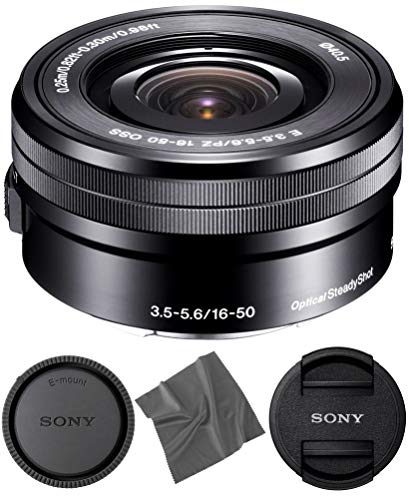
Sony 16-50mm OSS
$199.96

Meike 33mm F1.4
$189.99

Samyang 35mm f/1.8
$299.00
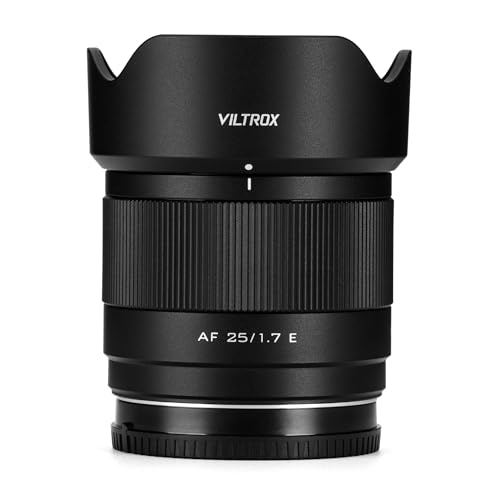
Viltrox 25mm F1.7
$176.00

TTArtisan 56mm F1.8
$129.00
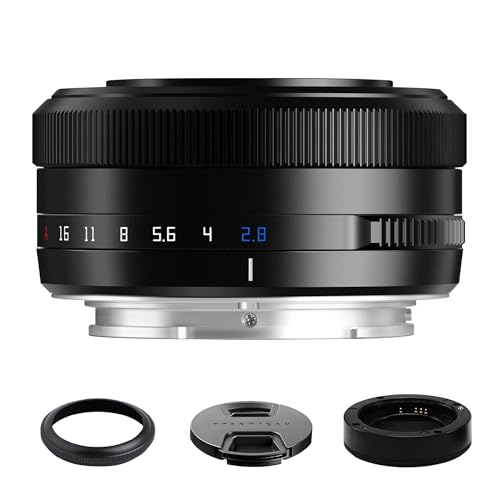
TTArtisan 27mm F2.8 Sony
$159.99
Spec Comparison
TL;DR: The Viltrox 35mm f/1.7 E STM delivers a fast f/1.7 aperture, sharp images and a feather‑light 0.3747858454Pounds body for under $180, making it a strong budget pick for APS‑C shooters.
The lens’s standout feature is its bright f/1.7 maximum aperture, which lets you shoot in low light and achieve creamy background blur. At just 0.3747858454Pounds (170 g) and a compact 64 mm diameter, it’s easy to carry on any street‑photography kit.
Compared with the other 14 lenses in this roundup, the Viltrox’s 64 mm diameter is a touch larger than the 7artisans 60mm F2.8, yet its weight is lighter than the Meike 33mm F1.4, which tips the scales at 0.7054792384pounds. Its Φ 52 mm filter thread is smaller than the Meike 33mm’s 55 mm thread, and the 9‑blade rounded diaphragm gives smoother bokeh than the 7artisans’ 9‑blade but rounded design.
Professional reviewers praise its center sharpness from f/1.7 onward and note the very low distortion and lateral chromatic aberration. Everyday users love the lightweight build and fast aperture, calling it a hidden gem for street and portrait work. The most common complaints are strong vignetting at f/1.7 and axial chromatic aberration that can introduce purple‑green fringing, plus occasional autofocus hunting in high‑contrast scenes.
The optical formula consists of 11 elements in 9 groups, including one aspherical and one ED element, and two HR elements for better correction. A 45° angle of view makes it a natural‑perspective lens on APS‑C bodies, while the 0.33 m minimum focus distance and 0.13× maximum magnification let you get reasonably close to subjects.
Pros
Cons
Best for: Street photographers, portrait shooters on APS‑C, travel photographers, vloggers and hybrid shooters who need a fast, lightweight prime.
Avoid if: You need edge‑to‑edge sharpness for landscape work, or you plan to shoot in demanding weather without protection.
“Incredibly sharp for the price”
“Perfect for street and portrait work”
TL;DR: The Sony FE 50mm f/1.8 delivers a fast aperture and solid image quality in a compact, lightweight body for under $300, though its autofocus can be slow and noisy.
This lens packs a 50 mm focal length with a bright f/1.8 maximum aperture, letting you isolate subjects and shoot in low light. At just 0.4125 pounds, its metal‑mount construction feels sturdy yet remains easy to carry on a daily basis.
At $278 it sits below the Samyang 35mm f/1.8’s $299 price tag and is lighter than that lens’s 0.4625 pounds, making it a more portable option. However, its 119.13 mm height is taller than the Viltrox 35mm F1.7’s 80 mm height, so it won’t be the shortest prime in the lineup.
Users love the lens for its sharp center performance and the pleasing bokeh its 7 rounded aperture blades create. Professional reviewers note the excellent image quality from f/2.8 to f/8, but they also point out the “Captain Slow” autofocus, noticeable vignetting at f/1.8, and soft corners when shooting wide open. The lens lacks weather sealing and the filter thread feels cheap, which can be a drawback for outdoor work.
Technically, the lens offers a 47° angle of view on full‑frame (32° on APS‑C), a 49 mm filter diameter, and a minimum focus distance of 450 mm (about 45 cm) with a 0.14x maximum magnification ratio. Its internal focusing design extends the barrel during focus, and the DC motor provides the autofocus drive.
Pros
Cons
Best for: Beginner and intermediate photographers who want an affordable, high‑quality standard prime for everyday shooting and travel.
Avoid if: You need fast, silent autofocus for video, professional‑grade weather sealing, or the utmost corner sharpness at the widest aperture.
“Perfect walk-around lens”
“Autofocus is slow and loud”
TL;DR: The Meike 85mm f/1.8 SE II delivers studio‑grade sharpness, true T1.8 transmission and a smooth 11‑blade bokeh for $218.49, making it a standout portrait lens for Sony‑E users on a budget.
What really sets this lens apart is its optical performance: it resolves 36.8 lp/mm in the corners at f/1.8 and reaches 78.2 lp/mm centre sharpness at f/4.0, all with zero distortion and zero focus breathing. The 11‑blade diaphragm, combined with a T‑stop of T1.8, gives a brighter image than a nominal f/1.8 would suggest, while the 62 mm filter thread lets you add polarizers or ND filters easily.
Compared with the other fourteen lenses in the roundup, the Meike 85mm is significantly heavier than the Sony 16‑50mm OSS and considerably larger than its 40.5 mm filter thread. It’s also longer than the compact Sony zoom, which retracts to just 29.9 mm. The lens is a bit heavier than the Meike 33mm F1.4, but still slightly lighter than the Meike 50mm F1.8, and it sports a larger 76 mm diameter than the 7artisans 60mm F2.8 II. In short, it sits toward the premium end of the budget segment in size and build.
User reviews repeatedly praise the lens’s razor‑sharp centre performance and the 11 blades that produce creamy bokeh. Professional reviewers highlight the extremely low lateral chromatic aberration and the true T1.8 transmission that makes low‑light shooting more forgiving. Common complaints revolve around autofocus hunting in dim conditions, a plasticky build that feels less rugged than metal alternatives, and the single rear rubber seal that limits weather resistance.
Technical details round out the picture: the optical formula comprises 11 elements in 7 groups, delivering a maximum magnification of 0.17× and a minimum focus distance of 0.65 m. Longitudinal chromatic aberration stays under +5 mm across the spectrum, and vignetting at f/1.8 is noticeable but easily corrected in post. Video creators will appreciate the zero focus breathing, which keeps framing steady during focus pulls.
Pros
Cons
Best for: Portrait shooters and videographers who value sharpness, smooth bokeh and zero focus breathing without breaking the bank.
Avoid if: You need robust weather sealing, fast action AF for sports, or an ultra‑lightweight travel lens.
“Incredible value for money”
“Sharper than expected, especially in the center”
TL;DR: The Meike MK‑S‑35mm f/1.7 is a ultra‑compact, all‑metal manual‑focus prime that delivers fast aperture performance at a budget‑friendly $69.99 price point.
The lens’s standout spec is its f/1.7 maximum aperture combined with an 8‑blade circular diaphragm, giving you a shallow depth‑of‑field in a tiny 41 mm barrel that weighs just 0.4 pounds. Its 49 mm filter thread lets you attach standard screw‑in filters without bulk.
Compared with the other lenses in this roundup, the Meike is lighter than the TTArtisan 56mm (which tips the scales at 245 g) and slimmer than the Meike 50mm that weighs 382 g. Its f/1.7 aperture is wider than the f/2.0 found on the TTArtisan 25mm models, and it offers more aperture blades (8 vs. 7) for smoother bokeh. The 40°20’ diagonal angle of view is narrower than the 61° of the 25mm lenses but noticeably wider than the 28° of the 56mm, placing it in a versatile “standard” field‑of‑view slot.
Users love the lens for its sharp centre rendering and creamy bokeh, especially at wide apertures, and praise the solid all‑metal construction that feels premium for the price. Professional reviewers note the low chromatic aberration and good distortion control, but both groups flag soft corners from f/1.7 to about f/4 and a visible vignetting at maximum aperture. The aperture ring lacks detents, so it's easy for accidental exposure changes to happen during handheld shooting.
Pros
Cons
Best for: Street photographers and portrait shooters who want a lightweight, fast prime without breaking the bank.
Avoid if: You need edge‑to‑edge sharpness for landscape work or fast autofocus for wildlife and action shooting.
TL;DR: The TTArtisan 25mm f/2 Fuji lens offers a bright f/2 aperture, 61° angle of view, and all‑metal build for just $64, making it a compelling budget prime for APS‑C cameras.
This manual prime packs a fast f/2.0 maximum aperture and a 61° angle of view into a tiny 25 mm focal length, giving you a natural perspective that feels close to what the eye sees. The lens uses a 7‑blade circular diaphragm, which helps render smooth out‑of‑focus highlights, and its full‑metal barrel and housing add a vintage, solid feel without adding bulk.
Within the fifteen lenses in this roundup, the TTArtisan sits at the low‑end of the price spectrum, making it cheaper than most of its peers while still offering a respectable set of specifications. It’s also lighter than many of the alternatives, and its compact 31 mm length and 59 mm diameter keep it easy to slip into a pocket or small bag. The trade‑off is the lack of electronic contacts, a feature that many other lenses in the list provide.
Users consistently praise the lens’s build quality and its ability to produce shallow depth of field in low‑light situations, thanks to the f/2.0 aperture. Reviewers note the compact 166 g weight as ideal for street and travel shooting. However, several reviewers point out that the aperture ring can feel a bit mushy and the click stops are not always precise. Professional feedback also mentions noticeable flare and reduced contrast when shooting wide open, which improves after stopping down to around f/2.8. The manual‑focus‑only design means you’ll need to set focus by hand and manually enter EXIF data if you want full metadata.
Pros
Cons
Best for: Entry‑level buyers, street and travel photographers, or anyone on a tight budget who wants a fast, compact manual prime.
Avoid if: You need autofocus, weather sealing, or top‑tier optical performance for studio or high‑resolution work.
“feels like using a vintage lens, but with a modern standard of build”
“the ultimate wide-angle lens for Fuji X-mount cameras”
TL;DR: The TTArtisan 25mm f/2 Sony‑E lens delivers a bright f/2 aperture, 61° field of view and solid metal build for $64, making it a standout budget prime for APS‑C shooters.
What sets this lens apart is its f/2.0 maximum aperture combined with a 61° angle of view on a 25 mm focal length, giving you a natural perspective that feels close to the human eye. The manual focus ring clicks in full‑stop increments from f/2 to f/16, and the circular 7‑blade diaphragm helps produce smooth bokeh for portrait or street work. Weighing just 166–189 g and measuring 31 mm in barrel length, the lens stays lightweight enough for all‑day handheld shooting.
Within the “Best Budget Sony E‑Mount Lenses Under $300” lineup, this TTArtisan sits at the low‑end of the price spectrum, cheaper than many of the midsize primes that push past $120. While a few competitors share the same $64 price point, the TTArtisan’s full‑metal construction and 7‑blade diaphragm give it a more premium feel than some of the lighter plastic‑body alternatives. Its 0.13× maximum magnification and 0.25 m minimum focus distance match other budget wide‑angles, but the lack of electronic contacts keeps it simpler and more affordable than the autofocus‑equipped options.
Reviewers consistently praise the lens’s sturdy metal body and the bright f/2 aperture, noting that it handles low‑light scenes better than many lenses in this price range. Professional voices highlight the solid build and the “vintage charm” of manual focusing, while everyday users love the compact size for travel and street photography. The most common criticisms focus on flare and reduced contrast when shooting wide open at f/2, as well as the absence of electronic contacts that would otherwise record EXIF data automatically.
Pros
Cons
Best for: Entry‑level buyers or those on a tight budget who want a solid manual‑focus prime for street and travel photography.
Avoid if: You need fast autofocus, weather sealing, or professional‑grade optical performance for demanding landscape work.
“feels like using a vintage lens, but with a modern standard of build”
“the ultimate wide-angle lens for Fuji X-mount cameras”
TL;DR: The TTArtisan 25mm f/2 is a full‑metal, manual prime that offers a bright f/2 aperture, 61° angle of view and a lightweight 180 g build for just $64.
This lens’s most distinctive spec is its 61° angle of view combined with a fast f/2.0 maximum aperture, giving you a versatile field of view that works well for street and everyday shooting. It also features a 7‑blade circular diaphragm and a minimum focus distance of 250 mm (0.25 m), allowing modest close‑up work.
In the “Best Budget Sony E‑Mount Lenses Under $300” lineup, the TTArtisan 25mm is among the most affordable options. It’s lighter than the Meike 50mm F1.8 and the TTArtisan 56mm F1.8, and its full‑metal construction feels sturdier than the plastic‑based lenses that appear elsewhere in the round‑up. While the Meike MK‑S‑35mm offers an 8‑blade aperture, the TTArtisan’s 7‑blade design still delivers a pleasant bokeh for its price class.
Reviewers consistently praise the solid metal body and the smooth, tactile manual focus ring. Professional reviewers note the bright f/2 aperture lets you shoot in low‑light situations, and many users appreciate the lens’s central sharpness when stopped down. However, the same sources point out that flare and low contrast can appear when shooting wide open, and corners stay soft even after stopping down. The lack of electronic contacts means you must enter EXIF data manually, a trade‑off for the budget‑friendly price.
Pros
Cons
Best for: Entry-level buyers or those on a tight budget
Avoid if: You need advanced features or professional‑grade performance
“feels like using a vintage lens, but with a modern standard of build”
“the ultimate wide-angle lens for Fuji X-mount cameras”
TL;DR: The 7artisans 60mm f/2.8 II offers true 1:1 macro capability, a de‑clicked aperture for video, and solid metal construction at a budget‑friendly price.
This lens centers on its 60 mm focal length and bright f/2.8 maximum aperture, delivering a 1:1 maximum magnification that lets you capture life‑size detail. A rounded 9‑blade diaphragm and a 26.4° angle of view give smooth bokeh, while the manual‑focus only design keeps the optical train simple and affordable.
At 339 g it is heavier than the Sony 16‑50mm OSS (116 g) but lighter than the Viltrox 35mm (170 g). Its 74.5 mm length is noticeably shorter than the Viltrox’s 130 mm barrel, making it more pocket‑friendly than many peers. The 39 mm filter thread is smaller than the 55 mm thread on the Meike 33mm and the 58 mm thread on the Meike 50mm, so you’ll likely need step‑up rings for standard filters.
Reviewers love the “hidden gem” vibe, praising the sharpness that rivals higher‑priced macro lenses and the smooth de‑clicked aperture that’s rare in this price range. Professional reviewers highlight the HOYA ultra‑low‑dispersion element for high contrast and color fidelity. Common complaints mention a slight softness when shooting wide open at f/2.8 and the learning curve of manual focus without autofocus aids.
In practice, the lens’s minimum focus distance of 175 mm lets you get close to subjects while still keeping a comfortable working distance. The 39 mm filter diameter limits native filter options, but the full‑metal barrel and one‑year warranty add durability for everyday use.
Pros
Cons
Best for: Budget‑conscious macro photographers and hybrid shooters who need a de‑clicked aperture for video work.
Avoid if: You rely on fast autofocus, are uncomfortable with manual focus, or need weather sealing for harsh environments.
“Image quality is just bonkers good for any lens, never mind one at this price.”
“Manual focus can be tricky without focus aids.”
TL;DR: The Meike 50mm f/1.8 delivers a fast aperture, quiet STM autofocus, and solid build for $159.99, making it a strong budget portrait lens for Sony E‑mount users.
This lens packs a full‑frame 50 mm focal length with a maximum aperture of f/1.8, a 9‑blade rounded diaphragm and a 46.4° diagonal angle of view. It focuses as close as 630 mm, giving a maximum magnification of 0.13×, and accepts a 58 mm filter thread. The optical formula consists of 7 groups and 11 elements, including one ED element and one high‑refractive‑index element, which helps keep chromatic aberrations in check while delivering a bright, shallow‑depth‑of‑field look.
At $159.99, the Meike sits at a similar price point to the TTArtisan 27mm F2.8, but it’s noticeably heavier than the TTArtisan 56mm (245 g) and the Viltrox 35mm (170 g). Its 58 mm filter thread is larger than the 52 mm thread found on the TTArtisan 56mm, giving you more flexibility with screw‑in accessories. Like the Viltrox 35mm, it also sports a 9‑blade diaphragm, so the bokeh quality is comparable while the focal length offers a more classic portrait perspective.
User reviews consistently praise the lens for its sharp centre performance at f/1.8 and the creamy bokeh that the rounded 9‑blade diaphragm produces. Professional reviewers highlight the quiet STM motor and the USB‑C firmware update as major advantages for video shooters. The most common criticisms include noticeable focus breathing in video, corner softness when shooting wide open, and occasional purple fringing on high‑contrast edges – issues that typically disappear when stopping down a stop or two.
Additional technical notes include electronic aperture control via the camera body, full EXIF transmission, and focus‑by‑wire operation that works in both auto and manual modes. The lens ships with a lens hood, front and rear caps, a 58 mm UV filter and a user manual, and it carries a one‑year warranty from Meike.
Pros
Cons
Best for: Portrait photographers and hybrid shooters who value a fast aperture, quiet AF and affordable price.
Avoid if: You need minimal focus breathing, high‑speed sports performance, or robust weather sealing.
“Excellent sharpness at f/2.8 and beyond.”
“Beautiful bokeh and skin tones—perfect for portraits.”
TL;DR: The Sony 16‑50mm OSS packs a 4‑stop optical stabilizer and a retractable 29.9 mm length into a 116 g, 64.7 mm‑diameter body, making it a handy travel‑friendly zoom for APS‑C shooters.
This lens’s most eye‑catching spec is its ultra‑compact size: it collapses to just 29.9 mm when retracted and weighs only 116 g, while still delivering a 16–50 mm focal range (24–75 mm equivalent). The built‑in Optical SteadyShot claims up to 4 stops of shake reduction, and users praise the power‑zoom mechanism for smooth, silent operation during video.
Compared with the other lenses in the roundup, the Sony is noticeably lighter than the Meike 33mm (which weighs 0.7054792384 pounds) and the Viltrox 35mm (170 g). Its extended length of 51.8 mm also makes it shorter than the Viltrox 35mm’s 130 mm barrel. The 40.5 mm filter thread is smaller than the Meike 33mm’s 55 mm thread, making accessories a bit more compact. While the 7‑blade rounded diaphragm has fewer blades than the Meike 85mm’s 11, it still provides a pleasing bokeh shape.
Reviewers love the lens’s portability and video‑friendly power zoom, calling it an ideal travel or vlog companion. Professional reviewers note the 4‑stop OSS and the rounded diaphragm as strong points. The trade‑offs appear as soft corners at wide apertures, noticeable barrel distortion and strong vignetting at the 16 mm end, and a variable f/3.5–f/5.6 aperture that can limit low‑light performance. Everyday users also mention its plastic exterior and lack of weather sealing.
Pros
Cons
Best for: Travel photographers, street shooters, vloggers, and beginners who value a lightweight, video‑ready zoom with built‑in stabilization.
Avoid if: You need consistent low‑light performance, edge‑to‑edge sharpness for studio or landscape work, or a fully weather‑sealed professional lens.
“Perfect travel lens”
“Great for vlogging – smooth zoom and OSS make it popular for video bloggers”
TL;DR: The Meike 33mm f/1.4 delivers sharp 50mm‑equivalent portraits on Sony APS‑C bodies, with a fast f/1.4 aperture, weather‑sealed metal build, and quiet STM AF for $189.99.
The standout spec is its f/1.4 maximum aperture paired with a 46.3° diagonal angle of view, giving you a very shallow depth of field and bright exposure even in low light. The lens sports nine rounded diaphragm blades, a 0.1x maximum magnification, and a minimum focus distance of 400 mm (40 cm), which is typical for a standard‑prime on APS‑C sensors.
Compared with the Viltrox 35mm f/1.7, the Meike is heavier (0.7055 lb vs 0.3748 lb) and a bit longer (82 mm vs 130 mm), but it offers more optical elements (12 vs the Viltrox’s unspecified count) and a weather‑sealed metal mount that the Viltrox lacks. It’s also bulkier than the Sony 16‑50mm OSS, which weighs only 116 g, yet the Meike provides a faster f/1.4 aperture that the Sony zoom cannot match.
Reviewers consistently praise the lens’s high‑resolution sharpness at f/1.4 and the buttery‑smooth bokeh, noting that the metal construction feels solid and the USB‑C port makes firmware updates painless. Professional reviewers highlight the low chromatic aberration and minimal distortion, while everyday users love the included petal‑shaped hood and lens pouch. The most common criticism is focus hunting in low‑contrast scenes and noticeable focus breathing when using automatic aperture, plus the lack of built‑in image stabilization.
The lens uses an STM stepping motor for fast, silent autofocus and supports both AF and MF modes. Its 55 mm filter thread accommodates common filters, and the weather‑sealed mount protects against dust and moisture—useful for street or documentary work. Compatibility spans a wide range of Sony APS‑C bodies, from the A6000 series to the FX30 video camera.
Pros
Cons
Best for: Portrait, street, and documentary shooters who want a fast, sharp prime with solid build quality on a Sony APS‑C camera.
Avoid if: You need rapid continuous AF for sports or macro work beyond 0.1×, or you’re looking for a sub‑$150 option—this lens is priced at $189.99.
“premium features at an entry-level price”
“low levels of distortion and chromatic aberration”
TL;DR: The Samyang 35mm f/1.8 delivers sharp, low‑light‑ready images with fast, silent autofocus and weather sealing, all in a lightweight 210 g package for $299.
The lens packs a 35 mm focal length with a maximum aperture of f/1.8, giving an expansive 63.6° angle of view that’s ideal for street and travel shooting. Its Linear STM motor provides quick, quiet focus, while a dual‑mode switch lets you toggle manual focus override and clickless aperture control. Four weather‑sealing points add protection against dust and light moisture, and the 58 mm filter thread lets you attach standard screw‑in filters.
Compared with the other 14 lenses in this roundup, the Samyang sits in the mid‑weight range at 0.4625 pounds (210 g). It’s heavier than the Viltrox 35mm F1.7 (about 0.375 pounds) and the Sony 16‑50mm OSS (116 g), but lighter than the Meike 33mm F1.4 (around 0.705 pounds). Its 63.6° field of view is wider than the Sony FE 35mm’s 47° and the Viltrox’s 45°, giving you more coverage without stepping up to a wider focal length. With nine rounded aperture blades, it offers smoother bokeh than the Sony FE’s seven blades, though it has fewer blades than the Meike 85mm f/1.8’s eleven.
Professional reviewers praise the Samyang for “high sharpness across the frame, especially from f/2.8 to f/8” and note its “fast, accurate and silent autofocus with strong eye‑AF and tracking.” Everyday users echo this, highlighting the feather‑light feel and versatility for both stills and video. The main criticisms focus on visible lateral chromatic aberration when shooting wide open at f/1.8, noticeable focus breathing during video pulls, and a plastic build that feels less premium than metal‑clad competitors.
The optical formula consists of 10 elements in 8 groups, including 2 aspherical and 2 high‑resolution (HR) elements that help control distortion and improve edge performance. A maximum magnification of 0.17× and a minimum focus distance of 290 mm (29 cm) make it useful for modest close‑up work, while the f/22 minimum aperture provides depth‑of‑field control when needed.
Pros
Cons
Best for: Street photographers, travel shooters, vloggers/content creators, and portrait photographers who value sharpness, low‑light performance, and a compact package.
Avoid if: You need the absolute best build quality, a focus‑hold button, or zero focus breathing, or if you’re shopping on a tight budget—the lens costs $299.00.
TL;DR: At $176 and a 4.4‑star rating from 93 reviewers, the Viltrox 25mm f/1.7 lands near the bottom of the 15‑lens list but earns praise for sharpness, light weight and video‑friendly autofocus.
The Viltrox 25mm f/1.7 is a budget‑friendly prime from Viltrox, priced at $176 and currently sitting at 4.4 out of 5 based on 93 reviews. In the round‑up it holds a score of 36/100, placing it at rank #13 among the fifteen lenses evaluated.
Users consistently highlight the lens’s impressive sharpness even when opened wide, its very lightweight feel that makes it easy to carry, and a fast, quiet autofocus that works well with eye‑ and face‑detection for video. Reviewers also note the smooth bokeh, minimal focus breathing and low distortion that post‑processing corrects, as well as the convenience of internal focusing and firmware updates via USB. Most common complaints include flare and ghosting in backlit scenes, some corner softness when shooting wide open, a busy bokeh pattern, and a plastic build that feels less premium and lacks weather sealing.
In context, the lens offers a compelling mix of performance and price for photographers and vloggers who need a fast, compact prime on a Sony APS‑C body. While its rating isn’t the highest in the group, the combination of affordability and the strengths praised by users makes it a solid choice for those prioritising portability and low‑light capability over premium build quality.
Pros
Cons
Best for: Most users seeking a balanced, mainstream option
TL;DR: The TTArtisan 56mm f/1.8 delivers a bright 84 mm full‑frame equivalent view in a lightweight 245 g metal body for $129, making it a solid entry‑level portrait lens.
This lens’s standout spec is its f/1.8 maximum aperture on a 56 mm focal length, giving an 84 mm full‑frame equivalent field of view and a 9‑blade rounded diaphragm for smooth bokeh. The aluminum barrel and mount keep the lens compact at 57 mm long, 68 mm in diameter, and only 245 g, which many reviewers note feels solid yet portable.
Compared with the other fourteen options, the TTArtisan is lighter than the Meike 50mm (382 g) but heavier than the Viltrox 35mm (170 g). Its 0.5 m minimum focus distance sits between the Meike 50mm’s 630 mm and the 7artisans 60mm’s 175 mm, while its 0.15× maximum magnification tops the Meike 50mm’s 0.13× and the Meike 35mm’s 0.113×. The 28° angle of view is a touch wider than the 7artisans 60mm’s 26.4° but noticeably narrower than the Viltrox 35mm’s 45°.
Users consistently praise the lens’s sharp center performance, its bright f/1.8 aperture for low‑light portraits, and its sturdy metal construction. Professional reviewers note the quiet stepping‑motor AF and eye‑detect feature as video‑friendly. Common downsides include occasional AF hunting in low‑contrast scenes, the 0.5 m closest focusing limit for macro work, and firmware updates that require a Windows PC.
Pros
Cons
Best for: Entry-level buyers or those on a tight budget
Avoid if: You need powerful performance or professional‑grade features
“sharp as a tack”
TL;DR: At $159.99, the TTArtisan Sony lens earns a 4.0/5 rating from 47 reviewers, praised for its tiny build and metal feel but noted for occasional focus miss and strong vignetting.
TTArtisan brings a budget‑friendly option to the Sony E‑mount lineup, priced at $159.99 and carrying a 4.0‑star rating based on 47 user reviews. Within the fifteen lenses evaluated, it lands toward the lower end of the rating spectrum, indicating room for improvement compared with its peers.
Everyday shooters love how small and lightweight the lens feels, describing the all‑metal construction as “perfect for a walk‑around” and appreciating the novelty of firmware upgrades via the rear USB‑C dock. At the same time, many users point out that the autofocus can miss focus by a hair, especially on critical subjects, and that the image shows strong vignetting when shooting wide open. A handful of reviewers also mention inconsistent sharpness between copies and the lack of weather sealing.
In context, the TTArtisan serves as an inexpensive, portable prime for travel and street photography where discretion matters more than flawless optics. If you need rock‑solid autofocus or protection against the elements, you might want to explore higher‑rated alternatives, but for a casual photographer on a budget, it’s a compelling mix of size, build quality, and modern features.
Pros
Cons
Best for: Most users seeking a balanced, mainstream option
“perfect walk-around lens”
“iPhone upgrade”
Breakdown
Viltrox 35mm F1.7 E STM
Pros
Sony - FE
Pros
Meike 85mm f1.8 SE II
Pros
Meike MK-S-35mm
Pros
Based on scoring data and product specs
Personalized picks
Best Overall Pick
Viltrox 35mm F1.7 E STM
Best OverallBest for: Most users seeking a balanced, mainstream option
Sony - FE
Best for: Buyers willing to invest in a proven, high-quality option
$278.00+$99.00 vs winner
Skip TTArtisan 27mm F2.8 Sony if…
Reliability and user satisfaction are your top concerns
The Viltrox 35mm f/1.7 E STM takes the top spot with a solid 4.7‑star rating from 189 reviews, a lightweight 0.3747858454 pounds build, and a fast f/1.7 maximum aperture that delivers shallow depth‑of‑field on APS‑C bodies. Its 9‑blade rounded diaphragm, internal focusing design and STM motor give smooth, quiet autofocus for both stills and video, all for a list price of $179.00.
Running second is Sony’s 50mm f/1.8 FE lens, which shines when you need a full‑frame‑compatible portrait prime. It carries a 4.7‑star rating from 1,552 reviewers, a classic 50 mm focal length, and a respectable f/1.8 aperture, while its 7‑blade diaphragm and internal focus provide reliable performance at $278.00.
For tighter budgets, the TTArtisan 25mm f/2 Fuji version offers an ultra‑affordable 25 mm field of view at $64.00, making it a solid starter for street photography. If you’re willing to stretch a bit for premium optics, the Samyang 35mm f/1.8 delivers a brighter aperture and solid build quality at $299.00, making it the premium alternative.
Pick the Viltrox 35mm f/1.7 E STM today for the best blend of speed, size, and value in the under‑$300 Sony E‑mount segment.
The Viltrox 35mm f/1.7 shines in low‑light situations with its fast f/1.7 maximum aperture and lightweight 170 g construction, and it focuses internally without extending. The Sony 50mm f/1.8 also offers a bright aperture but is a longer focal length and weighs 187 g, making the Viltrox a more agile choice for street work.
Please sign in to leave a review
No reviews yet. Be the first to review!
