⚡ Quick Answer
Finding a streaming device under $100 that delivers 4K HDR without breaking the bank can't help feeling like hunting for a needle in a haystack. In our comparison of 7 devices, prices range from $39.99 for the TiVo Stream 4K up to $99.00 for the Boxy Android TV Box, and user ratings span from 3.6/5 to a perfect 5.0/5. The lineup covers three price tiers – budget options like the TiVo Stream 4K, a mid‑range pick, the Xiaomi TV Stick 4K 2nd Gen, and premium contenders such as the Xiaomi TV Box S 3rd Gen and Roku Ultra.
All seven models support 4K resolution, but they're different in HDR formats, audio capabilities and connectivity. For instance, the Xiaomi TV Box S 3rd Gen bundles 32 GB of internal storage and Wi‑Fi 6, while the Roku Ultra adds gigabit Ethernet and Dolby Atmos support. Meanwhile, the Onn 4K Plus offers Dolby Vision and HDR10+ at a $65.99 price point, and the RockTek GB1 delivers a compact 70 mm square design priced at $49.99. Read on to see how each device balances performance, features and price.

Xiaomi TV Box S 3rd Gen
Its slim 97 mm depth keeps your entertainment center tidy.
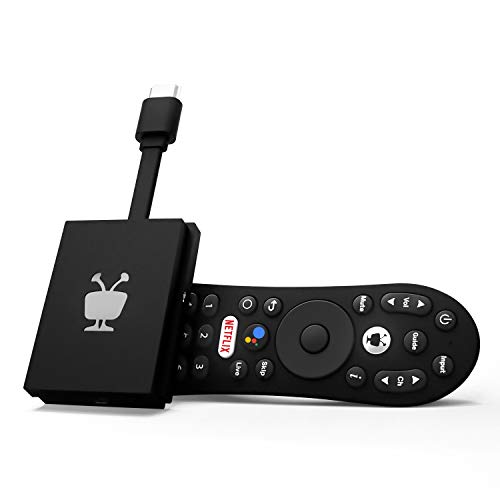
TiVo Stream 4K
Ideal for budget‑conscious streamers, the TiVo Stream 4K comes in at $39.99—about $38 less than the Xiaomi TV Box S 3rd Gen.

Roku Ultra
The Roku Ultra stands out with a deeper 127 mm chassis and a 4.5‑star rating, delivering performance reflected in its 4.5‑star rating that the slimmer Xiaomi and TiVo models don’t match.
Also considered
Score Analysis
Key score advantages vs. runner-up (TiVo Stream 4K)
Price Range
Xiaomi TV Box S 3rd Gen
$77.99
TiVo Stream 4K
$39.99
Roku Ultra
$79.00
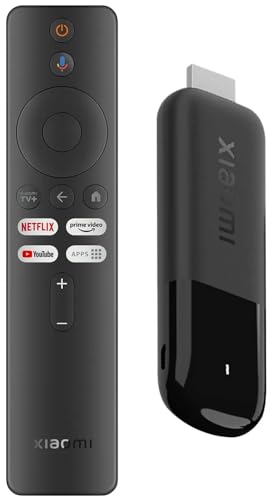
Xiaomi TV Stick 4K 2nd Gen Black
$69.99

Onn 4K Plus
$65.99

RockTek GB1
$59.99

Boxy Android TV Box
$99.00
Spec Comparison
TL;DR: The Xiaomi TV Box S 3rd Gen streams 4K HDR at 3840×2160 @ 60 fps, packs 32 GB of storage, and runs Google TV for under $78, making it a solid budget upgrade for non‑smart TVs.
What really stands out is the 4K resolution of 3840×2160 @ 60 fps paired with Dolby Vision, HDR10+ and Dolby Atmos support, all powered by a quad‑core ARM Cortex‑A55 CPU clocked up to 2.5 GHz and an ARM G310 V2 GPU. The box also ships with a generous 32 GB of internal storage, far more than the Roku Ultra's 4 GB or the Xiaomi TV Stick 4K 2nd Gen's 8 GB.
Compared with the six other devices in this roundup, the TV Box S offers the most internal storage and matches the 2 GB of RAM that most competitors share. It’s heavier than the ultra‑light Roku Ultra (about 0.04 lb) but considerably lighter than the Boxy Android TV Box (over 1 lb). Its Wi‑Fi 6 (802.11ax) connectivity also outpaces the TiVo Stream 4K’s older Wi‑Fi standard, while the Onn 4K Plus and RockTek GB1 list Wi‑Fi 6 and Bluetooth 5.0 respectively, putting the Xiaomi in a similar connectivity tier.
Users rave about the smooth 4K playback, the ample 32 GB storage for apps and offline media, and the handy 360° Bluetooth voice remote that works with Google Assistant. Professional reviewers note the +130 % GPU boost and the inclusion of AMD FreeSync as a plus for fluid video. The main criticisms focus on the 2 GB of DDR3 RAM, which can feel “kind of okay” when many apps run at once, the lack of an Ethernet port for wired reliability, and a USB 2.0 port that limits fast external storage.
Pros
Cons
Best for: Casual streamers and families who want 4K HDR with Dolby Vision and Atmos on a budget.
Avoid if: You need heavy multitasking, a wired Ethernet connection, or higher‑performance hardware for gaming.
“faster than before with a clean UI and ton of apps”
“2GB RAM is kind of okay for general use”
TL;DR: At $39.99, the TiVo Stream 4K delivers 3840×2160 video with Dolby Vision, a voice‑controlled remote and a unified app interface, making it a solid budget choice for casual streamers.
The TiVo Stream 4K ships for $39.99 and supports up to 3840×2160 resolution at 60 fps, with Dolby Vision, HDR10 and HLG for vibrant picture quality. It runs Android 9.0 Pie on an Amlogic S905Y2 quad‑core CPU paired with a Mali‑G31 GPU, backed by 2 GB DDR4 RAM and 8 GB eMMC storage. A built‑in Chromecast and Google Assistant‑enabled voice remote let you launch apps or cast from your phone without leaving the unified interface. The device measures 3.03 in deep, 0.63 in high and 2.09 in wide, keeping the dongle compact.
Compared with the six other contenders, the Stream’s 2 GB RAM matches every peer, while its 8 GB internal storage equals the Xiaomi TV Stick 4K 2nd Gen but falls short of the Onn 4K Plus’s 16 GB and the Xiaomi TV Box S’s 32 GB. Its 3.03‑in depth is shallower than the Onn 4K Plus’s 101.6 mm depth, yet deeper than the RockTek GB1’s 15 mm height. Unlike the Roku Ultra, which offers a gigabit Ethernet port, the TiVo relies on a micro‑USB power connection and a USB‑C accessory slot.
Users consistently praise the device for its easy setup and the “headache‑free” unified recommendations that pull titles from multiple services into one view. Reviewers highlight the voice remote’s responsiveness and the solid 4K Dolby Vision playback as standout advantages for the price. However, some owners note occasional app lag, attributing it to the modest 2 GB RAM and the older Android 9.0 platform, which doesn't have a clear update path.
The Stream draws up to 5 W of power and operates comfortably between 0 °C and 40 °C. Its USB‑C port lets you attach external storage if the 8 GB eMMC fills up, while the micro‑USB power input keeps the dongle tidy behind your TV. With over 5,000 apps available through Google Play, you can expand beyond the pre‑installed services to suit niche interests.
Pros
Cons
Best for: Budget-conscious buyers seeking a reliable entry-level option
Avoid if: You need advanced features or professional‑grade performance
TL;DR: The Roku Ultra delivers 30% faster performance, 4K 3840×2160 HDR with Dolby Vision and Atmos, and a rechargeable Voice Remote Pro, all for $79, making it a top‑tier budget streamer.
Roku’s 2024 Ultra model packs a 30% performance boost over earlier Roku players, backed by 2 GB of system RAM and 4 GB of internal storage. It streams at the full 3840×2160 resolution with Dolby Vision at 60 fps, HDR10+, and Dolby Atmos, so you’ll see vibrant colors and immersive sound on compatible TVs.
Physically, the Ultra measures 127 mm deep, 124.5 mm wide and 25.4 mm tall, making it deeper than the Xiaomi TV Box S (97 mm) and Boxy Android TV Box (100 mm), yet it weighs only about 0.04 lb, lighter than the Xiaomi TV Stick (0.06 lb) and far lighter than the RockTek GB1 (0.57 lb). Compared with the Onn 4K Plus, which is taller (177.8 mm) and narrower (63.5 mm), the Ultra’s broader footprint accommodates its HDMI 2.1 and Ethernet ports without crowding.
Reviewers consistently praise the ultra‑fast app launches and smooth 4K streaming over Wi‑Fi 6, noting that the rechargeable Voice Remote Pro’s backlit buttons, finder function, and headphone jack add real convenience. Professional reviewers highlight the “lightning‑fast performance” and “cinematic picture quality.” Some users mention the barrel‑style power connector as a hassle and miss native Apple AirPlay 2/HomeKit support, which can limit integration for iOS‑centric households.
Beyond the video specs, the Ultra includes gigabit Ethernet for wired stability, Wi‑Fi 6 (802.11ax) for strong wireless performance, and Bluetooth headphone mode for private listening. HDMI 2.1 with HDCP 2.2 ensures compatibility with the latest TV standards, while Dolby Vision, HDR10+, and HLG keep the HDR experience versatile.
Pros
Cons
Best for: Buyers willing to invest in a proven, high‑quality option
Avoid if: You're on a tight budget or only need basic functionality
TL;DR: The Xiaomi TV Stick 4K (2nd Gen) packs a 2.5 GHz quad‑core CPU, 850 MHz GPU and 8 GB eMMC storage into a tiny HDMI dongle for smooth 4K streaming at a budget‑friendly $69.99.
At the heart of the stick is a 2.5 GHz quad‑core Cortex‑A55 processor paired with an 850 MHz ARM G310 V2 GPU, delivering the horsepower needed for 3840×2160 video with Dolby Vision and HDR10+ support. With 2 GB of RAM and 8 GB of eMMC storage, the device runs Google TV apps without the lag that can plague cheaper sticks, and its Wi‑Fi 6 dual‑band radio helps keep high‑bitrate streams stable.
Compared with the other six devices, the Xiaomi TV Stick offers more internal storage than the Roku Ultra’s 4 GB but less than the Xiaomi TV Box S 3rd Gen’s 32 GB and the Onn 4K Plus’s 16 GB. Its 2 GB RAM matches the baseline of most competitors, while the 2.5 GHz CPU clock speed ties with the TV Box S, giving it a performance edge over the RockTek GB1, which lists only a refresh rate of 60 Hz without CPU details. Weighing just 0.0617 lb, the stick is far lighter than the RockTek GB1 (≈0.57 lb) and the Boxy Android TV Box (≈1.10 lb), making it truly portable.
Everyday users praise the stick for its lag‑free 4K playback and the convenience of a Bluetooth 5.2 voice remote with Google Assistant. Reviewers note an 80 % CPU boost and a 150 % GPU rendering increase over the previous generation, which translates into the “absolutely crazy smooth” browsing experience they’ve described. The most common criticisms focus on the absence of an AI super‑resolution feature and the lack of an Ethernet port, which can limit wired network reliability for some setups.
Pros
Cons
Best for: Most users seeking a balanced, mainstream option
Avoid if: You need advanced features or professional‑grade performance
“faster than before with a clean UI and ton of apps”
“2GB RAM is kind of okay for general use”
TL;DR: The Onn 4K Plus delivers true 4K UHD streaming with Dolby Vision and Dolby Atmos at $65.99, backed by 2 GB RAM, 16 GB storage, and a voice‑controlled Google TV remote.
What really stands out is the 4K UHD (2160p) resolution paired with Dolby Vision, HDR10+, and HDR10 support, giving you vivid colors and deep contrast on any compatible TV. The device also packs Dolby Atmos audio, so you’ll hear immersive sound when you hook it up to a capable speaker system. Under the hood, 2 GB of RAM and 16 GB of internal storage keep the Google TV interface snappy and give you room for a handful of apps.
In the context of the other six streaming sticks and boxes, the Onn’s physical size is noteworthy: its depth of 101.6 mm sits between the Xiaomi TV Box S (97 mm) and the Roku Ultra (127 mm), while its height of 177.8 mm is taller than the ultra‑compact sticks like the Xiaomi TV Stick 4K (40 mm). It also offers more internal storage than the Roku Ultra’s 4 GB, though it trails the Xiaomi TV Box S’s 32 GB.
Everyday users appreciate how quickly the unit sets up and how vibrant the 4K visuals appear, especially with the dedicated app buttons for Netflix and YouTube on the voice remote. Professional reviewers have highlighted the excellent 4K HDR picture quality thanks to Dolby Vision and HDR10+ support, calling the navigation “surprisingly snappy.” The main downside mentioned by both users and experts is the lack of an Ethernet port, which means you’ll rely entirely on Wi‑Fi for streaming—something that can cause occasional buffering on weaker networks.
Pros
Cons
Best for: Entry-level buyers or those on a tight budget who want 4K streaming with Dolby Vision and voice control.
Avoid if: You need advanced connectivity like Ethernet, extensive port options, or a larger storage capacity for heavy app use.
“Fast setup, vibrant 4K colors/detail on YouTube/Netflix, reliable Google Assistant voice search, and value for smooth streaming without lag”
TL;DR: The RockTek GB1 delivers 4K @ 60 Hz HDR with Dolby Vision and Dolby Atmos in a tiny 70 × 70 × 15 mm plastic dongle for $49.99, but you’ll need a USB‑C hub for full‑feature use.
The standout spec is its 3840 × 2160 resolution paired with HDR10, HLG and Dolby Vision, all driven by a Realtek RTD1315C quad‑core 1.7 GHz CPU and ARM Mali‑G57 GPU. It ships with 2 GB RAM and up to 32 GB eMMC storage, and lists a RAM copy speed of 2930 MB/s, which is unusually fast for a budget dongle.
At $49.99 the GB1 sits between the TiVo Stream 4K (priced lower) and the Onn 4K Plus (priced higher). Like the Onn 4K Plus, Xiaomi TV Stick 4K and Boxy Android TV Box, it offers 2 GB RAM, but its maximum 32 GB internal storage outpaces the 8 GB of the Xiaomi TV Stick 4K and the 4 GB of the Roku Ultra. All six rivals list HDMI output, but only the GB1 and Roku Ultra note HDMI 2.1 support, while the TiVo Stream 4K specifies HDMI 2.0a.
Reviewers consistently praise the pocket‑size design—70 mm square and 15 mm thick—making it easy to hide behind any TV. Users love the built‑in Chromecast and Google Assistant remote for hands‑free control. However, professional reviewers flag the need for an external USB‑C hub to unlock 4K HDR playback, and several consumers mention noticeable heating during long gaming sessions. They call the plastic housing with a swirly pattern “cheap‑looking” compared with metal‑cased competitors.
Additional technical context includes auto frame‑rate switching that matches the source content, support for AV1, VP9, H.265 and H.264 video codecs, and Dolby Atmos audio formats. The device draws power via USB‑C, which can be supplied by an optional adapter, keeping the setup tidy for minimalist setups.
Pros
Cons
Best for: Entry‑level buyers or those on a tight budget
Avoid if: Reliability and user satisfaction are your top concerns
TL;DR: Boxy’s Android TV 11 box packs 16 GB storage, HDMI 2.1 with HDR10+ and Dolby Vision, and a USB 3.0 host for premium streaming, but its $99 price and 10/100 Mbit/s Ethernet keep it from being the cheapest option.
The standout feature is the HDMI 2.1 output that supports HDR10+ and Dolby Vision, and it pairs with AV1 codec support for next‑gen streaming. Under the hood sits an Amlogic S905X4‑J processor, 2 GB RAM and 16 GB internal flash, giving you enough headroom for Android TV 11 apps and local media playback through Dune HD.
Compared with the six other devices, Boxy is larger than the ultra‑compact Xiaomi TV Stick 4K (which measures 14 mm thick) and heavier than the feather‑light Roku Ultra (about 0.04 lb). It offers more internal storage than the Roku Ultra’s 4 GB and the Stick’s 8 GB, but less than the Xiaomi TV Box S’s 32 GB. Like the Onn 4K Plus, it ships with Bluetooth 5.0 and supports Dolby Vision, yet Boxy’s Ethernet caps at 10/100 Mbit/s while the Roku Ultra provides Gigabit Ethernet.
Professional reviewers praise Boxy’s flawless ISO 4K Dolby Vision playback and note that the Netflix 4K certification guarantees reliable HDR and Atmos support straight out of the box. Users who have posted reviews (4.1 / 5 stars from 323 ratings) appreciate the passive‑cooling design and the Bluetooth remote with built‑in microphone for voice search, though several mention the 10/100 Mbit/s Ethernet as a bottleneck for high‑bitrate 4K streams from a NAS.
Pros
Cons
Best for: Those prioritizing quality and willing to pay for premium performance
Avoid if: You're shopping on a tight budget — it's priced at $99.00
“faster than before with a clean UI and ton of apps”
“2GB RAM is kind of okay for general use”
Breakdown
Xiaomi TV Box S 3rd Gen
Pros
TiVo Stream 4K
Pros
Roku Ultra
Pros
Xiaomi TV Stick 4K 2nd Gen Black
Pros
Based on scoring data and product specs
Personalized picks
Best Overall Pick
Xiaomi TV Box S 3rd Gen
Best ValueBest for: Audiophiles and enthusiasts seeking premium sound quality and advanced features
TiVo Stream 4K
Best for: Budget-conscious buyers seeking a reliable entry-level option
$39.99-$38.00 vs winner
Skip Boxy Android TV Box if…
You're shopping on a tight budget — it's priced at $99.00
The Xiaomi TV Box S 3rd Gen takes the top spot with a solid 4.4‑star rating from 2,847 reviews and a list price of $77.99. It packs Wi‑Fi 6 (802.11ax) dual‑band connectivity, supports true 4K 3840 × 2160 at 60 fps, and offers 32 GB of internal storage plus 2 GB of RAM, giving you smooth streaming without extra upgrades.
TiVo Stream 4K lands as the runner‑up, perfect if you need the cheapest entry point that still handles a huge audio catalog and built‑in Chromecast. At $39.99 it scores 4.3 stars from 9,762 reviewers, supports Dolby Vision and HDR10, and runs Android 9.0 with access to over 5,000 apps via Google Play.
For other buying personas you can still find a good fit:
Grab the Xiaomi TV Box S 3rd Gen today and start streaming your favorite content without breaking the bank.
It runs Google TV (Android 14) with a quad‑core Cortex‑A55 CPU at up to 2.5 GHz, supports Wi‑Fi 6 dual‑band, and offers full‑stack HDR including Dolby Vision and HDR10+. The device also includes a 360° Bluetooth voice remote, Dolby Atmos/DTS:X audio decoding, and a generous 32 GB of internal storage, all for $77.99.
No reviews yet — be the first to share your experience.
Please sign in to leave a review