⚡ Quick Answer
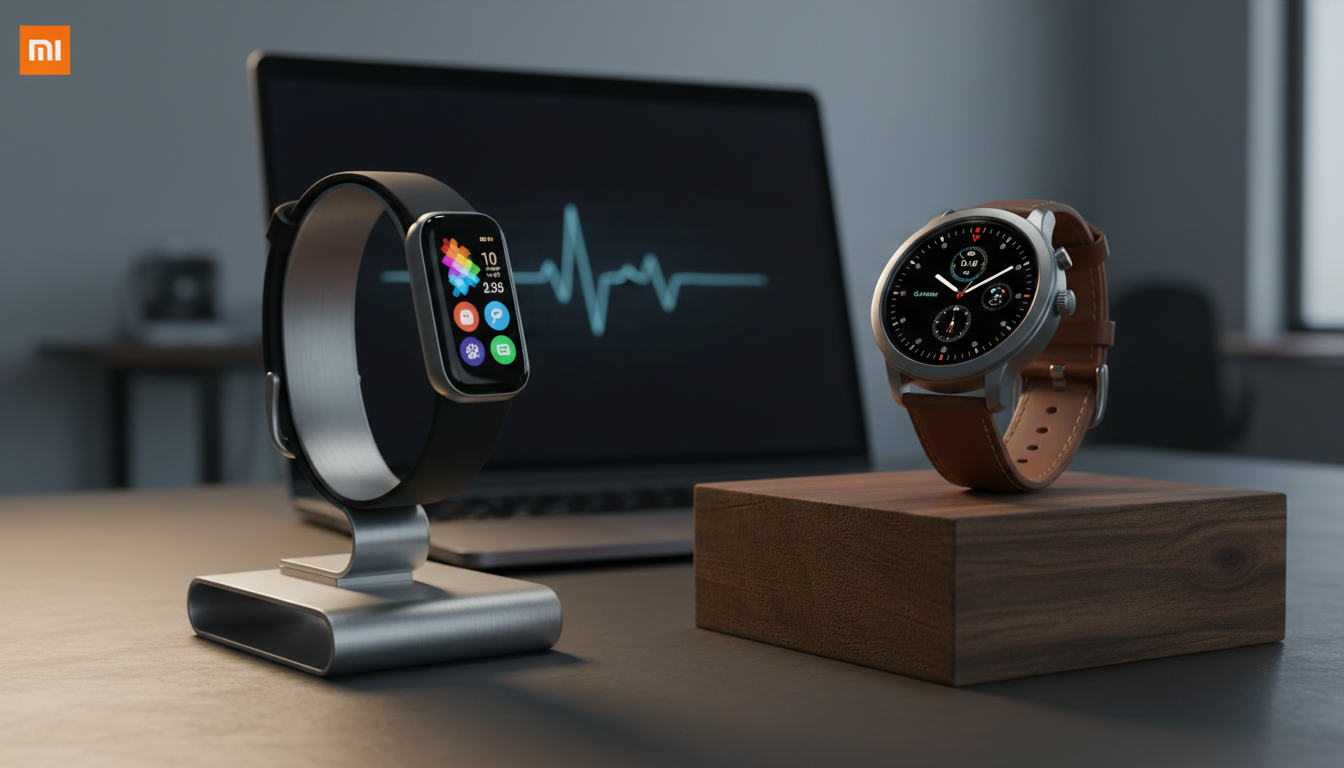
We compared 10 budget‑friendly wearables that sit under the $50 mark, spanning the full spectrum from entry‑level to premium‑styled trackers. Prices range from $18.99 for the Choiknbo Smart Watch up to $49.99 for several higher‑spec options. We split the lineup into three clear tiers: the Budget group (Choiknbo, Livikey, Torjalph, Xiaomi Smart Band 9 Active), Mid‑range (Akumaka HD, Aeac) and Premium (Amazfit Band 7, Amzhero, Xiaomi Mi Smart Band 10, Fitvii). If you’re looking for a device with a large display and long endurance, the Xiaomi Mi Smart Band 10 starts at $49.59, has a 4.5‑star rating from 6,923 reviewers, a 1.72‑inch AMOLED screen at 1500 nits, and up to 21 days of typical battery life.
Other contenders balance screen size, battery capacity and feature sets differently – the Torjalph offers a 1.69‑inch TFT panel and 5‑7 day battery life for $23.99, while the Akumaka HD delivers a 1.83‑inch HD IPS display with up to 30 days standby for $36.08. Whether you prioritize a bright, large screen, extended wear time, or a lower price point, the following sections break down each model’s strengths so you can match a tracker to your routine.

Xiaomi Mi Smart Band 10
Offers up to 9 days of battery life in always‑on display mode, providing long endurance for daily wear.

Akumaka HD Smart Watch
Ideal for home and office users who want solid features without splurging, it comes in at $36.08—about $13.50 less than the Best Overall.

Torjalph Smart Watch
Stands out with a slim 10.5 mm case, making it one of the thinnest options for tight‑wrist users, while staying under $24.
Also considered
Score Analysis
Key score advantages vs. runner-up (Akumaka HD Smart)
Price Range
Xiaomi Mi Smart Band 10
$49.59
Akumaka HD Smart Watch
$37.99
Torjalph Smart Watch
$23.99
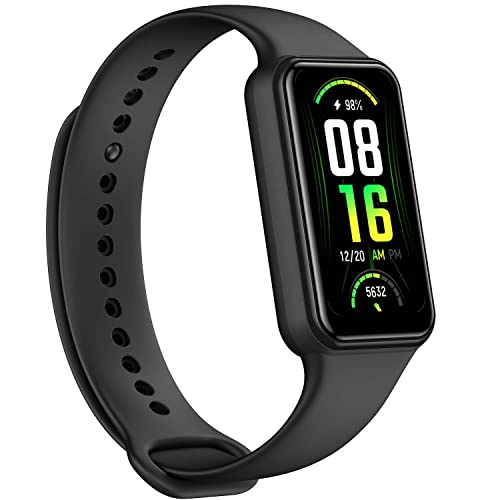
Amazfit Band 7
$49.99

Aeac Smart Watch
$49.99

Choiknbo Smart Watch
$18.99

Livikey Fitness Tracker
$19.99

Fitvii Fitness Tracker
$39.97
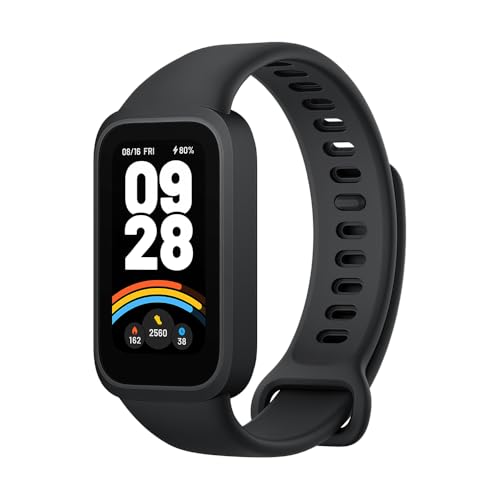
Xiaomi Smart Band 9 Active
$29.99

Amzhero Fitness Tracker
$49.99
Spec Comparison
TL;DR: The Xiaomi Mi Smart Band 10 delivers a 1.72‑inch AMOLED screen at 1500 nits, up to 21 days of battery life, and a full suite of health sensors for under $50.
What really stands out is the 1.72‑inch AMOLED display paired with a peak brightness of 1500 nits, making outdoor readability easy even in bright sunlight. The band is also feather‑light at 27 g (0.05952481074 lb) and features a thin 2.0 mm bezel, giving it a premium look despite the budget price.
Compared with the other nine trackers, the Band 10’s screen is larger than the 1.47‑inch panel on the Xiaomi Smart Band 9 Active and a touch bigger than the Fitvii Fitness Tracker’s 1.69‑inch screen. Its typical battery life of 21 days also outpaces Fitvii’s 15‑day low‑power claim, while the AOD mode still manages nine days before a recharge. Bluetooth 5.4 keeps the connection stable, and the 5ATM water rating lets you swim confidently.
Users consistently praise the bright display and the hassle‑free charging cycle of roughly ≈1 hour. Reviewers note the heart‑rate sensor feels as accurate as a chest strap, and swimmers love the 96 % lap‑count accuracy, with AI stroke recognition backing it. The band has a few drawbacks: it lacks built‑in GPS, so outdoor runs need your phone, and some owners call the standard clasp flimsy. Professional reviewers also point out that the auto‑detect workout feature can be hit‑or‑miss.
The device rounds out its health suite with continuous heart‑rate monitoring, SpO₂ tracking, stress analysis, a 7‑day vitality score, VO₂ Max estimates, and over 150 sport modes. A linear‑motor haptic engine provides crisp alerts, and an integrated electronic compass adds navigation aid for swimmers and hikers alike.
Pros
Cons
Best for: Fitness enthusiasts who want a large, bright screen and long‑lasting battery without daily charging.
Avoid if: You need standalone GPS or medical‑grade sensors like ECG.
TL;DR: The Akumaka HD Smart Watch packs a bright 1.83‑inch HD IPS screen, 300 mAh battery with up to 30‑day standby, and Bluetooth calling for just $36, making it a feature‑rich entry‑level wearable.
The standout spec is its 1.83‑inch IPS HD display (368 × 448 px) paired with an IP68‑rated zinc‑alloy frame, delivering a clear, bright view that’s larger than the 1.32‑inch screen of the Aeac model and bigger than the 1.47‑inch panels on the Xiaomi Smart Band 9 Active and Amazfit Band 7. Combined with a 300 mAh battery, the watch promises up to 30 days of standby and 14 days of typical use, while a full charge takes roughly 120 minutes (≥500 mA at 5 V).
Compared with the other nine options, Akumaka’s battery capacity sits between the 232 mAh found in the Amazfit Band 7 and the 350 mAh in the Aeac watch, but it trails the 2 Ah cell in the Amzhero Fitness Tracker. Its screen size also outpaces most band‑style competitors, being larger than the 1.32‑inch Aeac and the 1.47‑inch Xiaomi Smart Band 9 Active, yet slightly smaller than the 1.72‑inch Xiaomi Mi Smart Band 10. At about 0.31 lb (141 g), it’s heavier than the ultra‑light bands that weigh as little as 0.06 lb, but still lighter than the 0.18‑lb Livikey tracker.
Users consistently praise the long‑lasting battery and the convenience of Bluetooth calling, noting that the magnetic strap feels comfortable for all‑day wear. Professional reviewers highlight the “snappy, bright HD screen” and the breadth of health sensors—including heart‑rate, SpO2, and an integrated blood‑pressure monitor. However, real‑world feedback points out that heavy usage can shrink battery life to about four days, and users consider the built‑in flashlight dim. The blood‑pressure readings also lack independent verification, which some users find concerning.
Under the hood, the watch runs a BLE MCU RTL8763EW with Bluetooth 5.2, and its 128 MB flash memory stores apps and data and doesn't need external storage. The IP68 rating ensures water resistance for everyday activities, while the rotating button adds quick navigation without relying solely on touch.
Pros
Cons
Best for: Home and office users seeking a balance of features and value
Avoid if: You need GPS, medical‑grade sensor accuracy, or a premium‑build device for intense athletic training
“phenomenal for the price... snappy, bright screen... 4 days battery”
“smooth app, tons of features like top brands in efficient package”
TL;DR: The Torjalph Smart Watch offers a 1.69‑inch full‑HD display, 230 mAh battery lasting 5‑7 days, and IP68 water resistance for under $25, making it a solid entry‑level fitness tracker.
What really stands out is the 1.69‑inch color TFT screen with a 240 × 280 pixel resolution, giving you a clear view of notifications and health data. The watch is powered by a 230 mAh battery that the manufacturer says it lasts 5‑7 days on a single charge, and it refuels via a magnetic connector—convenient for quick top‑ups.
Compared with the other nine sub‑$50 options, Torjalph sits in the middle of the pack on battery size: it beats the Livikey’s 210 mAh cell but trails the Choiknbo’s 290 mAh and the Xiaomi Band 9’s 300 mAh. Its 1.69‑inch display is larger than the Livikey’s 1.3‑inch screen and the Amazfit Band 7’s 1.47‑inch panel, yet still smaller than the Akumaka HD’s 1.83‑inch face. At 0.0881849048 pounds (40 g), it’s noticeably lighter than the Livikey’s 0.18077905484 pounds, making it comfortable for all‑day wear.
Reviewers appreciate the long battery life and the waterproof IP68 rating, noting that the watch survives swimming and rain without issue. The Da Fit app supplies over 200 watch faces and lets you control music, set alarms, and receive app notifications from WhatsApp, Facebook, and more. However, users also point out that the heart‑rate and blood‑pressure sensors lack independent validation, so the health readings should be taken as estimates rather than medical‑grade data.
Pros
Cons
Best for: Budget-conscious buyers seeking a reliable entry-level option
Avoid if: You have limited desk space or need portability
“phenomenal for the price... snappy, bright screen... 4 days battery”
“smooth app, tons of features like top brands in efficient package”
TL;DR: The Amazfit Band 7 offers a 1.47‑inch AMOLED screen, 232 mAh battery delivering up to 18 days of typical use (28 days in saver mode), and a full suite of health sensors for under $50.
The standout spec is its 232 mAh battery paired with a typical lifespan of 18 days and a saver‑mode stretch to 28 days, all charged in about 120 minutes via a magnetic cable. Its 1.47‑inch AMOLED display packs 282 ppi, giving crisp readouts without sacrificing the band’s slim 12.2 mm height and 28 g (0.06 lb) weight.
Compared with the nine other budget wearables in this roundup, the Band 7’s battery capacity sits between the 210 mAh of the Livikey and the 350 mAh of the Aeac Smart Watch, yet it outlasts most peers—Aeac lists 10 days, Amzhero 15 days, and Torjalph only 5‑7 days of use. Only the Xiaomi Mi Smart Band 10 claims a longer typical life at 21 days. The 1.47‑inch screen is larger than Aeac’s 1.32‑inch panel and matches the Amzhero and Xiaomi Smart Band 9 Active, while remaining smaller than the 1.69‑inch screens on Fitvii and Torjalph and the 1.83‑inch on Akumaka. At 28 g, the Band 7's lighter than the 82‑g Amzhero and the 141‑g Akumaka, and only a gram heavier than Xiaomi’s 27‑g Mi Band 10.
Users consistently praise the 18‑day battery life and vivid AMOLED screen, noting that the band feels comfortable for all‑day wear and holds up in the pool thanks to its 5 ATM (50 m) dust‑proof rating. Professional reviewers highlight the “surprising” 18‑day endurance for the price tier and the breadth of 120 sport modes. The most common drawbacks mentioned are the lack of built‑in GPS—meaning distance tracking relies on a phone—and occasional hiccups with the companion app’s sync process. Some reviewers also point out that the band’s length can feel bulky on wrists closer to the 166 mm minimum.
Pros
Cons
Best for: Budget‑conscious beginners, casual fitness enthusiasts, office workers, travelers and swimmers who want a solid health tracker without breaking the bank.
Avoid if: You need built‑in GPS, advanced metrics like ECG, or a flawless app experience for serious athletic training.
“Fitbit aesthetics for under $50”
“nice 1.47-inch HD AMOLED”
TL;DR: The Aeac Smart Watch blends a 1.32‑inch AMOLED screen, 350 mAh battery lasting up to 10 days, and Bluetooth calling for $41.99, making it a solid mid‑range option for health‑focused users.
The standout spec is the 350 mAh battery, which the manufacturer says delivers about 10 days of use on a single charge and refuels in roughly 120 minutes. Coupled with a 1.32‑inch AMOLED touchscreen refreshed at 60 Hz, the watch feels responsive and looks sharp for its price tier. Its round, swappable 22 mm band and IP68 rating add comfort and water resistance for everyday wear.
Compared with the other nine contenders, Aeac’s battery capacity exceeds the 232 mAh found in the Amazfit Band 7 and the 230 mAh in the Torjalph model, while matching the 300 mAh cells of the Akumaka and Xiaomi Smart Band 9 Active. The screen, however, is smaller than the 1.47‑inch panels on the Xiaomi Smart Band 9 Active and the 1.83‑inch display on the Akumaka, but larger than the 1.3‑inch screen of the Livikey. In terms of price, the Aeac sits above the sub‑$30 options like the Xiaomi Smart Band 9 Active and the Livikey, yet below the $49‑plus range of the Amzhero Fitness Tracker.
User feedback highlights easy pairing, reliable heart‑rate and SpO2 readings, and a comfortable band that stays in place during workouts. Reviewers also praise the built‑in speaker and AI voice assistant for hands‑free calls and commands. The most common gripe is the default 5‑second screen timeout, which many find too brief, and a raise‑to‑wake function that can be hit‑or‑miss. Reviewers describe the companion app as functional but lacking deep analytics, and the watch lacks a standalone GPS module.
Pros
Cons
Best for: Most users looking for a well‑reviewed, reliable mainstream option
Avoid if: You're shopping on a tight budget — it's priced at $41.99
“phenomenal for the price... snappy, bright screen... 4 days battery”
“smooth app, tons of features like top brands in efficient package”
TL;DR: For just $18.99, the Choiknbo Smart Watch offers a 1.8‑inch HD TFT display, 290 mAh battery lasting up to six days, and continuous health tracking in a lightweight package.
The standout spec is the 1.8‑inch high‑definition TFT‑LCD screen, which reviewers call “crystal clear” and “really awesome.” At 46 g, the watch feels almost weightless on the wrist, and you can fully top the 290 mAh battery in about 120 minutes, giving you 3‑6 days of regular use.
Compared with the other nine entries, its screen is larger than the Livikey (1.3 in) and the Xiaomi Band 9 Active (1.47 in), matching the Akumaka HD’s 1.83 in size. The 290 mAh battery outpaces the Livikey’s 210 mAh and Torjalph’s 230 mAh, though it sits just below the Xiaomi Band 9’s 300 mAh. At 46 g, it’s lighter than the Livikey (82 g) and the Akumaka (141 g) but a touch heavier than the Xiaomi Band 9 (30 g) and Amazfit Band 7 (28 g).
User feedback highlights the bright, clear display and the breadth of over 100 sport modes as major wins, especially at the $18.99 price point. Consumers also appreciate the continuous 24 h heart‑rate monitor, on‑demand blood‑pressure and SpO₂ checks, and the IP68 water resistance. The most common gripe is the need to recharge every 3‑6 days when those health sensors stay active.
The watch runs on Bluetooth 5.0, stores up to 64 MB of data, and works with Android 4.4+ and iOS 9.0+. While it doesn’t list GPS or a full third‑party app ecosystem, it covers the basics for casual fitness tracking.
Pros
Cons
Best for: Shoppers on a tight budget who want the most for their money
Avoid if: You need advanced features such as built‑in GPS, a premium third‑party app ecosystem, or a battery that lasts longer than a week without charging
“phenomenal for the price... snappy, bright screen... 4 days battery”
“smooth app, tons of features like top brands in efficient package”
TL;DR: At $19.99, the Livikey Fitness Tracker offers a 1.3‑inch display, up to 7 days of battery life, IP67 waterproofing, and a solid set of health features, making it a strong budget pick.
The standout spec is its battery: a 210 mAh cell delivers up to 7 days of continuous use and a standby time of 30 days, while the magnetic charger refills it in just 120 minutes. The device measures 0.6 inches tall, 6.8 inches long, 3.3 inches wide, and weighs 0.1808 lbs, giving it a comfortable but noticeable presence on the wrist.
Compared with peers, Livikey weighs more than the Choiknbo Smart Watch (0.1014 lbs) and the Torjalph Smart Watch (0.0882 lbs), yet its battery capacity of 210 mAh falls short of Choiknbo’s 290 mAh and Torjalph’s 230 mAh. Its 1.3‑inch screen is also smaller than Torjalph’s 1.69‑inch display and the Xiaomi Smart Band 9 Active’s 1.47‑inch panel, though all three share a similar 2‑hour (120‑minute) charging window.
Users consistently praise the tracker’s affordability, long‑lasting battery, and the comfort of its band, while noting that the heart‑rate and SpO₂ readings can be less reliable during intense workouts. Professional reviewers note the IP67/5ATM rating—good enough for swimming—and the inclusion of up to 14 sport modes, which helps casual runners, cyclists, or yoga enthusiasts.
Pros
Cons
Best for: Shoppers on a tight budget who want the most for their money
Avoid if: You need high‑precision health metrics, built‑in GPS, or reliable sensor performance during high‑intensity training
“Well worth the money”
“Battery lasts longer than 7 days”
TL;DR: The Fitvii Fitness Tracker packs 24/7 health monitoring, 120+ sport modes and up to 15 days of low‑power battery life for $49.99, so it's a solid budget smartwatch with a few smart‑watch compromises.
What really stands out is the battery endurance: the low‑power mode reaches up to 15 days, while normal use still delivers up to 7 days, a rare combination at this price tier.
Fitvii sits toward the premium end of the price spectrum, yet its battery life rivals longer‑lasting rivals; the Xiaomi Mi Smart Band 10 typically lasts 21 days. Its screen is larger than the Amzhero’s 1.47‑inch panel and the Aeac’s 1.32‑inch display, though smaller than the Akumaka’s 1.83‑inch screen. The IP67/68 rating gives it solid water resistance, aligning with the waterproof claims of many peers while staying comfortably lightweight.
Users repeatedly praise the continuous heart‑rate, blood‑pressure and SpO₂ tracking, calling the data “reliable” for everyday health checks. Professional reviewers highlighted the 120+ sport modes as a standout for multi‑sport athletes and lauded the quick QR‑code pairing. On the downside, owners note that they can read SMS messages but cannot reply, and the magnetic charger demands precise alignment—issues that surface in several consumer comments.
Pros
Cons
Best for: Casual fitness enthusiasts who want 24/7 health metrics, plenty of sport modes and basic smartwatch features without breaking the bank.
Avoid if: You need full SMS reply capability, built‑in GPS, or medical‑grade sensor accuracy, and the $49.99 price feels too premium for your budget.
“Well worth the money”
“Battery lasts longer than 7 days”
TL;DR: The Xiaomi Smart Band 9 Active offers a 1.47‑inch display, 300 mAh battery lasting up to 18 days, and a feather‑light 30 g body, all for $29.99, making it a solid entry‑level tracker.
The band packs a 300 mAh battery that stretches up to 18 days on typical use and recharges in under 120 minutes. Its 1.47‑inch TFT LCD screen runs at 60 Hz with 450 nits of brightness, while the 247 PPI panel keeps text clear.
Compared with the other nine options, the Smart Band 9 Active’s 300 mAh cell matches the Akumaka HD but outlasts its 14‑day typical claim, and it beats the Torjalph Smart Watch’s 230 mAh capacity that only reaches 5‑7 days. At 30 g, it feels lighter than Torjalph’s 40 g and far lighter than the Akumaka’s 141 g, though its screen is smaller than the 1.69‑inch and 1.83‑inch faces found on those rivals. The Amazfit Band 7 shares the same screen size but carries a lower‑capacity 232 mAh battery.
Users repeatedly praise the ultra‑light feel and the infrequent charging schedule, calling the band “almost weightless” for workouts and sleep. Professional reviewers note the smooth scrolling thanks to the 60 Hz refresh, while many point out the muted colors of the TFT panel and the need to adjust brightness manually. The lack of built‑in GPS or ECG keeps the device firmly in the casual‑fitness category.
Pros
Cons
Best for: Entry-level buyers or those on a tight budget
Avoid if: You want the best value‑per‑dollar in its price range
TL;DR: The Amzhero D26 offers a 1.47‑inch bright touchscreen, 15‑day battery life and 5 ATM water resistance in a lightweight 82 g body for just under $49.
The standout spec is the 1.47‑inch HD bright color touchscreen, which provides a clear view of heart‑rate, SpO₂ and blood‑pressure data while staying comfortably flat against the wrist. At 82 g, the device feels feather‑light, and the 15‑day battery life means you won’t be charging it every night.
Compared with the other nine entries, the Amzhero sits at the higher end of the price band and is noticeably heavier than ultra‑light bands like the Xiaomi Mi Smart Band 10 or Amazfit Band 7, but lighter than the Akumaka HD Smart Watch. Its screen is smaller than the Xiaomi Mi Smart Band 10’s 1.72‑inch display, yet larger than the Livikey’s 1.3‑inch panel. The 5 ATM water resistance matches most peers, while its 14 sport modes give it more activity variety than several budget‑focused watches.
Users repeatedly praise the flat‑back design for staying comfortable all day and the ease of reading stats on the 1.47‑inch screen. Professional reviewers also note the reliable heart‑rate tracking during weeks of wear. The main complaint is the dependence on the GloryFit app for accurate data syncing, and consumer feedback notes occasional synchronization hiccups. iOS 9+ and Android 6+ limit compatibility, which some users find restrictive.
Technical context adds to its appeal: the D26 runs Android Wear 2.0, includes a blood‑oxygen sensor, blood‑pressure sensor and stress monitoring, and offers 100 MB of internal storage for apps and data. Pin charging takes about 2 hours, and the device comes with a 1‑year warranty.
Pros
Cons
Best for: Budget‑conscious beginners or casual fitness enthusiasts who value a lightweight, water‑resistant tracker with solid health monitoring.
Avoid if: You need built‑in GPS, advanced analytics, or a device that works seamlessly without a dedicated companion app.
“Well worth the money”
“Battery lasts longer than 7 days”
Breakdown
Xiaomi Mi Smart Band 10
Pros
Akumaka HD Smart Watch
Pros
Torjalph Smart Watch
Pros
Amazfit Band 7
Pros
Cons
Based on scoring data and product specs
Personalized picks
Best Overall Pick
Xiaomi Mi Smart Band 10
Best OverallBest for: Audiophiles and enthusiasts seeking premium sound quality and advanced features
Akumaka HD Smart Watch
Best for: Home and office users seeking a balance of features and value
$37.99-$11.60 vs winner
Skip Amzhero Fitness Tracker if…
You're on a tight budget or only need basic functionality
The Xiaomi Mi Smart Band 10 takes the top spot thanks to its standout battery endurance of up to 21 days in typical use, a vivid 1.72‑inch AMOLED screen that reaches 1500 nits, and a solid 4.5‑star rating from 6,923 reviewers. At just 27 g it stays feather‑light on the wrist, while continuous heart‑rate monitoring and 150+ sports modes give you plenty of data without breaking the $50 ceiling.
Meanwhile, the Akumaka HD Smart Watch lands as the runner‑up, especially if you need on‑device calling and a built‑in speaker for voice alerts. It also packs an integrated blood‑pressure sensor and 110 sports modes, delivering a respectable 14‑day typical battery life for a $36.08 device. Its IP68 rating and Bluetooth 5.2 connectivity make it a reliable companion for outdoor workouts.
Pick the Xiaomi Mi Smart Band 10 today and get the most feature‑rich heart‑rate monitor under $50.
The Xiaomi Mi Smart Band 10 lists a typical battery life of 21 days, which is the longest among the round‑up. Most other models, such as the Akumaka HD Smart Watch, show 14 days typical or 7 days under heavy use, so the Mi Band 10 can stay on the wrist for weeks without a charge.
No reviews yet — be the first to share your experience.
Please sign in to leave a review