⚡ Quick Answer
We’ve lined up 11 camera drones that promise long‑lasting flight, spanning a price spread from $59.98 for the entry‑level Blinory GPS Drone up to $2,199.00 for the flagship DJI Mavic 4 Pro. To make sense of the market, we grouped them into the three tiers the data defines: budget picks like the Blinory and Redrie, solid mid‑range options such as the DJI Mini 4K and Potensic ATOM SE, and premium powerhouses including the DJI Air 3S, Ruko U11MINI and DJI Mavic 4 Pro.
The DJI Mini 4K stands out in the mid‑range segment with a featherlight 0.54 lb weight, 12 MP sensor, 4× digital zoom and a manufacturer‑claimed 31‑minute maximum flight time, all for $209.00 and a 4.5‑star rating from over 20 k reviews. On the premium side, the DJI Air 3S pushes endurance to 45 minutes and features a 50 MP camera, earning a 4.7‑star score from 972 reviewers. Meanwhile, the Blinory GPS Drone offers a modest 32‑minute flight for just $59.98, making it a compelling starter for newcomers.
Below, we break down how each drone’s specs, price and user feedback stack up, so you can match the right long‑flight companion to your flying style.
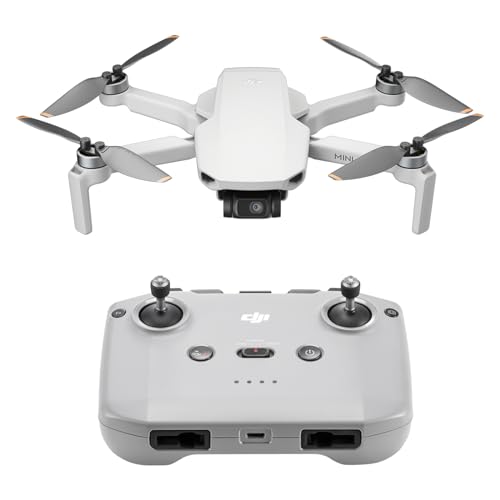
DJI Mini 4K
Offers a 17.32 Wh battery, delivering long flight time at a mid‑range price.

DJI Air 3S
Ideal for pros who need top‑tier features and can invest $890 more than the Mini 4K.

Ruko U11MINI
Provides a 16.72 Wh battery, delivering comparable endurance in a lightweight frame that the higher‑priced Air 3S doesn’t match.
Also considered
Score Analysis
Key score advantages vs. runner-up (DJI Air 3S)
Price Range
DJI Mini 4K
$209.00
DJI Air 3S
$1,099.00
Ruko U11MINI
$220.98

Blinory GPS Drone
$59.99

Holy Stone HS600D
$399.99

Redrie Drone
$98.97

Potensic ATOM SE
$198.98
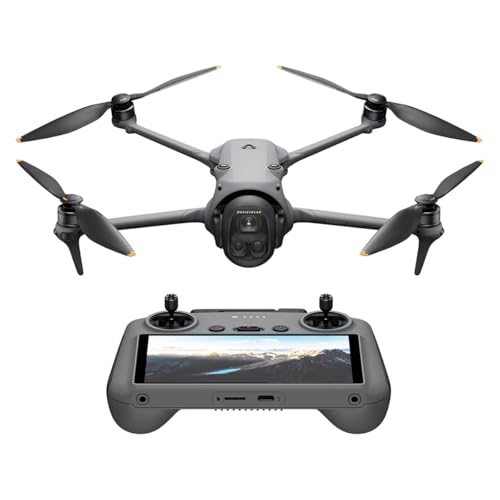
DJI Mavic 4 Pro
$2,199.00

ScharkSpark Drone
$169.99

Holy Stone HS175G
$189.99
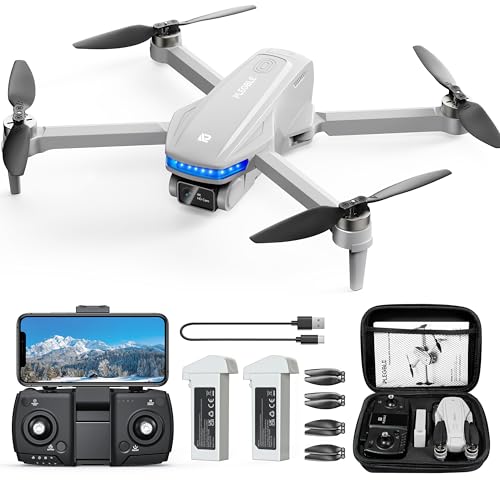
Plegble GPS Drone
$109.99
Spec Comparison
TL;DR: The DJI Mini 4K delivers 31‑minute flight time, 3840×2160 video, and a 10 km transmission range in a sub‑250 g frame that stays registration‑free in most regions.
The Mini 4K weighs just 0.54233716452 pounds (246 g) and packs a 2250 mAh battery that promises up to 31 minutes of airtime—it's a standout figure for a drone under the 250 g threshold.
Against rivals, the Mini 4K is lighter than the Potensic ATOM SE (0.55 lb) yet a bit heavier than the ScharkSpark Drone (0.485 lb). It matches the ATOM SE’s 31‑minute flight time but offers a far longer max transmission distance of 10 km versus the ATOM SE’s 4 km. Its 83° field of view is narrower than the ATOM SE’s 118°, while its max takeoff altitude of 4000 m dwarfs the ATOM SE’s 120 m limit. Compared with the Ruko U11MINI (0.54674640976 lb, 2200 mAh battery, 48 MP sensor), the Mini 4K trades higher megapixels for a more portable package and a slightly larger battery capacity.
Users consistently praise the ultra‑lightweight design for staying out of registration requirements and for the generous 31‑minute flight sessions that let them capture extended footage. The main complaints focus on the lack of obstacle‑sensing sensors, which makes flying in cluttered spaces riskier, and the video cap at 3840×2160 px 30 fps without HDR or higher frame‑rates.
Technical highlights include a 3‑axis mechanical gimbal paired with electronic image stabilization, a 4× digital zoom, and a latency of about 200 ms on the 2.400‑2.4835 GHz link. The drone can climb at 5 m/s, descend at 3.5 m/s, and handle wind speeds up to 10.7 m/s, giving it solid stability for casual outdoor shoots.
Pros
Cons
Best for: Beginners, hobbyists, and casual creators who need a portable, well‑reviewed drone with long flight time and solid video quality.
Avoid if: You require obstacle avoidance, HDR or 60 fps video, or a drone for professional mapping and industrial inspections.
TL;DR: The DJI Air 3S offers a 1‑inch 50 MP dual‑camera, 45‑minute flight time and up to 20 km transmission, but its 1.60‑lb weight and $1,099 price place it in the premium tier.
The standout spec is the 1‑inch CMOS sensor paired with a 50 MP primary camera and 14‑stop dynamic range, delivering detailed, low‑light‑capable photos and video at 3840×2160 resolution and 60 fps. The drone also packs 42 GB of internal storage, so you can capture a full day of footage without swapping cards.
At 1.60 lb, the Air 3S is heavier than the Holy Stone HS600D (about 1.33 lb) and considerably heftier than the Ruko U11MINI (around 0.55 lb). Its 45‑minute battery life edges out the HS600D’s 40‑minute endurance and far exceeds the 32‑minute runtime of the U11MINI. Transmission reach tops out at 20 km (FCC), dwarfing the 6 km range of the HS600D and the 4 km range of the Potensic ATOM SE.
Everyday flyers praise the reliable 45‑minute flight window and the stable handling that comes from a 12 m/s wind‑resistance rating. Professional reviewers highlight the new 1‑inch sensor and the 14‑stop dynamic range as major upgrades for low‑light work, while also noting the convenient 2600 mAh remote controller battery. The omnidirectional obstacle‑avoidance suite adds confidence on autonomous routes, and hover accuracy of ±0.1 m vertically and ±0.3 m horizontally helps keep shots steady.
Pros
Cons
Best for: Buyers willing to invest in a proven, high‑quality option
Avoid if: You're shopping on a tight budget — it's priced at $1099.00
TL;DR: The Ruko U11MINI packs a 48 MP 4K camera, 32‑minute per‑battery flight and a 609 600 m transmission range into a sub‑250 g, pocket‑sized drone that’s ready to fly right out of the box.
The standout spec is the 48 MP 1/2‑inch sensor paired with a 3‑axis brushless gimbal, delivering 4K video at 30 fps and crisp daylight photos. With a 2200 mAh battery you get up to 32 minutes of flight per charge, and the three‑battery pack pushes total airtime to 96 minutes. Its 609600 m transmission range and ±0.98 ft horizontal hovering accuracy give you plenty of room to explore without losing signal.
Compared with the other ten drones, the U11MINI is a touch heavier than the DJI Mini 4K (which tips the scales at about 0.54 lb) but still stays under the 250 g registration threshold. Its 32‑minute per‑battery endurance edges out the DJI’s 31 minutes and matches the Potensic ATOM SE’s 31‑minute claim. Regarding range, the U11MINI’s 609600 m far exceeds the Potensic’s 4 km and the Holy Stone’s 3281 ft, making it a leading choice for long‑distance pilots.
Users appreciate the ultra‑portable form factor and the built‑in 5.5‑inch touchscreen on the RC3 controller, which makes setup feel “plug‑and‑play.” Professionals note the reliable return‑to‑home function and stable gimbal footage in good light, while everyday users praise the legal‑flight freedom that comes with its sub‑250 g weight. Low‑light conditions cause the camera’s performance to drop, and the lack of obstacle‑avoidance sensors can lead beginners to experience more crashes. A 180‑minute charging cycle feels long for on‑the‑go use.
Additional technical details include a quadruple intelligent positioning system (GPS, GLONASS, barometer, optical flow, TOF), vertical hover accuracy of ±1.64 ft, a max ascent speed of 14 ft/s, max descent speed of 6 ft/s, and wind resistance up to Level 5 (20‑24 mph). The drone supports up to a 256 GB SD card, giving ample storage for high‑resolution media.
Pros
Cons
Best for: Beginners, travelers, families and casual hobbyists who want a lightweight, registration‑free drone with strong camera specs.
Avoid if: You need advanced obstacle avoidance or professional‑grade low‑light video performance.
“a sub-250g drone that actually makes sense for beginners”
“Extremely portable (fits in pocket/backpack)”
TL;DR: The Blinory HK55 delivers a 32‑minute flight, 2K camera, and a suite of smart modes for just $59.98, making it the lightest and most affordable GPS drone in this lineup.
Its standout spec is its 32‑minute battery life, powered by a modular USB‑C rechargeable pack, which outlasts the per‑battery runtime of many rivals. Weighing only 0.32 pounds (145 g) and folding down to a 55.1 mm height, it slips into a pocket‑sized case that even fits a 6.5‑inch tablet.
Compared with the ten other drones, the HK55 is noticeably lighter than the Redrie, Plegble, ScharkSpark, Holy Stone, Potensic, and DJI models, all of which sit above 0.44 pounds. Its single‑battery flight time also exceeds Redrie’s 22.5‑minute per‑battery figure and matches the 31‑minute runtimes of Potensic and DJI, while costing far less than any of the competitors. It also packs auto‑return, follow‑me, waypoint and gesture selfie modes—capabilities that many higher‑priced peers either omit or only offer in limited form.
Users love how the one‑key takeoff/landing and headless mode make the drone feel “plug‑and‑play,” especially for beginners and kids. Professional reviewers note that the shock‑absorbing gimbal and brushless motors give a steadier hover than you’d expect at this price point, and they praise the USB‑C fast‑charging as a modern convenience. However, the 2K video frequently appears jittery, and the persistent beeping during flight can be irritating. Reports note weak indoor GPS performance, which limits precise hovering in tight spaces.
Pros
Cons
Best for: Beginners, kids, teens and casual hobbyists who want an inexpensive GPS drone under 250 g for short‑range flights.
Avoid if: You need professional‑grade 4K footage, advanced wind‑resistant performance, or a drone for frequent indoor use.
TL;DR: The Holy Stone HS600D packs a 48 MP camera, 3‑axis gimbal and up to 40 minutes of flight per battery, but its 603 g weight pushes it into the FAA‑registration class.
What really sets the HS600D apart is its 48 MP Sony sensor paired with a 3‑axis gimbal and 3840×2160 @ 30 fps video, delivering crisp, stable footage straight out of the box. The drone also offers a 6000 m transmission range and a 40‑minute flight window per battery, which can be doubled to 80 minutes with the included second pack.
Compared with the other ten drones in this roundup, the HS600D weighs noticeably more at 1.33 lb (603 g), topping the Ruko U11MINI, DJI Mini 4K and Potensic ATOM SE, which all sit under 0.56 lb. Its per‑battery flight time of 40 minutes outlasts the DJI Mini 4K’s 31 minutes and the Potensic’s 31 minutes, though the Ruko’s three‑battery setup can reach a total of 96 minutes, slightly longer than the HS600D’s 80 minutes. The 6000 m range also exceeds the Potensic’s 4 km range, while its 48 MP stills match the Ruko’s resolution but dwarf the DJI’s 12 MP sensor.
Users consistently praise the HS600D’s stable GPS‑guided flights and the convenience of two batteries for longer sessions, while professional reviewers highlight the “pro‑level” 4K/30 fps video and the solid build of the brushless motors. Common complaints focus on the drone’s 603 g weight, which forces US owners to register, a plastic camera housing that feels less premium, occasional app‑connectivity hiccups, and a low ground clearance that benefits from a landing mat.
The HS600D runs on a 3500 mAh battery (38.85 Wh, 11.1 V) that charges in about 2 hours at 15 W. It can climb at 5 m/s in sport mode, reach a top speed of 40 km/h, and hold its position in winds up to 7.9 m/s (Level‑6). The folding design with front‑leg locks and brushless motors makes transport easier, and the drone operates comfortably between 0 °C and 40 °C.
Pros
Cons
Best for: Intermediate hobbyists and content creators who need high‑resolution 4K footage and longer flight sessions.
Avoid if: You’re a total beginner looking for a lightweight, registration‑free drone or you prioritize a premium‑feel build over extended range.
TL;DR: The Redrie HK33 offers a 500‑meter 5 GHz transmission, 45‑minute total flight time from two 1800 mAh batteries, and a 4096×3072 camera, all for $98.99, making it a strong budget pick for beginners.
One of its standout specs is a 500‑meter transmission range using 5 GHz Wi‑Fi, letting you keep a clear video link even when you step back from the take‑off spot. The drone ships with two 1800 mAh batteries that together promise up to 45 minutes of total flight time, with each charge delivering about 22.5 minutes of air time.
That 45‑minute total puts it ahead of the Plegble GPS Drone’s 30‑minute dual‑battery runtime and the Blinory’s 32‑minute single‑battery life, while still trailing the ScharkSpark and Holy Stone models that claim 60 minutes. At under 249 g, it’s lighter than the Holy Stone HS175G and Potensic ATOM SE, and sits in the same weight class as the Blinory’s 0.32‑pound build.
Users consistently praise the reliable GPS auto‑return and waypoint modes, noting that the brushless motors and Level 5 wind resistance keep the drone steady in breezy conditions. However, many mention that the video feed feels more like enhanced 1080p rather than true 4K, and real‑world flight time often feels shorter than the advertised 45 minutes.
The camera sports an F2.15 aperture and a 110° field of view, capturing stills at 4096×3072 pixels. A 2‑axis gimbal provides basic stabilization, which offers adequate support for casual shots but doesn’t match the smoother output of 3‑axis systems. Foldable arms and an included carrying case make transport a breeze, and the 5 GHz link supports a stable 300‑meter video transmission window.
Pros
Cons
Best for: Entry-level buyers or those on a tight budget
Avoid if: You need powerful performance or professional-grade features
“GPS return‑home "really reliable"”
“Flight time "never reached 45 min" in real tests”
TL;DR: The Potensic ATOM SE packs a sub‑250 g frame, 4 km transmission, 31‑minute flight time and 3840×2160 video into a pocket‑friendly drone that feels solid for beginners and travelers.
The most eye‑catching spec is the 4 km transmission range, which dwarfs many sub‑250 g rivals that top out around 1 km. Weighing just 0.55 pounds (under 249 g), it’s under the registration threshold in most regions while still delivering a 3000 mAh battery that powers up to 31 minutes of airborne time.
Compared with the other ten drones in this roundup, the ATOM SE sits in the middle of the weight band—about the same as the Holy Stone HS175G and a touch heavier than the ScharkSpark’s 0.49 pounds. Its 31‑minute endurance matches the DJI Mini 4K but is shorter than the 60‑minute runs offered by Holy Stone and ScharkSpark. The 118° field of view is wider than DJI’s 83° and ScharkSpark’s 90°, yet just a shade narrower than Holy Stone’s 120° and Plegble’s 120°. Video resolution hits the 3840×2160 mark, putting it on par with the 4K output of ScharkSpark and the Mini 4K.
Everyday owners love how the ATOM SE slides into a backpack and still records crisp 12 MP stills and 3840×2160 video, with professional reviewers praising the “crystal‑clear aerial footage” and the “31‑minute flight endurance for its weight class.” Reviewers frequently mention the single‑axis gimbal as a trade‑off: it stabilizes most casual shots but can struggle during aggressive maneuvers, and both hobbyists and experts echo this point. Users also note occasional hiccups with the PotensicPro app, which can freeze on certain smartphones, and the 200 ms video latency that feels noticeable when piloting in sport mode.
Under the hood, the drone uses a brushless motor, supports GPS, GLONASS, Galileo and BeiDou constellations, and offers a 5 m/s ascent speed with a 4 m/s descent speed. Its max horizontal speed hits 16 m/s, and it can climb to a takeoff altitude of 4000 m, while still handling winds up to 38 km/h. The PixSync 2.0 video feed streams 720p HD video up to the full 4 km range, and the 200 ms latency keeps the control loop reasonably responsive for most casual pilots.
Pros
Cons
Best for: Most users looking for a well‑reviewed, reliable mainstream option
Avoid if: You need advanced features or professional‑grade performance
TL;DR: The DJI Mavic 4 Pro packs a 100 MP tri‑camera system, 51 minutes of flight and a 30 km transmission range, but its $2,199 price and 5.23‑lb weight make it a premium‑only choice.
What really sets the Mavic 4 Pro apart is its three‑camera array: a 100 MP 4/3‑type main sensor, a 48 MP medium‑tele lens with 3× optical zoom, and a 12 MP tele lens with 7× optical zoom. Together they deliver up to 5.1K video at 50 fps, 10‑bit D‑Log M/HLG colour depth and Apple ProRes support in the Cine version.
At 5.229 lb, the Mavic 4 Pro weighs more than every other drone in this roundup – the DJI Air 3S weighs about 1.60 lb, the Holy Stone HS600D about 1.33 lb, and the sub‑pound models like the Ruko U11MINI, DJI Mini 4K, Potensic ATOM SE and Holy Stone HS175G all sit well under 1 lb. Its 51‑minute battery life also outlasts the Air 3S (45 min), HS600D (40 min) and the smaller peers (31‑32 min). The 30 km max transmission range dwarfs the 6 km range of the HS600D, the 4 km range of the ATOM SE and the roughly 1 km range of the HS175G.
Reviewers consistently praise the powerful zoom capabilities and the vivid colour rendition that the Hasselblad‑style sensor delivers. Everyday users love the long endurance and the ability to capture cinematic detail without swapping lenses. The same voices flag the drone’s bulk – the 5.23 lb weight and sizable folded dimensions make it less travel‑friendly – and note a steep learning curve for newcomers, with early user reports noting occasional firmware quirks.
Beyond the camera, the Mavic 4 Pro offers omnidirectional obstacle sensing that works down to 0.1 Lux for night flights, a 1000‑nit controller screen for bright‑day visibility, and a max flight speed of 21 m/s. The Cine version even includes 1 TB of internal storage, while still supporting up to 512 GB microSD cards, giving pros plenty of room for raw footage.
Pros
Cons
Best for: Those prioritizing quality and willing to pay for premium performance
Avoid if: You're on a tight budget or only need basic functionality
“Incredible zoom and color accuracy for filmmaking”
“43‑min flights make long shoots possible without swaps”
TL;DR: The ScharkSpark GPS Drone offers a 4.5‑inch built‑in screen, 60‑minute flight time, and brushless motors at a budget‑friendly price, though wind sensitivity and a non‑gimbal camera limit pro‑level use.
The standout hardware is the integrated 4.5‑inch controller screen, which means you don’t need a separate smartphone to view the live feed. Powered by two batteries, the drone delivers up to 60 minutes of airtime while weighing just 0.49 pounds (220 g). Brushless motors and a 90° lens field of view round out the core specs, keeping the package light yet capable.
Compared with the other ten drones, the ScharkSpark is lighter than the Holy Stone HS175G and roughly on par with the Potensic ATOM SE, while its 60‑minute endurance matches the dual‑battery runtime of the Holy Stone and beats the single‑battery times of the DJI Mini 4K and Ruko U11MINI. It also sits below the price point of most peers, yet packs more flight modes than the Redrie Drone, which lists fewer features.
User reviews praise the convenience of the built‑in screen and the ease of one‑button takeoff/landing, noting that GPS return‑to‑home and headless mode make it beginner‑friendly. Professional reviewers highlight the brushless motor as strong value for entry‑level flyers. However, many owners report that the drone struggles in breezy conditions and that the camera, lacking a mechanical gimbal, produces only decent footage. Owners describe the phone mount on the controller as fragile.
Pros
Cons
Best for: Entry-level buyers or those on a tight budget
Avoid if: You need powerful performance or professional-grade features
TL;DR: The Holy Stone HS175G offers a 3840×2160 camera, 60‑minute combined flight time, and a massive 100004.9 m transmission range at a $189.89 price, making it a solid mid‑range choice for hobbyists.
The standout spec is its 60‑minute total flight time when you swap the two fast‑charging batteries, letting you capture longer sessions without landing. Its Sony CMOS sensor records video at 3840×2160 resolution and 30 FPS, while a 120° field of view and a 90° adjustable tilt give you flexible framing.
At roughly 0.55 lb (249 g), the HS175G sits in the same weight class as the Potensic ATOM SE and Ruko U11MINI, but it’s a touch heavier than the DJI Mini 4K and ScharkSpark. The 60‑minute endurance matches ScharkSpark’s claim and far exceeds the 31‑minute runtimes of Potensic and DJI Mini 4K. Its 100004.9 m transmission range dwarfs the shorter ranges listed for many competitors, giving you a more reliable link for extended outdoor flights.
Reviewers consistently praise the drone’s long battery life and the clarity of its 4K footage, noting that the electronic image stabilization keeps video steady even in light wind. Professional reviewers also highlight the GPS‑assisted auto‑return and one‑key takeoff/landing as confidence‑boosting features for intermediate pilots. The included carrying case and remote controller add value for travelers who want everything in one box.
Pros
Cons
Best for: Most users seeking a balanced, mainstream option
Avoid if: You have limited desk space or need portability
TL;DR: The Plegble PL‑715 is a sub‑250 g, fold‑able drone with a 2700 mAh battery, 5 GHz live‑view link and 30 minutes of total flight time, aimed at beginners on a budget.
The drone’s standout spec is its 5 GHz Wi‑Fi transmission paired with a 90° adjustable camera angle and a wide 120° field of view, all packed into a 54 mm‑high, 365 mm‑long, 300 mm‑wide frame that folds for travel. Weighing just 0.44 lb (200 g), it's below the FAA’s 250 g registration threshold.
Compared with the other ten drones in this roundup, the PL‑715 is lighter than the Holy Stone HS175G (≈0.55 lb) but heavier than the Blinory GPS Drone (≈0.32 lb). Its 15‑minute per‑battery flight time is shorter than the Redrie Drone’s 22.5 minutes and far below the ScharkSpark’s 60‑minute claim, though the total 30‑minute endurance with two batteries still outlasts many single‑battery rivals. The maximum range listed as 1968 ft exceeds the Redrie’s 1640 ft but falls short of the Holy Stone’s 3281 ft.
Reviewers consistently praise the PL‑715’s easy launch, noting the simple user guide and stable 5 GHz video feed. Professionals highlight the reliable altitude‑hold and GPS auto‑return features, while many users mention that windy days quickly drain the 2700 mAh cells. Many see the lack of downward‑facing obstacle sensors as a common drawback for those who fly in tighter spaces.
Pros
Cons
Best for: Entry-level buyers or those on a tight budget
Avoid if: You need powerful performance or professional‑grade features
Breakdown
DJI Mini 4K
Pros
DJI Air 3S
Pros
Cons
Ruko U11MINI
Pros
Blinory GPS Drone
Pros
Based on scoring data and product specs
Personalized picks
Best Overall Pick
DJI Mini 4K
Best Mid-Range PickBest for: Most users looking for a well-reviewed, reliable mainstream option
DJI Air 3S
Best for: Buyers willing to invest in a proven, high-quality option
$1,099.00+$890.00 vs winner
Skip Plegble GPS Drone if…
You need powerful performance or professional-grade features
We’re naming the DJI Mini 4K the clear winner in the long‑flight‑time drone category. It pulls off a solid 31‑minute flight window on a 2250 mAh battery, while staying feather‑light at just 246 g. Its 12 MP 1/2.3‑inch sensor delivers 4K video at up to 30 fps, and the 10 km transmission range keeps you connected even when you push it farther out. With a 4.5‑star rating from over 20,200 reviewers, it balances performance and price nicely.
The runner‑up is the DJI Air 3S, which shines if you need pro‑level imaging and extra safety features. Its 50 MP 1‑inch sensor captures far more detail, and the 45‑minute battery life gives you longer sessions than the Mini 4K. The drone also packs a suite of obstacle sensors covering forward, backward, upward and downward ranges up to 200 m, plus a top horizontal speed of 19 m/s for swift moves.
For those on a tighter budget, the Blinory GPS Drone is the best value pick, offering basic GPS flight control at a wallet‑friendly $59.98. If you’re chasing top‑tier specs and don’t mind the premium price tag, the DJI Mavic 4 Pro remains the go‑to high‑end option, delivering strong performance for serious creators.
Pick the DJI Mini 4K today and enjoy long, reliable flights with crisp 4K footage right out of the box.
The DJI Mini 4K provides about 31 minutes of flight per charge and is priced at $209, making it the most cost‑effective option for extended aerial shoots without breaking the bank.
No reviews yet — be the first to share your experience.
Please sign in to leave a review