We’ve lined up 12 DJI camera drones to help you cut through the hype and find the right tool for your aerial storytelling. Prices stretch from the $199.00 DJI Neo at the entry level to the $2,199.00 DJI Mavic 4 Pro for pros, while the top‑rated DJI Mini 4 Pro Combo earns a 4.6/5 rating from 7,113 reviewers and offers a 52‑minute flight time on its Intelligent Flight Battery Plus.
To make sense of the spread, we’ve grouped the models into three tiers. The budget bucket – DJI Neo, Mini 4K, Mini 3 RC and Flip Fly More Combo – delivers sub‑250 g freedom from FAA registration and solid 4K video for newcomers. Mid‑range options – the Avata 2 Fly More Combo and Mini 5 Pro Fly More Combo – add immersive FPV or 1‑inch 50 MP sensors with up to 52 minutes of endurance. Premium picks – Mini 5 Pro Plus Combo, Mini 4 Pro Combo, Air 3 Fly More Combo and Mavic 4 Pro – bring 100 MP main cameras, omnidirectional obstacle sensing and premium transmission ranges for professional creators.
Below you’ll find a closer look at each tier, highlighting the strengths and trade‑offs so you can match a drone to your workflow and budget.

DJI Mini 4 Pro Combo
Offers a 52‑minute flight time with three batteries, providing 52‑minute endurance for a proven, high‑quality experience.

DJI Mini 5 Pro Fly More Combo
Ideal for mainstream users who want reliable performance, this Mini 5 Pro Fly More Combo comes in at $1099, about $116 less than the Mini 4 Pro Combo.

DJI Mini 4K
Stands out with a 5200 mAh battery and a 90‑minute charge time, all at $299, offering an entry‑level drone at $299 for budget‑conscious buyers.
Also considered
Score Analysis
Key score advantages vs. runner-up (DJI Mini 5)
Price Range
DJI Mini 4 Pro Combo
$1,215.04
DJI Mini 5 Pro Fly More Combo
$1,099.00
DJI Mini 4K
$209.00
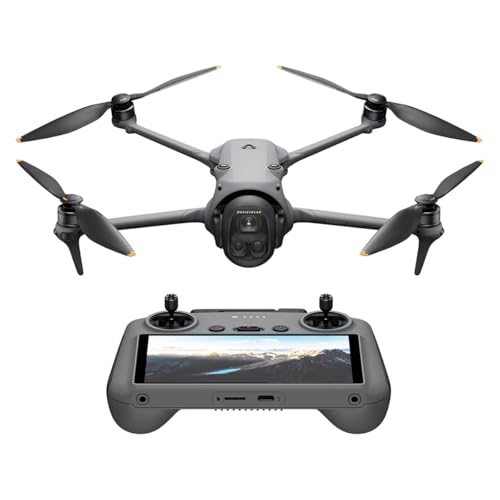
DJI Mavic 4 Pro
$2,199.00

DJI Air 3 Fly More Combo
$2,111.24

DJI Mini 5 Pro Plus Combo
$1,159.00

DJI Avata 2 Fly More Combo
$849.00

DJI Flip Fly More Combo
$779.00

DJI Neo
$199.00

DJI Mini 3 RC
$379.00
DJI Air 3S
$1,099.00
DJI Tello
$14,900.00
Spec Comparison
TL;DR: The DJI Mini 4 Pro Combo packs a 50 MP 1‑inch sensor, up to 52 minutes of flight with the Plus battery, and omnidirectional LiDAR safety in a sub‑250 g package for $1,215.
The standout spec is the 50 MP 1‑inch CMOS sensor paired with an f/1.8 aperture and a 24 mm (35 mm‑equivalent) focal length, delivering 8064 × 6048 px photos and 4K UHD video at up to 120 fps (150 Mbps bitrate). Its 84° field of view and 3‑axis motorized gimbal give smooth, cinematic footage, while the 5.5‑inch, 700‑nit built‑in display lets you frame shots without a phone.
Compared with its peers, the Mini 4 Pro’s weight of 249 g (0.54895103238 lb) mirrors the Mini 5 Pro Plus Combo, keeping it under the 250 g regulatory limit in the standard setup. It also outlasts the Mini 5 Pro Plus’s Intelligent Flight Battery Plus, offering 52 minutes versus the competitor’s 45 minutes of flight time. It uses an f/1.8 aperture, a shade tighter than the f/1.7 on the Mini 5 Pro Plus, but the higher megapixel count (50 MP vs 48 MP) balances that trade‑off.
Everyday users love the hassle‑free experience of the built‑in screen and the rapid Wi‑Fi 6 data transfer of 100 MB/s, which reviewers say makes moving footage to a laptop a breeze. Professional reviewers praise the LiDAR‑enhanced omnidirectional obstacle sensing for confidence‑boosted flights, though several users note the sensor struggles in bright sunlight. The Plus battery configuration pushes the drone’s weight above 250 g, meaning you’ll need to register it in many regions—a common complaint in consumer feedback.
On the connectivity side, OcuSync 4.0 delivers a 20 km transmission range with up to 33 dBm power on both 2.4 GHz (FCC) and 5.8 GHz bands. The remote controller’s 6200 mAh battery and 58 km/h sport‑mode speed give you plenty of runway for adventurous shoots, while the 11 m/s wind‑resistance rating helps keep the drone steady in breezy conditions.
Pros
Cons
Best for: Buyers willing to invest in a proven, high‑quality option
Avoid if: You're on a tight budget or only need basic functionality
“Easy to fly and takes solid photos”
TL;DR: The DJI Mini 5 Pro Fly More Combo packs a 1‑inch 50 MP sensor, up to 52 minutes of flight and omnidirectional LiDAR into a sub‑250 g ultralight package, but it comes at a premium price.
The standout spec is the 1‑inch CMOS sensor delivering 50 MP stills and 4K video at 120 fps, paired with a 0.5 m minimum focus distance that reviewers note for its strong low‑light performance. Its battery holds 4680 mAh, allowing a maximum flight time of 52 minutes and fast‑charging three batteries in just 115 minutes.
Compared with its peers, the Mini 5 Pro’s 52‑minute endurance matches the DJI Mini 4 Pro Combo (52 minutes) and exceeds the Mini 5 Pro Plus Combo’s 45‑minute claim. It's slightly heavier than the Mini 3 RC’s 0.54674640976 lb but far lighter than the Avata 2 (2.3809924296 lb) and Flip (2.9541943108 lb). The price tag of $1099.00 sits above the Mini 3 RC and Mini 5 Pro Plus Combo, making it one of the pricier options in the lineup.
Professional reviewers highlight the drone’s omnidirectional LiDAR‑enhanced obstacle sensing, which works down to 1 lux for night flights, and the built‑in 5.5‑inch RC 2 display that removes the need for a phone. Early owners praise the 52‑minute flight time and the 42 GB internal storage that lets you keep shooting while swapping microSD cards.
The transmission uses OcuSync 4.0 with a maximum operating distance of 20 km, and the aircraft can climb at 10 m/s, descend at 8 m/s, and cruise horizontally at 19 m/s. Its maximum tilt angle of 38° and wind resistance of 12 m/s give confidence in moderately windy conditions.
Pros
Cons
Best for: Travel vloggers, content creators, and hobbyists who want high‑quality imaging in a lightweight, well‑reviewed package.
Avoid if: You need to stay under the 250 g limit or are looking for a low‑cost entry‑level drone.
“Easy to fly and takes solid photos”
TL;DR: The DJI Mini 4K packs 4K 30 fps video, a 31‑minute flight window and sub‑249 g weight for under $300, making it a solid entry‑level drone for travel creators.
The standout spec is the 3840×2160 (4K UHD) video at 30 fps paired with a 3‑axis mechanical gimbal and f/2.8 aperture, delivering smooth, color‑accurate footage even in lower light. Its 5200 mAh intelligent flight battery fuels up to 31 minutes of flight, and the drone stays under the 249 g registration threshold at 0.54233716452 pounds.
Compared with the other eleven drones, the Mini 4K is slightly heavier than the ultra‑light DJI Neo but still lighter than the Mini 3 RC, which tips the scales at 0.54674640976 pounds. Its battery capacity far exceeds the Neo’s 1435 mAh and the Mini 3 RC’s 2453 mAh, giving it a clear endurance edge. Price‑wise it sits above the Neo’s budget tier and below the Mini 3 RC’s premium price, offering a middle ground of features for its $299.00 list price.
Users consistently praise the drone’s beginner‑friendly one‑tap takeoff, GPS Return‑to‑Home and the suite of QuickShots that turn a few taps into professional‑looking clips. Professional reviewers note the crisp 4K footage and the stability of the 3‑axis gimbal as a major upgrade over the Mini SE. The most common complaints revolve around the lack of obstacle‑avoidance sensors, the remote controller’s sensitivity, and the absence of a vertical portrait video mode.
Additional technical context includes ±0.3 m horizontal and ±0.1 m vertical hovering accuracy, wind resistance up to 38 km/h, and a transmission range of 10,000,000 mm (FCC) or 6,000,000 mm (CE) via the DJI O2 system. You can expand storage via microSD up to 512 GB (UHS‑I Speed Grade 3 recommended), while the drone carries no internal memory.
Pros
Cons
Best for: Budget‑conscious buyers seeking a reliable entry‑level option
Avoid if: You frequently fly in dense urban areas with many obstacles or need built‑in vertical video recording
“Easy to fly and takes solid photos”
TL;DR: The DJI Mavic 4 Pro packs a 100 MP Hasselblad sensor, 6K / 60 fps HDR video and up to 51 minutes of flight in a premium‑priced, heavy‑duty package.
The headline feature is the 100 MP main camera that records 6K video at 60 fps with HDR, delivering far more detail than the 50 MP primary sensors found in the Air 3 and Mini 5 Pro models. Its triple‑camera suite adds a 48 MP medium‑tele lens with 3× optical zoom and a 12 MP tele lens with 7× optical zoom, giving you a versatile focal‑length range from 24 mm to 166 mm equivalents.
Compared with the other eleven drones in this roundup, the Mavic 4 Pro is noticeably heavier at 5.22936485464pounds, far above the Mini 4 Pro’s 0.54895103238pounds and the Air 3’s 1.5873282864pounds. It also carries a higher price tag than the Air 3 Fly More Combo, which is priced lower. On the upside, its advertised 51‑minute flight time (Amazon) just edges the Mini 4 Pro’s 52‑minute claim, and it out‑ranges the Air 3’s 15 km transmission distance with a 30 km (Amazon) O4+ link.
Users consistently praise the drone’s rock‑steady flight and the creative freedom the three lenses provide, while professional reviewers highlight the “triple‑camera array offering versatile shot composition.” Common criticisms focus on the mid‑ and tele‑photo lenses not matching the sharpness of the wide‑angle sensor, and the camera‑switching speed feels sluggish. Reviewers also note the lack of a portrait‑mode and the large 8 GB internal storage (plus microSD support), especially when handling the massive 100 MP files.
Technical details round out the package: a 3830 mAh LiPo 3S battery (43.6 Wh) powers the drone for up to 51 minutes, while the 7″ rotatable RC Pro 2 controller adds a bright display for on‑the‑go control. It can climb at 28.8 km/h, cruise horizontally at 75.6 km/h, and resist winds up to 43.1 km/h. The omnidirectional obstacle‑sensing system works down to 0.1 Lux, making night flights safer.
Pros
Cons
Best for: Those prioritizing quality and willing to pay for premium performance
Avoid if: You're shopping on a tight budget — it's priced at $2199.00
TL;DR: The DJI Air 3 Fly More Combo packs a 50 MP 1‑inch sensor, 3× optical zoom and 45 minutes of flight time into a 720 g drone, but it carries a premium $2099 price tag.
The standout feature is the dual‑camera system: a 24 mm‑equivalent 1‑inch primary lens with 50 MP resolution paired with a 70 mm‑equivalent telephoto lens that offers 3× optical zoom, offering 14 stops of dynamic range and ISO up to 12,800. This combination lets you capture wide landscapes and detailed close‑ups without swapping hardware.
Compared with the other eleven drones in this roundup, the Air 3 is heavier than the Mini 4 Pro and Mini 5 Pro models (both around 0.55 lb) but far lighter than the Mavic 4 Pro (over 5 lb) and the Avata 2 (about 2.38 lb). Its 45‑minute max flight time matches the Mini 5 Pro Plus Combo and falls short of the Mavic 4 Pro’s 51‑minute claim, yet the three‑battery Fly More package extends practical usage. The Air 3’s 3× optical zoom outpaces the digital‑only zoom of the Mini 5 Pro Fly More Combo and offers true optical flexibility that the Mini line lacks. With a listed 20 km transmission range, it also tops the peers on that metric.
Users consistently praise the drone’s smooth, stable flight in windy conditions and the confidence the LiDAR‑enhanced omnidirectional obstacle sensing provides, especially for night‑time or forest runs. Professional reviewers highlight the 1‑inch sensor’s low‑light performance and the 4K 120 fps HDR video capability as “pro‑grade” features for a consumer package. Common complaints focus on the lack of waterproofing—rain can damage internal components—and the limited side‑obstacle sensing, which some find restrictive in tight spaces. New pilots also note a steep learning curve and the need to manually trigger power‑accumulation on the charging hub.
Additional technical perks include 42 GB of internal storage, an 82 W external USB‑C output for rapid charging, and a max wind‑speed resistance of 12 m/s. The O4 transmission system delivers a reliable 1080p 60 fps live feed up to 20 km, while the drone operates between –10 °C and 40 °C, covering most outdoor scenarios.
Pros
Cons
Best for: Buyers willing to invest in a proven, high‑quality option
Avoid if: You're shopping on a tight budget — it's priced at $2099.00
TL;DR: The DJI Mini 5 Pro Plus Combo packs a 48 MP 1/1.3‑inch sensor, 45‑minute flight time and 20 km O4 transmission in a sub‑250 g, pocket‑sized package for $1159.
The standout spec is the 48 MP 1/1.3‑inch CMOS sensor paired with an f/1.7 aperture, delivering 4K 60fps HDR video and 82.1° field of view. The gimbal rotates 225°, letting you capture true‑vertical shots and creative angles. Powered by a 2590 mAh, 19.1 Wh battery, the Intelligent Flight Battery Plus pushes the flight clock to 45 minutes, while the standard cell gives 34 minutes aloft.
Compared with the other drones in this roundup, the Mini 5 Pro Plus shares the ultra‑light 0.54895103238‑pound chassis of the Mini 4 Pro Combo, but its Plus battery keeps the total weight just over the 249 g registration threshold. Its 45‑minute Plus flight time is a few minutes shy of the Mini 4 Pro Combo’s 52‑minute claim, and the expandable microSD slot tops out at 512 GB, less than the Mini 5 Pro Fly More Combo’s 1 TB limit. The $1159 price makes it pricier than most peers, though its feature set is richer than the Mini 3 RC and the Flip Fly More models.
Reviewers praise the camera quality, noting the 48 MP sensor and 4K 60fps HDR footage as a step up from earlier Mini models. Professionals highlight the ActiveTrack 360° system and the reliable O4 transmission that reaches 20 km with a live 1080p 60fps feed. Users love the built‑in 5.5‑inch RC 2 screen at 700 nits, which eliminates the need for a phone. Common complaints note the added weight that triggers FAA registration, obstacle sensors being disabled in Sport Mode, and the charging hub’s sequential charging slowing down multi‑battery workflows.
Beyond the camera, the drone offers omnidirectional obstacle sensing with detection ranges from 0.5 m up to 18 m, and it can withstand wind gusts of 10.7 m/s. The remote controller houses a 6200 mAh battery, matching the capacity of several peers, and the aircraft itself weighs 249 g. With ascent and descent speeds of 18 km/h and a top horizontal speed of 58 km/h, it balances agility and stability for most aerial scenarios.
Pros
Cons
Best for: Most users seeking a balanced, mainstream option
Avoid if: You're shopping on a tight budget — it's priced at $1159.00
“Easy to fly and takes solid photos”
TL;DR: The DJI Avata 2 Fly More Combo packs a 12 MP 4K/60fps HDR camera, 155° ultra‑wide view and built‑in propeller guards into a 2.38‑lb FPV system for $849, delivering immersive flight for beginners and creators.
The standout spec is the 155° field‑of‑view lens paired with a 1/1.3‑inch 12 MP sensor that records 4K video at up to 60 fps in 10‑bit D‑Log M, giving you cinematic footage straight from the cockpit. The combo also includes DJI Goggles 3 and the RC Motion 3 controller, so you’re ready to fly as soon as the box opens.
Compared with the other eleven drones in this roundup, the Avata 2 sits in a middle weight range—heavier than the ultra‑light Mini 5 Pro (under 0.55 lb) but lighter than the DJI Flip Fly More Combo (over 2.95 lb). Its $849 price point is lower than many of the higher‑resolution Mini models, yet it offers more immersive FPV features than the Mini 3 RC, which focuses on traditional quadcopter flight.
User sentiment highlights the intuitive motion controller and the sturdy built‑in propeller guard as major pluses, especially for first‑time FPV pilots. Reviewers praise the internal 46 GB storage that eliminates the need for a microSD card for short shoots, though professional reviewers note the lack of expandable storage as a limitation for longer projects. Reviewers note the top‑mounted battery creates a balance concern in crash scenarios, and they repeatedly critique the motion controller’s missing backward‑flight mode.
Pros
Cons
Best for: Beginners and hobbyists seeking an immersive FPV experience, and content creators who want high‑quality 4K HDR footage without extra accessories.
Avoid if: You need professional‑grade expandable storage, require backward‑flight control, or are looking for a race‑focused FPV drone.
TL;DR: The DJI Flip Fly More Combo packs a 48 MP 1/1.3‑inch sensor, 4K 60 fps HDR video and a 31‑minute flight envelope into a compact package that includes three batteries and a bright 5‑inch controller screen.
The standout spec is the 1/1.3‑inch CMOS sensor paired with an f/1.7 aperture, delivering 48 MP stills and 4K 60 fps HDR video while offering a 4× digital zoom and an 82.1° field of view. The aircraft carries a 3110 mAh battery that powers up to 31 minutes of flight and 28 minutes of hover, and the remote’s built‑in 3100 mAh battery keeps the 5‑inch 700‑nit display alive for extended sessions.
Compared with the Mini 3 RC, the Flip is significantly heavier than the Mini 3 RC’s sub‑pound frame and offers a shorter flight time than the Mini 3 RC’s 38‑minute claim. It also tips the scales above the Avata 2, which weighs 2.38 pounds, and carries a larger sensor than the Mini 5 Pro’s 12 MP unit. On the zoom front, it matches the Mini 5 Pro’s 4× digital zoom, giving you comparable framing flexibility without the higher price tag.
Reviewers love the drone’s portability—manufacturer‑claimed regulation‑friendly weight under 249 g means you can fly without FAA registration—and praise the bright controller screen for outdoor visibility. Users repeatedly note the convenience of three batteries and a parallel charging hub, which turn the 31‑minute flight window into a full‑day shooting session. The main pain points include the lack of a touchscreen on the RC 2 controller, the DJI Fly app's removal from Google Play causes Android installation hassles, and forward‑facing infrared limits obstacle avoidance, lacking side and rear sensors.
Pros
Cons
Best for: Budget-conscious buyers seeking a reliable entry-level option
Avoid if: You need advanced features or professional‑grade performance
TL;DR: The DJI Neo packs a 12 MP, 4K 30 fps camera into a 135 g, pocket‑sized frame for $199, offering palm launch, AI tracking and 18 minutes of flight for casual creators.
The standout spec is its ultra‑light weight of just 135 g, which keeps it below the FAA registration threshold and makes it truly pocket‑friendly. It carries a 12 MP sensor with an f/2.2 aperture and records 4K UHD video at 30 fps, while the built‑in 22 GB storage lets you capture clips without an external card.
Compared with the other drones in this roundup, the Neo is noticeably lighter than the Mini 4K and Mini 3 RC, which sit around half a pound. Its single 1435 mAh battery gives an advertised 18‑minute flight, a modest endurance that sits below the longer‑lasting batteries of higher‑priced models but aligns with its budget tier. The 10 km transmission range and Level 4 wind resistance also place it solidly in the entry‑level segment.
Reviewers consistently praise the palm‑takeoff and landing feature, calling it “intuitive” and ideal for on‑the‑go shooting. Professional outlets note the reliable AI subject tracking and eight QuickShot modes that simplify cinematic clips. The main criticisms focus on the lack of a mechanical gimbal—electronic stabilization can wobble in breezy conditions—and the short 18‑minute flight window. Users also note the standard package omits a remote, so you’ll need an add‑on for optimal control.
Pros
Cons
Best for: Budget-conscious buyers seeking a reliable entry-level option
Avoid if: You need advanced features or professional‑grade performance
TL;DR: The DJI Mini 3 RC packs a 1/1.3″ sensor with f/1.7 lens, 4K 60 fps video and a 5.5‑inch 700‑nit screen into a 0.55‑lb, sub‑250 g drone that flies up to 38 minutes (51 minutes with the optional Battery Plus).
The standout spec is its ultra‑light weight of 0.54674640976 pounds, keeping the standard model under the 249 g registration threshold. Coupled with a 12 MP 1/1.3″ CMOS sensor and a fast f/1.7 aperture, the Mini 3 RC delivers strong low‑light performance and 4K (3840×2160) video at up to 60 fps. The built‑in 5.5‑inch display, rated at 700 nits, lets you frame shots even in bright sunlight without a phone.
Compared with the other drones in this roundup, the Mini 3 RC is considerably lighter than the DJI Flip Fly More Combo (≈2.95 lb) and the DJI Avata 2 Fly More Combo (≈2.38 lb), while it is a bit heavier than the DJI Neo (≈0.30 lb). Its standard 38‑minute flight time beats the Flip’s 31 minutes, the Avata’s 23 minutes and the Neo’s 18 minutes, and it comes close to the Mini 5 Pro’s 52‑minute claim. Battery capacity sits at 2,453 mAh (standard) and 3,850 mAh with the optional Battery Plus, which is lower than the Flip’s 3,110 mAh and the Mini 5 Pro’s 4,680 mAh but still provides the longest practical endurance among the budget‑tier peers.
Reviewers consistently praise the hassle‑free travel experience – the sub‑250 g frame means no FAA registration for recreational flights, and the vertical‑shooting mode makes TikTok‑style clips effortless. Reviewers also highlight the bright screen and HDR support (≤30 fps) as big wins. On the downside, users note the lack of forward or side obstacle‑avoidance sensors and point out that adding the Battery Plus pushes the weight above the registration‑free limit. The manufacturer‑claimed 38 kph wind resistance is respectable, but some feel the price is steep compared with lighter, cheaper options.
Pros
Cons
Best for: Content creators and hobbyists who need a portable, sub‑250 g drone with high‑quality 4K video and built‑in screen for on‑the‑go shooting.
Avoid if: You need professional‑grade obstacle avoidance, full manual exposure controls, or a drone that stays under the registration‑free weight limit even with extended battery capacity.
“Easy to fly and takes solid photos”
TL;DR: The DJI Air 3S costs $1099.00, offers a 1‑inch sensor with 4K/60fps HDR video, up to 45 minutes of flight and 20 km transmission, but requires a separate 65 W charger.
The standout spec features the 1‑inch CMOS primary camera that records cinematic 4K/60fps HDR video with up to 14 stops of dynamic range, giving you rich detail even at sunset. DJI pairs that sensor with a 45‑minute maximum flight time and a 20 km video transmission range, letting you scout locations and capture long‑form shots without frequent battery swaps.
Compared with the other DJI models in this roundup, the Air 3S sits in the same price tier as the Mini 5 Pro Fly More Combo but is noticeably heavier than the Mini 5 Pro (which weighs about 0.55 lb) and lighter than the Avata 2 and Flip models (both over 2 lb). It also ships with the DJI RC‑N3 remote, an intelligent flight battery and propellers, whereas many of the Mini series kits require separate accessories.
Users frequently highlight the drone’s low‑light prowess and the forward‑facing LiDAR that makes night‑time obstacle avoidance feel reliable. Reviewers note that the battery charger isn’t included, so you’ll need to buy the recommended 65 W portable charger separately. The manufacturer lists 42 GB of internal storage, a max ascent speed of 10 m/s and an operating temperature range from –10 °C to 40 °C, rounding out a well‑equipped travel companion.
Pros
Cons
Best for: Most users seeking a balanced, mainstream option
“Smooth flying, incredible stability even in wind.”
“The zoom lens is a game‑changer for capturing distant subjects.”
TL;DR: The DJI Tello packs an Intel‑powered vision system, 13‑minute flight time and 720p video into an 80‑gram, palm‑sized drone, but its $14900.00 price puts it far above most entry‑level options.
The standout spec is the 1100 mAh LiPo battery that delivers up to 13 minutes of flight, a notable endurance for a drone that weighs only 80 grams and measures 41 mm × 92.5 mm × 98 mm. Its camera records 720p HD video (1280 × 720) at 30 fps with an 82.6° field of view, and the built‑in Intel Movidius Myriad 2 VPU (14‑core) powers the Vision Positioning System for precise hovering.
Compared with the other eleven DJI models in this roundup, the Tello is dramatically lighter than the DJI Mavic 4 Pro, which tips the scales at over 5 pounds, and it’s also far more compact than the Mini 4 Pro and Mini 5 Pro, which both carry larger batteries and longer advertised flight times. While the Mavic 4 Pro and Air 3 boast higher‑resolution sensors and longer transmission ranges, the Tello’s 100‑meter Wi‑Fi link offers modest range, and real‑world users often report effective ranges of only 30–40 meters. In price terms, the Tello sits at a premium tier well above the sub‑$1200 price points of the Mini series.
Reviewers consistently praise the Tello’s beginner‑friendly design: the Vision Positioning System makes indoor hovering remarkably stable, and the suite of flight modes—8D flips, Bounce Mode, EZ Shots, and Throw & Go—adds instant fun for new pilots and classroom settings. Professional reviewers highlight the combination of DJI flight tech with Intel’s processor as a “budget‑friendly package packed with technology.” However, users also note that the drone struggles in wind stronger than a light breeze and that the lack of a mechanical gimbal limits video smoothness.
On the technical side, the Tello supports MIT Scratch block‑based coding and offers a Tello SDK for deeper programming, making it a solid educational tool. Its two smart‑switching antennas and 2‑second propeller diameter of 3 inches keep the build simple yet functional. The maximum speed of 8 m/s and ceiling of 30 meters provide adequate performance for indoor corridors but fall short of the expectations set by larger DJI models.
Pros
Cons
Best for: Beginners, students, and indoor hobbyists who value stable hover and programmable flight modes.
Avoid if: You need advanced GPS navigation, high‑resolution 4K video, or robust outdoor performance.
“a budget‑friendly package packed with technology”
“remarkably good for the price”
Breakdown
DJI Mini 4 Pro Combo
Pros
DJI Mini 5 Pro Fly More Combo
Pros
DJI Mini 4K
Pros
DJI Mavic 4 Pro
Pros
Cons
Based on scoring data and product specs
Personalized picks
Best Overall Pick
DJI Mini 4 Pro Combo
Best OverallBest for: Buyers willing to invest in a proven, high-quality option
DJI Mini 5 Pro Fly More Combo
Best for: Most users looking for a well-reviewed, reliable mainstream option
$1,099.00-$116.04 vs winner
Skip DJI Tello if…
You need advanced features or professional-grade performance
The DJI Mini 4 Pro Combo takes the top spot thanks to its 4.6‑star rating from 7,113 reviewers, a 52‑minute Intelligent Flight Battery Plus endurance, and a 20 km max transmission range—all while staying under the 250 g weight threshold that lets you fly without registration.
The runner‑up, the DJI Mini 5 Pro Fly More Combo, shines if you need a palm‑sized, ultra‑light drone that still packs 42 GB of internal storage and can shoot 4K video at up to 120 fps, giving you high‑quality footage without lugging a heavy rig.
For tighter budgets, the DJI Neo offers the best value at $199, delivering a compact starter drone for newcomers. In the mid‑range segment, the DJI Mini 5 Pro Fly More Combo (now at $1,099) provides a strong blend of performance and portability for hobbyists. If you’re after a premium experience, the DJI Tello stands out as the high‑end contender at $14,900, offering top‑tier features for professional use.
Pick the DJI Mini 4 Pro Combo today and get the most capable all‑round drone on the market.
The DJI Mini 4 Pro Combo weighs 249 g, keeping it under the 250 g threshold that exempts it from registration in many regions, and it offers a 1‑inch 50 MP sensor with f/1.8 aperture. Its 52‑minute maximum flight time and built‑in 5.5‑inch display make it more capable than the similarly light DJI Mini 4K, which has a smaller 1/2.3‑inch sensor and only 31 minutes of flight.
Please sign in to leave a review
No reviews yet. Be the first to review!
