We’ve lined up 12 external SSDs to help you cut through the hype and find the drive that fits your workflow. The Samsung T7 Shield 2TB leads the pack with a 4.7‑star rating from 16,035 reviews and a listed price of $399.99, while its sequential read speed of up to 1,050 MB/s and 3‑meter drop resistance make it an all‑rounder. On the other end, the Crucial X9 1TB costs $148.65 and delivers 1,050 MB/s read/write performance, proving you don’t need to splurge for speed.
The lineup covers three clear price tiers. Budget options include the Crucial X9 1TB at $148.65, the Samsung T7 Portable SSD 500GB at $189.00, the SanDisk Extreme Portable SSD 1TB at $189.59, and the Samsung T7 Shield 1TB Beige at $224.99. Mid‑range picks are the Kingston XS1000 2TB at $250.00 and the SanDisk Extreme 2TB at $284.99. Premium choices—Samsung T7 Shield 2TB and its Portable variant both at $399.99, the Samsung T7 4TB at $609.26, and the massive Crucial X10 8TB at $786.26—target power users who need top speed and capacity.
Below we show how each model stacks up on performance, durability, and value, so you can pick the right SSD for your next project.
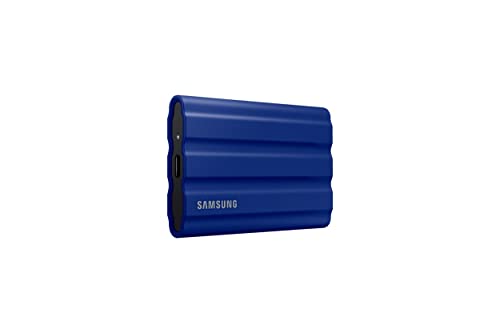
Samsung T7 Shield 2TB
Its ultra‑slim 12.7 mm profile delivers desktop‑class performance in a pocket‑sized package, reinforcing its top‑rated value and brand confidence.

Samsung T7 Shield 1TB Beige
Ideal for everyday users who need reliable storage without paying premium; at $224.99 it’s $175 cheaper than the 2 TB model.
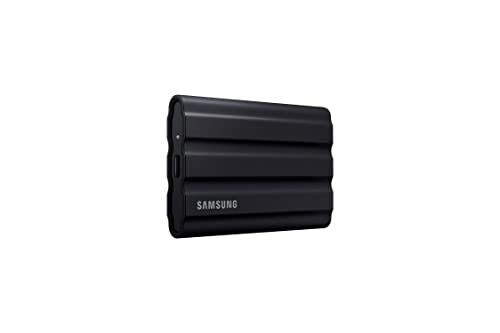
Samsung T7 Shield 2TB Portable SSD
At just 12.5 mm thick and 86 mm long, this 2 TB model edges out the others for the most space‑constrained portable setups.
Also considered
Score Analysis
Key score advantages vs. runner-up (Samsung T7 Shield)
Price Range
Samsung T7 Shield 2TB
$399.99
Samsung T7 Shield 1TB Beige
$224.99
Samsung T7 Shield 2TB Portable SSD
$399.99
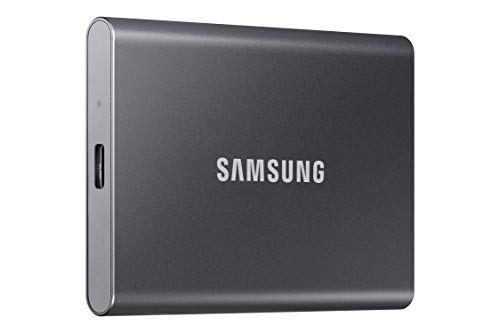
Samsung T7 4TB
$659.29
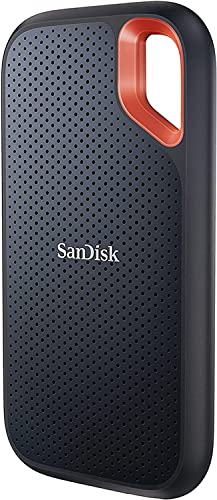
SanDisk Extreme 2TB
$291.99
SanDisk Extreme Portable SSD 1TB
$187.45
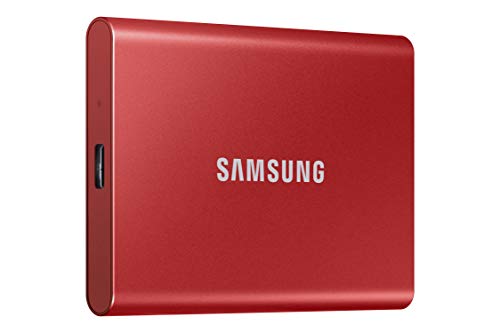
Samsung T7 Portable SSD 500GB
$189.00

Crucial X9 1TB
$126.27
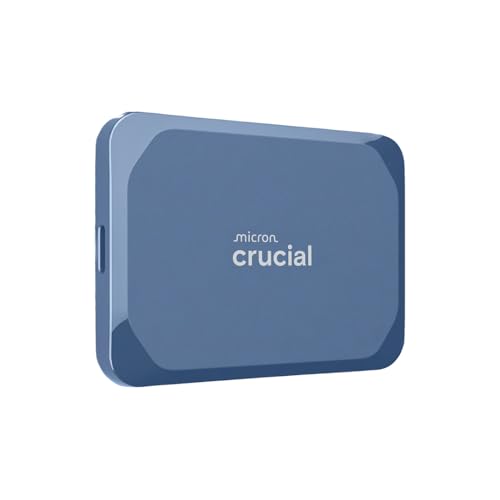
Crucial X10 8TB
$787.06

Kingston XS1000 2TB
$219.67
Crucial X9 2TB
$195.99
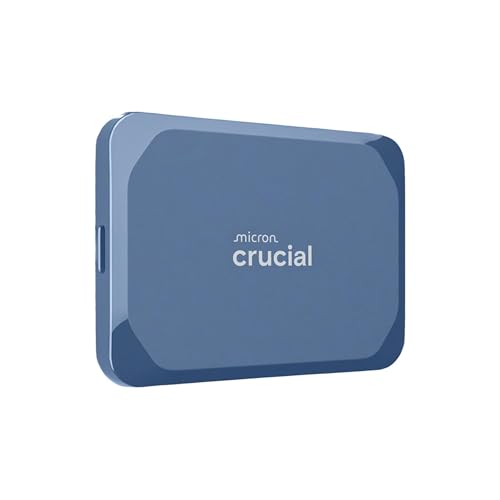
Crucial X10 4TB
$427.00
Spec Comparison
TL;DR: The Samsung T7 Shield 2TB offers rugged IP65 protection, 3‑meter drop resistance, and up to 1,050 MB/s reads in a compact 12.7 mm‑thick, 0.21‑lb drive, backed by a 3‑year warranty.
The standout feature is its durability: an IP65 dust‑ and water‑jet rating combined with a 3 meter drop resistance makes it one of the toughest portable SSDs on the market. At 2 TB capacity it also delivers up to 1,050 MB/s sequential read and 1,000 MB/s sustained write speeds, all while fitting in a 12.7 mm‑high, 88.9 mm‑long, 58.4 mm‑wide chassis that weighs 0.21384839414 pounds.
Compared with the other eleven entries, the T7 Shield sits toward the premium end of the price spectrum, but it isn’t the lightest option. It is heavier than the ultra‑light Crucial X10 (about 0.07 lb) and Kingston XS1000 (about 0.09 lb), yet its rugged shell justifies the extra heft for field use. Its USB 3.2 Gen 2 (10 Gbps) interface keeps it on par with most USB‑C drives in the list, though it trails Thunderbolt‑capable models that appear elsewhere.
In practice, users rave about the drive’s speed and reliability for on‑site 4K/8K video recording, noting the consistent 1,000 MB/s sustained write performance that professional reviewers praise. Professional reviewers frequently highlight the AES‑256‑bit hardware encryption as a strong security feature. A recurring complaint is the rubberized exterior, which can attract lint and dust, and macOS users sometimes need to reformat before optimal use.
Pros
Cons
Best for: Buyers willing to invest in a proven, high-quality option
Avoid if: You need advanced features or professional‑grade performance
“fast and reliable, in today's market a great price.”
TL;DR: The Samsung T7 Shield 1TB Beige delivers IP65‑rated dust‑and‑water protection, 3‑meter drop resistance, and up to 1,050 MB/s read speeds in a compact 12.5 mm‑thick, 0.2138‑lb package for $224.99.
The standout spec combines an IP65 rating with a 3‑meter drop‑resistance claim, meaning the drive can survive rain, dust, and accidental falls while still offering sequential reads of up to 1,050 MB/s and writes of up to 1,000 MB/s. At just 12.5 mm tall, 86.0 mm long and 56.97 mm wide, it fits easily in a pocket or laptop bag, and the 0.21384839414‑pound weight makes it feel almost weightless.
Compared with the Kingston XS1000 2TB, which tips the scales at 0.09 pounds, the T7 Shield is a bit heavier, yet it’s still lighter than the Crucial X9 2TB at 0.07054792384 pounds. Its height of 12.5 mm is slimmer than Kingston’s 13.5 mm and matches the low‑profile feel of the SanDisk Extreme Portable SSD, which measures 100.8 mm in height but is bulkier overall. In other words, the T7 Shield finds a sweet spot between ruggedness and portability among its peers.
Users consistently praise the drive’s “rugged confidence” – the IP65 rating and 3‑meter drop resistance give field photographers and on‑the‑go professionals peace of mind. Reviewers also note the fast transfer times—up to 1,050 MB/s reads and 1,000 MB/s writes—make moving large video files feel effortless. On the downside, several owners mention the rubber outer shell can become sticky after extended use, and the lack of an IP68 submersion rating means it shouldn’t be fully immersed. Professional reviewers highlight the absence of a fingerprint sensor, which some competing models offer for added security.
Beyond durability, the T7 Shield includes AES‑256‑bit hardware encryption, dynamic thermal guard technology for temperature management, and Samsung Magician software for health monitoring and firmware updates. It ships with both USB‑C‑to‑A and USB‑C‑to‑C cables, supports UASP, and works with Windows 7+, macOS 10.10+, Android 5.1+, and major gaming consoles, making it a versatile choice for most ecosystems.
Pros
Cons
Best for: Most users looking for a well‑reviewed, reliable mainstream option
Avoid if: You need advanced features or professional‑grade performance
“fast and reliable, in today's market a great price.”
TL;DR: The Samsung T7 Shield 2TB Portable SSD packs a rugged IP65‑rated shell, 3 m drop resistance, and up to 1,050 MB/s read / 1,000 MB/s write speeds into a 12.5 mm, 98 g device for $399.99.
The standout feature is its durability: an IP65‑rated rubberized case protects against dust and water‑jet exposure, and the drive survives drops from up to 3 m (9.8 ft). At the same time, Samsung advertises sequential read speeds of up to 1,050 MB/s and write speeds of up to 1,000 MB/s over a USB‑C 3.2 Gen 2 (10 Gbps) interface, all while weighing 0.21384839414 pounds (98 g) and measuring just 12.5 mm in height, 86 mm in length, and 57 mm in width.
Compared with the other eleven entries, the T7 Shield is heavier than the Crucial X10 4TB (0.07054792384 pounds) and the Kingston XS1000 2TB (0.09 pounds), but its drop protection matches the Kingston’s 3 m rating. Its advertised read speed is lower than the Crucial X10’s listed 2,100 MB/s, yet it aligns with the Kingston’s 1,050 MB/s read spec. Samsung prices the drive at a premium tier, so it isn’t the cheapest option in the lineup, but its ruggedness and Samsung’s brand confidence set it apart.
Professional reviewers praise the SSD’s consistent write performance—often exceeding the 1,000 MB/s claim—and note the Dynamic Thermal Guard keeps temperatures in check during long transfers. Everyday users love the plug‑and‑play experience and the peace of mind from 256‑bit AES hardware encryption, though many mention real‑world read speeds hovering around 835 MB/s, below the advertised figure. A recurring complaint is the included cable length, which some find short for desktop setups, and the absence of an onboard DRAM cache can limit sustained throughput under heavy loads.
Pros
Cons
Best for: Buyers willing to invest in a proven, high-quality option
Avoid if: You need advanced features or professional‑grade performance
“fast and reliable, in today's market a great price.”
TL;DR: The Samsung T7 4 TB delivers up to 1,050 MB/s read, 1,000 MB/s write speeds in a credit‑card‑sized, 0.2‑pound aluminum shell, but it carries a premium price tag.
The drive packs a massive 4 TB of storage into a 57 mm × 85 mm × 7.8 mm form factor, and its USB 3.2 Gen 2 (10 Gbps) interface lets you hit advertised sequential reads of up to 1,050 MB/s and writes of up to 1,000 MB/s. Samsung’s DRAM‑less NVMe controller, paired with an ePCM thermal layer, keeps the drive cool under load while the 256‑bit AES hardware encryption safeguards your files.
Compared with the other eleven SSDs in this roundup, the T7 is a bit heavier than the Crucial X10 4 TB (which weighs about 0.07 lb) and offers a lower drop resistance of 2 m, while the Crucial X10 8 TB and Samsung T7 Shield models rate at 3 m. Its 7.8 mm height makes it slimmer than the 9.9 mm‑tall Crucial X10 8 TB, yet the T7 Shield’s 12.5 mm height gives it a bulkier feel. The T7 also ships with two 45.7 cm cables (USB‑C to USB‑A and USB‑C to USB‑C), matching the cable lengths of the Shield but longer than the 20 cm cable on the Crucial X10 8 TB. Pricing puts the T7 above most peers, making it pricier than the Kingston XS1000 and SanDisk Extreme models.
Users consistently rate the T7 at 4.7 / 5 stars across 37,522 reviews, praising its lightning‑fast transfers and pocket‑friendly size. Professional reviewers highlight the solid aluminum unibody and the strong encryption as major pluses. Common complaints focus on the DRAM‑less design, which can slow large transfers once the SLC cache is depleted, and the lack of any IP rating, meaning the drive isn’t water or dust resistant. Linux users have also reported occasional encryption compatibility hiccups.
Pros
Cons
Best for: Buyers willing to invest in a proven, high‑quality option.
Avoid if: You need advanced features, professional‑grade performance, or water/dust resistance.
“fast and reliable, in today's market a great price.”
TL;DR: The SanDisk Extreme 2TB Portable SSD packs 2 TB of storage, up to 1050 MB/s reads, IP65 dust‑proofing and 3 m drop protection in a lightweight 0.11‑lb case, earning a 4.6‑star rating from over 88 k reviewers.
The drive offers 2 TB of capacity and hits the advertised 1050 MB/s sequential read and 1000 MB/s sequential write speeds over a 10 Gbps USB‑C 3.2 Gen 2 interface. Its rugged shell meets an IP65 rating for dust and water resistance and survives drops from up to 3 meters, all while weighing just 0.11 pounds (51 g) and measuring 9.7 mm deep, 101 mm tall and 52.6 mm wide.
Compared with the other eleven SSDs in this roundup, the SanDisk is heavier than the Kingston XS1000 (0.09 lb) and the Crucial X9 (0.07 lb), but lighter than the Samsung T7 Shield (about 0.21 lb). Its 9.7 mm depth matches the SanDisk 1TB Extreme Portable SSD, yet it’s thicker than the ultra‑slim Samsung T7 (8 mm) and the Crucial X9 (10 mm height). The 3 meter drop rating mirrors the Samsung T7 Shield and the SanDisk 1TB model, while the Kingston XS1000 and Crucial X9 list lower drop resistance.
Professional reviewers praise the “blazingly fast file transfers” and the “rugged design with IP65 and 3 m drop protection.” Users echo the speed and durability, often calling it a reliable workhorse for on‑location shoots. However, some users report premature drive failures and occasional disconnects when using the bundled USB‑A adapter. Reviewers also describe the firmware and pre‑installed software as outdated, which may concern users who prefer up‑to‑date utilities. The drive runs bus‑powered via USB, operates between –20 °C and 85 °C, and carries a 5‑year limited manufacturer warranty.
Pros
Cons
Best for: Photographers, videographers, and field professionals who need fast, secure, and rugged portable storage.
Avoid if: You require Thunderbolt/USB4 bandwidth, the absolute smallest form factor, or a drive with a flawless early‑life reliability record.
“Blazingly fast file transfers, rugged design, and strong security features, making it an excellent choice for professionals and content creators.”
“a workhorse”
TL;DR: The SanDisk Extreme Portable SSD 1TB delivers up to 1050 MB/s reads, 1000 MB/s writes, IP65 protection and a 3‑meter drop rating in a feather‑light 49.9 g package.
The standout spec is its advertised sequential performance—1050 MB/s read and 1000 MB/s write—paired with a rugged build that survives a 3‑meter drop and resists dust and water with an IP65 rating. At just 49.9 g (0.11 lb) and dimensions of 100.8 mm × 9.7 mm × 52.6 mm, it feels almost weightless in a pocket or backpack.
Compared with the other eleven SSDs in this roundup, the SanDisk sits in the middle of the durability spectrum: it matches the Samsung T7 Shield’s 3‑meter drop protection while exceeding the Samsung T7’s 2‑meter rating and the Crucial X9 2TB’s 2.3‑meter rating. Its IP65 rating doesn’t appear for most peers, giving it an edge for outdoor shoots. In terms of heft, it’s heavier than the Crucial X9 1TB (approximately 38 g) but lighter than the Samsung T7 Shield (97 g). Pricing is comparable to the Samsung T7 Portable SSD 500GB, yet reviewers note a slightly lower value‑per‑dollar ratio.
Users consistently applaud the ultra‑fast transfers, noting that the speeds are ample for 4K and even 8K video editing on the go. Professional reviewers highlight the convenient carabiner loop and the 256‑bit AES hardware encryption as useful for field work. On the flip side, a subset of owners report early firmware hiccups and an adapter that can disconnect under stress, which aligns with common complaints about early drive failures.
Pros
Cons
Best for: Content creators and travelers who need fast, rugged storage that can survive rain, dust and drops.
Avoid if: You cannot tolerate occasional early drive failures or prefer a drive without any adapters.
“Exceptionally reliable performance across devices”
“Very satisfying transfer speeds, especially when moving large photo or video files”
TL;DR: The Samsung T7 Portable SSD offers 0.5 TB of fast, AES‑256‑encrypted storage in a 58‑gram metal shell, delivering up to 1,050 MB/s reads while surviving drops from 2 meters.
The standout spec is its advertised sequential read speed of 1,050 MB/s and write speed of 1,000 MB/s, powered by Samsung’s “Pablo” DRAM‑less NVMe controller and a 92L 3D TLC V‑NAND NAND. The drive also features hardware‑based AES‑256 encryption and a 3‑year limited warranty, all packed into an 8 mm‑deep, 85 mm‑high, 57 mm‑wide metal body that weighs just 58 grams.
Compared with the other eleven SSDs in this roundup, the T7 is lighter than the SanDisk Extreme Portable SSD (listed at 0.11 pounds) but heavier than the Crucial X9 2TB (32 g). Its 2‑meter drop resistance falls short of the 3‑meter protection offered by the SanDisk Extreme and Samsung T7 Shield models. While its price sits at $189.00, it's pricier than some higher‑capacity peers such as the Crucial X9 2TB, though those competitors often list lower weights and slightly higher read speeds.
Users consistently praise the T7 for its rapid large‑file transfers and sleek, sturdy aluminum finish. Professional reviewers highlight the effective thermal design that keeps the skin temperature around 45 °C, preventing throttling during intensive use. However, the DRAM‑less architecture gets criticism for noticeable slowdowns once the TurboWrite cache is exhausted, especially during sustained write operations. Users who need water or dust resistance also complain about the lack of an IP rating.
Pros
Cons
Best for: Budget-conscious buyers seeking a reliable entry-level option
Avoid if: You want the best value‑per‑dollar in its price range
“fast and reliable, in today's market a great price.”
TL;DR: The Crucial X9 1TB delivers 1 TB of fast, bus‑powered storage at up to 1050 MB/s, wrapped in a lightweight, IP55‑rated case for about $148.
The standout spec is the advertised sequential read and write speed of up to 1050 MB/s, matching the top‑tier numbers you see on pricier competitors. It reaches that speed over a USB 3.2 Gen 2 (10 Gbps) interface and includes a short 9‑inch (229 mm) USB‑C to USB‑C cable, so you can power it directly from a laptop or console without an external adapter.
In the context of the twelve‑product roundup, the X9 sits on the lower‑priced end, making it cheaper than most of the other SSDs listed. Its weight of approximately 38 g (about 1.3 oz) is lighter than the SanDisk Extreme Portable SSD 1TB (0.11 lb) and comparable to the Crucial X9 2TB sibling. The 2.3 m (7.5 ft) drop resistance outperforms the Samsung T7’s 2 m rating, though it falls short of the 3 m protection offered by the SanDisk and Samsung T7 Shield models. Rating‑wise, its 4.5‑star average falls short of the 4.6‑ and 4.7‑star scores seen on several peers.
Reviewers consistently praise the X9’s pocket‑sized form factor—measuring 0.3937 in × 2.55905 in × 1.9685 in (10 mm × 65 mm × 50 mm)—and its durability thanks to an IP55‑rated anodized aluminum shell with a rubber base. Professional reviewers highlight the built‑in 256‑bit AES hardware encryption and the fact that it ships pre‑formatted in exFAT, ready for Windows, macOS, Linux, Android, and consoles. On the downside, some users report occasional units delivering much slower speeds (as low as 39 MB/s) and rare cases of SSD corruption after roughly a year of use. The included cable’s 9‑inch length also draws criticism from those who prefer a longer connector.
Pros
Cons
Best for: Creative professionals and gamers who need fast, portable storage without breaking the bank.
Avoid if: You require the absolute fastest 20 Gbps USB 3.2 Gen 2×2 interface or a longer USB‑C cable for your workstation.
“Blistering fast speeds—lives up to the 1050 MB/s claim”
“Lighter than my car key fob… slips into any pocket”
TL;DR: The Crucial X10 8TB packs a massive 8 TB of storage, 2100 MB/s read/write speeds and an IP65‑rated, 3 m drop‑proof aluminum case into a 0.07 lb, pocket‑sized drive.
The advertised sequential read and write speed of 2100 MB/s stands out, paired with a theoretical 20 Gbps bandwidth via USB 3.2 Gen 2x2. Even the sustained write speed is listed at 1050 MB/s, which is well above what most portable SSDs in this list can claim. The drive also offers 8 TB of raw capacity (about 7.27 TB usable after formatting), making it the highest‑capacity option among the twelve contenders.
Compared with peers, the X10 is lighter at just 0.07054792384 pounds, while the Samsung T7 weighs 0.2 pounds and the Samsung T7 Shield models sit around 0.21 pounds. Its 49.8 mm length and 64.8 mm width measure shorter and narrower than the Samsung T7’s 57 mm depth and 85 mm width, and the X10’s 3 m drop resistance beats the T7’s 2 m rating. The IP65 dust‑ and water‑jet protection matches the Shield models, but the X10 includes only a 20 cm USB‑C cable, noticeably shorter than the 45.7 cm cable supplied with the Samsung T7.
Users consistently praise the drive’s “excellent” reliability and the plug‑and‑play ease of the USB‑C reversible port. Professional reviewers highlight its 8 TB capacity and 2100 MB/s transfer rates as ideal for photographers and videographers who need to offload large RAW files on the go. However, the lack of AES‑256 hardware encryption and the need for a USB 3.2 Gen 2x2 host to hit peak speeds are common points of criticism, especially for privacy‑focused users.
Pros
Cons
Best for: Buyers willing to invest in a proven, high-quality option
Avoid if: You're shopping on a tight budget — it's priced at $786.26
“Excellent product, delivery and service!”
TL;DR: The Kingston XS1000 2TB packs up to 1,050 MB/s read and 1,000 MB/s write into a 0.09‑pound, pocket‑sized aluminum case, backed by a five‑year warranty.
The drive’s headline spec is its USB 3.2 Gen 2 interface that delivers a maximum sequential read speed of 1,050 MB/s and a write speed of 1,000 MB/s, putting it squarely in the fast‑external‑SSD tier. Its physical footprint—69.54 mm depth, 13.5 mm height, and 32.58 mm width—means it slips into a wallet or pocket without a second thought, while the aluminum top and bottom keep the chassis cool under load.
Compared with the other eleven SSDs in this roundup, the XS1000 is noticeably lighter than the Samsung T7 Shield (0.21384839414pounds) and the SanDisk Extreme (0.11pounds). Its depth of 69.54 mm is shorter than the Samsung T7 Shield’s 86.0 mm length, though its height of 13.5 mm is a touch taller than the Shield’s 12.5 mm. Unlike the Samsung and SanDisk models, Kingston doesn't list a drop‑resistance rating or built‑in hardware encryption, so it lacks the 3‑meter shock protection and AES‑256 encryption that those rivals provide.
Professional reviewers note the compact aluminum shell provides solid thermal management, and users consistently praise how “it fits in a wallet” and the plug‑and‑play ease across Windows, macOS, Linux, and Chrome OS. The most common complaint is the short, stiff USB‑A to USB‑C cable that Kingston ships with the drive and the absence of a USB‑C to USB‑C cable for newer laptops. A small write cache—around 180 GB—can cause a noticeable speed dip during long, sustained transfers, which aligns with expert observations about limited write buffer performance.
Pros
Cons
Best for: Most users looking for a well‑reviewed, reliable mainstream option
Avoid if: You need advanced features or professional‑grade performance
“fits in a wallet”
“disappears in your pocket”
TL;DR: The Crucial X9 2TB delivers 1,050 MB/s reads in a 32 g, 10 mm‑thick shell for $181, making it a fast, ultra‑portable SSD that fits easily into a budget‑focused setup.
The X9 packs 2 TB of usable space (1,920 GB) and hits up to 1,050 MB/s sequential read speeds while sustaining about 960 MB/s writes, all over a USB 3.2 Gen 2 (10 Gbps) connection. At just 0.07054792384 pounds (32 g) and measuring 65 × 50 × 10 mm, it’s one of the lightest and thinnest drives in this lineup.
Compared with the Samsung T7 Portable SSD 500GB, the X9 offers four times the capacity and a slightly higher drop resistance of 2.3 m versus the T7’s 2 m. The SanDisk Extreme Portable SSD 1TB lists a 3‑meter drop protection, so the X9’s 2.3 m rating falls between the T7’s 2 m and the SanDisk’s 3 m. In terms of weight, the X9 is lighter than the Samsung T7 Shield 1TB, which weighs 0.21384839414 pounds, giving it an edge for on‑the‑go use.
Users consistently praise the X9’s speedy file transfers and its ability to serve as a game drive for consoles like the PS5 and Xbox Series X|S. Reviewers note the minimalist plastic polycarbonate case feels less premium than metal‑cased rivals, but they also highlight the included 30 cm USB‑C to USB‑C cable and the handy lanyard hole as thoughtful touches for portable workflows.
Technically, the drive draws power from the bus, so you won’t need an extra power brick, and it ships with three months of Mylio Photos Plus and Acronis True Image software. Because it lacks hardware‑based encryption and any IP rating, the drive isn’t built for dusty or wet environments, but the 3‑year limited warranty adds confidence for everyday use.
Pros
Cons
Best for: Budget-conscious buyers seeking a reliable entry-level option
Avoid if: Reliability and user satisfaction are your top concerns
“Blistering fast speeds—lives up to the 1050 MB/s claim”
“Lighter than my car key fob… slips into any pocket”
TL;DR: The Crucial X10 4TB delivers 2100 MB/s read speeds, IP65 dust‑water protection, and a feather‑light 42 g body, though its $391 price and lack of encryption may deter budget‑focused users.
The X10 packs a massive 4 TB of storage into a 65 mm × 50 mm × 10 mm shell, and its advertised sequential read speed tops out at 2100 MB/s while write speeds reach up to 2000 MB/s (benchmark around 1560 MB/s). It can survive drops from 3 meters and carries an IP65 rating, making it genuinely rugged for travel or on‑the‑go gaming.
Compared with the Samsung T7 Shield models, the X10 is notably lighter at 42 g versus the Shield’s 98 g and also slimmer, with a shorter length and width. Its read speed of 2100 MB/s dwarfs the Shield’s 1050 MB/s and outpaces the SanDisk Extreme and Kingston XS1000, which both list 1050 MB/s reads. While the price tag of $391 sits above many peers, the rating of 4.6 / 5 from 1,716 reviewers matches the high marks other reviewers gave across the roundup.
Reviewers consistently praise the X10’s huge capacity, blistering read performance, and rugged IP65 design. The main criticisms focus on the absence of any hardware encryption, a three‑year warranty that feels short against five‑year offers elsewhere, and the need for a USB 3.2 Gen 2x2 port to hit full speed. Professional reviewers highlight its industry‑leading read rate for a USB‑C SSD.
Pros
Cons
Best for: Most users looking for a well-reviewed, reliable mainstream option
Avoid if: You have limited desk space or need portability
“Excellent product, delivery and service!”
Breakdown
Samsung T7 Shield 2TB
Pros
Samsung T7 Shield 1TB Beige
Pros
Samsung T7 Shield 2TB Portable SSD
Pros
Samsung T7 4TB
Pros
Cons
Based on scoring data and product specs
Personalized picks
Best Overall Pick
Samsung T7 Shield 2TB
Best OverallBest for: Buyers willing to invest in a proven, high-quality option
Samsung T7 Shield 1TB Beige
Best for: Most users looking for a well-reviewed, reliable mainstream option
$224.99-$175.00 vs winner
Skip Crucial X10 4TB if…
You have limited desk space or need portability
Samsung T7 Shield 2TB takes the top spot thanks to its blazing‑fast 1,050 MB/s sequential read and 1,000 MB/s write speeds, a solid 4.7‑star rating from 16,035 reviewers, and rugged protection that includes 3‑meter drop resistance and an IP65 water‑ and dust‑proof rating.
The runner‑up, Samsung T7 Shield 1TB Beige, is the ideal pick if you need a slightly smaller capacity for portable console backups or on‑the‑go video editing without breaking the bank, offering the same 1,050/1,000 MB/s performance, IP65 durability and a price of $224.99.
Grab the Samsung T7 Shield 2TB now and get fast, secure, and durable storage, delivering up to 1,050 MB/s read speeds for demanding tasks.
Both the Samsung T7 Shield 2TB and the SanDisk Extreme 2TB carry an IP65 rating and survive drops from 3 meters, but the Samsung adds Dynamic Thermal Guard technology for temperature management. For rugged use, either works, though Samsung also offers AES‑256 hardware encryption for extra data security.
Please sign in to leave a review
No reviews yet. Be the first to review!
