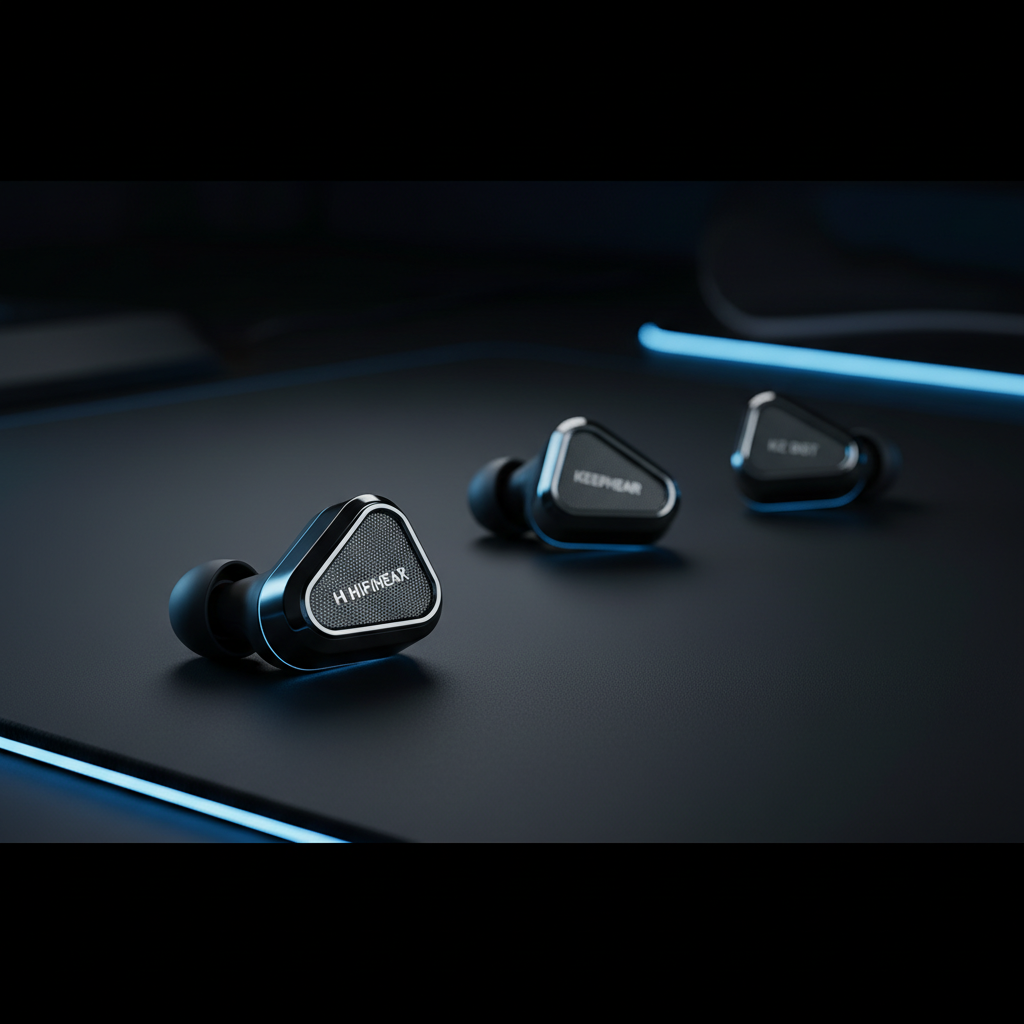
Finding gaming earbuds that keep sound in sync with your screen can feel like hunting for a needle in a haystack. In this roundup we sifted through 13 options, from wired IEMs that promise sub‑60 ms delay to true‑wireless buds with fast‑charge tricks. Prices span from $9.99 for the JLab Play Gaming neckband to $99.99 for the Soundcore Liberty 5, covering the budget, mid‑range and premium tiers shown in our price map.
For a tight‑budget setup the JLab Play Gaming earns the nod with a 4.0‑star rating from 241 reviewers and a solid 11‑hour battery life that lasts through marathon sessions. In the mid‑range camp the H Hifihear KZ ZSN PRO X stands out – it costs $23.99, carries a 4.5‑star rating from 238 reviews, and its 10 mm dynamic driver plus 112 dB sensitivity deliver punchy bass without lag. If you’re chasing premium performance, the HyperX Cloud Earbuds II bring a 14.3 mm driver, a 4.1‑star score from 2,299 fans, and a rugged case for on‑the‑go play.
Below we break down each model’s latency tricks, fit and sound signature so you can match the right pair to your gaming style.

H Hifihear KZ ZSN PRO X
Its 40,000 Hz high‑frequency response delivers detailed audio, supporting the strong value rating that earned it the mid‑range win.

Keephifi KZ DQS
Ideal for budget‑conscious gamers, it costs $6 less than the mid‑range pick while still offering reliable entry‑level performance.

Yinyoo ZST
An 18 Ω impedance sets it apart, pairing well with higher‑output sources and driving its status as the most‑reviewed option.
Also considered
Score Analysis
Key score advantages vs. runner-up (Keephifi KZ DQS)
Price Range
H Hifihear KZ ZSN PRO X
$21.59
Keephifi KZ DQS
$17.99
Yinyoo ZST
$18.47

Yinyoo KZ ZS12 PRO
$49.99

Yinyoo ZSN PRO X
$21.99

CMF Buds Pro 2 Light Grey
$49.00
JLab Play Gaming Black/Blue
$21.99

HyperX Cloud Earbuds II
$44.99

Audiovance VB202M
$32.29

Soundcore Liberty 5
$99.99

FiiO FF1
$17.99
Razer Hammerhead X
$72.00

Yeabomy QKZ
$9.99
Spec Comparison
TL;DR: The H Hifihear KZ ZSN PRO X packs a 10 mm dynamic driver plus a balanced armature, 25 Ω impedance and 112 dB/mW sensitivity into a lightweight, $23.99 earbud that delivers detailed sound for gaming without active noise cancellation.
This model’s standout spec is its hybrid driver configuration – a 10 mm dynamic driver paired with a single balanced‑armature unit. Combined with a low 25 Ω impedance and a high 112 dB/mW sensitivity, the earbuds are easy to drive from phones or consoles, and the listed frequency range of 7 Hz to 40,000 Hz promises deep bass and crisp treble.
Compared with other contenders, the ZSN PRO X shares the 10 mm driver size of the Yinyoo ZST and matches the 25 Ω impedance of the Yinyoo ZSN PRO X. At 50 g it's heavier than the Yinyoo ZST (0.0440924524 lb) but roughly on par with the Yinyoo ZSN PRO X (49.9 g) and lighter than the Audiovance VB202M (64.9 g). Its 1200 mm detachable cable is the same length as the Yinyoo ZSN PRO X’s cable and longer than the Keephifi KZ DQS’s 120 cm lead, giving you plenty of slack for a gaming setup.
Reviewers consistently highlight the earphones’ “sound quality for the price,” noting strong bass definition, clear treble and a balanced V‑shaped signature that shines in fast‑paced game soundtracks. Professional reviewers also point out the high sensitivity and low impedance as reasons the earbuds pair well with low‑power devices. On the downside, users report that the cable can discolor and become stiff over time, and the non‑standard 0.75 mm female connector limits compatibility with aftermarket cables. The package also omits a carrying case and doesn't include an integrated microphone.
Pros
Cons
Best for: Gamers and commuters who want detailed sound and solid isolation without spending a fortune.
Avoid if: You need active noise cancellation, water resistance, or a standard 3.5 mm male cable connector.
“Great value for money”
“audiophile quality at a budget price”
TL;DR: At $17.99, the Keephifi KZ DQS offers a 5 µm diaphragm, 14 Ω impedance and 110 dB sensitivity, delivering a balanced soundstage praised by over 2,000 reviewers.
The ultra‑thin 5 µm diaphragm paired with a 0.15 mm magnetic gap is the most distinctive feature, a combination that professional reviewers say improves driver efficiency and keeps distortion low.
Compared with the other eleven earbuds in this roundup, the KZ DQS sits near the low‑end of the price spectrum and offers a lighter package at 18 g total, making it lighter than many peers while still providing a detachable 120 cm OFC flat cable, a feature not always standard.
Users consistently highlight the balanced, slightly warm tuning and the spacious imaging that the semi‑open metal housing delivers, calling it a strong value for its $17.99 price tag. The three silicone tip sizes provide a comfortable seal, though some note the stock cable tangles easily.
The single dynamic driver is self‑developed and paired with a four‑layer copper‑clad aluminum voice coil—technology usually reserved for higher‑priced models. With an impedance of 14 Ω and sensitivity of 110 dB, the earbuds drive easily from most portable devices without a dedicated amp.
Pros
Cons
Best for: Budget-conscious buyers seeking a reliable entry-level option
TL;DR: The Yinyoo ZST offers a hybrid 10 mm driver, 18 Ω impedance and 106 dB sensitivity in a lightweight 20 g design, delivering balanced sound at a budget‑friendly $21.99.
The standout feature of the ZST is its hybrid driver configuration—one balanced armature paired with a 10 mm dynamic driver. With an impedance of 18 Ω and a sensitivity of 106 dB, it plugs straight into any device without the need for amplification. The earphones weigh just 20 g and measure 50 mm × 80 mm × 30 mm, making them easy to wear for long gaming sessions.
Compared with other entries in the roundup, the ZST is considerably lighter than the Yinyoo ZSN PRO X (49.9 g) and far lighter than the Audiovance VB202M (64.9 g). Its 18 Ω impedance sits below the 25 Ω found in both the ZSN PRO X and the H Hifihear KZ ZSN PRO X, while the Keephifi KZ DQS runs at 14 Ω. Driver size matches the 10 mm units of those same competitors, but is smaller than the 14.2 mm driver in the FiiO FF1. Like many peers, the ZST includes a detachable cable, though they haven’t listed the exact cable length; most comparable models ship with 1.2 m cables.
Reviewers consistently praise the ZST’s balanced, energetic sound and the ergonomic memory‑wire fit that locks the earbuds in place. The patented silicone tips provide solid passive isolation, and the detachable, tangle‑free cable (0.78 mm connector, 2‑pin) offers a practical bonus. Professional reviewers note the clear separation across bass, mids and highs. On the downside, some users hear slight distortion when cranking the volume past roughly 80%, and the plastic housing feels less premium than metal‑shelled rivals. A few versions also omit an in‑line microphone, which can be a drawback for voice‑chat gamers.
Pros
Cons
Best for: Budget‑conscious gamers and audiophiles who want reliable low‑latency wired audio.
Avoid if: You need a premium metal build, Bluetooth connectivity, active noise cancellation, or a built‑in microphone.
“The sound quality is amazing, and the noise cancellation is great.”
“Incredibly comfortable for long sessions—perfect for work and travel.”
TL;DR: The Yinyoo KZ ZS12 PRO delivers detailed, high‑resolution gaming audio with a 1DD + 5BA hybrid driver setup, metal construction, and a detachable cable, but its $60.99 price tags it as a premium earbud.
The standout feature is its hybrid driver configuration: each earbud houses a 10 mm dynamic driver plus five balanced armatures, for a total of six drivers per side. Combined with a built‑in electronic crossover board, this layout targets high‑resolution sound, while the 35 Ω impedance and 109 dB sensitivity give a strong, clear output that reaches up to 40 kHz.
Compared with other options in this roundup, the ZS12 PRO’s driver size is smaller than the 14.3 mm unit that HyperX uses in its Cloud Earbuds II, yet its impedance sits between HyperX’s 65 Ω and Audiovance VB202M’s 16 Ω. At 58.9 g, it's heavier than the Razer Hammerhead X (0.11 lb) but lighter than the Audiovance model (64.9 g). Its recessed 0.75 mm connector is slimmer than many standard plugs, and the detachable 2‑pin cable adds flexibility not offered by several peers.
Reviewers consistently highlight the deep, punchy bass and crystal‑clear treble the hybrid drivers deliver, calling the metal zinc‑alloy shell “solid” and “premium‑feeling.” However, the stock silver‑plated copper cable is stiff and prone to microphonics, and the optional 4‑level tuning switch can feel fragile after repeated adjustments. Professional reviewers note that the built‑in electronic crossover enhances driver synergy, but they also warn that the earbuds perform best when paired with a decent DAC or amp.
Pros
Cons
Best for: Buyers willing to invest in a proven, high‑quality option
Avoid if: You're shopping on a tight budget — it's priced at $60.99
“Best IEMs under $100”
“Bass is punchy and deep, perfect for EDM and gaming.”
TL;DR: The Yinyoo ZSN PRO X offers a hybrid 10 mm dynamic‑plus‑balanced‑armature driver, solid metal build and detachable cable at $21.99, delivering balanced sound and 4.4‑star ratings for budget gamers.
This earbud pairs a 10 mm dynamic driver with a balanced armature, giving a 25 Ω impedance and 104 dB sensitivity that many users describe as deep yet controlled bass and clear mids. The in‑ear design includes a zinc‑alloy shell, aluminum nozzle and a machined metal faceplate, which reviewers note feels premium for the price.
At 49.9 g, it's lighter than the Audiovance VB202M (64.9 g) and comparable to the Yinyoo ZST, listed at about 0.044 lb. Its 1.2 m detachable 2‑pin OFC cable matches the length of the H Hifihear KZ ZSN PRO X (1200 mm) and offers easy upgrades, a point reviewers highlight against models with fixed cables.
User sentiment praises the balanced sound signature and the sturdy metal housing, while professional reviewers highlight the “well‑controlled bass with fast decay.” Common complaints focus on the stock cable turning brown after weeks, its stiffness causing microphonic noise, the lack of foam eartips, and the “waterproof” claim that lacks an official IP rating.
Pros
Cons
Best for: Budget-conscious buyers seeking a reliable entry-level option
Avoid if: You need certified waterproof earbuds or prefer foam eartips for deeper isolation
“Great value for money”
“audiophile quality at a budget price”
TL;DR: The CMF Buds Pro 2 deliver up to 45 dB hybrid ANC, 11 hours of playback without ANC, and 120 ms latency, all packed into a lightweight 44.5 g case for $69.
What really stands out is the hybrid ANC rated at up to 45 dB, backed by a 10 mm dynamic driver and a six‑mic array that reviewers say makes calls crystal clear. The earbuds also present a 200 Ω impedance and a frequency response that reaches up to 5000 Hz, giving a balanced sound signature for everyday listening.
In battery terms the Buds Pro 2 last up to 11 hours on a single charge with ANC off and a total of 39 hours with the case, which is noticeably longer than the Razer Hammerhead X’s 4 hours per earbud and its 15–16 hours overall. The case weighs just 44.5 g, making it lighter than the Razer unit that tips the scales at 0.11 lb. Bluetooth 5.3 puts the connection ahead of the Hammerhead’s 5.2 version, though it sits just below the Soundcore Liberty 5’s 5.4 implementation; range remains consistent at up to 10 meters.
Users consistently praise the strong ANC and the six‑mic “Clear Voice” technology, noting the fast‑charging perk of 10 minutes delivering 3–5 hours of playback. Professional reviewers echo the same points, highlighting the up to 11 hours of playback battery life and Google Fast Pair support. On the flip side, the lack of LDAC or Hi‑Res codec support, the absence of multipoint pairing, and a plastic charging case that scratches easily are common complaints.
Pros
Cons
Best for: Buyers willing to invest in a proven, high-quality option
Avoid if: You need advanced features or professional‑grade performance
“Best $50 earbuds for commuting — blocks train noise well.”
“Call quality is amazing — my colleagues hear me clearly even in wind.”
TL;DR: The JLab Play Gaming earbuds deliver 60 ms low‑latency audio, a 10 mm dynamic driver and 11+ hours of playback for just $9.99, making them a solid budget choice for casual mobile gamers.
At the heart of the JLab Play Gaming set sits a 10 mm dynamic driver paired with a 16 Ω impedance, delivering up to 110 ± 3 dB output. The specs list a 60 ms latency, which is fast enough for most casual shooters and rhythm games. Battery life also stands out: the earbuds promise 11+ hours of continuous playback on a single charge, plus a rapid‑charge boost that adds an hour of use after just 10 minutes.
Compared with peers, the JLab package weighs 0.3 lbs, noticeably heavier than the Yeabomy QKZ (about 0.11 lbs) and the Yinyoo ZST (around 0.04 lbs). Its driver size matches the 10 mm units used by Yeabomy, Yinyoo ZST, Yinyoo ZSN PRO X and the H Hifihear model, while the FiiO FF1 steps up to a larger 14.2 mm driver. Impedance sits between the Keephifi KZ DQS (14 Ω) and the Yinyoo ZSN PRO X (25 Ω), offering a balanced load for most portable sources.
User feedback highlights the all‑day battery as a major plus, with many noting the convenience of the magnetic earbuds and the neckband’s secure fit. Professional reviewers praise the clear gunfire and dialogue separation, but they also point out the lack of mic monitoring in gaming mode and that low‑level sounds like footsteps can be hard to hear. A few owners report the earbuds slipping during animated conversation, which aligns with the “earbuds can fall out” comment in consumer sentiment.
Beyond gaming, the earbuds carry an IP55 rating for sweat and splash resistance, support Bluetooth 5.0 with a 30+ ft range, and include both aptX and SBC codecs for flexible audio quality. The included travel pouch, micro‑USB charger and optional 3.5 mm AUX cable let you switch between wireless and wired modes without missing a beat.
Pros
Cons
Best for: Entry‑level buyers or those on a tight budget
Avoid if: Competitive FPS gamers who rely on precise audio cues or anyone needing active noise cancellation
“Battery life is incredible — lasts all day.”
“Can’t hear footsteps well in games — puts me at a disadvantage.”
TL;DR: HyperX Cloud Earbuds II pack a 14.3 mm dynamic driver, a clear omnidirectional mic and a hard‑shell case in a feather‑light 20 g package for $44.99.
The standout spec is the unusually large 14.3 mm driver, which HyperX touts as delivering a wide soundstage and strong bass for an in‑ear form factor. Paired with a sensitivity of 105 dBSPL/mW at 1 kHz and total harmonic distortion under 2 %, the earbuds aim to give gamers precise audio cues without noticeable coloration.
Compared with the other 12 entries, HyperX’s driver is larger than the 10 mm units found in the Yinyoo KZ ZS12 PRO, H Hifihear KZ ZSN PRO X, Yinyoo ZST and Yinyoo ZSN PRO X. Its 65 Ω impedance is also higher than the 16 Ω of Audiovance VB202M and the mid‑range 35 Ω of the KZ ZS12 PRO, meaning it may need a more powerful source to reach full volume. On the weight front, the 20 g build is lighter than Audiovance’s 0.143125 pounds and lighter than the 49.9 g of the Yinyoo ZSN PRO X, while matching the weight of Yinyoo ZST.
Both consumers and experts note the lack of an inline volume control, which forces you to adjust gain on the source device. Several users flag that the 65 Ω impedance can reduce loudness on low‑power smartphones. User feedback repeatedly praises the earbuds’ clear sound and the mic’s loud, omnidirectional pickup, noting the hard‑shell case as a rare convenience for portable gamers.
The technical package includes a 1.2 m fixed low‑profile cable with a 90° angled plug, a 4‑size silicone eartip set for a snug fit, and an omnidirectional inline electret condenser mic with –42 dBV sensitivity. The manufacturer provides a 2‑year warranty, adding confidence for frequent travelers.
Pros
Cons
Best for: Mobile and handheld gamers who need precise audio cues and a clear mic, and who don’t mind a wired connection.
Avoid if: You prioritize wireless freedom, active noise cancellation, or have a low‑power device that struggles with high‑impedance earbuds.
“excellent sound quality for gaming”
“clear and loud”
TL;DR: The Audiovance VB202M packs a 1‑Tesla dynamic driver, 8 Hz‑23 kHz frequency range and a detachable MMCX cable into a sturdy, over‑ear‑hook IEM for $31.99.
The standout spec is the 1 Tesla magnetic flux density of its dynamic driver, paired with a wide 8 Hz – 23 kHz frequency response and a moderate 16 Ω impedance. At 0.143125 pounds (64.9 g), the earbuds feel solid but still light enough for long gaming sessions, and the included premium hard‑shell case adds protection on the go.
Compared with the other twelve entries, the VB202M’s 16 Ω impedance sits between the lower‑end 14 Ω of the Keephifi KZ DQS and the higher‑end 65 Ω of the HyperX Cloud Earbuds II. It’s heavier than the Yinyoo ZST (0.0440924524 lb) and the HyperX model (same weight), and a bit heftier than the Yinyoo ZSN PRO X, which tips the scales at 49.9 g. Priced above several sub‑$25 options, it also offers more accessories—a premium case, carabiner and six pairs of eartips—than many of its peers.
Reviewers consistently applaud the VB202M for its detailed, smooth sound, noting deep bass, clear mids and crisp highs that satisfy both gamers and music lovers. Reviewers frequently praise the passive noise isolation from the in‑ear seal and the secure over‑ear hooks for keeping focus during intense play. On the downside, users mention that the fit can feel tight on smaller ears, the cable may develop micro‑frays with rough handling, and the lack of water or sweat resistance limits workout use. Professional reviewers highlight the 1 Tesla driver as a key factor behind the earbuds’ high‑fidelity performance.
Additional technical notes include a detachable MMCX‑to‑3.5 mm cable made from silver‑plated Litz‑braided copper, 24K gold‑plated connectors for reliable contact, and an inline omnidirectional microphone with volume and playback controls. The passive noise isolation and the sturdy resin shell give the VB202M a durable feel without the complexity of active noise‑cancelling circuitry.
Pros
Cons
Best for: Audiophiles, gamers and content creators who want wired, high‑fidelity audio with a secure in‑ear fit and premium accessories.
Avoid if: You need water/sweat resistance for workouts or have very small ears that may find the over‑ear hooks too tight.
“detailed and smooth”
“powerful yet balanced bass”
TL;DR: The Soundcore Liberty 5 delivers adaptive ANC, 12 hours of playback and fast charging in a sleek Abyss Blue design, but its premium $99.99 price and touch‑sensitive controls may deter budget‑focused gamers.
At the heart of the Liberty 5 sits a 9.2 mm wool‑paper diaphragm driver paired with Dolby Audio and LDAC support, giving you a clear, balanced soundstage for gaming sessions. The earbuds run on Bluetooth 5.4 and feature a dedicated Gaming Mode that cuts latency, while the case displays a digital battery percentage and can charge the earbuds to five hours of playback in just ten minutes.
Compared with the other contenders, the Liberty 5 sits at the higher end of the price spectrum, costing $99.99 versus the $72.00 Razer Hammerhead X. It also weighs 0.125883951602 pounds, making it heavier than the Razer’s 0.11 pounds but still lighter than many wired alternatives. Its case delivers 48 hours of total battery life with ANC off—far beyond the Razer’s 15–16 hours—while the newer Bluetooth 5.4 connection outpaces the 5.2 version in the Razer and the 5.3 version in the CMF Buds Pro 2.
Users consistently praise the Adaptive ANC 3.0 for cutting ambient noise and the rapid ten‑minute charge that adds five hours of listening. Professional reviewers highlight the stable Bluetooth link and the convenience of multipoint pairing. On the flip side, many note that the touch controls can trigger unintentionally, the case scratches easily, and the lack of AptX or LE Audio limits codec options for some Android users.
Beyond the basics, the Liberty 5 offers real‑time environmental adaptation every 0.3 seconds, delivering 2× stronger voice reduction in noisy settings. The digital display on the case removes guesswork about remaining charge, and the 18‑month warranty adds peace of mind for frequent travelers.
Pros
Cons
Best for: Gamers who want low‑latency audio, strong ANC and fast charging, and are willing to invest in premium features.
Avoid if: You need a budget‑friendly earbud, prefer physical buttons over touch controls, or require water‑proofing beyond the case’s IP55 rating.
TL;DR: The FiiO FF1 offers a 14.2 mm beryllium‑plated driver, ultra‑light 3.2 g build, and detachable 0.78 mm cable, but its weak bass and proprietary connector keep it from being the best value in its segment.
The standout spec is the 14.2 mm dynamic driver with a polyurethane + beryllium‑plated diaphragm, delivering distortion below < 0.2% @ 94 dB and a sensitivity of 106 dB/mW. Its 45 Ω impedance makes it easy to drive from most portable devices, while the 1.2 m oxygen‑free copper cable keeps signal loss minimal.
Compared with the other twelve earbuds in this roundup, the FF1’s driver is noticeably larger than the 10 mm drivers in the Keephifi KZ DQS, Yinyoo ZST, Yinyoo ZSN PRO X, H Hifihear KZ ZSN PRO X, Yeabomy QKZ and JLab Play Gaming models. Its 45 Ω impedance exceeds the 14 Ω, 18 Ω, and 25 Ω values that other models list, while its 106 dB sensitivity matches Yinyoo ZST but trails the 110 dB of the Keephifi and the 112 dB of the H Hifihear. The 1.2 m cable length mirrors that of the Yinyoo ZSN PRO X, yet the FF1’s 0.78 mm 2‑pin connector’s unique design limits third‑party cable swaps. At 3.2 g per earpiece, it’s lighter than the Yinyoo ZST’s 0.0440924524 pounds and far lighter than the Yinyoo ZSN PRO X’s 49.9 g, the Yeabomy QKZ’s 0.110231131 pounds, and the JLab Play Gaming’s 0.3 pounds.
User reviews repeatedly praise the comfort of the feather‑light design and the generous tip bundle, especially the foam inserts that tame the “slow, untextured” bass noted in many comments. Professional reviewers highlight the large driver and open‑back housing for natural timbre and accurate imaging, but they also point out the early treble roll‑off and the need for better seal to improve bass response. The open design provides situational awareness, which commuters and office workers find useful, though it sacrifices isolation in noisy settings.
Pros
Cons
Best for: Entry-level buyers or those on a tight budget
Avoid if: You want the best value‑per‑dollar in its price range
“Generous accessory bundle including USB‑C adapter, multiple tip types, and wing hooks”
“Lightweight and comfortable for extended listening sessions”
TL;DR: The Razer Hammerhead X offers Bluetooth 5.2, a 4‑hour earbud battery and ultra‑low‑latency gaming mode for $72, but its fit and short runtime may limit long sessions.
Razer equips the Hammerhead X with Bluetooth 5.2 and advertises a 60 ms low‑latency gaming mode, which professional reviewers cite as ideal for mobile gaming and video editing. The earbuds draw power from a 275 mAh rechargeable Li‑Po cell, delivering about 4 hours of playback per charge and a total of 15–16 hours when paired with the case.
Within this 13‑product roundup, the Hammerhead X sits at the premium end of the price spectrum and offers fewer battery hours than some larger true‑wireless competitors, while its case dimensions of 79 mm × 26 mm × 35.6 mm keep it compact enough for a pocket. Its weight of 0.11 pounds makes it lighter than many wired gaming earbuds, though the overall weight of 50 g is comparable to several other wireless options.
User feedback highlights crisp mids and punchy bass, but many note that the earbuds can slip out of irregular ear canals and that passive noise isolation is modest. The lack of an EQ‑capable app and the absence of multiple ear‑tip sizes also surface in consumer comments. Technical notes mention 13 mm dynamic drivers, an impedance of 32 Ω, sensitivity around 91 dB, and an IPX4 water‑resistance rating, rounding out the spec sheet.
Pros
Cons
Best for: Casual mobile gamers who need low‑latency audio and appreciate solid sound quality.
Avoid if: You require active noise cancellation, long battery life, or are on a tight budget.
“Best sound quality I’ve heard in wireless earbuds.”
“They fall out constantly—no matter how I adjust them.”
TL;DR: The Yeabomy QKZ earbuds deliver a bass‑heavy, 10 mm dynamic driver sound with ~90% passive noise isolation for just $9.99, but the non‑detachable cable and average mic keep them from being a premium choice.
At the core of the QKZ is a 10 mm dynamic driver that the manufacturer touts as providing “rich, layered audio,” and user reviews frequently mention a satisfying bass response. The earbuds also feature PU memory ear hooks, which help keep them stable during intense gaming sessions. Weighing only 0.1102 lb (50 g), they sit comfortably in the ear without adding noticeable pressure.
When you line the QKZ up against the other twelve entries, it’s noticeably lighter than the JLab Play Gaming earbuds, which tip the scales at 0.3 lb. Both models share the same 10 mm driver size, but the Yeabomy’s 1.2 m anti‑tangle braided cable is longer than the JLab’s unspecified length. Compared with the Keephifi KZ DQS, which lists a 5 µm diaphragm and 14 Ω impedance, the QKZ offers fewer disclosed acoustic specs, positioning it as a more basic, budget‑oriented option.
Reviewers consistently praise the zero‑latency wired connection for gaming, noting that the inline remote control and built‑in microphone let you mute or answer calls without missing a beat. However, many users say the microphone sounds muffled on voice chats, and the non‑detachable cable often fails after heavy use. The package includes three silicone tip sizes (S, M, L), yet a handful of comments mention that the tips can become uncomfortable during marathon sessions.
Pros
Cons
Best for: Shoppers on a tight budget who want the most for their money
Avoid if: You need a detachable cable, require a high‑fidelity neutral sound signature, or rely on a premium microphone for clear voice chat.
Breakdown
H Hifihear KZ ZSN PRO X
Pros
Keephifi KZ DQS
Pros
Yinyoo ZST
Pros
Yinyoo KZ ZS12 PRO
Pros
Cons
Based on scoring data and product specs
Personalized picks
Best Overall Pick
H Hifihear KZ ZSN PRO X
Best Mid-Range PickBest for: Home and office users seeking a balance of features and value
Keephifi KZ DQS
Best for: Budget-conscious buyers seeking a reliable entry-level option
$17.99-$3.60 vs winner
Skip Yeabomy QKZ if…
You have limited desk space or need portability
H Hifihear KZ ZSN PRO X takes the top spot with a hybrid driver stack (10 mm dynamic + balanced‑armature) that delivers a wide 7 Hz – 40,000 Hz frequency range, and a solid 4.5/5 rating from 238 reviewers. At $23.99 it offers a detachable 1200 mm silver‑plated OFC cable, 25 Ω impedance and 26 dB of passive noise isolation while staying light at 50 g.
The Keephifi KZ DQS lands as the runner‑up, ideal for ultra‑light comfort during marathon gaming sessions. Each earbud weighs just 7.5 g (total package 18 g), and the 120 cm high‑purity OFC cable keeps the setup tidy. Its single 14 Ω dynamic driver hits 20 Hz – 40 kHz with 110 dB sensitivity, earning a 4.4/5 score from 2,033 reviewers for just $17.99.
Grab the H Hifihear KZ ZSN PRO X now and enjoy low‑latency gaming without compromise.
The H Hifihear KZ ZSN PRO X stands out at $23.99, offering a hybrid driver setup (10 mm dynamic + balanced armature), a detachable 1.2 m cable and 26 dB of passive noise isolation, all for a price that undercuts many competitors. Its metal‑alloy housing and 50 g weight also give a premium feel for the cost.
Please sign in to leave a review
No reviews yet. Be the first to review!
