⚡ Quick Answer
Choosing a gaming headset can feel like navigating a maze of specs, prices, and platform quirks. In this roundup we examined six options that span a price range from $20.99 for the Logitech H390 up to $379.99 for the SteelSeries Arctis Nova Pro with ANC, giving you clear choices across budget, mid‑range, and premium tiers.
The budget tier offers good value: the Razer BlackShark V2 X weighs just 0.53 lb, sports 50 mm drivers and holds a 4.4‑star rating from over 26 k reviews, while the Logitech H390, at $20.99, offers a lightweight 197 g design and a 4.3‑star rating from more than 72 k reviewers. Mid‑range picks like the Turtle Beach Recon 70 ($29.99, 0.51 lb) and Redragon H510 Zeus White ($52.98, 1.543 lb) bring larger drivers—40 mm and 53 mm respectively—and extra features such as flip‑to‑mute mics. At the premium end, the HyperX Cloud Jet ($59.99) tips the scales at 298 g with 40 mm drivers, and the SteelSeries Arctis Nova Pro with ANC packs 40 mm custom drivers into a 339 g chassis, both earning four‑plus star scores.
Below you’ll find a deeper dive into each headset’s strengths, so you can match the right audio companion to your gaming style.

HyperX Cloud Jet
Its 40 mm drivers deliver spacious, detailed sound, earning it top status.

Razer BlackShark V2 X
Ideal for budget‑conscious gamers, the BlackShark V2 X offers 50 mm drivers at $29.99—about $30 less than the HyperX Cloud Jet.

Logitech H390
Stands out with 30 mm drivers and 94 dB sensitivity, the H390 provides clear voice chat at a $20.99 price, a simpler, lower‑cost alternative to the others.
Also considered
Score Analysis
Key score advantages vs. runner-up (Razer BlackShark V2)
Price Range
HyperX Cloud Jet
$49.99
Razer BlackShark V2 X
$34.99
Logitech H390
$19.99
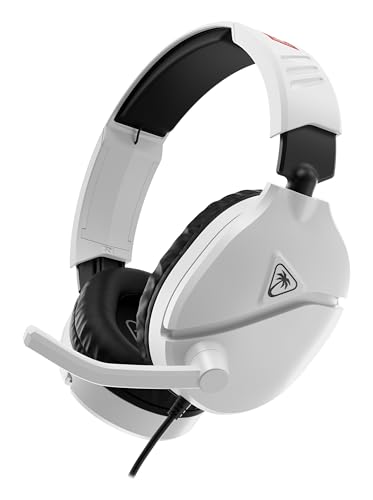
Turtle Beach Recon 70
$38.99
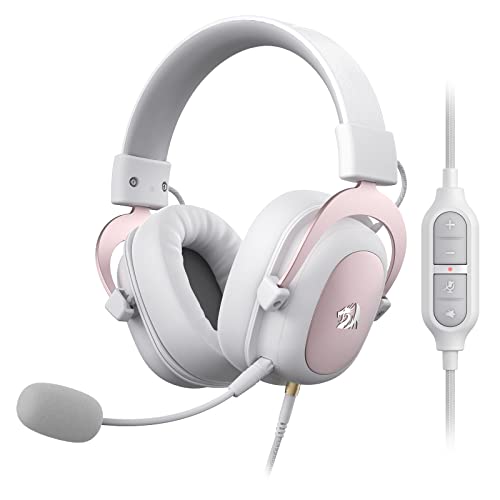
Redragon H510 Zeus White
$61.99

SteelSeries Arctis Nova Pro with ANC
$349.99
Spec Comparison
TL;DR: The HyperX Cloud Jet delivers sub‑300 g comfort, 40 mm drivers, and dual 2.4 GHz/Bluetooth 5.3 wireless for up to 15 m range, making it a solid all‑rounder for budget‑friendly gamers.
The headset’s standout feature is its dual‑wireless system: a low‑latency 2.4 GHz dongle paired with Bluetooth 5.3 lets you switch between PC and mobile devices without re‑pairing. It packs 40 mm dynamic angled drivers and a battery that lasts roughly 20‑25 hours on a single 4.5‑hour charge, all while weighing just 298 g.
At 298 g, the Cloud Jet’s heavier than the Turtle Beach Recon 70 (0.51 lb) but lighter than the Redragon H510 Zeus (1.54 lb). Its 40 mm drivers sit between the 30 mm drivers of the Logitech H390 and the 53 mm drivers of the Redragon, giving it a balanced sound profile without the bulk of larger‑driver models.
Users consistently praise the headset’s breathable mesh ear cushions and the seamless wireless‑switching experience. Professional reviewers note the sub‑300 g weight lets you game for hours without fatigue, while some criticize the all‑plastic frame for feeling less premium than metal‑based rivals.
Additional technical touches include DTS Headphone:X Spatial Audio, a 16‑bit audio bit depth, always‑on sidetone, and a 1.5 m charging cable. The built‑in swivel‑to‑mute boom mic offers clear voice pickup, and the dongle itself weighs only 4 g.
Pros
Cons
Best for: Entry‑level and budget‑conscious gamers who need a lightweight headset with dual wireless flexibility.
Avoid if: You prioritize a metal frame, active noise cancellation, or a detachable microphone.
“feels light enough to wear for hours without fatigue”
“a welcome choice”
TL;DR: The Razer BlackShark V2 X offers 50 mm TriForce drivers, a HyperClear cardioid mic and a feather‑light 240 g build for solid esports performance at a budget price.
At the heart of the headset are 50 mm drivers paired with a nominal 32 Ω impedance, delivering the detailed highs and mids that competitive gamers look for. The closed‑back earcups provide advanced passive noise isolation, while the HyperClear cardioid microphone boasts a sensitivity of –42 dB V/Pa and a signal‑to‑noise ratio of ≥60 dB, ensuring clear voice transmission.
Compared with the other five headsets in this roundup, the BlackShark V2 X’s driver size outmatches the 40 mm units in the Turtle Beach Recon 70, HyperX Cloud Jet and SteelSeries Arctis Nova Pro, and it’s also larger than Logitech’s 30 mm drivers. It sits just shy of Redragon’s 53 mm drivers. In weight, the 0.53 lb (240 g) chassis is lighter than Redragon’s 1.54 lb model, comparable to Turtle Beach’s 0.51 lb design, but a touch heavier than Logitech’s 0.43 lb unit. Its 1300 mm cable is shorter than Logitech’s 1.9 m lead, giving a tidier setup for desk‑bound play.
Professional reviewers praise the headset’s clear audio, mic clarity, and strong sound isolation, noting that the lightweight construction reduces fatigue during marathon sessions. Users also highlight the built‑in Windows Sonic spatial audio support for an immersive 7.1‑like experience on Windows PCs. The main trade‑off is the wired‑only connection, which removes the freedom of wireless play, and the lack of active noise cancellation for those who need it in noisy environments.
Pros
Cons
Best for: Budget-conscious buyers seeking a reliable entry-level option
Avoid if: You want the best value-per-dollar in its price range
TL;DR: The Logitech H390 offers a 30 mm driver, USB‑A plug‑and‑play connection and a noise‑canceling boom mic for just $20.99, making it a lightweight, budget‑friendly headset for everyday use.
The headset’s most eye‑catching spec is its 30 mm drivers paired with a 94 dB headphone sensitivity, which reviewers say delivers clear, balanced stereo sound. It weighs only 0.434 pounds (197 g) and plugs into any PC or Mac via a wired USB‑A cable that measures 1.9 m, so you won’t need batteries or Bluetooth pairing.
Compared with the five other headsets in this roundup, the H390 is the lightest of the group—lighter than the Turtle Beach Recon 70 at 0.51 pounds, the Razer BlackShark V2 X at 0.53 pounds, and the HyperX Cloud Jet at roughly 0.66 pounds. Its driver size of 30 mm is also smaller than the 40 mm to 53 mm drivers used in the rivals, which can translate to a more compact acoustic package. However, its 1.9 m cable is longer than the Razer model’s 1300 mm cable, and the headset’s dimensions (170 mm depth, 150 mm height, 69 mm width) give it a bulkier silhouette than the slimmer profiles of the competition.
Professional reviewers praise the padded headband and swivel ear cushions for comfort during long calls, and the built‑in noise‑canceling boom mic (‑17 dB sensitivity) cuts out background chatter. Everyday users echo these points, calling the sound “crisp” and the mic “effective.” The main drawbacks include the headset’s relatively tight, bulky fit after extended wear and the long cable, which can droop and tangle on a cluttered desk.
Pros
Cons
Best for: Budget‑conscious buyers seeking a reliable entry‑level option
Avoid if: You have limited desk space or need portability
“crisp and well-balanced with clean mids and decent bass”
“you can hear the bass/treble perfectly”
TL;DR: The Turtle Beach Recon 70's a lightweight, 0.51‑lb headset with 40 mm drivers and a flip‑to‑mute mic, offering solid sound for Nintendo Switch gamers at a budget price.
The headset’s most eye‑catching spec is its 40 mm neodymium drivers, paired with a total weight of just 0.51 pounds. At 9.37 inches tall, 8.21 inches long and only 1.0 inch wide, it stays low‑profile on the head, making marathon sessions feel less tiring.
Compared with the other five round‑up entries, the Recon 70 sits on the lighter side of the group—heavier than the Logitech H390 but notably lighter than the Redragon H510 Zeus, which tips the scales at over 1.5 pounds. Its driver size matches the HyperX Cloud Jet and SteelSeries Arctis Nova Pro, yet it’s smaller than the 50 mm drivers in the Razer BlackShark V2 X and the 53 mm units in the Redragon model. Unlike most peers, it explicitly offers a flip‑to‑mute microphone, a convenience not highlighted in the competitor specs. Price‑wise, it lands in the same budget tier as the Razer BlackShark V2 X, keeping it competitive without stepping into premium pricing.
Reviewers consistently praise the headset’s comfort, noting the synthetic‑leather‑wrapped ear cushions and the lightweight build as “superior comfort” for long gaming nights. Professional commentary highlights “crisp highs and thundering lows” from the 40 mm drivers, while users appreciate the quick‑mute mic for in‑game chatter. The main criticisms revolve around its wired connection, which can tangle during on‑the‑go play, and the lack of active noise cancellation, meaning ambient sounds still bleed through.
Additional context includes an official Nintendo Switch 2 license, ensuring it's fully compatible across Switch, Switch Lite, Switch OLED and Switch 2 consoles. The headset’s noise‑isolating cushions help block some external noise, though they don’t replace active cancellation. The Recon 70 delivers a solid audio experience for its price point, especially for players focused on Nintendo titles.
Pros
Cons
Best for: Budget‑conscious buyers seeking a reliable entry‑level option
Avoid if: You want the best value‑per‑dollar in its price range
TL;DR: The Redragon H510 Zeus White delivers 53 mm drivers, 7.1 surround sound and a detachable noise‑cancelling mic at $52.98, but its 1.54 lb weight makes it a bulkier wired choice.
What really sets this headset apart is the 53 mm driver size, the largest among the six models in our roundup. Coupled with virtual 7.1 surround sound and a detachable noise‑cancelling microphone, it aims to provide immersive audio for gaming sessions. The free‑adjustable steel headband and leatherette ear pads filled with memory foam add a premium feel.
Compared with the other five headsets, the H510 Zeus weighs noticeably more. At 1.54 lb it outweighs the HyperX Cloud Jet (≈0.66 lb), Turtle Beach Recon 70 (≈0.51 lb), Razer BlackShark V2 X (≈0.53 lb), and Logitech H390 (≈0.43 lb). Its driver size also exceeds the HyperX and Turtle Beach 40 mm units, the Razer’s 50 mm drivers, and Logitech’s 30 mm drivers, giving it the most substantial diaphragm in the group. The SteelSeries Arctis Nova Pro lists a weight of 339 g, which is still lighter than the Redragon’s 700 g.
User feedback highlights the comfort of the memory‑foam ear pads and the clarity of the 7.1 surround effect. However, several reviewers note that the headset’s heft can lead to neck fatigue during marathon gaming, and the lack of a wireless option limits freedom of movement for those who prefer cordless setups.
Pros
Cons
Best for: Most users looking for a well‑reviewed, reliable mainstream option
Avoid if: You have limited desk space or need portability
“right for the price”
“precisely clear audio”
TL;DR: The SteelSeries Arctis Nova Pro with ANC offers 40 mm Hi‑Res drivers, up to 22 hours of battery, and active noise cancellation, but its premium $379.99 price makes it a high‑end choice.
This headset’s standout spec is the 40 mm custom neodymium magnetic drivers paired with an integrated amplifier, delivering clear highs and mids plus a 93 dB sensitivity. Active Noise Cancellation works alongside Transparency Mode, letting you mute the world without losing awareness.
Compared with the five other round‑up models, the Nova Pro is noticeably heavier at 339 g, while the HyperX Cloud Jet, Turtle Beach Recon 70, Razer BlackShark V2 X and Logitech H390 all sit under 300 g. Its driver size matches the HyperX and Turtle Beach units but is smaller than the Redragon’s 53 mm and Razer’s 50 mm drivers. Wireless range tops out at 12 m, which is shorter than the HyperX’s 15 m range, and the price tag sits well above the $60‑$30 range of the other headsets.
Reviewers consistently praise the comfort of the suspended steel‑reinforced headband for marathon sessions and love the 360° spatial audio with 7.1 surround for precise in‑game cues. However, users note that bass can feel inconsistent depending on head shape, and a few have reported occasional drop‑outs near the edge of the 12 m range. The bulkier build also makes it less suitable for travel.
Beyond the drivers, the headset offers a nominal 38 Ω impedance and a fast‑charge feature that delivers three hours of playback after just 15 minutes on the charger. The included Sonar GG software adds a parametric EQ, ChatMix and AI‑enhanced mic controls, while volume limiting helps protect hearing during long play.
Pros
Cons
Best for: Those prioritizing quality and willing to pay for premium performance
Avoid if: You need a lightweight travel headset, water resistance, or audiophile‑grade wired sound
“spectacular gaming audio”
“clear mic for team chat”
Breakdown
HyperX Cloud Jet
Pros
Razer BlackShark V2 X
Pros
Cons
Logitech H390
Pros
Turtle Beach Recon 70
Pros
Cons
Based on scoring data and product specs
Personalized picks
Best Overall Pick
HyperX Cloud Jet
Best OverallBest for: Audiophiles and enthusiasts seeking premium sound quality and advanced features
Razer BlackShark V2 X
Best for: Budget-conscious buyers seeking a reliable entry-level option
$34.99-$15.00 vs winner
Skip SteelSeries Arctis Nova Pro with ANC if…
You need advanced features or professional-grade performance
HyperX Cloud Jet takes the top spot as the best overall gaming headset, thanks to its long‑lasting 20‑25 hour battery life, a solid 4.3‑star rating from 6,368 reviewers, and a lightweight 0.66 lb design that stays comfortable for marathon sessions.
The runner‑up is the Razer BlackShark V2 X 50mm 3.5mm Black, which shines when you need a wired, high‑resolution headset for competitive PC gaming; its 50 mm drivers cover 12 Hz – 28 kHz, it weighs just 0.53 lb, and it carries a 4.4‑star rating from 26,887 users.
Pick the HyperX Cloud Jet today and enjoy a balanced, wireless gaming experience without compromise.
The HyperX Cloud Jet lists a battery life of 20‑25 hours, edging out the SteelSeries Arctis Nova Pro’s 18‑22 hours; all other models are wired and have no battery spec. This makes the Cloud Jet the clear choice for extended wireless play.
No reviews yet — be the first to share your experience.
Please sign in to leave a review