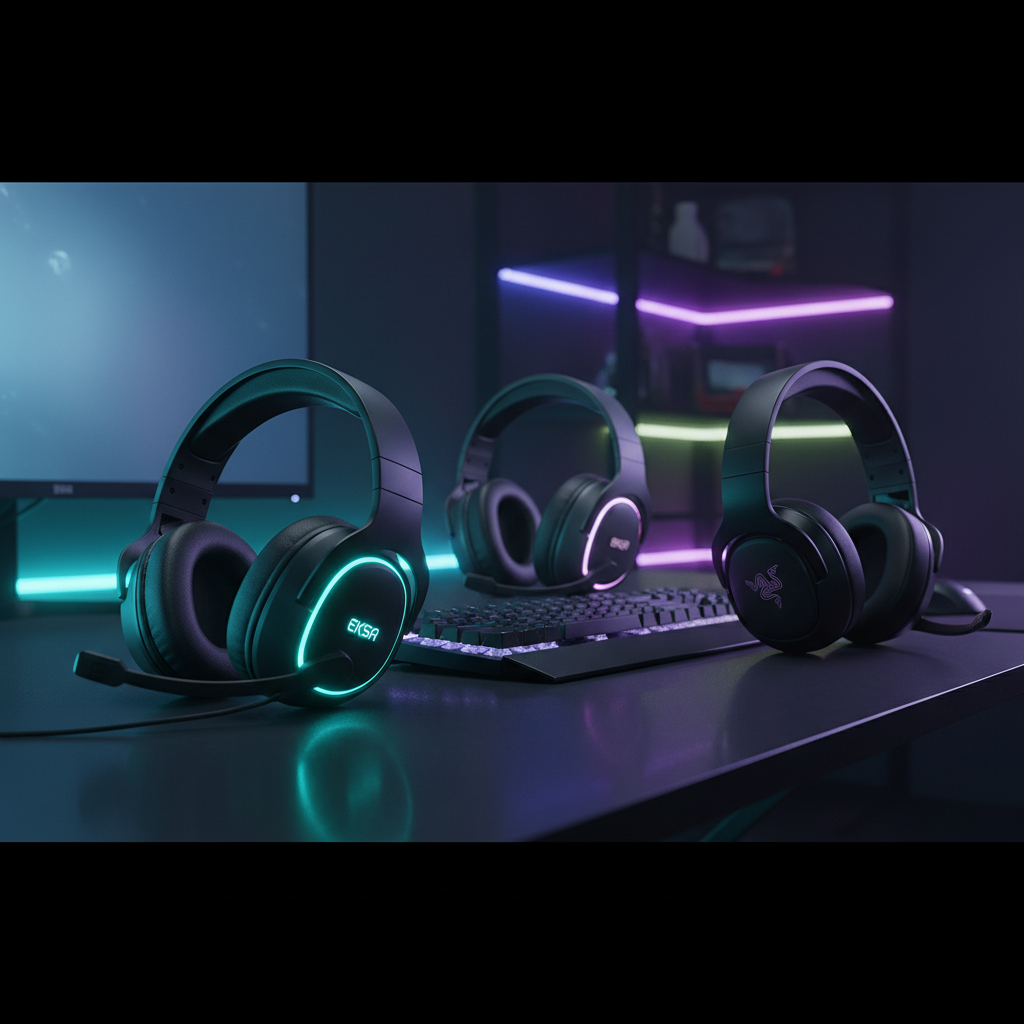
Finding a headset that delivers true 7.1 virtual surround without draining your wallet can feel like hunting for a unicorn. Among 8 gaming headsets, the EKSA E1000 ranks at the top spot. At $27.18 it beats the list price of $39.99, carries a 4.3‑star rating from over 16,000 reviewers, and packs 50 mm drivers plus 36 hours of battery life on the wireless model. It delivers immersive audio, an omnidirectional noise‑canceling mic, and RGB flair, all in a wired‑USB package that plugs straight into PS4, PS5 or PC.
The lineup splits cleanly into three price tiers. On the budget side, the Razer BlackShark V2 X at $32.99 features a feather‑light 262 g frame and holds a 4.4‑star rating, while the HyperX Cloud Stinger 2 at $29.99 holds a 4.3‑star rating. Mid‑range contenders EKSA E900 Pro ($49.99) and EKSA E900 ($34.99) bring metal frames and detachable mics. Premium picks – Corsair HS35 Surround v2 ($59.99), HyperX Cloud III ($61.99) and Redragon H510 ($52.99) – add higher‑impedance drivers and extra comfort features.
Below is a breakdown of each model’s sound, comfort and connectivity to help match the perfect 7.1 headset to your gaming setup.

EKSA E1000
Its 50 mm drivers deliver solid sound at a low $27.18 price, giving strong value for entry‑level gamers.

EKSA E900 Pro
Ideal for gamers who want a step up in features, the EKSA E900 Pro serves mid‑range users and costs about $22.80 more than the $27.18 EKSA E1000.

Razer BlackShark V2 X
A fabric‑wrapped 1.8 m cable sets it apart, offering durability and freedom of movement that the EKSA models lack, while keeping the same 50 mm drivers.
Also considered
Score Analysis
Key score advantages vs. runner-up (EKSA E900 Pro)
Price Range
EKSA E1000
$33.99
EKSA E900 Pro
$49.95
Razer BlackShark V2 X
$39.98

HyperX Cloud Stinger 2 – Gaming Headset, DTS Headphone:X
$19.99

Corsair HS35 Surround v2
$49.99

EKSA E900
$34.99
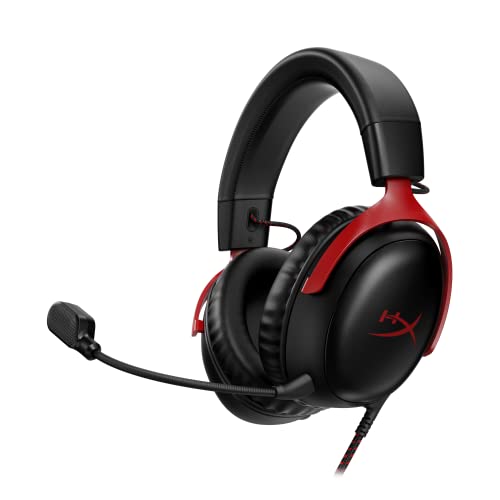
HyperX Cloud III
$61.99
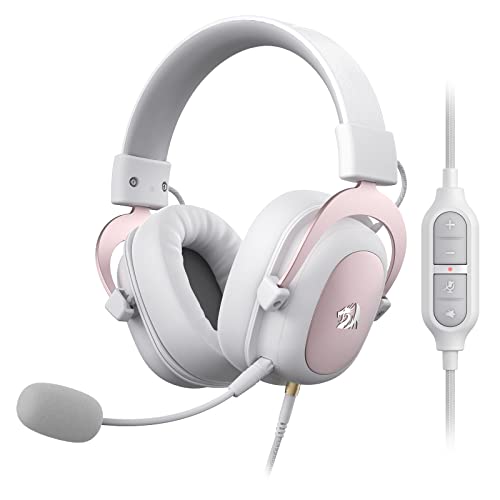
Redragon H510
$52.98
Spec Comparison
TL;DR: At $27.18, the EKSA E1000 delivers 7.1 virtual surround, 50 mm drivers, a noise‑canceling mic, and RGB lighting, making it a solid entry‑level gaming headset for budget gamers.
The headline feature is its built‑in USB sound chip that creates 7.1 virtual surround sound, a rarity at this price point. Coupled with 50 mm drivers and a sensitivity of up to 118 dB, the headset promises deep bass and clear mids. Its 4.3‑star rating from 16,507 reviewers suggests most owners are satisfied, and the 2‑year warranty adds confidence.
Compared with the other seven headsets, the E1000’s driver size outmatches the HyperX Cloud Stinger 2’s 40 mm unit and matches the Razer BlackShark V2’s 50 mm drivers. At 400 g, it's heavier than the HyperX Cloud Stinger 2 (275 g) and the Corsair HS35 (around 0.56 lb), but it's lighter than the Redragon H510 (over 1.5 lb). Its 32 Ω impedance aligns with both the Razer BlackShark V2 and the HyperX Cloud Stinger 2, ensuring easy pairing with most consoles and PCs.
Professional reviewers praise the headset’s clear sound and comfortable memory‑foam earpads, while everyday users love the strong noise‑canceling omnidirectional mic that cuts up to 96 % of background noise. A recurring complaint is that the mic may stick in the carrying case, and some gamers note that directional audio isn’t as pinpoint as higher‑priced models. The fixed RGB lighting adds visual flair but isn’t fully customizable on the base version.
Beyond audio, the E1000 offers a 1500 mAh battery that lasts up to 36 hours when RGB is off, and a rapid 10‑minute fast‑charge gets you back in action quickly. Wireless latency stays under <30 ms on the 2.4 GHz band, and the braided 2.2 m cable provides a sturdy connection. The microphone’s sensitivity sits at -42 dB (common) and -36 dB (variant), reinforcing its ability to pick up voice clearly even in noisy rooms.
Pros
Cons
Best for: Budget-conscious buyers seeking a reliable entry-level option
“Good sound quality”
“Best headphones I ever had”
TL;DR: The EKSA E900 Pro offers a 50 mm driver with 118 dB sensitivity, 7.1 virtual surround on PC, and a durable aluminum frame for $49.99.
The headset’s standout spec is its 50 mm dynamic driver paired with 118 dB sensitivity, which many users say gives clear, punchy sound for FPS titles. It also supports 7.1 virtual surround through a USB 2.0 connection, but only on Windows PCs.
At 1.05 pounds, the E900 Pro sits between the lighter Corsair HS35 Surround v2 (0.56 pounds) and the heavier Redragon H510 (1.54 pounds). Its 50 mm drivers match the HS35’s size and outsize HyperX Cloud Stinger 2’s 40 mm units. The 1520 mm coiled cable is shorter than the 1.8 m cable on the HS35, while the 32 Ω impedance mirrors the HS35 and is close to the 32.5 Ω of the Stinger 2.
Reviewers consistently praise the headset’s all‑metal construction and memory‑foam ear cushions, noting long‑session comfort. Reviewers describe the detachable, unidirectional mic with –42 dB sensitivity as clear and effective for team chat. However, users also point out that the red coiled cable can snag easily and the boom mic feels stiff, limiting optimal placement. Windows limits the 7.1 surround, so console gamers miss out on that feature.
Technically, the E900 Pro uses a dynamic controller driver, 32 Ω speaker impedance, and a detachable microphone with 2.2 kΩ impedance. The headset draws only 0.5 mA at 3 V, and the 180° ear‑cup swivel adds flexibility for different head shapes.
Pros
Cons
Best for: Budget‑conscious PC gamers who want 7.1 virtual surround without paying premium prices.
Avoid if: You need active noise cancellation, console 7.1 surround, or prioritize cable durability above all else.
“Extremely comfortable for long gaming sessions.”
“Bass is punchy and clear, great for music and games.”
TL;DR: The Razer BlackShark V2 X delivers 50 mm TriForce drivers, THX Spatial Audio via a compact USB card, and a detachable HyperClear mic for $32.99, making it a lightweight, comfort‑focused headset for competitive play.
The headset’s standout hardware is its customized 50 mm dynamic driver with a titanium‑coated diaphragm, paired with a sensitivity of 100 dB SPL/mW and an impedance of 32 Ω. Those specs, combined with a 1.8 m fabric‑wrapped cable, give clear highs and punchy lows while keeping it at a featherlight 262 g. The included USB sound card unlocks 7.1‑channel THX Spatial Audio on Windows, turning ordinary stereo into precise positional sound.
Compared with the other seven entries, the BlackShark V2 X sits in the middle of the pack on driver size—EKSA E900 and Corsair HS35 both list 50 mm drivers as well, but the EKSA model feels heavier at roughly 388‑450 g, and the Corsair unit is similarly light at 252 g. The HyperX Cloud Stinger 2 uses a smaller 40 mm driver, while the Redragon H510 sports a larger 53 mm driver but adds significant bulk at over 1.5 lb. What sets the BlackShark apart is the THX Spatial Audio capability, a feature none of the peers mention, giving it a clear advantage for gamers who crave immersive 7.1‑virtual surround without paying premium prices.
Users repeatedly praise the headset’s comfort during marathon sessions, noting the closed‑back oval earcups provide solid passive noise isolation. Reviewers highlight the removable Razer HyperClear cardioid microphone, which delivers clear voice transmission with a 60 dB signal‑to‑noise ratio. However, critics note the hard‑wired, non‑detachable cable and the separate USB sound card are easy to lose, limiting portability. Professional reviewers also point out that THX Spatial Audio runs only on Windows, so console players won’t experience the full surround effect.
Pros
Cons
Best for: Budget-conscious buyers seeking a reliable entry-level option
Avoid if: You want the best value‑per‑dollar in its price range
“Best wired gaming headset I’ve ever used—comfortable for 8+ hour sessions.”
“Mic quality is studio-level; teammates always comment on how clear I sound.”
TL;DR: The HyperX Cloud Stinger 2 delivers lightweight comfort, a swivel‑mute mic and DTS Headphone:X spatial audio for $29.99, making it a solid entry‑level headset for gamers on a budget.
The headset’s standout feature is its built‑in DTS Headphone:X support, which includes a two‑year activation code for virtual 7.1 surround sound. At 0.63 pounds (275 g), it feels light on the head, and the 40 mm drivers pair with a 32.5 Ω impedance and 103 dB SPL/mW sensitivity, offering clear audio without demanding a powerful source.
Compared with the seven other contenders, the Cloud Stinger 2 is priced lower than most and lighter than the Redragon H510 (which weighs about 1.54 lb). Its driver size is smaller than the 50 mm units found in the EKSA E1000, EKSA E900 and the Corsair HS35 Surround v2, and it matches the 32 Ω impedance of the EKSA E1000 and Razer BlackShark V2 X. However, its 103 dB sensitivity sits below the 110 dB of the Redragon H510 and the 114 dB of the Corsair HS35, meaning it isn’t the loudest option in the set.
User feedback consistently praises the headset’s comfort – professional reviewers highlight the soft‑foam, fabric ear cushions and adjustable steel headband sliders as “console‑quality comfort”. Reviewers repeatedly call the swivel‑to‑mute microphone clear and handy. On the downside, several owners note that the fabric ear pads can become sweaty after a couple of hours, and some mention that the DTS activation app feels clunky. The build consists largely of plastic, which some reviewers describe as less premium than higher‑priced models.
Pros
Cons
Best for: Budget-conscious buyers seeking a reliable entry-level option
Avoid if: You have limited desk space or need portability
“So comfortable I forget I’m wearing it”
“Mic is clear and the swivel mute is genius”
TL;DR: The Corsair HS35 Surround v2 delivers virtual Dolby 7.1 sound with 50 mm drivers, a lightweight 0.56 lb design and cross‑platform plug‑and‑play, all for $59.99.
What really stands out is the built‑in virtual 7.1 surround sound powered by a USB Dolby adapter, paired with 50 mm neodymium drivers that output 114 dB sensitivity at an impedance of 32 Ω. Those numbers give you a clear, bass‑rich audio profile without needing a separate sound card.
At 0.56 pounds, the HS35's lighter than the HyperX Cloud III, Redragon H510, EKSA E900 Pro and the HyperX Cloud Stinger 2, though the Razer BlackShark V2 X is considerably lighter. Its driver size matches the EKSA E900 and Razer BlackShark V2 X, but it’s smaller than the 53 mm drivers found in the HyperX Cloud III and Redragon H510. With a 1.8 m fixed cable, it’s longer than the HyperX Cloud III’s 1.2 m cable but shorter than the EKSA E900’s 2.2 m lead.
Users consistently praise the headset’s plug‑and‑play ease across PC, Mac, PlayStation, Xbox and mobile devices, and they love the comfort of its floating headband and soft fabric memory‑foam ear pads. Professional reviewers call the sound “rich, balanced audio with good bass” and note that the virtual Dolby 7.1 delivers precise positioning for competitive play. The fixed, non‑detachable cable and omnidirectional mic, however, draw criticism for durability and lack of noise‑rejection, and there’s no active noise cancellation to speak of.
Technical details include a 2.2 kΩ microphone impedance, –42 dB ± 3 dB microphone sensitivity, and an on‑ear volume wheel with mute button. Corsair wires the headset, uses a 3.5 mm analog jack for universal compatibility, and includes a USB audio adapter for the surround mode.
Pros
Cons
Best for: Casual and competitive gamers who play across PC, consoles and mobile and want an affordable headset with virtual surround sound.
Avoid if: You’re an audiophile seeking high‑fidelity sound, a streamer needing a broadcast‑grade microphone, or you prefer wireless freedom.
TL;DR: The EKSA E900 delivers 50 mm driver sound, a detachable noise‑canceling mic, and memory‑foam comfort at $34.99, though it lacks RGB and a foldable design.
The headset’s standout spec is its 50 mm dynamic drivers paired with a 32 Ω impedance and 118 dB sensitivity, which the manufacturer says provides rich, directional audio for gaming. Its detachable omnidirectional microphone carries a –42 dB sensitivity and 2.2 kΩ impedance, drawing just 0.5 mA at a 3 V supply, so you've got clear voice pickup without a bulky boom.
At roughly 388‑450 g, the EKSA E900 is noticeably heavier than the 262 g Razer BlackShark V2 X, and its 2200 mm cable outstretches the 1.8 m cable used by that Razer model. Compared with the HyperX Cloud Stinger 2’s 275 g weight and shorter 1.3 m headset cable, the E900 feels more solid but also a bit bulkier on the desk.
Everyday users praise the memory‑foam protein‑leather ear cushions and the adjustable metal headband for long‑session comfort, while professional reviewers highlight the affordable price point and solid build quality. Common complaints focus on the lack of RGB lighting, the non‑foldable frame that hinders portability, and occasional cable stiffness that can lead to tangling. Some gamers also note the need for an Xbox One adapter for older consoles.
Pros
Cons
Best for: Value-conscious buyers seeking quality at $34.99
Avoid if: You need wireless freedom, RGB lighting, foldable portability, or software‑driven surround sound.
“Extremely comfortable for long gaming sessions.”
“Bass is punchy and clear, great for music and games.”
TL;DR: The HyperX Cloud III packs 53 mm drivers, DTS Headphone:X spatial sound and a full‑metal frame into a 0.67902376696‑pound headset that feels premium but costs more than many rivals.
The standout spec is the angled 53 mm driver paired with 64 Ω impedance and 100 dB SPL/mW sensitivity, delivering a balanced soundstage that professional reviewers describe as strong in mids and highs. Total harmonic distortion stays under 2 %, and the headset supports DTS Headphone:X virtual surround for precise positional cues. It weighs 0.67902376696 pounds and includes a detachable, noise‑cancelling mic with –42 dBV sensitivity and an LED mute indicator.
Compared with the other seven headsets, the Cloud III is a bit heavier than the Corsair HS35 Surround v2’s 0.56 pounds but noticeably lighter than the Redragon H510’s 1.543235834 pounds and the EKSA E900 Pro’s 1.05 pounds. Its price sits above most budget options in the roundup, making it a premium‑tier choice. Unlike the largely plastic‑based frames of many competitors, the Cloud III uses a steel‑and‑aluminum full‑metal chassis, which adds durability and a solid feel.
User sentiment repeatedly praises the memory‑foam ear cushions wrapped in premium leatherette for long‑session comfort, while a few reviewers note that the headset can get warm and the clamp feels tight on larger heads. The detachable mic and its clear, noise‑cancelling performance earn frequent compliments, and reviewers highlight the LED mute indicator as a handy visual cue. The headset also offers versatile connectivity: a 1200 mm wired 3.5 mm cable, a USB‑C to USB‑A adapter, and USB 2.0 stereo audio, covering PC, consoles and mobile devices. HyperX backs the product with a 2 year manufacturer warranty.
Pros
Cons
Best for: Buyers willing to invest in a proven, high‑quality option
Avoid if: You need advanced features or professional‑grade performance
“So comfortable I forget I’m wearing it”
“Mic is clear and the swivel mute is genius”
TL;DR: The Redragon H510 offers 53 mm dynamic drivers, virtual 7.1 USB surround and a detachable noise‑cancelling mic at a solid $52.99 price, though console volume can be low without USB power.
The headset’s standout feature is its virtual 7.1 surround sound, which the included USB control box enables. It pairs a 53 mm dynamic driver with a sensitivity of 110 dB ±3 dB and an impedance of 64 Ω ±15 % at 1 kHz, giving a noticeable bass presence and clear mids for immersive gaming.
Compared with the other seven contenders, the H510 is heavier than the EKSA E900 Pro (1.05 lb) and the Corsair HS35 Surround v2 (0.56 lb), but its driver size matches the HyperX Cloud III’s 53 mm unit, out‑sizing most rivals that sit at 50 mm. Its 110 dB sensitivity is lower than the EKSA E900 Pro’s 118 dB and the HS35’s 114 dB, which explains why users notice reduced loudness on consoles when the analog 3.5 mm jack is used.
Reviewers consistently praise the headset’s rich bass and clear mids, calling the sound “uncompromising” for the price. The detachable omnidirectional microphone—rated at –42 dB sensitivity with a 60 dB signal‑to‑noise ratio—receives high marks for voice clarity. However, many note that the analog connection lacks an inline volume control, so console audio can feel muted, and the memory‑foam ear cushions may warm up during marathon sessions. Users with larger heads also report a tight fit.
The technical specs round out the package: a frequency response of 20 Hz – 20 kHz, rated power of 20 mW – 30 mW, and a steel‑frame headband that stays adjustable. The microphone includes noise cancellation, and the headset supports PC, Mac, PlayStation 4/3, Xbox One/Series X, Switch and mobile devices via the 3.5 mm jack.
Pros
Cons
Best for: Budget‑conscious gamers who need multi‑platform support and want virtual 7.1 surround sound.
Avoid if: You need wireless freedom, professional‑grade audio fidelity, or a looser fit for a very large head.
“Best budget headset I’ve used”
“Too quiet on Xbox”
Breakdown
EKSA E1000
Pros
EKSA E900 Pro
Cons
Razer BlackShark V2 X
Pros
Cons
HyperX Cloud Stinger 2 – Gaming Headset, DTS Headphone:X
Pros
Cons
Based on scoring data and product specs
Personalized picks
Best Overall Pick
EKSA E1000
Best OverallBest for: Budget-conscious buyers seeking a reliable entry-level option
EKSA E900 Pro
Best for: Most users seeking a balanced, mainstream option
$49.95+$15.96 vs winner
Skip Redragon H510 if…
You need advanced features or professional-grade performance
The EKSA E1000 takes the top spot thanks to its 7.1 virtual surround built into a USB sound chip, a 50 mm driver that covers the full 20 Hz‑20 kHz range, and a 36‑hour battery life with a 10‑minute fast charge. At $27.18 it also carries a 4.3‑star rating from 16,507 reviewers, making it the most affordable high‑performer in the set.
The EKSA E900 Pro lands as runner‑up, ideal if you need flexible wiring options. It offers both USB and detachable 3.5 mm coiled cables, a detachable unidirectional microphone with pop filter, and the same 7.1 virtual surround on PC. At $49.99 it’s a solid choice for gamers who switch between console and PC setups and want a sturdier aluminum frame.
For tighter budgets, the HyperX Cloud Stinger 2 delivers solid sound and comfort at $29.99. If you sit in the middle, the EKSA E900 provides a step up in build quality for $34.99. At the premium end, the Corsair HS35 Surround v2 brings refined audio and a more sturdy design for $59.99.
Grab the EKSA E1000 now and enjoy immersive 7.1 gaming without breaking the bank.
The EKSA E1000 stands out with a price of $27.18, built‑in 7.1 virtual surround via its USB sound chip, a 36‑hour battery life, and a 400 g weight, making it the most affordable option with solid features. Its long battery and RGB lighting add extra appeal without raising the cost.
Please sign in to leave a review
No reviews yet. Be the first to review!
