⚡ Quick Answer
It might catch you off guard that the headset with the highest user rating – 4.5 out of 5 from 68,489 reviews – is the HyperX Cloud II, priced at $49.99 and weighing just 0.61 lb. Despite sitting in the mid‑range price tier, its 53 mm drivers and detachable noise‑cancelling mic have earned it the top score among the 12 models we examined.
Our roundup spans the full spectrum: four budget‑friendly options (PHOINIKAS at $17.49, JBL Quantum 100M2, Gtheos Wireless, and Redragon H350) that still pack features like detachable mics and 50 mm drivers; two mid‑range contenders (HyperX Cloud II and Acer Wireless, the latter boasting 100 hours of battery life); and four premium picks (Skullcandy SLYR, HyperX Cloud Alpha Wireless with a 300‑hour battery, EPOS H6Pro, and Logitech PRO X, which offers 50 mm hybrid mesh drivers and a Blue VO!CE‑enabled mic). Each model delivers a detachable microphone, but they differ in driver size, wireless range, and battery endurance.
Below we’ll break down how these specs translate into real‑world comfort, sound quality, and value, so you can find the perfect detachable‑mic headset for your gaming setup.

HyperX Cloud II
Its 53 mm drivers deliver spacious sound, backing the strong rating and popularity that earned it the top choice.

HyperX Cloud Alpha Wireless
Ideal for audiophiles craving wireless freedom, the Cloud Alpha Wireless costs $70 more than the Cloud II, offering premium sound and advanced features.
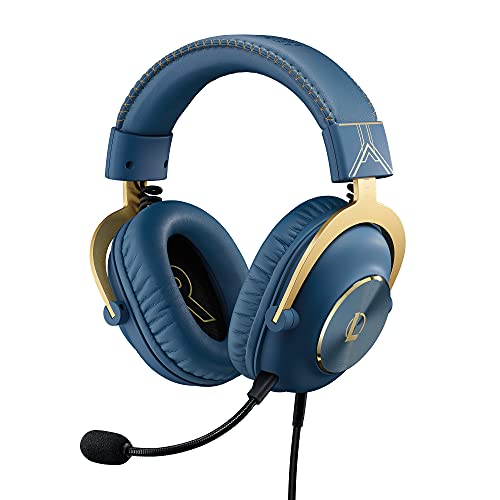
Logitech PRO X 50 mm, blue
With a low 35 ohm impedance, the Logitech PRO X pairs easily with any device, delivering premium audio without the higher power demand of the HyperX models.
Also considered
Score Analysis
Key score advantages vs. runner-up (HyperX Cloud Alpha)
Price Range
HyperX Cloud II
$59.99
HyperX Cloud Alpha Wireless
$119.99
Logitech PRO X 50 mm, blue
$93.99

PHOINIKAS Gaming Headset
$17.49
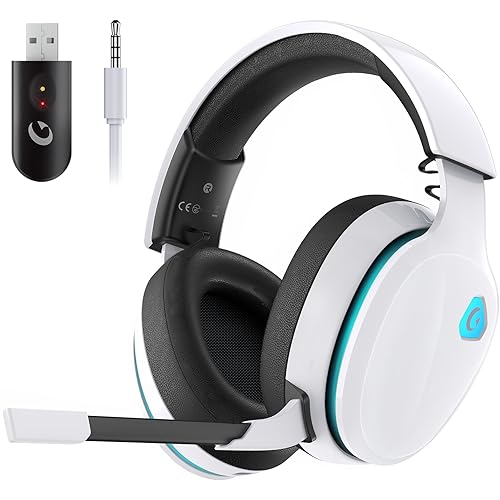
Gtheos Wireless Gaming Headset
$25.49

JBL Quantum 100M2
$29.95

Acer Wireless Gaming Headset
$49.99
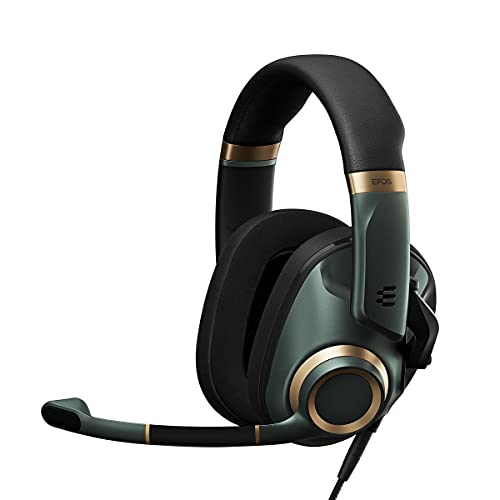
EPOS H6Pro
$149.00

Skullcandy SLYR Green
$54.89

Redragon H350 White
Out of Stock

WolfLawS Wireless Gaming Headset
$26.99
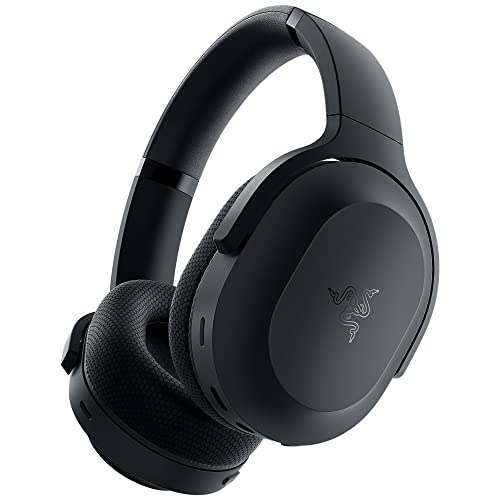
Razer Barracuda
$125.33
Spec Comparison
TL;DR: The HyperX Cloud II delivers 53 mm drivers, a detachable noise‑cancelling mic and a lightweight 0.61‑lb aluminum frame for comfortable, low‑latency gaming at $49.99.
What really sets the Cloud II apart is its 53 mm dynamic drivers paired with a 60 Ω impedance and a sensitivity of 98 dB SPL/mW at 1 kHz, giving clear, neutral sound across the 10 Hz–23 kHz range.
In this twelve‑product roundup the Cloud II is lighter than the Acer Wireless Gaming Headset (0.77 lb) but a touch heavier than the Skullcandy SLYR (0.58 lb). Its 3.28 ft cable shortens the reach compared with Acer’s 2100 mm lead and the 1.5 m cable on the Skullcandy model, making it a tidy fit for most desks. Unlike the wireless peers, the Cloud II has no battery life to manage, which some users appreciate for uninterrupted play.
Reviewers consistently praise the memory‑foam ear cushions, which wrap premium leatherette, and the 0.606 lb aluminum frame for feeling almost weightless during marathon sessions. Negligible latency and a neutral EQ work well for games, music and video chat. On the flip side, users report that the closed‑back design offers only passive noise isolation, so loud rooms can bleed in, and the bulkier shape makes the headset less portable for travel. A few also mention that the sound can feel a bit sharp on certain tracks and that glasses may press against the ear pads.
Pros
Cons
Best for: Most users looking for a well‑reviewed, reliable mainstream option
Avoid if: You have limited desk space or need portability
“negligible latency”
“good audio reproduction”
TL;DR: The HyperX Cloud Alpha Wireless offers a staggering 300‑hour (18,000‑minute) battery life, 50 mm dual‑chamber drivers, and comfortable aluminum construction, but it’s PC‑only and its mic is only average.
The headline feature is the 300‑hour battery life—equating to about 18,000 minutes of play at 50 % volume—and a 4.5‑hour USB‑C recharge. Coupled with a 20‑meter wireless range, the headset lets you game for weeks without hunting for an outlet. Sound comes from 50 mm dual‑chamber drivers with a 62 Ω impedance and a sensitivity of 103 dB SPL/mW, while total harmonic distortion stays at ≤2%.
Compared with the other eleven contenders, the Cloud Alpha Wireless is a bit heavier than the Razer Barracuda’s 0.65 lb frame, but it outlasts Razer’s 40‑hour battery by a wide margin and also exceeds the Acer Wireless Gaming Headset’s 100‑hour claim. Its driver size matches Razer’s 50 mm units, and its weight (0.71 lb or 322 g) aligns with the EPOS H6Pro’s 322 g build, making it competitive on comfort while delivering far more endurance.
Reviewers consistently praise the ultra‑long battery and the plush memory‑foam cushions that keep ears comfortable during marathon sessions. HotHardware highlighted the battery stamina as a standout, noting the headset feels as light as its wired Alpha sibling. However, RTINGS.com and many users point out that the bi‑directional noise‑cancelling microphone captures background chatter, and the 2.4 GHz dongle limits the headset to PC, PS4 and PS5—no Bluetooth for mobile or other consoles. In practice, the 62 Ω impedance pairs well with most gaming rigs, but users report occasional drop‑outs beyond the 20‑meter range.
Pros
Cons
Best for: PC gamers who need ultra‑long battery endurance for multi‑week marathon sessions.
Avoid if: you require Bluetooth or native console wireless support, or you prioritize a high‑fidelity boom microphone.
“negligible latency”
“good audio reproduction”
TL;DR: The Logitech G PRO X pairs 50 mm drivers, 35 Ω impedance and Blue VO!CE mic processing with a comfortable 0.705 lb frame, but its $184.99 price and wired‑only design keep it in the premium niche.
What really sets this headset apart is the 50 mm hybrid mesh PRO‑G drivers combined with 35 Ω impedance and a sensitivity of 91.7 dB SPL at 1 mW, delivering clear imaging and deep bass for competitive gaming. The detachable Blue VO!CE microphone adds real‑time noise reduction, compression, limiter and de‑essing filters, so your voice stays crisp even in chaotic matches.
Compared with the other eleven models, the PRO X sits in the middle of the weight range: at 0.705 lb it’s lighter than the EPOS H6Pro (≈0.71 lb) and HyperX Cloud Alpha Wireless (≈0.71 lb), but a touch heavier than the Razer Barracuda (0.65 lb) and Skullcandy SLYR Green (≈0.58 lb). Its 50 mm drivers match the Razer Barracuda, HyperX Cloud Alpha Wireless and Acer Wireless Gaming Headset, while the HyperX Cloud II uses a slightly larger 53 mm driver. The 35 Ω impedance is lower than the 60–62 Ω that most competitors use, meaning it’s easier to drive from a standard PC sound card. The PRO X offers longer cables—a 2 m PC cable and 1.5 m mobile cable—outstretching the Razer’s 1.3 m 3.5 mm lead and the Skullcandy’s 1.5 m cable.
User feedback consistently praises the memory‑foam leatherette ear pads (with a breathable cloth overlay) for staying comfortable during marathon sessions, and reviewers note the mic’s clear transmission thanks to the Blue VO!CE processing. Experts and consumers note that the headset requires an external USB sound card for full DTS Headphone:X 2.0 7.1 surround and mic filters, tying it to a PC and ruling out console or wireless use.
Pros
Cons
Best for: Audiophiles and enthusiasts seeking premium sound quality and advanced features
Avoid if: You're shopping on a tight budget — it's priced at $184.99
“External USB sound card and G HUB fine‑tune EQ and mic, delivering good Blue VO!CE audio quality and firm ear coverage without uneven pressure.”
TL;DR: The PHOINIKAS Gaming Headset offers 40 mm drivers, a detachable noise‑canceling mic, and comfortable over‑ear design at just $17.49, making it a solid budget pick for console and PC gamers.
The headset’s 40 mm drivers cover a frequency range of 100 Hz – 8 kHz, and the detachable omnidirectional noise‑canceling microphone lets you mute or reposition the mic as needed. Weighing 259 g (about 0.57 lb), it stays light on the head while the over‑ear memory‑foam ear cups and breathable material keep sessions comfortable. A braided USB cable and optional Bluetooth 5.0 give you wired reliability or wireless flexibility, and the 3.5 mm jack works with PS5, PS4, Xbox One, Switch, PC, Mac, iOS and Android.
Compared with the other eleven models, this headset is heavier than the ultra‑light WolfLawS and JBL options, but lighter than the bulkier Redragon, Gtheos, and Acer headsets. Its 40 mm drivers are smaller than the 50 mm‑plus drivers found in most competitors, which can mean a slightly tighter bass response but still delivers clear sound for the price. Weight‑wise it sits close to the HyperX Cloud II, offering a balanced feel without the heft of larger units.
Reviewers praise the strong bass and clear treble that punch above the headset’s price point, and they like the durable PC+ABS headband that holds up to daily use. However, users frequently note that the ear cups can get warm after extended play, and the spring‑type head strap may loosen after several hours. Professionals also point out that the microphone is adequate for Discord chats but lacks the refined noise reduction of higher‑end models, and the Bluetooth mode isn’t ideal for low‑latency console gaming. The manufacturer doesn’t list a battery‑life figure for the Bluetooth mode.
Pros
Cons
Best for: Budget-conscious buyers seeking a reliable entry-level option
Avoid if: You have limited desk space or need portability
TL;DR: The Gtheos Captain 300 offers 50 mm drivers, ultra‑low ≤20 ms latency and a 49‑ft wireless range at $36.99, but its mic won’t work on Switch and it’s wired‑only on Xbox.
The headset’s standout spec is its 50 mm drivers paired with a claimed 30 % extra sound effect boost, while the 2.4 GHz dongle delivers latency of ≤20 ms. You also get Bluetooth 5.2, a 3.5 mm wired option and a 49‑ft wireless range, making it flexible for PS5, PC, Mac and mobile play.
At 0.8 Pounds, the Gtheos is heavier than the ultra‑light WolfLawS (≈0.05 lb) and the JBL Quantum 100M2 (≈0.49 lb), but it’s still under a pound, unlike the Redragon H350 which tips the scales at over 2 lb. Its driver size matches Redragon, WolfLawS and Acer, so you’re not losing any diaphragm area compared with those rivals.
Reviewers praise the ultra‑low latency and the three connectivity modes, but they repeatedly note that the detachable omni‑directional mic is silent on Nintendo Switch and that Xbox Series users must rely on the 3.5 mm cable. The headset also offers up to 40 hours of play with RGB off (15‑20 hours with RGB on) and a 3‑hour charge, though the lighting feature does cut battery life.
Pros
Cons
Best for: Value‑conscious buyers seeking quality at $36.99
Avoid if: You have limited desk space or need portability
TL;DR: The JBL Quantum 100M2 delivers lightweight comfort and a detachable directional boom mic for under $30, making it a solid wired headset for multi‑platform gamers on a budget.
This headset weighs just 0.49 lb (220 g) and sits on fabric‑covered memory‑foam ear cushions, so you can game for hours without feeling the pressure. Its detachable directional boom microphone includes a mute switch and windscreen foam, and the QuantumSOUND Signature audio profile pairs with Windows Sonic for immersive sound.
At 0.49 lb it’s heavier than the ultra‑light WolfLawS Wireless Gaming Headset (0.05 lb) but far lighter than the Redragon H350 White (2.20 lb). Unlike those wireless models, the Quantum 100M2 stays wired via a 3.5 mm jack, which eliminates latency concerns and battery worries. Its dimensions—33 mm tall, 229 mm long and 246 mm wide—place it squarely in the mid‑range size category among the twelve headsets in this roundup.
Reviewers consistently praise the clear voice pickup from the omnidirectional boom mic and the comfort of the memory‑foam cushions. A few note that, for the price, other budget headsets squeeze in more features, so the value‑per‑dollar isn’t the strongest point. Technical notes from the manufacturer list a 40 mm driver and a 1.2 m cable, which provide a balanced soundstage for most game genres.
Pros
Cons
Best for: Entry-level buyers or those on a tight budget
Avoid if: You want the best value‑per‑dollar in its price range
TL;DR: Acer’s Wireless Gaming Headset gives you 100‑hour (6,000‑minute) battery life, low‑latency 2.4 GHz wireless, and a detachable 270° boom mic for $49.99, but it sits at a mid‑range price and carries a 4.2‑star rating.
The standout spec offers 100‑hour battery life (6,000 minutes) with USB‑C fast charging, so you can game for days without hunting for an outlet. A 50 mm driver delivers the listed 20 Hz–20 kHz frequency response, and the headset weighs 350 g (0.7716 lb), thanks to a “20% lighter than standard models” claim and oversized memory‑foam cushions.
Compared with the other eleven contenders, the Acer weighs more than the HyperX Cloud II (275 g) and Skullcandy SLYR (265 g) but less than Gtheos (362.9 g). Its 100‑hour endurance also dwarfs WolfLawS’s 48‑hour claim, giving it a clear stamina edge. Price‑wise it lands in the same bracket as HyperX Cloud II, while still costing more than the sub‑$30 options in the list.
Users consistently praise the marathon‑level battery and the sub‑15 ms latency of the 2.4 GHz wireless link, noting that it feels “seamless” on PS5 and PC. Professional reviewers highlight the low‑latency connection and the convenience of Bluetooth 5.3 for quick device swaps. Some buyers point out the lack of exact dimension specs and occasional import delays, and a few wish for built‑in surround‑sound or deeper EQ controls.
Pros
Cons
Best for: Most users seeking a balanced, mainstream option
Avoid if: You're shopping on a tight budget — it's priced at $49.99
TL;DR: The EPOS H6Pro offers a detachable lift‑to‑mute mic, 42 mm closed drivers and a lightweight 322 g build, delivering detailed sound for competitive gamers at $149.
The headset’s most distinctive feature is its detachable boom microphone with a lift‑to‑mute switch, paired with a compact 251 mm height and a 322 g chassis. This lightweight profile lets you wear it for marathon sessions without fatigue.
At roughly 0.71 lb, the H6Pro is a touch heavier than the Razer Barracuda’s 0.65 lb but matches the HyperX Cloud Alpha Wireless’s weight. Its 251 mm height is considerably taller than the Razer’s 92 mm and the Skullcandy SLYR’s 68.1 mm, giving the ear cups a more enveloping fit. Length (222 mm) and width (106 mm) sit between the bulkier Logitech PRO X and the slimmer Acer Wireless Gaming Headset, offering a balanced footprint.
Professional reviewers praise the headset for “high‑quality sound detail, accuracy, and bass across the full spectrum” and note the comfort of its memory‑foam pads and 2‑axis hinge. Consumers echo this, highlighting crystal‑clear audio and the convenience of the magnetic mic. The most common drawbacks are a perceived lower maximum volume and occasional microphone compatibility quirks on Xbox Series X, while the lack of wireless or Bluetooth connectivity limits cable‑free use.
Under the hood, the H6Pro uses proprietary 42 mm dynamic closed drivers that deliver detailed sound with strong bass response. The manufacturer lists total harmonic distortion below 0.7 % at 1 kHz and a headphone sensitivity of 117 dB SPL at 1 kHz. Cable lengths are generous – a 2.5 m PC cable and a 1.4 m console cable – ensuring you stay connected without stretching.
Pros
Cons
Best for: Buyers willing to invest in a proven, high-quality option
Avoid if: You're shopping on a tight budget — it's priced at $149.00
“one of the more comfortable ones out”
“impressive bass”
TL;DR: The Skullcandy SLYR Green offers 50 mm drivers, a detachable boom mic and a lightweight 265 g build for $54.89, delivering solid gaming sound but with some high‑frequency harshness.
The headset’s standout spec is its 50 mm driver paired with a 32 Ω impedance and a sensitivity of 95 ±3 dB, promising a V‑shaped sound signature that emphasizes bass for immersive gameplay. At just 265 g (0.584 lb), the SLYR feels light on the head, and the 1.5 m cable gives enough reach for most desk setups.
Compared with the other eleven contenders, the SLYR is lighter than the HyperX Cloud II (0.606 lb) but heavier than the ultra‑light JBL Quantum 100M2 (0.485 lb). Its driver size matches the Acer Wireless and Gtheos Wireless models (both 50 mm) while falling short of the HyperX’s 53 mm unit. The 1.5 m cable is shorter than Acer’s 2.1 m lead, yet longer than the WolfLawS’s 3.5 mm jack‑only connection. Summing up, the SLYR sits in the mid‑range of weight and driver dimensions, offering a balanced profile among its peers.
Reviewers consistently praise the headset’s comfort, noting that the memory‑foam ear cushions and lightweight frame let you game for hours without noticeable fatigue. The deep bass response is frequently highlighted as a plus for FPS titles. However, several users point out that the upper mids and highs can sound harsh, which detracts from music listening. Professional reviewers also mention the lack of app‑based EQ or advanced customization that many competing models provide.
Beyond the drivers, the SLYR includes a bi‑directional removable boom microphone with an LED mute indicator, a volume controller on the left earcup, and a frequency response spanning 20 Hz – 20 kHz. Total harmonic distortion stays below 2 % at 1 kHz, and the headset’s over‑ear design helps isolate external noise during intense sessions.
Pros
Cons
Best for: Budget‑conscious gamers who need a lightweight, wired headset for competitive FPS titles on PC.
Avoid if: You’ll need wireless freedom, high‑fidelity music playback, or advanced app‑controlled sound tuning.
“Impressive sound quality over prior headsets, effective noise isolation, and ESP for detailed audio cues like footsteps.”
“Common praise: Comfortable fit, bass‑heavy immersion.”
TL;DR: The Redragon H350 White offers 50 mm drivers, a detachable omni‑directional mic, and RGB lighting for $34.99, but its 2.20 lb weight and bulky remote keep it from being the best value in its tier.
The headset’s standout spec is its 50 mm dynamic drivers, paired with a 20 Hz–20 kHz frequency response that promises full‑range stereo sound. Its memory‑foam ear pads (60 mm inner height, 40 mm inner width) and padded leatherette headband aim to keep comfort high during marathon gaming sessions.
Weighing 2.20 lb (367 g), the H350 is considerably heavier than the wireless peers in this roundup, which all sit under 1 lb—Gtheos at 0.8 lb, JBL at 0.49 lb, WolfLawS at 0.05 lb, HyperX at 0.61 lb, Acer at 0.77 lb, and PHOINIKAS at 0.57 lb. Its driver size matches most competitors (Gtheos, WolfLawS, Acer all use 50 mm drivers) but sits slightly smaller than HyperX’s 53 mm units. Like several rivals, it features a detachable omni‑directional microphone, and the H350’s mic adds a 4 mm foam windscreen while weighing only 8 g.
Users consistently praise the headset’s clear audio and the plush feel of the memory‑foam cushions, noting that the RGB lighting adds a nice visual flair to a gaming rig. Professional reviewers highlight the “huge 50 mm drivers” for delivering “powerful bass” and the sturdy clamping force of the headband for a secure fit. However, reviewers often call the in‑line remote “bulky” and note it can snag on fast movements, and the dual‑plug RGB setup (requiring both 3.5 mm audio and USB power) adds complexity that some find inconvenient.
Pros
Cons
Best for: Entry-level buyers or those on a tight budget
Avoid if: You want the best value‑per‑dollar in its price range
“Clean sound, great mic quality”
“Sound in my games have never been clearer!”
TL;DR: The WolfLawS TA2000 delivers 48‑hour (2,880 min) battery life, 50 mm drivers and a detachable noise‑canceling mic for $26.99, making it a lightweight, versatile entry‑level wireless headset.
The standout spec is the 48‑hour continuous battery life – that’s 2,880 minutes of play before you need to recharge – paired with 50 mm drivers for 3D surround sound. At just 24 g (about 0.05 lb), the headset feels almost weightless on your head, and the ear cups rotate a full 90 degrees for easy storage.
Compared with the other eleven contenders, the TA2000 is notably cheaper than the Redragon H350 and considerably lighter than the JBL Quantum 100M2, which tips the scales at roughly 0.485 lb. It also undercuts the Gtheos and Acer models that weigh around 0.8 lb and 0.77 lb respectively, giving you a feather‑light option without sacrificing core features.
Users consistently applaud the marathon‑length battery and the comfort of the soft leatherette ear cups. Professional reviewers highlight the lightweight build and the detachable mic with windscreen as strong points for long sessions. The main complaints focus on the Bluetooth mode’s incompatibility with PS4/PS5, a setup that can feel a bit fiddly at first, and the absence of a companion app for EQ tweaks.
Additional technical perks include a 2.4 GHz low‑latency wireless link, a 3.5 mm wired jack for wired play, and LED indicators that turn blue for Bluetooth, white for USB/2.4 G, and red for low battery or charging. The headset also offers a 100‑hour standby time, keeping it ready whenever you are.
Pros
Cons
Best for: Budget‑conscious gamers who want long wireless sessions and a detachable mic without breaking the bank.
Avoid if: You need Bluetooth audio on PlayStation consoles or want extensive EQ/app customization.
TL;DR: The Razer Barracuda offers 50 mm drivers, 40 hours (2,400 minutes) of battery life, and a detachable HyperClear cardioid mic in a lightweight 0.65‑lb package, but its $139 price tags it as a premium choice.
The headset’s standout spec is its 50 mm Razer TriForce drivers paired with THX Spatial Audio, delivering a wide soundstage for immersive gaming. It runs for 40 hours (2,400 minutes) on a single charge, and the dual‑wireless SmartSwitch lets you toggle between 2.4 GHz HyperSpeed and Bluetooth without re‑pairing. On‑headphone controls handle volume, calls, and source switching, while the Razer Audio app manages Do Not Disturb mode.
At 0.65 pounds (295 g), the Barracuda is lighter than the EPOS H6Pro, which weighs about 0.71 pounds, and also lighter than the HyperX Cloud Alpha Wireless at a similar weight. Its height of 92 mm is markedly shorter than the EPOS’s 251 mm, making it less obtrusive on a shelf. While the price point of $139 places it above many of the other eleven contenders, the combination of a detachable microphone and extensive cable lengths (1.3 m 3.5 mm cable, 1.5 m charging cable, and a 1.5 m extender) adds convenience that fewer rivals provide.
Users consistently praise the headset’s feather‑light feel and the ability to hop between consoles, PC, and mobile devices without hassle. Reviewers note the long battery life as a major win for marathon sessions. However, the detachable HyperClear cardioid mic sometimes feels loose, and several owners have mentioned the lack of active noise cancellation as a drawback, especially in noisy rooms. The non‑foldable design also makes it bulkier to pack for travel.
Pros
Cons
Best for: Those prioritizing quality and willing to pay for premium performance
Avoid if: You're on a tight budget or only need basic functionality
“lightweight wireless headset... stays comfortable while you game or travel”
Breakdown
HyperX Cloud II
Pros
HyperX Cloud Alpha Wireless
Pros
Cons
Logitech PRO X 50 mm, blue
Pros
Cons
PHOINIKAS Gaming Headset
Pros
Based on scoring data and product specs
Personalized picks
Best Overall Pick
HyperX Cloud II
Best OverallBest for: Most users looking for a well-reviewed, reliable mainstream option
HyperX Cloud Alpha Wireless
Best for: Audiophiles and enthusiasts seeking premium sound quality and advanced features
$119.99+$60.00 vs winner
Skip Razer Barracuda if…
You're on a tight budget or only need basic functionality
The HyperX Cloud II wins the top spot thanks to its solid 4.5/5 rating from 68,489 reviewers, a detachable noise‑cancelling microphone, and virtual 7.1 surround sound—all for a list price of $49.99 (down from $79.99).
If you need wireless freedom for couch‑side gaming, the HyperX Cloud Alpha Wireless is the runner‑up. It offers a detachable mic, dual‑chamber 50 mm drivers and a massive 300‑hour battery life, all for $119.99.
For those on a tighter budget, the PHOINIKAS Gaming Headset at $17.49 delivers a functional wired setup without breaking the bank. If premium audio is your priority, the Logitech PRO X 50 mm in blue at $184.99 provides high‑end sound performance and build quality.
Choose the HyperX Cloud II now and enjoy reliable gaming audio without compromise.
The HyperX Cloud II, priced at $49.99, offers memory‑foam ear cushions and a closed‑back aluminum frame that many reviewers list as comfortable for extended play. Its 53 mm drivers and passive noise isolation make it a solid value for budget‑focused gamers.
No reviews yet — be the first to share your experience.
Please sign in to leave a review