💚 Best Value
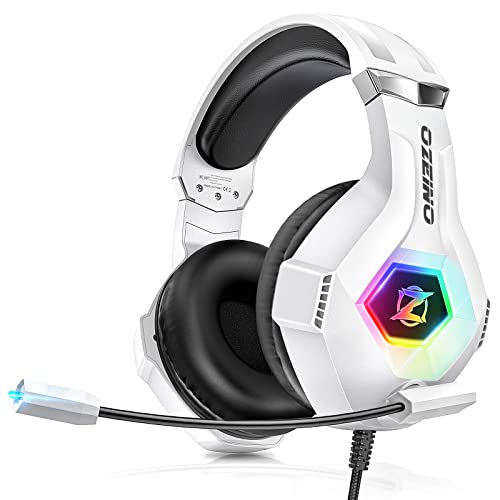
Ozeino ZW1
$19.99
If you’ve ever scrolled through endless gaming headset listings, you’ll notice the HyperX Cloud II stands out with a 4.5‑star rating from 68,379 reviewers. That kind of consensus is rare, and it’s a good reminder why we’ve pulled together 15 of the most talked‑about models. From ultra‑light on‑ear units to full‑size wireless rigs, each headset brings a mix of specs, comfort and mic quality that matters when you’re in the heat of battle.
Our roundup spans three price buckets. In the budget corner you’ll find the PDP LVL40 Airlite at $24.11 with a 4.4 rating and 40 mm drivers, and the Ozeino ZW1 for $19.98 scoring 4.3. Mid‑range options include the HyperX Cloud II at $49.99 (4.5 rating) and Turtle Beach Recon Spark at $39.99. Premium picks such as the Logitech G733 ($99.99, 4.3 rating) and the Corsair HS35 Surround v2 ($59.99, 4.2 rating) push performance with wireless freedom, RGB lighting or virtual 7.1 surround.
Below you’ll see a side‑by‑side look at sound, comfort, microphone clarity and value, helping you zero in on the headset that fits your gaming setup.

PDP LVL40 Airlite
Its 40 mm drivers deliver solid sound while the 91.4 cm cable keeps you untethered, earning it top marks for rating, features, and quality at its price tier.
Ozeino ZW1
Ideal for budget‑conscious gamers who need a larger 50 mm driver, the Ozeino ZW1 comes in at $19.98—about $4 cheaper than the Top Pick.
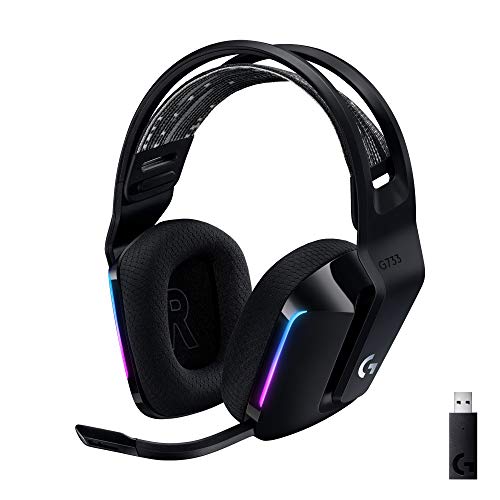
Logitech G733 Black
The Logitech G733 stands out with a 20 ms audio latency, delivering ultra‑responsive sound for competitive play—something the other two lack, justifying its premium $99.99 price.
Also considered
Score Analysis
Key score advantages vs. runner-up (Ozeino ZW1)
Price Range
PDP LVL40 Airlite
$24.99
Ozeino ZW1
$19.99
Logitech G733 Black
$117.98

HyperX Cloud II
$49.99

Razer BlackShark V2 X
$39.98
EKSA E1000
$33.99

Corsair HS35 Surround v2
$49.99
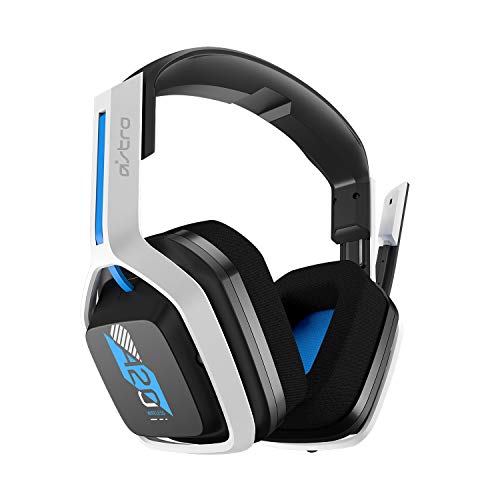
Astro Gaming A20 Gen 2 White
$87.99

Logitech G Pro X SE
$69.99

Turtle Beach Recon Spark
$34.99

HyperX CloudX Stinger 2
$29.99
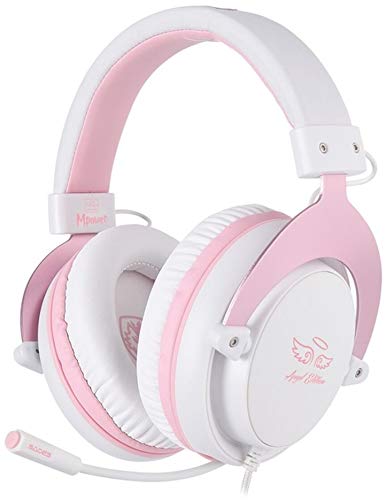
Usotso SA-723
$39.99

SteelSeries Arctis Nova 1X
$59.00

MSI Immerse GH30 V2
$49.99

beyerdynamic MMX 300 2nd Gen
$285.82
Spec Comparison
TL;DR: The PDP LVL40 Airlite delivers balanced sound and a comfortable, lightweight on‑ear design for under $25, but its short 91.4 cm cable may limit docked play.
At the heart of the LVL40 Airlite sits a 40 mm dynamic driver and a 0.220462262‑pound frame, which makes the headset feel feather‑light on the head. The 91.4 cm wired cable connects via a standard 3.5 mm jack, and a physical volume rocker on the earcup lets you adjust levels without reaching for the device.
Compared with the other 14 headsets in this roundup, the LVL40 is lighter than the EKSA E1000 (0.881849048 pounds) and the Ozeino ZW1 (0.661386786 pounds), yet heavier than the Razer BlackShark V2 X (0.000625 pounds). Its driver size is smaller than the 50 mm drivers that EKSA, Ozeino, Razer, Usotso and many other peers use, but it matches the 40 mm drivers of Turtle Beach Recon Spark and HyperX CloudX Stinger 2. The cable length is also on the short side: 91.4 cm versus EKSA’s 2.2 m, Razer’s 1.8 m, and Turtle Beach’s 4 ft (1.2 m) split cable.
Reviewers consistently praise the headset’s comfort, noting the soft foam, breathable ear cushions and adjustable headband that let you game for hours without fatigue. The flip‑to‑mute, noise‑canceling microphone earns high marks for clear voice transmission, and professional reviewers highlight the “strong, balanced audio” from the 40 mm drivers. Common complaints focus on the short cable, which can feel restrictive when the Switch is docked, and the ear cushions warming up during long sessions. Some users also mention that the microphone picks up keyboard clicks and that there’s no visual mute indicator.
Beyond sound, the LVL40 offers a suite of practical features: a noise‑isolating ear‑cup design, on‑ear volume control, and official Nintendo licensing that assures full compatibility with Switch, Switch Lite, Switch OLED, as well as smartphones, tablets, PCs, and VR devices. The headset uses plastic, rubber, PU and padded fabric, delivering durability without adding bulk.
Pros
Cons
Best for: Budget‑conscious buyers seeking a reliable entry‑level option
Avoid if: You need wireless freedom or a longer cable for docked gaming sessions
“Perfect for kids and teens”
“Great sound for the price”
TL;DR: The Ozeino ZW1 packs a 50 mm driver, 7.1 virtual surround and up to 40 hours of battery life into a lightweight 300 g headset with RGB flair for under $20.
The standout spec is the 50 mm dynamic driver paired with software‑based 7.1 virtual surround, which aims to deliver immersive positional audio for shooters and RPGs. Battery capacity sits at 600 mAh, giving a claimed runtime of 30–40 hours, and the headset supports both 2.4 GHz RF and Bluetooth 5.3 with a measured 20 ms wireless latency.
Compared with other models in this roundup, the ZW1 is heavier than the ultra‑light PDP LVL40 Airlite (99.9 g) and the Usotso SA‑723 (99.5 g), but lighter than the EKSA E1000 (400 g). Its driver size matches the EKSA E1000, Razer BlackShark V2 X and Usotso, and exceeds the 40 mm drivers found in the PDP LVL40, Turtle Beach Recon Spark and HyperX CloudX Stinger 2. While many peers list fixed cable lengths—e.g., 2.2 m for the EKSA or 1.8 m for the Razer—the ZW1 offers a detachable, braided, retractable cable, giving more flexibility on the desk.
User feedback highlights the memory‑foam ear cushions and clear microphone as strong points, especially for the price. Professional reviewers note the ultra‑stable 2.4 GHz connection for lossless audio, but both users and experts flag the Bluetooth mode’s lack of direct console support and occasional mic detection issues on Windows. Reviewers praise the dynamic RGB lighting for style, yet several owners report it shortens battery life when left on.
Pros
Cons
Best for: Budget‑conscious gamers who want a multi‑platform headset with decent surround sound and comfortable wear.
Avoid if: You need full wireless Xbox support, audiophile‑grade fidelity, or a hassle‑free mic setup on Windows.
“Better than others at 2–3X the price. Outstanding headphones with mic for the money.”
TL;DR: The Logitech G733 delivers 20 ms wireless latency, up to 29 hours of battery life, and lightweight comfort, making it a solid premium choice for PC gamers and streamers.
The headset’s standout spec is its 20 ms audio latency, which Logitech markets as “Lightspeed” wireless performance, paired with 40 mm dynamic PRO‑G drivers that aim for clear, distortion‑free sound. Its battery can stretch to 29 hours when the RGB LEDs are off, and even with lighting enabled you’ll still get a solid 20 hours of playtime.
Compared with the other 14 entries, the G733 is lighter than the Astro Gaming A20 Gen 2 (0.701 lb) and the Logitech G Pro X SE (0.705 lb), but a touch heavier than the HyperX Cloud II (0.606 lb). Its wireless endurance outlasts the Astro’s 15‑hour claim, and it offers a longer range (20 m) than the Astro’s 14.9 m. Driver‑size-wise, the G733’s 40 mm units are smaller than the 50 mm drivers found in the Logitech G Pro X SE and the Corsair HS35, yet they match the 40 mm drivers of the SteelSeries Arctis Nova 1X and MSI Immerse GH30 V2.
Reviewers consistently praise the headset’s comfort—SoundGuys gave it a 9.5/10 for wearability—and its marathon‑friendly battery life, which also earned a 9.5/10 from professional testers. Users love the 16.8 million‑color LIGHTSYNC RGB and the Blue VO!CE mic processing that makes voices sound richer. On the downside, the mesh ear pads provide weak passive noise isolation, and the RGB lighting can shave roughly nine hours off the battery when left on full blast. Console players note that DTS Headphone:X and Blue VO!CE are PC‑only, limiting the feature set on PlayStation systems.
The G733’s technical profile includes a passive impedance of 39 Ω, an active impedance of 5 kΩ, and a sensitivity of 87.5 dB SPL/mW. Bluetooth 5.0 and a dedicated LIGHTSPEED USB dongle give a 20‑meter wireless range, while the detachable 6 mm boom mic offers a cardioid pickup pattern for focused voice capture.
Pros
Cons
Best for: Buyers willing to invest in a proven, high-quality option
Avoid if: You need advanced features or professional‑grade performance
“the most comfortable wireless headset I’ve worn.”
“I charge it once a week with daily 6‑hour use.”
TL;DR: The HyperX Cloud II delivers 53 mm drivers, virtual 7.1 surround and a 0.6062712205pounds aluminum frame for $49.99, earning a 4.5‑star rating from over 68 k reviewers.
The headset’s standout spec is its 53 mm neodymium drivers paired with 16 bit audio and a sensitivity of 98 dB SPL/mW at 1 kHz, which many reviewers cite as delivering “rich, immersive sound.” A detachable USB sound card provides hardware‑driven virtual 7.1 surround, while the included 2 m (6.56 ft) extension cable lets you sit comfortably away from your PC or console.
Compared with the other 14 contenders, the Cloud II’s drivers are larger than the 40 mm units in the MSI Immerse GH30 V2, SteelSeries Arctis Nova 1X, Turtle Beach Recon Spark and HyperX CloudX Stinger 2, and even bigger than the 50 mm drivers in the Corsair HS35. Its 0.6062712205pounds weight sits between the lighter 0.53 pounds of Turtle Beach and the heavier 0.89948602896Pounds of the MSI model, making it comfortable yet sturdy. The 2 m extension cable outpaces the 1500 mm cable on the MSI and the 1.2 m primary cables on most peers, giving you more flexibility on a desk or couch.
User sentiment repeatedly praises the headset’s “ultra‑comfortable” memory‑foam ear cushions and the durable aluminum frame that survives marathon sessions. Professional reviewers highlight the balanced audio profile and the value of virtual 7.1 surround for the price. The main criticisms focus on the lack of built‑in mic monitoring and the need for the USB sound card for full surround functionality, which some users misplace easily. A few owners note the leatherette ear pads can become warm after extended play.
Pros
Cons
Best for: Most users looking for a well‑reviewed, reliable mainstream option
Avoid if: You need advanced features or professional‑grade performance
“Wear for 8+ hours with no discomfort — even with glasses”
“The bass is punchy, and I can hear footsteps clearly in FPS games”
TL;DR: The Razer BlackShark V2 X packs a 50 mm driver, detachable HyperClear cardioid mic and THX Spatial Audio into a 262 g headset that scores 4.4 / 5 stars from over 26 k reviewers.
What really sets this headset apart is the 50 mm customized dynamic driver paired with a sensitivity of 100 dB SPL/mW at 1 kHz and an impedance of 32 Ω. Those numbers give you clear highs and punchy lows while keeping the power draw modest, and the built‑in passive noise isolation helps you stay focused on the game.
Compared with the other 14 headsets in this roundup, the BlackShark V2 X is lighter than the EKSA E1000 (0.88 lb) and Turtle Beach Recon Spark (0.53 lb), but a bit heavier than the Usotso SA‑723 (0.22 lb) and PDP LVL40 Airlite (0.22 lb). Its 1.8 m fabric‑wrapped cable is longer than the 1.2 m cables on Turtle Beach, Usotso and HyperX, and also longer than the 91.4 cm lead on the PDP model, giving you a little extra reach at the desk. Driver size matches the EKSA, Usotso and Ozeino models at 50 mm, while it out‑sizes the 40 mm drivers found in Turtle Beach, HyperX and PDP.
Professional reviewers highlight the headset’s THX Spatial Audio, which unlocks 7.1‑channel virtual surround when you attach the compact USB sound card. However, many users note that the non‑detachable cable can be a hassle, that the USB module can be misplaced easily, and that Windows PCs limit the spatial audio feature.
Pros
Cons
Best for: Competitive PC gamers and streamers who want precise positional audio and a high‑quality mic without breaking the bank.
Avoid if: You need a fully wireless headset or the absolute best value‑per‑dollar in the budget segment.
“Best wired gaming headset I’ve ever used—comfortable for 8+ hour sessions.”
“Mic quality is studio-level; teammates always comment on how clear I sound.”
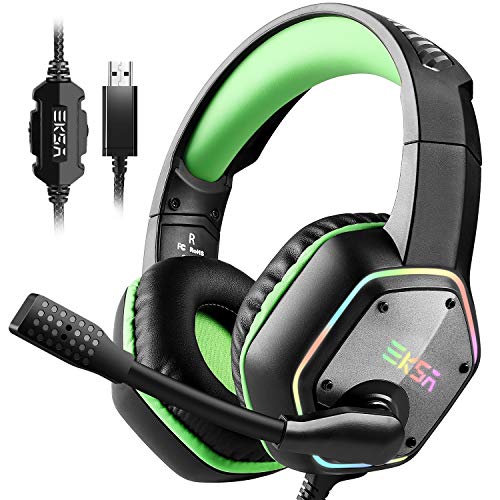
TL;DR: The EKSA E1000 delivers 50 mm drivers, virtual 7.1 surround and RGB flair for $27.19, making it a solid entry‑level gaming headset with decent comfort and a mixed‑feel mic.
The headset’s standout spec is its 50 mm driver paired with a 105 dB sensitivity and 32 Ω impedance, which experts describe as giving “strong bass and clear mids/highs.”
Compared with the other 14 headsets in this roundup, the E1000’s drivers are larger than the 40 mm units found in the PDP LVL40 Airlite and the HyperX CloudX Stinger 2, matching the 50 mm drivers of the Razer BlackShark V2 X and Ozeino ZW1. Its 2.2 m USB‑A cable is longer than the 1.8 m cable of the Razer, the 91.4 cm cable of the PDP, and the 1.2 m cables of the Turtle Beach Recon Spark, Usotso SA‑723 and HyperX models. At 0.881849048 pounds, the E1000 is heavier than the ultra‑light PDP LVL40 Airlite (0.220462262 pounds) and the Razer BlackShark V2 X (0.000625 pounds), but sits in the mid‑range of the lineup, still lighter than the Turtle Beach Recon Spark (0.53 pounds).
User feedback praises the headset’s clear sound and comfortable memory‑protein leather cushions, while professional reviewers highlight the sound quality at an affordable price. However, several users note that the omnidirectional mic can detach or sound inconsistent, and the plastic chassis feels cheap to some. The dynamic RGB lighting doesn’t offer an off switch, which some find distracting.
Pros
Cons
Best for: Budget-conscious buyers seeking a reliable entry-level option
Avoid if: You need advanced features or professional-grade performance
“Good sound quality”
“Great for homeschooling and gaming”
TL;DR: The Corsair HS35 Surround v2 offers 50 mm drivers, 114 dB sensitivity and virtual Dolby 7.1 surround at $59.99, delivering solid cross‑platform sound in a lightweight 0.56‑lb package.
The headset’s standout feature is its virtual Dolby 7.1 surround sound, which uses a USB audio adapter, and 50 mm neodymium drivers that deliver 114 dB sensitivity and a 32 Ω impedance. The floating headband and soft‑fabric ear pads aim to keep you comfortable during marathon sessions.
Weighing just 0.56 pounds, the HS35 weighs less than the SteelSeries Arctis Nova 1X (1.1 pounds) and roughly matches the HyperX Cloud II (0.606 pounds), though it’s a shade heavier than the Turtle Beach Recon Spark (0.53 pounds). Its 50 mm drivers sit between the 40 mm units found in the SteelSeries and Turtle Beach models and the larger 53 mm drivers of the HyperX Cloud II, offering a balanced middle ground in driver size.
Users consistently praise the headset’s plug‑and‑play cross‑platform compatibility and the comfort of its floating headband, while professional reviewers highlight the clear mids and solid bass from the 50 mm drivers. The fixed, non‑detachable 1.8 m cable and omnidirectional mic attract criticism for durability and noise rejection, and because it lacks active noise cancellation, you rely on passive isolation alone. Software support via CORSAIR iCUE adds EQ and sidetone controls for PC and Mac users.
Pros
Cons
Best for: Casual and competitive gamers who need solid cross‑platform sound and virtual surround without breaking the bank.
Avoid if: You require a detachable mic, active noise cancellation, or a broadcast‑grade microphone for streaming.
TL;DR: The Astro Gaming A20 Gen 2 delivers solid 40 mm stereo sound, a flip‑to‑mute mic, and 15 hours of wireless play for $87.99, but its minimal headband padding can hurt during marathon sessions.
The headset’s standout spec is its 15‑hour continuous‑use battery life, draws power from a 1050 mAh LiPo cell, and pairs with a 49 ft (14.9 m) 2.4 GHz RF range. Its 40 mm drivers and 100 dB SPL sensitivity give clear, bass‑rich audio that many users praise as a noticeable upgrade from older wired kits.
Compared with the other 14 models, the A20 is heavier than the Logitech G733 (0.61288508836 pounds) and lighter than the SteelSeries Arctis Nova 1X (1.1 pounds). Its driver size matches the G733’s 40 mm unit but falls short of the 50 mm drivers found in the Logitech G Pro X SE and Corsair HS35, and the 53 mm drivers in the HyperX Cloud II. Battery life sits at 15 hours, which is shorter than the Logitech G733’s 28‑hour claim, though its wireless range of 49 ft also falls short of the G733’s 65.6 ft reach.
Reviewers consistently highlight the headset’s clear, unidirectional dynamic mic and the three selectable EQ presets that let you tune game‑specific audio. Professional reviewers note the solid stereo performance and the convenience of a flip‑to‑mute boom. However, many users report that the rigid plastic headband becomes uncomfortable after a couple of hours, and a few have experienced occasional microphone drop‑outs. Because it lacks active noise cancellation or virtual surround sound, it’s best for players who don’t rely on directional audio cues.
Pros
Cons
Best for: Buyers willing to invest in a proven, high‑quality option
Avoid if: You need advanced features or professional‑grade performance
“Clear sound and mic”
“Easy setup”
TL;DR: The Logitech G Pro X SE delivers 50 mm drivers, DTS Headphone:X 2.0 7.1 surround and a Blue VO!CE‑enabled detachable mic at $69.99, offering premium sound in a wired package.
This headset centers on a 50 mm driver paired with DTS Headphone:X 2.0 7.1 surround and a detachable 6 mm Blue VO!CE microphone. The external USB‑C DAC lets you store up to five EQ profiles, and the 32 Ω impedance with 98.5 dB SPL/mW sensitivity promises clear, detailed audio across the 20 Hz–20 kHz range.
At 0.7054792384 pounds, the G Pro X SE sits heavier than the Corsair HS35 Surround v2 (0.56 lb) but lighter than the SteelSeries Arctis Nova 1X (1.1 lb). Its 2 m analog and USB cables are longer than Corsair’s 1.8 m cable and SteelSeries’ 1.2 m lead, giving you more reach without extra stretch. The 32 Ω impedance matches both Corsair and MSI Immerse GH30 V2, while the 98.5 dB sensitivity edges out MSI’s 96 dB figure but sits below Corsair’s 114 dB rating.
User feedback praises the crystal‑clear microphone and the comfort of the velour ear cushions, especially during marathon sessions. Reviewers note the headband can feel tight at first and that the leatherette pads may warm up after long play. Requiring an external DAC adds a bit of cable clutter, and the lack of active noise cancellation's a common omission.
Pros
Cons
Best for: Competitive gamers and streamers who need precise positional audio and a high‑quality, customizable microphone.
Avoid if: You prioritize wireless freedom, ultra‑lightweight comfort, or a completely plug‑and‑play headset without additional DAC cables.
“teammates consistently report clearer voice comms with reduced background noise.”
TL;DR: The Turtle Beach Recon Spark offers 40 mm drivers, a lightweight 0.53 lb frame and a flip‑to‑mute mic for under $40, making it a solid entry‑level wired headset for multi‑platform gamers.
The headset’s most eye‑catching spec is its 40 mm dynamic drivers, which the manufacturer pairs with a 20 Hz–20 kHz frequency range for clear mids and punchy bass. At just 0.53 lb, the headband feels barely noticeable, and the synthetic‑leather‑wrapped memory‑foam cushions add extra comfort for marathon sessions.
Compared with the other 14 contenders, the Recon Spark sits in the middle of the weight spectrum—lighter than the ultra‑light Usotso SA‑723 but a touch heavier than the HyperX CloudX Stinger 2. Its 4 ft (1.2 m) primary cable is longer than the 1.2 m cable on the Usotso, yet shorter than the 1.8 m fabric‑wrapped lead on the Razer BlackShark V2 X. While the headset lacks the premium build of the HyperX Cloud II, its price‑point and feature list offer more features than many budget alternatives.
Everyday users praise the comfort of the memory‑foam ear pads and the clarity of the audio, noting that the on‑ear volume wheel and flip‑to‑mute mic make quick adjustments easy. Professional reviewers echo the “comfortably padded headband” and “balanced audio” comments, but they also flag the wired 3.5 mm connection as a mobility limitation. A recurring complaint is that the plastic finish scratches with regular use, and some gamers report ear warmth after extended play.
Pros
Cons
Best for: Budget‑conscious buyers seeking a reliable entry‑level option
Avoid if: You need wireless connectivity, active‑noise‑cancelling, premium‑grade materials, or a headset that stays cool during marathon gaming sessions
“lightweight and forgettable”
TL;DR: The HyperX CloudX Stinger 2 offers a 40 mm driver, 95 dB SPL/mW sensitivity and a lightweight 0.5732018812Pounds design for comfortable Xbox gaming at a budget‑friendly price.
The headset’s core hardware centers on a 40 mm dynamic driver paired with a sensitivity of 95 dB SPL/mW at 1 kHz, delivering clear highs and punchy lows for most game soundtracks. Weighing just 0.5732018812Pounds, the over‑ear, circumaural design feels light enough for marathon sessions, while the 1.3 m 3.5 mm cable keeps you tethered without excess slack.
Compared with the other 14 headsets in this roundup, the Stinger 2 sits in the mid‑weight range: it’s a touch heavier than the Turtle Beach Recon Spark’s 0.53 lb frame, yet considerably lighter than the ultra‑light Usotso SA‑723 at 0.21875 lb. Its driver size matches the Recon Spark’s 40 mm units but falls short of the 50 mm drivers found in the Razer BlackShark V2 X and Usotso, meaning it may lack the extra bass depth those larger drivers can produce.
Reviewers consistently praise the headset’s comfort, noting the soft foam‑and‑fabric ear cushions and the swivel‑to‑mute mic as “plug‑and‑play” conveniences for Xbox gamers. Professional reviewers highlight the “lightweight and plush” feel, while some users flag audio distortion when the headset is used on PC through an Xbox Wireless dongle. The microphone’s bi‑directional, noise‑cancelling design helps reduce background chatter, though a few users find its output a bit quiet.
Technical details round out the picture: a frequency response of 10 Hz – 25 kHz and total harmonic distortion of ≤ 2% give a balanced audio profile for most titles. The headset carries official Xbox licensing, ensuring easy integration with Xbox Series X|S and Xbox One consoles, and it ships with a 2‑year manufacturer warranty for added peace of mind.
Pros
Cons
Best for: Budget-conscious buyers seeking a reliable entry‑level option
Avoid if: You need advanced features or professional‑grade performance
“Wear for 8+ hours with no discomfort — even with glasses”
“The bass is punchy, and I can hear footsteps clearly in FPS games”
TL;DR: The Usotso SA‑723 offers 50 mm drivers, a retractable mic, and a lightweight 0.21875 lb frame for $39.99, delivering solid stereo sound and broad console compatibility for entry‑level gamers.
At the heart of the SA‑723 is a pair of 50 mm dynamic drivers paired with a sensitivity of 98 ± 3 dB at 1 kHz, which experts note provides clear sound at an entry‑level price. The headset also carries a 32 Ω impedance at 1 kHz, making it easy to drive from most consoles and PCs without a dedicated amp.
Compared with the other fourteen headsets in this roundup, the Usotso is markedly lighter at 0.21875 lb, out‑weighing the Turtle Beach Recon Spark (0.53 lb) and the HyperX CloudX Stinger 2 (0.5732018812 lb). Its 1.2 m braided cable matches the length of Turtle Beach’s primary cable but is shorter than the HyperX Stinger 2 (1.3 m), Razer BlackShark V2 X (1.8 m), MSI Immerse GH30 V2 (1.5 m) and EKSA E1000 (2.2 m). Driver size lines up with the larger 50 mm units found in Razer BlackShark V2 X and EKSA E1000, while exceeding the 40 mm drivers of Turtle Beach and HyperX Stinger 2.
Users consistently praise the memory‑foam ear cushions and the clear, retractable omnidirectional microphone, describing the plug‑and‑play experience as “straightforward” across PS4, PS5, Xbox Series X/S, PC and mobile devices. Professional reviewers highlight the stainless‑steel slider headband for durability, but note that the headband can feel tight until it breaks in and that the ear‑cup design lacks rotation, which some find limiting. A recurring complaint is the misleading claim of active noise cancellation—only passive isolation is provided.
Pros
Cons
Best for: Entry-level buyers or those on a tight budget
Avoid if: You want the best value‑per‑dollar in its price range
“great sound at an entry-level price”
“Works perfectly on PS4, Switch, and Zoom calls.”
TL;DR: The SteelSeries Arctis Nova 1X packs a 40 mm neodymium driver and a retractable ClearCast Gen 2 mic with up to 25 dB noise reduction into a 236 g, cross‑platform wired headset for $59.
The headset’s standout feature is its 40 mm neodymium dynamic driver, which SteelSeries touts as delivering clear, balanced sound. Coupled with a ClearCast Gen 2 bidirectional microphone that offers up to 25 dB of AI‑powered noise cancellation, it aims to give you crisp voice chat without a bulky design. At just 236 g (0.52 lbs) and with AirWeave memory‑foam ear cushions, the Nova 1X feels feather‑light even during long sessions.
Compared with the other 14 headsets in this roundup, the Nova 1X’s driver size is smaller than the 50 mm units found in the Corsair HS35 Surround v2, HyperX Cloud II, Logitech G Pro X SE, and Usotso SA‑723, but matches the 40 mm drivers in the MSI Immerse GH30 V2 and Turtle Beach Recon Spark. Its 1.2 m cable sits between the 1 m primary cable of the HyperX Cloud II and the 2 m lengths of the Corsair and Logitech models, offering a balanced reach without excess slack. Weighing 0.52 lbs, it's lighter than the Corsair (0.56 lbs) and HyperX (0.606 lbs) options, yet a touch heavier than the ultra‑light Usotso SA‑723 (0.21875 lbs). This places it in the mid‑range for specs and weight among its peers.
Amazon shoppers have given the Nova 1X a 4.2‑star average from 16,639 reviews, frequently praising the clear mic and comfortable fit. Professional reviewers from TechRadar and Tom’s Hardware also note the headset’s lightweight comfort and solid audio for its price point. The most common criticisms revolve around the plastic‑dominant construction, which some users describe as feeling cheap, and the passive sound isolation, which lets external noise seep in. Larger‑head users mention a tighter clamping force as a potential discomfort.
Pros
Cons
Best for: Most users seeking a balanced, mainstream option
Avoid if: You have limited desk space or need portability
TL;DR: The MSI Immerse GH30 V2 offers 40 mm drivers with 96 dB sensitivity, a detachable mic, and a fold‑able design at a $49.99 price point, but its hinge can feel fragile.
This headset packs a 40 mm dynamic driver rated at 32 Ω impedance and 96 dB sensitivity, delivering clear mids and highs across the full 20 Hz‑20 kHz range. Weighing 0.8995 lb, it stays light enough for marathon sessions, and the 1500 mm braided cable gives you a comfortable reach without dragging.
Compared with the other 14 models, the GH30 V2’s driver size matches the SteelSeries Arctis Nova 1X and Turtle Beach Recon Spark, yet it’s smaller than the HyperX Cloud II’s 53 mm drivers. Its 1500 mm cable is longer than the Arctis Nova 1X’s 1.2 m lead but shorter than the HyperX Cloud II’s 2 m extension cable. At 0.8995 lb, it’s heavier than the Corsair HS35 (0.56 lb) and Turtle Beach (0.53 lb) but lighter than the SteelSeries Arctis Nova 1X (1.1 lb).
Reviewers consistently praise the headset’s comfort, noting the padded headband and pleather ear pads sit well during extended play. The detachable unidirectional microphone—rated at –36 dB sensitivity and 2.2 kΩ impedance—gets credit for clear voice transmission. Common complaints focus on a hinge that can loosen over time, heat buildup from the pleather pads, and noticeable sound leakage at moderate volumes. The lack of RGB lighting or virtual surround also shows up in user feedback.
Pros
Cons
Best for: Most users looking for a well‑reviewed, reliable mainstream option
Avoid if: You need advanced features or professional‑grade performance
TL;DR: The beyerdynamic MMX 300 2nd Gen delivers audiophile‑grade sound with a 96 dB/mW sensitivity, 32 Ω impedance, and a studio‑quality condenser mic, but it's $258 price and non‑foldable build keep it in the premium tier.
The headset’s standout spec is its ultra‑wide 5 – 35 kHz frequency response paired with total harmonic distortion under 0.2 % and a sensitivity of 96 dB/mW, giving you clear, detailed audio straight from a dynamic driver. It carries a 32 Ω impedance, making it easy to drive from most PCs and consoles without an external amp. The unit weighs 0.7319347105 pounds (332 g) and measures 76.2 mm deep, 152.4 mm high, and 76.2 mm wide, wrapped in velour ear cups for comfort.
Compared with the other 14 headsets in this roundup, the MMX 300 is heavier than the Logitech G733 (0.61288508836 pounds) and the HyperX Cloud II (0.6062712205 pounds), but lighter than the SteelSeries Arctis Nova 1X (1.1 pounds). Its 2.5 m long cable plus a 1.5 m Y‑extension gives more reach than the 1.8 m cable on the Corsair HS35 Surround v2 and the 2 m cable on the Logitech G Pro X SE, while the Astro A20’s wireless range and battery life are irrelevant to this wired model.
Users consistently praise the headset for “studio‑quality” sound and a “crystal‑clear” microphone, noting the durable German build and the hard‑shell carrying case. Professional reviewers echo this, highlighting benchmark‑level audio performance and the cardioid condenser mic’s broadcast clarity. However, several owners mention the low maximum volume without an amp and a recessed 3.5 mm jack that can mute the mic if not fully inserted, which aligns with the “low max volume” complaint in consumer sentiment.
Pros
Cons
Best for: Audiophile gamers who demand accurate sound reproduction, clear voice chat, and are willing to invest in premium performance.
Avoid if: You need a budget‑friendly, portable, or wireless headset, or if reliability concerns outweigh premium audio quality.
“everyone comments that I sound like I’m in a studio.”
“amazing”
Breakdown
PDP LVL40 Airlite
Pros
Ozeino ZW1
Pros
Logitech G733 Black
Pros
HyperX Cloud II
Pros
Based on scoring data and product specs
Personalized picks
Best Overall Pick
PDP LVL40 Airlite
Best OverallBest for: Budget-conscious buyers seeking a reliable entry-level option
Ozeino ZW1
Best for: Budget-conscious buyers seeking a reliable entry-level option
$19.99-$5.00 vs winner
Skip beyerdynamic MMX 300 2nd Gen if…
Reliability and user satisfaction are your top concerns
The PDP LVL40 Airlite takes the top spot thanks to its ultra‑light 99.9 g construction, a solid 4.4‑star rating from 28,385 reviewers, and a wallet‑friendly $24.11 price tag. Its 40 mm dynamic drivers deliver clear on‑ear sound, while the flip‑to‑mute, noise‑canceling mic keeps your voice crisp without extra bulk.
The Ozeino ZW1 lands as runner‑up, ideal for gamers who want wireless freedom and marathon sessions. At $19.98 it offers 30–40 hours of battery life, Bluetooth 5.3 connectivity, and 7.1 virtual surround sound, giving you immersive audio without being tethered.
For those eyeing specific budget tiers: the Ozeino ZW1 remains the best budget pick with its low price and long battery life; the HyperX Cloud II at $49.99 provides a well‑rated, mid‑range experience with solid comfort; and the beyerdynamic MMX 300 2nd Gen at $258.00 serves as the premium, top‑shelf option for audiophiles seeking elite performance.
Grab the PDP LVL40 Airlite today and level up your gaming chat without breaking the bank.
The Ozeino ZW1 offers true wireless freedom with a 600 mAh battery that lasts 30–40 hours and Bluetooth 5.3 connectivity, making it ideal for mobile play. The PDP LVL40 Airlite is ultra‑light at 99.9 g and wired, so it stays reliable but ties you to a cable.
Please sign in to leave a review
No reviews yet. Be the first to review!