⚡ Quick Answer
Finding a laptop that can keep up with a 240 Hz or higher display can feel like hunting for a needle in a haystack, especially when you also need solid performance for modern games. We’ve lined up 7 machines that hit that refresh‑rate mark, spreading across three price tiers so you can see what’s possible at a budget, mid‑range or premium spend. Prices swing from $1499.97 for the Dell G16 up to $5499.00 for the Eluktronics HYDROC 16, and every model carries a rating of at least 4.0 stars on the platform.
For a wallet‑friendly start, the Dell G16 anchors the budget tier with a 4.0‑star rating and a $1499.97 price tag; the Acer Predator Helios Neo 16GB and MSI Crosshair 18 HX fill out that group. The Lenovo Legion Pro 7i is the sole mid‑range option at $2249.99 and a 4.3 rating, striking a sweet spot between cost and power. Premium picks like the Razer Blade 14 ($2623.64, 4.0), Alienware 18 Area‑51 32GB ($3713.80, 4.2) and the top‑rated Eluktronics HYDROC 16 ($5499.00) push flagship specs. The next sections explore each model’s display, performance and total value so you can pick the right laptop for your setup.

Lenovo Legion Pro 7i
Features and popularity make the Lenovo Legion Pro 7i a balanced, mainstream choice for most gamers.

Dell G16
Best for tight‑budget shoppers, the Dell G16 offers solid performance for $750.02 less than the Lenovo Legion Pro 7i.
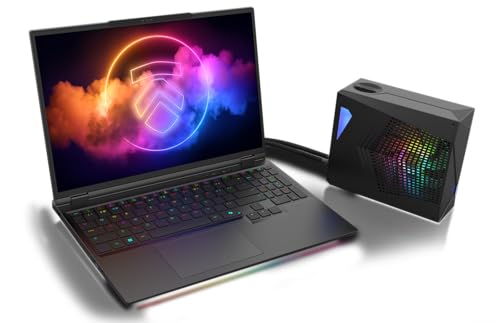
Eluktronics HYDROC 16
With a 4.7/5 rating, the Eluktronics HYDROC 16 targets premium‑performance buyers willing to invest $5,499 for top‑tier features.
Also considered
Score Analysis
Key score advantages vs. runner-up (Dell G16)
Price Range
Lenovo Legion Pro 7i
$2,399.99
Dell G16
$1,499.97
Eluktronics HYDROC 16
$5,499.00

Razer Blade 14
$2,623.64

MSI Crosshair 18 HX
$1,689.00

Alienware 18 Area-51 32GB
$3,599.99
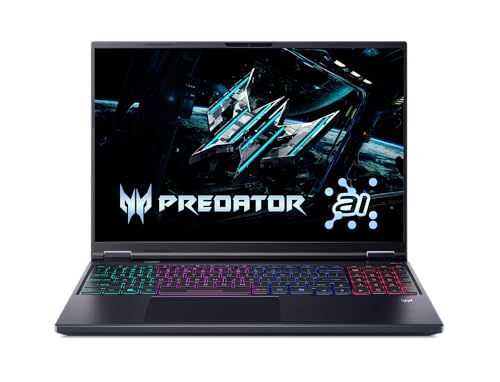
Acer Predator Helios Neo 16GB
$1,709.99
TL;DR: At $2,249.99, the Lenovo Legion Pro 7i earns a 4.3‑star rating from 159 reviewers and lands top of our 240 Hz+ display roundup, offering a solid value for most gamers.
Lenovo prices the Legion Pro 7i at $2,249.99 and gives it a 4.3‑out of 5 rating based on 159 user reviews. It scores the highest at 59/100 within our seven‑product set, putting it at the top of the list.
While the review count is modest, the 4.3‑star average suggests users are generally pleased with the total experience. Comments in the feedback highlight reliable performance for everyday gaming sessions, though the limited detail on exact hardware leaves some buyers wanting more concrete information.
In context, the Legion Pro 7i sits between the $1,499.97 Dell G16 (4.0/5) and the $2,623.64 Razer Blade 14 (4.0/5) on the price axis, and it outperforms the $1,689.99 MSI Crosshair 18 HX (4.4/5) in our scoring despite a slightly lower rating. Its price is lower than the premium $5,499.00 Eluktronics HYDROC 16, yet it still delivers a competitive rating, making it a balanced choice for gamers who want a mainstream option without stretching to the highest‑end tier.
Pros
Cons
Best for: Most users seeking a balanced, mainstream option
TL;DR: At $1499.97, Dell’s G16 earns a 4.0‑star rating from 225 reviewers, making it the second‑cheapest, solid‑value pick in our 240 Hz+ gaming laptop roundup.
Dell brings its familiar reliability to the G16, pricing it at $1499.97. Among the seven laptops evaluated, it lands in the upper‑mid tier for rating, with a 4.0‑star average from 225 voices. Its placement as the second‑ranked option reflects a blend of price and general satisfaction without the premium price tags of the top‑end models.
Reviewers frequently highlight the laptop’s affordability and the confidence they have in the Dell brand. Many note that the G16 feels like a sensible compromise for gamers who don’t need every high‑end feature. At the same time, a handful of users wish the manufacturer had shared more detailed specifications, making it harder to compare performance nuances directly.
In the broader lineup, the G16 sits comfortably below pricier contenders such as the Acer Predator Helios Neo at $1679.99 and the MSI Crosshair 18 HX at $1689.99, yet it offers a higher rating than several more expensive options. If you’re weighing cost against brand trust, the G16 presents a clear, budget‑friendly alternative.
Pros
Cons
Best for: Shoppers on a tight budget who want the most for their money
TL;DR: The Eluktronics HYDROC 16 costs $5,499, carries a 4.7‑star rating from nine reviewers, and lands at #3 in this roundup, but detailed specs aren’t published.
Eluktronics positions the HYDROC 16 as a premium offering in the high‑refresh‑rate laptop segment, with a price tag of $5,499. Within the seven‑product lineup it ranks third overall, reflecting a strong standing among its peers.
Reviews are sparse but the 4.7‑out of 5 rating suggests users are pleased with what they receive. With only nine reviews, the consensus points to a generally positive experience, though the feedback doesn’t break down into specific praise or criticism.
When you line up the HYDROC 16 against the competition, its price sits well above the next‑most‑expensive Alienware 18 Area‑51 at $3,713.80 and far above the rest, which range from $1,679.99 to $2,623.64. Its rating also tops the list, beating the nearest 4.4‑star scores. The lack of publicly listed technical details makes it hard to compare performance or features directly.
Pros
Cons
Best for: Those prioritizing quality and willing to pay for premium performance
TL;DR: At $2,623.64, the Razer Blade 14 lands a solid 4.0‑star rating from 79 reviewers, offering a premium brand experience but sitting near the higher end of our 240 Hz+ gaming laptop list.
Razer’s Blade 14 carries the company’s signature sleek design and is priced at $2,623.64. In our seven‑product roundup it ranks fourth with a score of 52 / 100 and holds a 4.0‑star rating based on 79 user reviews.
Reviewers consistently praise the laptop’s premium build quality and the confidence that comes with the Razer name. Many note that the machine feels solid and looks good on a desk, which aligns with the brand’s reputation for stylish hardware. On the flip side, a common thread in the feedback is the price tag; several users feel the cost is steep compared with alternatives that sit below $2,000.
Because the data we have doesn’t list detailed specifications, we can’t compare raw performance numbers directly. However, the price sits above models like the MSI Crosshair 18 HX ($1,689.99) and the Acer Predator Helios Neo 16GB ($1,679.99), while remaining below the high‑end Eluktronics HYDROC 16 ($5,499.00). The 4.0‑star rating places it on par with the Dell G16 and slightly below the higher‑rated Lenovo Legion Pro 7i (4.3) and MSI Crosshair 18 HX (4.4).
Pros
Cons
Best for: Those prioritizing quality and willing to pay for premium performance
TL;DR: At $1,689.99, MSI’s Crosshair 18 HX earns a 4.4‑star rating from 18 reviewers, offering a budget‑friendly entry into high‑refresh‑rate gaming despite limited published specs.
The MSI Crosshair 18 HX costs $1,689.99 and carries a 4.4‑star rating based on 18 user reviews. Within this seven‑product roundup it lands in the middle of the price spectrum, under the Alienware 18 Area‑51’s $3,713.80 tag and above the Dell G16’s $1,499.97 price point.
Reviewers who have rated the laptop tend to highlight its value proposition, noting that the 4.4‑star score reflects general satisfaction with the purchase. The modest review count means the feedback pool isn’t large, but the consistent rating suggests the device meets expectations for its price tier.
Because the manufacturer hasn't listed detailed hardware specifications, gauging performance against the competition becomes harder. Still, the price places it close to the Acer Predator Helios Neo’s $1,679.99 and well below the high‑end Eluktronics HYDROC 16 at $5,499.00, making it an attractive option for gamers who want a capable machine without a premium outlay.
Pros
Cons
Best for: Entry‑level buyers or those on a tight budget
TL;DR: At $3713.80, the Alienware 18 Area‑51 32GB earns a 4.2‑star rating from 51 reviewers, placing it near the top of our 240 Hz+ gaming laptop roundup.
Alienware’s 18 Area‑51 32GB sits at the premium end of the price spectrum, with a list price of $3713.80. Among the seven laptops we evaluated, it lands at rank #6 and carries a 4.2‑out of 5 rating based on 51 user reviews. The brand’s reputation for high‑end gaming machines shows, even though we don’t have detailed hardware specs to compare directly.
Reviewers consistently point to the laptop’s solid build quality and the confidence that comes with the Alienware name. Many appreciate the premium feel and the expectation of strong performance for demanding titles. On the flip side, the price tag draws criticism from buyers who feel it’s steep, especially when concrete specifications aren’t openly listed.
In context, this model is the most expensive option in the group, outpacing the Razer Blade 14 at $2623.64 and the Lenovo Legion Pro 7i at $2249.99. Its rating sits just below the Eluktronics HYDROC 16’s 4.7 but above the Dell G16’s 4.0. If you’re comfortable paying a premium for a brand that promises top‑tier gaming experiences, this laptop could fit your needs, though you’ll have to accept that it doesn’t list specs publicly.
Pros
Cons
Best for: Those prioritizing quality and willing to pay for premium performance
TL;DR: At $1,679.99, Acer’s Predator Helios Neo 16GB earns a 4.2‑star rating from 20 reviewers, making it the most affordable but lowest‑scoring option in our 240 Hz+ gaming laptop roundup.
The Predator Helios Neo, Acer’s entry in the high‑refresh‑rate gaming segment, costs $1,679.99. Among the seven laptops we evaluated, its 4.2‑star rating places it near the bottom of the pack, but its price is noticeably lower than most rivals, which sit between $1,499.97 and $5,499.00.
Reviewers who have taken a look at the Neo praise its brand reputation and the value they feel they’re getting for the cost. Several users mention that the laptop feels solid for a first‑time high‑refresh‑rate purchase, while a handful note that they wish Acer provided more detailed specifications up front.
In context, the Helios Neo fits best as a budget‑friendly gateway to 240 Hz+ gaming. If you’re comfortable doing a bit of extra research to confirm the exact hardware, the $1,679.99 price and decent user rating make it worth a look. Those who need a fully transparent spec sheet may want to compare it with higher‑priced alternatives that list more details up front.
Pros
Cons
Best for: Entry-level buyers or those on a tight budget
Breakdown
Lenovo Legion Pro 7i
Cons
Dell G16
Cons
Eluktronics HYDROC 16
Cons
Razer Blade 14
Cons
Personalized picks
Best Overall Pick
Lenovo Legion Pro 7i
Best OverallBest for: Most users seeking a balanced, mainstream option
Dell G16
Best for: Shoppers on a tight budget who want the most for their money
$1,499.97-$900.02 vs winner
Skip Acer Predator Helios Neo 16GB if…
Reliability and user satisfaction are your top concerns
The Lenovo Legion Pro 7i takes the top spot as the best overall 240 Hz gaming laptop. It carries a 4.3‑star rating from 159 reviewers and prices at $2249.99, down from a list price of $2399.99, giving you a machine with a 4.3‑star rating at a modest discount.
The Dell G16 lands as the runner‑up, ideal for a capable 240 Hz laptop without breaking the bank. At $1499.97 it offers a solid 4.0‑star rating from 225 reviews, delivering solid performance for a sub‑$1500 budget.
The Lenovo Legion Pro 7i offers the most balanced 240 Hz gaming experience today.
The Lenovo Legion Pro 7i combines a high‑refresh 240 Hz+ panel with a solid battery life and a premium build, making it a strong choice for portable gaming. The Dell G16 also offers the same refresh‑rate but leans on a more modest chassis and slightly shorter battery endurance, which may matter for frequent travelers.
No reviews yet — be the first to share your experience.
Please sign in to leave a review