⚡ Quick Answer
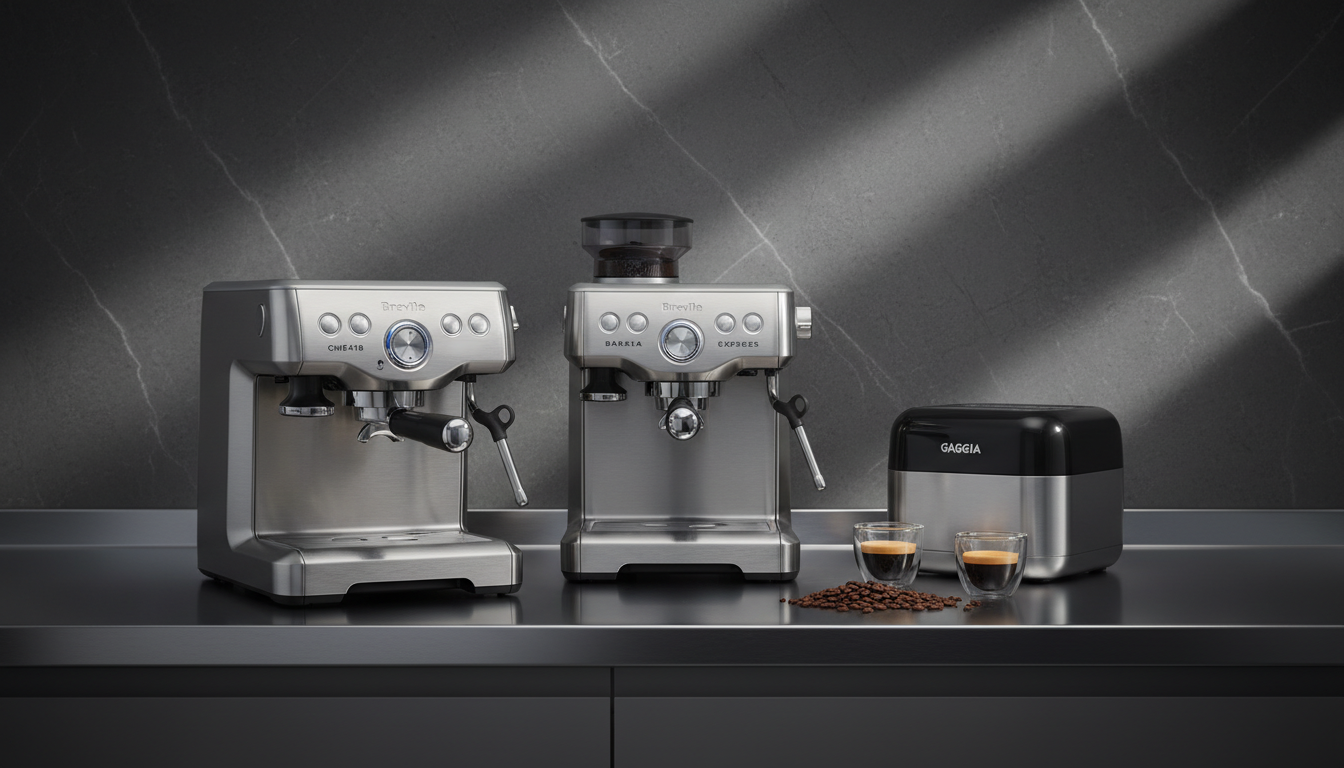
If you think you have to spend a fortune for solid espresso pressure, the data says otherwise. The Casabrews CM5418 Silver sells for $139.99 yet holds a 4.4‑star rating from 7,378 reviewers, matching the Breville Barista Express that costs $549.95. Both machines claim 20‑bar and 15‑bar pumps respectively, so the budget option isn’t just cheap—it’s also popular, earning a 4.4‑star rating.
Our roundup pits twelve machines against each other, spanning three price tiers. The budget lane includes the Casabrews, Nespresso Inissia ($150.00, 4.1 stars), De'Longhi Espresso Machine ($179.95, 4.1 stars) and Mr. Coffee ($186.99, 4.3 stars). Mid‑range choices are the De'Longhi Dedica ($247.00, 3.9 stars) and Breville Bambino ($249.95, 4.1 stars). Premium contenders—Gaggia E24 ($449.00), Philips 3200 Series ($531.75), Breville Barista Express ($549.95) and De'Longhi Magnifica Start ($599.95)—generally sit between 3.8 and 4.4 stars.
We’ll break down each model’s pump pressure, water‑tank size and user feedback so you can pinpoint the machine that fits your countertop space, daily drink volume and budget. Keep reading to see which espresso makers deliver true crema without breaking the bank.

Casabrews CM5418 Silver
Its compact 122.8 mm depth keeps the countertop tidy while offering good value at $139.99.

Breville Barista Express
Perfect for serious home baristas who want a proven machine and are willing to spend about $410 more than the budget pick.
Gaggia E24
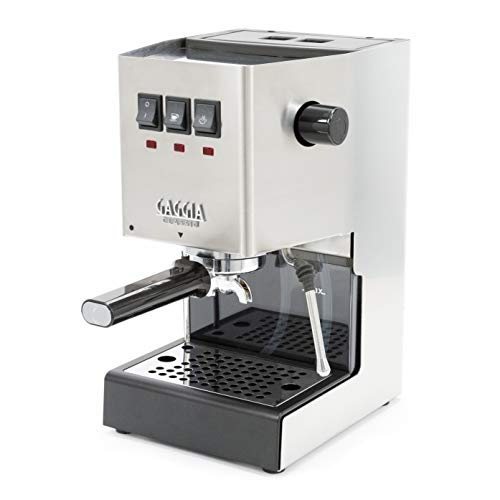
Stands out with a 16 oz drip‑tray capacity, letting you brew several cups before emptying—something the other two don’t offer.
Score Analysis
Key score advantages vs. runner-up (Breville Barista Express)
Price Range
Casabrews CM5418 Silver
$118.99
Breville Barista Express
$549.95
Gaggia E24
$454.71

Philips 3200 Series
$539.00
Nespresso Inissia
$150.00

De'Longhi Magnifica Start
$499.95

De'Longhi Espresso Machine
$139.95
De'Longhi Dedica
$229.99
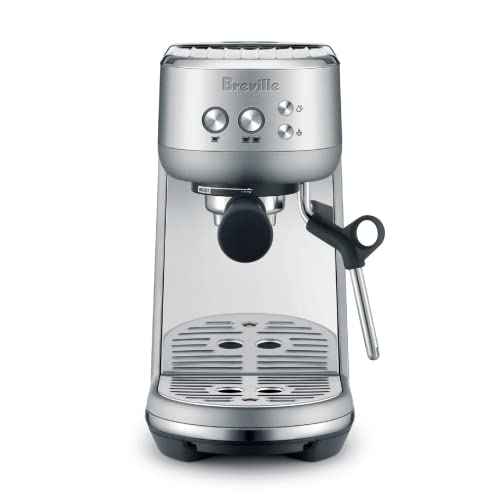
Breville Bambino
$249.95
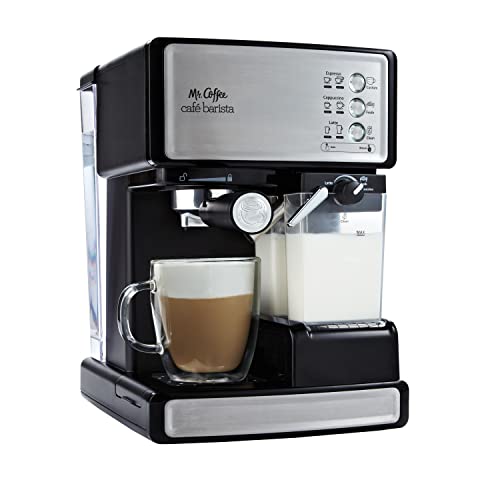
Mr. Coffee Espresso and Cappuccino Machine
$183.99

De'Longhi La Specialista Opera
$699.95

Cuisinart EM-200NP1
$319.95
Spec Comparison
TL;DR: The Casabrews CM5418 Silver delivers 20‑bar pressure, a 1‑liter water tank, and compact stainless‑steel construction for just $139.99, making it a solid entry‑level espresso machine for small spaces.
At 8.59 lb, it’s sturdy yet manageable, and the simple button controls include a manometer pressure gauge for visual feedback. The CM5418 packs a 20 bar Italian pump, 1350 W power consumption, and a 1 liter removable water tank, all within a footprint of 122.8 mm depth, 119.7 mm height and 59.0 mm width.
Compared with the other eleven machines, the Casabrews is heavier than the 5.3 lb Nespresso Inissia but lighter than most of the De'Longhi, Mr. Coffee, Breville and Cuisinart models, which range from about 9 lb to over 15 lb. Its 20 bar pump outstrips the 19 bar of the Inissia and the 15 bar found in the remaining competitors, while the 1 liter tank sits between the 0.7 L tank of the Inissia and the larger 1.1 L–1.4 L tanks of the Dedica and Bambino.
Users appreciate the machine’s easy setup, compact stainless‑steel build and the decent crema it produces from the pressurized filter baskets. Common complaints focus on the modest 1 liter reservoir, which fills slowly and requires frequent refilling, and a manual steam wand that struggles to create rich micro‑foam. Reviewers also note the lack of advanced features such as pre‑infusion.
Technical highlights include a single thermoblock heating system that heats on demand, a manual steam wand with a purge function for temperature reset, auto shut‑off for safety, and a 2‑cup function that supports non‑milk drinks. The package comes with a user manual, tamper/scoop, two pressurized filter baskets (1‑cup and 2‑cup), a cleaning pin, removable water tank, portafilter and a tamper with spoon.
Pros
Cons
Best for: Budget-conscious buyers seeking a reliable entry-level option
Avoid if: You need high‑volume brewing, advanced milk‑frothing capabilities, or a larger water reservoir
“Easy setup and beginner-friendly pressurized filters produce decent crema and lattes quickly”
“Water tank too small and awkward to refill”
TL;DR: The Breville Barista Express combines a 16‑setting conical burr grinder, 15‑bar pump and 1‑minute heat‑up in a stainless‑steel chassis, delivering café‑quality espresso for serious home brewers.
The machine’s standout spec is its integrated conical burr grinder with 16 grind settings, letting you grind fresh beans directly into the 54 mm portafilter. A 15‑bar pump with low‑pressure pre‑infusion and a 0.5 lb bean hopper support consistent extraction, while the 1‑minute heat‑up and 0.25‑minute steam‑up time keep wait times short. The 67 fl oz (2.0 L) water tank means you won’t be refilling after every cup.
At 22.09 lb, the Barista Express is heavier than most rivals – it outweighs the Philips 3200 Series, De'Longhi Magnifica Start, Gaggia E24, Cuisinart EM‑200NP1, Breville Bambino and De'Longhi Dedica. Its water‑tank capacity matches the larger 2‑liter reservoirs in the lineup and exceeds the 1.8‑L tanks found in the Philips and De'Longhi models. Like several competitors, it also offers a 15‑bar pump, but it adds an LCD digital display and automatic shut‑off for added convenience.
Professional reviewers praise the built‑in grinder for saving counter space and delivering fresh espresso, while everyday users love the sleek brushed stainless steel look and the ease of the push‑button controls. The single‑boiler design forces a pause between brewing and steaming, and the limited 16‑setting grinder may not satisfy espresso purists seeking ultra‑fine adjustments.
Technical details round out the package: the machine draws 15 A at 120 V and consumes 1600 W, ensuring rapid temperature recovery. It supports E.S.E. pods, offers a removable drip tray, and includes a manual steam wand for milk frothing. The maximum cup height of 4.0 in lets you use a variety of mug sizes.
Pros
Cons
Best for: Buyers willing to invest in a proven, high-quality option
Avoid if: You need advanced features or professional‑grade performance
TL;DR: The Gaggia E24 delivers café‑grade 15‑bar pressure, a 2.1‑liter water tank and a commercial‑style rotating steam wand in a compact 20‑lb steel body for experienced home baristas.
The standout feature is the 15‑bar pump paired with a 9‑bar OPV, giving you the pressure most espresso enthusiasts look for. The machine also houses a lead‑free brass boiler of 3.5 oz, which professionals note provides stable steam for micro‑foam. Its 2.1‑liter water reservoir means you won’t be refilling after every shot, a convenience reviewers highlight.
At 20.0 pounds, the Gaggia E24 is lighter than the Philips 3200 Series and the Breville Barista Express, but it sits a touch above the De'Longhi Magnifica Start and is noticeably heavier than the Breville Bambino and De'Longhi Dedica. Its depth of 241 mm is shorter than the Philips unit’s 254 mm, while the height of 361 mm is a bit lower than the Philips 381 mm and the Barista Express’s 404 mm. In practice, the compact footprint fits well on most kitchen counters without sacrificing the 58 mm portafilter size that many pros prefer.
Professional reviewers praise the solid steel housing and the commercial rotating stainless‑steel wand with a double‑hole tip for producing velvety milk foam. Users echo this, often calling the steam performance “latte‑art ready.” However, the single‑boiler design forces a pause between brewing and steaming, and the lack of PID or adjustable OPV can make temperature consistency a learning curve for newcomers. These trade‑offs are common talk points in consumer feedback.
Pros
Cons
Best for: Most users looking for a well‑reviewed, reliable mainstream option
Avoid if: You're shopping on a tight budget — it's priced at $449.00
TL;DR: The Philips 3200 Series delivers five‑drink one‑touch convenience, a 15 bar pump, and a 1.8 L water tank, but its 12‑step grinder feels less granular than higher‑end rivals.
The standout spec is its 15 bar pump pressure, which matches the pressure found in many premium super‑automatic machines and helps extract rich espresso crema. Combined with a ceramic flat‑burr grinder offering 12 grind settings, the unit aims for consistent flavor while keeping maintenance low.
At 21.061 pounds, the Philips sits heavier than the De'Longhi Dedica’s 9.3 pounds but lighter than the Breville Barista Express’s 22.09 pounds. Its 1.8‑liter water tank equals the De'Longhi Magnifica Start’s 1.8 L capacity, yet it’s smaller than the Barista Express’s 2.0‑liter tank. The 275 g bean hopper also outpaces the Barista Express’s 230 g and the Magnifica’s 250 g, giving you a bit more beans between refills.
Professional reviewers praise the intuitive touch display and the compact, aesthetic design that fits under cabinets despite a slightly blocky shape. Everyday users love the integrated LatteGo milk system, noting silky froth and a quick 15‑second cleaning cycle. However, many point out that the 12‑step grinder lacks the fine‑tuning granularity of higher‑end models, and the overall rating of 3.8 / 5 reflects a mixed reception.
Pros
Cons
Best for: Convenience‑focused coffee drinkers, small‑apartment dwellers, busy professionals needing quick milk‑based drinks
Avoid if: Reliability and user satisfaction are your top concerns
“the fastest to clean milk system ever”
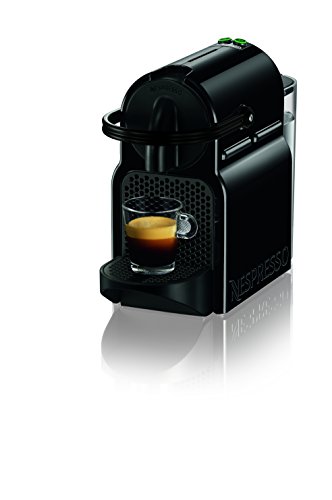
TL;DR: The Nespresso Inissia delivers 19‑bar espresso in 0.42 minutes from a compact 4.72 × 12.63 × 9.05‑inch footprint, but its 0.7 L tank and plastic build limit high‑volume or milk‑based drinks.
The standout spec is the 19 bar pump pressure combined with a rapid 0.42 minute (25 seconds) heat‑up, letting you pull a shot almost instantly. Its 1200 W input power supports that quick ramp‑up while keeping energy use modest. The machine also features an automatic shut‑off after 9 minutes of inactivity, and reviewers note that it helps save electricity.
At 5.3 lb, the Inissia is noticeably lighter than every other unit in this 12‑product roundup – the next lightest, the Casabrews CM5418, weighs 8.59 lb. The water reservoir holds just 0.7 L, considerably smaller than the 1 L tank of the Casabrews and the larger reservoirs found in the other models. Its 19 bar pressure sits just below the Casabrews’ 20 bar but above the 15‑bar pumps of most competitors, giving it a solid middle ground for extraction quality.
Professional reviewers praise the ultra‑compact dimensions (4.72 × 12.63 × 9.05 in) for fitting into tiny kitchens or office desks, and everyday users echo that sentiment, often highlighting how the machine “fits on a shelf” without crowding counter space. Reviewers repeatedly call the swift 25‑second heat‑up “near‑instant,” which makes morning routines smoother. On the downside, the modest 0.7 L tank forces frequent refills when brewing multiple drinks, and the lack of a milk frother or adjustable settings limits latte or cappuccino creation. Some users also mention the plastic body feels less premium than metal‑cased Nespresso models.
Pros
Cons
Best for: Entry‑level buyers or those on a tight budget
Avoid if: You need powerful performance or professional‑grade features
“12 inches deep, 9 inches tall, 4 inches wide fits tiny kitchens”
TL;DR: The De'Longhi Magnifica Start packs a 15 bar pump, 13‑step conical burr grinder and a 1.8 L water tank into a compact 19.62‑lb unit, ideal for small‑space espresso lovers.
This machine’s standout spec is its 15 bar pump pressure paired with a 13‑setting conical burr grinder, delivering fresh grounds for each brew. It also offers a 1.8 L water tank and 1450 W power consumption, enough to keep a small household brewing espresso, Americano, or hot water without frequent refills.
At 19.62 lb, the Magnifica Start weighs more than the Cuisinart EM‑200NP1 (15.7 lb) and the Breville Bambino (10.9 lb) but less than the Breville Barista Express (22.09 lb) and the De'Longhi La Specialista Opera (28.11 lb). Its 440 mm depth exceeds the Philips 3200 Series (254 mm) and the Gaggia E24 (241 mm), while its 1.8 L tank matches the Philips model but falls short of the Gaggia’s 2.1 L and the La Specialista’s 2 L capacity. Pump pressure aligns with most peers at 15 bar, except the Gaggia’s 9 bar and the La Specialista’s 19 bar, placing it solidly in the mid‑range of performance.
Reviewers appreciate the compact footprint—about 350‑360 mm tall—making it fit comfortably on modest countertops. Pros note the fast 5‑7.5 second grind for single shots and the value of its built‑in grinder. Users, however, say the grinding noise is noticeable and the plastic‑dominant build feels less premium than stainless‑steel rivals. The manual frother adds flexibility but lacks the convenience of an automatic milk system, limiting the drink menu to four basic options.
Additional technical touches include a removable brew group for easier cleaning, dishwasher‑safe parts, programmable water hardness, and a pre‑ground coffee bypass. Soft‑touch buttons control three temperature settings and three one‑touch recipes, while twin‑shot capability lets you pull two espresso shots simultaneously.
Pros
Cons
Best for: Those prioritizing quality and willing to pay for premium performance
Avoid if: You need advanced features or professional‑grade performance
“great coffee and espresso”
“excellent midranged superautomatic”
TL;DR: The De'Longhi ECP3420 packs a 15‑bar pump, adjustable frother and a compact 10.6‑lb footprint into a $179.95 machine that’s easy to clean but limited by its pressurized basket.
At the heart of this model is a 15‑bar pump that delivers the pressure most entry‑level espresso makers need, paired with an adjustable manual frothing wand that lets you dial in foam density. The unit weighs 10.6 pounds and measures just 9.6 in deep by 7.25 in wide, so it slips onto tight countertops or even under cabinets without crowding the space.
Compared with the other eleven machines in this roundup, the De'Longhi is heavier than the 5.3‑lb Nespresso Inissia but sits close to the 10.37‑lb Mr. Coffee Espresso and Cappuccino Machine. Its 15‑bar pressure matches the standard set by many rivals, though models like the Nespresso Inissia and Casabrews CM5418 list higher pressures of 19 bar and 20 bar respectively. The 1100 W input power is modest against the 1560 W of the Breville Bambino, yet still provides quick heat‑up.
Reviewers consistently praise the ultra‑compact footprint and the removable, dishwasher‑safe water tank and drip tray for hassle‑free cleanup. Professional reviewers note the frothing wand’s flexibility for lattes and cappuccinos, while everyday users love the quick‑brew routine with ESE pods. Common complaints focus on the pressurized filter basket, which can mute subtle flavor notes, and the plastic housing panels that feel less premium than all‑metal competitors. The machine also lacks advanced temperature controls, a drawback for baristas who chase precise brew temperatures.
Pros
Cons
Best for: Entry-level buyers or those on a tight budget
Avoid if: You want the best value‑per‑dollar in its price range
“quality espresso every time”
“decent crema and body”
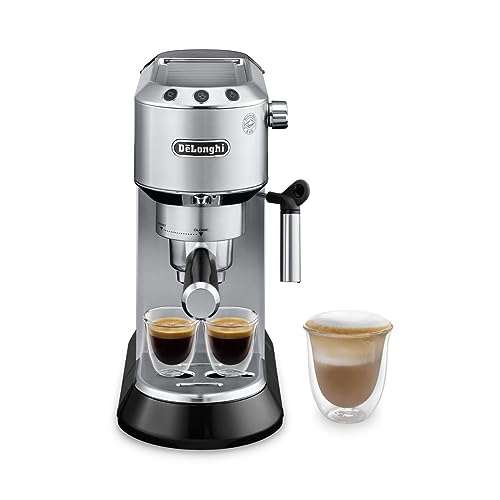
TL;DR: The De'Longhi Dedica packs 15‑bar pressure, a 40‑second heat‑up and a 150 mm width into a $247.00 machine, offering space‑saving espresso with solid performance but a modest water tank.
At just 150 mm wide, the Dedica is one of the narrowest options in the 15‑bar espresso segment, and its Thermoblock system reaches brewing temperature in 40 seconds. The 15 bar pump pressure matches the industry standard for home espresso and delivers enough force for crema.
Weighing 9.3 lb, it sits between the ultra‑light Nespresso Inissia (5.3 lb) and the heftier Cuisinart EM‑200NP1 (15.7 lb). Its 1.1 L water tank is larger than the Nespresso’s 0.7 L but smaller than the Breville Bambino’s 1.4 L, so you’ll need to refill after a couple of double shots. With an input power of 1300 W, it outpaces the Mr. Coffee’s 1000 W unit yet stays below the Breville’s 1560 W draw.
Users consistently praise the tiny footprint and the rapid start‑up, noting that the manual steam wand lets them experiment with latte art. However, reviewers also flag the single‑boiler design: after steaming milk, the machine needs a minute or two to cool before you can brew again, which can be a nuisance for back‑to‑back drinks. The 1.1 L reservoir also means frequent refills during a busy morning.
Professional reviewers highlight the 2‑hole steam tip for creating micro‑foam, and the auto shut‑off adds a safety layer when left unattended. The machine accepts ESE pods and comes with a metal tamper, giving you flexibility whether you prefer ground coffee or pre‑measured capsules.
Pros
Cons
Best for: Value‑conscious buyers seeking quality at $247.00
Avoid if: You need high‑volume brewing or a portable machine
TL;DR: The Breville Bambino delivers barista‑level espresso with a 15‑bar pump, 3‑second ThermoJet heat‑up and 1.4 L tank, all in a compact 12 × 7.7 × 12 in design for $249.95.
The standout feature is Breville’s ThermoJet heating element that reaches operating temperature in just 3 seconds, so you’re ready to pull a shot almost instantly. Combined with a 15‑bar pump, PID digital temperature control and a 266°F steam wand, the machine promises consistent extraction and micro‑foam quality. Its 1.4 L water tank and 10.9 pounds (4.9 kg) build give it a solid, stable presence on the counter.
At 10.9 pounds, the Bambino is heavier than the De'Longhi Dedica (9.3 pounds) but noticeably lighter than the Cuisinart EM‑200NP1 (15.7 pounds). The 1.4 L tank outpaces the Nespresso Inissia’s 0.7 L capacity while matching the De'Longhi Dedica’s 1.1 L. Pump pressure sits at 15 bar, equal to most peers but below the 20 bar of the Casabrews CM5418 and the 19 bar of the Nespresso Inissia. Power consumption is 1560 W, higher than the Mr. Coffee’s 1000 W and the Nespresso’s 1200 W, reflecting its rapid heating system. Heat‑up time is a clear advantage: 3 seconds versus the Dedica’s 40 seconds and the Inissia’s 25 seconds.
Reviewers love the ultra‑fast heat‑up and the compact footprint—roughly 12 in high, 7.7 in wide and 12.6 in deep—making it a good fit for small kitchens. Professional reviewers highlight the reliable milk texturing from the single‑hole steam wand and note that PID control grants consistency. Everyday users appreciate the ease of pulling quality espresso shots with pre‑ground beans, though many note that the manual steam wand takes practice to master and the 4‑5 in cup clearance can restrict taller mugs.
Additional technical details include a 15 A current draw, Energy Class A rating, auto shut‑off for safety, and a built‑in cup warmer. The machine ships with a portafilter, tamper, pressurized dual‑wall and single‑wall filter baskets, a drip tray and cleaning tools, covering the basics for a beginner‑friendly espresso setup.
Pros
Cons
Best for: Value-conscious buyers seeking quality at $249.95
Avoid if: You need advanced features or professional-grade performance
“Great shots and performance for home use.”
“Overall satisfaction”
TL;DR: The Mr. Coffee One‑Touch Espresso and Cappuccino Machine delivers 15‑bar pressure, 1000 W heating and an automatic frother in a single‑button, 10.37‑lb unit for $186.99, but it requires hand‑washing and offers modest value versus peers.
At the heart of this machine is a 15‑bar pump paired with a 1000‑watt heating element, giving you café‑level pressure and fast temperature recovery. The one‑touch control panel lets you pull a single or double shot with a single press, while the built‑in automatic milk frother creates light, creamy foam for cappuccinos and lattes. Weighing 10.37 pounds, the unit feels solid on the countertop.
Compared with the other eleven contenders, this model sits in the mid‑weight range—heavier than the 5.3‑pound Nespresso Inissia but just a shade lighter than the 10.6‑pound De'Longhi Espresso Machine. Its 26‑inch cord gives you more placement flexibility than many compact units that often come with shorter cables. Feature‑wise, the three‑in‑one functionality (espresso, cappuccino, latte) and adjustable cup tray put it ahead of several single‑purpose machines.
Reviewers consistently highlight the simplicity of the one‑button interface and the reliability of the automatic frother, calling it “café‑style drinks with minimal effort.” A common downside is the hand‑wash‑only design; users note that cleaning the frother and portafilter adds extra time. Additionally, the lack of pod compatibility means you’ll need to grind and tamp your own beans, which some users find less convenient.
Technical details include a 51.5 mm portafilter diameter that fits standard baskets, a removable water reservoir for easy filling, and an adjustable cup tray that accommodates both short espresso cups and taller mugs. The machine runs on 110 volts and offers single‑ or double‑shot options so you can choose your strength.
Pros
Cons
Best for: Budget‑conscious buyers seeking a reliable entry‑level option
Avoid if: You have limited desk space or need portability
TL;DR: The De'Longhi La Specialista Opera blends a 19‑bar pump, 2 L water tank and a 15‑setting conical burr grinder into a premium, stainless‑steel machine that commands a $899.95 price tag.
What really sets this model apart is its 19 bar pump pressure, the highest among the eleven other espresso machines in the roundup, most of which sit at 15 bar. Coupled with a 1550 W input power and a 2 L water reservoir, it promises rapid heating and enough water for multiple drinks without frequent refills.
At 28.11 lb, the Opera is noticeably heavier than the Breville Bambino (10.9 lb) and the Cuisinart EM‑200NP1 (15.7 lb), so it demands a sturdy countertop. Its pump pressure outstrips the 15 bar units found in the De'Longhi Magnifica Start, Breville Barista Express, Philips 3200 Series and Cuisinart, while its 2 L tank matches the Barista Express and exceeds the 1.8 L tanks of the Magnifica Start and Philips 3200. Power consumption sits between the Magnifica Start’s 1450 W and the Bambino’s 1560 W, giving it a solid middle ground for energy use.
Professional reviewers praise the integrated 15‑setting Italian conical burr grinder for delivering consistent dosing and the smart tamping lever for mess‑free, repeatable tamping. The cold‑brew function, which finishes in under 5 minutes, highlights a unique convenience, and the commercial‑style steam wand’s quick heat‑up receives praise for producing café‑grade micro‑foam. Users, however, note that the 15 grind settings can feel limiting for light‑roast aficionados, and the machine’s large footprint and weight can be a challenge in smaller kitchens. Some also point out that the advertised 19 bar pressure is more of a marketing figure, with real‑world extraction effectively occurring around 9 bar.
Beyond the core specs, the Opera offers five beverage presets, three temperature settings, and a passive stainless‑steel cup warmer. Its body blends stainless steel (40 %), plastic (35 %) and aluminum (15 %) for a premium look, while the dimensions of 380 × 370 × 445 mm keep it compact enough for a dedicated coffee corner.
Pros
Cons
Best for: Those prioritizing quality and willing to pay for premium performance
Avoid if: You're shopping on a tight budget — it's priced at $899.95
TL;DR: The Cuisinart EM-200NP1 packs a 15‑bar pump, stainless‑steel build and a 64‑oz removable reservoir into a 12.8‑inch‑deep, 15.7‑lb machine that’s pricier but highly rated for home espresso.
The standout spec is the 15‑bar pump, which professional reviewers cite as essential for authentic crema and café‑style espresso. Coupled with programmable shot sizes from 1.5 oz to 3.0 oz, you can dial in single or double servings without a separate grinder.
Compared with the other eleven machines, this model is noticeably heavier at 15.7 lb, outpacing the Breville Bambino (10.9 lb), De'Longhi Dedica (9.3 lb) and the ultra‑light Nespresso Inissia (5.3 lb). Its price tag of $340.19 also sits above most peers, making it a premium choice in the lineup. However, the pump pressure matches the 15‑bar units from Breville, De'Longhi and Mr. Coffee, so you’re not losing out on extraction power.
User sentiment highlights reliable crema, the flexibility of multiple portafilter types (single‑shot, double‑shot, pressurized, non‑pressurized, pod) and the convenience of a removable 64‑oz water reservoir and dishwasher‑safe drip tray. Some reviewers note the need to reprogram the default 1.5 oz/3.0 oz settings and the manual stop‑pour button, which feels less seamless than fully automatic shut‑off models.
Pros
Cons
Best for: Most users seeking a balanced, mainstream option
Avoid if: You have limited desk space or need portability
“Common praise includes reliable crema from the 15-bar pump, ease of customizing shot sizes (e.g., to 2 oz), and simple milk frothing for lattes/cappuccinos”
Breakdown
Casabrews CM5418 Silver
Pros
Breville Barista Express
Pros
Gaggia E24
Pros
Cons
Philips 3200 Series
Pros
Cons
Based on scoring data and product specs
Personalized picks
Best Overall Pick
Casabrews CM5418 Silver
Best Budget PickBest for: Budget-conscious buyers seeking a reliable entry-level option
Breville Barista Express
Best for: Buyers willing to invest in a proven, high-quality option
$549.95+$430.96 vs winner
Skip Cuisinart EM-200NP1 if…
You have limited desk space or need portability
We’re naming the Casabrews CM5418 Silver the clear winner of the 15‑plus‑bar espresso showdown. At just $139.99 it undercuts every competitor, yet it still pulls a solid 20‑bar pump pressure and ships with a 1‑liter detachable water tank. Its 4.4‑star rating from 7,378 reviewers shows users love the simple button controls and built‑in manometer gauge.
The Breville Barista Express lands as the runner‑up, ideal for anyone who wants an all‑in‑one solution. It packs an integrated conical‑burr grinder with 16 settings, a generous 2.0‑L water tank, and a 15‑bar pump, all for $549.95. If you value fresh‑ground beans and a larger brew capacity, this model delivers exactly that.
Looking beyond the top two, the next best picks line up by budget tier:
Pick the Casabrews CM5418 Silver today and start pulling bar‑level espresso without breaking the bank.
The Casabrews CM5418 Silver costs about $140 and still delivers 20‑bar pump pressure, a removable 1‑liter water tank, and a built‑in pressure gauge. By contrast, the Breville Barista Express is priced around $550, so the Casabrews provides a much lower entry cost while covering the core espresso functions.
No reviews yet — be the first to share your experience.
Please sign in to leave a review
Also considered
$549.95
