⚡ Quick Answer
We’ve lined up 12 hand saws that cover every budget tier, from the $6.98 Frocopo 6‑inch Pull Saw all the way up to the $49.80 Suizan Ryoba. The collection spans budget, mid‑range and premium options, giving you a clear view of what you can expect for a given price. Across the board, user ratings hover between 4.5 and 4.8 stars, so you know each tool has earned solid approval from fellow woodworkers.
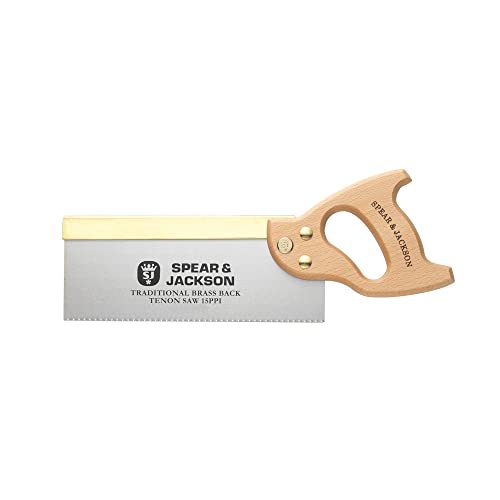
At the heart of the list sits the Gyokucho Flush Cutting Saw, priced at $15.40 and carrying a 4.7‑star rating. Its ultra‑thin 0.3 mm impulse‑hardened steel blade, 32/21 TPI teeth and 4.92‑inch blade length make it a go‑to for flush‑cutting dowels, plugs and tight joint trims. If you’re hunting for a bargain, the Frocopo’s 6‑inch, 11/17 TPI double‑edged blade and wood handle deliver decent performance for under $7. Mid‑range users might gravitate toward the Milwaukee Hacksaw’s 10‑inch bi‑metal blade and ergonomic rubber handle at $16.27, while the premium tier offers the Spear & Jackson Brass Back Saw’s 15 TPI, solid‑brass back and 10‑inch carbon‑steel blade for $30.05.
Read on to see how each saw stacks up on size, material compatibility and handling, so you can match the right tool to your next project.
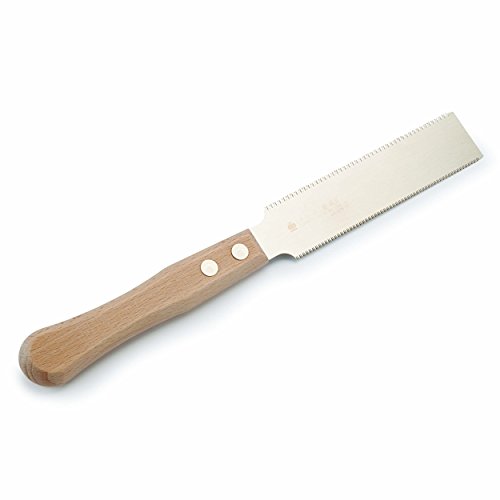
Gyokucho Flush Cutting Saw
Its 125 mm blade length delivers precise flush cuts for trim work.
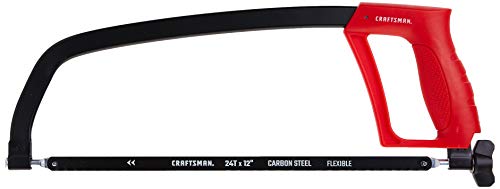
Craftsman CMHT20138
Ideal for budget‑conscious DIYers, it offers a 305 mm blade at $9.99, about $5.41 cheaper than the Gyokucho.

Suizan Ryoba
Features an interchangeable handle and replaceable 9.5 in blade, giving woodworkers flexibility the other two lack.
Also considered
TL;DR: The Suizan Ryoba delivers razor‑thin 0.5 mm Japanese steel blades at 9.5 in length, offering precise pull‑cut performance for woodworkers willing to pay $49.80 for premium quality.
The standout spec is the ultra‑thin 0.5 mm (0.02 in) blade that produces a kerf of just 0.8 mm, letting you save material on every cut. At 240 mm (9.5 in) blade length and a total weight of 0.44 lb, the saw feels featherlight in hand, which reviewers say translates to less fatigue during long projects.
Compared with the other eleven hand saws in this roundup, the Ryoba is noticeably lighter than the Spear & Jackson Back Saw 22‑inch (1.32 lb) and even lighter than the Milwaukee Hacksaw (0.50 lb). It also offers a double‑edge Ryoba configuration that the single‑edge Dozuki models lack, giving you both 9 TPI rip and 15 TPI cross cuts without swapping tools.
User sentiment consistently praises the out‑of‑the‑box sharpness and the smooth pull‑stroke action, noting that the blade holds its edge through soft woods like pine and harder species such as red oak. Professional reviewers highlight the thin kerf and interchangeable blade as key advantages, while also warning that the thin steel demands a proper pull technique and careful handling to avoid bending.
Pros
Cons
Best for: Buyers willing to invest in a proven, high‑quality option — the Suizan Ryoba offers Blade Length: 240 mm.
Avoid if: You're shopping on a tight budget — it's priced at $49.80.
“My personal favorite for all around hand sawing”
“Razor-sharp cuts immediately; smooth, clean edges on various woods”
TL;DR: The Suizan Dozuki 6‑inch pull saw delivers a razor‑thin 0.3 mm blade and 25 TPI for ultra‑clean joinery cuts, but its $29.44 price and learning curve make it a premium choice for experienced woodworkers.
What really sets this saw apart is the ultra‑thin 0.3 mm Japanese‑steel blade that produces a 0.5 mm kerf. At 5.91 in blade length and 25 TPI, the tooth density lets you slice dovetails and tenons with minimal material waste, a claim echoed by professional reviewers who praise its clean finish.
Compared with the other eleven saws in this roundup, the Suizan is dramatically lighter at about 0.35 lb, out‑weighing the Spear & Jackson 10‑inch (1.27 lb) and the Milwaukee Hacksaw (0.5 lb) while still being heavier than the Gyokucho Flush Cutting Saw’s 0.12 lb. Its blade thickness of 0.3 mm is also far slimmer than the 0.70 mm of the Spear & Jackson 10‑inch and the 1.00 mm of the 22‑inch model, giving it a tighter cut line than those heavier, thicker‑bladed saws. The 25 TPI tooth count exceeds the 15 PPI of the Brass Back Saw and the 14 PPI of the Stanley Hand Saw, placing it among the highest‑density options without reaching the 32 TPI of the Gyokucho’s hardwood edge.
User sentiment highlights the saw’s “razor‑sharp performance” and the ability to leave a thin, waste‑free kerf, especially on hardwoods. However, many reviewers note that the aggressive teeth can bind on the first few strokes, and newcomers often need a brief adjustment period to master the pull‑stroke technique. The rattan handle, crafted in Japan’s Sanjō region, adds a traditional feel and contributes to the saw’s overall length of 15.16 in, making it comfortable for precise, controlled cuts.
Pros
Cons
Best for: Most users looking for a well‑reviewed, reliable mainstream option — the Suizan Dozuki 6‑inch offers Teeth Per Inch: 25 TPI
Avoid if: You're shopping on a tight budget — it's priced at $29.44
“Leaves a thin kerf of 0.5mm and a clean finish that cannot be replicated with Western saws”
“Much more aggressive and cuts smoothly”
TL;DR: The Ruitool Japanese Hand Saw offers a 6‑inch ultra‑thin 0.5 mm SK‑5 blade, dual 14/17 TPI edges, and a lightweight 0.24 lb beechwood handle for precise, affordable woodworking.
This saw’s standout feature is its 0.5 mm blade thickness combined with a 6‑inch blade length, delivering the kind of flush‑cut precision that’s hard to find at this price point. The double‑edged Ryoba design gives you a coarse 14 TPI side and a fine 17 TPI side, letting you switch between ripping softwood and cross‑cutting hardwood without swapping tools.
At $10.58, it slots between the $6.98 Frocopo option and the $15.40 Gyokucho model, making it a solid middle‑ground choice. Weighing just 0.24 lb, it’s lighter than the Craftsman’s 588 g unit but heavier than Gyokucho’s feather‑light 0.12 lb saw. Its blade is thicker than Gyokucho’s 0.3 mm edge, which some users appreciate for added durability, while still staying slimmer than many standard western saws.
Reviewers consistently praise the out‑of‑the‑box sharpness and the clean, splinter‑free cuts on trim and joinery. Professionals note the triple‑beveled teeth help chip removal and that the pull‑stroke action feels smooth in the hand. On the downside, the beechwood handle can become slippery when hands are sweaty, and the blade’s flexibility means it’s less suited for thick branches or heavy‑duty lumber.
Pros
Cons
Best for: Budget-conscious buyers seeking a reliable entry-level option — the Ruitool Japanese Hand Saw offers Blade Length: 6 inches
“Insanely sharp out of box, cuts like butter”
“Lightweight, no fatigue for long sessions”
TL;DR: The Craftsman CMHT20138 is a 12‑inch, 24‑TPI hacksaw with a sturdy metal frame, lifetime warranty, and a solid grip, all for just $9.99, making it a reliable entry‑level tool for light DIY projects.
What really stands out is the 12‑inch carbon‑steel blade paired with 24 teeth per inch, delivering an extra‑fine cut for plastic, wood, and metal. The frame can handle up to 224.9 lb of tension, and the blade angles swivel between 90° and 180°, letting you tackle flush‑cut jobs without extra accessories. At 1.30 lb, the saw feels solid in hand while still being manageable for extended use.
Compared with the other eleven saws in this roundup, the Craftsman is heavier than the ultra‑light Gyokucho Flush Cutting Saw (0.12 lb) and the Ruitool Japanese Hand Saw (0.24 lb), but it offers a longer overall length (15.75 in) than the compact Qyqrqf Pro Hand Saw (overall length 432 mm). Its 24 TPI outpaces the Qyqrqf’s 11 TPI and matches the Milwaukee Hacksaw’s 24 TPI, giving it a finer finish without sacrificing durability.
Customer feedback clusters around the saw’s robust build and comfortable D‑handle. Reviewers repeatedly mention the “sturdy metal frame” and “full‑grip handle” as reasons the tool feels secure during push cuts. Professional reviewers note the high‑tension capacity as a confidence booster for basic hacksaw tasks. While the saw isn’t marketed for heavy‑duty wood framing, its versatility across multi‑material applications makes it a solid choice for homeowners and light‑trade users.
Pros
Cons
Best for: Budget-conscious buyers seeking a reliable entry-level option — the Craftsman CMHT20138 offers Blade Length: 305 mm
Avoid if: You have limited desk space or need portability
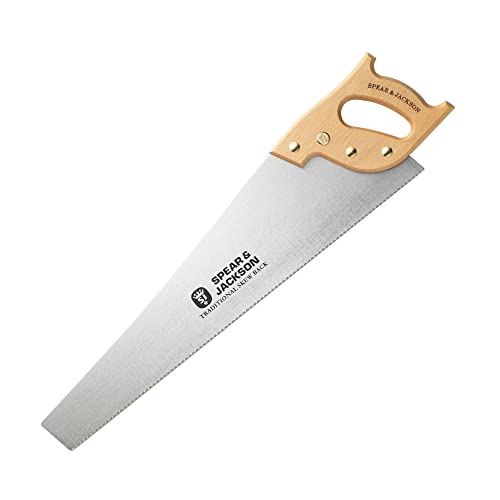
TL;DR: The Spear & Jackson 22‑inch skew‑back saw delivers a 1.00 mm high‑carbon steel blade with 10 PPI teeth, balanced at 1.32 lb, making it a reliable choice for precise general‑purpose woodworking.
The standout feature is its 22‑inch high‑carbon steel blade, finished with a lacquer coating and a modest 1.00 mm thickness. Ten teeth per inch give you a versatile cut that works well along or across the grain, while the traditional wooden handle and skew‑back design improve balance and reduce friction during long strokes.
Compared with the other eleven saws in this roundup, the 22‑inch blade is longer than the 10‑inch Brass Back Saw and the 6‑inch Suizan Dozuki, giving you extra reach on larger boards. At 1.32 lb it sits between the lighter Gyokucho Flush Cutting Saw (0.12 lb) and the heavier Stanley Hand Saw with Mitre Box (1.51 lb). Its 10 PPI tooth count is coarser than the 15 PPI of the Brass Back Saw and far coarser than the 32 PPI Gyokucho, positioning it for medium‑grade cuts rather than ultra‑fine work. Price‑wise it sits above the budget‑oriented Gyokucho but aligns with the Spear & Jackson Brass Back Saw’s pricing tier.
Professional reviewers note that the skew‑back design reduces friction and speeds up cutting, while the resharpenable precision‑cross‑ground teeth extend the tool’s lifespan. Users appreciate the solid feel of the wooden handle, but they also mention that the lacquer finish can require occasional upkeep to keep rust at bay. Because it’s a manual saw, it won’t replace a powered tool for heavy‑duty demolition or very rough timber.
Pros
Cons
Best for: Buyers willing to invest in a proven, high‑quality option — the Spear & Jackson Back Saw 22‑inch offers Teeth Per Inch: 10 PPI
Avoid if: You're on a tight budget or only need basic functionality, or you require a powered tool for heavy‑duty tasks
TL;DR: The Gyokucho Flush Cutting Saw delivers ultra‑thin 0.3 mm, 125 mm blade precision for flawless flush cuts, backed by a 4.7‑star rating and a lightweight 0.12 lb design.
What sets this saw apart is its 0.3 mm blade thickness combined with a 125 mm (4.92 in) blade length and a double‑edged Ryoba layout that offers 32 TPI on hardwood and 21 TPI on softwood. The impulse‑hardened steel teeth stay sharp longer, and the zero‑set tooth profile eliminates scratching on delicate work.
Compared with the other eleven hand saws in the roundup, the Gyokucho is markedly lighter than the Milwaukee Hacksaw (≈0.50 lb) and the Ruitool Japanese Hand Saw (≈0.24 lb). Its overall length of 10.63 in is shorter than Milwaukee’s 10‑in blade version but longer than the 6‑in blades on the Ruitool and Frocopo models, giving it a balanced footprint for both tight spaces and steady control. At 1.9 oz it also undercuts the Frocopo 6‑inch Pull Saw’s 2.82 oz weight.
Users consistently praise the out‑of‑box sharpness and the ability to make clean, scratch‑free flush cuts on dowels, plugs, and narrow joints. Professional reviewers highlight the flat saw plate that keeps cuts straight and the durability of the induction‑hardened teeth. The main trade‑off noted is the fixed blade design, which means the blade cannot be swapped if it becomes damaged or dull.
Additional context: the saw employs a pull‑action typical of Japanese designs, and the riveted beech‑wood handle offers a comfortable grip for extended use. It’s suited for both hardwoods and softwoods, making it a versatile choice for fine woodworking, model making, and detailed joinery.
Pros
Cons
Best for: Woodworkers, model makers, and fine craftsmen needing precise, scratch‑free flush trimming — the Gyokucho Flush Cutting Saw offers Blade Length: 125 mm.
Avoid if: You have limited desk space or need portability, or you prefer a replaceable‑blade design for heavy‑duty tasks.
“really sharp”
“lovely and flexible”
TL;DR: The Suizan Dozuki 7‑inch pull saw delivers a razor‑thin 0.5 mm kerf and a weighted polypropylene handle for precise joinery, though its $39.80 price tags it as a premium choice.
The standout spec is its 7‑inch (180 mm) blade that’s only 0.3 mm thick, producing a kerf just 0.5 mm wide and a 17 TPI tooth count. This combination lets you cut dovetails and tenons with minimal material waste and clean edges straight out of the box.
Compared with the other eleven saws in this roundup, the Suizan sits at the higher end of the price spectrum, out‑pricing the Milwaukee Hacksaw and the Spear & Jackson Brass Back Saw. At roughly 0.42 lb, it’s considerably lighter than the 22‑inch Spear & Jackson Back Saw (1.32 lb) and the Stanley Hand Saw with Mitre Box (1.51 lb), making it easy to maneuver in tight joinery work.
Everyday users rave about the effortless precision and the “sharp out‑of‑box” performance, noting that the thin kerf leaves almost no saw marks. Professional reviewers highlight the thick polypropylene handle, which adds weight for stability and reduces hand fatigue during long cuts. The main trade‑off mentioned is the 17 TPI count, which can feel a bit coarse for ultra‑fine finishing, and a slight blade flex when tackling very dense hardwoods.
Additional context: the blade is heat‑treated Japanese steel and fully replaceable, while the pull‑saw action means you cut on the draw stroke—a hallmark of Japanese joinery tools. It’s designed specifically for wood, making it a solid choice for dovetails, tenons, and other fine joinery tasks.
Pros
Cons
Best for: Buyers willing to invest in a proven, high-quality option — the Suizan Dozuki offers Teeth Per Inch: 17
Avoid if: You're shopping on a tight budget — it's priced at $39.80
“personal economical choice for cutting dovetails”
“razor-sharp”
TL;DR: The Spear & Jackson Brass Back Saw 10‑inch costs $30.05, weighs 1.27 lb, and delivers precise, clean cuts thanks to its 15 PPI, 0.70 mm thick carbon‑steel blade backed by solid brass.
This saw’s standout feature is its solid brass back, which adds the maximum rigidity a hand‑saw can have. Combined with a 10‑inch (254–255 mm) hardened carbon‑steel blade that’s only 0.70 mm thick, it produces the fine‑cutting, smooth finishes that precision joinery demands. The 15 PPI tooth count and bidirectional cutting action let you work comfortably along or across the grain.
In the twelve‑item roundup, the Spear & Jackson is heavier than the lightweight Suizan Dozuki 6‑inch (which weighs under 0.4 lb) but lighter than the 22‑inch back saw that tops out at about 1.32 lb. It also carries a premium price tag compared with the ultra‑thin Gyokucho Flush Cutting Saw, which is notably cheaper. Still, its brass back and traditional tenon‑saw design give it a sturdier feel than the plastic‑handled Stanley mitre box saw.
Professional reviewers praise the saw’s rigidity and the clean kerf it produces once the teeth are tuned, while many users note an initial rough cut and occasional skip‑starts that disappear after a few resharpenings. The ambidextrous wooden handle with three bifurcated rivets makes it comfortable for left‑ or right‑handed woodworkers, and the quality‑guarantee warranty adds confidence for long‑term use.
Pros
Cons
Best for: Buyers willing to invest in a proven, high‑quality option — the Spear & Jackson Brass Back Saw 10‑inch offers Blade Length: 10 inches (254–255 mm)
Avoid if: You need a lightweight saw for fast, rough cuts or are focused on rapid material removal
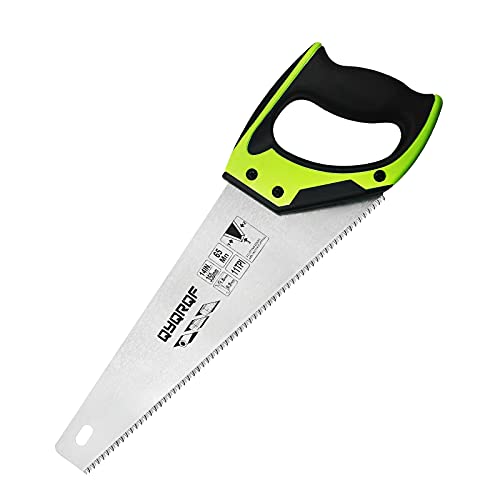
TL;DR: The Qyqrqf Pro Hand Saw delivers a 14‑inch, 0.9 mm ultra‑thin blade with 11 TPI and a low‑friction coating for precise cuts, all at a budget‑friendly $9.99.
The standout feature is its 0.9 mm blade thickness paired with a 14‑inch blade length, giving you a long reach while keeping the cut line exceptionally thin. The triple‑ground, induction‑hardened teeth and low‑friction coating work together to maintain sharpness and reduce drag on wood, plastic, drywall, and PVC.
Compared with the other eleven saws in this roundup, the Qyqrqf is longer than the Gyokucho Flush Cutting Saw’s 125 mm blade and heavier than its 0.12 lb weight, while still lighter than the Craftsman CMHT20138 at roughly 1.30 lb. It also out‑reaches the Ruitool Japanese Hand Saw’s 6‑inch blade and weighs more than the Ruitool’s 0.24 lb, offering a sturdier feel for framing or pruning tasks. Against the Milwaukee Hacksaw’s 10‑inch blade and 0.50 lb weight, the Qyqrqf provides extra length for deeper cuts without sacrificing maneuverability.
User reviews repeatedly highlight the ergonomic non‑slip TPR handle as a comfort boost during extended projects, and many praise the push/pull cutting action for smooth, controlled strokes. Professional reviewers note the rigid blade’s vibration reduction, which many users echo as a plus for accuracy. However, a few buyers point out that the $9.99 price feels steep relative to ultra‑light alternatives, and the 4.5/5 rating, while solid, sits below the top‑rated peers.
Additional technical context: the saw is built from 65Mn steel, treated with heat and induction hardening for durability, and its low‑friction coating helps chip removal through deep gullets. With 11 TPI, it’s optimized for fine crosscuts, and the push/pull action lets you choose the stroke that feels most natural.
Pros
Cons
Best for: Budget-conscious buyers seeking a reliable entry-level option — the Qyqrqf Pro Hand Saw offers Teeth Per Inch: 11 TPI
TL;DR: The Milwaukee Hacksaw packs a 10‑inch bi‑metal blade, ergonomic rubber grip and tool‑free blade changes into a compact 14.5‑inch frame that weighs just 0.5 lb, earning a solid 4.5‑star rating for metal‑cutting tasks.
This saw’s standout spec is its 10‑inch bi‑metal blade paired with 24 TPI teeth, which reviewers praise for clean cuts through metal, PVC and tubing. The tool‑free blade‑change mechanism is marketed as 10× faster than traditional hacksaws, letting you swap blades without tools—a genuine time‑saver on the job.
Compared with the other eleven hand saws in this roundup, the Milwaukee is heavier than the ultra‑light Gyokucho Flush Cutting Saw (0.12 lb) and the Ruitool Japanese Hand Saw (0.24 lb), but still lighter than the Stanley Hand Saw with Mitre Box at 1.51 lb. Its overall length of 14.5 in sits between the short 6‑inch pull saws and the longer 18‑inch mitre‑box kit, giving you enough reach for most metal‑cutting jobs without becoming unwieldy.
User feedback highlights the ergonomic rubber handle as comfortable during extended use, and the reinforced frame is frequently mentioned as durable for high‑tension cuts. One recurring theme is that the fixed 24 TPI blade is excellent for metal but less versatile for wood, so users who need a dual‑purpose saw may look elsewhere. Professional reviewers note the frame’s high‑tension capability, which aligns with the brand’s claim of robust construction.
Pros
Cons
Best for: Professionals and DIYers who need a reliable, well‑reviewed hacksaw for metal, PVC and tubing work, and who value quick blade swaps and a comfortable grip.
TL;DR: The Stanley 19-800 hand saw with mitre box packs a 12‑inch steel blade, 14 TPI, and a built‑in storage release for $23.63, offering precise angled cuts in a lightweight 1.51 lb package.
The kit’s standout feature is its integrated storage cavity with a finger‑button release, letting you snap the 12‑inch tenon/back saw in and out without juggling extra tools. The blade’s 14 TPI spacing is tuned for fine crosscuts on softwoods, and the push‑cut action pairs with a rubber handle for comfortable control. At 18.2 inches overall length and 1.51 lb weight, the saw is compact enough to fit in a modest toolbox while still providing the leverage needed for accurate mitre work.
Compared with the other eleven saws in this roundup, the Stanley sits in the middle of the weight spectrum—lighter than the Spear & Jackson Brass Back Saw but noticeably heavier than the ultra‑light Gyokucho Flush Cutting Saw and the Milwaukee Hacksaw. Its ABS‑plastic housing makes it bulkier than the metal‑backed Suizan Dozuki, yet the kit offers more angle guides than the Milwaukee model, which only provides a single blade length. In price terms it sits above the sub‑$16 Milwaukee option and the $15.40 Gyokucho, positioning it as a mid‑tier offering rather than the budget pick.
Reviewers consistently praise the storage convenience and the precision of the 90°, 45°, 22.5°, and 45° scarf angle slots. Professional reviewers highlight the sturdy guidance system that helps beginners achieve clean mitre cuts without a lot of trial and error. The main criticism revolves around the plastic construction, which some users feel may not endure the rigors of a professional workshop, and the price point, which is higher than a few of the lighter, metal‑based alternatives.
Beyond the basics, the saw’s 14 TPI layout delivers a fine kerf that reduces waste on softwood projects, while the front‑lip anti‑slip features keep the blade steady during push cuts. The included pencil pocket and multiple angle guides make it a versatile companion for framing picture rails, building small furniture, or tackling DIY trim work.
Pros
Cons
Best for: Most users looking for a well‑reviewed, reliable mainstream option — the Stanley Hand Saw with Mitre Box offers Teeth Per Inch: 14 PPI
Avoid if: Reliability and user satisfaction are your top concerns
TL;DR: The Frocopo 6‑inch Pull Saw delivers precise Japanese pull‑cut action, a 6‑inch hardened SK5 blade, and a feather‑light 2.82‑oz build for under $7, earning a 4.6‑star rating from nearly a thousand users.
What really sets this saw apart is its double‑edged, flexible blade that measures 6 inches long and carries 11 TPI on the coarse side and 17 TPI on the fine side. The teeth are triple‑ground, quenched and hardened, and the blade is made from premium SK5 steel, giving you a consistently sharp edge for clean flush cuts. The pull‑stroke design means the saw does the work for you, reducing the physical effort compared with traditional push saws.
At just 2.82 oz (0.176 lb), the Frocopo is lighter than most of its rivals – the Craftsman CMHT20138 tips the scales at 588 g and the Milwaukee Hacksaw weighs 227 g. Its 12.2‑inch overall length matches the Ruitool Japanese Hand Saw but is shorter than the Craftsman’s 400 mm frame, making it easier to maneuver in tight spaces. The blade length is also more compact than the Milwaukee’s 10‑inch blade, while still offering the same 6‑inch cutting reach as the Ruitool.
Customers repeatedly note how effortless the pull‑stroke feels, especially when trimming in confined garden spots or making delicate joinery cuts. Professional reviewers highlight the cleaner cuts and reduced fatigue, crediting the hardened SK5 steel and the double‑edged design for eliminating the need to swap tools. The saw’s wooden, non‑slip handle adds comfort during longer projects, and the lifetime warranty backs its durability.
Pros
Cons
Best for: Budget-conscious buyers seeking a reliable entry-level option — the Frocopo 6-inch Pull Saw offers Height: 0.62 inches
Breakdown
Gyokucho Flush Cutting Saw
Pros
Craftsman CMHT20138
Pros
Suizan Ryoba
Pros
Cons

Suizan Dozuki 6-inch
Pros
Cons
Based on scoring data and product specs
Personalized picks
Best Overall Pick
Gyokucho Flush Cutting Saw
Best OverallBest for: Most users looking for a well-reviewed, reliable mainstream option — the Gyokucho Flush Cutting Saw offers Blade Length: 125 mm
Craftsman CMHT20138
Best for: Budget-conscious buyers seeking a reliable entry-level option — the Craftsman CMHT20138 offers Blade Length: 305 mm
$9.99-$5.31 vs winner
Skip Stanley Hand Saw with Mitre Box if…
Reliability and user satisfaction are your top concerns
We crowned the Gyokucho Flush Cutting Saw as the overall winner because its ultra‑thin 0.3 mm blade delivers razor‑sharp cuts, the 4.92‑inch blade length reaches tight corners, and the whole tool weighs just 0.12 lb for effortless control. Its 32/21 TPI double‑edge design and beech‑wood riveted handle give both precision and comfort, making it a top pick for hardwoods and softwoods alike.
The Craftsman CMHT20138 takes the runner‑up spot, especially if you need a versatile hacksaw that handles metal, plastic and wood. Its 12‑inch carbon‑steel blade is replaceable, the push‑cut action and 24 TPI teeth tackle tougher materials, and the lifetime warranty adds peace of mind—all while weighing a manageable 1.30 lb.
Looking for alternatives? The Frocopo 6‑inch Pull Saw offers the lowest entry price, perfect for occasional DIY tasks on a tight budget. For those willing to invest more, the Suizan Ryoba stands out as the premium option, delivering a higher‑end Japanese pull‑saw experience for demanding projects.
Pick the Gyokucho Flush Cutting Saw today and enjoy precise, effortless cuts on any woodworking job.
It uses an ultra‑thin 0.3 mm impulse‑hardened steel blade with 32 TPI on the hardwood edge and 21 TPI on softwood, letting you make very fine cuts in both hardwoods and softwoods. The pull‑stroke design and riveted beech‑wood handle also help keep the blade stable.
No reviews yet — be the first to share your experience.
Please sign in to leave a review