⚡ Quick Answer
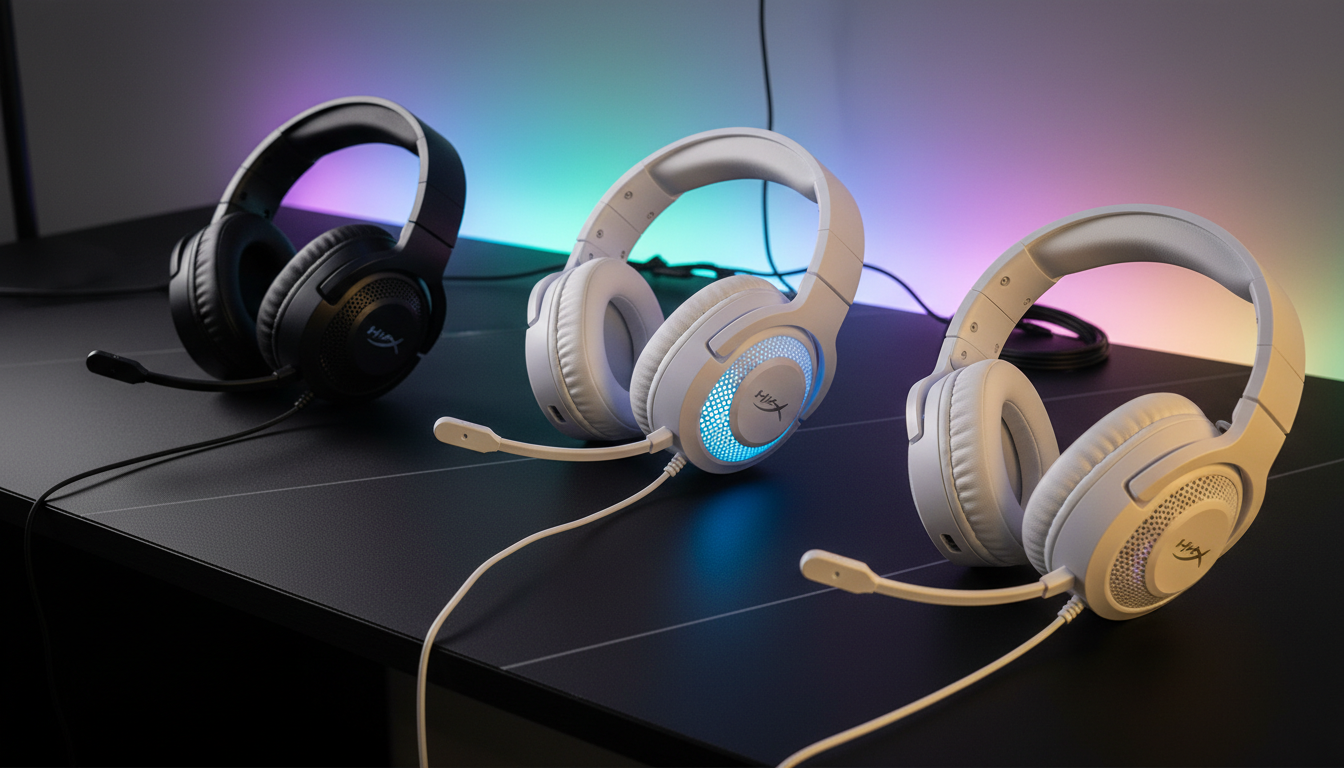
If you want a headset that balances light weight, dual‑wireless connectivity and solid sound, the HyperX Cloud Jet stands out. At $59.99 it carries a 4.3/5 rating from 6,368 reviews, weighs just 0.65697754076 pounds, and packs 40 mm drivers with a 15‑meter wireless range, making it a comfortable choice for long sessions across PC, console and mobile.
Our comparison covers 8 models, spanning the full price spectrum from $19.99 for the HyperX Cloud Stinger 2 up to $99.99 for the Corsair HS80 RGB. The budget tier includes the Stinger 2, Razer BlackShark V2 X and Turtle Beach Recon 70, while the Fifine AmpliGame H6 and EKSA E900 Pro fill the mid‑range slot. The premium class features the Redragon H510 Zeus, HyperX Cloud Jet and Corsair HS80 RGB, each offering extra features such as 7.1 virtual surround or advanced audio resolution.
The following sections examine each model’s strengths and trade‑offs so you can pick the right headset for your setup.

HyperX Cloud Jet
Its 40 mm drivers deliver spacious sound, and the 1.5 m charging cable adds convenience, earning high marks for features and brand confidence.
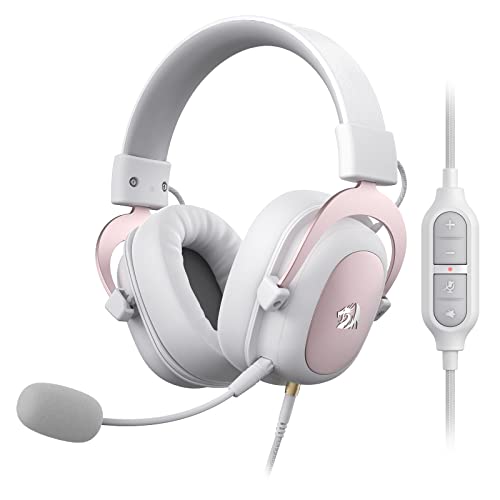
Redragon H510 Zeus White
Ideal for gamers who value larger 53 mm drivers but want a slightly cheaper option—about $7 less than the HyperX Cloud Jet.

HyperX Cloud Stinger 2 50mm Black
Stands out with a 30 Ω impedance, allowing easy pairing with low‑power consoles or phones, while its 50 mm drivers keep sound full at a budget‑friendly price.
Also considered
Score Analysis
Key score advantages vs. runner-up (Redragon H510 Zeus)
Price Range
HyperX Cloud Jet
$49.99
Redragon H510 Zeus White
$61.99
HyperX Cloud Stinger 2 50mm Black
$39.99

Razer BlackShark V2 X
$34.99

Fifine AmpliGame H6
$41.99
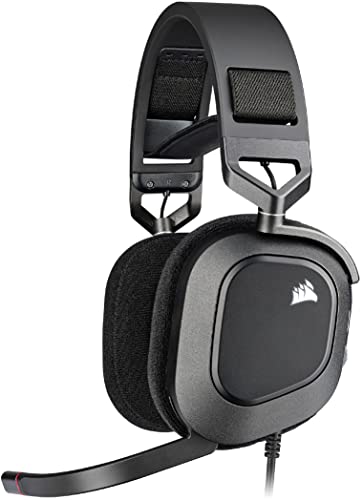
Corsair HS80 RGB
$79.99
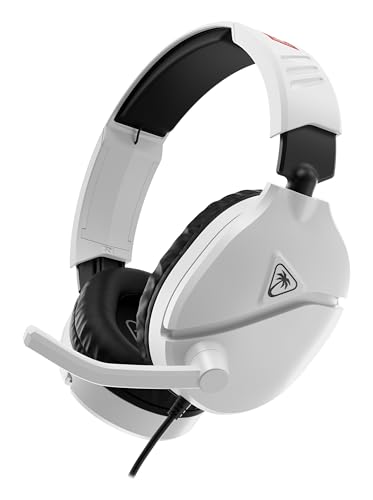
Turtle Beach Recon 70
$38.99

EKSA E900 Pro
$49.99
Spec Comparison
TL;DR: The HyperX Cloud Jet offers a lightweight 298 g dual‑wireless headset with 40 mm drivers, 20‑25 h battery life, and DTS spatial audio, but its plastic frame feels less premium than metal‑framed rivals.
The standout feature is its dual‑wireless setup: a low‑latency 2.4 GHz USB dongle and Bluetooth 5.3, letting you hop between PC, console and mobile without re‑plugging. At just 298 g (0.66 lb) and with 40 mm angled drivers, the headset stays comfortable for marathon sessions and still delivers the DTS Headphone:X spatial audio HyperX promises.
Compared with the seven other headsets in this roundup, the Cloud Jet lands in the middle of the weight spectrum – lighter than the Redragon H510 Zeus and EKSA E900 Pro, but a bit heavier than the Turtle Beach Recon 70, Razer BlackShark V2 X and HyperX Cloud Stinger 2. Its 40 mm drivers are smaller than the 50 mm‑plus drivers found in most peers, matching only the Turtle Beach model.
Reviewers consistently praise the sub‑300 g feel and the seamless switch between the dongle and Bluetooth, calling the mesh‑foam ear cushions “a welcome choice” for long gaming sessions. Professional reviewers note the plastic‑heavy construction feels less premium than aluminum‑framed alternatives, and some users mention the ear‑cushion material can vary between revisions. The headset runs 20‑25 hours on a single charge and recharges in 4.5 hours, while maintaining a solid 15‑meter wireless range, all while delivering a microphone sensitivity of –16 dB and a headset sensitivity of 103 dB SPL/mW.
Pros
Cons
Best for: Buyers willing to invest in a proven, high‑quality option
Avoid if: You're on a tight budget or only need basic functionality
“feels light enough to wear for hours without fatigue”
“a welcome choice”
TL;DR: The Redragon H510 Zeus White pairs a roomy 53 mm driver and 7.1 virtual surround with a detachable noise‑cancelling mic, but its 1.54‑lb weight makes it heavier than most rivals in the same price range.
The headset’s standout spec is its 53 mm driver, the largest among the eight models in this roundup. Coupled with 7.1 virtual surround sound, the H510 aims to deliver immersive audio for games and movies. A detachable noise‑cancelling microphone adds flexibility for voice chat, while the free‑adjustable steel headband and leatherette memory‑foam ear pads promise a comfortable fit for extended sessions.
When you line it up against the competition, the H510 is noticeably heftier – at roughly 1.54 pounds it outweighs the EKSA E900 Pro (1.05 lb), HyperX Cloud Jet (0.66 lb), and the other six headsets, all of which sit under 1 pound. Its driver size also outpaces the 50 mm or 40 mm drivers used by the EKSA, HyperX, Fifine, Turtle Beach, Razer, and Corsair models, giving it a clear edge in raw driver displacement. Price‑wise it sits in the premium‑tier bracket, so you’ll pay more than the budget‑focused options, but you also gain the larger driver and a full‑featured control box with independent line controls.
Reviewers frequently praise the plush memory‑foam ear cushions, noting they keep the headset comfortable even during marathon gaming nights. The detachable mic’s noise‑cancellation also provides clear communication value. Reviewers cite the headset’s weight as the most common drawback; several users say it can feel “bulky” after a few hours, especially compared with the lighter alternatives.
Pros
Cons
Best for: Buyers willing to invest in a proven, high‑quality option
Avoid if: You're on a tight budget or only need basic functionality
“right for the price”
“precisely clear audio”
TL;DR: The HyperX Cloud Stinger 2 offers 50 mm drivers, DTS Headphone:X spatial audio and a swivel‑to‑mute mic for $19.99, delivering lightweight comfort and solid sound in a wired, budget‑friendly package.
The headset’s standout spec is its 50 mm neodymium drivers paired with a sensitivity of 97.5 dB SPL/mW, which reviewers say gives a “hefty audio punch.” Its microphone sensitivity of -40.5 dBV and bi‑directional noise‑cancelling design also earn praise for clear voice transmission. Weighing just 0.63 pounds (286 g) and featuring a 2 m cable, the unit stays comfortably on‑head for marathon sessions.
Compared with the seven other headsets in this roundup, the Cloud Stinger 2 sits in the middle of the weight spectrum: it’s heavier than the Turtle Beach Recon 70 (0.51 lb) and the Razer BlackShark V2 X (0.53 lb), but lighter than the EKSA E900 Pro (1.05 lb) and the Redragon H510 Zeus (1.54 lb). Its 50 mm drivers match the Razer, EKSA and Corsair models, and outsize the 40 mm drivers in the Turtle Beach and HyperX Cloud Jet. The 2 m cable is longer than the Razer’s 1.3 m lead and the EKSA’s 1.8 m cord, while matching the Fifine AmpliGame H6’s 2 m length.
Professional reviewers highlight the headset’s “refined lightweight comfort under 300 g” and the inclusion of a 2‑year DTS Headphone:X activation code for immersive 3‑D sound. Everyday users echo the comfort and clear mic, though many note the wired connection limits freedom of movement and the closed‑back design can cause heat buildup during long play. The headset doesn't list advanced surround technologies beyond DTS, which some audiophiles may find limiting.
Pros
Cons
Best for: Budget‑conscious buyers seeking a reliable entry‑level option
Avoid if: You need wireless freedom or prefer an open‑back design
“feels light enough to wear for hours without fatigue”
“a welcome choice”
TL;DR: The Razer BlackShark V2 X offers 50 mm drivers, a lightweight 0.53 lb build, and a HyperClear cardioid mic with ≥60 dB SNR, delivering clear esports audio at a budget price.
The BlackShark V2 X packs a 50 mm driver unit and a 32 Ω impedance, delivering a sensitivity of 100 dB SPL/mW. At just 0.53 lb (240 g), the headset feels feather‑light, and the 1300 mm cable gives enough reach for most gaming setups without excess slack.
Compared with the other seven headsets in this 7.1‑surround roundup, the BlackShark V2 X sits in the middle of the driver‑size spectrum – larger than the 40 mm drivers in Turtle Beach’s Recon 70 and HyperX’s Cloud Jet, but a touch smaller than Redragon’s 53 mm unit. Its weight is lighter than the HyperX Cloud Stinger 2, EKSA E900 Pro, and the bulkier Redragon model, and only marginally heavier than Turtle Beach’s 0.51 lb design. The 1.3 m cable is shorter than the 2 m leads on Fifine’s AmpliGame H6 and HyperX’s Cloud Stinger 2, giving a tidier desktop profile.
Professional reviewers point out the HyperClear cardioid microphone’s ≥60 dB signal‑to‑noise ratio and –42 dB V/Pa sensitivity as studio‑grade for competitive chat, while consumer feedback frequently praises the two‑year warranty and the comfortable breathable memory‑foam ear cushions. The headset also supports Windows Sonic spatial audio, letting Windows 10 users enable virtual 7.1 surround without extra hardware.
Beyond audio, the BlackShark V2 X relies on advanced passive noise isolation via its closed earcups, and the adjustable padded headband helps keep pressure low during long sessions. The analog 3.5 mm jack means it works with any device that supplies a standard audio‑mic combo, though it doesn’t offer wireless freedom or active noise cancellation.
Pros
Cons
Best for: Xbox competitive gamers and budget‑focused players who want a lightweight headset with a clear mic.
Avoid if: You need active noise cancellation or the absolute best value‑for‑price in this segment.
TL;DR: The Fifine AmpliGame H6 offers 7.1 virtual surround, a detachable omnidirectional mic, and RGB lighting at $39.89, but its metal headband needs a break‑in period.
What really sets the H6 apart is its 50 mm dynamic driver paired with a 20 Hz–20 kHz frequency response, delivering a full‑range sound that many budget headsets lack. The headset also packs a 7.1 virtual surround engine with three selectable EQ presets (movie, game, music) and a bright RGB strip that runs along the metal‑alloy headband.
Compared with the seven other models in this roundup, the H6 sits in the middle of the weight spectrum. At 0.7275 pounds it is heavier than the Turtle Beach Recon 70 (0.51 lb) and the Razer BlackShark V2 X (0.53 lb), but lighter than the EKSA E900 Pro (1.05 lb) and the Redragon H510 Zeus (700 g). Its 2 m (6.6 ft) USB‑Type‑A cable matches the HyperX Cloud Stinger 2’s length while exceeding the Razer BlackShark V2 X’s 1300 mm cable.
User sentiment highlights a clear, full‑range microphone that reviewers praise for Discord chats, and reviewers frequently praise the breathable leatherette ear cushions for comfort during long sessions. Professional reviewers note the sturdy metal headband and thick braided cable give the headset a premium feel, though they also point out the headband feels stiff straight out of the box and softens only after several hours of wear. The detachable omnidirectional condenser mic, while praised for clarity, reviewers describe it as falling short of studio‑grade quality and note it can sound slightly muffled in noisy environments.
Pros
Cons
Best for: Budget gamers, Discord users, and casual streamers who want immersive 7.1 sound and a reliable mic without breaking the bank.
Avoid if: You need an ultra‑lightweight headset or a studio‑grade microphone for professional audio work.
TL;DR: The Corsair HS80 RGB offers 50 mm drivers, Dolby 7.1 USB audio and a floating headband at 0.82 lb, delivering premium wired sound for PC/Mac gamers who value comfort and clarity.
The headset’s standout spec is its 50 mm neodymium drivers paired with 24‑bit/96 kHz audio and Dolby 7.1 virtual surround, delivering a frequency response of 20 Hz – 40 kHz and a sensitivity of 116 dB. A dedicated omni‑directional mic adds -40 dB sensitivity, and the unit weighs 0.82 lb (373 g), making it solid yet manageable for long sessions.
Compared with the other seven headsets, the HS80 RGB is heavier than the HyperX Cloud Jet (≈0.66 lb) but lighter than the Redragon H510 Zeus (≈1.54 lb). Its driver size matches the EKSA E900 Pro, Razer BlackShark V2 X and HyperX Stinger 2 (all 50 mm) and is larger than the 40 mm drivers in the HyperX Cloud Jet and Turtle Beach Recon 70. The 1.8 m USB cable is the same length as the EKSA E900 Pro, longer than the Cloud Jet’s 1.5 m, yet shorter than the 2 m cables on the Fifine AmpliGame H6 and HyperX Stinger 2.
Professional reviewers note the headset shines in stationary setups where the wired USB link guarantees consistent 24‑bit/96 kHz audio without battery drain. Gamers repeatedly praise the floating headband and memory‑foam earpads for reducing pressure during marathon gaming, while the customizable iCUE RGB adds a personal touch. The main complaints focus on the lack of a detachable microphone, the PC‑only compatibility, and the fixed cable’s restriction on mobility.
Pros
Cons
Best for: Stationary PC or Mac gamers who want high‑quality wired audio, immersive 7.1 surround and premium comfort.
Avoid if: You’ll need wireless freedom, console compatibility, or a detachable microphone.
TL;DR: The Turtle Beach Recon 70 is a lightweight, $29.99 wired headset with 40 mm drivers, flip‑to‑mute mic and official Switch licensing, ideal for budget‑focused gamers who value comfort.
The headset’s most noticeable spec features 40 mm neodymium drivers paired with a feather‑light 0.51‑pound frame and a compact 9.37‑inch height. Its on‑ear controls and flip‑to‑mute microphone keep adjustments simple, while the noise‑isolating synthetic‑leather cushions aim to reduce fatigue during long sessions.
Compared with the other seven round‑up entries, the Recon 70 is among the lightest – it weighs less than the Razer BlackShark V2 X (0.53 lb) and far lighter than the Redragon H510 Zeus (1.54 lb). Its driver size is smaller than the Razer’s 50 mm unit, yet it matches the HyperX Cloud Jet’s 40 mm drivers. Priced at $29.99, it sits in the same budget tier as the Razer model but offers a slimmer profile than the bulkier EKSA E900 Pro.
Reviewers consistently praise the headset’s comfort, noting the lightweight design and synthetic‑leather cushions as “superior” for extended play. Professional commentary highlights “crisp highs and thundering lows” from the 40 mm drivers, while users appreciate the flip‑to‑mute mic for quick muting. The main complaints revolve around the wired connection, which can tangle, and the lack of active noise cancellation, leaving ambient sounds audible.
The Recon 70 supports Windows Sonic, Dolby Atmos and DTS Headphone:X spatial audio, giving Switch owners access to virtual surround experiences without additional hardware. Its official Nintendo Switch licensing ensures full compatibility across Switch, Switch Lite, Switch OLED and the newer Switch 2.
Pros
Cons
Best for: Budget‑conscious buyers seeking a reliable entry‑level option
Avoid if: You need wireless freedom, active noise cancellation, or a larger driver for a more expansive soundstage
TL;DR: The EKSA E900 Pro offers 50 mm drivers, 118 dB sensitivity and USB‑enabled 7.1 virtual surround at a modest $49.99, but its plastic build and uneven surround may limit audiophile appeal.
What really sets the E900 Pro apart is its 50 mm dual‑chamber drivers paired with a high‑sensitivity rating of 118 dB and a low 32 Ω impedance, meaning it can push loud sound from modest source devices. The headset also includes a detachable omnidirectional noise‑cancelling mic with a -42 dB sensitivity, and a 1.8 m dual‑cable system that lets you switch between stereo and USB‑based 7.1 virtual surround on PC.
At 1.05 pounds, the E900 Pro is lighter than the Redragon H510 Zeus (about 1.54 pounds) but noticeably heavier than the Turtle Beach Recon 70 (0.51 pounds) and the Razer BlackShark V2 X (0.53 pounds). Its driver size matches many competitors such as the HyperX Cloud Stinger 2 and the Corsair HS80, while its 1.8 m cable length equals the Corsair’s but exceeds the HyperX Cloud Jet’s 1.5 m cable. Thus, it lands in the mid‑weight, mid‑feature tier of the eight‑headset roundup.
Professional reviewers note the headset’s comfort – protein memory‑foam earcups and an adjustable headband keep fatigue at bay during marathon sessions. Users praise the loud output and clear voice transmission, yet repeatedly call the virtual 7.1 implementation “hit‑and‑miss” and “somewhat gimmicky,” especially given the dated software. The plastic matte finish also draws criticism for feeling cheap compared with higher‑end models.
Beyond the core audio specs, the E900 Pro supplies 12 software EQ presets, 27 selectable environment effects, and a 7.1 virtual speaker shifter for fine‑tuning. Power consumption stays low at 0.5 mA with a 3 V supply, which helps keep the headset’s total weight at 476 g (1.05 pounds) despite the robust driver package.
Pros
Cons
Best for: Most users seeking a balanced, mainstream option
Avoid if: You need a premium‑grade build, wireless freedom, or precise audiophile‑level surround sound
“won't feel discomfort for hours”
“transformed gaming”
Breakdown
HyperX Cloud Jet
Pros
Redragon H510 Zeus White
Pros
HyperX Cloud Stinger 2 50mm Black
Pros
Razer BlackShark V2 X
Pros
Cons
Based on scoring data and product specs
Personalized picks
Best Overall Pick
HyperX Cloud Jet
Best OverallBest for: Buyers willing to invest in a proven, high-quality option
Redragon H510 Zeus White
Best for: Buyers willing to invest in a proven, high-quality option
$61.99+$12.00 vs winner
Skip EKSA E900 Pro if…
You have limited desk space or need portability
The HyperX Cloud Jet wins best overall 7.1 virtual‑surround headset. It delivers up to 20‑25 hours of playtime on a single charge, so marathon sessions won’t force you to pause for power. Dual‑wireless connectivity—both a 2.4 GHz dongle and Bluetooth 5.3—lets you hop between PC, mobile and console without swapping adapters, while DTS Headphone:X Spatial Audio provides the immersive surround most gamers crave. A solid 4.3 / 5 rating from 6,368 reviewers backs up the specs.
The Redragon H510 Zeus White ranks as the runner‑up, perfect if you need a wired headset that works across every major platform. Its 53 mm drivers and built‑in 7.1 surround sound shine on PC, PS4/3, Xbox One X/Series X, Switch and mobile devices, and the detachable 3.5 mm braided cable keeps your setup tidy. A detachable noise‑cancelling mic rounds out a versatile package priced at $52.98.
For tighter budgets, the HyperX Cloud Stinger 2 50 mm Black offers solid performance at just $19.99, making it the go‑to entry‑level pick. The mid‑range Fifine AmpliGame H6 at $39.89 balances price and sound quality for casual gamers. If you’re after premium features, the Corsair HS80 RGB at $99.99 brings RGB lighting and higher‑end components to the table.
Choose the HyperX Cloud Jet and enjoy hassle‑free, immersive gaming wherever you play.
The HyperX Cloud Jet provides a battery life of 20‑25 hours, far exceeding the wired options in the list, making it the best choice for extended wireless play.
No reviews yet — be the first to share your experience.
Please sign in to leave a review