⚡ Quick Answer
It might catch you off guard that the Edifier V80, the most affordable headset at $36.99, carries a solid 4.3‑star rating from 598 reviewers—numbers that sit comfortably alongside many premium contenders. That kind of value isn’t common in active‑noise‑cancelling gear, and it hints that price isn’t the only factor shaping performance.
The review compares 11 headsets spanning three clear tiers. The budget bucket includes the Edifier V80, Sony WH‑CH720N ($97.98, 4.4/5), Razer BlackShark V3 and Poly Blackwire 8225. Mid‑range offers the Edifier ES850NB and Sony INZONE H9, while the premium tier covers Jabra Evolve2 55 Stereo, Corsair Virtuoso MAX, SteelSeries Arctis Nova Pro with ANC, and the high‑end SteelSeries Arctis Nova Elite with ANC. Across the board, ratings range from 3.6 to 4.4 stars, and battery life stretches from 18 hours up to an eye‑popping 92 hours, giving you plenty of data to weigh.
The guide breaks down each model’s strengths, quirks, and ideal use cases, helping you pinpoint the ANC headset that fits your lifestyle.
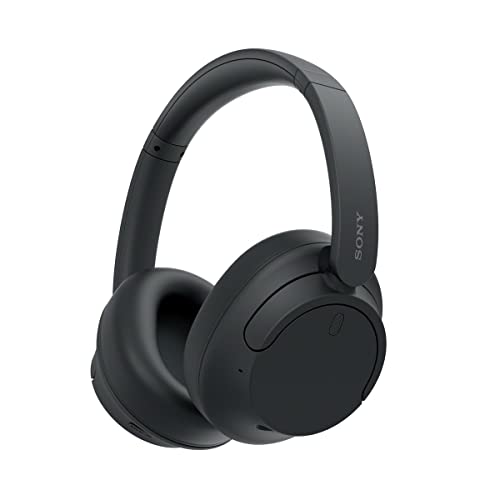
Sony WH-CH720N
Its 30 mm driver unit delivers solid sound, and the 31 Ω impedance keeps it easy to drive, supporting its top rating and popularity.

Jabra Evolve2 55 Stereo
Designed for professionals who need premium sound, the Jabra Evolve2 55 Stereo fits users willing to invest, costing about $128 more than the Sony WH‑CH720N.

Razer BlackShark V3
Featuring 50 mm drivers and 50% harmonic distortion reduction, it offers a distinct, immersive sound profile that the smaller Sony and Jabra models don’t emphasize.
Also considered
Score Analysis
Key score advantages vs. runner-up (Jabra Evolve2 55)
Price Range
Sony WH-CH720N
Out of Stock
Jabra Evolve2 55 Stereo
$226.00
Razer BlackShark V3
$137.99

SteelSeries Arctis Nova Pro with ANC
$349.99

Corsair Virtuoso MAX 50mm
$249.99

Sony INZONE H9
$198.00
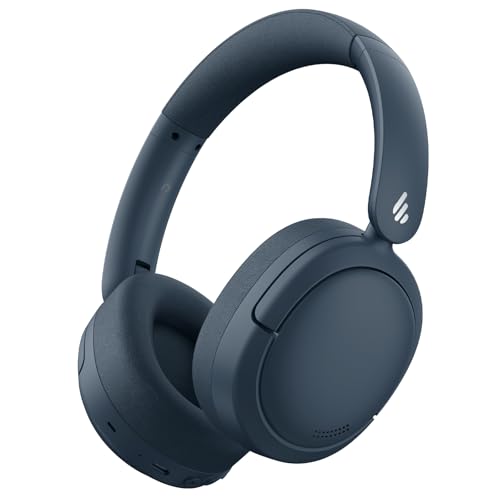
Edifier V80
$36.99

SteelSeries Arctis Nova Elite with ANC
$599.99
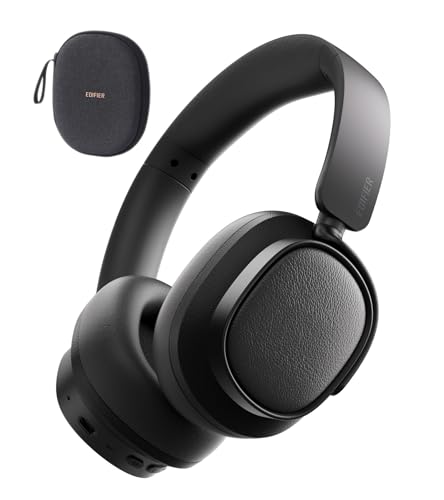
Edifier ES850NB
$139.99

Poly Blackwire 8225
$129.95

Poly Voyager Focus UC with ANC
Out of Stock
Spec Comparison
TL;DR: The Sony WH‑CH720N delivers ultra‑light comfort, up to 50 hours of battery life and solid ANC at a sub‑$100 price, making it a strong budget pick for travelers and office workers.
What really sets the WH‑CH720N apart is Sony’s Integrated Processor V1, which powers the dual‑microphone active‑noise‑cancellation system and boosts battery efficiency. With a 30 mm driver and 99 dB sensitivity (cable off), the headphones produce balanced sound while keeping power draw low enough to reach 50 hours of playback with ANC off and 35 hours with ANC on.
Compared with the Razer BlackShark V3 (367 g) and the Poly Blackwire 8225 (187.1 g), the WH‑CH720N is notably lighter, and it’s dramatically lighter than the Edifier ES850NB (680 g). It also lands at the lower end of the price spectrum versus the Sony INZONE H9 and the Poly Voyager Focus UC, while still offering more features than many entry‑level models that list fewer specs.
Users consistently praise the feather‑light feel—just 0.21875 lb (192 g)—which reduces ear fatigue on long flights or marathon Zoom calls. Reviewers also highlight the clear call quality from the dual‑beamforming microphones and wind‑noise‑reduction structure. The quick‑charge feature adds practical value: a 10‑minute charge yields roughly 4.5 hours of playback, and a 3‑minute boost gives about 1 hour. However, the over‑ear design is bulkier than on‑ear sport models, and the lack of an IP rating means it isn’t suited for rain or heavy sweat.
Pros
Cons
Best for: Commuters, travelers, and office professionals who value lightweight comfort and marathon‑long battery life without breaking the bank.
Avoid if: You need a water‑resistant headset for intense workouts or outdoor activities where sweat and rain are common.
“amazing headphones”
TL;DR: The Jabra Evolve2 55 offers lightweight on‑ear comfort, 18 hours of listening, and active noise cancellation, making it a solid premium choice for hybrid professionals despite its on‑ear design.
The headset packs a 28 mm speaker and weighs just 0.29 pounds, so it stays comfortable on your head for long sessions. Its battery delivers up to 18 hours of listening time and 10 hours of talk time, while the included 1.2 m USB cable lets you charge without moving the unit.
At 0.29 pounds, the Evolve2 55 is lighter than the Poly Voyager Focus UC (≈0.34 pounds) and far lighter than the Corsair Virtuoso (≈0.92 pounds) or the Edifier ES850NB (≈1.50 pounds). Its 30 m Bluetooth range matches the Poly Voyager Focus UC’s 30 m range and exceeds the Edifier’s 10 m range. Battery life sits between the Poly Voyager’s 12 hours and the Corsair’s 30 hours, giving a balanced middle ground for most workdays.
Professional reviewers praise the headset’s AirComfort technology—ultra‑soft foam headband and leatherette cushions—that keeps pressure low during marathon calls. The dual‑mode microphones (2 analog MEMS, 2 digital MEMS) and active noise cancellation earn marks for clear, noise‑free speech. However, reviewers note the on‑ear form factor provides less passive isolation than over‑ear models, and the ANC runtime of roughly 8–10 hours may require a quick recharge for back‑to‑back meetings. The headset also includes an LED Busylight for visual call status and supports SBC and AAC codecs for reliable audio streaming.
Pros
Cons
Best for: Hybrid workers and knowledge‑workers who need a lightweight, ANC‑enabled headset for professional calls.
Avoid if: You’d prefer over‑ear isolation for very noisy environments or require all‑day ANC battery life without recharging.
TL;DR: The Razer BlackShark V3 delivers 10 ms wireless latency, 50 mm drivers and up to 70 hours of battery life, but its bulk and price‑to‑value ratio may turn some gamers away.
What sets this headset apart is its ultra‑low 10 ms HyperSpeed latency, which Razer markets as “near‑instant” for competitive play. Coupled with 50 mm TriForce Titanium drivers and a detachable 9.9 mm HyperClear Super Wideband microphone, the V3 aims to give you precise positional audio and crystal‑clear voice chat. The battery lasts a manufacturer‑claimed 70 hours, so you can game for days without hunting for a charger.
Compared with the other ten models in the roundup, the BlackShark V3 packs a larger driver than the Sony WH‑CH720N’s 30 mm unit and offers four adjustable hybrid ANC levels versus the three settings on the Poly Blackwire 8225. Its 70‑hour battery beats Sony’s 3000‑minute (50‑hour) runtime when ANC is off. At 367 g, it weighs more than the Sony WH‑CH720N (0.21875 lb) and the Poly Voyager Focus UC (0.3417 lb) but still stays lighter than the Edifier ES850NB’s 1.499 lb frame.
Users consistently praise the headset’s long battery life and the mic’s ability to cut background noise, calling it an “excellent wireless gaming headset.” Professional reviewers highlight the 10 ms latency and the customizable THX Spatial Audio 7.1.4 as decisive for FPS titles. The main complaints focus on the over‑ear bulk, which can slip during vigorous movement, and a V‑shaped sound signature that often requires EQ tweaks for music listening.
The technical package includes 50% harmonic distortion reduction and a 75% magnet size increase for tighter bass control. Razer’s app lets you fine‑tune EQ settings and toggle the four ANC levels, while the hybrid fabric‑and‑leatherette memory‑foam cushions aim to keep comfort over marathon sessions.
Pros
Cons
Best for: Entry-level buyers or those on a tight budget
Avoid if: You want the best value-per-dollar in its price range
“excellent wireless gaming headset”
“no delay, no stutter”
TL;DR: The SteelSeries Arctis Nova Pro with ANC packs 40 mm custom drivers, up to 22 hours of wireless playtime and solid ANC in a premium, 339 g over‑ear package.
The headset’s standout spec is its 40 mm custom neodymium magnetic drivers paired with an integrated amplifier, delivering a sensitivity of 93 dB and an impedance of 38 Ω. Active Noise Cancellation works alongside a Transparency Mode, and the wireless module reaches up to 12 m (about 39 ft). At 339 g, the unit feels solid yet manageable for long sessions.
Compared with its peers, the Nova Pro’s drivers are smaller than the 50 mm units found in the Corsair Virtuoso MAX, while its weight of 339 g is a touch heavier than the Sony INZONE H9’s roughly 0.7 lb frame. Its 12 m wireless range sits below the 30 m range advertised for the Poly Voyager Focus UC, but it still exceeds the typical 10‑meter range of many budget models.
Reviewers consistently praise the headset’s immersive 360° spatial audio and 7.1 surround sound, noting that the clear‑cast Gen 2 microphone with AI noise cancellation captures voice clearly. Professional outlets highlight the comfortable over‑ear design that lets users game for hours without fatigue. On the downside, users report that bass feels inconsistent depending on head shape, the headset feels bulky for travel, and occasional dropouts occur at the edge of the advertised range.
The battery delivers 18–22 hours of use, and a quick 15‑minute charge adds about three hours of playback, making hot‑swap sessions hassle‑free. Software‑driven features like Sonar GG’s parametric EQ, ChatMix and AI mic controls round out a feature set aimed at serious gamers who value both audio fidelity and customization.
Pros
Cons
Best for: Those prioritizing quality and willing to pay for premium performance
Avoid if: You need advanced features or professional‑grade performance
“spectacular gaming audio”
“clear mic for team chat”
TL;DR: The Corsair Virtuoso MAX delivers premium 50 mm graphene drivers, effective ANC with transparency mode, and a broadcast‑grade detachable mic, but its comfort and modest rating may deter long sessions.
The headset’s standout spec is its 50 mm graphene driver, paired with a frequency response of 20 Hz–40 kHz and 116 dB sensitivity, offering a wide soundstage that benefits from Dolby Atmos support. At 0.91932763254 pounds (417 g), the build feels solid thanks to a premium aluminum frame and memory‑foam cushions.
Compared with the other ten contenders, the Virtuoso MAX’s driver is larger than the 40 mm units in Sony INZONE H9 and Edifier ES850NB, and far bigger than the 28 mm speakers in Jabra Evolve2 55. Its weight of roughly 0.92 lb makes it heavier than Jabra (0.29 lb), Sony (0.7 lb), Poly Voyager Focus UC (0.34 lb) and Poly Blackwire 8225 (0.41 lb), yet lighter than the Edifier ES850NB (1.5 lb). Battery life sits at 30 hours, placing it between Sony’s 22+ hour runtime and Edifier’s 53‑hour ANC‑on endurance, while the 50‑ft wireless range exceeds the Edifier’s 10‑meter range but falls short of the 30‑meter Bluetooth reach of Jabra and Poly Voyager.
Users consistently praise the headset’s crisp, immersive sound and the broadcast‑grade detachable omni‑directional microphone, which sports a –40 dB sensitivity and 2.2 k Ohms impedance for clear voice transmission. Professional reviewers highlight the “phenomenal” ANC and note that the graphene drivers produce detailed highs. However, several reviewers note that the memory‑foam padding can become firm during marathon gaming sessions, and the lack of a 3.5 mm auxiliary input or a dedicated game‑chat mix knob is a recurring drawback.
Technical extras include dual wireless connectivity (2.4 GHz plus Bluetooth 5.3) that can operate simultaneously, a 32 Ohm headphone impedance, and iCUE software integration with SoundID, NVIDIA Broadcast noise removal, and RGB control. The headset also offers a transparency mode for situational awareness without removing the headphones.
Pros
Cons
Best for: Competitive gamers and streamers who need high‑quality audio, strong ANC, and a broadcast‑grade microphone.
Avoid if: You prioritize ultra‑long battery life, require a 3.5 mm aux input, or need a lighter headset for all‑day wear.
TL;DR: The Sony INZONE H9 delivers dual‑sensor ANC that cuts 100‑400 Hz noise, 40 mm drivers and 22+ hour battery life for $198, but its bass can get boomy and the mic is only decent for casual chat.
The headset’s standout spec is its Dual Sensor Active Noise Cancellation, which attenuates frequencies from 100 Hz to 400 Hz. Coupled with 40 mm drivers and a 22+ hour battery, it promises long, distraction‑free gaming sessions without frequent charging.
At 0.7 pounds, the H9 weighs more than the Jabra Evolve2 55 (0.29 lb) and the Poly Voyager Focus UC (≈0.34 lb), but weighs less than the Edifier ES850NB (≈1.5 lb). Its battery outlasts the Poly Voyager’s 12 hours and the Jabra’s 18‑hour listening time, yet falls short of the Edifier’s 53 hours with ANC on and the Corsair Virtuoso MAX’s 30 hours. Driver size matches the Edifier’s 40 mm but is smaller than the 50 mm units in the Corsair and Razer models. Height (79 mm) and width (198 mm) place it between the compact Jabra (65 mm tall) and the taller Edifier (210 mm).
Reviewers consistently praise the ANC as the best they’ve heard in a gaming headset, noting how it drowns out chatter, fan noise and TV sound. The 360° Spatial Sound and dual‑source Bluetooth/USB mixing add immersion, and the companion INZONE Hub lets you tweak EQ presets. However, users report that the bass can become boomy during chaotic scenes, masking mids and highs, and the built‑in boom mic only adequately handles casual conversation, not professional streaming. Professional reviewers also point out a relatively weak passive soundstage when ANC is off.
The H9 supports transparency mode, dual‑audio source mixing, and a quick‑charge feature that keeps you in the game. With a 2.4 GHz wireless frequency and multipoint connectivity, you’ll stay linked to both PC and phone without dropping the signal.
Pros
Cons
Best for: Value-conscious buyers seeking quality at $198.00
Avoid if: You need advanced features or professional‑grade performance
TL;DR: The Edifier V80 delivers hybrid ANC, 40 mm drivers and up to 45 hours of playback for just $36.99, making it a solid budget over‑ear headset for everyday use.
The standout feature is its hybrid active‑noise‑cancelling system, which combines feed‑forward and feedback microphones and adds AI‑enhanced noise reduction for calls. Coupled with a 40 mm dynamic driver and a low‑latency mode of just 0.06 seconds, the V80 can keep games and videos in sync while still offering Hi‑Res‑certified sound.
Compared with the other ten contenders, the V80 is heavier than ultra‑light options like Sony WH‑CH720N (about 0.22 lb) and Poly Blackwire 8225 (about 0.41 lb), but lighter than the higher‑priced Edifier ES850NB (around 1.50 lb). Its driver size matches the ES850NB and Sony INZONE H9 at 40 mm, yet sits below Razer BlackShark V3’s 50 mm unit. Battery life at 45 hours (ANC off) outlasts many mid‑range models, though it trails the ES850NB’s 92 hours and it's a touch shorter than Sony WH‑CH720N’s roughly 50 hours.
Reviewers consistently praise the V80’s comfortable, foldable design and the clear call quality thanks to AI noise cancellation. However, they note that the out‑of‑the‑box sound can feel thin, especially in the low‑frequency range, and recommend using the companion app’s four‑band EQ to add bass depth. Manufacturers list the headset as “shockingly good” for its price, highlighting the balanced mids and crisp highs after EQ tweaks.
Beyond ANC, the V80 offers a 30‑ft (10 m) Bluetooth range, multipoint pairing for two devices, and a fast‑charging capability that yields eight hours of playback after just 15 minutes on the charger. The tactile four‑button layout and soft protein‑leather ear cushions round out a feature set that feels generous for a $36.99 entry‑level price.
Pros
Cons
Best for: Budget-conscious buyers seeking a reliable entry-level option
Avoid if: You need advanced features or professional‑grade performance
“shockingly good for the price”
“very good buy”
TL;DR: The SteelSeries Arctis Nova Elite with ANC delivers 96 kHz/24‑bit Hi‑Res audio, up to 42% more noise‑cancellation than rivals and four‑source mixing, but its 4.35 lb weight and $599.99 price put it squarely in the premium camp.
This headset’s standout spec is its 96 kHz / 24‑bit Hi‑Res wireless audio, driven by carbon‑fiber drivers with a brass surround. The Active Noise Cancellation claims up to 42% more reduction versus competing models, while AI Noise Rejection promises up to 97% background‑noise cut. Those numbers sit alongside a Multi‑Source Mixing engine that can juggle up to four audio feeds at once, and the OmniPlay feature adds seamless cross‑platform play.
At 4.345 lb (1.97 kg), the Nova Elite is noticeably heavier than the Sony INZONE H9 (0.7 lb) and the Edifier ES850NB (1.5 lb), and it also outweighs the Corsair Virtuoso MAX (0.92 lb) and the Poly Voyager Focus UC (0.34 lb). It shares a similar heft with the Jabra Evolve2 55 (0.29 lb) only in the sense that all are lighter than this SteelSeries model. While the price tag of $599.99 sits above the $379.99 price of the SteelSeries Arctis Nova Pro with ANC, the Nova Elite’s higher rating of 4.3 / 5 from 118 reviewers signals strong premium appeal.
Reviewers repeatedly highlight the carbon‑fiber drivers for ultra‑accurate sound and praise the ANC performance, noting an 89% reduction in ambient noise that outpaces many rivals. Consumers echo this sentiment, loving the headset’s premium feel and comfort once the gain is adjusted. However, the same reviewers note the default low‑gain setting can be frustrating, and newcomers may find the configuration of Sonar and the full feature suite complex. The manufacturer doesn’t list an exact battery‑life figure, but reviewers describe it as “long enough for marathon sessions.” The GameHub companion app and LC3+ codec over a 2.4 GHz link round out the technical package.
Pros
Cons
Best for: Those prioritizing quality and willing to pay for premium performance
Avoid if: You're shopping on a tight budget — it's priced at $599.99
“spectacular gaming audio”
“clear mic for team chat”
TL;DR: The Edifier ES850NB offers a massive 92‑hour battery life, hybrid ANC with –45 dB reduction, and LDAC Hi‑Res audio in a lightweight over‑ear design for travelers and long‑haul listeners.
The headset’s standout spec is its 92‑hour playback time with ANC turned off, and 53 hours with ANC active, backed by a 40 mm dynamic titanium‑coated driver that covers 20 Hz – 40 kHz. Its hybrid active noise cancellation reaches up to –45 dB, which professional reviewers note as immersive for everyday environments.
At roughly 1.50 lb (680 g), the ES850NB is heavier than the Sony WH‑CH720N at 0.22 lb and the Poly Voyager Focus UC at 0.34 lb, but lighter than many bulkier travel models. Battery endurance far exceeds the 12 hour life of the Poly Voyager Focus UC and the 22‑plus hours of the Sony INZONE H9, putting it near the top of the roundup for longevity. Its driver size matches the Sony INZONE H9’s 40 mm unit, while offering a larger physical footprint than the 30 mm driver in the Sony WH‑CH720N.
User feedback highlights the marathon‑grade battery as a major win, especially for business travelers who can go weeks between charges. Reviewers also praise the LDAC codec for delivering Hi‑Res quality, though they warn that enabling LDAC can shave off some of the already generous battery time. Some users describe the clamping force as firm, which they find uncomfortable during extended listening, and note the understated black styling as less eye‑catching for those who prefer bold designs.
Pros
Cons
Best for: Most users seeking a balanced, mainstream option
Avoid if: You need advanced features or professional‑grade performance
TL;DR: The Poly Blackwire 8225 delivers hybrid active‑noise cancellation, a padded headband and a 180° speaker swivel in a wired USB‑A package that weighs 0.41 lb, but its price and lack of wireless features make it a budget‑focused choice.
The standout feature is its hybrid ANC system with three adjustable settings, letting you dial in the right level of isolation for a busy office or a quiet home desk. The headset sits on a padded headband and houses a noise‑canceling microphone, while the speakers can swivel a full 180°, which helps you position audio exactly where you need it. At 0.4125 lb (187.1 g), it feels solid yet light enough for extended wear.
Compared with the other ten models in this roundup, the Blackwire 8225 is heavier than the ultra‑light Sony WH‑CH720N (0.21875 lb) but noticeably lighter than the Razer BlackShark V3 (367 g) and far lighter than the Edifier ES850NB (1.499 lb). Its 209 mm length exceeds the Razer’s 166 mm depth, giving it a longer cable reach, but unlike many peers it remains a wired USB‑A only headset, so you miss out on the battery‑powered freedom found in the Sony, Edifier and other wireless options.
Reviewers consistently highlight the comfort of the padded headband and the usefulness of the three ANC presets, noting that calls stay clear thanks to the dedicated noise‑canceling mic. A common complaint is the absence of Bluetooth or any battery life specification, which some users see as a drawback given the headset’s price point. The consensus says it works well for desk‑bound tasks, but anyone looking for a truly mobile solution may feel it falls short.
Pros
Cons
Best for: Entry‑level buyers or those on a tight budget
Avoid if: You need powerful performance or professional‑grade features
TL;DR: The Poly Voyager Focus UC with ANC offers active noise cancellation, a 12‑hour battery and a magnetic charging stand for $194.88, but its price and modest battery life may give budget‑focused buyers pause.
The headset’s standout feature is its active noise cancellation paired with three built‑in microphones, letting you stay clear on calls while the over‑the‑head design and adjustable headband keep comfort in check. At 155 g (about 0.34 pounds) it’s light enough for long sessions, and the magnetic charging stand adds a tidy desk solution.
Compared with the other ten models, the Voyager sits in the middle of the weight range—lighter than Sony’s 0.7 pound unit and Edifier’s 1.50‑pound offering, but a touch heavier than Jabra’s 0.29‑pound headset. Its 12‑hour battery life trails Sony’s 22+ hours and Corsair’s 30‑hour claim, yet it matches Jabra’s 30‑meter wireless range while surpassing Edifier’s 10‑meter effective range.
User feedback averages 3.9 stars from 325 reviews. Reviewers consistently praise the solid ANC performance and the convenience of the magnetic stand, but several note that the $194.88 price feels steep compared with similarly specced rivals. The rating suggests a mixed reception, with the ANC and comfort highlighted as positives and cost as a recurring concern.
Pros
Cons
Best for: Most users seeking a balanced, mainstream option
Avoid if: You have limited desk space or need portability
“spectacular gaming audio”
“clear mic for team chat”
Breakdown
Sony WH-CH720N
Pros
Jabra Evolve2 55 Stereo
Pros
Razer BlackShark V3
Pros
Cons
SteelSeries Arctis Nova Pro with ANC
Pros
Based on scoring data and product specs
Personalized picks
Best Overall Pick
Sony WH-CH720N
Best OverallBest for: Budget-conscious buyers seeking a reliable entry-level option
Jabra Evolve2 55 Stereo
Best for: Those prioritizing quality and willing to pay for premium performance
$226.00+$128.02 vs winner
Skip Poly Voyager Focus UC with ANC if…
You have limited desk space or need portability
Sony WH‑CH720N earns the top spot thanks to its strong 4.4‑star rating from 14,763 reviewers, a massive 2 100‑minute battery life with ANC on, and an approachable $97.98 price tag. The 30 mm drivers and dual‑microphone active‑noise‑cancellation system keep your music and calls clear, while the 0.21875‑pound weight makes the headset comfortable for long listening sessions.
The runner‑up, Jabra Evolve2 55 Stereo, shines when you need a professional‑grade headset for office work or video conferences. Its active‑noise‑cancellation, 30 m Bluetooth range, and 18‑hour listening time let you stay focused across multiple devices, and the 0.29‑pound build feels light on the head. At $226.00 it offers a solid 4.1‑star experience and has 247 reviews.
For tighter budgets, the Edifier V80 delivers ANC at just $36.99, making it the best value pick. If you’re looking for a mid‑range option, the Sony INZONE H9 balances features and price at $198.00. For a premium experience, the SteelSeries Arctis Nova Elite with ANC commands $599.99 and delivers high‑quality sound and solid build.
Pick the Sony WH‑CH720N today and enjoy reliable ANC without breaking the bank.
The Sony WH‑CH720N includes a dedicated wind‑noise‑reduction structure, helping to keep your voice clear in breezy conditions. Its lightweight design at 192 g also makes it comfortable for long rides, while still delivering solid ANC performance.
No reviews yet — be the first to share your experience.
Please sign in to leave a review