⚡ Quick Answer
The $29.99 Turtle Beach Recon 70, a lightweight wired headset, holds the highest user rating of 4.4 / 5 among the nine models, outpacing pricier options. Meanwhile, the $19.49 Jabra Evolve 10, the absolute cheapest entry, still earns a solid 4.2 / 5 rating, showing that lower cost doesn’t always mean lower satisfaction.
Our roundup spans three price tiers: budget picks (Jabra Evolve 10, Turtle Beach Recon 70, Corsair HS55), mid‑range contenders (Corsair HS80 RGB at $99.99, Corsair Void v2 at $112.76, Corsair Void v2 MAX at $119.99), and premium offerings (Logitech G Astro A30, Corsair Virtuoso MAX 50mm, Corsair Virtuoso MAX Xbox). Ratings range from 3.4 / 5 up to 4.4 / 5, and driver sizes vary between 40 mm and 50 mm, giving you a clear sense of audio fidelity across the spectrum.
Below are each headset’s key specs, comfort factors, and Dolby Atmos support, helping you pinpoint the perfect match for your gaming or media setup.
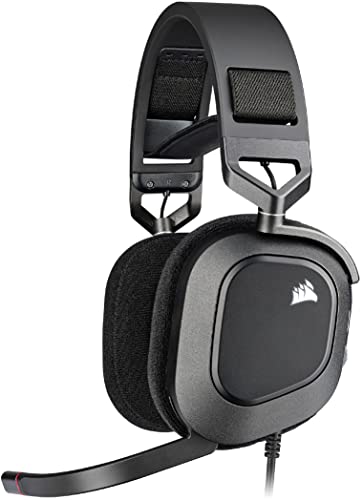
Corsair HS80 RGB
Its 50 mm drivers provide spacious Dolby Atmos sound, balancing features and value for home and office use.

Corsair Void v2
Ideal for users who want wireless freedom, the Void v2’s up‑to‑130‑hour Bluetooth battery serves gamers on the go, though it costs about $13 more than the HS80 RGB.
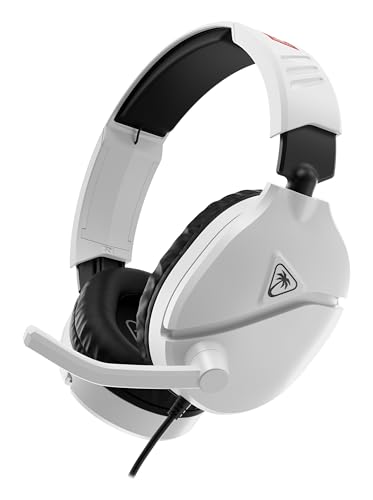
Turtle Beach Recon 70
At just $29.99, its 40 mm drivers and compact 9.37‑inch height give budget buyers an entry‑level Dolby Atmos headset.
Also considered
Score Analysis
Key score advantages vs. runner-up (Corsair Void v2)
Price Range
Corsair HS80 RGB
$99.99
Corsair Void v2
$109.99
Turtle Beach Recon 70
$38.99

Corsair Virtuoso MAX Xbox
$249.99
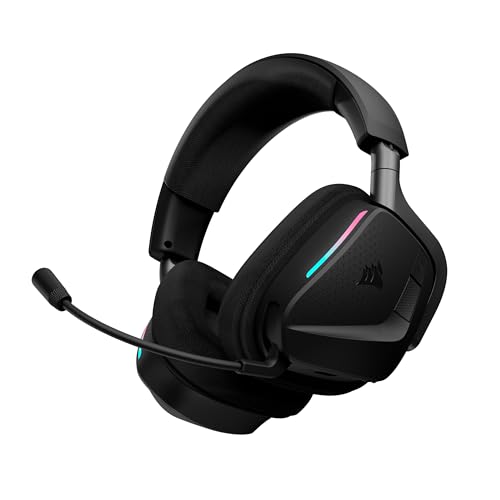
Corsair Void v2 MAX
$119.99
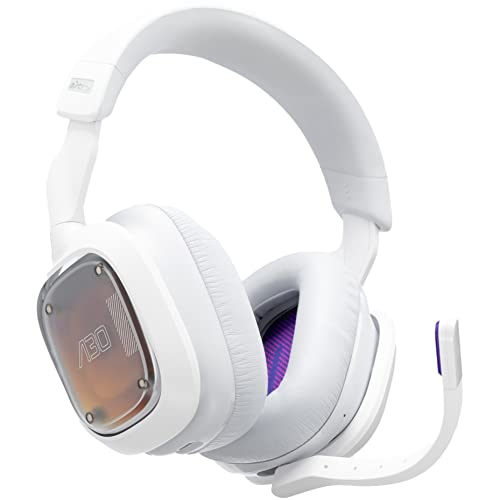
Logitech G Astro A30
$199.00

Jabra Evolve 10
$26.00

Corsair Virtuoso MAX 50mm
$299.94

Corsair HS55
$99.99
Spec Comparison
TL;DR: The Corsair HS80 RGB delivers 50 mm drivers with 24‑bit/96 kHz audio and 7.1 Dolby surround in a comfortable, RGB‑lit wired headset that weighs 0.82 lb and includes a solid omni‑directional mic.
Custom‑tuned 50 mm neodymium drivers power the HS80 RGB, reproducing a 20 Hz – 40 kHz frequency range and delivering 24‑bit/96 kHz high‑fidelity sound. The headset also supports 7.1 Dolby Audio, giving you immersive positional cues in games and movies.
Weighing 0.82 lb, the HS80 RGB is heavier than the Void v2 (≈0.67 lb) and the ultra‑light Turtle Beach Recon 70 (0.51 lb), but lighter than the Virtuoso MAX series (≈0.92 lb) and the Logitech G Astro A30 (≈2.11 lb). Its 50 mm drivers match the driver size of the Void v2, Void v2 MAX, HS55, and Virtuoso models, while exceeding the 40 mm drivers of the Recon 70. The 1.8 m USB cable is the same length as the Void v2’s cable, giving you a familiar reach on a desk.
Reviewers consistently praise the headset’s “excellent audio clarity” across its wide frequency range and note that the floating headband and memory‑foam earpads keep pressure low during long sessions. Professional reviewers point out that the wired USB connection guarantees consistent 24‑bit/96 kHz playback without battery concerns, though they also flag the lack of a detachable microphone and the PC/Mac‑only compatibility as drawbacks for multi‑platform gamers.
Pros
Cons
Best for: Home and office users seeking a balance of features and value
Avoid if: You have limited desk space or need portability
TL;DR: The Corsair Void v2 blends 50 mm drivers, Dolby Atmos and up to 130 hours of Bluetooth battery life in a lightweight 0.67‑lb headset priced at $112.76.
What really stands out is the 50 mm custom‑tuned driver paired with Dolby Atmos Spatial Audio for PC and PS5, delivering immersive positional sound that reviewers note adds precision to in‑game cues. The headset also supports NVIDIA Broadcast mic technology, which helps keep your voice clear during chat.
Compared with the other eight headsets in this roundup, the Void v2 is about the same weight as the Corsair Void v2 MAX (0.67 lb) and lighter than the Corsair HS80 RGB (≈0.82 lb) and the Logitech G Astro A30 (2.11 lb). It’s heavier than the budget Turtle Beach Recon 70 (0.51 lb) and the Jabra Evolve 10 (≈0.31 lb), but still well under a pound, so it stays comfortable for long sessions.
User feedback highlights the headset’s marathon‑long battery life—up to 130 hours on Bluetooth and 70 hours on the 2.4 GHz wireless link—far exceeding the 37‑hour Bluetooth runtime listed for the Corsair HS55. A 15‑minute quick charge adds roughly six hours of play, which reviewers call perfect for a short break. Reviewers repeatedly praise the floating headband and breathable memory‑foam ear cushions for all‑day comfort, while they note the fixed omni‑directional mic limits placement flexibility for those who prefer a detachable boom.
Pros
Cons
Best for: Most users seeking a balanced, mainstream option
Avoid if: You need advanced features or professional‑grade performance
TL;DR: The Turtle Beach Recon 70 is a $29.99, lightweight wired headset with 40 mm drivers, Dolby Atmos support and a flip‑to‑mute mic, offering solid sound for Nintendo Switch gamers on a budget.
The Recon 70 packs a 40 mm neodymium driver and weighs just 0.51 pounds, so it's one of the lighter options in this Dolby Atmos roundup. Its on‑ear controls let you mute the built‑in mic with a simple flip, and Nintendo officially licenses the headset for the Switch family, so you’ll get full compatibility with Switch, Switch Lite, Switch OLED and the new Switch 2.
Compared with its peers, the Recon 70 is lighter than the Corsair HS55 (0.59 pounds) but heavier than the Jabra Evolve 10 (≈0.31 pounds). Its 40 mm drivers are smaller than the 50 mm units most other headsets use, and it stays firmly wired while several competitors, such as the Corsair Void v2 and the Logitech G Astro A30, offer wireless connectivity. In price‑to‑feature terms it lands at the budget end of the spectrum, without the premium extras some higher‑priced models list.
Reviewers consistently praise the headset’s comfort – the synthetic‑leather‑wrapped foam ear cushions feel “superior” during marathon sessions, and the lightweight design “prevents fatigue”. Professional commentary notes “crisp highs and thundering lows” from the 40 mm drivers, and the inclusion of Windows Sonic, Dolby Atmos and DTS Headphone:X adds spatial depth when paired with compatible software. Users highlight the wired connection as the main trade‑off; it can tangle and limits movement, and the lack of active noise cancellation means ambient sounds still break through.
Pros
Cons
Best for: Budget‑conscious buyers seeking a reliable entry‑level option
Avoid if: You have limited desk space or need portability
TL;DR: The Corsair Virtuoso MAX Xbox packs 50 mm graphene drivers, Dolby Atmos and active noise cancellation in a premium aluminum shell, but its 0.92 lb weight and $259.60 price make it a serious investment for stationary gamers.
The headset features a 50 mm graphene driver paired with a 20 Hz‑40 kHz frequency response and 116 dB sensitivity, delivering the detail needed for Dolby Atmos‑enabled titles. It also offers a detachable omnidirectional boom mic with –40 dB sensitivity and 2.2 kΩ impedance, plus active noise cancellation and a transparency mode for situational awareness. At 3.99 in tall, 7.89 in long and 7.23 in wide, the unit weighs about 0.92 lb, giving it a solid, premium feel.
In this roundup the Virtuoso MAX Xbox sits at the high‑end of the price spectrum, costing $259.60, which is pricier than most of the other eight headsets. It’s lighter than the Logitech G Astro A30 (2.11 lb) but noticeably heavier than the Void v2 MAX (0.67 lb), Void v2 (0.67 lb), HS80 RGB (0.82 lb), HS55 (0.59 lb), Recon 70 (0.51 lb) and Jabra Evolve 10 (0.31 lb). Its 50 mm drivers match the driver size of the Virtuoso MAX 50mm, Void v2 MAX, HS80 RGB and HS55, while the Recon 70 uses a smaller 40 mm unit. Manufacturer lists battery life as 30–60 hours, aligning with the 30‑hour claim of the Virtuoso MAX 50mm and offering a longer window than many budget models.
Professional reviewers praise the headset’s “distortion‑free” sound and the convenience of simultaneous 2.4 GHz USB‑receiver and Bluetooth connections, noting that iCUE lets you fine‑tune EQ and control RGB lighting. Everyday users echo the audio clarity but repeatedly call out the 0.92 lb weight as a source of head pressure during marathon sessions, and they mention the rigid, bulky design as a drawback for travel or cramped desk setups.
Pros
Cons
Best for: Those prioritizing quality and willing to pay for premium performance
Avoid if: You're shopping on a tight budget — it's priced at $259.60
“a winner for at‑home gaming”
TL;DR: The Corsair Void v2 MAX delivers Dolby Atmos spatial audio, a feather‑light 0.67 lb build, and up to 130 hours of Bluetooth battery life for nonstop gaming at $119.99.
The headset’s standout spec is its battery endurance: 130 hours on Bluetooth (and 70 hours on 2.4 GHz) plus a quick‑charge that adds six hours after just 15 minutes. Coupled with 50 mm drivers and Dolby Atmos Spatial Audio, it promises immersive sound without frequent recharging. Its 0.67 lb (303 g) frame and breathable memory‑foam ear cushions keep comfort high during long sessions.
Compared with the other eight round‑up entries, the Void v2 MAX is lighter than the HS80 RGB (0.82 lb) yet a touch heavier than the HS55 (0.59 lb). It shares the same 50 mm driver size as the earlier Corsair Void v2, but its Bluetooth battery life far exceeds the HS55’s 37‑hour claim, and its 2.4 GHz endurance dwarfs the HS55’s 24‑hour figure. The wireless range of 15 m puts it on par with typical gaming headsets in the set.
Professional reviewers highlight the marathon‑length battery and the lightweight, comfortable design, while everyday users echo those praises and note the headset’s clear voice capture thanks to NVIDIA Broadcast mic noise reduction. Most users criticize the fixed, non‑detachable omni‑directional mic and the lack of active noise cancellation, especially when they compare it to ANC‑equipped rivals.
The technical package includes a 32 Ω impedance, 116 dB sensitivity, and a microphone impedance of 2.2 kΩ with –40 dB sensitivity. Frequency response spans 20 Hz–20 kHz, and the headset supports iCUE software for audio tuning and RGB customization, rounding out a balanced feature set.
Pros
Cons
Best for: Most users seeking a balanced, mainstream option
Avoid if: You're shopping on a tight budget — it's priced at $119.99
TL;DR: The Astro A30 delivers Dolby Atmos‑enabled 3D sound, 27 hours of wireless playtime and a detachable boom mic in a comfortable over‑ear design, but it’s heavier and split into separate PlayStation and Xbox versions.
The headset’s headline feature is Dolby Atmos with 3D audio support, giving you positional sound that’s especially useful in immersive games. It also packs a solid 27‑hour battery life, so you can game through long sessions without hunting for a charger. The A30 weighs 2.11 pounds and measures 194.5 mm in height, 81.0 mm in length and 163.6 mm in width, fitting comfortably thanks to memory‑foam ear cushions.
Compared with the other eight headsets in this roundup, the A30 is noticeably heavier than the Corsair Virtuoso MAX (≈0.92 lb), the Void v2 series (≈0.67 lb), the HS80 RGB (≈0.82 lb), the HS55 (≈0.59 lb), the Recon 70 (≈0.51 lb) and the Jabra Evolve 10 (≈0.31 lb). Its 27‑hour battery sits just shy of the Virtuoso MAX’s 30‑hour claim, while the Void v2 MAX lists a much longer battery in minutes, which the A30 doesn't match. Feature‑wise, the A30 offers more connectivity options—Bluetooth plus 2.4 GHz LIGHTSPEED—whereas several peers focus on either wireless or wired only.
User feedback highlights the headset’s flexibility across PlayStation, Xbox, PC, Switch and mobile platforms, thanks to the dual‑mode wireless transmitter and Bluetooth support. Reviewers also note a trade‑off: the A30 comes in separate PlayStation‑optimized and Xbox‑optimized models, meaning you need the correct variant for each console. The included wireless transmitter adds to the overall package size, which some users find less convenient.
Pros
Cons
Best for: Multi‑platform gamers who need Dolby Atmos sound and are willing to invest in a premium, feature‑rich headset.
Avoid if: You prefer a single‑variant headset, need a lightweight option, or are on a tight budget.
TL;DR: The Jabra Evolve 10 is a budget‑friendly wired headset at $19.49, weighing just 0.31 lb, with a noise‑cancelling mic, plug‑and‑play USB‑A connection and an eco‑friendly build.
At $19.49 the Evolve 10 lands in the low‑price tier while still offering a solid set of features. It tips the scales at 0.31195410073 pounds (142 g), making it one of the lightest options in the round‑up, and its dimensions—40 mm high, 182 mm long and 178 mm wide—keep the headband compact enough for long work sessions.
Compared with the other eight headsets, the Evolve 10 is lighter than the Turtle Beach Recon 70 (0.51 lb) and the Corsair HS55 (0.59 lb), and dramatically lighter than the Logitech G Astro A30 (2.11 lb). While most rivals rely on wireless links, this model sticks to a USB‑A wired connection, which means no Bluetooth latency but also no freedom to move around the desk. Its spec sheet is shorter than the Corsair Void v2 or the Virtuoso MAX series, which list driver sizes, impedance and battery life; the Evolve 10 simply focuses on core call and audio basics.
The 4.2‑star rating from 510 reviews suggests users generally appreciate the headset’s comfort and call clarity. Reviewers frequently mention the noise‑cancelling microphone as a strong point for reducing background chatter during conference calls. The plug‑and‑play USB‑A setup earns praise for being hassle‑free—you don't need to install software, and the inline call and volume controls let you stay in the flow.
The headset also leans into sustainability, with ≥50 % of its plastic made from recycled material, and it carries a two‑year manufacturer warranty for added peace of mind. The adjustable boom arm can be positioned left or right, catering to left‑handed and right‑handed users alike.
Pros
Cons
Best for: Shoppers on a tight budget who want the most for their money
Avoid if: You need a wireless or Bluetooth headset for on‑the‑go use
TL;DR: The Corsair Virtuoso MAX 50 mm delivers Dolby Atmos‑enhanced sound, 30 hours of wireless play, and active noise cancellation, but its premium $249.99 price and firmer ear pads may deter budget‑focused gamers.
The headset’s standout feature is its 50 mm graphene drivers, paired with a 20 Hz–40 kHz frequency response and Dolby Atmos support, promising detailed highs and deep bass. It also packs active noise cancellation with a transparency mode, and a detachable omni‑directional microphone rated at –40 dB sensitivity.
Compared with the other eight headsets in this roundup, the Virtuoso MAX weighs less than the Logitech G Astro A30 (0.92 lb vs 2.11 lb) and shares the same 50 mm driver size as several Corsair models. Its 30‑hour battery life edges out the Astro A30’s 27 hours, while the 50‑ft wireless range matches the HS55’s range but exceeds the shorter range of the Void v2 MAX. At $249.99, it sits at the higher end of the price spectrum, and its 3.6‑star rating is a notch below the 3.8‑star average of many peers.
Professional reviewers highlight the headset’s crystal‑clear audio and “phenomenal” ANC, noting that the broadcast‑grade mic delivers distortion‑free voice chat. Everyday users echo the praise for sound quality and reliable wireless connection, but many mention that the memory‑foam cushions feel firm during marathon sessions and that the lack of a 3.5 mm aux input limits flexibility.
Technical specs round out the picture: an impedance of 32 Ohms, microphone impedance of 2.2 kΩ, and a sensitivity of 116 dB give the drivers plenty of headroom. Dual wireless operation (2.4 GHz plus Bluetooth 5.3) lets you stay connected to a PC and a phone simultaneously, and iCUE software adds SoundID hearing tests and RGB control.
Pros
Cons
Best for: Those prioritizing quality and willing to pay for premium performance
Avoid if: You need ultra‑long battery life, a 3.5 mm aux input, or advanced side‑tone control
“a winner for at‑home gaming”
TL;DR: The Corsair HS55 Wireless packs 50 mm drivers, Dolby Audio 7.1, dual 2.4 GHz + Bluetooth 5.2 connectivity, 37‑hour Bluetooth battery and a feather‑light 0.59 lb frame.
The headset’s standout feature is its dual‑band wireless system: a low‑latency 2.4 GHz link for gaming and Bluetooth 5.2 for mobile use, both feeding the 50 mm drivers that support Dolby Audio 7.1 via iCUE. At just 0.59 lb, it's comfortable for marathon sessions, and Bluetooth can run up to 37 hours on a single charge.
Compared with the other eight entries, the HS55 is lighter than the Corsair HS80 RGB (≈0.82 lb) and the Void v2 (≈0.67 lb), but a touch heavier than the Turtle Beach Recon 70 (≈0.51 lb) and the Jabra Evolve 10 (≈0.31 lb). Its Bluetooth battery life of 37 hours falls short of the Void v2’s 130‑hour claim and the Void v2 MAX’s 7800‑minute rating, yet it exceeds the 24‑hour RF runtime of many budget models. The 50‑ft wireless range matches the Virtuoso MAX series and outpaces some peers that list only a 15‑m range.
Professional reviewers point out the headset’s lightweight construction (around 266 g) as a comfort win, while users consistently praise the 37‑hour Bluetooth endurance and clear, flip‑to‑mute mic. The same sources note the lack of a detachable microphone and the absence of active noise cancellation as drawbacks, especially for noisy rooms.
Pros
Cons
Best for: Entry-level buyers or those on a tight budget
Avoid if: Reliability and user satisfaction are your top concerns
Breakdown
Corsair HS80 RGB
Pros
Corsair Void v2
Pros
Turtle Beach Recon 70
Pros
Corsair Virtuoso MAX Xbox
Pros
Cons
Based on scoring data and product specs
Personalized picks
Best Overall Pick
Corsair HS80 RGB
Best OverallBest for: Home and office users seeking a balance of features and value
Corsair Void v2
Best for: Most users seeking a balanced, mainstream option
$109.99+$10.00 vs winner
Skip Corsair HS55 if…
Reliability and user satisfaction are your top concerns
The Corsair HS80 RGB takes the top spot thanks to its 24‑bit/96 kHz audio resolution, a 50 mm driver and 7.1 Dolby Audio surround, delivering crisp, immersive sound. At 0.82 lb, it's light enough for long sessions, and the wired USB connection with a 1.8 m cable guarantees zero latency. Its 4.2‑star rating from over 4,600 reviewers backs up the specs, and it retails for $99.99. Customizable iCUE RGB lighting lets you match the headset to your rig, while the memory‑foam ear cushions with breathable microfiber keep you comfortable during extended play.
If you need wireless freedom and marathon‑long battery life, the Corsair Void v2 is the runner‑up. It supports Bluetooth 5.3 and a 2.4 GHz receiver, delivering Dolby Atmos Spatial Audio on PC and PS5, while offering up to 130 hours of Bluetooth playback and a 15‑minute quick charge. Wireless mode still gives up to 70 hours of playtime, and on‑ear controls let you adjust volume without reaching for your PC. Weighing just 0.67 lb and featuring 50 mm drivers, it stays comfortable for extended sessions.
For a shoestring budget, the Jabra Evolve 10 delivers basic Dolby‑compatible audio at just $19.49, making it a solid entry point. If premium features are your priority, the Corsair Virtuoso MAX Xbox tops the high‑end tier at $259.60, offering an upscale build and advanced audio tuning. The Virtuoso MAX Xbox also includes a detachable microphone and premium materials, justifying its higher price tag.
Pick the HS80 RGB now for the best Dolby Atmos experience.
The Corsair HS80 RGB is a solid choice because it’s a wired USB headset, so it never needs a battery charge. It also features 50 mm drivers, 24‑bit/96 kHz audio resolution and a lightweight design at about 0.82 lb, making it comfortable for extended play.
No reviews yet — be the first to share your experience.
Please sign in to leave a review