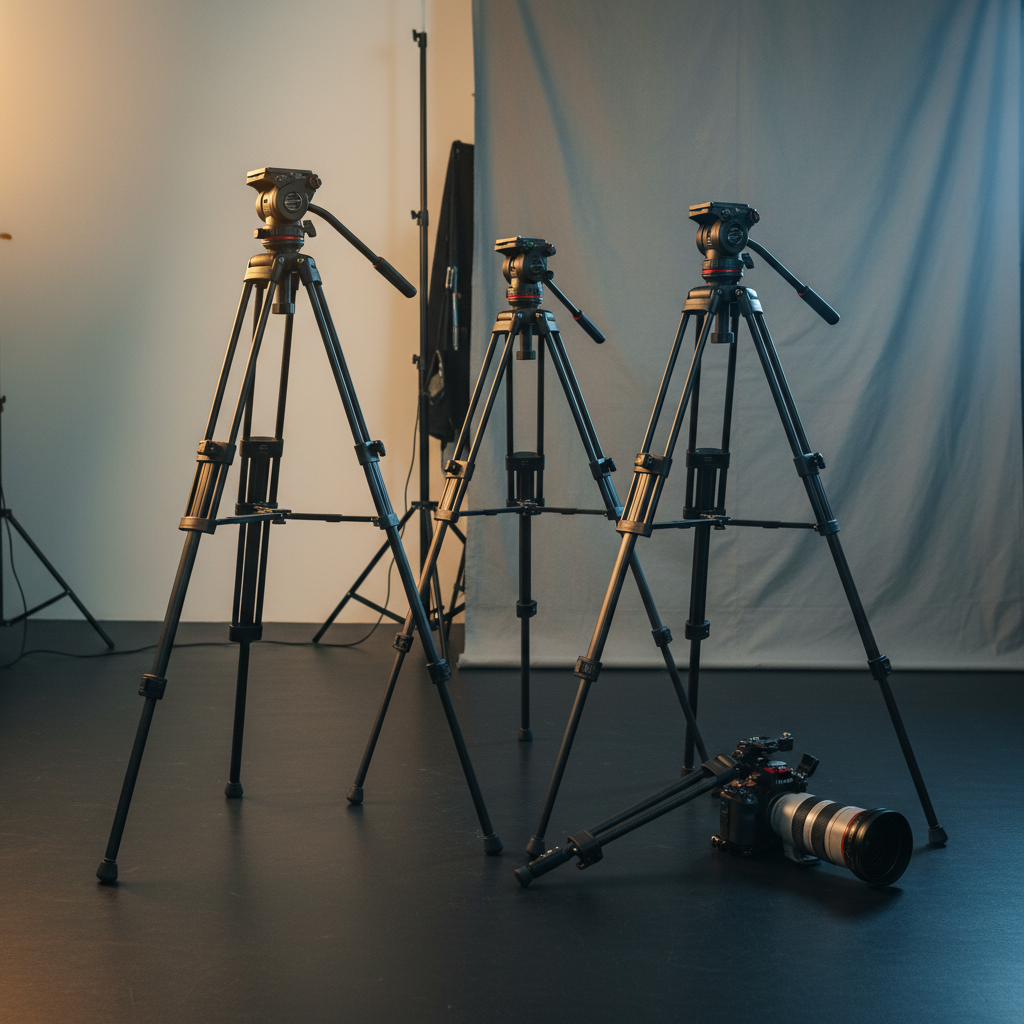
If you need a tripod that can hold 20 lb or more, you’ve come to the right place. We compared 12 options that span from a $19.98 ultra‑compact metal stand to a $399.95 premium travel tripod. The lineup splits into three price tiers – budget picks like Zeadio’s DV‑HDE‑HB27 and the SmallRig CT‑20, mid‑range models such as Neewer’s TP63 90‑inch and K&F’s 90″ ultra‑high, and premium choices including the Neewer LL37 78‑inch carbon‑fiber tripod and Peak Design’s travel tripod.
The budget Zeadio DV‑HDE‑HB27 packs a 40 kg load capacity into a 160 g, 115 mm folded base and still earns a 4.6/5 rating from 533 reviewers. On the premium end, the Neewer LL37 carbon‑fiber tripod weighs 13.29375 lb, extends to 78 in, and holds a 4.7/5 score from 986 fans. Mid‑range options give you extra height – the Neewer TP63 reaches 90.6 in, while K&F’s 90″ ultra‑high model tops out at 2.3 m for overhead work.
Below we’ll break down each tier, highlight the strongest specs, and help you pinpoint the model that matches your load, height, and budget needs.
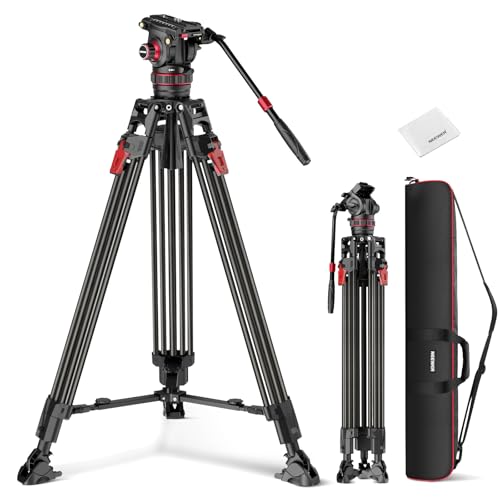
Neewer LL37 78-inch
Its 78‑in (1980 mm) maximum extension gives you the tallest stable platform among high‑capacity tripods, ensuring solid support for heavy gear.

Zeadio DV-HDE-HB27
Ideal for budget‑focused creators who need a reliable entry‑level tripod; at $19.98 it’s roughly $200 cheaper than the Best Overall model.
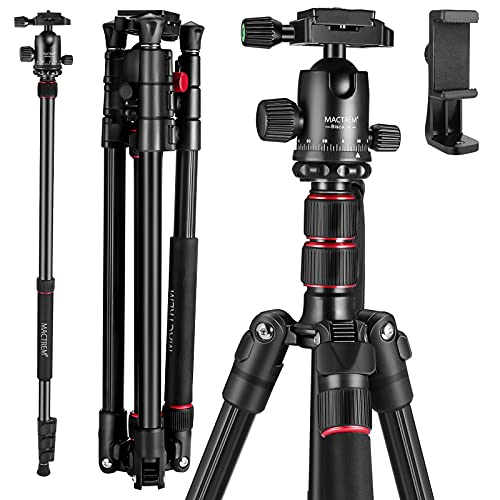
Mactrem BT80
Stands out with an 84‑in (2134 mm) max height, giving extra reach while staying mid‑range priced at $69.99.
Also considered
Score Analysis
Key score advantages vs. runner-up (Zeadio DV-HDE-HB27)
Price Range
Neewer LL37 78-inch
$210.99
Zeadio DV-HDE-HB27
$19.98
Mactrem BT80
$69.99
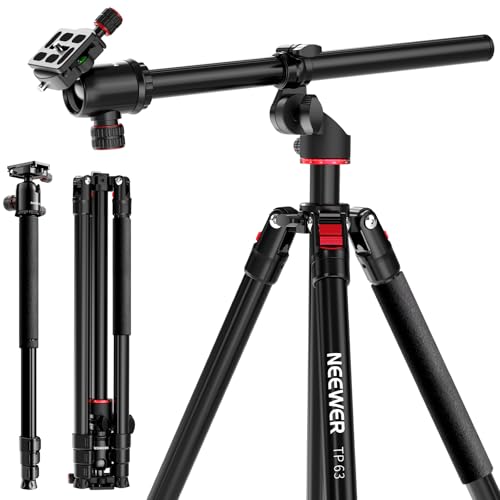
Neewer TP63 90-inch
$94.99

K&F Concept T255A3+BH-28L 73-inch
$109.99

SmallRig CT-20
$67.99

Sirui AM-404FL+QC-55
$134.00

SmallRig Camera Tripod
$69.90
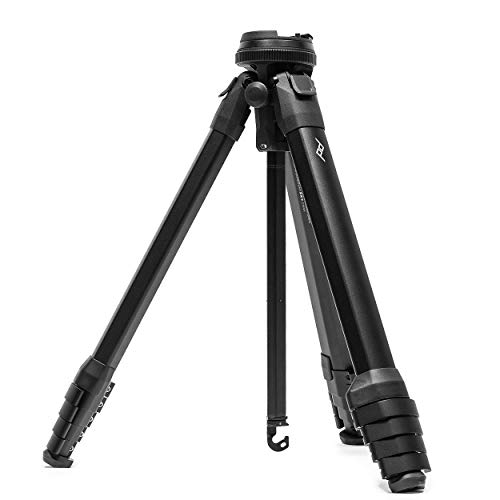
Peak Design TT-CB-5-150-AL-1
$399.95

K&F CONCEPT 90''/230cm Ultra High Camera Tripod,Horizontal
$99.99

K&F Concept K234A7+BH-28L 78-inch
$66.39

K&F Concept X-Series 68-inch
$149.99
Spec Comparison
TL;DR: The Neewer LL37 78‑inch carbon‑fiber tripod offers a solid 22 lb (10 kg) load capacity, 78 in maximum height, and fluid‑head features, but its 13.29375 lb weight makes it a premium‑priced, heavier option.
This model’s standout spec is the 22 lb (10 kg) maximum load capacity paired with a 78 in (1980 mm) extended height, giving you plenty of reach for larger rigs while still fitting on a standard tripod head.
At 13.29375 lb, the LL37 is noticeably heavier than the K&F Concept X‑Series (3.8801358112 lb) or the Sirui AM‑404FL+QC‑55 (4.8281235378 lb), but its carbon‑fiber construction keeps it lighter than many aluminum alternatives. Its 22 lb load capacity exceeds most peers—only the K&F X‑Series lists a higher 35.2 lb (16 kg) capacity—so you’ll get robust support without sacrificing too much portability.
Reviewers frequently praise the one‑step leg locks and the fluid‑head’s smooth 360° pan and –75° to +90° tilt range, noting that the included QR plate and cleaning cloth add real convenience. Professional videographers appreciate the 75 mm bowl diameter for secure mounting of heavier cinema cameras.
Pros
Cons
Best for: Buyers willing to invest in a proven, high‑quality option
Avoid if: You're on a tight budget or only need basic functionality
TL;DR: The Zeadio DV-HDE-HB27 packs a 40 kg (88 lb) load capacity into a 0.35‑lb CNC‑aluminum mini tripod, making it a surprisingly sturdy, ultra‑compact option for heavy rigs at a sub‑$20 price.
This tripod’s standout spec is its 40 kg maximum load capacity, far exceeding the 22 lb (10 kg) limit of the K&F Concept model and dwarfing the capacities listed for most other peers. Its CNC‑machined aluminum alloy body and anodized anti‑corrosion finish give it a professional‑grade rigidity that reviewers repeatedly praise.
At just 0.3527396192 pounds, the Zeadio weighs dramatically less than every other tripod in this twelve‑product roundup, where the next lightest unit weighs around 0.44 pounds and the bulkier options top out above 3 pounds. Despite the featherweight feel, the six 1/4‑20 threaded ports—including three with ARRI locating pins—provide more mounting flexibility than the typical two‑port designs found on competing models.
Users highlight the tripod’s “mini‑powerhouse” nature: creators love the sturdy feel and the ability to support heavy gimbals, while the most common criticism targets the limited maximum height of 107 mm, which confines it to tabletop or low‑angle shooting. Professional reviewers also note the absence of an integrated ball head, meaning you’ll need to purchase a separate head if you want pan‑tilt control.
Pros
Cons
Best for: Budget‑friendly videographers and content creators who need a ultra‑compact, high‑load tabletop platform for heavy gimbals or accessories.
Avoid if: You require eye‑level height, a built‑in ball head, or a taller leg‑based tripod for macro or outdoor shooting.
“I bought this to use with a tabletop 20m POTA amateur radio antenna and it works perfectly! It’s super small and lightweight but also very sturdy.”
TL;DR: The Mactrem BT80 offers a 15 kg (33 lb) load capacity, 84 in maximum height and a lightweight 3.2 lb aluminum build, making it a solid mid‑range tripod for heavier gear.
The standout spec is its 15 kg (33 lb) maximum load, which lets you mount heavy DSLR‑mirrorless combos without sagging. At 84 in (2134 mm) tall, it reaches higher than many rivals while it's under 4 lb, thanks to its high‑quality lightweight aluminum alloy construction.
Compared with the other eleven models, the BT80 is taller than the SmallRig Camera Tripod and the SmallRig CT‑20, both of which top out around 71 in. It also out‑loads the K&F Concept K234A7 (22 lb) while matching the K&F’s four‑section legs. Its folded length of 18.5 in is longer than the SmallRig Camera Tripod’s 42.2 cm, but shorter than the K&F Concept 90″ Ultra’s 54 cm, striking a middle ground in portability. At 3.2 lb it is lighter than the K&F Concept T255A3 (4.0 lb) and the K&F Concept 90″ Ultra (4.45 lb), yet heavier than the ultra‑light Neewer TP63 (0.44 lb).
User feedback praises the tripod’s sturdy feel and the smooth 360° swivel ball head, noting that the 28 mm ball joint and dual bubble levels make precise framing easy. Professional reviewers highlight the high load capacity and the invertible center column for macro work. Common complaints mention a bit of wobble in strong wind and initially stiff flip‑lock leg mechanisms, which tend to loosen after a few uses.
Additional technical touches include a stability hook for hanging extra weight, a phone‑mount adapter, and an included carry bag. The legs feature three quick‑release flip locks per leg and freely adjustable angles, while the monopod conversion offers a range from 34 in to 80 in.
Pros
Cons
Best for: Photographers who need a well‑reviewed tripod that supports heavy gear and offers a tall working height without excessive weight.
Avoid if: You require an ultra‑compact travel tripod or shoot primarily in strong wind without extra weighting.
“Very sturdy and adjustable”
“Not rock‑solid in wind”
TL;DR: The Neewer TP63 offers a 90.6‑inch maximum height, a 360° horizontal center column, and a 6 kg load capacity, all in a sturdy metal‑alloy build for $94.99.
The standout feature is its horizontal center column that rotates 360° and tilts 120°, letting you shoot directly overhead or from ultra‑low angles without a separate rig. Combined with a 90.6‑inch maximum height and a 6 kg (13.2 lb) load rating, the tripod can support most DSLR and mirrorless setups while reaching ceiling‑level perspectives.
At 4.1 lbs, the TP63 is lighter than the K&F CONCEPT 90''/230cm Ultra High Camera Tripod (4.45 lbs) but heavier than the Mactrem BT80 (3.2 lbs) and SmallRig models (around 3.3 lbs). Its maximum height matches the K&F 90'' model, yet its load capacity of 6 kg is lower than the K&F K234A7+BH‑28L’s 10 kg rating, placing it solidly in the mid‑range of strength among the group.
Reviewers consistently praise the quick conversion to a monopod—thanks to the built‑in foam‑grip leg and three leg‑angle positions—and the inclusion of an Arca‑type quick‑release plate, bubble level, and carrying bag. The same users note that the 4.1‑lb weight feels hefty on long hikes and that the ball head lacks fluid damping, which can be a drawback for extended video work.
Built from a heavy‑duty metal alloy, the TP63 also features non‑slip rubber feet with removable spikes, a bottom hook for sandbags, and a 1‑year manufacturer warranty, giving it a solid feel for travel and event shooting.
Pros
Cons
Best for: Content creators, travel photographers, wedding and event shooters, and product/food photographers who need a versatile, well‑reviewed tripod with high reach.
Avoid if: You need ultra‑light carbon‑fiber gear, a fluid‑head for professional video, or a compact tripod that packs into a very small space.
“opens up creative possibilities for overhead food photography, product shots, and low‑angle action sequences.”
“surprisingly stable”
TL;DR: The K&F Concept T255A3+BH-28L offers a 73‑inch aluminum tripod with a 0–180° transverse column, 10 kg load capacity, and five leg sections, earning a 4.7‑star rating from over 1,600 users.
This model’s standout feature is its transverse center column that swings a full 0–180°, letting you shoot from side‑arm angles without repositioning the whole tripod. The built‑in 360° ball head (28 mm diameter) and three preset leg‑angle positions add flexibility, while the five‑section aluminum legs support up to 10 kg of gear.
Compared with other options in the roundup, the T255A3+BH-28L is heavier than the ultra‑light Neewer TP63 (0.44 lb) but lighter than the Sirui AM‑404FL+QC‑55 (4.83 lb). Its 10 kg load capacity sits below the Sirui’s 12 kg and the K&F X‑Series’ 16 kg, yet it exceeds the 4 kg‑class kits that dominate the list. With a maximum height of 186 cm, it’s shorter than the K&F 90″ model’s 2.3 m reach but taller than the SmallRig’s 180 cm limit.
Reviewers consistently praise the side‑arm capability for product and food photography, noting the tripod’s stability even when the column is swung out. Reviews highlight the solid aluminum construction and flip‑lock leg system, but they also point out that the plastic lock knobs feel cheap and the monopod conversion appears as a gimmick rather than a reliable alternative. Weather sealing isn’t mentioned, so the unit suits indoor or mild‑weather shoots best.
Additional technical notes: the tripod includes an integrated bubble level, a carrying bag, and a one‑year manufacturer warranty. The ball head’s 28 mm diameter and die‑cast metal build pair well with the aluminum‑alloy legs, delivering a sturdy platform for DSLRs, mirrorless cameras, camcorders, and even binoculars.
Pros
Cons
Best for: Product, food, and travel photographers who need a well‑reviewed tripod with side‑arm flexibility and solid load capacity.
Avoid if: You require ultra‑light carbon‑fiber weight, robust weather sealing, or a dedicated, high‑stability monopod.
“Increíble – ease of setup, stability, and versatility”
“very stable and dynamic”
TL;DR: The SmallRig CT-20 offers a 33 lb (15 kg) payload, 4‑section magnesium‑aluminum legs, and a detachable 36 mm ball head in a compact 19.6‑inch folded package for under $70.
The standout spec is its 33 lb (15 kg) payload capacity, which dwarfs many budget tripods and lets you mount heavier DSLR or mirrorless rigs without a separate support. The tripod stretches to a maximum adjustable height of 71 in, while the working height tops out at 78.7 in, giving plenty of reach for low‑angle or high‑angle shooting. Its 4‑section leg design, combined with a reversible center column, adds versatility for both tripod and monopod use.
Compared with the K&F Concept K234A7+BH-28L, the CT‑20 weighs a touch more at 3.8801358112 pounds versus 3.17 pounds, and its folded length of 19.6 in measures slightly longer than the K&F’s 19.3 in. However, the SmallRig’s 33 lb payload outmatches the K&F’s 22 lb maximum load, giving it a clear advantage for heavier gear. Against the Mactrem BT80, the CT‑20 weighs a bit more (3.8801358112 pounds vs 3.2 pounds) but offers a comparable folded size (19.6 in vs 18.5 in) and a higher listed payload, which the BT80 does not specify.
User feedback repeatedly praises the CT‑20’s lightweight portability and its generous accessory bundle—three Allen wrenches, two quick‑release plates, a carry bag, removable rubber (or optional spiked) feet, and a smartphone holder. Reviewers also note that the 36 mm detachable ball head rotates smoothly 360°, and professionals call it “solid as a rock,” saying it suits video rigs. Comments point out downsides such as initially stiff leg flip locks that need a break‑in period, a ball head that feels a bit over‑damped for fine adjustments, and the lack of a built‑in spirit level.
Pros
Cons
Best for: Travel and landscape photographers, videographers, and content creators who need a high‑load, portable tripod without breaking the bank.
Avoid if: You require ultra‑stable support beyond 33 lb or a built‑in spirit level for rapid leveling.
“Light, quick to set up, and very stable”
“Smooth panning and solid build”
TL;DR: The Sirui AM-404FL+QC-55 offers a 75.8‑inch maximum height, 12 kg load capacity and 360° panning in a lightweight aluminum package for versatile shooting on the go.
This monopod‑turned‑tripod stands out with its 75.8" maximum height and a solid 12 kg (26.4 lb) load capacity, letting you’ll balance heavier DSLR rigs without wobble. The detachable base with three adjustable feet and a 360° twist collar give you tripod‑like smooth pans, while the dual integrated bubble levels help keep horizons straight on location.
Compared with the other eleven entries, the Sirui is lighter than the K&F Concept T255A3+BH-28L at 4.0 pounds, yet its folded length of 29.72" is noticeably shorter than the K&F Concept X‑Series 68‑inch, which folds to 42 cm. It also packs more leg sections than the Mactrem BT80’s single‑section design, offering four sections for finer height adjustment. While the Neewer TP63 collapses to a tiny 21‑inch profile, the Sirui’s 29.72‑inch folded size provides a balance between compactness and stability.
Reviewers consistently praise the quick‑release QC‑38 plate and the modular 3‑in‑1 design that lets the unit function as a monopod, a low‑angle tripod, or an extension pole. Professional writers note the patented quick‑release system and the smooth 360° panning collar as video‑friendly features. Users do mention that the twist‑lock collars can feel a bit stiff in cold weather and that the feet lack independent adjustment, which can be limiting on very soft ground.
Pros
Cons
Best for: Travel and street photographers, videographers, and vloggers who’ll need a compact yet sturdy support with smooth panning.
Avoid if: You’ve prioritized the absolute lightest carbon‑fiber build or need independent foot adjustment for extremely uneven surfaces.
“the most versatile monopod I’ve owned.”
“smooth and precise”
TL;DR: The SmallRig 71‑inch tripod packs a 36 mm ball head, 15 kg vertical load capacity and a convertible design for under $70, making it a sturdy, travel‑ready option for heavy‑lens shooters.
The standout spec is the 36 mm metal ball head that rotates a full 360°, paired with a vertical load capacity of 15 kg (about 33 lb). That payload is rare at this price point and lets you mount DSLR or mirrorless bodies with sizable lenses without wobble. The tripod also offers four leg sections, giving a stable base while keeping the overall weight at 3.37 pounds.
Compared with the other eleven entries, the SmallRig weighs a touch more than the 3.2‑pound Mactrem BT80 but less than the 4.45‑pound K&F Concept 90″ model. Its folded length of 42.2 cm is more compact than the K&F Concept K234A7’s 19.3‑inch folded size, yet its maximum height of 180 cm sits just below the 78‑inch reach of that same K&F model. Like many peers, it uses three quick‑release flip locks, but its 3‑section accessory mount array gives a bit more flexibility than some single‑mount rivals.
User sentiment is largely positive: reviewers applaud the sturdy magnesium‑aluminum legs, the included smartphone holder, and the ease of switching between tripod and monopod thanks to the invertible center column. Professional reviewers highlight the large ball head’s torque resistance, while everyday users note the tripod’s compact travel bag. The most common complaints mention the lack of a fluid‑damped head for smooth pans and occasional looseness of the flip‑lock legs after extended use.
Additional technical context includes Arca‑Swiss quick‑release compatibility (1/4‑20 and 3/8‑16 threads) and three stainless‑steel foot screws for secure footing on varied terrain. The tripod’s light‑weight rating of 4.4 and stability rating of 4.5 reinforce its reputation as a reliable budget alternative.
Pros
Cons
Best for: Budget-conscious buyers seeking a reliable entry-level option
Avoid if: You want the best value‑per‑dollar in its price range
“Sturdiness despite lightweight build”
TL;DR: The Peak Design Travel Tripod (Aluminum) packs a 20 lb (9.07 kg) load capacity into a 0.0034392112872‑pound, 3.125‑in‑diameter package, making it the most portable high‑capacity option for serious shooters.
What really sets this tripod apart is its ability to support 20 lb (9.07 kg) of gear while folding down to a diameter of just 3.125 in (7.9 cm) and a length of 15.4 in (39.1 cm). The reversible center column drops to a minimum height of 5.5 in (14 cm), giving you ultra‑low angles without a separate macro column.
In the context of the twelve‑product roundup, the Peak Design is dramatically lighter than the Neewer LL37 (13.29375 lb) and even lighter than the ultra‑light Neewer TP63 (0.440924524 lb). It also weighs less than the K&F Concept X‑Series 68‑inch (3.8801358112 lb) and the Sirui AM‑404FL+QC‑55 (4.8281235378 lb). While its 20 lb (9.07 kg) load capacity is lower than the K&F X‑Series’s 35.2 lb (16 kg) rating, it exceeds the Sirui’s 26.4 lb (12 kg) limit, placing it solidly in the middle of the high‑capacity range.
Users consistently praise the tripod’s pocket‑sized folded profile and the speed of its cam‑style leg locks. Professional reviewers highlight the reversible column for low‑angle shooting and the built‑in smartphone mount as handy travel extras. The single‑ring ball head draws mixed feedback: users praise its simplicity but note it’s less precise for smooth video panning, and they frequently complain about needing a hex key to install the quick‑release plate.
Pros
Cons
Best for: Buyers willing to invest in a proven, high‑quality option
Avoid if: You're shopping on a tight budget — it's priced at $399.95
“Fits in my hydration pack like a water bottle.”
“Stable with my Nikon D850 and 70-200mm lens.”
TL;DR: The K&F Concept 90″/230 cm Ultra‑High Tripod reaches 2.3 m, carries up to 10 kg, and stays light at 4.45 lb, making it a solid choice for overhead and tall‑shoot needs.
This tripod’s headline spec is its 2.3 m (90″) maximum height, paired with a 10 kg load capacity. The 28 mm ball‑head and center‑column diameters keep the core sturdy while the reversible center column lets you shoot straight down for product or food photography. At just 4.45 lb (2.02 kg) the unit stays travel‑friendly despite the lofty reach.
Compared with the other eleven models in this roundup, the K&F weighs noticeably more than the Neewer TP63, which weighs about 0.44 lb, but it out‑reaches the Sirui AM‑404FL whose maximum height is 75.8 in (192 cm). It also carries a higher load than the Mactrem BT80, which lists a 3.2 lb weight but a lower maximum height of 84 in (2134 mm). While the SmallRig options fold down to around 42 cm, the K&F’s folded length is 54 cm, so it isn’t the most compact, yet its magnesium‑aluminum alloy construction keeps the tripod at a travel‑friendly 4.45 lb, lighter than many full‑metal competitors.
Reviewers consistently praise the tripod for its ability to handle overhead shots and its portable case plus quick‑release plate. Photographers love the integrated bubble level and Arca‑Swiss compatibility for quick adjustments. The trade‑off most users note is a dip in stability when the legs are fully extended, especially with heavier gear, and the lack of a top‑mounted hook for hanging counterweights. Some long‑term owners mention the flip‑lock leg mechanisms can loosen after repeated use.
Pros
Cons
Best for: Product, food, and macro photographers who need a tall, portable tripod with solid load capacity and reversible center column.
Avoid if: You rely on ultra‑compact folded size, need a built‑in weight hook, or are shopping on a tight budget — it’s priced at $99.99.
“Increíble – ease of setup, stability, and versatility”
“very stable and dynamic”
TL;DR: The K&F Concept 78‑inch tripod offers a 22 lb (10 kg) load capacity, 28 mm metal ball head and a compact 19.3‑inch folded size for under $70, making it a solid travel‑friendly choice.
This model’s standout spec is its 22 lb (10 kg) maximum load capacity, which is high for a tripod that weighs only 3.17 lb. The 28 mm die‑cast metal ball head rotates a full 360° and features independent pan and tilt knobs, while the center column can invert for low‑angle shots. Integrated damping helps keep vertical movements smooth, and the detachable leg turns the unit into a monopod or walking stick.
Compared with the other eleven entries, the K&F Concept is lighter than the SmallRig CT‑20 (about 3.46 lb) and the SmallRig Camera Tripod (around 3.37 lb), yet it packs a comparable four‑section leg design and flip‑lock levers. Its 78‑inch maximum height sits below the Mactrem BT80’s 84‑inch reach and the longer K&F 90‑inch models, but it still exceeds the minimum working height of many competitors, offering a versatile range from 23.4 in to 78 in. The 19.3‑inch folded length makes it one of the more compact options in this group.
Users consistently praise the tripod’s lightweight portability and the usefulness of the base hook for adding counterweights. Reviewers also note the smooth operation of the metal ball head and the convenience of the quick‑release flip locks. Professional reviewers highlight the solid aluminum‑alloy legs and the general stability relative to its weight class. However, several owners mention occasional leg‑lock spring failures and a ball head that can feel a bit loose when paired with heavier camera‑lens combos. Owners describe the monopod conversion as handy but not as sturdy as dedicated monopods.
Pros
Cons
Best for: Travel photographers who need a lightweight, compact tripod with a solid load capacity for on‑the‑go shooting.
Avoid if: You require ultra‑rigid support for heavy telephoto lenses in windy conditions or need the absolute best value‑per‑dollar within this price tier.
“Increíble – ease of setup, stability, and versatility”
“very stable and dynamic”
TL;DR: The K&F Concept X‑Series 68‑inch carbon‑fiber tripod offers a 16 kg (35.2 lb) load capacity, 5‑section legs and a 36 mm CNC ball head for $149.99, making it a solid premium choice for heavy‑gear shooters.
What really sets this tripod apart is its 16 kg (35.2 lb) load capacity paired with a 36 mm CNC‑machined metal ball head, which professional reviewers praise for durability and smooth 360° panning. At a folded length of 42 cm (16.5 in) and a weight of just 3.8801358112 lb, the carbon‑fiber construction keeps the package surprisingly light for the strength it delivers.
Compared with the other eleven entries, the X‑Series is lighter than the Sirui AM‑404FL+QC‑55 (4.8281235378 lb) while offering a higher load capacity (16 kg vs. 12 kg). It also has five leg sections, one more than the Sirui’s four, adding stability without adding bulk. Against the K&F Concept T255A3+BH‑28L 73‑inch, it tips the scales at a lower weight (3.88 lb vs. 4.0 lb) and provides a larger maximum height (68 in vs. 73‑inch model’s 73 in, but with a more compact folded size). The Neewer TP63 is notably lighter (0.44 lb) but can’t support the same heavy setups, highlighting the X‑Series’ niche for high‑load scenarios.
User sentiment's overwhelmingly positive, with a 4.6/5‑star average from 229 reviews. Photographers love the travel‑friendly red‑dot design, the smooth 360° pan, and the included carry bag, phone mount adapter and quick‑release plate. Many note that the spiral lock knobs feel stiff out of the box and benefit from a bit of lubrication, while the center column may wobble when fully extended or inverted under heavy loads.
Pros
Cons
Best for: Photographers who need a high‑load capacity tripod for heavy DSLR or mirrorless rigs and appreciate carbon‑fiber lightness for travel.
Avoid if: You require ultra‑rigid, non‑folding studio support or prefer lever‑lock leg mechanisms over twist locks.
“Increíble – ease of setup, stability, and versatility”
“very stable and dynamic”
Breakdown
Neewer LL37 78-inch
Pros
Zeadio DV-HDE-HB27
Pros
Mactrem BT80
Pros
Cons
Neewer TP63 90-inch
Pros
Based on scoring data and product specs
Personalized picks
Best Overall Pick
Neewer LL37 78-inch
Best OverallBest for: Buyers willing to invest in a proven, high-quality option
Zeadio DV-HDE-HB27
Best for: Budget-conscious buyers seeking a reliable entry-level option
$19.98-$191.01 vs winner
Skip K&F Concept X-Series 68-inch if…
You need advanced features or professional-grade performance
Neewer’s LL37 78‑inch tripod takes the top spot thanks to its 22 lb (10 kg) maximum load capacity, a solid 4.7/5 rating from 986 reviewers, and a generous 78‑in (1980 mm) extended height—all for $219.99, well below its $299.99 list price. At 13.29375 lb it balances sturdiness with manageable weight, making it the most versatile high‑load option.
The Zeadio DV‑HDE‑HB27 lands as runner‑up, perfect if you need an ultra‑light, ultra‑compact solution for on‑the‑go rigs. Weighing just 0.3527396192 pounds and featuring a massive 40 kg (88 lb) load capacity, it’s ideal for mounting cameras, gimbals, or lights in tight spaces, all for $19.98.
For other budgets, consider these picks:
The Neewer LL37 offers reliable, high‑capacity support, letting you shoot without compromise.
The Zeadio DV‑HDE‑HB27 lists a maximum load capacity of 40 kg (about 88 lb), which exceeds the load limits of the other models – for example, the Neewer LL37 is rated for 22 lb and the Mactrem BT80 for 33 lb. Its CNC‑machined aluminum construction and multiple 1/4"‑20 threaded holes make it the strongest option for very heavy rigs.
Please sign in to leave a review
No reviews yet. Be the first to review!
