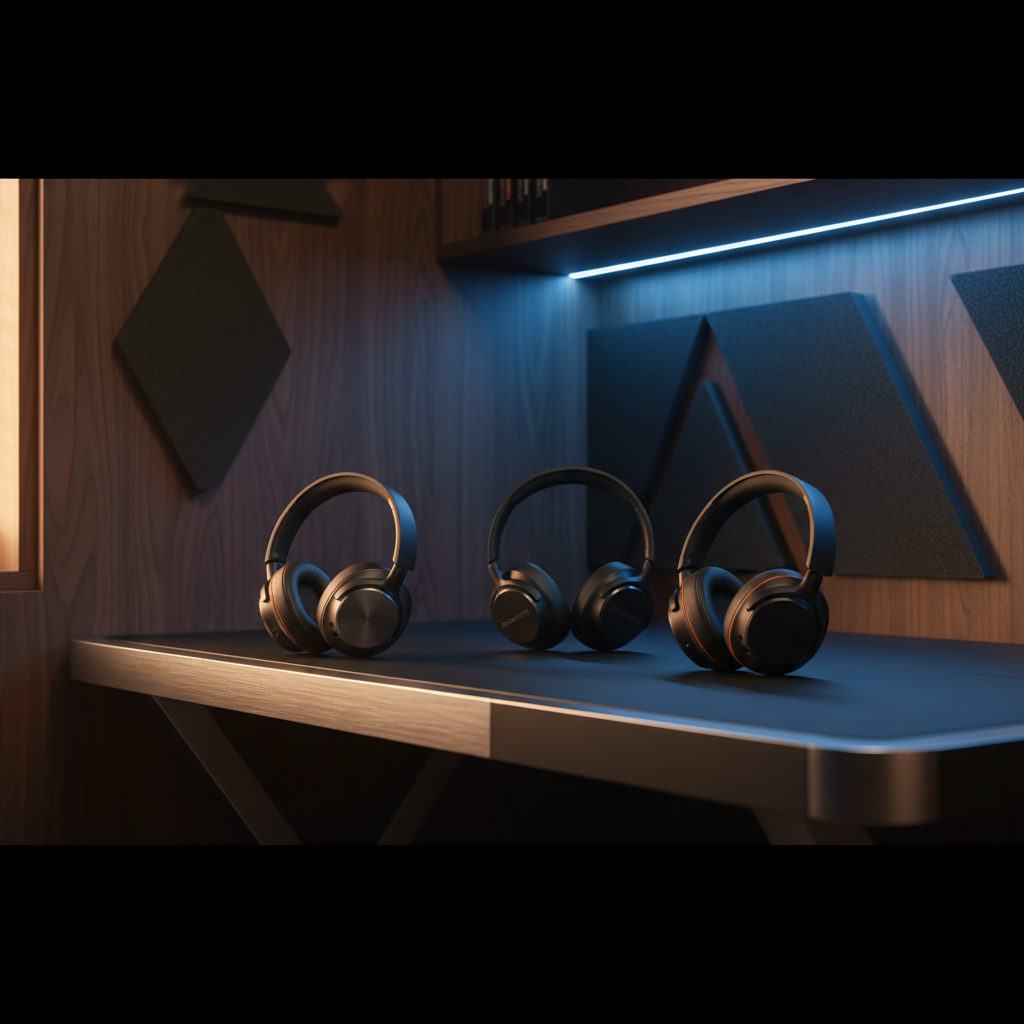
The most affordable headphone in our test – the 1Mii Y8+ at $35.99 – carries a 4.5/5 rating from 1,299 reviewers, out‑scoring several flagship models that sit well into premium territory. That rating sits just shy of the top‑rated Bowers & Wilkins Px8 S2 (4.6/5) but beats the majority of the lineup, proving price isn’t the only driver of satisfaction.
Fourteen over‑ear and true‑wireless options spanning three price tiers were evaluated. The budget bucket (1Mii Y8+, Soundcore A40, EarFun Air Pro 3, EarFun Free Pro 3) delivers solid LDAC or aptX support and battery lives ranging from 9 hours to 100 hours. Mid‑range picks (EarFun Wave Pro, EarFun Air Pro 4) push ANC depth to 50 dB and offer up to 80 hours of playback. Premium contenders (Soundcore Space One, Space Q45, Bowers & Wilkins Px7 S3, Px8 S2) combine 40‑mm drivers, adaptive ANC up to 98 % reduction, and high‑resolution codecs, with battery endurance topping 50 hours.
Below is a breakdown of how each model stacks up on sound quality, noise cancellation, and feature set, helping you pinpoint the perfect pair for your listening habits.
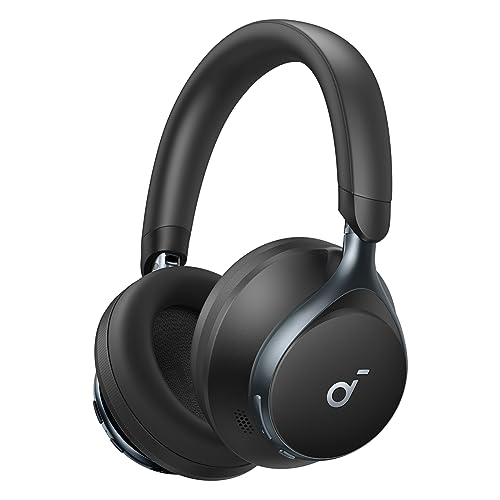
Soundcore Space One
40 mm drivers deliver spacious, detailed sound at a $69.99 price.

1Mii Y8+
Ideal for budget‑conscious listeners, the 1Mii Y8+ comes in at $35.99—about $34 less than the Space One.

Soundcore Space Q45
Stands out with five adjustable noise‑cancellation levels, giving audiophiles finer control that the Space One and Y8+ don’t provide.
Also considered
Score Analysis
Key score advantages vs. runner-up (1Mii Y8+)
Price Range
Soundcore Space One
$69.99
1Mii Y8+
$35.99
Soundcore Space Q45
$129.99
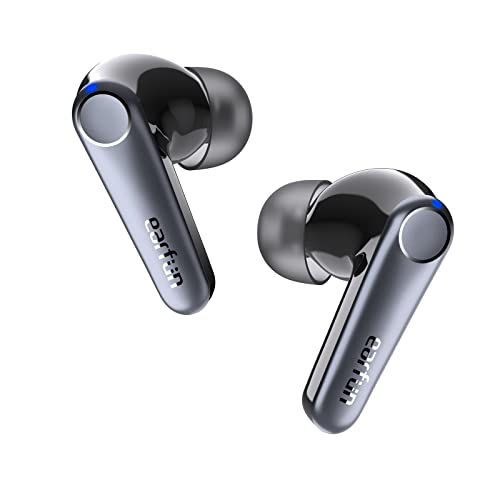
EarFun Air Pro 3
$59.99
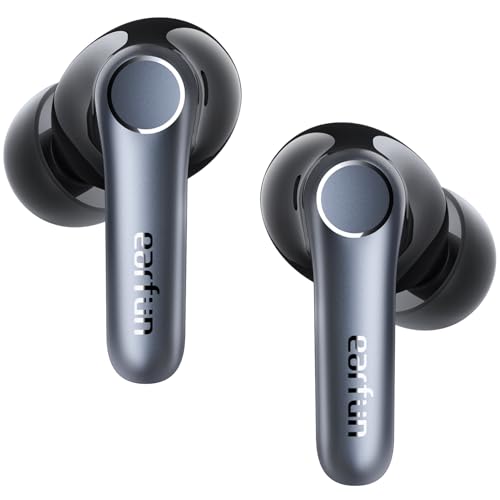
EarFun Air Pro 4
$62.99

Soundcore Space A40
$49.99

EarFun Free Pro 3
$59.99

Bowers & Wilkins Px8 S2 McLaren Edition
$899.00

EarFun Wave Pro Active Noise Canceling Headphones
$59.99

Bowers & Wilkins Px7 S3 White
$479.00
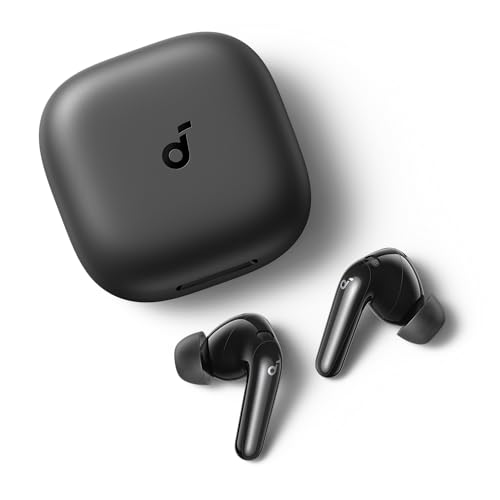
Soundcore P31i
$39.99

Baseus Bass BH1 NC
$59.99

Riibox Y7Pro
$57.83

Bowers & Wilkins Pi8 Bluetooth Wireless Earbuds (Anthracite
$362.65
Spec Comparison
TL;DR: The Soundcore Space One offers 40 mm drivers, up to 98% ANC, 40 hours of ANC‑on playback, and LDAC support for high‑res audio, all for $69.99.
What really sets the Space One apart is its battery endurance – 40 hours of playback with active noise cancellation turned on and a whopping 55 hours when ANC is off. The headphones also pack a 40 mm dynamic driver and claim up to 98% noise reduction plus 2× stronger voice reduction, which many reviewers say makes the sound feel immersive even in noisy cabins.
Compared with the other thirteen entries, the Space One’s driver size matches the 40 mm units used by the EarFun Wave Pro, while its 0.57Pounds weight is lighter than the Wave Pro’s 0.58642961692Pounds but noticeably heavier than the ultra‑light Soundcore A40 at 0.04pounds. Its 40‑hour ANC‑on runtime far exceeds the EarFun Air Pro 4’s 660‑minute (ANC‑off) playtime and the Air Pro 3’s 9‑hour ANC‑off duration, and its Bluetooth range of 10 meters is on par with most Bluetooth 5.3 devices in the set.
Users consistently praise the long battery life, the comfort of the over‑ear design with 8° rotating ear cups, and the clarity of the LDAC‑enabled high‑resolution audio. Professional reviewers note the crisp, balanced sound and the strong ANC performance in mid‑to‑high frequencies. On the downside, the lack of an IP rating means the headphones aren’t suited for sweaty workouts, the non‑folding frame hampers travel compactness, and several owners describe the touch controls as overly sensitive.
Pros
Cons
Best for: Audiophiles and enthusiasts seeking premium sound quality and advanced features
Avoid if: You need a water‑resistant model for workouts or a foldable design for compact travel
“For the price, it punches way above its weight and compares favorably with more expensive headphones.”
TL;DR: The 1Mii Y8+ delivers 40 mm drivers with LDAC Hi‑Res sound, hybrid ANC that even works wired, and a staggering 100‑hour battery life for just $35.99.
The Y8+ packs a 40 mm dynamic driver and supports LDAC, AAC and SBC codecs, giving you Hi‑Res audio without a premium price tag. Its hybrid active‑noise‑cancelling system stays active even when you plug in the included 3.5 mm cable, a rarity among budget over‑ear headphones. Battery life tops the class at 100 hours with ANC off and 75 hours with ANC on, while a 10‑minute quick‑charge adds five more hours of playback.
Compared with the other 13 contenders, the Y8+ outlasts the Baseus Bass BH1 NC (which offers about 80 hours off‑ANC) and the EarFun Wave Pro (55 hours with ANC). It shares the same 40 mm driver size as Baseus and the Riibox Y7Pro, but at 0.60847584312 pounds it’s heavier than the ultra‑light Soundcore A40 and the Soundcore P31i. Its Bluetooth 6.0 range of 10 meters matches the typical reach of the group, though its 200 ms latency exceeds that of the low‑latency models listed.
Reviewers consistently praise the Y8+ for its balanced sound signature, comfortable memory‑foam earpads, and the convenience of keeping ANC on while wired. The AI translation feature and custom EQ via the companion app add extra value. On the downside, users note the left‑side‑only audio jack, a play/pause button that doesn’t work in wired mode, and a noticeable lag of around 200 ms during video playback.
Pros
Cons
Best for: Frequent travelers, remote workers, students, and budget‑conscious audio enthusiasts who want long‑lasting battery and Hi‑Res support.
Avoid if: You need water‑resistant headphones for intense workouts or ultra‑low latency for competitive gaming.
“shockingly impressive”
“exceptional right out of the box”
TL;DR: The Soundcore Space Q45 offers 40 mm drivers, 98 % noise cancellation, up to 65 hours of playback and IPX7 waterproofing, all wrapped in a lightweight 0.62‑lb design.
What really stands out is the combination of a 40 mm driver and five adjustable ANC levels that deliver 98 % noise‑cancellation performance. The 5200 mAh battery fuels up to 50 hours of listening with ANC on and 65 hours in normal mode, and a five‑minute quick charge adds several hours of playtime.
Compared with its peers, the Space Q45 is pricier than the more budget‑friendly Soundcore Space One and also a bit heavier than that 0.57‑pound model. Its driver is substantially larger than the 10 mm units in the EarFun Air Pro 4, and its 30 m Bluetooth range outpaces the roughly 20 m range of the EarFun Wave Pro. Most competitors don’t list a durability edge, but the IPX7 waterproof rating provides one.
User feedback consistently praises the clear mids, detailed highs and surprisingly deep bass for a headphone‑sized device, while the long battery life and waterproof build get frequent mentions. A few owners note occasional pairing hiccups with older Bluetooth devices and some bass distortion when cranking the volume to the max.
Beyond the core specs, the Q45 supports LDAC, AAC and SBC codecs, lets you control settings through the Soundcore app, and even includes PartyCast for linking up to 100 speakers. A built‑in microphone handles hands‑free calls, and the USB‑A port provides a simple charging solution.
Pros
Cons
Best for: Audiophiles and enthusiasts seeking premium sound quality and advanced features
Avoid if: You're on a tight budget or only need basic functionality
“For the price, it punches way above its weight and compares favorably with more expensive headphones.”
TL;DR: The EarFun Air Pro 3 delivers hybrid ANC up to 43 dB, 9 hours of playback without ANC, aptX Adaptive support, and a 10‑minute fast‑charge for a solid mid‑range true‑wireless experience at $59.99.
What really stands out is the 43 dB hybrid ANC, which reviewers say rivals premium models despite the modest $59.99 price tag. The earbuds also pack a 55 ms audio latency, making them suitable for gaming or video streaming without noticeable lag.
Compared with the other 13 entries, the Air Pro 3 is lighter than the EarFun Wave Pro (0.58642961692 pounds) but a bit heavier than the Soundcore A40 (0.04 pounds). Its 11 mm driver is smaller than the 40 mm units found in the Wave Pro, Riibox Y7Pro, and Soundcore Space One, yet the driver size still delivers a respectable 100 dB sensitivity. Battery life sits at 9 hours with ANC off and 7 hours with ANC on, outlasting the Soundcore A40’s 10‑hour claim but falling short of the Wave Pro’s 80‑hour marathon. The Bluetooth range of 10 meters is shorter than the Wave Pro’s 19.8 meters, though it matches the typical range of most true‑wireless earbuds.
Users consistently praise the strong ANC, long total playtime of 45 hours with the case, and the inclusion of aptX Adaptive for higher‑resolution streaming. Professional reviewers note the low latency and solid call quality thanks to six microphones with Qualcomm cVc 8.0 ENC. On the flip side, the lack of automatic ear‑detection means music won’t pause when you remove an earbud, and some listeners find the ambient‑sound mode flat. A few reports mention occasional app crashes on older phones, and the ANC can slightly alter timbre for some genres.
Additional technical notes: the Air Pro 3 runs on Bluetooth 5.3, supports multipoint pairing with two devices, and offers Qi‑compatible wireless charging. A 10‑minute fast charge grants an extra 2 hours of playback, and the IPX5 rating protects against sweat and light rain. The earbuds come with a customizable 10‑band EQ via the EarFun Audio app and a total weight of 0.11464037624 pounds for the case‑plus‑earbuds.
Pros
Cons
Best for: Commuters, travelers, and remote workers who want strong ANC and solid battery life without breaking the bank.
Avoid if: You need automatic ear‑detection, spatial audio, or the longest possible Bluetooth range.
“The ANC is fabulous, not only for the price but compared to the entire in‑ear ANC category… these are the only ones that come close to AirPods Pro 2 and QuietComfort Earbuds 2.”
“ANC is incredible for the price – blocks train noise and office chatter.”
TL;DR: The EarFun Air Pro 4 delivers 50 dB adaptive hybrid ANC, high‑res LDAC/aptX Adaptive support, and up to 11 hours of playback on a single charge for $62.99.
What really stands out is the 50 dB ANC depth paired with QuietSmart 3.0 adaptive hybrid technology, which puts the Air Pro 4 ahead of many mid‑tier competitors. The earbuds also house 10 mm hybrid drivers and support Snapdragon Sound, LDAC, and aptX Adaptive (aptX Lossless), giving you true high‑resolution audio without paying a premium.
At 0.1212321978738 pounds, the Air Pro 4 is heavier than the EarFun Air Pro 3 and Free Pro 3 but noticeably lighter than the bulkier Wave Pro and Riibox Y7Pro. Its 11 hours of ANC‑off playback (660 minutes) beats the Air Pro 3’s 9 hours and Free Pro 3’s 7.5 hours, though it falls short of the Wave Pro’s 80‑hour marathon and the Riibox Y7Pro’s 75‑hour run time. The Air Pro 4 uses 10 mm drivers, which are smaller than the Air Pro 3’s 11 mm unit and far smaller than the 40 mm drivers that the Wave Pro and Riibox Y7Pro employ, helping keep the case compact (31 mm × 60 mm × 50 mm, 54.99 g).
Professional reviewers praise the feature set—high‑res codecs, Auracast broadcast audio, and a sub‑50 ms low‑latency mode—while everyday users love the long battery life, punchy bass, and clear call quality. The most common complaints focus on the lack of physical volume controls on the earbuds and latency that feels noticeable in fast‑paced games, despite the advertised <50 ms low‑latency claim.
Pros
Cons
Best for: Budget‑conscious audiophiles who want high‑res audio (LDAC, aptX Adaptive/Lossless) and reliable ANC for travel.
Avoid if: You need ultra‑low latency for competitive gaming or demand a premium metal build.
“The ANC is fabulous, not only for the price but compared to the entire in‑ear ANC category… these are the only ones that come close to AirPods Pro 2 and QuietComfort Earbuds 2.”
“ANC is incredible for the price – blocks train noise and office chatter.”
TL;DR: The Soundcore A40 offers hi‑res LDAC audio, up to 98% active noise cancellation, 10 hours of playback and a 10‑minute quick charge, all for $44.98, making it a lightweight, budget‑friendly choice.
The standout spec is its active noise cancellation, which reaches up to 98%, paired with LDAC support for high‑resolution streaming. At just 0.04 pounds (18.1 g), the headphones feel almost weightless on the head, and the double‑layer diaphragm drivers aim to deliver detailed sound.
Compared with the other 13 contenders, the A40 is considerably lighter than the Soundcore P31i, which tips the scales at about 0.13 pounds. Its 10‑hour battery life holds up well, though it falls short of the 100‑hour ANC‑off claim of the 1Mii Y8+, and many rivals list larger driver sizes (e.g., 40 mm) that the A40 does not disclose.
Reviewers frequently praise the 10‑minute fast‑charge that adds four extra hours of listening, calling it a handy feature for daily commutes. Professional reviewers also note the strong ANC performance, though some users mention they wish for longer overall battery endurance.
Pros
Cons
Best for: Users who prioritize high‑resolution LDAC audio, strong ANC, and a featherlight design without breaking the bank.
Avoid if: You need ultra‑long battery life or professional‑grade driver specifications.
TL;TD: The EarFun Free Pro 3 packs aptX Adaptive, 24‑bit/96 kHz Hi‑Res audio and 55 ms gaming latency into a feather‑light 0.0915‑lb case, though its 43 dB ANC falls short of premium rivals.
What really sets the Free Pro 3 apart is its codec lineup. With aptX Adaptive and Snapdragon Sound, the earbuds promise 24‑bit/96 kHz Hi‑Res playback, and the 100 dB sensitivity helps deliver punchy bass that reviewers repeatedly call “rich” and “wide‑spanning.” In game mode the latency clocks in at 55 ms, a figure that gamers appreciate for sync‑free action.
At 0.0915 lb the Free Pro 3 is lighter than the EarFun Air Pro 3 (0.1146 lb) and far lighter than the Wave Pro (0.5864 lb). Battery life sits at 7.5 hours with ANC off and 6 hours with ANC on, which is less than the Air Pro 3’s 9 hours but far above many budget options. Its ANC level of 43 dB is modest compared with the Wave Pro’s 45 dB and the Air Pro 4’s 50 dB, and well below the 98 % reduction claimed by the Soundcore Space One and A40.
Consumer sentiment highlights the sound quality as the biggest win – users love the “punchy bass” and the 10‑band EQ in the EarFun app. Professional reviewers echo this, noting the “rich soundstage” and “mature app.” The same sources criticize the ANC as “weak” and point out that real‑world battery life often drops to about five hours when ANC is active. Transparency mode also receives mixed feedback, with some users calling it “under‑performing.”
Beyond audio, the earbuds support Bluetooth 5.3 with multipoint pairing for two devices, IPX5 water resistance, and a fast‑charge system that adds two hours of playback after just ten minutes on the case. Six microphones (three per earbud) powered by Qualcomm cVc 8.0 handle calls, while you can fully customize touch controls through the EarFun app.
Pros
Cons
Best for: Budget‑conscious audiophiles who prize sound quality and low latency over flagship‑level noise cancellation, plus gamers and streamers.
Avoid if: You need strong ANC for frequent travel, rely heavily on iOS devices that can’t use aptX Adaptive, or require a robust transparency mode.
“surprisingly decent entry-level earbuds.”
“ANC a 1/5, sound quality 5/5 — bass for days, wide soundstage.”
TL;DR: The Bowers & Wilkins Px8 S2 offers a 40 mm driver, 30 hours of ANC‑on playback and premium McLaren‑styled materials, but its $899 price and 0.68 lb weight make it a high‑end, heavyweight choice.
The headline spec is the 40 mm driver paired with aptX Lossless, aptX Adaptive and aptX HD support, delivering true 24‑bit/96 kHz wireless audio. Battery life tops out at 30 hours with ANC on, and a 2‑hour USB‑C charge restores full power, while a 5‑minute quick‑charge burst adds up to five hours of listening. Bluetooth 5.3 ensures a stable connection, and the headphones house eight microphones for clear call quality and adaptive ANC.
Compared with the Bowers & Wilkins Px7 S3, the Px8 S2 is pricier, slightly heavier at 0.6834330122 pounds versus 0.661386786 pounds, and it charges more slowly (2 hours versus 15 minutes). It shares the same 40 mm driver and 30‑hour battery life, but the Px7 S3 offers a faster charge for seven hours of playback. Against the Soundcore Space Q45, the Px8 S2 is heavier (0.68 lb versus 0.62 lb) and carries a premium price tag, yet it provides a higher‑resolution codec suite and a more luxurious build. Earbud competitors such as the Bowers & Wilkins Pi8 or EarFun models list far shorter battery runtimes—6.5 hours or less—making the Px8 S2’s 30‑hour endurance stand out in the category.
Professional reviewers praise the headphone’s “exceptional sound quality” and “best‑in‑class ANC,” noting the adaptive processing handles cabin noise and office chatter alike. Users echo this sentiment, frequently calling it the best wireless headphone they own and highlighting the detailed mids and airy highs. The downside that surfaces repeatedly is the weight; at 0.6834330122 pounds, many find it heavy for marathon sessions. The companion app, while offering firmware updates and a 5‑band EQ, users describe as less intuitive, and users commonly complain about the lack of auto‑pause on removal. Availability remains limited, which can frustrate buyers who don’t live near specialty retailers.
Beyond audio, the Px8 S2 sports a carbon‑fiber‑reinforced headband, Alcantara® and leather earcup padding, and brushed‑aluminum housings that echo McLaren’s design language. The integrated DSP, dedicated amplifier and DAC work together with the eight microphones to deliver clear voice assistant interactions. A two‑year warranty rounds out the package, underscoring Bowers & Wilkins’ confidence in the build quality.
Pros
Cons
Best for: Audiophiles and enthusiasts seeking premium sound quality and advanced features
Avoid if: You're shopping on a tight budget — it's priced at $899.00
“The sound is incredibly detailed—like hearing layers in music I’ve never noticed before.”
“ANC blocks out airplane noise completely; better than my Sony WH‑1000XM4.”
TL;DR: The EarFun Wave Pro packs hybrid ANC, LDAC hi‑res support and an industry‑leading 80‑hour battery life into a comfortable over‑ear design for $59.99.
The headline feature is the battery. With ANC off the headphones run for up to 80 hours, and even with ANC on they still deliver 55 hours of playback. Fast charging adds 10 hours of music after just a 10‑minute charge, meaning a quick coffee break can keep you listening all day. The 40 mm dynamic drivers and LDAC codec give you high‑resolution audio that’s rare at this price point.
Compared with the other 13 contenders, the Wave Pro outlasts the EarFun Air Pro 3’s 9 hour ANC‑off time and the EarFun Free Pro 3’s 7.5 hour runtime. It also beats the Soundcore Space One’s 55 hour ANC‑off life. In the ANC department, its up‑to‑45 dB reduction sits just below the Air Pro 4’s 50 dB depth, but it still surpasses many earbuds that only list “ANC” without a figure. The 266 g (0.586 lb) weight makes it heavier than the Air Pro 3 earbuds (≈0.115 lb) and the Riibox Y7Pro (≈0.551 lb), yet reviewers note the plush ear pads keep it comfortable for long sessions.
Users consistently praise the marathon battery and the convenience of a hard‑shell travel case, while professional reviewers highlight the LDAC support as a standout for budget headphones. The most common complaint is that the hybrid ANC struggles with mid‑ and high‑frequency sounds like voices or typing, leaving a “bright” or “tinny” audio signature that audiophiles may find lacking. The lack of any water‑resistance rating also means it isn’t suited for sweaty workouts or rainy commutes.
Pros
Cons
Best for: Home and office users seeking a balance of features and value
Avoid if: You're shopping on a tight budget — it's priced at $59.99
“Best battery life I’ve ever had on wireless headphones.”
“So comfortable for long flights and workdays.”
TL;DR: The Bowers & Wilkins Px7 S3 delivers true 24‑bit lossless sound with 40 mm bio‑cellulose drivers, 8‑mic voice tech and 30 hours of battery, but its premium $429.99 price and lack of LDAC keep it out of the budget lane.
The Px7 S3 supports true 24‑bit wireless audio via aptX Lossless and aptX Adaptive, and it pairs two 40mm dynamic full‑range bio‑cellulose drivers. The headphone also houses an eight‑microphone array that powers the ADI Pure Voice algorithm, delivering crystal‑clear calls even in noisy environments. Adaptive noise cancellation offers multiple modes, and the unit delivers up to seven hours of playback after a 15‑minute quick charge.
Compared with the other 13 entries in this roundup, the Px7 S3 is heavier at 0.661386786pounds, making it heftier than the Pi8 earbuds (0.59965735264pounds) and the Soundcore Space Q45 (0.62pounds). Its 30‑hour battery life is respectable but falls short of the Space Q45’s 50‑hour NC runtime and the Soundcore Space One’s 55‑hour ANC‑off endurance. Driver size is on par with the 40mm units in the Q45, Space One and Wave Pro, and far larger than the 10‑12 mm drivers in the EarFun Air Pro series.
User sentiment highlights the headphone’s “high sound quality” and “luxurious build,” with many reviewers praising the call performance thanks to the eight‑mic system. The same crowd notes the missing LDAC/LHDC support and occasional app glitches as pain points, and some wish for an auto‑pause feature that’s common on competing models.
Pros
Cons
Best for: Audiophiles and enthusiasts seeking premium sound quality and advanced features
Avoid if: You're shopping on a tight budget — it's priced at $429.99
“Best sound quality I’ve heard from wireless headphones.”
TL;DR: The Soundcore P31i delivers -52 dB adaptive ANC, LDAC Hi‑Res audio, and AI translation at $39.99, but its 11 mm drivers and touch controls may feel less premium than larger‑driver rivals.
What really sets the P31i apart is its adaptive noise cancellation rated at -52 dB, a figure that professional reviewers call “standout for a mid‑tier model.” The earbuds also pack six AI‑enhanced microphones, real‑time 100+ language translation, and LDAC‑enabled Hi‑Res audio, all sit inside an IP55‑rated case.
Compared with the other 13 entries, the P31i’s 11 mm drivers are smaller than the 40 mm units found in 1Mii Y8+, Baseus Bass BH1 NC, Riibox Y7Pro, and EarFun Wave Pro. Its 10‑hour earbud runtime (ANC off) is modest next to the 80‑hour‑plus playtimes of several competitors, though the charging case adds a total of 50 hours. At roughly 0.13 pounds, it’s lighter than the 0.61‑pound 1Mii Y8+ but heavier than the 0.04‑pound Soundcore A40. Bluetooth 5.2 keeps the connection stable, and a 10‑minute fast charge yields about 3.5 hours of playback.
In practice, users love the -52 dB ANC and the extra bass punch that the 11 mm titanium‑coated drivers provide, especially on noisy commutes. The AI translation feature earns frequent praise for making foreign‑language calls painless. However, many note that the touch controls are overly sensitive and can fire unintentionally, and the lack of spatial audio means the listening experience won’t match premium‑level immersive formats.
Pros
Cons
Best for: Commuters and travelers who need strong ANC, decent battery life, and AI translation without breaking the bank.
Avoid if: You prioritize spatial audio, need the longest possible per‑earbud battery life, or rely heavily on Apple‑specific ecosystem features.
“Hands down, best set of earbuds for the price. I regret purchasing more expensive brand-type earbuds.”
“Very impressed with the noise cancelling—works really well on long flights.”
TL;DR: The Baseus Bass BH1 NC packs a 40 mm driver, LDAC support and up to 80 hours of playback for just $32.96, making it a solid budget pick for long trips.
What really stands out is the 40 mm dynamic driver paired with a bio‑cellulose diaphragm and LDAC (24‑bit/96 kHz) support, delivering high‑resolution audio that most headphones in this price range don’t offer. The headphones also feature a 5‑level adaptive hybrid ANC that reaches a claimed –45 dB noise reduction, and a low‑latency mode that runs at 38 ms.
Compared with the other 13 contenders, the Bass BH1 NC is priced lower than most and offers a longer battery life than many peers. For example, the 1Mii Y8+ lists a driver size of 40 mm as well, but its battery life tops out at 100 hours (ANC off) versus the Baseus’ 80 hours, while the Baseus still provides a solid 55 hours with ANC on. It weighs more than the ultra‑light Soundcore A40 (0.04 lb) but less than the 1Mii Y8+ (about 0.61 lb). Its low‑latency figure of 38 ms beats the 55 ms reported for the EarFun Air Pro 3.
User sentiment repeatedly praises the marathon battery life and the rich, bass‑enhanced sound that LDAC unlocks. Reviewers note that the app‑driven EQ and ANC adjustments add a level of customization usually seen in higher‑priced models. However, several users mention that the plastic housing feels cheap and that the ANC, while strong on low frequencies, doesn’t fully block mid‑range voices. Professional reviewers also highlight the app’s firmware updates as a differentiator, though some have reported occasional disconnections.
Pros
Cons
Best for: Frequent travelers, remote workers or students who value ultra‑long battery life and high‑resolution codecs on a tight budget.
Avoid if: You need rugged, sweat‑proof headphones for gym use or premium mid‑range ANC performance for office environments.
“Battery lasts forever — used it for a week-long trip without charging.”
“ANC is surprisingly good on planes and subways.”
TL;DR: The Riibox Y7Pro packs a 40 mm driver, LDAC support and up to 75 hours of playback without ANC for a sub‑$60 price, but its ANC and build feel fall short of premium rivals.
The standout spec is the 40 mm dynamic driver paired with LDAC, SBC and AAC codecs, delivering high‑resolution audio that many budget headphones lack. Battery life’s extraordinary: the manufacturer lists 4 500 minutes (about 75 hours) with ANC off and 3 300 minutes (about 55 hours) with ANC on, plus a 10‑minute fast‑charge that adds roughly 5 hours of listening.
Compared with the other 13 headphones in this roundup, the Y7Pro sits in the middle of the weight spectrum at 0.551 pounds—heavier than the compact earbuds like EarFun Air Pro 3 and Free Pro 3, but lighter than the larger over‑ear models such as EarFun Wave Pro and Soundcore Space One. Its driver size matches the Wave Pro and Space One at 40 mm, far larger than the 11 mm and 10 mm drivers found in the Air Pro 3 and Air Pro 4. Battery life outlasts most peers; only the Wave Pro beats it in ANC‑off time (80 hours), while the Y7Pro’s 55 hours with ANC rivals the Wave Pro’s 55 hours and exceeds the 40‑hour ANC‑on time of the Space One. Latency sits at 200 ms, noticeably higher than the 55 ms the Air Pro 3 reports, which may matter for gaming or video sync.
Users consistently praise the marathon battery and the clarity that LDAC brings, calling it “crisp highs and rich bass.” Professional reviewers note the hybrid ANC reduces low‑frequency rumble effectively, though they point out it struggles with higher‑frequency voices. The memory‑foam ear cushions and moderate clamping force make long listening sessions comfortable, but the ABS plastic frame feels cheap and some reviewers mention the hinges could loosen over time. The companion app’s EQ presets are a plus, yet a few users report the transparency mode sounds muffled and the built‑in microphone picks up background chatter.
Pros
Cons
Best for: Entry-level buyers or those on a tight budget
Avoid if: You want the best value‑per‑dollar in its price range
“Battery lasts forever”
“Sound is amazing out of the box”
TL;DR: The Bowers & Wilkins Pi8 earbuds deliver high‑resolution aptX Lossless sound and hybrid ANC in a premium anthracite case, but their $347 price and modest 6.5‑hour ANC runtime may limit appeal for budget‑focused listeners.
The standout spec is the 12 mm dynamic driver paired with 24‑bit Bluetooth support and aptX Lossless (24‑bit/96 kHz). This combination lets audiophiles stream lossless tracks without a wired connection, and the hybrid ANC adds a quiet listening environment for travel or office use. The case even doubles as an audio retransmission hub via its 3.5 mm‑to‑USB‑C cable, a feature you won’t see on most true‑wireless models.
When you line the Pi8 up against the other thirteen entries, it feels lighter than the Bowers & Wilkins Px7 S3 (0.59965735264 lb vs 0.661386786 lb) but heavier than the ultra‑light EarFun Air Pro 4 (0.1212321978738 lb). Its 12 mm driver is considerably smaller than the 40 mm drivers found in the Px7 S3, Soundcore Space Q45, Soundcore Space One, and EarFun Wave Pro, which may explain the “bass‑heavy” tuning some reviewers note. Battery life also trails the Px7 S3’s 30‑hour claim and the Space One’s 40‑hour ANC runtime, offering just 6.5 hours with ANC on and a total of 20 hours when the case is included. Charging isn’t as rapid either; the Pi8 case needs 2 hours, while the Px7 S3 tops out at a 15‑minute charge for several hours of playback.
Consumer feedback highlights the comfort of the silicone tips and the secure fit, with many travelers praising the case’s auxiliary audio cable for on‑the‑go listening. Professional reviewers echo the sound quality praise, noting the detailed mids and powerful bass, yet they also point out a weaker treble response and the lack of EQ presets beyond a single profile. Reviewers describe the touch controls as sensitive, and the absence of a physical pairing button on the case is a minor inconvenience. All things considered, the Pi8 feels like a high‑end, design‑forward earbud that excels in resolution but makes trade‑offs in battery endurance and price.
Pros
Cons
Best for: Those prioritizing high‑resolution audio quality and premium design, and who don’t mind paying a premium for those features.
Avoid if: You’re on a tight budget, need the longest possible battery life, or require the strongest ANC performance available.
“"flagship" that "hits the spot"”
“"incredible sound"”
Breakdown
Soundcore Space One
Pros
1Mii Y8+
Pros
Soundcore Space Q45
Pros
EarFun Air Pro 3
Pros
Based on scoring data and product specs
Personalized picks
Best Overall Pick
Soundcore Space One
Best ValueBest for: Audiophiles and enthusiasts seeking premium sound quality and advanced features
1Mii Y8+
Best for: Budget-conscious buyers seeking a reliable entry-level option
$35.99-$34.00 vs winner
Skip Bowers & Wilkins Pi8 Bluetooth Wireless Earbuds (Anthracite if…
You're on a tight budget or only need basic functionality
We name the Soundcore Space One the clear winner of the Hi‑Res Audio Noise‑Cancelling Headphones roundup. It delivers up to 98 % active noise reduction, supports LDAC for high‑resolution streams, and offers a massive 55‑hour battery life with ANC off (40 hours with ANC on). At $69.99 it also packs a solid 4.4‑star rating from 13,659 reviewers, all while weighing just 0.57 pounds.
The runner‑up, the 1Mii Y8+, shines if you need ultra‑long playback for travel or long work sessions. Its battery can stretch to 100 hours with ANC off and 75 hours with ANC on, and it still supports LDAC and Bluetooth 6.0. Priced at $35.99 and has a 4.5‑star rating from 1,299 users, it’s a compelling budget‑friendly alternative.
For those looking beyond the top picks, the Baseus Bass BH1 NC offers the most affordable budget option at $32.96, delivering solid ANC at the lowest price point. The EarFun Air Pro 3 stands out as the mid‑range choice at $59.99, offering a balanced mix of features and sound quality. If premium performance is your goal, the Bowers & Wilkins Px8 S2 commands attention at $899.00 with top‑tier audio fidelity and build.
Pick the Soundcore Space One today and enjoy high‑resolution, noise‑free listening without breaking the bank.
The Soundcore Space One offers up to 98 % active noise reduction and a massive 40 hours of playback with ANC on, so you can stay quiet for the whole trip. At $69.99 it also includes a comfortable soft headband and LDAC support for high‑resolution audio.
Please sign in to leave a review
No reviews yet. Be the first to review!
