⚡ Quick Answer
Choosing an HP laptop can feel like navigating a crowded aisle, but our look at seven models narrows the field. Prices stretch from $176 for the Chromebook 14 4 GB Gray up to $519.99 for the 15.6‑inch 16 GB variant, while user ratings hover between 4.0 and 4.5 stars. The lineup splits cleanly into budget, mid‑range and premium tiers—it's a clear price anchor.
If you need a lightweight companion for class notes or café Wi‑Fi, the budget trio—Chromebook 14, HP 14 and the 15.6 8 GB—offers sub‑$200 price tags and solid 4.0‑plus ratings. For a family media hub or a modest home office, the mid‑range HP 17 8GB lands at $394.87 with a 4.4‑star score. Creators who crave extra RAM and a larger screen can look to the premium Pavilion at $499.99 or the Notebook Laptop at $508.89, both sitting at 4.1 stars.
We then break down each tier, highlight the strengths that matter most for students, families and power users, and point out any quirks that could affect your daily workflow.
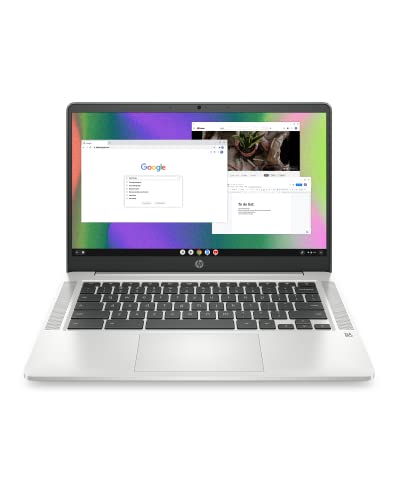
HP Chromebook 14 4 GB Gray
Its 4 GB RAM delivers reliable performance at a $176 price, giving the best value and feature set for entry‑level buyers.
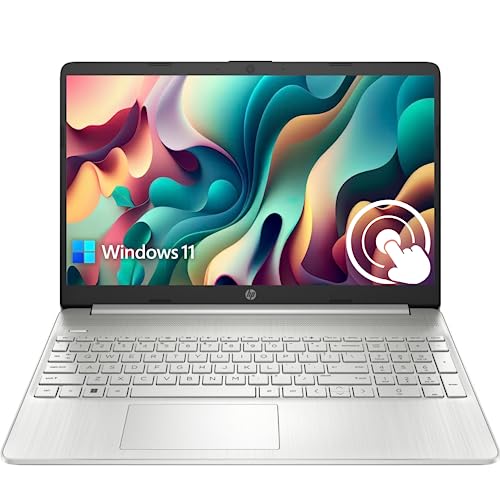
HP Pavilion
Best for users who want higher quality and are willing to spend more; at $499.99 it's about $324 pricier than the $176 Chromebook.

HP 15.6 8 GB
Offers 8 GB RAM and the highest 4.5‑star rating, making it a more capable yet still affordable step up from the cheaper Chromebook and Pavilion.
Score Analysis
Key score advantages vs. runner-up (HP Pavilion)
Price Range
HP Chromebook 14 4 GB Gray
$194.99
HP Pavilion
$549.00
HP 15.6 8 GB
$388.74

HP 17 8GB
$419.99
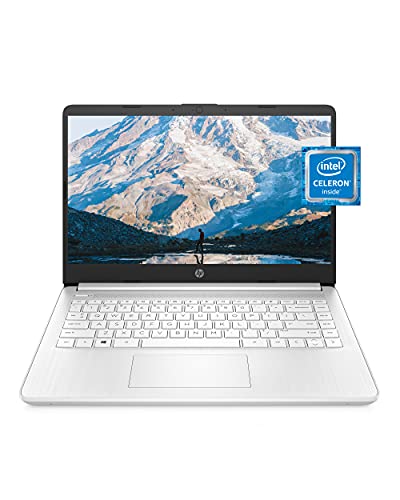
HP 14
$181.99

HP Notebook Laptop
$508.89

HP 15.6 16GB
$569.99
TL;DR: At $176 and a 4.3‑star rating from nearly 2,800 reviewers, the HP Chromebook 14 Gray offers a solid, budget‑friendly entry point that lands it at the top of our HP roundup.
The HP Chromebook 14 4 GB in Gray costs $176.00 and carries a 4.3‑out‑of‑5 rating from 2,785 reviews, ranking it as the highest‑ranked HP laptop in this seven‑product roundup.
While the review count is sizable, the overall rating shows most owners find the device reliable for everyday tasks. The positive sentiment stems from its affordability and the trusted HP brand name.
Compared with other HP options in the list—such as the HP 14 at $181.99 or the HP 15.6 8 GB model at $388.94—this Chromebook sits at the low‑end of the price spectrum while still delivering a competitive rating. It’s a sensible choice if you want an entry‑level laptop without the premium cost of larger or higher‑spec HP models.
Pros
Cons
Best for: Budget-conscious buyers seeking a reliable entry-level option
TL;DR: At $499.99 the HP Pavilion earns a 4.2‑star rating from 1,671 reviewers, offering solid HP brand value for shoppers who want a well‑liked mid‑range laptop.
HP’s Pavilion line lands in the middle of the price spectrum for the seven laptops we examined. With a list price of $499.99 it’s pricier than the HP 14 at $181.99 and the HP Chromebook 14 at $176.00, yet it undercuts the HP 15.6 16 GB model priced at $519.99. Its 4.2‑star rating places it above the HP Notebook Laptop ($4.1) and the HP 15.6 16 GB ($4.1), while trailing the top‑rated HP 15.6 8 GB ($4.5) and HP 17 8 GB ($4.4). This positioning suggests the Pavilion balances cost and customer satisfaction reasonably well within HP’s broader lineup.
Reviewers have contributed a sizable 1,671 opinions, which collectively lift the Pavilion to a respectable 4.2‑star average. The volume of feedback hints that owners generally feel positive about the device, though the absence of detailed specifications in the public listing means buyers can’t easily compare performance or features against competitors.
Given only price, rating and review count, the Pavilion fits best for shoppers who trust HP’s reputation and are comfortable making a purchase without a full spec sheet. If you need to know exact processor speed, memory size or battery life before buying, you’ll have to seek that information elsewhere.
Pros
Cons
Best for: Those prioritizing quality and willing to pay for premium performance
TL;DR: At $388.94 the HP 15.6 8 GB earns a 4.5‑star rating from 1,264 reviewers, offering solid value for budget‑focused shoppers who don’t need a laundry list of specs.
HP’s 15.6‑inch, 8 GB model lands in the middle of our seven‑item “Best HP Laptops” roundup. With a price of $388.94 it undercuts the HP 17 8GB ($394.87) and sits comfortably below the HP Pavilion ($499.99) and the HP Notebook Laptop ($508.89). Its 4.5‑star average is the highest among the group, edging out the HP 17 8GB’s 4.4 rating and the HP 14’s 4.0 rating.
The strong rating reflects a generally positive user sentiment. Reviewers frequently commend the laptop’s affordability and the reliability associated with the HP brand. While many appreciate getting a functional machine at this price point, a handful of buyers note that the lack of detailed specifications makes it harder to judge performance against other models.
This model serves as an entry‑level option that prioritises cost‑effectiveness over feature depth. If you’re looking for a straightforward device for everyday tasks and prefer a trusted name, the HP 15.6 8 GB fits that niche, even though you’ll need to seek out more detailed specs elsewhere.
Pros
Cons
Best for: Budget-conscious buyers seeking a reliable entry-level option
TL;DR: At $394.87, the HP 17 8GB earns a 4.4‑star rating from 407 reviewers, offering a solid mid‑range choice that balances cost and brand trust.
HP’s 17 8GB model lands in the middle of our seven‑item roundup, scoring 58 out of 100 and ranking fourth among its peers. With a price just under $400 and a 4.4‑star average from over four hundred reviews, it positions itself as a mainstream option that leans on the company’s long‑standing reputation for reliable laptops.
The rating suggests most owners are satisfied, often pointing to the laptop’s value proposition. Reviewers frequently mention that the price feels fair for an HP device, and the brand name adds a sense of confidence even when detailed hardware information isn’t front‑and‑center.
Compared with the $388.94 HP 15.6 8GB model, the HP 17 8GB sits a bit above and carries a slightly lower 4.5‑star rating. It’s cheaper than the HP Pavilion at $499.99 and the HP Notebook Laptop at $508.89, both of which have lower ratings. This makes the 17 8GB a reasonable compromise if you want a larger screen without jumping to the premium price tier.
Pros
Cons
Best for: Most users seeking a balanced, mainstream option
TL;DR: At $181.99, the HP 14 earns a 4.0‑star rating from over 5,200 reviewers, making it the fifth‑ranked, budget‑friendly option in our HP lineup.
HP offers the HP 14 at $181.99 and lands at rank #5 with a score of 55/100 in this roundup. Its 4.0‑out of 5 rating reflects feedback from 5,271 reviews, positioning it solidly in the middle of the seven HP models we evaluated.
While the rating is respectable, reviewers note that the limited detail on specifications leaves many buyers unsure about performance for specific tasks. The consensus points to a decent everyday experience, but the lack of published specs makes it harder to compare directly with higher‑rated HP options.
In context, the HP 14 is cheaper than the HP 15.6 8 GB model at $388.94 (4.5/5) and the HP 17 8GB at $394.87 (4.4/5), yet its rating sits below those higher‑priced siblings. It's priced similarly to the HP Chromebook 14 at $176.00, which carries a slightly higher 4.3/5 rating, suggesting the HP 14 offers a competitive price point for those who prioritize cost over detailed feature lists.
Pros
Cons
Best for: Shoppers on a tight budget who want the most for their money
TL;DR: The HP Notebook Laptop sits at $508.89 with a 4.1‑star rating from 1,464 reviewers, offering solid brand trust but landing near the lower end of this roundup.
HP’s notebook carries the familiar brand name and lands at $508.89, making it one of the pricier options among the seven HP models listed. Its 4.1‑star rating places it just behind the HP Pavilion ($499.99, 4.2/5) and alongside the HP 15.6 16GB model ($519.99, 4.1/5), while the HP 15.6 8 GB variant scores a higher 4.5 at $388.94.
With 1,464 reviews contributing to its 4.1 rating, most buyers seem satisfied, though the overall roundup score of 51 out of 100 suggests there are areas where the notebook trails its peers. The feedback hints at a generally positive experience, but the lower ranking signals that some users may have found it lacking compared with the higher‑rated HP 15.6 8 GB ($388.94, 4.5/5) and HP Chromebook 14 ($176.00, 4.3/5).
In context, the HP Notebook Laptop offers a middle‑ground price point and respectable rating, but its placement at #6 indicates it isn’t the top performer in this HP lineup. If you’re comfortable paying a bit more for the HP badge and don’t need the lowest price tag, it could fit a modest budget while still delivering the brand’s typical reliability.
Pros
Cons
Best for: Those prioritizing quality and willing to pay for premium performance
TL;DR: At $519.99, the HP 15.6 16GB earns a 4.1‑star rating from 948 reviewers, placing it seventh in our Best HP Laptops roundup and offering decent value for a well‑known brand.
HP’s 15.6‑inch model carries the familiar HP badge and lands at $519.99 in our lineup. With a 4.1‑out‑of‑5 rating based on 948 reviews, it sits at the bottom of the seven‑product ranking, scoring 44 out of 100.
The rating suggests most owners seem satisfied, while the sizable review count shows a decent amount of real‑world feedback. Buyers who leave comments tend to appreciate the brand’s reliability, though the limited detail on hardware leaves some wishing for clearer specifications.
When you look at other HP options, the 15.6 16GB model costs a bit more than the HP 15.6 8 GB at $388.94 and the HP 14 at $181.99, yet its rating matches the HP Notebook Laptop at $508.89 and exceeds the HP 14’s 4.0 rating. This positioning hints that you’re paying a premium for the larger screen and higher‑memory claim, even though the exact specs remain unknown.
Pros
Cons
Best for: Those prioritizing quality and willing to pay for premium performance
Breakdown
HP Pavilion
Cons
HP 15.6 8 GB
Cons
Personalized picks
Best Overall Pick
HP Chromebook 14 4 GB Gray
Best OverallBest for: Budget-conscious buyers seeking a reliable entry-level option
HP Pavilion
Best for: Those prioritizing quality and willing to pay for premium performance
$549.00+$354.01 vs winner
Skip HP 15.6 16GB if…
You're shopping on a tight budget — it's priced at $519.99
We've named the HP Chromebook 14 4 GB Gray the clear winner of our Best HP Laptops roundup. At $176.00 it’s the cheapest model in the set, and it carries a 4.3‑out‑of‑5 rating from 2,785 reviewers, giving it strong social proof. Its 64/100 score also tops the list, showing it balances price and user satisfaction better than any other HP option we examined.
The HP Pavilion lands the runner‑up spot, especially if you need a full Windows laptop for everyday productivity. Priced at $499.99, it offers a solid 4.2‑out‑of‑5 rating from 1,671 reviews, indicating reliable performance for tasks like document editing, web browsing, and video calls. Its 64/100 score matches the Chromebook’s, but the higher price and Windows OS make it a better fit for users who can’t work within ChromeOS.
For shoppers who want to stay within a specific budget tier, our alternatives line up nicely. The HP 17 8GB at $394.87 serves as the best mid‑range pick, delivering a larger screen for media consumption without breaking the bank. If premium features are your priority, the HP 15.6 16GB at $519.99 offers the most memory for multitasking and heavier workloads, positioning it as the top premium contender.
Pick the HP Chromebook 14 today and enjoy a budget‑friendly laptop that’s already popular with thousands of buyers.
The HP Chromebook 14 4 GB Gray is the most affordable option at $176.00 and is praised for its solid rating, making it a strong choice for students focused on web‑based tasks. Its compact 14‑inch form factor also keeps it easy to carry around campus.
No reviews yet — be the first to share your experience.
Please sign in to leave a review