⚡ Quick Answer
We compared 11 large‑capacity portable hard drives, from budget‑friendly 4 TB models to premium 8 TB SSDs. The most surprising detail? The drive that earned the highest user rating — 4.7 out of 5 from 25,246 reviewers — is the mid‑range WD_BLACK P10 Game Drive 5 TB, not one of the pricier premium SSDs. It packs a 5 TB capacity and sequential read/write speeds of about 130 MB/s, yet still feels light enough for a backpack at roughly 0.51 lb.
Our roundup spans three price tiers. On the budget end you’ll find the Silicon Power Armor A60 at $129.99 and the Toshiba Canvio Flex 4 TB at $137.81, both with solid 4‑plus‑star ratings and sub‑0.5 lb weights. Mid‑range options like the WD_BLACK P10 (priced at $149.99) and WD My Passport 5 TB (around $159.95) balance capacity and performance. The premium tier includes the Crucial X10 8 TB SSD with lightning‑fast 2,200 MB/s reads and a 3 m drop rating, plus rugged choices from LaCie, Seagate and SanDisk. In the sections that follow, we’ll break down each tier’s strengths, durability and speed so you can match a drive to your exact storage needs.

Toshiba Canvio Flex 4TB
Its ultra‑thin 0.77 in (19.6 mm) height keeps it portable while delivering 4 TB of storage.
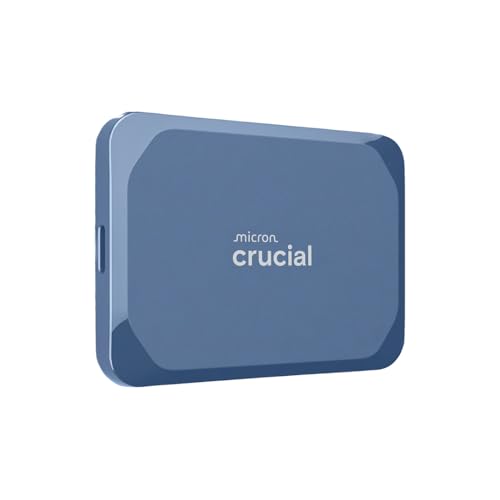
Crucial X10 8TB
Great for power users who need the full 8 TB of space, even though it costs roughly $649 more than the $137.81 Best Overall model.

WD_BLACK P10 Game Drive 5TB
It acts as a dedicated game drive; its 5 TB capacity and 20.8 mm height cater to gamers who want fast, portable storage without the bulk of larger models.
Also considered
Score Analysis
Key score advantages vs. runner-up (Crucial X10 8TB)
Price Range
Toshiba Canvio Flex 4TB
Out of Stock
Crucial X10 8TB
$845.99
WD_BLACK P10 Game Drive 5TB
Out of Stock
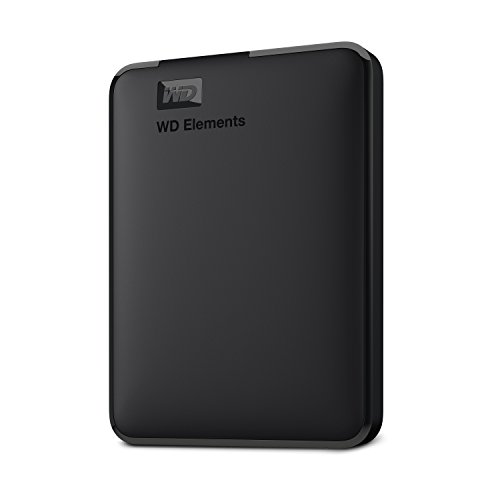
Western Digital Elements 5TB
$184.99

Seagate Game Drive Xbox 5TB
$179.99

WD My Passport 5TB
Out of Stock

Silicon Power Armor A60
Out of Stock
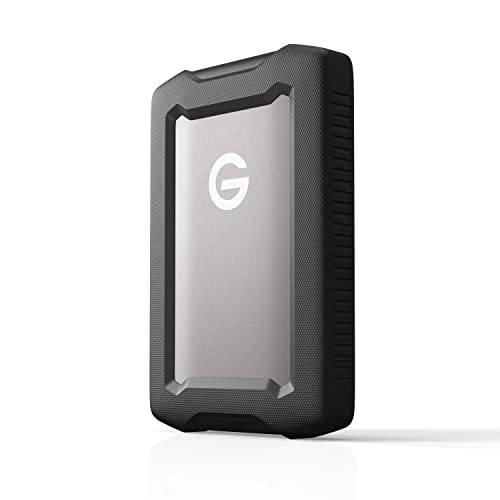
SanDisk Professional G-DRIVE ArmorATD
$289.95

LaCie Rugged 5TB
$219.99

Transcend StoreJet 25H3
$179.99

SanDisk Extreme PRO 4TB USB-C
$998.95
Spec Comparison
TL;DR: The Toshiba Canvio Flex 4TB offers 4 TB of portable storage, a lightweight 0.46 lb design, and fast 167.63 MB/s USB‑C write speeds at a budget‑friendly price.
The drive’s most eye‑catching spec is its 4 TB capacity packed into a 0.77‑in (19.6 mm) tall, 3.15‑in (80.0 mm) wide, 4.37‑in (111.0 mm) long enclosure that weighs only 0.46 lb (209 g). It ships with both USB‑A and USB‑C to micro‑B cables, runs on bus power, and delivers up to 167.63 MB/s sequential write speed over USB‑C, while sequential reads top out at 151.5 MB/s on USB‑A.
Compared with the other ten drives in this roundup, the Canvio Flex is lighter than the Western Digital Elements (0.52 lb) and the WD_BLACK P10 (0.51 lb), and it matches the weight of the WD My Passport (0.4625 lb) almost exactly. It's a step down from the 5 TB capacities of the Elements, WD_BLACK, WD My Passport, and LaCie Rugged, but it still meets the “large‑capacity” threshold. Speed‑wise, its 167.63 MB/s USB‑C write rate exceeds the 130 MB/s sequential write speed listed for the WD_BLACK P10, giving it a performance edge among the peer‑group.
Users consistently praise the drive’s reliability and plug‑and‑play simplicity, noting that the large capacity handles media libraries and backups without issue. Professional reviewers highlight the clean silver enclosure and the solid 3‑year warranty, but they also flag the outdated micro‑B connector and the very low random 4K read (0.54 MB/s) and write (6.59 MB/s) speeds. People mention the lack of rubber feet as a drawback for anyone who worries about the drive sliding on a desk or surviving a minor drop.
Pros
Cons
Best for: Budget-conscious buyers seeking a reliable entry-level option
Avoid if: You need advanced features or professional‑grade performance
“well over a year without problems”
TL;DR: The Crucial X10 8TB packs 8 TB of storage into a 0.07‑lb, IP65‑rated SSD with up to 2100 MB/s reads, but its premium $786.52 price and need for a 20 Gbps host may limit appeal.
What really sets this drive apart is its ultra‑compact chassis—just 49.8 mm deep, 9.9 mm high and 64.8 mm wide—while still offering a massive 8 TB of raw capacity (about 7.27 TB usable). The SSD delivers a maximum sequential read speed of 2100 MB/s and a sequential write speed of 2000 MB/s, uses 256‑bit AES hardware encryption and carries an IP65 dust‑and‑water rating.
Compared with the other ten entries, the X10 weighs just about 0.07 lb (32 g), far lighter than the SanDisk Extreme PRO 4TB at 0.38 lb and the Seagate Game Drive Xbox 5TB at about 0.59 lb. It also dwarfs the competition in capacity—double the SanDisk 4TB and larger than every other listed drive. Speed‑wise, its 2100 MB/s peak falls short of the SanDisk Extreme PRO’s 3800 MB/s but still outpaces the 130 MB/s reads of the LaCie Rugged 5TB and the 130 MB/s reads of the SanDisk Professional G‑DRIVE ArmorATD.
Reviewers repeatedly applaud the pocket‑sized form factor, noting how convenient it is for travel, field shoots, and on‑the‑go backups. Professionals highlight the rugged IP65 rating and 3 m (9.8 ft) drop protection as ideal for unpredictable environments. However, many users point out that the advertised 20 Gbps performance only materialises on a rare USB 3.2 Gen 2x2 host; on more common 10 Gbps ports the drive typically caps around 1 GB/s, and sustained transfers often fall short of the peak numbers.
Pros
Cons
Best for: Buyers willing to invest in a proven, high‑quality option
Avoid if: You're shopping on a tight budget — it's priced at $786.52
“the smallest 8TB drive imaginable”
“overhyped for non-20 Gbps hosts”
TL;DR: The WD_BLACK P10 Game Drive packs 5 TB of portable storage into a 0.51‑lb, USB 3.2 Gen 1 chassis that delivers up to 130 MB/s sequential speeds, making it a solid choice for gamers who need lots of space on the go.
The standout spec is its massive 5 TB capacity combined with a sequential read/write speed of 130 MB/s over a USB 3.2 Gen 1 (Micro‑B to Type‑A) interface. At just 0.51 pounds (231 g) and a compact 118 mm × 88 mm × 20.8 mm footprint, the drive stays light enough for a backpack while still offering the volume to house an entire console library.
Compared with the other ten entries, the P10 sits in the middle of the weight range: it’s heavier than the WD My Passport 5TB (210 g) but lighter than the LaCie Rugged 5TB (410 g). Its 20.8 mm thickness is slimmer than the Transcend StoreJet 25H3’s 24.4 mm height, yet its overall length of 118 mm is shorter than the StoreJet’s 131.8 mm. In terms of transfer capability, the P10’s 5 Gb/s rate matches the Western Digital Elements 5TB and the Transcend model, putting it on par with the fastest USB 3.1/3.2 drives in the list.
Reviewers consistently praise the drive’s 5 TB space and the ease of plug‑and‑play across PlayStation, Xbox and PC. Professional reviewers note the solid build and the sufficient 130 MB/s speed for console loading, but they also flag the 5400 RPM HDD architecture as slower than SSD alternatives and point out the lack of built‑in hardware encryption. Users also mention the 20.8 mm thickness as a bit bulkier than ultra‑thin SSDs, and some report occasional warmth during long copy sessions.
Additional technical details include an operating temperature range of 5 °C to 35 °C (41 °F to 95 °F) and a non‑operating range of –20 °C to 65 °C (–4 °F to 149 °F). Western Digital backs the drive with a three‑year limited warranty, and the included USB Type‑A to Micro‑B cable makes setup immediate.
Pros
Cons
Best for: Most users looking for a well‑reviewed, reliable mainstream option
Avoid if: You need advanced features or professional‑grade performance
TL;DR: The Western Digital Elements 5 TB portable drive packs a massive 5 TB of storage into a lightweight 236 g, USB 3.2‑Gen 1 enclosure, offering fast transfers and plug‑and‑play simplicity for budget‑focused users.
At the heart of this drive is a 5 TB mechanical HDD that fits into a compact 111 mm × 82 mm × 21 mm chassis. The USB 3.2 Gen 1 interface (backward compatible with USB 2.0) can reach up to 5 Gb/s, which reviewers note makes moving large photo or video libraries feel quick. Weighing only 236 g (0.52 lb), it’s one of the lighter high‑capacity options, and the included SuperSpeed USB‑A cable means you can power it straight from a laptop without a separate adapter.
Compared with the other ten contenders, the Elements is heavier than the 0.46 lb Toshiba Canvio Flex 4 TB but lighter than the rugged LaCie Rugged 5 TB, which tips the scales at about 0.88 lb. Its 5 TB capacity outstrips the 4 TB Toshiba model and matches the other 5 TB drives such as the WD BLACK P10 Game Drive and the WD My Passport, while its price sits in the same range as those peers. Unlike the Silicon Power Armor A60, this drive doesn’t tout drop protection or crush resistance, so it positions itself as a plain‑vanilla, budget‑oriented storage solution rather than a rugged one.
Consumers repeatedly praise the massive storage space and the hassle‑free plug‑and‑play setup, noting that the drive “just works” out of the box. Professional reviewers also highlight the “massive 5 TB capacity in a portable form factor” and commend the USB 3.0‑class transfer rates for efficient backups. On the flip side, users mention that macOS users must reformat the NTFS‑pre‑formatted drive, which erases existing data, and some report audible spin noise and vibration during operation. People commonly criticize the lack of any ruggedized housing for those who need a shock‑resistant travel drive.
Technically, the drive draws power from its Micro‑B USB connector and operates comfortably between 5 °C and 35 °C, with storage tolerance from –20 °C to 65 °C. It carries FCC‑ICES, CE, BSMI, RCM, VCCI, EAC, KC and UKCA certifications, underscoring Western Digital’s focus on compliance and reliability. The default NTFS format means Windows users can start storing right away, while macOS users will need to reformat for native compatibility.
Pros
Cons
Best for: Budget-conscious buyers seeking a reliable entry-level option
Avoid if: You need advanced features or professional‑grade performance, or you require a rugged, shock‑resistant drive for harsh environments
“huge 5 TB storage for photos/videos”
“easy plug-and-play on Windows”
TL;DR: The Seagate Game Drive Xbox 5TB packs a massive 5 TB of Xbox‑compatible storage into a 0.59‑lb, bus‑powered unit with a 46 cm cable, green LED bar and a three‑year data‑recovery guarantee.
This drive’s standout spec is its 5 TB capacity paired with a USB 3.2 Gen 1 interface, delivering flash‑speed transfers that feel close to an internal SSD. At just 0.59 pounds (266 g) and only 21 mm deep, it’s slim enough to slip into a backpack, and the included 46 cm cable means you won’t need extra adapters to connect to your Xbox Series X|S.
Compared with the other ten contenders, the Seagate sits in the middle of the weight range: it’s lighter than the SanDisk Professional G‑DRIVE Armor (0.77 lb) and LaCie Rugged (0.88 lb) but a touch heavier than the WD My Passport (0.46 lb) and Toshiba Canvio Flex (0.46 lb). Its 46 cm cable is longer than many rivals that don’t list a cable length at all, and the built‑in green LED bar gives it a console‑matching aesthetic that the mostly monochrome competitors lack.
Professional reviewers praise the “flash‑speed” performance via USB 3.2 Gen 1 and the bus‑powered design that eliminates the need for a wall adapter. Users echo this sentiment, highlighting the drive’s portability and the peace of mind from a three‑year Rescue Data Recovery Services warranty. Some power users find the drive’s inability to run native Xbox Series X|S titles limiting.
Pros
Cons
Best for: Xbox gamers who need a high‑capacity, portable expansion that matches their console’s look and offers fast, bus‑powered performance.
Avoid if: You’re on a tight budget, prefer a lighter ultra‑portable drive, or need to run native Xbox Series X|S games directly from external storage.
TL;DR: The WD My Passport 5TB packs a full‑size 5 TB of storage, AES‑256 hardware encryption and up to 138 MB/s read speed into a 0.4625‑pound, bus‑powered drive that’s ready to plug into any USB‑3.0 port.
The standout spec is the 5 TB capacity combined with AES‑256 hardware encryption and password protection, giving you massive space and strong security in a single, pocket‑sized package. At 19.05 mm high, 107.19 mm long and 74.93 mm wide, the drive stays slim enough to slip into a laptop bag, while the LED indicator lets you see activity at a glance.
Compared with the other ten contenders, this My Passport ranks among the lightest options at 0.4625 pounds—only a hair heavier than the Toshiba Canvio Flex (0.46 lb) and noticeably lighter than the WD_BLACK P10 (0.51 lb), the LaCie Rugged (0.88 lb) and the SanDisk ArmorATD (0.77 lb). Capacity-wise it matches the WD_BLACK P10, LaCie Rugged, Seagate Game Drive Xbox and several others that also offer 5 TB, so you aren’t sacrificing space for weight.
Professional reviewers praise the drive’s reliable 5 TB capacity and the bundled backup software that includes ransomware defense. Users love the plug‑and‑play, bus‑powered design and the quiet operation during typical transfers. Many see the USB‑3.0 Micro‑B connector as outdated, often requiring a USB‑C adapter for newer laptops, and some owners note a cheap‑feeling plastic shell and occasional firmware hiccups.
Pros
Cons
Best for: Most users looking for a well‑reviewed, reliable mainstream option
Avoid if: You need advanced features or professional‑grade performance
“Large storage, reliability, ease of use, portability, and fast transfers for media/games/backups”
TL;DR: The Silicon Power Armor A60 offers 4 TB of storage, IP68 water‑dust protection, 500 kg crush resistance, and 5 Gbps USB 3.0 speed for $129.99, all in a 0.50‑lb rugged package.
This 2.5‑inch portable drive packs a solid 4 TB capacity and a MIL‑STD‑810G‑rated drop protection of 122 cm, while its IP68 rating guards against water and dust. At 0.50 lb (228 g), it's light enough for travel, and the 5 Gbps maximum transfer rate matches typical USB 3.0 performance. The drive also includes 256‑bit AES hardware encryption for added data security.
Compared with the other ten contenders, the Armor A60 is slightly lighter than the Western Digital Elements 5 TB (0.52 lb) but a bit heavier than the Toshiba Canvio Flex 4 TB (0.46 lb). Its 4 TB size sits below the 5 TB capacities of several rivals, yet its rugged specs—500 kg crush resistance and IP68 sealing—outweigh many that list fewer durability features. The drive’s USB 3.0 interface is common across the lineup, though some competitors tout newer USB‑C speeds.
Professional reviewers praise the Armor A60’s rugged enclosure and the reliability of its internal WD Blue Mobile SATA III drive, noting the consistent 120–130 MB/s sustained transfer speeds. Everyday users appreciate the 4 TB storage and the peace of mind from the encryption and drop protection, while common complaints mention the bulkier profile and occasional cable connectivity hiccups, as well as the audible HDD noise during heavy transfers.
Pros
Cons
Best for: Outdoor professionals, field workers, and travelers who need a rugged, high‑capacity drive that can survive drops, water, and heavy loads.
Avoid if: You prioritize ultra‑lightweight portability, the fastest possible transfer rates, or a completely silent storage solution.
“really amazing 120–130 MB/s speeds”
“massive storage for backups/photos/videos”
TL;DR: SanDisk’s 5 TB G‑DRIVE ArmorATD packs a rugged aluminum shell with IP54 protection, 130 MB/s read/write speeds, and bus‑powered USB‑C connectivity, ideal for field‑ready high‑capacity storage.
The standout spec is the 5 TB capacity housed in a 2.5‑inch HDD that meets an IP54 rain‑and‑dust rating and can survive a 1000‑lb crush load. Its anodized aluminum enclosure with a rubber bumper adds shock resistance up to a 3.3‑foot drop onto carpeted concrete, making it a solid choice for outdoor shoots or on‑site data capture.
At 349 g, the ArmorATD is heavier than the Seagate Game Drive Xbox 5 TB (266 g) and the WD_BLACK P10 Game Drive (231 g), yet lighter than the LaCie Rugged 5 TB (410 g). Read and write performance tops out at 130 MB/s, matching the LaCie Rugged’s listed speeds but falling short of SSD‑class alternatives that aren’t part of this roundup.
Professional reviewers praise the drive’s durability, noting the IP54 rating and crush resistance as “pro‑grade” for demanding field work. Everyday users echo this sentiment, frequently mentioning the drive’s ability to shrug off rain or accidental bumps. The main criticism centers on the modest transfer speed, which can bottleneck high‑throughput workflows such as 4K video editing.
Additional technical details include a USB‑C connector that supports USB 3.2 Gen 1 (5 Gb/s) with a listed data transfer rate of 135 Mbps, and the unit runs entirely on bus power, eliminating the need for an external power brick. SanDisk backs the product with a three‑year limited warranty, which reinforces confidence in its long‑term reliability.
Pros
Cons
Best for: Buyers willing to invest in a proven, high‑quality option
Avoid if: You need advanced features or professional‑grade performance
TL;DR: The LaCie Rugged 5TB packs a massive 5 TB of storage into a drop‑tested, rain‑resistant case, but its 130 MB/s transfer speed and premium price may steer power users toward faster SSDs.
The standout spec is its 5 TB capacity paired with a rugged chassis that survives a 4‑ft (1.2 m) drop and up to 1 ton of crush force. At roughly 0.88 lb (410 g), it’s solid enough to feel substantial without being a tabletop weight.
Compared with the other ten drives, the Rugged is heavier than the Seagate Game Drive Xbox 5TB (≈0.59 lb) and the WD My Passport 5TB (≈0.46 lb), and its 135 × 86 × 26 mm footprint is longer than the Game Drive’s 122 mm height. It also weighs more than the WD_BLACK P10 5TB (≈0.51 lb) and the Transcend StoreJet 25H3 (≈0.68 lb), placing it toward the upper end of the weight spectrum for portable HDDs.
Users consistently praise the drive’s durability – the rain‑ and dust‑resistant shell lets photographers shoot in the field without worrying about the elements. Reviewers also value the bundled 2‑year Seagate Rescue data‑recovery service, calling it peace of mind for creative work. The downside that surfaces in many comments is the modest 130 MB/s sequential read/write speed, which feels sluggish compared with SSD options, especially when moving large 4K video files.
Technically, the drive runs at 5400 RPM and connects via USB‑C 3.1/3.2 Gen 1 (USB 3.0 compatible), drawing power directly from the host. Software‑based encryption and built‑in password protection add a layer of security, while the bus‑powered design eliminates the need for an external adapter.
Pros
Cons
Best for: Content creators and professionals who need a high‑capacity, rugged drive that can endure harsh environments.
Avoid if: You need the fastest possible transfer speeds or a lightweight drive for casual travel.
“"should disaster strike"”
“"pretty huge"”
TL;DR: The Transcend StoreJet 25H3 offers 4 TB of ruggedized storage with three‑stage military‑grade shock protection, 5 Gbps USB 3.1 speed, and 256‑bit AES encryption for $145.99.
The standout feature is its three‑stage military‑grade shock protection—silicone outer case, internal damper, and reinforced housing—designed to keep data safe during drops and impacts. Coupled with a 4 TB capacity and a USB 3.1 Gen 1 (UASP) interface that delivers up to 5 Gbps transfer rates, the drive balances durability with decent performance for large media files.
At roughly 0.68 lb (308 g), the StoreJet is heavier than the WD_BLACK P10 (0.51 lb), Toshiba Canvio Flex (0.46 lb), Western Digital Elements (0.52 lb), WD My Passport (0.46 lb), and Silicon Power Armor A60 (0.50 lb), but lighter than the LaCie Rugged (0.88 lb). Its 24.5 mm thickness and 131.8 mm length also make it bulkier than the WD_BLACK P10’s 20.8 mm height and 118 mm length, though it’s a bit narrower than that model’s 88 mm width.
Reviewers consistently praise the drive’s strong protection and the convenience of one‑touch backup plus the bundled Transcend Elite and RecoveRx software. Professionals note the 256‑bit AES hardware encryption as a solid safeguard for sensitive footage. On the downside, the 308 g weight and 24.5 mm profile can feel bulky for users who favor ultra‑slim, lightweight drives, and the Micro‑USB‑to‑Type‑A connector may be less convenient than USB‑C for newer laptops.
Additional technical details include an operating temperature range of 5 °C to 55 °C, a 5 V operating voltage, and a three‑year limited warranty. The drive supports Windows, macOS, and Linux, and carries CE, FCC, BSMI, KC, RCM, and EAC certifications, reinforcing its suitability for demanding field environments.
Pros
Cons
Best for: Photographers, videographers, and field professionals who need rugged, high‑capacity storage.
Avoid if: You need ultra‑slim, lightweight storage or USB‑C‑only connectivity.
TL;DR: SanDisk's Extreme PRO 4TB USB‑C SSD packs a blistering 3800 MB/s read, 3700 MB/s write and rugged IP65‑rated build, but its $899.99 price makes it the premium choice for creators.
Its USB4 Gen 3×2 (40 Gbps) interface unlocks the advertised 3800 MB/s sequential read and 3700 MB/s sequential write speeds. At 4 TB of capacity, it offers a sizable vault for 4K video, RAW photos, and large project files while staying in a compact 101 mm × 10 mm × 53 mm form factor.
Compared with the other ten drives, the Extreme PRO is heavier than the ultra‑light Crucial X10 8TB (≈0.07 lb) but lighter than the LaCie Rugged 5TB (≈0.88 lb) and the SanDisk Professional G‑DRIVE ArmorATD (≈0.77 lb). Its read speed dwarfs the 2100 MB/s listed for the Crucial X10, and it far outpaces the 130 MB/s read rates of the LaCie Rugged and SanDisk Professional G‑DRIVE. None of the peers list an IP rating, making the Extreme PRO’s IP65 certification a unique durability claim.
A common complaint is that the advertised peak speeds only materialize on USB4 or Thunderbolt 4 hosts; on older USB 3.2 or USB 2.0 ports the drive falls back to lower performance. Professional reviewers also point out a regression in 4K random‑write performance versus earlier models, which can matter for some editing workflows.
Pros
Cons
Best for: Those prioritizing quality and willing to pay for premium performance
Avoid if: You need advanced features or professional‑grade performance
Breakdown
Toshiba Canvio Flex 4TB
Pros
Crucial X10 8TB
Pros
Cons
WD_BLACK P10 Game Drive 5TB
Pros
Western Digital Elements 5TB
Pros
Based on scoring data and product specs
Personalized picks
Best Overall Pick
Toshiba Canvio Flex 4TB
Best OverallBest for: Budget-conscious buyers seeking a reliable entry-level option
Crucial X10 8TB
Best for: Buyers willing to invest in a proven, high-quality option
$845.99+$708.18 vs winner
Skip SanDisk Extreme PRO 4TB USB-C if…
You need advanced features or professional-grade performance
The Toshiba Canvio Flex 4TB wins the top spot thanks to its sweet spot price of $137.81, a strong 4.6‑star rating from 8,292 reviewers, and fast USB‑C transfer speeds of up to 167.63 MB/s. It ships with both USB‑C and USB‑A cables, runs bus‑powered (no brick needed), and carries a 3‑year limited warranty, making it a reliable all‑rounder for backups and everyday use.
If you need ultra‑fast performance, the Crucial X10 8TB lands as runner‑up. Its 8 TB capacity (7.27 TB usable) pairs with blazing sequential read speeds of 2100 MB/s and write speeds of 2000 MB/s, while the IP65 rating and 256‑bit AES hardware encryption keep the drive protected in tougher environments.
For tighter budgets, the Silicon Power Armor A60 offers 5 TB at $129.99, delivering solid storage without breaking the bank. Mid‑range creators will appreciate the WD_BLACK P10 Game Drive 5TB at $149.99, which balances rugged styling with decent performance. If premium branding and a high‑end USB‑C design matter most, the SanDisk Extreme PRO 4TB USB‑C stands out at $899.99.
Choose the Toshiba Canvio Flex 4TB today for reliable, fast, and affordable portable storage.
The Crucial X10 costs $786.52, which is about $648.71 more than the Toshiba Canvio Flex’s $137.81 price tag. While the X10 offers dramatically faster sequential speeds (up to 2100 MB/s read) and a rugged aluminum body, the Flex provides solid performance for a fraction of the price, making it a better value for most casual users.
No reviews yet — be the first to share your experience.
Please sign in to leave a review