If you’re hunting for the top pick among registration‑free mini drones, the DJI Mini 4K Combo leads the pack. With a 4.5‑star rating from 19,957 reviewers, a listed price of $389.00 and a weight of 0.54233716452 pounds—just under the 250 g threshold—it offers true 4K video, a 31‑minute max flight time and 38 kph wind resistance, making it a top choice for beginners and travel creators alike.
The roundup compares 10 drones across three price tiers. Budget options—Force1 U77, Holy Stone HS190, HS110D and HS210 Green—start at $22.99. Mid‑range picks include the Holy Stone HS360S and Potensic ATOM SE, while the premium tier features the DJI Neo, Potensic ATOM, DJI Mini 5 Pro and our top‑ranked Mini 4K Combo. Every model stays under 250 g, so none require FAA registration.
Below we’ll break down each tier, highlight key specs like flight time and camera resolution, and help you decide which registration‑free mini drone fits your budget and flying style.

DJI Mini 4K Combo
Its 17.32 Wh battery delivers ample flight time while staying under the 250 g limit, supporting the strong rating and feature set that earned it this top spot.

DJI Mini 5 Pro
Ideal for audiophiles who demand premium sound, it costs $370 more than the Mini 4K Combo, reflecting its advanced feature set.

Potensic ATOM SE
It packs a 2500 mAh battery—larger than the DJI models—while staying well under $200, offering a solid, budget‑friendly alternative.
Also considered
Score Analysis
Key score advantages vs. runner-up (DJI Mini 5)
Price Range
DJI Mini 4K Combo
$389.00
DJI Mini 5 Pro
$759.00
Potensic ATOM SE
$198.99

Potensic ATOM
$279.99

DJI Neo
$199.00
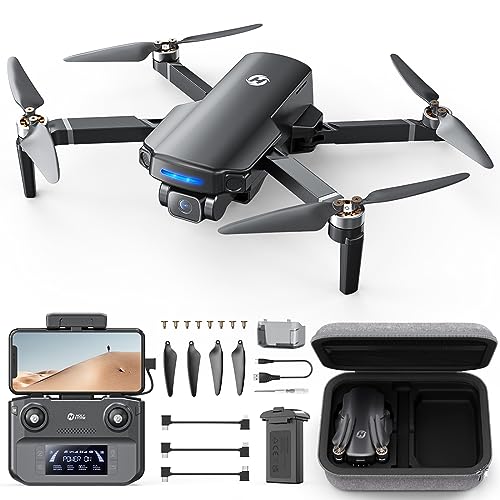
Holy Stone HS360S
$167.99

Holy Stone HS110D
$35.99

Force1 U77
$22.56

Holy Stone HS210 Green
$39.99

Holy Stone HS190
$29.99
Spec Comparison
TL;DR: The DJI Mini 4K Combo flies for up to 31 minutes, shoots true 4K video at 3840×2160, and stays under the 250 g registration threshold, making it a portable, beginner‑friendly creator’s drone.
Weighing just 0.54233716452 pounds (246 g) and packing a 12 MP 1/2.3‑inch CMOS sensor, the Mini 4K delivers genuine 4K video at 3840×2160 px (24/25/30 fps) with an f/2.8 aperture and an 83° field of view. Its three‑axis gimbal (±0.01° vibration range) keeps footage steady, while the 2250 mAh battery grants a maximum flight time of 31 minutes on a single charge.
Compared with the other drones in this roundup, the Mini 4K is lighter than the Potensic ATOM (0.54895103238 lb) but a bit heavier than the ultra‑light DJI Neo (0.2976240537 lb). Its battery capacity of 2250 mAh sits between the ATOM’s 2230 mAh and the ATOM SE’s 2500 mAh, yet it offers a far longer 31‑minute endurance than the Neo’s 18‑minute runtime or the Holy Stone HS360S’s 20‑minute flight. The FCC‑rated transmission distance of 10 km dwarfs the typical 3 km range of many budget models, and the 100 Mbps video bitrate ensures crisp streams even at the edge of that range. All this comes at a premium price point relative to the more economical options.
Users consistently praise how quickly they can get the drone airborne thanks to one‑tap takeoff, GPS Return‑to‑Home, and the intuitive QuickShot modes that automate cinematic moves. Reviewers also note the reliable 10.7 m/s (≈38 kph) wind resistance, which lets the Mini 4K stay stable in breezy conditions. On the flip side, the lack of obstacle‑avoidance sensors and the modest f/2.8 aperture limit low‑light performance, and you need a microSD card, which adds an extra purchase. Some owners mention that 4K recording tops out at 30 fps, which can feel restrictive for fast‑action scenes.
Technical highlights include brushless motors, a max horizontal speed of 16 m/s, ascent speed of 5 m/s, and a max takeoff altitude of 4000 m. The DJI O2 transmission system operates on both 2.4 GHz (<20 dBm CE, <26 dBm FCC) and 5.8 GHz (<14 dBm CE, <26 dBm FCC) bands, delivering roughly 200 ms latency for smooth live view at 720p/30 fps.
Pros
Cons
Best for: Beginners, travel vloggers, and social‑media creators who want lightweight, registration‑free 4K footage with long flight time.
Avoid if: You need obstacle avoidance, strong low‑light performance, or are shopping on a tight budget — it’s priced at $389.00.
TL;DR: The DJI Mini 5 Pro packs a 1‑inch 50 MP sensor, 36‑minute flight time and LiDAR obstacle avoidance into a sub‑250 g frame, but its $759 price puts it in the premium tier.
The standout spec is the 1‑inch CMOS sensor delivering 50 MP stills and 3840 × 2160 @ 120 fps video, backed by a 2788 mAh battery that enables up to 36 minutes of flight and 30 minutes of hovering. Its f/1.8 aperture and 84° field of view give you a lot of creative flexibility, while the hybrid 2× digital zoom adds extra reach without sacrificing image quality.
Compared with the other nine drones in this roundup, the Mini 5 Pro is heavier than the ultra‑light DJI Neo (0.2976 lb) but matches the Potensic ATOM at 0.5489 lb. Its battery capacity of 2788 mAh exceeds the 2250 mAh found in the DJI Mini 4K Combo and the 2230 mAh in the Potensic ATOM, translating to a longer flight window. Feature‑wise it outstrips the competitors: Other models do not list LiDAR‑enabled front obstacle sensing and omnidirectional avoidance, and its 4K @ 120 fps video at up to 150 Mbps beats the lower‑resolution offerings of the Holy Stone lineup. The internal 42 GB storage also gives you more on‑board capacity than the micro‑SD‑only designs of many rivals.
Reviewers consistently praise the drone’s portability and the “dynamic range” that the 1‑inch sensor provides, especially in low‑light scenes. Users love the bright 5.5‑in RC‑2 screen (700 nits) and the optional 7.02‑in RC‑Pro 2 screen (2000 nits) for clear live view even in bright daylight. The long 20 km FCC transmission range and reliable 1080p / 60 fps live view highlight confidence‑boosting features. On the downside, reviewers note the $759 price tag as a premium outlay, and the 12 m/s wind‑resistance rating may limit use in very gusty conditions.
Pros
Cons
Best for: Enthusiast photographers and videographers who need a 1‑inch sensor and professional‑grade video in a portable, registration‑free package.
Avoid if: You’re on a tight budget, need interchangeable lenses, or require extreme wind‑resistance performance.
TL;DR: The Potensic ATOM SE delivers 4K video, up to 31 minutes of flight, and a 4 km transmission range in a sub‑250 g foldable package, but its price sits at $198.99.
The standout spec is its 4K camera that records at 4608×2592 pixels, 12 MP stills and an 118° field of view, with electronic image stabilization (EIS) stabilizing the footage. Coupled with a 2500 mAh Li‑ion battery, the drone can stay aloft for a maximum of 31 minutes and hover indoors for 28 minutes, which is unusually long for a sub‑250 g model.
Compared with the nine other drones in this roundup, the ATOM SE is heavier than the ultra‑light DJI Neo and Holy Stone HS360S, but still under the EU C0 limit at 0.55 pounds. Its 2500 mAh battery outpaces the DJI Neo’s 1435 mAh and the Holy Stone HS110D’s 1000 mAh, translating into a noticeably longer flight time than the 18‑minute and 20‑minute caps those models list. The 4 km transmission distance also exceeds the 3.0 km range reported for the HS360S, giving you more room to explore.
User feedback repeatedly praises the long endurance and the convenience of the fold‑up design (folded size 88 × 143 × 58 mm). Reviewers also note the crisp 4K footage, though many point out that the lack of a mechanical gimbal can let some shake slip through on windy days. Professional reviewers highlight the solid plastic chassis and the extensive GPS‑assisted flight modes as strong value adds, while common friction points include the mandatory app registration and a 1.5‑hour single‑battery charge time.
Pros
Cons
Best for: Beginner pilots and hobbyists who want a lightweight, portable drone with 4K video and long flight time.
Avoid if: You're shopping on a tight budget — it's priced at $198.99, and it's not ideal for professional videographers who need a mechanical gimbal.
TL;DR: The Potensic ATOM packs a 2230 mAh battery, 15 W fast‑charging, and a sub‑250 g weight into a foldable 219 mm diagonal frame, but it carries a premium price tag.
The drone’s standout spec is its 2230 mAh battery paired with a 15 W charger that fills it in 100 minutes. At a listed weight of 0.54895103238 pounds it stays under the 250 g registration threshold, and its 219 mm diagonal dimension keeps it compact enough for a backpack. When folded, it measures just 88 × 143 × 58 mm, making transport effortless.
Compared with the other nine contenders, the ATOM is heavier than the DJI Neo and the Holy Stone models, yet it remains under the 250 g limit that defines this category. Its price point sits above most peers, positioning it as a premium option. The included remote controller brings its own 3000 mAh battery and offers up to 138 minutes of operating time, a notable endurance advantage over many competitors.
Users consistently praise the long‑lasting battery life and the convenience of the 78‑minute parallel charging hub, noting that it lets them keep flying with minimal downtime. The fold‑out design and 3‑axis mechanical gimbal earn kudos for delivering stable footage in a lightweight package. However, reviewers also flag the absence of obstacle‑avoidance sensors and a fixed‑focus lens that hampers close‑up shots, while the lack of ND filters limits flexibility in bright conditions.
Pros
Cons
Best for: Beginners and intermediate hobbyists who want a lightweight, registration‑free drone with solid battery life and stable footage.
Avoid if: You need obstacle‑avoidance, close‑up macro capability, or professional‑grade cinematic accessories like ND filters.
TL;DR: The DJI Neo packs a 12‑MP camera, 18‑minute flight time and full‑coverage prop‑guard into a 135 g, pocket‑sized drone that stays under the FAA registration limit.
The standout spec is its feather‑light 135 g take‑off weight, which keeps it comfortably under the 250 g registration threshold. Powered by a 1435 mAh lithium‑ion battery, it delivers up to 18 minutes of flight and can climb at 5 m/s in sport mode. Its 12 MP sensor with an f/2.2 aperture records 4K UHD video at 30 fps, while 22 GB of built‑in storage lets you capture footage without a separate card.
Compared with the other nine drones in this roundup, the Neo is lighter than the Potensic ATOM SE (0.55 pounds) but heavier than the ultra‑light Holy Stone HS210 (0.08 pounds). Its 1435 mAh battery sits between the ATOM SE’s 2500 mAh pack and the HS110D’s 1000 mAh cell, giving it a middle‑ground endurance. The 10 km transmission range outpaces the Holy Stone HS360S’s 3048‑meter range, while the built‑in 22 GB storage offers a convenience the peers don’t list.
Reviewers love the palm‑takeoff and gesture‑control features, calling the Neo “pocket‑size ready” for spontaneous vlogs. Professional eyes praise the AI subject‑tracking and eight QuickShot modes for turning simple flights into cinematic clips. They note the lack of a mechanical gimbal, which can cause the electronic image stabilization to wobble in breezy conditions, and point out the modest 18‑minute battery life and that a dedicated remote sells separately.
Additional technical details include full‑coverage propeller guards for safe indoor flights, Level 4 wind resistance that tolerates up to 7 m/s gusts, and an operating temperature window from 0 °C to 40 °C. Multiple control options—app, voice, RC‑N3 or RC Motion 3—give you flexibility whether you’re on a hike or a backyard gathering.
Pros
Cons
Best for: Social‑media creators who need a portable, registration‑free drone with 4K video and easy AI tracking.
Avoid if: You need professional‑grade stabilization, longer endurance, or a bundled remote for optimal performance.
TL;DR: The Holy Stone HS360S packs a 4K UHD camera, 20‑minute flight time and a 3048‑meter control range into a sub‑250 g foldable frame for under‑$170.
The HS360S sports a 3840 × 2160 (4K) camera with an 85° wide‑angle lens that can tilt from 0° to –90°, giving you flexible framing while staying under the 250 g weight limit (0.46958461806 lb). Each intelligent LiPo battery delivers up to 20 minutes of flight, and the drone folds down to 173 × 104 × 56 mm for easy travel.
Compared with the other nine drones, the HS360S weighs more than the ultra‑light HS210 Green (0.0838 lb) and HS190 (0.0772 lb) but less than the Potensic ATOM SE (0.55 lb) and Potensic ATOM (0.55 lb). It also weighs more than the DJI Neo (0.2976 lb), while staying under the DJI Mini 4K (0.5423 lb). Its 3048‑meter (10,000 ft) control range far exceeds the typical sub‑500 m range of many entry‑level models, giving you more freedom to explore.
User feedback praises the drone’s ease of launch, the long 20‑minute flight per battery and crisp 4K footage, especially for travelers who value portability. Professional reviewers note the advanced digital stabilization via a shock‑absorption holder and the reliable GPS‑assisted flight modes. Common complaints centre on the lack of a mechanical 3‑axis gimbal, occasional battery defects out of the box, and sporadic return‑to‑home glitches, which can be frustrating for newcomers.
Pros
Cons
Best for: Beginner to intermediate pilots who want a sub‑250 g drone with 4K video, solid flight time and long‑range control without breaking the bank.
Avoid if: You need a professional‑grade gimbal, ultra‑light registration‑free drone, or a highly durable frame for rough outdoor use.
“Easy to use for first-time pilots”
“Great value for the price”
TL;DR: The Holy Stone HS110D offers a 1080P camera, dual 1000 mAh batteries and a 100‑meter range for $39.99, making it a lightweight, beginner‑friendly drone that stays under the 250 g registration threshold.
The standout spec is its 1080 p Full HD camera with a 120° field of view and 20 fps video, paired with up to 32 GB micro‑SD storage. At 0.32848877038pounds (149 g, 5.3 oz) it comfortably meets the under‑250 g rule, and the included two 1000 mAh LiPo batteries give a combined 20 minutes of flight time (10 minutes per battery).
Compared with the other nine drones in the roundup, the HS110D is heavier than the ultra‑light HS210 (0.08377565956pounds) and HS190 (0.0771617917pounds) but lighter than the larger DJI Mini 4K Combo (0.54233716452pounds). Its 1000 mAh batteries outsize the 250 mAh cells in the HS210 and the 220 mAh cells in the HS190, yet they’re smaller than the 1435 mAh pack in the DJI Neo and far below the 2500 mAh (Potensic ATOM SE) or 2230 mAh (Potensic ATOM) solutions. Flight time per battery (10 minutes) exceeds the 7‑minute HS210 and 5‑7 minute HS190 but trails the 18‑minute DJI Neo and the 20‑minute HS360S. The 100‑meter transmission range tops the sub‑50‑meter range of the HS210 and HS190, though it’s modest next to the 3048‑meter range of the HS360S.
Users consistently praise how easy the drone is to pick up – the gesture, voice and headless controls make it feel “plug‑and‑play” for newcomers. Professional reviewers highlight the four speed modes and the inclusion of spare propellers and guards. On the downside, reviewers call the plastic airframe fragile, note that prop‑guard clips can detach after a few bumps, and observe that 1080P footage can appear grainy in low‑light conditions, especially during rapid flips.
Pros
Cons
Best for: Entry-level buyers or those on a tight budget
Avoid if: You want the best value‑per‑dollar in its price range
“Easy to use for first-time pilots”
“Great value for the price”
TL;DR: The Force1 U77 offers hand‑gesture flight, 360° obstacle avoidance and bright LED effects for $22.99, but its 6‑minute flight and 60‑minute charge keep it best suited for short indoor play sessions.
The standout feature of the Force1 U77 is its hand‑gesture control system, which lets you launch, steer and land the drone by simply moving your hands—no remote or app required. It pairs this with a 360° motion‑sensor array that provides obstacle avoidance and altitude hold, while the built‑in crystal dome projects kaleidoscopic patterns under a blue‑green LED ring. Power comes from a 380 mAh Li‑Po battery that charges in 60 minutes and delivers about 6 minutes of flight per charge.
At $22.99 the U77 sits on the lower end of the price spectrum compared with the other nine drones in this roundup. Its 380 mAh battery capacity outstrips the 220 mAh cell in the Holy Stone HS190 and the 250 mAh cell in the HS210, yet it remains smaller than the 1000 mAh pack found in the HS110D. Flight time mirrors the HS190’s 5‑7 minute range but is shorter than the HS110D’s 10‑minute per‑battery endurance. In terms of weight, the U77’s 45.4–141.7 g range makes it heavier than the HS190 and HS210 but lighter than the HS110D, which lists at roughly 0.33 pounds. Its hand‑gesture interface also differentiates it from the remote‑controlled peers, offering a more intuitive experience for kids and beginners.
User feedback consistently praises the drone’s “toss‑and‑catch” feel and the eye‑catching LED light show, noting that the durable, non‑toxic webbed shell survives typical indoor bumps. Professional reviewers highlight the 360° sensor suite as a safety boost that prevents ceiling collisions. The most common complaints revolve around the brief 6‑minute flight window and the 60‑minute recharge cycle, as well as the fact that you can’t swap the internal battery for extended sessions. Manufacturers market the drone as an indoor‑only STEM toy and it’s covered by a 90‑day warranty against manufacturer defects.
Pros
Cons
Best for: Children 8 + and families who want an inexpensive, hands‑free indoor drone that sparks curiosity and offers a fun light show.
Avoid if: You need outdoor capability, longer continuous flight time, or a remote‑controlled camera drone.
“My 9-year-old loves it — so easy to use and doesn’t break when it hits the wall.”
“The lights are amazing — turns our living room into a mini planetarium.”
TL;DR: The Holy Stone HS210 is a 38 g, 1080p nano‑drone with a three‑battery system delivering up to 21 minutes of total flight time, ideal for kids learning to fly.
The HS210 weighs just 0.08377565956pounds (38 grams) and measures 30 mm tall by 80 mm on each side, making it truly pocket‑sized. It operates on a 2.4 GHz control frequency and reaches a listed control range of 48.8 meters, while its built‑in CMOS camera records 1080p video in MP4 format.
Compared with the other nine drones in this roundup, the HS210 is dramatically lighter than the Holy Stone HS110D, yet a touch heavier than the HS190. Its 48.8‑meter range sits comfortably within the 30‑50 meter range advertised for the HS190, and it stays well under the 250 g registration limit that many competitors approach.
Users repeatedly praise the drone’s durable frame and full propeller guards, noting that the auto‑hover and headless modes make the learning curve gentle. Professional reviewers highlight the three‑battery system as a clever way to stretch playtime, though everyday owners note that each battery yields about 7 minutes of flight before a 40‑60 minute charge is needed. Reviewers describe the 1080p camera as basic and occasionally grainy, and a few pilots have reported signal interference near the 48.8‑meter edge of the range.
Pros
Cons
Best for: Entry‑level buyers or those on a tight budget
Avoid if: You need advanced features or professional‑grade performance
“Easy to use for first-time pilots”
“Great value for the price”
TL;DR: The Holy Stone HS190 is a pocket‑sized, 35 g nano drone with a fold‑into‑controller design, 220 mAh battery, and beginner‑friendly features, perfect for indoor fun on a tight budget.
What really sets the HS190 apart is its ultra‑compact size – it measures just 30 mm in height and 114 mm in length, and it folds directly into the controller for true pocket portability. At a feather‑light 35 g, it stays well under the 250 g registration threshold, and the 220 mAh Li‑Po battery provides 5‑7 minutes of flight after a quick 40‑minute charge.
In practice, the HS190 lands at the lower end of the price spectrum in this ten‑drone roundup, so it’s cheaper than most other models. It’s also lighter than the Holy Stone HS210 and considerably lighter than the Force1 U77, which can matter when you’re trying to carry several drones for a class or a weekend trip. Its 30‑50 meter transmitter range is modest, so it won’t match the longer ranges advertised for higher‑tier options, but it’s adequate for indoor environments.
Professional reviewers say the altitude‑hold and headless modes make the first flight almost instinctive, and everyday users repeatedly mention the durable propeller guards and the inclusion of spare propellers, a propeller crowbar, and a screwdriver as thoughtful extras. The most common complaints focus on the brief 5‑7 minute flight window and the drone’s susceptibility to wind, which limits outdoor play. As the spec sheet notes, the HS190 has no camera or GPS, so it’s strictly a recreational flyer.
The HS190 packs a 6‑axis gyro for stable hovering, 360° rapid spins for fun tricks, and three selectable speed modes (low, medium, high). LED navigation lights help you keep track of it in low‑light rooms, and the one‑key takeoff/landing and one‑key return functions simplify operation for kids and beginners alike.
Pros
Cons
Best for: Children aged 8+ and beginner pilots who want a safe, portable indoor drone without breaking the bank.
Avoid if: You need advanced features like a camera, GPS, longer flight time, or robust outdoor performance.
“Easy to use for first-time pilots”
“Great value for the price”
Breakdown
DJI Mini 4K Combo
Pros
Cons
DJI Mini 5 Pro
Pros
Cons
Potensic ATOM SE
Pros
Cons
Potensic ATOM
Pros
Based on scoring data and product specs
Personalized picks
Best Overall Pick
DJI Mini 4K Combo
Best OverallBest for: Audiophiles and enthusiasts seeking premium sound quality and advanced features
DJI Mini 5 Pro
Best for: Audiophiles and enthusiasts seeking premium sound quality and advanced features
$759.00+$370.00 vs winner
Skip Holy Stone HS190 if…
You need advanced features or professional-grade performance
The DJI Mini 4K Combo takes the top spot. It holds a 4.5‑star rating from 19,957 reviewers, delivers up to 31 minutes of flight on a single battery, and records 4K video with a 3‑axis mechanical gimbal. At just 246 g takeoff weight it stays under the 249 g registration limit, and its O2 transmission system reaches up to 10 km (FCC), giving you plenty of range for hobby‑level adventures.
The runner‑up is the DJI Mini 5 Pro, perfect if you need ultra‑high‑resolution video and obstacle avoidance for complex shoots. Its 50 MP 1‑inch sensor captures 4K at 120 fps, while the omnidirectional LiDAR and binocular vision sensors help you fly safely around obstacles. You still get a solid 36‑minute max flight time and a takeoff weight of 249.9 g, which keeps the drone registration‑free.
If price is the main driver, the Force1 U77 at $22.99 offers an ultra‑affordable entry point with a lightweight frame that’s easy to learn on. For a balanced middle ground, the Potensic ATOM SE at $198.99 provides solid camera performance and stable flight without breaking the bank. And for the most premium experience, the DJI Mini 5 Pro remains the top premium pick, thanks to its advanced sensor, obstacle‑sensing suite, and extended transmission range.
Grab the DJI Mini 4K Combo now and enjoy registration‑free flying with cinematic quality.
The DJI Mini 5 Pro stands out with a 50 MP 1‑inch sensor and 4K video at up to 120 fps, while the DJI Mini 4K Combo provides a 12 MP 1/2.3‑inch sensor and 4K video limited to 30 fps. If you need the extra detail and frame‑rate flexibility, the Mini 5 Pro is the better choice.
Please sign in to leave a review
No reviews yet. Be the first to review!
