⚡ Quick Answer
Motion sensors are the quiet workhorses that turn a smart‑home setup from “nice to have” into genuinely helpful. In this roundup we examined 4 Zigbee‑ and Thread‑compatible devices, covering a price spread from $32.99 for the Abode Multi Sensor up to $126.45 for the Eve Motion pack. The indoor Philips Hue Motion Sensor, priced at $48.99 and carrying a 4.7‑star rating from 970 reviewers, brings Zigbee connectivity, Matter support, a 24‑month AAA battery life, and an IP42 rating, all while requiring a Hue Bridge for operation.
The competition adds variety: the outdoor Hue sensor pushes a 39‑foot detection range and a 160° field of view with an IP54 rating; the Abode Multi Sensor offers a 34‑foot range, 120° view, pet immunity, and a 48‑month CR123A battery life; and the Eve Motion pack, built on Thread, reaches 29.5 feet, sports a 120° view, IPX3 protection, and a 12‑month battery. Each sits in either the budget tier (Abode and indoor Hue) or the premium tier (outdoor Hue and Eve). Keep reading to see how those specs translate into real‑world convenience and which sensor fits your home best.
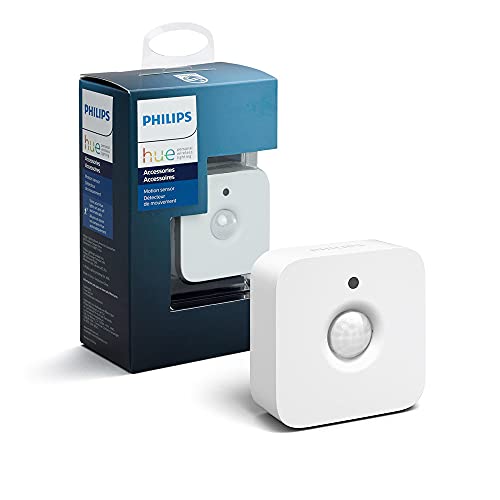
Philips Hue Motion Sensor
Its ultra‑slim 30 mm depth lets the sensor blend into ceilings and walls without bulk.
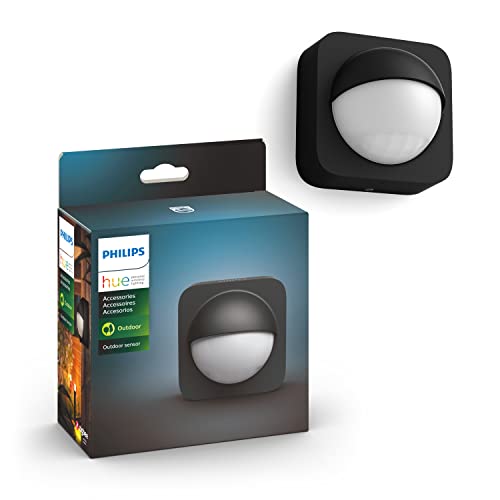
Philips Hue Outdoor Motion Sensor
Great for homeowners needing outdoor lighting control; at $6 more than the indoor sensor it delivers a 39‑foot detection range for exterior use.

Abode Multi Sensor
Offers pet immunity and a 48‑month battery life, plus magnetic mounting, making it ideal for pet‑friendly indoor setups.
TL;DR: The Philips Hue Motion Sensor packs Zigbee‑based Hue integration, a 24‑month battery life, and a compact 30 mm depth for under $50, making it the most reliable indoor automation hub in its price class.
What really sets this sensor apart is its seamless tie‑in with the Hue ecosystem. It talks to your Hue Bridge over Zigbee, supports Matter, and runs on two AAA batteries that the manufacturer says will last about 24 months. Housed in a white plastic shell that’s only 30 mm deep and weighs 0.172 pounds, it’s small enough to hide on a nightstand or hallway wall without drawing attention.
Compared with the other three entries, the indoor sensor is notably lighter than the outdoor Hue Motion Sensor, which tips the scales at around 0.32 pounds, and far more compact than the Abode Multi Sensor’s 3.0‑inch depth. It also beats the Eve Motion on weight—Eve weighs about 1.0 pound—while staying well under the price of that premium model. The ability to group up to 12 of these units gives you more flexibility than the outdoor version, whose group size isn’t listed.
Users consistently praise the hassle‑free, wireless mounting—thanks to magnetic or screw options—and the way the built‑in photocell dims lights at dusk and brightens them on entry. Professional reviewers note the “precise ambient light adjustments” as a standout. The main complaint is the mandatory Hue Bridge, which can be a barrier for anyone not already in the Hue family, and the IP42 rating means it’s meant for indoor use only, limiting placement in damp areas.
Technical details reinforce its practicality: an IP42 splash‑resistant rating protects against occasional splashes, the operating temperature range of 0 °C to 40 °C covers most homes, and the PIR sensor combined with a true ambient light sensor delivers reliable motion detection without false triggers from pets (pet immunity is listed as false).
Pros
Cons
Best for: Existing Philips Hue Bridge owners who want a compact, battery‑powered sensor—Depth: 30 mm—to automate lighting in mid‑sized homes.
Avoid if: You don’t have a Hue Bridge, need outdoor‑rated hardware, or require pet‑immune detection.
“warm welcome every day”
“turns on lights automatically”
TL;DR: The Philips Hue Outdoor Motion Sensor offers a 8–12 meter detection range, 160° view and 24‑month battery life, but you’ll need a Hue Bridge and it won’t work with the Bluetooth app.
What really sets this sensor apart is its 8–12 meter motion detection range paired with a 160° horizontal viewing angle, letting you cover a wide outdoor zone without blind spots. The IP54 rating means it can handle rain and dust, and the built‑in ambient‑light sensor ensures lights only fire after dark. With two AA batteries promising up to 24 months of life, you won’t be swapping cells every few weeks.
Compared with the other three contenders, the Hue Outdoor sensor sits at the higher end of the price band and is a bit heavier at 0.32 lb versus the indoor Hue Motion Sensor’s 0.172 lb. It’s also deeper at 56 mm (2.2 in) while the indoor model is only 30 mm deep, so it needs a little more wall clearance. Against the Abode Multi Sensor, it’s slightly heavier (the Abode weighs about 4.5 oz) but its depth is a touch shallower than Abode’s 3.0 in profile. The Eve Motion unit is noticeably heavier at 1.0 lb, making the Hue sensor the lighter option among the three.
Reviewers consistently praise the automatic lighting triggered by movement and the dusk‑to‑dawn feature that saves energy by staying silent during daylight. Professional testers note the ease of mounting on walls, corners or fences without any wiring. The main pain point is the mandatory Hue Bridge, which adds to the overall system cost, and the fact that the sensor won’t pair with the Hue Bluetooth app, limiting control for users who rely solely on Bluetooth.
Technical details round out the picture: the device talks Zigbee and supports Matter, ensuring future‑proof connectivity within the Hue ecosystem. It runs on a PIR sensor, operates from –20 °C to 45 °C and is designed for mounting heights around 5 feet. While it lacks pet immunity, the adjustable motion sensitivity lets you fine‑tune how easily it reacts to movement.
Pros
Cons
Best for: Those prioritizing quality and willing to pay for premium performance — the Philips Hue Outdoor Motion Sensor offers Motion Detection Range: 8–12 meters
Avoid if: You're on a tight budget, don't have a Hue Bridge, or need coverage for a very large outdoor area where a longer detection range is essential
TL;DR: The Eve Motion offers a 9‑meter detection range, 120° field of view and a full year of battery life, but its premium $126.45 price and hub requirement may limit its appeal.
Eve Motion’s standout feature is its Matter‑over‑Thread connectivity, letting you pair the sensor directly with any Thread‑enabled hub. Coupled with a 9 m detection range and a 120° field of view, it can cover a sizable room without blind spots. The unit runs on two AAA batteries that the manufacturer claims will last a year, and it includes an ambient light sensor that measures from 0‑15,000 lux.
Compared with the other three sensors in this roundup, Eve Motion is noticeably heavier at 1.0 pound, while the Philips Hue Outdoor Motion Sensor and Hue Motion Sensor weigh 0.32 pounds and 0.172 pounds respectively, and the Abode Multi Sensor is only 4.5 oz. Eve Motion also has a larger physical footprint—its depth is 1.34 inches, height 2.56 inches and width 2.56 inches—whereas the Hue Motion Sensor’s depth is listed as 30 mm and the Hue Outdoor’s depth as 56 mm. Functionally, the Hue Outdoor and Hue Motion both support Matter, but they rely on Zigbee or a Hue Bridge, whereas Eve Motion needs a Thread Border Router.
User reviews frequently praise the sensor’s reliable detection across large spaces and the ease of creating light‑triggered automations. Professional reviewers highlight the ultra‑reliable PIR detection and the precise light sensing that enables nuanced scenes. On the downside, several users note the extra cost of buying a compatible Thread hub and express concern that the IPX3 rating only protects against splashes, making it unsuitable for heavy rain.
Pros
Cons
Best for: Those prioritizing quality and willing to pay for premium performance — the Eve Motion offers Battery Life: 1 year
Avoid if: Reliability and user satisfaction are your top concerns
TL;DR: The Abode Multi Sensor offers 34‑foot PIR motion detection, four‑year battery life, and built‑in temperature, humidity, and light monitoring for $32.99, making it a compact, hub‑dependent smart‑home staple.
This sensor’s standout spec is its 34‑foot motion detection range combined with a 120‑degree field of view, letting you cover a typical room without blind spots. It runs on a CR123A battery that the manufacturer claims lasts 48 months, so you won’t be swapping cells often. The device also reports temperature, humidity, and ambient light at intervals of 10‑ or 30‑minutes, giving you environmental data alongside security alerts.
Against the other three contenders, the Abode unit is priced lower than both the Philips Hue Motion Sensor and the Hue Outdoor Motion Sensor, and dramatically cheaper than Eve Motion. It is a bit heavier than the Hue Motion Sensor’s 0.172‑pound body, but still lightweight at 4.5 oz. While Hue’s sensors support Matter, the Abode Multi Sensor does not, limiting cross‑platform use. The Hue Outdoor model lists its detection range in meters, suggesting a comparable or longer reach than Abode’s 34 feet.
Users consistently praise the sensor’s quick response—lights and automations fire within one to two seconds of motion. The long battery life also receives frequent compliments. On the downside, reviewers note that the initial pairing can fail, often requiring you to remove the battery and press the reset button. Pet immunity is built in, but some owners mention that larger pets can still trigger alerts if they’re close enough.
Technically, the sensor communicates over the AbodeRF protocol at 433 MHz and relies on an Abode Gateway hub for full functionality. Its magnetic mounting base lets you stick it to metal surfaces without tools, and the cylindrical shape (3.0 in depth, 2.0 in diameter, 2.6 in height, 3.0 in width) keeps it unobtrusive on walls or shelves.
Pros
Cons
Best for: Users with specific technical requirements or compatibility needs — the Abode Multi Sensor offers Motion Detection Range: 34 feet
Avoid if: You want the best value-per-dollar in its price range
Breakdown
Philips Hue Motion Sensor
Pros
Philips Hue Outdoor Motion Sensor
Pros
Abode Multi Sensor
Pros
Cons

Eve Motion
Pros
Cons
Based on scoring data and product specs
Personalized picks
Best Overall Pick
Philips Hue Motion Sensor
Best OverallBest for: Budget-conscious buyers seeking a reliable entry-level option — the Philips Hue Motion Sensor offers Depth: 30 mm
Philips Hue Outdoor Motion Sensor
Best for: Those prioritizing quality and willing to pay for premium performance — the Philips Hue Outdoor Motion Sensor offers Motion Detection Range: 8–12 meters
$54.99+$6.00 vs winner
Skip Eve Motion if…
Reliability and user satisfaction are your top concerns
The Philips Hue Motion Sensor earns the #1 spot thanks to its solid indoor performance. It holds a 4.7 / 5 rating from 970 reviews, runs on two AAA batteries that the specs list as lasting 2 years, and integrates straight into the Hue ecosystem with Zigbee, Matter support and a required Hue Bridge. Its IP42 rating and magnetic or screw mounting give you flexible placement without worrying about moisture.
The runner‑up, the Philips Hue Outdoor Motion Sensor, shines when you need weather‑proof detection for a porch or garden. It offers a 39 ft detection radius, an IP54 rating and a 160° field of view, all while using the same Zigbee/Matter hub‑required setup as its indoor sibling. The sensor’s AA battery pack is also rated for 2 years of life.
Choose the Philips Hue Motion Sensor now and give your smart‑home lighting a reliable, easy‑to‑use foundation.
It talks to the Hue Bridge over Zigbee, supports Matter and requires a hub, which means it fits seamlessly into an existing Hue setup. The sensor also includes an ambient light (photocell) sensor, a magnetic or screw mount, an IP42 rating and a 24‑month battery life using two AAA cells.
No reviews yet — be the first to share your experience.
Please sign in to leave a review
