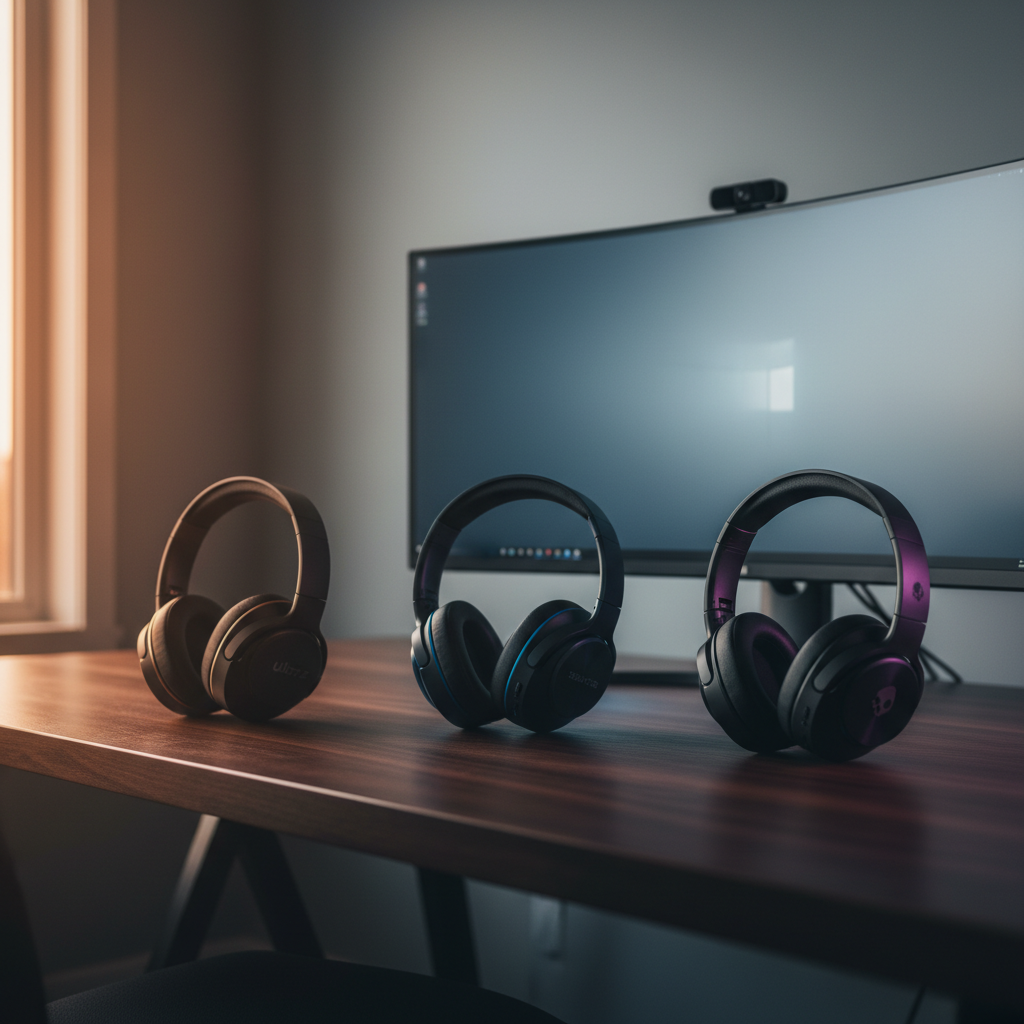
Looking at the options, the price spread alone tells a story: the cheapest pair costs $15.98, while the top‑tier model sits at $449.99. Across the 11 headphones we examined, ratings hover between 4.5 and 4.7 stars, with the Skullcandy Crusher Evo peaking at 4.7/5 from 23,956 reviews. Battery life ranges from a modest 24‑hour run on the premium Bose QuietComfort models to an impressive 65 hours on the Uliptz WH203A and several other budget choices. That longevity, combined with a 4.6‑star rating from 13,702 reviewers, makes the Uliptz stand out for anyone who needs marathon listening without hunting for an outlet.
The lineup falls into three price tiers: budget options like the Uliptz WH203A, Kvidio WH201A, BERIBES WH202A and Soundcore Q20i; mid‑range contenders such as the Soundcore Life Q20 and Skullcandy Crusher Evo; and premium picks including Beats Studio Pro, both Bose QuietComfort models and Apple AirPods Max. Each tier brings its own mix of features—fast charging, active noise cancellation, or tactile bass—so you can match a set to your daily routine, travel habits, or sound preferences. Keep reading to see how each model stacks up in detail.
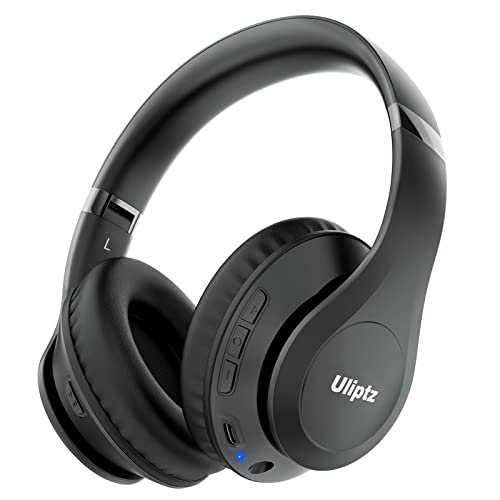
Uliptz WH203A
Its 65‑hour battery life gives you weeks of listening without hunting for a charger.

Soundcore Life Q20
Ideal for home or office users who want balanced sound, it costs $44.99—about $29 more than the Uliptz budget pick.

Skullcandy Crusher Evo
With a larger 275 mm depth and 205 mm height, it offers a more substantial build and deeper bass, setting it apart from the slimmer Uliptz and Soundcore models.
Also considered
Score Analysis
Key score advantages vs. runner-up (Soundcore Life Q20)
Price Range
Uliptz WH203A
$15.99
Soundcore Life Q20
$44.99
Skullcandy Crusher Evo
$199.99

Bose QuietComfort Headphones - Wireless Bluetooth
$359.00

Bose QuietComfort
$359.00

Soundcore by Anker Q20i Hybrid Active Noise Cancelling
$44.99

Beats Studio Pro
$169.95
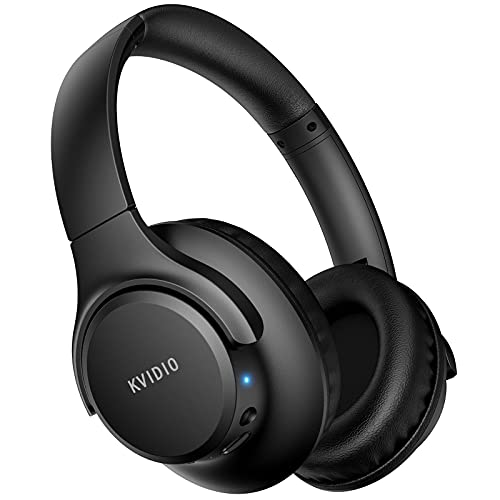
Kvidio WH201A
$18.97

Apple AirPods Max
$449.99
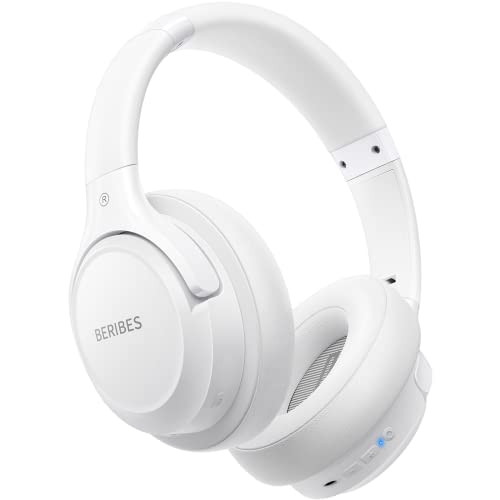
BERIBES WH202A
$21.99

Soundcore Q20i
$49.99
Spec Comparison
TL;DR: The Uliptz WH203A delivers a massive 65‑hour battery, fast 10‑minute charging for 4 hours of playback, and a lightweight 180 g design at a budget‑friendly $15.98.
The headline feature is its endurance: a single charge gives up to 65 hours of music, and a quick 10‑minute boost adds another 4 hours of playback. That kind of run‑time lets you forget the charger on long trips or all‑day study sessions.
Compared with the other ten headphones in this roundup, the WH203A holds its own. Its battery life matches the 65‑hour runtime of both the Kvidio WH201A and the BERIBES WH202A, while its weight of 0.3968320716 pounds (180 g) is lighter than the Kvidio’s 0.44 pounds but a touch heavier than the BERIBES at 0.38 pounds. The 40 mm driver matches the drivers used in the Soundcore by Anker Q20i, and the Bluetooth range of 10 meters matches the other budget models.
Reviewers consistently praise the plush memory‑foam ear cushions and the fold‑able design for comfort during marathon listening. Professional reviewers highlight the stable Bluetooth 5.3 connection and the six built‑in EQ presets for quick sound tweaking. On the flip side, users note that the voice prompts are loud and can’t be lowered, the plastic housing feels cheap, and the lack of active noise cancellation limits use in noisy cafés. The measured audio latency of 248 ms also makes the headphones unsuitable for fast‑paced gaming or precise video editing.
Additional technical details include a sensitivity of 122 dB**, a Bluetooth version 5.3, and support for 2‑device multi‑point pairing. Controls combine touch gestures with physical buttons, and the package comes with a USB‑C charging cable, a detachable 3.5 mm audio cable, and a soft pouch for travel.
Pros
Cons
Best for: Budget‑conscious buyers seeking a reliable entry‑level option with marathon battery life.
Avoid if: You need active noise cancellation, low‑latency performance for gaming, or a premium‑grade build.
“Sound quality is incredible for the price — I use Pop EQ and it’s crisp and balanced.”
“I wore them for 3 hours straight and forgot I had them on — so comfortable.”
TL;DR: The Soundcore Life Q20 delivers hybrid ANC, 40 mm drivers, and up to 60 hours of playback without ANC for just $44.99, making it a strong value for budget‑focused listeners.
What really sets the Life Q20 apart is its battery endurance: it can run for 60 hours with ANC turned off and still deliver 40 hours when the noise‑cancelling feature is active. A quick 5‑minute charge adds roughly 4 hours of listening, so you’re rarely stuck waiting. They also house dual 40 mm dynamic drivers that push a sensitivity of 110 dB, giving a clear, bass‑enhanced sound signature.
Compared with its Soundcore siblings, the Life Q20 is a bit lighter than the Soundcore Q20i at 0.57 pounds and almost the same as the Soundcore by Anker Q20i, which weighs 0.54 pounds. Its 78 mm height sits just under the 80 mm height of the Q20i, while the BERIBES WH202A is noticeably lighter at 0.38 pounds. Battery‑life wise, the Life Q20 matches the 60‑hour normal‑mode claim of the Q20i and exceeds the 45‑hour ANC life of the BERIBES model. Fast‑charging performance mirrors the Q20i’s 5‑minute charge for 4 hours of playback, whereas the Uliptz WH203A needs a full 10 minutes for the same boost.
Users consistently praise the marathon‑length battery and the extra punch from the BassUp mode, noting that the headphones remain comfortable for several hours thanks to the 255 g (0.551155655 pounds) build. Professional reviewers point out that the hybrid ANC does a solid job with low‑frequency rumble but struggles with mid‑ and high‑frequency chatter. The plastic ear‑cup housing can show wear over time, and some listeners report ear fatigue after extended sessions. They lack water resistance, so they’re not ideal for sweaty workouts.
Pros
Cons
Best for: Home and office users seeking a balance of features and value
Avoid if: You need audiophile‑grade neutrality, sweat‑proof durability, or extreme noise‑cancelling performance
TL;DR: The Skullcandy Crusher Evo delivers powerful, tunable bass via a haptic slider, 40 mm drivers, and a 2400‑minute battery, all in a lightweight 0.11125 lb package at $125.99.
The standout feature is the adjustable haptic bass slider, which lets you feel the low frequencies as well as hear them. Coupled with 40 mm dynamic drivers and a sensitivity of 95–100 dB, the headphones provide a visceral listening experience that reviewers repeatedly praise.
At 0.11125 pounds, the Crusher Evo is much lighter than the Beats Studio Pro (0.5732 pounds) and the Soundcore Q20i (0.57 pounds). Its battery life of 2400 minutes matches the 40‑hour runtime listed for Beats Studio Pro and Soundcore Q20i, while surpassing the Bose QuietComfort’s 24‑hour claim. Bluetooth range reaches 14 m, comparable to other mid‑tier models, and the 32 Ω impedance aligns with Beats Studio Pro’s specs.
User sentiment highlights the “bone‑rattling” bass and the long battery life as major wins, while noting ear pressure, heat buildup, and the haptic bass becoming uncomfortable over extended sessions. Professional reviewers also point out the lack of aptX/LDAC and the absence of Bluetooth multipoint, which can be limiting for audiophiles and multitaskers.
Technical details include a 32 Ω impedance, a 14 m Bluetooth range, and a 14‑minute rapid charge that adds playback quickly. The headphones fold for storage, feature a built‑in Tile tracker, and integrate with the Skullcandy app for a Personal Sound hearing test and EQ presets.
Pros
Cons
Best for: Bass enthusiasts who want tactile vibration and long battery life, plus travelers needing extended playback.
Avoid if: You're shopping on a tight budget — it's priced at $125.99.
“bone‑rattling bass”
TL;DR: Bose QuietComfort Wireless Bluetooth headphones deliver hybrid ANC, 24‑hour battery life, and a feather‑light 0.525‑lb design, making them a premium pick for travelers and multitaskers.
These headphones pack Bose’s hybrid active‑noise‑cancelling technology with four selectable modes, and the battery lasts up to 24 hours on a single charge. A 15‑minute quick‑charge session adds 2.5 hours of playback, while the unit weighs just 0.52470018356 pounds, so they stay comfortable on long flights or marathon work‑from‑home days.
Compared with the other models in this roundup, the QuietComfort is lighter than the Beats Studio Pro (0.5732018812 lb) and the Soundcore options (around 0.54–0.57 lb). It shares the same weight as the other Bose QuietComfort model and matches its 5.1 Bluetooth version and 30‑foot (9.1 m) wireless range, but it offers a more compact 80 mm depth and 194.8 mm height than the taller Beats design.
Reviewers consistently praise the headphones for their strong noise cancellation and plush protein‑leather ear cushions that stay comfy for hours. Professional reviewers note the handy 15‑minute quick charge and the intuitive Bose Music app that lets you tweak EQ and toggle ANC modes. The main trade‑offs are the lack of water resistance, no wireless‑charging capability, and a microphone that can sound muffled in windy conditions.
Pros
Cons
Best for: Buyers willing to invest in a proven, high-quality option
Avoid if: You're on a tight budget or only need basic functionality
“Best friend for flying”
TL;DR: The Bose QuietComfort over‑ear headphones deliver 24 hours of ANC‑powered playback, a 15‑minute quick charge, and plush comfort for $229, making them a solid premium choice for travelers and remote workers.
What really stands out is the 24‑hour battery life paired with a 15‑minute quick‑charge that adds about 2.5 hours of playtime, plus a 9.1‑meter Bluetooth range on version 5.1. At 240 g (0.52470018356 pounds) they feel light on the head, and the 80 mm depth, 195 mm height and 157 mm width give them a sleek over‑ear profile.
Compared with the other ten contenders, the QuietComfort matches the battery life of the Beats Studio Pro but is lighter than Beats’ 0.5732018812‑pound frame. It’s considerably lighter than the Skullcandy Crusher Evo at 0.11125 pounds, though the Crusher offers a longer 40‑hour run time. Soundcore’s Q20i, Life Q20 and Anker Q20i all tip the scales at 0.57 pounds, 0.551155655 pounds and 0.54 pounds respectively, so Bose feels more portable. Its 15‑minute quick charge is slower than Beats’ 10‑minute fast charge and Soundcore’s 5‑minute boost, and the Bluetooth version (5.1) trails Beats’ 5.3, though it still provides a solid 9.1‑meter range.
Users rave about the “legendary” active noise cancellation that silences low‑frequency rumble and mid‑range chatter, while the plush ear cups keep them comfortable during marathon study sessions. The Bose Music app manages the adjustable EQ and touch‑sensitive ear‑cup controls, letting you fine‑tune sound on the fly. On the downside, reviewers note that Aware Mode can sound a bit artificial, the synthetic protective case feels bulky, and the microphone struggles in windy conditions. Professional reviewers also point out that the premium price may deter some buyers.
Pros
Cons
Best for: Buyers willing to invest in a proven, high-quality option
Avoid if: You're on a tight budget or only need basic functionality
“Best friend for flying”
TL;DR: For $39.98 the Soundcore by Anker Q20i delivers hybrid ANC that cuts up to 90% of noise, 40 hours of playback with ANC on, and a quick 5‑minute charge.
The standout spec is the hybrid active‑noise‑cancelling system, which the manufacturer claims reduces up to 90% of ambient sound. Coupled with a 40 mm dynamic driver and a sensitivity of 115 dB, the headphones deliver a lively soundstage that many users describe as bass‑forward.
Among the 11 products in the roundup, the Q20i is a touch lighter than the Soundcore Life Q20 (0.54 lb vs 0.55 lb) while matching its 60‑hour battery life when ANC is off and 40‑hour runtime with ANC on. It's heavier than the ultra‑light BERIBES WH202A, which tips the scales at 0.38 lb, but it offers more robust ANC than that model’s basic passive isolation.
Users highlight comfort during long flights and the convenience of a 5‑minute fast charge that yields four hours of listening. Professional reviewers praise the effective ANC and the app‑driven EQ with 22 presets, though they note the plastic ABS/PC housing feels less premium than metal‑frame rivals and that the bass‑heavy tuning may not satisfy listeners seeking a neutral profile.
Pros
Cons
Best for: Commuters, travelers, and remote workers who need reliable ANC and marathon‑long battery life without breaking the bank.
Avoid if: You want the best value‑per‑dollar in its price range.
“Exceptional performance for the price”
“Super comfy, like butter, and lightweight”
TL;DR: Beats Studio Pro offers premium ANC with 48,000 adjustments per second, up to 40 hours of playback, and spatial audio, but its tight clamp and lack of water resistance may limit long‑term comfort.
What really sets the Studio Pro apart is its fully adaptive active‑noise‑cancellation system that makes 48,000 adjustments per second, paired with a 40 mm driver and 32 Ω impedance for a balanced, bass‑rich soundstage. The headphones also support Dolby Atmos with personalized spatial audio and dynamic head tracking, delivering an immersive listening experience straight from the sand‑colored ear cups.
In the context of the other ten contenders, the Studio Pro is a bit heavier than the Bose QuietComfort models (0.573 lb vs 0.525 lb) but compensates with a significantly longer battery life—up to 40 hours with ANC off versus Bose’s 24 hours. Its Bluetooth 5.3 Class 1 chipset also outpaces Bose’s Bluetooth 5.1, offering a more reliable wireless link. Fast charging is another edge: a 10‑minute charge yields four hours of playback, which is quicker than Bose’s 15‑minute quick‑charge that provides 2.5 hours.
Reviewers consistently highlight the headphones’ crystal‑clear audio and effective noise cancellation, noting that the sound stays rich even at high volumes. However, many users report that the ear‑clamp pressure becomes uncomfortable after 30–60 minutes of continuous wear, and the plastic‑heavy construction has drawn criticism for feeling less premium than expected. The lack of an IP rating makes them unsuitable for sweaty workouts or rainy commutes, a point echoed in consumer feedback.
From a technical standpoint, the Studio Pro integrates Apple’s H1 chip for smooth pairing with iOS devices, supports lossless audio via a built‑in DAC on the USB‑C port, and includes both a 3.5 mm analog cable and a USB‑C digital cable for wired listening. Touch controls on the earcups let you manage playback and activate transparency mode without reaching for your phone, and the package comes with a carrying case for travel.
Pros
Cons
Best for: Buyers willing to invest in a proven, high-quality option
Avoid if: Reliability and user satisfaction are your top concerns
“Sound great, noise cancellation works well.”
“Look great, sound great, no issues whatsoever.”
TL;DR: The Kvidio WH201A delivers 65 hours of playback, a lightweight 0.44 pounds frame and dual 40 mm drivers, making it a solid budget over‑ear choice for long listening sessions.
The standout spec is the 65‑hour battery life paired with a quick 2.5‑hour USB‑C charge, which lets you binge‑listen for days without hunting for an outlet. At just 0.44 pounds (199.6 g) the headphones feel light on the head, and the foldable design tucks neatly into a bag for travel.
Compared with the other ten contenders, the WH201A matches the Uliptz WH203A’s 65‑hour runtime but is a bit heavier than the Uliptz’s 0.3968 pounds. It also shares the same 10‑meter Bluetooth range as both the Uliptz and the BERIBES WH202A, while its 40 mm drivers are on par with the Soundcore and Skullcandy models. However, its 32 Ω impedance is higher than the 16 Ω used by the Soundcore Q20i series, which may affect how it pairs with low‑output sources. The headphones are heavier than the ultra‑light Skullcandy Crusher Evo, yet still lighter than many premium ANC options.
Users consistently praise the comfortable memory‑foam ear cups and the clear, balanced sound that exceeds expectations at this price point. Professional reviewers note the sound clarity and the 65‑hour battery endurance. On the downside, the plastic housing feels cheap to some, the push‑button controls are small and can be fiddly, and a spoken “maximum volume” alert can be intrusive. The built‑in microphone only works in wireless mode, which limits flexibility in noisy environments.
Pros
Cons
Best for: Budget‑conscious buyers seeking a reliable entry‑level option with ultra‑long battery life and comfortable over‑ear design.
Avoid if: You need active noise cancellation, a rugged drop‑resistant build, or low‑latency performance for gaming.
TL;DR: Apple AirPods Max deliver premium sound, top‑tier ANC and spatial audio, but they weigh 2.6 lb, cost $449.99 and offer 20 hours of playback, making them a luxury choice for Apple fans.
The standout hardware feature is the nine‑microphone array—eight dedicated to active noise cancellation and three for voice pickup—paired with Apple’s H1 chip and adaptive EQ. This combination powers the brand‑claimed high‑performance ANC and personalized spatial audio that reviewers praise for its immersive soundstage.
At 2.6 Pounds (386.2 g), the AirPods Max are noticeably heavier than the Bose QuietComfort models, which tip the scales at roughly 0.52 pounds, and also heavier than Beats Studio Pro (about 0.57 pounds) and the budget‑oriented Skullcandy Crusher Evo (around 0.11 pounds). Battery life sits at 20 hours, which is shorter than Bose’s 24‑hour claim and far below Beats’ up to 40 hours with ANC off. The Bluetooth version is 5.0, a step behind the 5.1 found in the Bose units and the 5.3 in Beats, though all still support reliable wireless connections.
Consumer sentiment highlights the AirPods Max’s superb ANC, rich dynamics and smooth pairing with iOS devices. Professional reviewers echo this, noting the “cinematic spatial audio experience” and “high‑quality build.” However, users repeatedly call out the heft, the lack of a power button, and the Smart Case that feels “near‑pointless” for real‑world storage. The headphones also don’t fold, which makes travel a bit cumbersome.
Physically, the headphones measure 7.37 inches tall (187.3 mm), 6.64 inches wide (168.6 mm) and 3.28 inches deep (83.4 mm). They charge via USB‑C, reaching 1.5 hours of listening after just a 5‑minute burst. The device also includes a digital crown for precise volume control and a dedicated noise‑control button.
Pros
Cons
Best for: Buyers willing to invest in a proven, high-quality option
Avoid if: You're shopping on a tight budget — it's priced at $449.99
“Best noise cancellation I’ve ever used — blocks out airplane engines completely.”
“The case is ridiculous — it doesn’t protect them well and doesn’t turn them off.”
TL;DR: The BERIBES WH202A delivers up to 70 hours of playback, a feather‑light 176 g build, and six EQ presets, making it a solid budget over‑ear choice for long‑haul listening.
What really sets the WH202A apart is its marathon‑level battery life – up to 70 hours in standard mode, 65 hours of continuous playback, and a quick‑charge burst that adds roughly four hours after just five minutes on the USB‑C charger. At only 176 g (0.38 lb), the headset feels almost weightless on the head, and the protein‑leather ear pads add a touch of comfort for marathon study sessions or all‑day remote work.
When you line it up against the other ten contenders, the WH202A is lighter than the Kvidio WH201A (199.6 g) and a shade lighter than the Uliptz WH203A (180 g). Its 65‑hour playback matches the battery endurance of both Kvidio and Uliptz, and the Bluetooth range of 10 meters mirrors theirs as well. The 40 mm drivers and 32 ±15% Ω impedance match those of the Soundcore Q20i and Q20 models, so you’re not losing driver size or load‑matching compared to the higher‑priced options.
Users consistently praise the ultra‑long battery and the convenience of six preset EQ modes that let you dial in pop, rock, vocal, jazz, BassUp or classic sound without fiddling with an app. The dual‑device Bluetooth 5.3 pairing and an HD microphone that handles calls and voice‑assistant activation also highlight everyday wins. On the flip side, reviewers note that the bass can feel tinny at higher volumes, the earpads tend to warm after a few hours, and the foldable hinges feel a bit loose. Professional reviewers also point out the lack of confirmed active‑noise‑cancellation despite marketing claims.
Beyond the headline specs, the WH202A packs a 500 mAh battery, 950‑hour standby time, and a 3.5 mm wired fallback for when you run out of juice. Its sensitivity sits at 116.4 ±3 dB, and the headset supports multi‑point pairing with two devices simultaneously. The included USB‑C cable, 3.5 mm audio cable, and carrying pouch round out a well‑equipped package for its price tier.
Pros
Cons
Best for: Budget‑conscious buyers seeking a reliable entry‑level option
Avoid if: Audiophiles or users who need active noise cancellation in noisy environments
“I used them for a 12-hour study session—still had battery left!”
“Love the 6 EQ modes—BassUp is great for workouts.”
TL;DR: The Soundcore Q20i delivers up to 90% noise cancellation, a 40‑hour ANC‑on battery life and 22 app‑controlled EQ presets for $49.99, making it a solid mid‑range choice for commuters.
What really stands out is the endurance: the Q20i offers 40 hours of playback with active noise cancellation enabled and stretches to 60 hours in normal mode. A quick 5‑minute charge adds another 4 hours of listening, which is a handy perk for travel days. The headphones also pack a 40 mm driver, delivering the spacious soundstage that reviewers praise, and the built‑in four‑mic array supports the hybrid ANC system, cutting up to 90% of ambient noise.
Compared with the other ten models in this roundup, the Q20i sits on the heavier side of the group, weighing 0.57 pounds versus several sub‑0.5‑pound options. It shares the same 40 mm driver size as the Soundcore Life Q20 and the other Soundcore Q20i Hybrid, but it matches their battery figures of 40 hours with ANC on and 60 hours without. While some competitors tout faster full‑charge times, the Q20i’s fast‑charge speed is on par with the hybrid version’s 5‑minute boost.
User feedback highlights the headphone’s comfort – the padded headband and earcups feel light enough for long flights, and the 22 EQ presets in the Soundcore app let you fine‑tune the sound to your taste. Professional reviewers note the effective ANC for office or commuter environments, though they also point out that the cancellation struggles with higher‑frequency sounds. A few owners mention occasional app glitches, and the all‑plastic construction can feel less premium than metal‑framed rivals.
Beyond the battery and ANC, the Q20i supports Hi‑Res audio when you plug in via the 3.5 mm AUX input, and Bluetooth 5.0 ensures a stable wireless link. The on‑ear cup buttons give quick access to power, volume, playback and ANC mode, while the dual‑device pairing lets you switch between phone and laptop without re‑connecting.
Pros
Cons
Best for: Budget‑conscious commuters who need long battery life and decent ANC in a comfortable over‑ear package.
Avoid if: You require sweat‑resistant headphones for gym use or demand top‑tier ANC for critical listening.
“Battery lasts for days — perfect for travel.”
“Sound is rich and balanced, especially with the app EQ.”
Breakdown
Uliptz WH203A
Pros
Soundcore Life Q20
Pros
Cons
Skullcandy Crusher Evo
Pros
Cons
Based on scoring data and product specs
Personalized picks
Best Overall Pick
Uliptz WH203A
Best Budget PickBest for: Budget-conscious buyers seeking a reliable entry-level option
Soundcore Life Q20
Best for: Home and office users seeking a balance of features and value
$44.99+$29.00 vs winner
Skip Soundcore Q20i if…
You have limited desk space or need portability
Uliptz’s WH203A takes the top spot as the best over‑ear wireless headphones, thanks to its rock‑bottom price of $15.98, a 4.6‑star rating from 13,702 reviews, and a marathon‑long 65‑hour battery life. It also offers ultra‑fast charging – a 10‑minute boost gives you four hours of playback – and ships with Bluetooth 5.3 for a reliable connection.
The runner‑up, the Soundcore Life Q20, shines if you need hybrid active noise cancellation for noisy commutes or open‑plan offices. It delivers ANC on for up to 40 hours and off for 60 hours, packs a 40 mm dual‑driver setup, and still stays affordable at $44.99, has a 4.5‑star rating from 93,401 reviewers.
For buyers looking beyond the winner, the best mid‑range choice is the Soundcore Life Q20, offering premium‑grade ANC and long playtime without breaking the bank. If you’re after a true premium experience, the Apple AirPods Max stands out as the top‑shelf option, delivering flagship sound quality and build at $449.99.
Pick the Uliptz WH203A today and enjoy wireless listening without breaking the bank.
The Uliptz WH203A offers multi‑device pairing for up to two Bluetooth sources, letting you switch between a phone and a laptop without re‑pairing. Its 65‑hour battery life and lightweight 180 g design also make it comfortable for extended wear, while the Bose QuietComfort adds a similar multipoint feature with a premium build if you prefer higher‑end comfort.
Please sign in to leave a review
No reviews yet. Be the first to review!
