⚡ Quick Answer
It might surprise you that the Kodak Step, priced at $72.99, has amassed a whopping 20,031 reviews – more than any other model in the field, even those that cost double or triple as much. That level of buzz shows how a pocket‑sized, 68 g printer can dominate conversation, especially when it offers 25 ZINK prints per charge and Bluetooth/NFC pairing for instant 2 × 3‑inch sticky photos.
The review covered 11 portable printers, spanning the budget tier (Canon PIXMA TS4320 at $59.00, Fujifilm Instax Mini Link 2 at $97.25, Kodak Step, Yoton Photo Printer), the mid‑range tier (Polaroid Lab and Fujifilm Instax Mini Link) and the premium tier (Polaroid Hi‑Print, Fujifilm Instax Square Link, Epson PictureMate PM‑400, Canon PIXMA TR160). Ratings range from 4.2/5 to 4.8/5, with the Instax Mini Link 2 earning a 4.8 score on 1,807 reviews while weighing just 209 g and delivering 12‑second prints. At the high‑end, the Epson PictureMate PM‑400 packs a 2.7‑inch screen, Wi‑Fi, and a 6.0‑lb chassis for borderless 5 × 7 prints. The following sections break down each model’s features, price and performance so you can pick the right portable printer for your needs.

Fujifilm Instax Mini Link 2
Its ultra‑thin 34.6 mm depth keeps the printer pocket‑friendly, perfect for on‑the‑go printing.
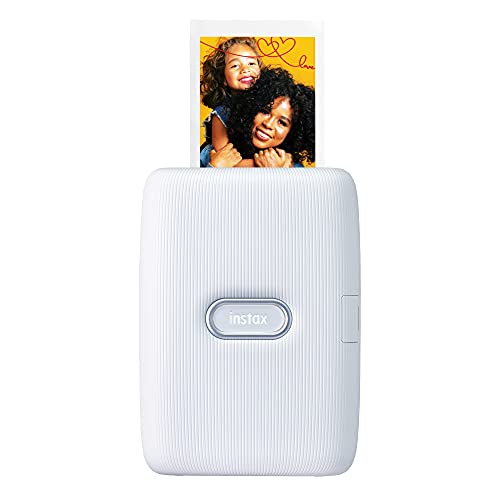
Fujifilm Instax Mini Link
Best for users who want a well‑reviewed mainstream printer, though it’s about $25.10 pricier than the Mini Link 2.

Epson PictureMate PM-400
Features a 2.7‑inch screen for on‑device preview and handles 0.6 mm paper, offering premium control the other two lack.
Also considered
Score Analysis
Key score advantages vs. runner-up (Fujifilm Instax Mini)
Price Range
Fujifilm Instax Mini Link 2
$97.85
Fujifilm Instax Mini Link
$122.35
Epson PictureMate PM-400
$249.99

Fujifilm Instax Square Link
$149.63
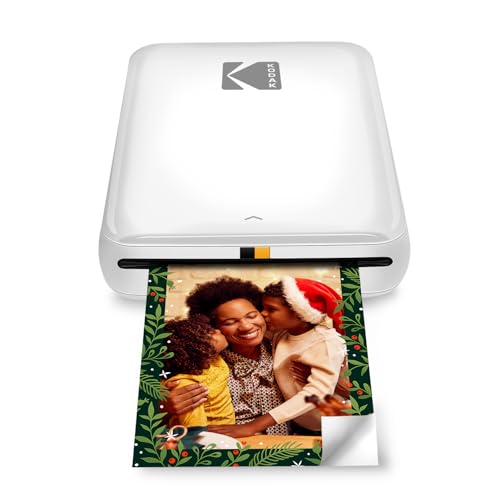
Kodak Step
$74.99

Canon PIXMA TR160
$219.99
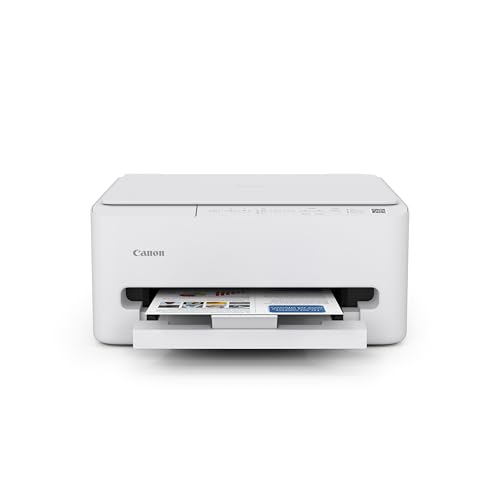
Canon PIXMA TS4320
$69.99

Yoton Photo Printer
$99.99
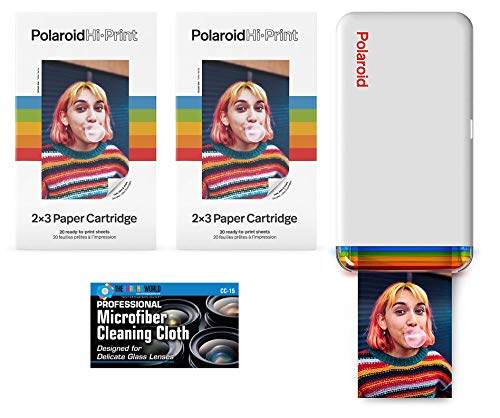
Polaroid Hi-Print
$139.99
Polaroid Lab
$121.99
Canon PIXMA TR7120
$114.99
Spec Comparison
TL;DR: The Fujifilm Instax Mini Link 2 prints 2‑by‑3 inch photos in about 12‑15 seconds, weighs just 209 g, and delivers up to 100 prints per charge for $97.25.
What really stands out is the 318 dpi print resolution, which translates to sharp 2 × 3 inch Instax Mini photos straight from your phone. The device fits in the palm of your hand at 90.3 × 34.6 × 124.5 mm and weighs only 209 g, making it easy to slip into a pocket or bag for on‑the‑go printing.
Compared with the other ten printers in the roundup, the Mini Link 2 is far lighter than the Canon PIXMA TR7120 and considerably more portable than the Yoton Photo Printer. It’s a bit bulkier than the ultra‑compact Kodak Step, but still far smaller than the bulkier office‑oriented models. In short, it lands in the sweet spot for handheld convenience while offering more features than many entry‑level competitors.
User feedback praises the quick 12‑15 second print time and the lightweight feel, noting it’s ideal for parties, travel, and spontaneous photo sharing. The main complaints revolve around the 80‑120 minute charge time for the non‑removable lithium‑ion battery and the fact that film packs must be bought separately. Some reviewers also mention occasional Bluetooth pairing hiccups, which are worth keeping in mind if you need a rock‑solid connection every time.
Technically, the printer supports JPEG, PNG, HEIF, and DNG formats and offers 256 color levels per channel, delivering vibrant results on 86 × 54 mm Instax Mini film. Power consumption sits at 3 W, and the included 30 cm micro‑USB charging cable keeps the setup tidy. The device operates comfortably between +5 °C and +40 °C with 20‑80 % humidity, and the companion Instax Mini Link app adds filters and collage options without extra cost.
Pros
Cons
Best for: Casual users who want instant, high‑quality mini prints from their smartphones at parties, travel, or everyday moments.
Avoid if: You need professional‑grade volume printing, rapid battery swapping, or a completely plug‑in workflow.
TL;DR: The Fujifilm Instax Mini Link prints 86 × 54 mm instant photos from your phone in about 12 seconds, weighs just 0.62 lb, and fits easily in a pocket or bag.
At 0.62 pounds (281 g) and measuring 76 mm deep, 180 mm high and 127 mm wide, the Mini Link's truly pocket‑sized. Bluetooth connectivity lets you pair directly with a smartphone, and the Instax Mini Link app supplies filters, frames and the ability to stitch up to five phones into a single collage before printing.
Compared with the other ten printers in this roundup, the Mini Link is lighter than the Polaroid Lab (1.4 lb) and the Polaroid Hi‑Print (about 1.3 lb), but a bit heavier than the Instax Mini Link 2 (around 0.46 lb) and the Instax Square Link (0.52 lb). Its depth of 76 mm also makes it shorter than the Hi‑Print’s 7.24‑inch length, giving it a clear advantage for travelers who need a printer that slides into a small bag.
Everyday users love how quickly the printer churns out a photo—roughly 12 seconds from tap to paper—making it a hit at parties and on weekend trips. Professional reviewers highlight the ultra‑compact chassis and the app’s “motion control, collages and video‑print modes” that add a playful twist to instant photography. The sleek ash‑white finish complements modern smartphones, while the power draw stays modest at about 3 W during printing, according to the manufacturer’s technical notes.
Pros
Cons
Best for: Most users looking for a well‑reviewed, reliable mainstream option
Avoid if: You have limited desk space or need portability
TL;DR: The Epson PictureMate PM-400 prints vivid 4×6‑in borderless photos in 36 seconds, offers Wi‑Fi Direct and a 2.7‑inch screen, but its premium $199.99 price and 5×7‑in size limit suit casual shooters more than pros.
The PM‑400’s standout spec is its 2.7‑inch LCD that lets you preview and edit images directly on the printer, paired with a nominal 5760 × 1440 dpi resolution. Epson claims a 36‑second print time for a borderless 4×6 in photo, which is noticeably quicker than the Canon PIXMA TR160’s 53‑second borderless cycle.
At 6.0 lbs, the Epson is heavier than the Instax Square Link, Instax Mini Link, Polaroid Hi‑Print, and Polaroid Lab, all of which sit under 1.5 lb, but it’s still lighter than the Canon PIXMA TR7120’s 13.9 lb chassis. Its 41 dB(A) noise level matches the Canon TR160, making it quiet enough for a bedroom or small office. While the Instax models print in as little as 12 seconds, they use a different instant‑film process; for traditional inkjet photo paper, the PM‑400’s speed is competitive.
User sentiment praises the printer’s portability, wireless Wi‑Fi Direct convenience, and the “top‑notch color output” that rivals larger photo printers. Professional reviewers note the broad dynamic range, yet they also point out that the effective resolution falls short for fine‑detail work, despite the high dpi claim. The device accepts up to 0.6 mm thick media, holds 50 A5 plain sheets (or 20 premium glossy sheets), and promises ink that can last 200 years in an album.
Pros
Cons
Best for: Buyers willing to invest in a proven, high‑quality option
Avoid if: You're shopping on a tight budget — it's priced at $199.99
TL;DR: The Fujifilm Instax Square Link prints 2.44‑inch square photos in 12 seconds, weighs just 0.52 lb, and offers AR‑enabled creative tools, but its non‑removable battery and separate film cost keep it in the premium niche.
The standout spec is its 12‑second printing time paired with a 12.5 dots/mm exposure resolution (equivalent to 318 dpi), delivering sharp, vibrant square images directly from a smartphone. The device runs on an internal lithium‑ion battery that reaches full charge in 90 minutes and consumes about 3 W while printing.
At 0.52 lb (236 g), the Square Link is noticeably lighter than the Polaroid Hi‑Print, which weighs 1.32 lb, and only a shade heavier than the Fujifilm Instax Mini Link 2 at roughly 0.46 lb. Its depth of 104 mm is deeper than the Mini Link’s 76 mm, yet its compact footprint (38 mm × 127 mm × 104 mm) still fits easily in a bag. Compared with the Mini Link’s 281 g weight, the Square Link’s 236 g keeps it firmly in the portable category while offering a larger square‑format print.
Professional reviewers applaud the 12‑second speed and the 100‑print battery capacity for on‑the‑go events, highlighting the AR Print feature that adds animated doodles via QR codes. Everyday users echo the joy of instant square photos and the intuitive Instax Square Link app, though many note the need to purchase Instax Square film packs separately. The lack of Wi‑Fi or NFC limits connectivity for devices that don’t support Bluetooth 4.2 (BLE), a point frequently mentioned in consumer feedback.
Pros
Cons
Best for: Casual photographers and social‑media enthusiasts who want high‑quality square prints and enjoy playful AR features.
Avoid if: You need a low‑budget solution, Wi‑Fi/NFC connectivity, or a printer with a replaceable battery.
TL;DR: The Kodak Step prints 2 × 3‑inch waterproof photos at 1200 dpi in about a minute, packs a 25‑print battery, and weighs just 0.15 lb for true pocket portability at $72.99.
The standout feature is its ZINK Zero‑Ink technology, which eliminates cartridges and produces 1200 dpi color prints that are waterproof, smudge‑proof and tear‑resistant. Each 2 × 3‑inch sticky‑backed photo comes out in roughly 60 seconds, and the built‑in lithium‑ion battery delivers about 25 prints before you need to recharge via the included micro‑USB cable.
In size and weight the Step dwarfs the bulkier Canon PIXMA TS4320 (which tips the scales at over 15 lb) and the Yoton Photo Printer (about 4.44 lb). It’s also lighter than the Polaroid Lab’s 1.44 lb chassis and more compact than the Fujifilm Instax Mini Link 2, whose depth is 34.6 mm and height 124.5 mm versus the Step’s 25 mm depth and 76 mm height. Unlike the Yoton, the Step includes a rechargeable battery, putting it ahead of AC‑only models for on‑the‑go use.
Users consistently praise the effortless Bluetooth and NFC pairing, noting that the KODAK STEP Prints app makes adding borders, stickers and filters a breeze. Professional reviewers call the color reproduction “fantastic” and highlight the sub‑minute print speed as a major advantage. The most common complaints revolve around the modest 2 × 3 inch format and the limited 25‑print battery capacity, and some mention the lack of long‑term reliability data.
Beyond the quick prints, the printer’s durability features—waterproof coating, smudge‑proof surface and tear‑resistant backing—mean the photos survive the rigors of travel, backpacks and scrapbooks. The device ships with a starter ZINK paper pack, a micro‑USB charging cable and a one‑year limited warranty, giving new owners everything needed to start printing immediately.
Pros
Cons
Best for: Influencers, travelers, students and scrapbook enthusiasts who want instant, durable photos without lugging around ink cartridges.
Avoid if: You need larger photo formats, high‑volume printing, or professional‑grade color accuracy across every image.
TL;DR: The Canon PIXMA TR160 is a 4.5 lb portable inkjet that prints black pages at 9.0 ipm, color at 5.5 ipm, runs on a battery for about 330 pages, and costs $199.99.
The printer’s most distinctive spec is its ultra‑compact height of just 2.6 inches when folded, letting it slip into a backpack or briefcase. Its 1.44‑inch monochrome OLED screen gives you quick status updates without adding bulk, and the built‑in anti‑theft lock adds a layer of security for on‑the‑go use.
Compared with the other ten contenders, the TR160 is lighter than the Epson PictureMate PM‑400 (which weighs 6.0 lb) but heavier than the Fujifilm Instax Square Link and Mini Link (both under 0.7 lb). Its 41 dB noise level matches the Epson’s, yet its screen is smaller than the Epson’s 2.7‑inch display. It also carries a larger battery‑enabled weight of 5.1 lb, placing it between the heavier Canon TR7120 (13.9 lb) and the feather‑light Instax models.
Users consistently praise the printer’s portability and the ability to print borderless 4×6 in photos in just 53 seconds. Professional reviewers highlight the 9.0 ipm black‑and‑white speed and the hybrid ink system that delivers sharp text and vibrant photos. However, the 50‑sheet rear tray often requires reloading during longer jobs, and the limited monthly duty cycle suits occasional printing rather than high‑volume office work.
The device draws only 0.15 W when off, 1.1 W in standby, and 8 W while printing, keeping power consumption modest for travel. With Wi‑Fi Direct, 802.11n, USB 2.0, and mobile apps like AirPrint, Mopria and Canon PRINT, you can print from virtually any smartphone or tablet without a PC.
Pros
Cons
Best for: Those prioritizing quality and willing to pay for premium performance
Avoid if: You're shopping on a tight budget — it's priced at $199.99
TL;DR: The Canon PIXMA TS4320 is a $59 wireless all‑in‑one inkjet that prints borderless photos, supports automatic duplex printing, and handles up to 500 pages monthly, making it a solid budget home printer.
This model’s standout feature is automatic two‑sided printing, which lets you save paper without manual flipping. It also offers borderless photo output and a first‑print‑out time of 7.5 seconds for black and 9.5 seconds for color, so you won’t wait long to see the result. At 15.24937466254 pounds and with dimensions of 170.18 mm × 355.6 mm × 375.92 mm, it fits comfortably on a desk while still feeling sturdy.
Compared with the other ten printers in this roundup, the TS4320 is heavier than the pocket‑sized Kodak Step and the Fujifilm Instax Mini Link 2, but lighter than the larger Canon PIXMA TR7120. It also comes in at a lower price point than most of the competitors, making it one of the more affordable options despite its larger footprint.
User feedback repeatedly praises the wireless printing capability and the convenience of automatic duplex printing. Reviewers also note the crisp 1200 × 1200 dpi resolution and the ability to handle a variety of media, from plain paper to glossy photo sheets up to 275 gsm. On the downside, several comments mention the lack of an automatic document feeder and the absence of duplex scanning, which means multi‑page copies require manual handling. The 4.2‑star rating reflects these mixed sentiments.
Technically, the printer uses a 3,136‑nozzle print head (768 CMY + 832 black) and consumes up to 21 W at peak. Its monthly duty cycle handles 500 pages, and it stores 100 sheets of paper internally. Photo prints (4 × 6 in) take about 39 seconds, while copying a single page needs 18 seconds. Compatibility spans Android, iOS, macOS, Windows, and Chromebook, and it integrates with Alexa for voice‑controlled printing.
Pros
Cons
Best for: Entry-level buyers or those on a tight budget
Avoid if: Reliability and user satisfaction are your top concerns
TL;DR: The Yoton YP01 delivers vivid, water‑and light‑resistant 4 × 6 in prints via dye‑sublimation, but you’ll need an outlet because it has no built‑in battery.
The Yoton Photo Printer uses dye‑sublimation thermal transfer and can print up to 40‑50 photos per ink ribbon. It supports direct Wi‑Fi connections—no internet required—and even lets you embed up to 15‑second AR videos on each print. Its compact chassis measures 5.16 in deep, 2.44 in high and 7.08 in wide, and it weighs 4.44 lbs, making it one of the smaller tabletop printers in the group.
Compared with the Canon PIXMA TR7120, the Yoton is dramatically lighter (4.44 lbs vs 13.9 lbs) and far more portable thanks to its 5.16‑inch depth versus Canon’s 14.8‑inch depth. However, battery‑powered rivals like the Fujifilm Instax Mini Link 2 (209 g) and Polaroid Lab (1.44 lbs) are noticeably lighter, so the Yoton feels heftier than those handheld options. Its width of 7.08 in also exceeds the 3.55‑in width of the Instax Mini Link 2, but it remains slimmer than the Canon’s 14.0‑inch width.
Users consistently praise the printer’s sharp, saturated colors and the durability of its water‑ and light‑resistant prints. Professional reviewers call it the “best inkless 4 × 6 photo printer under $100” for its vivid output. Consumers note the main drawback: the requirement for AC power; the lack of an internal battery means you can’t truly take it on the road without a power source.
Beyond the core printing function, the Yoton accepts 4 × 6 in media, comes with a starter pack of 54 sheets, an ink ribbon, and an AC charger. The companion app offers editing tools and AR video integration, and the device works with iOS, Android, Windows and macOS. A 12‑month warranty rounds out the package.
Pros
Cons
Best for: Entry‑level buyers or those on a tight budget who value high‑quality 4 × 6 in prints and don’t need cordless operation.
Avoid if: You need a fully portable, battery‑powered printer for remote or adventure‑type shooting.
TL;DR: The Polaroid Hi‑Print delivers 2 × 3 in glossy dye‑sublimation photos at 313 dpi, packs a 1.32‑lb rechargeable unit, but prints each picture in just under a minute.
The standout spec is its 313 dpi dye‑sublimation engine, which produces vivid 2 × 3 in glossy prints on a 40‑sheet internal tray. Each print takes under 50 seconds, and the device runs on a rechargeable lithium‑ion battery, so you'll print anywhere without a wall outlet.
At 1.32 pounds, the Hi‑Print is heavier than the Fujifilm Instax Mini Link (≈0.46 lb) and Instax Mini Link 2 (≈0.46 lb), but lighter than the Polaroid Lab (≈1.4 lb) and dramatically lighter than a full‑size Canon PIXMA (≈13.9 lb). Its 7.24 × 5.63 × 5.35 in footprint also feels bulkier than the ultra‑slim Instax Mini Link 2, which lists a depth of 34.6 mm and height of 124.5 mm. Compared with the larger Yoton Photo Printer (≈4.44 lb), the Hi‑Print offers a true pocket‑sized option.
User feedback highlights the intuitive app control and clear LED status lights—solid white when ready, flashing white while printing, and red or green cues for errors, low battery, and charging. Reviewers love the instant‑photo vibe, though several note that waiting up to 50 seconds per picture feels slow for spontaneous shooting.
Bluetooth connectivity lets iOS and Android phones pair effortlessly, and the solid‑white, flashing‑white, solid‑red, flashing‑red, solid‑green, and pulsing‑green LED indicators keep you informed of power and paper status without opening the device.
Pros
Cons
Best for: Casual photographers who value vibrant pocket‑sized prints and don’t mind waiting a minute per photo.
Avoid if: You need larger print sizes, ultra‑fast printing, or a budget‑friendly option.
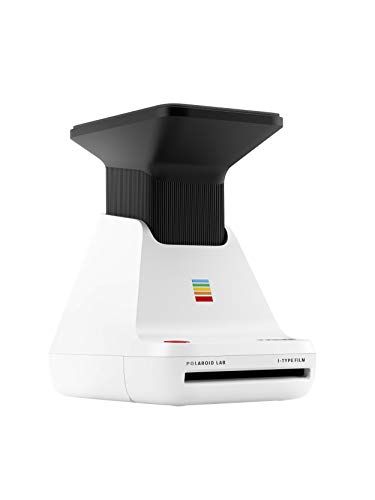
TL;DR: The Polaroid Lab prints full‑size Polaroid photos from your phone, packs a 1100 mAh rechargeable battery in a 1.44‑lb body, and costs $121.99.
The Lab’s standout feature projects a digital image onto authentic Polaroid i‑Type or 600‑type film, creating true‑size prints. It uses a 150 mm fixed‑focus lens with an f/2.35 aperture and a 3‑element optical‑grade acrylic system that includes anti‑reflective coating, all housed in a compact 5.9 × 4.6 × 5.9‑inch shell.
At 1.44 lbs, the Lab weighs more than the Fujifilm Instax Mini Link (0.62 lb), Instax Square Link (0.52 lb) and Instax Mini Link 2 (0.46 lb), but it’s still far lighter than the Yoton Photo Printer’s 4.44 lb chassis. Its 1100 mAh USB‑C rechargeable battery gives you true portability, a clear advantage over the Yoton model, which requires AC power. When compared with the Polaroid Hi‑Print (1.32 lb), the Lab is a bit heavier but offers the full‑size Polaroid experience that the Hi‑Print’s smaller prints lack.
Users repeatedly praise the Lab’s simplicity and the novelty of turning phone snaps into classic Polaroid prints, noting that the app’s 360‑degree rotation and AR tools make editing fun. Professional reviewers highlight the authentic chemistry of the genuine Polaroid film, while many users point out the fixed focus and fixed aperture limit creative flexibility. The recurring complaint about the cost of film cartridges also shows up, reminding buyers that each print carries a premium price.
Beyond the core printing function, the Lab’s construction uses polycarbonate, TPU and EPDM for durability, and it operates in temperatures from 40 °F to 108 °F with 5 %–90 % relative humidity. The variable‑speed solenoid shutter adds a touch of mechanical nuance, and the included USB‑C cable and one‑year limited warranty round out the package.
Pros
Cons
Best for: Social‑media enthusiasts who want authentic full‑size Polaroid prints on the go, plus travelers who value a battery‑powered, phone‑connected printer.
Avoid if: You're shopping on a tight budget — it's priced at $121.99.
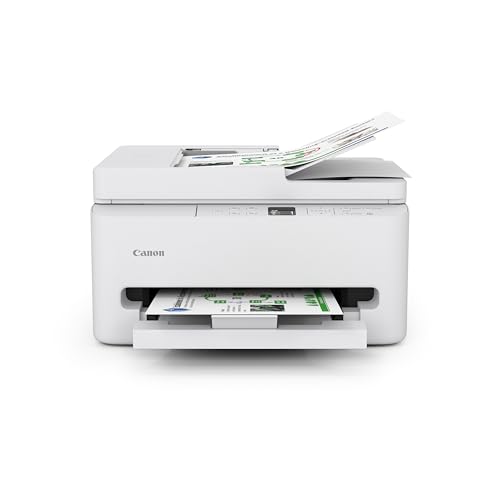
TL;DR: The Canon PIXMA TR7120 packs a 35‑sheet automatic feeder, duplex printing at 14 ipm black, and a 1.42‑inch OLED screen into a 13.9‑lb all‑in‑one for $99.99.
The standout feature is its 35‑sheet automatic document feeder (ADF) that handles plain and legal sizes, paired with automatic two‑sided printing that reaches up to 14 ipm for black pages. That combination makes quick multi‑page jobs feel effortless, especially for home‑office users who scan or copy frequently.
Compared with the other ten entries, the TR7120 weighs noticeably more—at 13.9 lb it outweighs the Yoton Photo Printer (4.44 lb), the Fujifilm Instax Mini Link 2 (0.46 lb), the Polaroid Lab (1.4 lb), and the Kodak Step (0.15 lb). Its footprint also measures larger, with a depth of 14.8 in and a width of 14.0 in, so it won’t slip into a cramped desk drawer the way those pocket‑sized photo printers do. However, none of the peers offer an ADF or duplex printing, giving the Canon a clear functional edge for document work.
User sentiment highlights the ease of wireless setup via dual‑band Wi‑Fi (2.4 GHz/5 GHz) and the reliable scan‑to‑email feature. Professional reviewers praise its color gamut for casual photo prints, yet they flag the standard PG‑295 tri‑color cartridge’s modest 250‑page yield as “sub‑par,” leading to frequent replacements. The printer’s 1.42‑inch OLED display simplifies navigation, while the active power draw sits at just 100 mW, though standby climbs to 900 mW.
Pros
Cons
Best for: Entry-level buyers or those on a tight budget
Avoid if: You need powerful performance or professional‑grade features
Breakdown
Fujifilm Instax Mini Link 2
Pros
Fujifilm Instax Mini Link
Pros
Epson PictureMate PM-400
Pros
Cons
Fujifilm Instax Square Link
Pros
Based on scoring data and product specs
Personalized picks
Best Overall Pick
Fujifilm Instax Mini Link 2
Best OverallBest for: Budget-conscious buyers seeking a reliable entry-level option
Fujifilm Instax Mini Link
Best for: Most users looking for a well-reviewed, reliable mainstream option
$122.35+$24.50 vs winner
Skip Canon PIXMA TR7120 if…
You need powerful performance or professional-grade features
Fujifilm’s Instax Mini Link 2 takes the top spot with a solid 4.8‑star rating from 1,807 reviewers, a speedy 12‑15 second print time, and enough battery for roughly 100 prints per charge. At just 0.46 lb it’s light enough to slip into a bag, while Bluetooth 4.2 keeps the connection smooth.
The runner‑up, the original Instax Mini Link, shines when you want more creative play – it supports filters and frames and lets up to five smartphones collaborate on a collage, and it holds a 4.8‑star rating from 4,657 reviews.
For tighter budgets, the Canon PIXMA TS4320 delivers reliable printing at $59.00, making it the most affordable entry point. If you need a mid‑range option with extra fun features, the Instax Mini Link at $122.35 adds filters and multi‑device collage. For those willing to spend for premium capabilities, the Epson PictureMate PM‑400 at $199.99 offers the highest‑end portable printing experience.
Pick the Instax Mini Link 2 now and start turning your digital memories into instant photos.
The Fujifilm Instax Mini Link 2 prints a 2 × 3 in photo in about 12‑15 seconds and can produce up to 100 prints on a single charge, making it ideal for quick outdoor sharing. Its lightweight design (209 g) and Bluetooth connectivity also help you stay mobile without a power outlet.
No reviews yet — be the first to share your experience.
Please sign in to leave a review