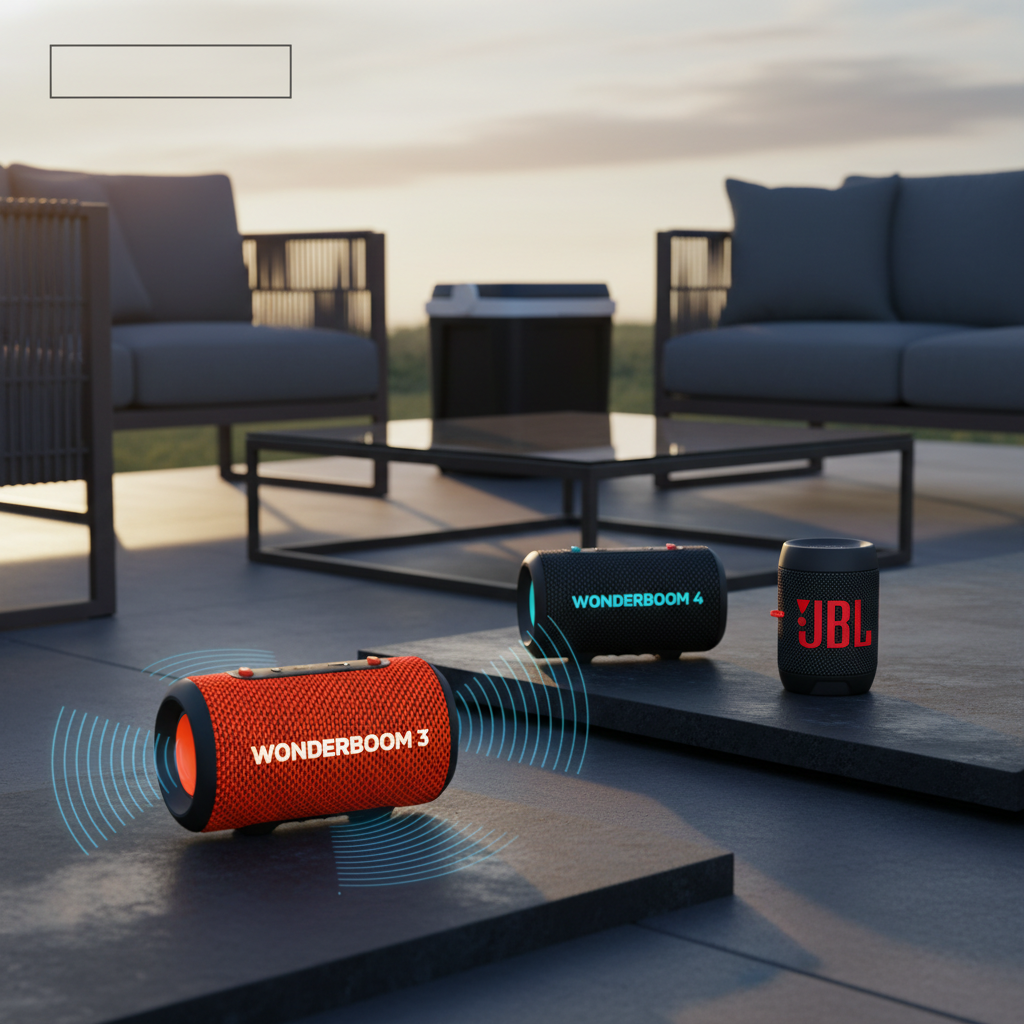
We’ve lined up 10 portable speakers that promise deep bass and 360‑degree sound, and the data paints a clear picture. The JBL Flip 6 tops the rating chart with a 4.7/5 score from 21,216 reviewers, while the Ultimate Ears Wonderboom 3 leads the overall ranking and packs a 14‑hour battery in a 0.9‑pound shell.
Prices stretch from a pocket‑friendly $59.86 for the Tribit StormBox Micro 2 up to $399.00 for the Bose SoundLink Max Black. Our selection covers every budget tier: the budget corner includes the Wonderboom 3, Wonderboom 4, Tribit StormBox 2 and StormBox Micro 2; the mid‑range slot holds the Ultimate Ears Boom 3 and JBL Flip 6; and the premium shelf showcases the MEGABOOM 3, Marshall Emberton III, Bose SoundLink Revolve+ II and the SoundLink Max.
With specs like 24‑hour playtime on the Tribit StormBox 2 and 90 dB SPL on the Marshall Emberton III, you’ll see how each model balances price, power and portability. Here’s a detailed look at each speaker.

Ultimate Ears WONDERBOOM 3
Features a 40 mm driver delivering full‑range stereo sound in a compact, waterproof package.

Ultimate Ears WONDERBOOM 4 Outdoor Speakers Bluetooth Waterproof
Ideal for ultra‑budget campers who want waterproof sound, and it costs about $25 less than the Wonderboom 3.

JBL Flip 6
Stands out with a 4800 mAh battery delivering up to 30 hours of playtime, which is far longer than the Wonderboom models.
Also considered
Score Analysis
Key score advantages vs. runner-up (Ultimate Ears WONDERBOOM)
Price Range
Ultimate Ears WONDERBOOM 3
$104.95
Ultimate Ears WONDERBOOM 4 Outdoor Speakers Bluetooth Waterproof
$79.99
JBL Flip 6
$109.95

Tribit StormBox 2
$79.85

Bose SoundLink Revolve+ (Series II)
$329.00

Tribit StormBox Micro 2
$69.99

Marshall Emberton III
$142.99
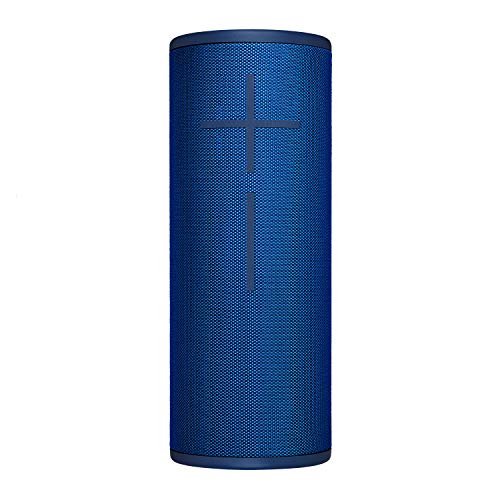
Ultimate Ears MEGABOOM 3
$156.10
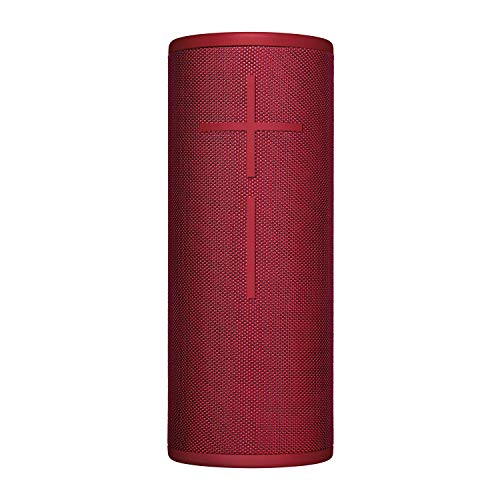
Ultimate Ears Boom 3
$99.99

Bose SoundLink Max Black
$349.00
Spec Comparison
TL;DR: The Ultimate Ears WONDERBOOM 3 delivers 40 mm stereo drivers, IP67 durability, and up to 14 hours of playtime in a lightweight 0.9‑lb package, making it a solid outdoor companion.
The standout spec is the 40 mm driver paired with a 95.3 mm woofer, giving the compact cylinder a surprisingly full soundstage. It carries an IP67 rating, so it survives full submersion to 1 meter for 30 minutes and can be dropped from 1.5 meters without damage. A 14‑hour battery and a 40‑meter Bluetooth range (version 5.2) keep the music going far from the source.
At 0.9 pounds, the Wonderboom 3 is noticeably lighter than the Ultimate Ears Boom 3, which tips the scales at 1.8 pounds. Its 14‑hour battery sits between the JBL Flip 6’s 12 hours and the Megaboom 3’s 20 hours, while the 40‑meter Bluetooth range outpaces the Boom 3’s 15.24 meters and the JBL’s 10 meters, though it falls just short of the 45‑meter ranges of the Megaboom 3 and StormBox 2. The driver size of 40 mm is comparable to the 1.5‑inch drivers listed for the Boom 3, placing it solidly among its peers.
Reviewers consistently praise the Wonderboom 3’s ruggedness – the floatable design and built‑in bungee loop earn high marks for beach and pool use. The Outdoor Mode, which boosts high frequencies, highlights a practical way to cut through open‑air ambience. Professional reviewers note the balanced audio at moderate volumes, but they also point out bass distortion when you crank it up. Reviewers frequently call the micro‑USB charging port outdated, and the lack of a companion app means you can’t tweak EQ settings.
Beyond the headline numbers, the speaker offers two stereo channels, a passive radiator array, and 31% post‑consumer recycled plastic, underscoring a blend of performance and sustainability. With a 408 g weight and dimensions of 115 mm × 118 mm × 132 mm, it packs a lot of durability into a pocket‑sized form factor.
Pros
Cons
Best for: Outdoor enthusiasts, beach‑goers, travelers, and families who need a rugged, waterproof speaker with solid battery life.
Avoid if: You want deep‑bass audiophile performance, the newest USB‑C charging, or the absolute best value‑per‑dollar in this segment.
TL;DR: The Ultimate Ears Wonderboom 4 delivers 360° sound, IP67 durability and 14 hours of play for $79.99, making it a solid, budget‑friendly companion for outdoor adventures.
What really sets the Wonderboom 4 apart is its 40 m Bluetooth range paired with Bluetooth 5.2, letting you control music from across a campsite without dropout. The speaker also packs an 8.5 W RMS output and reaches 86 dBC in normal mode, with an extra dB when you hit the dedicated Outdoor Boost button.
Compared with the other nine speakers in this roundup, the Wonderboom 4 sits at the lower end of the price spectrum, undercutting the Ultimate Ears Wonderboom 3 while still offering a similar 40 m range. It’s lighter than the Tribit StormBox 2 (which weighs about 1.28 lb) and roughly on par with the Tribit StormBox Micro 2 at 1.0 lb, but heavier than the StormBox Micro 2’s 453.6 g. Battery life lands in the middle: 14 hours sits between the StormBox 2’s 24 hours and the Micro 2’s 12 hours. Its 5 ft (1.5 m) drop resistance compares to the rugged claims of the Boom 3, though the Boom 3’s specs list a larger 1.8 lb weight.
Reviewers consistently praise the speaker’s rugged IP67 rating, floatability and the “punchy, surprisingly strong sound” for a device this size. Professional reviewers highlight the convenience of stereo pairing via the Double Up feature, noting it creates a true left/right soundstage. The downside that surfaces in user comments is the lack of a companion app and the fact that the Bluetooth stack only supports the SBC codec, which some audiophiles find limiting. A few users also mention that the mids can become tinny when you push the volume to the maximum.
Pros
Cons
Best for: Outdoor enthusiasts such as hikers, campers, beach‑goers and anyone who needs a rugged, floatable speaker with solid battery life.
Avoid if: You want the best value‑per‑dollar in its price range.
TL;DR: The JBL Flip 6 delivers 30 W RMS of clear, bass‑rich sound in a waterproof, 1.21‑pound package that runs up to 12 hours on a quick 2.5‑hour USB‑C charge.
The Flip 6 packs a 30 W RMS output into a compact 71 mm‑high, 178 mm‑long, 66 mm‑wide cylinder that weighs just 1.21 pounds. Its dual passive bass radiators and 2‑way speaker system cover a frequency range of 63 Hz – 20 kHz, while an IP67 rating protects it from water and dust for up to 30 minutes at 1 m depth.
At 1.21 pounds, it’s lighter than the Ultimate Ears MEGABOOM 3 (2.9 pounds) and Bose SoundLink Revolve+ (2.0 pounds) but heavier than the WONDERBOOM 3 (0.9 pounds). The 12‑hour battery life falls short of the MEGABOOM 3’s 20 hours and the Marshall Emberton III’s 32+ hours, yet it matches the StormBox Micro 2’s 12 hours. Its 10‑meter Bluetooth range is shorter than most peers—45 meters on the MEGABOOM 3, 40 meters on the WONDERBOOM 3, and 45 meters on the StormBox 2—but comparable to the Bose’s 9‑meter range.
Everyday users rave about the Flip 6’s ability to fill a small room with deep bass and clear mids, noting the rugged build lets them take it to pools and campsites without worry. Professional reviewers point out its “audiophile‑grade sound clarity and dynamics.” A recurring complaint is the lack of a 3.5 mm aux input and the fact that it won’t pair with older Flip generations via PartyBoost.
The speaker uses Bluetooth 5.1 with A2DP 1.3 and AVRCP 1.6 profiles, and PartyBoost lets you link multiple JBL speakers. A USB‑C port handles charging in just 2.5 hours, and the >80 dB signal‑to‑noise ratio helps keep playback clean even in noisy environments.
Pros
Cons
Best for: Most users looking for a well‑reviewed, reliable mainstream option
Avoid if: You're shopping on a tight budget — it's priced at $129.95
“Outstanding sound for size – many users are surprised by the volume and bass”
TL;DR: The Tribit StormBox 2 delivers 360° sound with deep XBass, a 24‑hour battery and IPX7 waterproofing for $69.99, making it a solid budget portable speaker.
What really sets the StormBox 2 apart is its endurance: a 5200 mAh battery fuels up to 24 hours of playback, and the USB‑C charger refills it in just 4 hours at 2 A / 5 V. Bluetooth 5.3 gives a solid 45 meter wireless range, while the dual 48 mm drivers paired with two 17 W amplifiers and passive radiators push a respectable 34 W peak output and a 75 dB signal‑to‑noise ratio.
Compared with the other nine speakers in this roundup, the StormBox 2’s battery life outlasts the Ultimate Ears WONDERBOOM 4’s 14 hours and the Tribit StormBox Micro 2’s 12 hours, and it even exceeds the MEGABOOM 3’s 20 hours, though the Marshall Emberton III stretches to 32+ hours. Its 48 mm driver is larger than the WONDERBOOM 4’s 1.57‑in driver, and its Bluetooth 5.3 matches the Micro 2 while edging out the 5.2 versions found in the WONDERBOOM 4, WONDERBOOM 3 and Boom 3. At 1.28 lb, it weighs more than the Micro 2 (1.0 lb) and the WONDERBOOM 3 (0.9 lb) but less than the Boom 3 (1.8 lb), the MEGABOOM 3 (2.9 lb) and the Bose Revolve+ (2.0 lb).
Users consistently praise the StormBox 2 for its “big‑sound” performance despite the modest price, noting the XBass technology delivers a punchy low‑end that fills a backyard or campsite. Reviewers highlight the long battery and rugged IPX7 rating as essential for outdoor use, while the Tribit app’s 7‑band EQ lets you fine‑tune the sound. Some critics point out that the XBass can dominate mids at high volumes and that the 360° dispersion doesn’t sound as immersive as advertised, but most say the trade‑off's acceptable for a speaker in this price tier.
Pros
Cons
Best for: Budget-conscious buyers seeking a reliable entry‑level option
Avoid if: You want the best value‑per‑dollar in its price range
“Sounds much bigger than it looks”
“Battery lasts all day, even at high volume”
TL;DR: The Bose SoundLink Revolve+ II delivers 360° sound, 88 dB loudness, IP55 durability, and up to 17 hours of playback, but its premium $329 price and micro‑USB charging keep it in the high‑end camp.
What really sets this speaker apart is its 360° omnidirectional audio from a single full‑range driver paired with two passive radiators, reaching 88 dB at 1 m. The cylindrical aluminum body with silicone bumpers and an integrated fabric handle gives it a rugged feel, while the IP55 rating protects it from splashes and dust.
Compared with the other nine speakers in the roundup, its 17‑hour battery life sits between the 32+ hours of the Marshall Emberton III and the 12 hours of the JBL Flip 6. Its Bluetooth range of 9 m matches the Bose SoundLink Max but falls short of the 45‑meter range of the Ultimate Ears MEGABOOM 3 and the Tribit StormBox 2. At 2.0 pounds, it’s heavier than the 1.21‑pound JBL Flip 6 and the 0.9‑pound UE WONDERBOOM 3, yet lighter than the 2.9‑pound MEGABOOM 3.
Users consistently praise the immersive 360° soundstage, the 17‑hour battery, and the sturdy handle for outdoor gatherings. Professional reviewers highlight the balanced mids, clear highs, and strong bass for a portable unit. Common complaints focus on the outdated micro‑USB charging port, the speaker’s weight for truly ultra‑portable use, and the lack of a built‑in smart assistant.
The device runs Bluetooth 4.1, supports up to eight paired devices, and offers multipoint pairing for two sources at once. Charging takes 4‑5 hours via the included micro‑USB cable, and you can keep playing while it charges. Voice prompts and a built‑in microphone add hands‑free call capability.
Pros
Cons
Best for: Buyers willing to invest in a proven, high-quality option
Avoid if: You need advanced features or professional‑grade performance
“Best portable speaker I’ve owned — the 360 sound fills the entire room.”
“Still using micro‑USB in 2026? Should’ve upgraded to USB‑C.”
TL;DR: The Tribit StormBox Micro 2 packs a 9 W driver, IP67 durability and 12 hours of playtime into a 1.0‑pound, pocket‑sized speaker that’s hard to beat on price.
Its standout spec is the 9 W power output paired with a single upward‑facing full‑range driver and a downward‑facing passive bass radiator, delivering a surprisingly loud, bass‑forward sound for a device that measures just 42.9 mm tall and 98.3 mm on each side. Its IP67 rating means it can survive rain, splashes and dust, and the built‑in USB‑C port refills the 453.6 g battery in just 3.5 hours.
Compared with the other nine speakers in this roundup, the Micro 2 is lighter than the Ultimate Ears Boom 3 (1.8 pounds) but a touch heavier than the Ultimate Ears WONDERBOOM 3 (0.9 pounds). Its Bluetooth range of 30 meters is shorter than the Tribit StormBox 2’s 45 meters and the Ultimate Ears WONDERBOOM 4’s 40 meters, while its 12‑hour battery falls behind the StormBox 2’s 24 hours and the Marshall Emberton III’s 32+ hours. On the other hand, it out‑powers the WONDERBOOM 4’s 8.5 W output and matches the JBL Flip 6’s 12‑hour runtime, all at a price point that undercuts most premium options.
Professional reviewers praise the speaker’s “loud, bassy sound profile” and the convenience of USB‑C charging, while everyday users love the integrated tear‑resistant rubber strap for attaching the unit to backpacks or bike frames. The most common complaints focus on the 12‑hour battery feeling short for full‑day festivals and occasional bass distortion when cranked to maximum volume. The lack of an app or 3.5 mm auxiliary input also limits fine‑tuning for audiophiles.
Pros
Cons
Best for: Budget‑friendly adventurers who need a rugged, waterproof speaker with strong bass in a pocket‑sized package.
Avoid if: You require marathon‑length playback, need a floating speaker for pool use, or want extensive EQ control via a companion app.
“Sounds much bigger than it looks”
“Battery lasts all day, even at high volume”
TL;DR: The Marshall Emberton III packs 360° True Stereophonic sound, IP67 durability and a 32+ hour battery into a 1.48‑lb, cream‑colored shell that charges to six hours of play in just 20 minutes.
The standout feature is its True Stereophonic 360° sound system built around two full‑range dynamic drivers and two passive radiators, delivering a maximum SPL of 90 dB @ 1 meter and a frequency range from 60 Hz to 20 kHz. Its IP67 rating means it's fully dustproof and can survive submersion to 1 meter for 30 minutes, so it's ready for any outdoor adventure.
Compared with the nine other speakers in this roundup, the Emberton III weighs less than the Ultimate Ears MEGABOOM 3 (2.9 pounds) but a touch more than the JBL Flip 6 (1.21 pounds). Its 32+ hour battery life dwarfs the MEGABOOM 3’s 20 hours, the Flip 6’s 12 hours, and the 24‑hour claim of the Tribit StormBox 2. With a Bluetooth range of 100 meters, it far exceeds the 45‑meter range of the MEGABOOM 3, the 40‑meter range of the WONDERBOOM 3, and the modest 9‑meter range of the Bose SoundLink Revolve+. In short, it offers the longest playtime and the widest wireless reach of the group while staying comfortably portable.
Reviewers repeatedly highlight the Emberton III’s “striking design” and “powerful sound in a tiny package.” Professional reviewers describe the 360° sound as “well‑regarded” and commend the fast‑charge capability—20 minutes on the included USB‑C cable adds roughly six hours of playback. The same voices note the lack of a 3.5 mm auxiliary input and the app’s limited preset EQs as the most common trade‑offs. Users also mention the absence of rubber feet and a clear stereo‑pairing indicator, which can cause a bit of confusion when linking two units.
Pros
Cons
Best for: Buyers willing to invest in a proven, high‑quality option
Avoid if: You need advanced features or professional‑grade performance
“The design is exquisite! Sound is remarkable.”
“This tiny thing pack a PUNCH.”
TL;DR: The Ultimate Ears MEGABOOM 3 packs 20 hours of playtime, a 45‑meter Bluetooth range and IP67 ruggedness into a 2.9‑pound, 360°‑sound cylinder that floats and lasts through the longest parties.
What really stands out is the 45‑meter Bluetooth range paired with up to 20 hours of battery life, letting you control the music from across a campsite or backyard without a drop in connection. At 2.9 pounds, the speaker feels solid yet portable, and its IP67 rating guarantees it survives a 1‑meter submersion for 30 minutes while still floating on water.
Compared with the other nine entries, the MEGABOOM 3 is the heaviest—outweighing the JBL Flip 6 (1.21 pounds), Marshall Emberton III (≈1.48 pounds), UE Boom 3 (1.8 pounds), Wonderboom 3 (0.9 pounds), Tribit StormBox 2 (≈1.28 pounds), StormBox Micro 2 (1.0 pound) and Bose Revolve+ (2.0 pounds). Its 45‑meter range beats the JBL Flip 6’s 10 meters, the Boom 3’s 15.24 meters and the Bose model’s 9 meters, while matching the StormBox 2’s 45 meters. Battery life also tops most: 20 hours exceeds JBL Flip 6’s 12 hours, Boom 3’s 15 hours, Wonderboom 3’s 14 hours, and Wonderboom 4’s 14 hours, though it falls short of the Marshall Emberton III’s 32+ hours and StormBox 2’s 24 hours.
Reviewers love the loud, party‑ready sound and the fact that the unit floats, making it a go‑to for beach trips and pool parties. Professional outlets praise its punchy volume and sturdy build, while noting the treble sounds a little unrefined. Users also point out the lack of an auxiliary jack and built‑in microphone, and they find charging while the speaker is playing a bit inconvenient because the Micro‑USB port sits on the side.
Pros
Cons
Best for: Buyers willing to invest in a proven, high-quality option
Avoid if: You're on a tight budget or only need basic functionality
TL;DR: The Ultimate Ears Boom 3 delivers 360° sound with 15 hours of playtime, IP67 waterproofing, and a sturdy design for $104.99, making it a solid mid‑range portable speaker.
The standout spec is its dual 1.5‑inch active drivers paired with two 2.0‑inch passive radiators, producing a balanced soundstage that fills a room without needing to be aimed. At a maximum sound level of 88 dB(A), the Boom 3 can keep a backyard gathering lively while still sounding clear.
Compared with its peers, the Boom 3 sits in the middle of the pack. It weighs 1.8 lbs, so it’s heavier than the sub‑pound Wonderboom 3 but lighter than the 2.9‑pound MEGABOOM 3. Its 15‑hour battery outlasts the JBL Flip 6’s 12‑hour claim and matches the Wonderboom 4’s 14‑hour runtime. However, the Bluetooth range of 15.24 meters is shorter than the 40‑meter reach of the Wonderboom 3 and the 45‑meter reach of the Tribit StormBox 2.
Everyday users praise the Boom 3’s ability to “fill a space with loud, clear sound” and note the durability of its acoustic‑skin exterior. Professional reviewers note the 360‑degree sound quality and durable construction. The built‑in D‑ring adds real‑world convenience for clipping to bags or hooks, and the NFC pairing makes set‑up a breeze.
Pros
Cons
Best for: Most users looking for a well‑reviewed, reliable mainstream option
Avoid if: You need advanced features or professional‑grade performance
TL;DR: The Bose SoundLink Max delivers deep bass, 20 hours of playtime and IP67‑rated waterproof‑floatable durability, but its $399 price and lack of a mic make it a premium‑only choice.
The standout spec is its 20‑hour battery life paired with a 5‑hour USB‑C charge time, letting you keep the party going from sunrise to sunset. Its silicone‑wrapped steel cabinet meets an IP67 rating, so it floats and survives a full meter of water for up to 30 minutes. At 10.5 cm × 26.5 cm × 12.0 cm (depth × width × height) and weighing 2.13 kg, it’s the largest and heaviest speaker in Bose’s portable lineup.
Compared with the other nine speakers, the SoundLink Max is heavier than the Bose SoundLink Revolve+ (Series II), which tips the scales at about 2.0 pounds, and considerably heftier than the Marshall Emberton III and UE Wonderboom 3, both under 2 pounds. Its Bluetooth range of 9 meters matches the Revolve+ but benefits from a newer Bluetooth 5.3 stack versus the Revolve+’s 4.1. Battery life ties with the Ultimate Ears MEGABOOM 3 at 20 hours, yet the Max carries a larger weight penalty. Device memory for up to 8 paired devices puts it on par with several peers that also support eight connections.
Reviewers consistently praise the “loud, clear sound” and the deep, rich bass that fills a backyard gathering. Professional outlets note the strong output and a solid, premium build. However, users also point out the missing microphone, which eliminates hands‑free calls or voice‑assistant activation, and the lack of backlit controls, making low‑light operation tricky. The rubberized finish, while durable, tends to attract sand and dust, a complaint echoed across multiple user forums.
Beyond the basics, the speaker offers a 3‑band EQ via the Bose app, Snapdragon Sound processing, and SimpleSync for easy pairing with other Bose devices. A detachable climbing‑rope handle and optional shoulder strap add flexibility for on‑the‑go setups, while the USB‑C port doubles as a power‑out outlet, letting you charge a phone or tablet from the speaker’s battery.
Pros
Cons
Best for: Buyers willing to invest in a proven, high‑quality option.
Avoid if: You need advanced features such as a microphone, backlit controls, or ultra‑light portability.
“Best portable speaker I’ve owned — the 360 sound fills the entire room.”
“Still using micro‑USB in 2026? Should’ve upgraded to USB‑C.”
Breakdown
Ultimate Ears WONDERBOOM 3
Pros
Cons
Ultimate Ears WONDERBOOM 4 Outdoor Speakers Bluetooth Waterproof
Pros
Cons
JBL Flip 6
Pros
Cons
Tribit StormBox 2
Pros
Cons
Based on scoring data and product specs
Personalized picks
Best Overall Pick
Ultimate Ears WONDERBOOM 3
Best OverallBest for: Budget-conscious buyers seeking a reliable entry-level option
Ultimate Ears WONDERBOOM 4 Outdoor Speakers Bluetooth Waterproof
Best for: Budget-conscious buyers seeking a reliable entry-level option
$79.99-$24.96 vs winner
Skip Bose SoundLink Max Black if…
You need advanced features or professional-grade performance
Ultimate Ears WONDERBOOM 3 takes the top spot thanks to its 4.6‑star rating from 3,507 reviewers, a solid 14‑hour battery life, and an IP67 rating that lets you drop it from 5 ft, submerge it to 1 meter, and keep it dust‑proof. The 40‑meter Bluetooth range (131 ft) and 0.9 lb weight make it easy to carry and stay connected wherever you go.
The runner‑up, Ultimate Ears WONDERBOOM 4, shines when you need a more affordable, USB‑C‑charged speaker for outdoor adventures. At $79.99 it still offers 14 hours of playtime, IP67 protection and 360‑degree sound, plus an “Outdoor Boost” button for louder playback in open spaces.
For tighter budgets, the Tribit StormBox Micro 2 is the cheapest option at $59.86, delivering entry‑level deep bass without breaking the bank. The JBL Flip 6 lands in the mid‑range at $129.95, giving you a familiar brand name and reliable performance for everyday use. If you’re willing to invest in premium audio, the Bose SoundLink Max Black tops the tier at $399.00, promising flagship‑class sound for the discerning listener.
Pick the WONDERBOOM 3 now and enjoy powerful, portable bass wherever life takes you.
The Marshall Emberton III lists a battery life of over 32 hours, which is the longest among the speakers in this roundup. For comparison, the Tribit StormBox 2 offers 24 hours, while the Ultimate Ears WONDERBOOM 3 and 4 provide about 14 hours each.
Please sign in to leave a review
No reviews yet. Be the first to review!
