⚡ Quick Answer
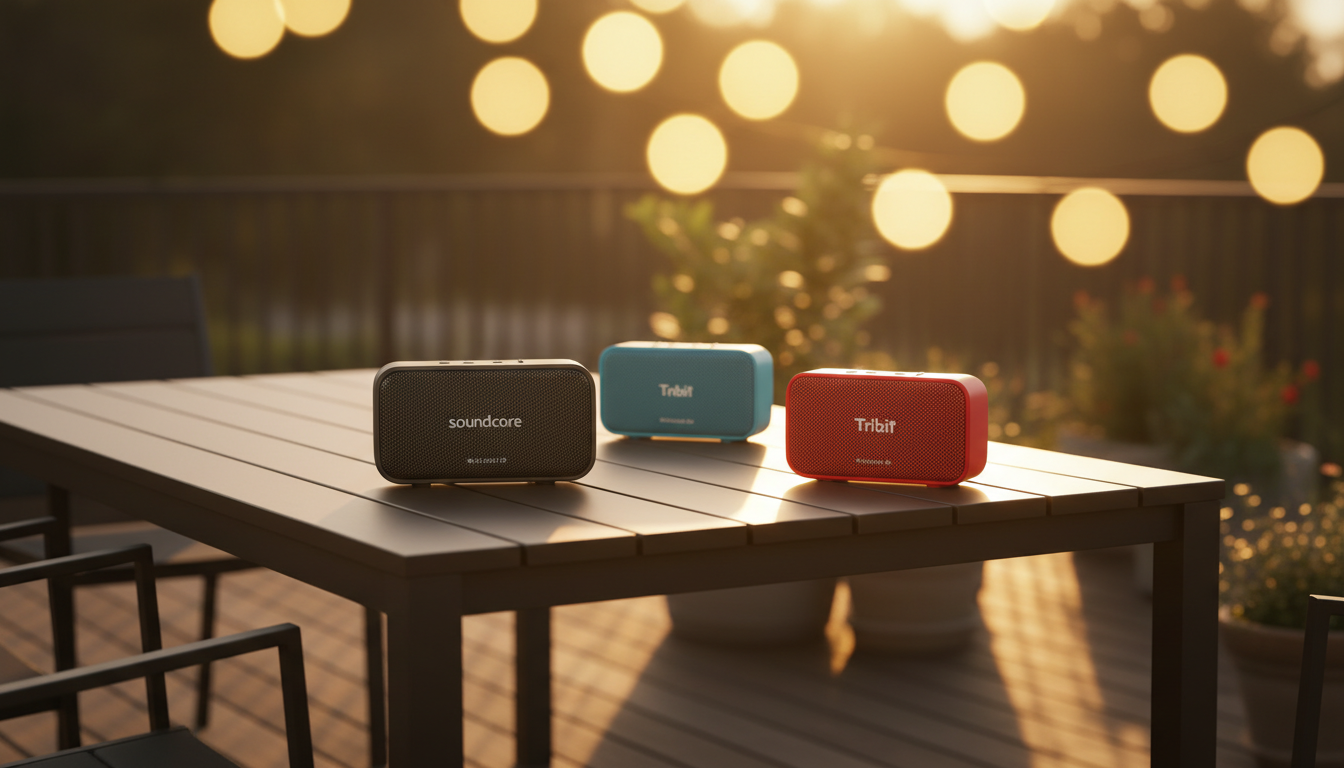
Finding a portable speaker that can sync with another unit for a bigger soundstage is a common dilemma, especially when you also want decent battery life and reliable Bluetooth range. We compared 11 models that support multi‑speaker pairing (PartyBoost, TWS, or similar), spanning everything from budget‑friendly options to premium powerhouses.
On the budget side you’ll see speakers like the Tribit XSound Go Red at $34.99 with a 24‑hour battery claim and a 98 dB max volume, while the Anker Soundcore 2 holds a 4.5/5 rating from 148,073 reviews for just $31.99. Mid‑range choices include the Soundcore Anker 3 at $59.99, offering 12 W output, 1440‑minute (24 h) playback, and a 4.6/5 rating from 14,694 reviewers. Premium contenders such as the JBL Flip 6 at $109.95 deliver 30 W output and a 4.7/5 rating from 21,290 reviews, and the Bose SoundLink Flex tops out at $129.00 with IP67 durability.
Below we’ll break down each tier, highlight the strengths and quirks of every model, and help you decide which pairing‑ready speaker fits your listening habits best.

Soundcore Anker 3
It's low 2.89 dB dynamic range compression keeps mids clear, delivering balanced sound for home and office listening.
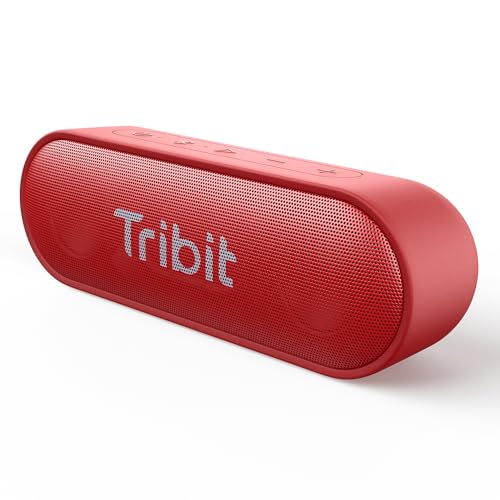
Tribit XSound Go Red
Ideal for budget‑conscious buyers, this entry‑level speaker comes in at $34.99—about $25 cheaper than the Soundcore Anker 3—while still delivering 98 dB max volume.

Tribit XSound Go USB-C Blue
Stands out with an 83 Hz bass‑extension point, giving deeper lows than the other picks, while still reaching 98 dB volume for versatile indoor listening.
Also considered
Score Analysis
Key score advantages vs. runner-up (Tribit XSound Go)
Price Range
Soundcore Anker 3
$49.99
Tribit XSound Go Red
$37.99
Tribit XSound Go USB-C Blue
$39.99

JBL Flip 6
$109.95
Anker Soundcore 2
$29.99

Doss Bluetooth Speaker
$29.99

Doss SoundBox XL
$79.99
Bose SoundLink Flex
$119.00

Doss SoundBox Plus
$49.99

JBL Xtreme 4
$379.95

Lenrue Bluetooth Speaker
$14.99
Spec Comparison
TL;DR: The Soundcore Anker 3 offers 12 W stereo sound, IPX7 waterproofing, 24 hours of playback from a 5200 mAh battery, and PartyCast pairing, all in a 0.82‑lb, $59.99 package.
The standout spec is its 5200 mAh battery that delivers up to 24 hours of music on a single charge, paired with a maximum SPL of 85 dB and 12 W RMS output. Its dual neodymium drivers are housed in a pure‑titanium enclosure, and the BassUp technology tries to boost low‑end punch despite the compact size. The speaker also carries an IPX7 rating, meaning it can survive full submersion for short periods, and the PartyCast feature lets you link multiple units for a bigger soundstage.
Compared with the other ten speakers in this roundup, the Anker 3 is lighter than the Doss SoundBox XL (3.0 lb) and heavier than the Tribit XSound Go models (around 0.84 lb). Its 12 W output matches the Anker Soundcore 2 but falls short of the 16 W offered by Doss SoundBox Plus and the Tribit XSound Go units. Battery capacity tops the listed rivals – the Doss SoundBox XL and Plus sit at 2200 mAh and 3200 mAh respectively, while the Tribit models hold 4000 mAh. The 88.5 m Bluetooth range also outstrips the Doss speakers (10–20 m) and the Tribit’s 100 ft (≈30 m) range.
User reviews repeatedly praise the speaker’s 24‑hour battery life and its ability to survive a day at the beach or a sudden rain shower. Professional reviewers highlight the ultra‑light 0.82‑lb chassis and the stable Bluetooth connection within its advertised range. However, many note that the 85 dB max SPL can introduce audible distortion when cranked up, and the bass response feels thin in larger rooms. The custom EQ app and BassUp help a bit, but audiophiles still find the dynamics modest.
Pros
Cons
Best for: Home and office users seeking a balance of features and value
Avoid if: You're shopping on a tight budget — it's priced at $59.99
TL;DR: The Tribit XSound Go Red packs a 16 W output, dual 40 mm drivers and IPX7 waterproofing into a 0.86‑lb, 24‑hour battery package priced at $34.99.
At the heart of the XSound Go Red is a 16 W total output driven by two 40 mm drivers plus a passive radiator, reaching a peak volume of 98 dB. The speaker’s rubberized exterior and IPX7 rating let you toss it in a pool or onto the beach without worry, while the built‑in voice‑assistant button adds hands‑free convenience.
Compared with the eleven other speakers in this roundup, the Red model sits near the middle of the weight spectrum—lighter than the Anker Soundcore 2 (0.91 lb) but a touch heavier than the Lenrue unit (0.57 lb). Its 24‑hour battery life matches the top‑end offerings, and the 100‑ft Bluetooth range outpaces several peers that list only 20 m or 20 ft. Output power ties with the highest‑rated 16 W models, giving it a clear edge over the 12 W options.
Reviewers consistently praise the balanced sound signature, noting crisp mids, clear highs and a surprisingly punchy bass for the size. The XBass DSP and app‑based EQ let you fine‑tune the audio without distortion, even at full volume. However, users also point out that the bass extension caps at 83–85 Hz, which can feel thin next to larger speakers, and many report real‑world playtime falling short of the advertised 24 hours when the volume is cranked up.
Beyond the audio, the XSound Go Red offers a 4000–4400 mAh battery charged via USB‑C in 4–5 hours, a 3.7 V battery voltage, and a convenient lanyard for clipping onto bags. The 55.9 mm depth, 58.4 mm height and 170.2 mm width keep the unit compact enough for travel yet sturdy enough for outdoor use.
Pros
Cons
Best for: Budget‑conscious buyers seeking a reliable entry‑level option
Avoid if: You want the best value‑per‑dollar in its price range
“10/10 extremely successful little speaker”
TL;DR: The Tribit XSound Go USB‑C Blue delivers 16 W of output, hits 98 dB loudness and offers up to 24 hours of play on a $39.99 budget, with IPX7 waterproofing and a 100‑ft Bluetooth range.
What really sets this speaker apart is its 24‑hour battery life on a single 5‑hour charge, thanks to a 4000 mAh cell. Pair that with a maximum volume of 98 dB and a 16 W output, and you get a loud, long‑lasting companion for day‑long outings.
At $39.99, it lands in the mid‑range price bracket. It’s lighter than the Doss SoundBox Plus (1.4 lb) and slimmer than the Anker Soundcore 2 (0.91 lb). Its 4000 mAh battery outpaces the Doss SoundBox Plus’s 3200 mAh, while the 100‑ft Bluetooth 5.3 range matches the Tribit XSound Go Red and far exceeds the 20‑meter range of the Anker Soundcore 2.
Professional reviewers highlight the 24‑hour runtime as a standout, and everyday users love the loud, clear audio and the IPX7 waterproof rating for poolside jams. The balanced sound profile—clear highs, crisp mids and respectable bass—receives frequent praise, though several reviewers note the bass only reaches down to 83 Hz, which feels shallow compared with larger speakers. The button layout also draws criticism for using the play/pause button to skip tracks, which can feel unintuitive.
Under the hood, the unit packs two 40 mm dynamic drivers plus a passive radiator, all an integrated DSP chip tunes for distortion‑free playback. The rubberized exterior, included lanyard and 3.5 mm AUX input add practical versatility, while the IPX7 rating guarantees protection against immersion.
Pros
Cons
Best for: Most users looking for a well‑reviewed, reliable mainstream option
Avoid if: You need advanced features or professional‑grade performance
“10/10 extremely successful little speaker”
TL;DR: The JBL Flip 6 delivers 30 W of punchy, bass‑forward sound, a waterproof IP67 shell and up to 12 hours of playtime, but its weight and lack of app EQ keep it from being the lightest or most customizable option.
The Flip 6’s standout spec is its 30 W output power, which JBL markets as delivering “powerful, bass‑heavy sound” from a compact cylinder that measures 72 mm deep, 178 mm tall and 68 mm wide. Coupled with an IP67 rating, the speaker can survive full submersion for up to 30 minutes, making it a solid choice for pool parties or beach outings.
At 1.21 pounds, the Flip 6 sits between the ultra‑light Soundcore Anker 3 (0.82 pounds) and the heftier Doss SoundBox XL (3.0 pounds). Its 12‑hour battery life, driven by a 4800 mAh cell, matches the Bose SoundLink Flex and outlasts the Tribit XSound Go models that list shorter runtimes. PartyBoost support lets you wirelessly link multiple JBL speakers for a larger soundstage, a feature not highlighted in most of the other ten contenders.
Reviewers consistently praise the deep low‑end response and loud volume, noting that the dual passive radiators help the small driver produce surprisingly robust bass. Professional reviewers also point out the clear, forward‑focused audio and the solid signal‑to‑noise ratio of >80 dB. On the flip side, users mention a limited Bluetooth range compared with some rivals and the absence of an app‑based EQ, which is a drawback for anyone who likes to fine‑tune their sound.
Pros
Cons
Best for: Buyers willing to invest in a proven, high‑quality option
Avoid if: You're on a tight budget or only need basic functionality
“Dimensions spot-on for portability.”
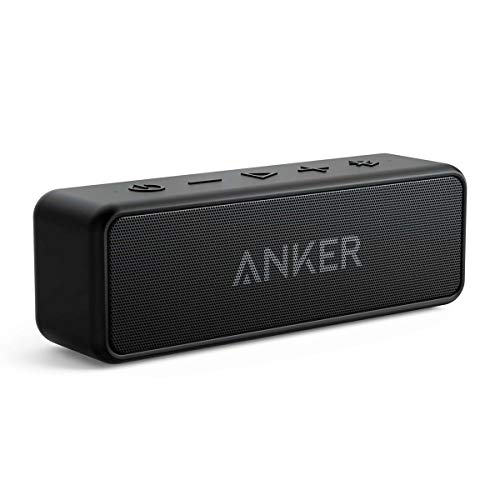
TL;DR: The Anker Soundcore 2 offers 12 W of bass‑boosted sound, IPX7 waterproofing, and a 24‑hour battery in a lightweight 0.91Pounds package for just $31.99.
The Soundcore 2 packs a 12 W peak output into a compact 45 mm‑deep, 54 mm‑high, 165 mm‑wide chassis that weighs only 0.91Pounds. Dual neodymium drivers combined with BassUp’s spiral bass port deliver deep, distortion‑free bass, while an IPX7 rating lets you submerge the speaker worry‑free.
At $31.99 it’s a few dollars pricier than the $29.99 Doss Bluetooth Speaker, yet it’s lighter than the Doss model’s 1.4Pounds and the Doss SoundBox Plus’s 1.4Pounds. Its 5200 mAh battery outlasts the Doss’s 3200 mAh cells and matches the Tribit XSound Go Red’s 24‑hour claim. While its 12 W output is modest compared with the 16 W units from Doss and Tribit, it still delivers solid volume for its size. The 20‑meter wireless range equals the Doss SoundBox Plus and exceeds the Lenrue’s unspecified range, whereas the Tribit USB‑C model lists a 100‑ft range.
Users rave about the loud, bass‑heavy sound and the 24‑hour playtime that keeps a weekend picnic powered. Reviewers highlight the waterproof IPX7 build as a win for outdoor use. A common gripe is the lack of an aptX Low Latency codec, which can make video sync feel off, and some report occasional Bluetooth hiccups that drop the connection. Because a single unit outputs mono sound, many buyers pair two speakers for true stereo.
Bluetooth 5.0 ensures a stable link, and the speaker supports wireless stereo pairing (TWS) for dual‑speaker setups. The Soundcore app adds a customizable EQ, letting you fine‑tune the BassUp boost. Control buttons keep operation simple with power, play/pause, volume and Bluetooth pairing.
Pros
Cons
Best for: Budget-conscious buyers seeking a reliable entry-level option
Avoid if: You want the best value-per-dollar in its price range
TL;DR: The Doss SoundBox Plus packs 16 W stereo sound, a 20‑hour battery and a beat‑driven LED show into a $29.99 package, but its bulk and Bluetooth‑induced compression keep it from being the most refined budget pick.
The standout spec is the 16 W power output delivered by dual full‑range drivers and a passive radiator; reviewers say it gives the speaker “deep bass and clear highs even at high volumes.” Coupled with a 3200 mAh battery that promises up to 20 hours of playback, the unit can keep a backyard gathering alive well after sunset. At 1.4 lb (635 g), it's solid enough to sit on a table without wobbling.
Compared with the other ten speakers in this roundup, the Doss is heavier than the Anker Soundcore 2 (0.91 lb) and the Tribit XSound Go models (around 0.86 lb and 0.84 lb). Its dimensions—107 mm tall, 218 mm long and 104 mm wide—also make it larger than the compact Tribit units (56 mm tall, 175 mm long). In power output it matches the Tribit XSound Go speakers at 16 W, but its 3200 mAh battery is smaller than Anker’s 5200 mAh and Tribit’s 4000 mAh cells, resulting in a slightly shorter 20‑hour run time versus the 24‑hour claims of those rivals.
User sentiment highlights the long battery life and punchy bass as major wins, especially for casual parties and travel. Many everyday owners praise the easy micro‑SD playback and the “immersive stereo‑surround sound” noted by professional reviewers. The same reviews point out that Bluetooth streaming can compress the audio, making the bass feel less deep, and that the treble may become harsh when cranked to maximum volume without engaging the bass‑boost button.
Beyond sound, the speaker adds a visual element with a beat‑driven LED light show offering six colors and three patterns, and it features touch‑sensitive controls for playback, volume and assistant activation. A dedicated bass‑boost button lets you dial in extra low‑end punch on the fly, while the 3.5 mm AUX input and micro‑SD slot give you wired or offline playback options.
Pros
Cons
Best for: Budget-conscious buyers seeking a reliable entry-level option
Avoid if: You want the best value-per-dollar in its price range
“enhanced stereo-surround sound, delivering brilliant highs, rich mids, and deep bass”
“little to no distortion at full volume”
TL;DR: The DOSS SoundBox XL packs a 32 W sealed system with a 12 W subwoofer, 8‑10 hour battery and microSD playback, but its 3 lb weight and 10 m Bluetooth range keep it rooted at home.
The standout spec is the 32 W total output, driven by two 10 W, 2‑inch full‑range drivers and a dedicated 12 W, 3‑inch subwoofer. The sealed acoustic design with dual passive radiators helps the bass feel room‑filling while the dual DSP algorithms keep mids and highs clear.
Compared with the other ten speakers, the SoundBox XL is heavier than the Soundcore Anker 3 (0.82 lb) and the Tribit XSound Go USB‑C (0.84 lb), and it also outweighs the JBL Flip 6 (1.21 lb). Its 32 W output exceeds the 12 W of the Soundcore Anker 3 and the 16 W total of the Tribit XSound Go models, giving it a clear power edge. On the downside, its 2200 mAh battery is smaller than the 5200 mAh cells in the Soundcore Anker 3 and the 4000 mAh in the Tribit XSound Go, and its 10 m Bluetooth range is shorter than the 88.5 m range reported for the Soundcore Anker 3.
Users repeatedly praise the deep, distortion‑free bass and the convenience of loading up to 32 GB of music via the microSD slot. Reviewers note the 8‑10 hour battery life and the quick 2.5‑4 hour charge with the supplied 12 V 2.5 A adapter. The most common complaints focus on the proprietary charger, which can be hard to replace, and the speaker’s weight, which makes frequent travel cumbersome.
The unit also includes practical touches: blue, red and white LED indicators for Bluetooth, AUX and card modes, rubber feet for stable placement, and a simple M‑button for mode switching. While the lack of a USB‑C port limits charging options, the sealed enclosure with passive radiators delivers the kind of bass response that many higher‑priced models strive for.
Pros
Cons
Best for: Buyers willing to invest in a proven, high-quality option
Avoid if: Reliability and user satisfaction are your top concerns
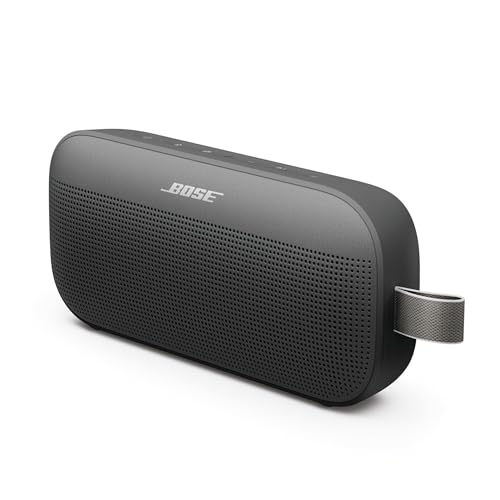
TL;DR: The Bose SoundLink Flex delivers up to 12 hours of playback, IP67 ruggedness, and PositionIQ sound‑adjustment in a 1.30‑lb package, but its single‑unit stereo is limited and battery life may fall short of claims.
The Flex packs a 2.8″ H × 8.6″ W × 4.75″ L silicone‑wrapped body with an IP67 rating, making it dust‑proof, waterproof, and floatable. Its 1.3007273458‑pound weight feels solid yet portable, and the built‑in 2‑inch full‑range cone plus two passive radiators aim for clear mids and respectable mid‑bass. Battery life lists up to 12 hours, and a USB‑C charge tops up in 4 hours. Bluetooth 5.3 offers a 30 ft range, while PositionIQ automatically adapts sound to the speaker’s orientation.
Compared with the JBL Flip 6, which weighs 1.21 pounds, the Flex is slightly heavier but matches its 12‑hour battery claim. Its Bluetooth range of 30 ft sits near the 10 m range that Doss SoundBox XL notes, putting it on par with the connectivity of other speakers in this group. While the Tribit XSound Go models are lighter and cheaper, the Flex’s premium price places it above those budget options, reflecting its higher‑end brand confidence and richer feature set.
Users consistently praise the rugged IP67 construction and the convenience of the utility loop for clipping onto bags. However, many note that real‑world battery life often drops below the advertised 12 hours, and the single‑unit playback lacks true stereo depth, prompting the need for a second speaker to unlock full stereo or party mode. Professional reviewers also mention that low‑end bass can feel thin and that maximum volume introduces noticeable compression, which may matter in larger outdoor settings.
Pros
Cons
Best for: Buyers willing to invest in a proven, high‑quality option
Avoid if: You need advanced features or professional‑grade performance
TL;DR: The Doss SoundBox Plus offers 16 W stereo output, 20 hours of playtime and Bluetooth 5.0 pairing for about $42, making it a solid budget pick for indoor parties and travel.
The speaker’s standout spec is its 16 W RMS output from two 8 W drivers, which reviewers say delivers a surprisingly punchy sound for a device that measures just 4.1 in × 8.6 in × 4.2 in and weighs 1.4 lb. Its 3200 mAh battery fuels up to 20 hours of continuous playback, and a USB‑C charger refills it in roughly 4 hours.
Compared with the other ten speakers in this roundup, the SoundBox Plus is heavier than the Tribit XSound Go models (under 0.86 lb) and the ultra‑light Lenrue (about 0.57 lb), but it matches the weight of the older Doss Bluetooth Speaker. Its 20 m Bluetooth range lines up with the Anker Soundcore 2, yet it falls short of the 100‑ft range advertised by the Tribit XSound Go units. Battery life is a touch lower than the 24‑hour claims of the Tribit and Soundcore 2 models, but equal to the Doss Bluetooth Speaker.
User sentiment highlights the speaker’s “rich, loud sound” and the convenience of touch‑sensitive controls for play/pause, volume and voice assistant activation. Professionals note the loudness for its size and praise the wireless stereo pairing that lets two units create a wider soundstage. The main criticisms are a limited bass depth, the absence of any IP‑rating for water resistance, and occasional Bluetooth pairing hiccups at the edge of its range.
Pros
Cons
Best for: Budget‑conscious casual listeners who want a well‑reviewed, portable speaker with solid volume and long battery life.
Avoid if: You need waterproof protection, deep‑bass performance for bass‑heavy music, or a professional‑grade audio solution.
TL;DR: The JBL Xtreme 4 packs 30 W woofers, 20 W tweeters and a 24‑hour battery (30 h with Playtime Boost) into a rugged IP67 speaker, but its 4.63 lb weight and $299.95 price keep it in the premium tier.
The Xtreme 4’s sound engine features two 30 W woofers and two 20 W tweeters, and AI Sound Boost works to keep the bass punchy even at lower volumes. JBL lists a 24‑hour battery runtime, and the optional Playtime Boost can stretch that to 30 hours, so you’ll leave the party running all day and night without hunting for an outlet.
At 4.63 lb, the Xtreme 4 is heavier than the Bose SoundLink Flex (≈1.3 lb) and JBL Flip 6 (≈1.21 lb), and also outweighs the Doss SoundBox XL (3.0 lb). The trade‑off is its battery life: 24 hours outlasts the 12‑hour runtime of the Bose and Flip 6 models, and even beats the 20‑hour Doss SoundBox Plus, putting it among the longest‑lasting speakers in this roundup.
Reviewers consistently praise the speaker’s earth‑shaking bass and the IP67 rating that protects it from rain, splashes, and sand. Users also like the built‑in microphone and Auracast support for easy multi‑speaker pairing. The heft makes it less convenient for travel, and some note bass distortion when the unit is pushed to its maximum volume.
Pros
Cons
Best for: Buyers willing to invest in a proven, high‑quality option
Avoid if: You're on a tight budget or only need basic functionality
“earth‑shaking, powerful stereo sound”
“hefty driving audio”
TL;DR: At $13.99, the Lenrue Bluetooth Speaker delivers 98 dB sound from a feather‑light 0.57‑lb metal body, offers up to 24 hours of playback and basic TWS pairing, making it a solid budget pick.
The standout spec is its 98 dB sound pressure level, which is unusually loud for a speaker that weighs only 0.57 lb (260 g) and measures 60 mm × 160 mm × 45 mm. Its metal chassis keeps the unit sturdy while staying compact enough for a backpack.
Compared with the other ten speakers in this roundup, the Lenrue is considerably lighter than models like the Doss Bluetooth Speaker and the Anker Soundcore 2, and it’s also far cheaper than most. However, its Bluetooth range of up to 10 m is shorter than the 100‑ft range advertised by the Tribit XSound Go variants, and it lacks the 3.5 mm aux input that the Doss model provides.
Users repeatedly praise the low price, the ease of pairing, and the surprisingly clear mids for casual listening, while reviewers note the power‑button placement can be confusing and that most variants are not waterproof. Professional reviewers also point out that the built‑in microphone works well for hands‑free calls, but the inconsistent battery‑life figures across model listings have caused some confusion.
Technical details include a frequency response of 20 Hz‑18 kHz, output power ranging from 3 W to 14 W, and a battery capacity that varies between 500 mAh and 2 200 mAh, giving a claimed playback window of 3‑24 hours and a charging time of 2‑5 hours. Bluetooth version spans 4.1‑5.0, and media can be played from a micro‑SD card, USB stick, or built‑in storage.
Pros
Cons
Best for: Budget‑conscious buyers who want a lightweight speaker with decent volume and basic TWS pairing.
Avoid if: You need waterproof protection, long‑range Bluetooth coverage, or a higher user‑rating for critical listening.
“enhanced stereo-surround sound, delivering brilliant highs, rich mids, and deep bass”
“little to no distortion at full volume”
Breakdown
Soundcore Anker 3
Pros
Cons
Tribit XSound Go Red
Pros
Cons
Tribit XSound Go USB-C Blue
Pros
JBL Flip 6
Pros
Based on scoring data and product specs
Personalized picks
Best Overall Pick
Soundcore Anker 3
Best Mid-Range PickBest for: Home and office users seeking a balance of features and value
Tribit XSound Go Red
Best for: Budget-conscious buyers seeking a reliable entry-level option
$37.99-$12.00 vs winner
Skip Lenrue Bluetooth Speaker if…
Reliability and user satisfaction are your top concerns
The Soundcore Anker 3 is the best portable speaker with multi‑speaker pairing. It delivers a solid 12 W power output, an IPX7 water‑resistance rating, and a Bluetooth range of 88.5 m, so you can keep the music going across a crowded backyard. Its 5200 mAh battery provides 1440 minutes of playback, and the 4.6‑star rating from over 14,000 reviewers shows broad satisfaction—all for $59.99.
The Tribit XSound Go Red lands as the runner‑up, perfect if you need an affordable, waterproof companion for poolside or camping trips. It packs a 16 W output, a 100‑ft Bluetooth range, and a 24‑hour battery life, while supporting TWS pairing for stereo sound. At $34.99 and an IPX7 rating, it gives you a loud, durable option without breaking the bank.
If you’re watching the price, the Lenrue Bluetooth Speaker at $13.99 is the best budget pick, delivering basic portable sound for the lowest cost. For those willing to splurge, the JBL Xtreme 4 at $299.95 offers a premium, high‑output experience as the top‑tier alternative.
Pick the Soundcore Anker 3 now and enjoy reliable, party‑ready sound wherever you go.
The JBL Flip 6 offers an IP67 rating, meaning it can handle full immersion and dust, while the Soundcore Anker 3 and Tribit XSound Go Red are both IPX7, protecting against splashes only. For longer playtime, the Anker 3 lists a 24‑hour battery (1,440 minutes) versus the Flip 6’s 12‑hour claim, and it’s also the lightest at 372 g, making it easier to carry to the water.
No reviews yet — be the first to share your experience.
Please sign in to leave a review