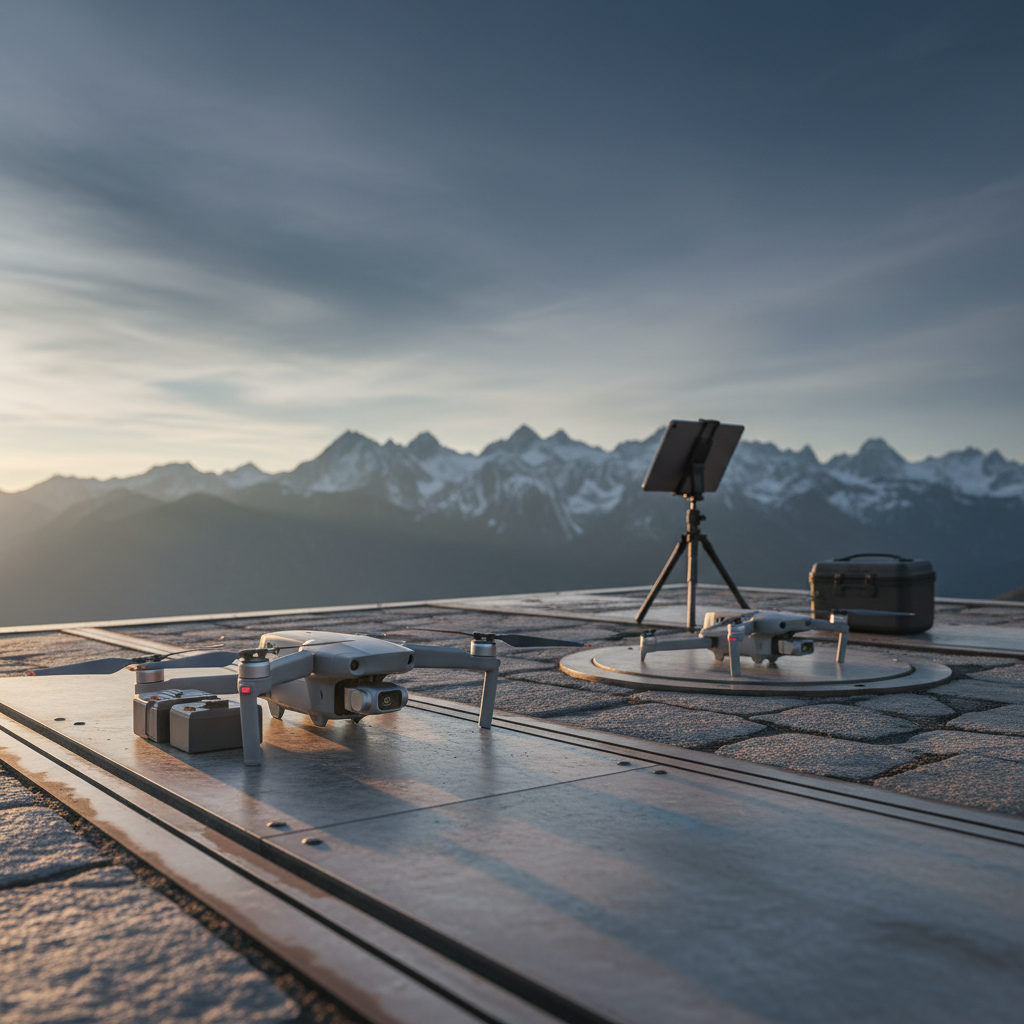
If you need a drone that can stream crisp 1080p video beyond 10 km, you’ve come to the right place. We’ve lined up 9 options that span the budget, mid‑range and premium tiers, so you can match your budget and skill level with the right transmission reach.
Prices stretch from $299.00 for the DJI Mini 4K up to $3299.00 for the Autel EVO II PRO RTK V3, while most models sit around a 4.5/5 rating from thousands of reviewers. The premium DJI Air 3 Fly More Combo weighs 1.5873282864pounds, packs a 50 MP primary sensor and offers 3× optical zoom, giving you versatile framing on long‑range flights. On the lighter end, the DJI Mini 4K’s 0.54233716452Pounds frame stays under the 249 g registration threshold, still delivering 4K video and a 10 km O2 link.
If you’re a travel photographer hunting dramatic vistas, a hobbyist chasing smooth footage, or a professional needing survey‑grade accuracy, the sections below break down each drone’s strengths, so you can spot the best fit for your next aerial adventure.

DJI Air 3 Fly More Combo
It's 82 W external USB‑C output power ensures fast charging and strong performance, reinforcing its top‑tier value, features, and brand confidence.
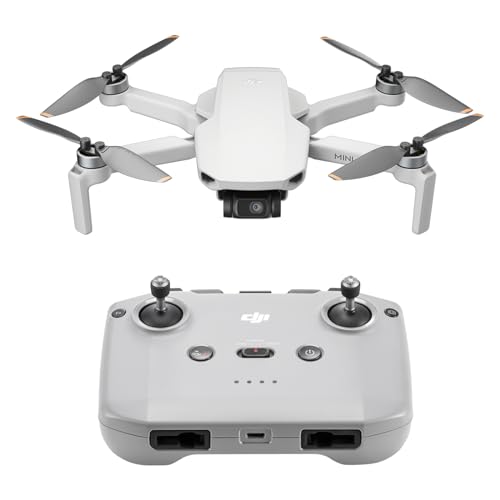
DJI Mini 4K
Ideal for budget‑conscious flyers who want solid performance, it’s priced at $299, roughly $1,800 less than the Best Overall DJI Air 3 combo.

DJI Mini 4K Combo
Offers a dedicated 17.32 Wh battery pack in a combo bundle, giving extra flight time without the higher price of the Air 3.
Also considered
Score Analysis
Key score advantages vs. runner-up (DJI Mini 4K)
Price Range
DJI Air 3 Fly More Combo
$2,111.24
DJI Mini 4K
$209.00
DJI Mini 4K Combo
$389.00

Autel EVO II PRO RTK V3
$3,299.00

DJI Mini 4K Fly More Combo
$309.00

DJI Mini 3 Fly More Combo
$499.00

DJI Mini 3 RC
$379.00

Potensic ATOM 2
$399.79

Autel EVO II Pro V3
$1,994.05
Spec Comparison
TL;DR: The DJI Air 3 Fly More Combo packs a dual‑camera system with a 1‑inch 50 MP sensor, 3× optical zoom, up to 45 minutes of flight and a 20 km transmission range, all for $2099.00.
The standout feature is its dual‑lens setup: a 24 mm primary lens with a 1‑inch 50 MP sensor and a 70 mm tele lens that offers 3× optical zoom, delivering 14‑stop dynamic range and ISO up to 12 800 in normal mode. This combination lets you capture wide landscapes and detailed subjects without swapping gear.
Compared with the eight other drones in this roundup, the Air 3 is heavier than the DJI Mini 3 Fly More Combo (which weighs about 0.55 lb) but offers a longer maximum flight time of 45 minutes versus the Mini 3’s 38‑minute standard endurance. Its 20 km O4 transmission exceeds the 20 km open‑area range that DJI lists for the Air 3 itself, while the Mini 4K models and Potensic ATOM 2 provide shorter transmission specs or lack comparable data, making the Air 3’s link more robust for long‑range work. The Autel EVO II PRO RTK V3 lists a 38‑minute flight time, so the Air 3 still leads in endurance. In terms of battery provisioning, the combo includes three batteries, matching the Mini 3 Fly More Combo’s three‑battery package.
Professional reviewers praise the 1‑inch sensor and 3× zoom as a leap forward for compact drones, noting the 4K 60 fps HDR video and the six‑antenna O4 transmission as critical for stable urban flights. Everyday owners echo this sentiment, highlighting smooth handling in breezy conditions and the confidence that LiDAR‑enhanced omnidirectional obstacle sensing provides, especially when flying near trees or structures. Users note the only notable drawback: the lack of waterproofing, so rain exposure can damage internal components.
Pros
Cons
Best for: Buyers willing to invest in a proven, high‑quality option
Avoid if: Reliability and user satisfaction are your top concerns
“Smooth flying, incredible stability even in wind.”
“The zoom lens is a game‑changer for capturing distant subjects.”
TL;DR: The DJI Mini 4K offers 4K 3840×2160 video at 30 fps, 31‑minute flight time, 10 km transmission, and a sub‑249 g weight for $299, making it a solid entry‑level drone.
What really stands out is the 4K 3840×2160 video capability at 30 fps paired with a 3‑axis mechanical gimbal, delivering smooth cinematic footage. The camera also provides a 12 MP still resolution, a 4× digital zoom, and an f/2.8 aperture, which helps in low‑light scenes. Power comes from a 5200 mAh Intelligent Flight Battery that charges in 90 minutes and supports up to 31 minutes of flight on a single charge. Hovering accuracy of ±0.3 m horizontally and ±0.1 m vertically adds confidence when framing shots.
Compared with the other eight drones in this roundup, the Mini 4K's price is lower than the DJI Mini 4K Fly More Combo and the DJI Air 3 Fly More Combo, while matching the battery capacity of the Potensic ATOM 2 (both list 5200 mAh). It shares the same weight of 0.54233716452 pounds as the DJI Mini 4K Combo, but it's significantly lighter than the DJI Air 3 Fly More Combo, which weighs about 1.5873282864 pounds. The digital zoom matches the 4× zoom found on the Potensic ATOM 2, and the transmission range of 10 km (FCC) exceeds the 6 km CE range listed for the Mini 4K, putting it ahead of many peers in long‑range capability.
Users consistently praise the drone’s ease of use: one‑tap takeoff/landing, GPS Return‑to‑Home, and the QuickShots modes (Dronie, Helix, Rocket, Circle, Boomerang) make it feel “plug‑and‑play” for beginners. Professional reviewers note that the 4K footage is crisp and color‑accurate even in dim lighting, thanks to the 3‑axis gimbal. The sub‑249 g weight means you avoid FAA registration in many regions, a frequent selling point for travelers. However, the lack of obstacle‑avoidance sensors and the absence of a vertical portrait video mode are common criticisms, and some owners find the remote controller’s sticks overly sensitive.
The Mini 4K relies on DJI’s O2 transmission system, delivering a latency of 200 ms and supporting Wi‑Fi and Bluetooth connections. Hovering accuracy of ±0.3 m (horizontal) and ±0.1 m (vertical) helps maintain stability in winds up to 38 km/h. It can climb to a max takeoff altitude of 4000 meters and stores media on a microSD card up to 512 GB (UHS‑I Speed Grade 3 recommended), as there's no internal storage.
Pros
Cons
Best for: Budget-conscious buyers seeking a reliable entry-level option
Avoid if: you need obstacle avoidance, advanced AI tracking, or professional‑grade reliability
“Easy to use and reliable”
“Camera is really good, takes great images”
TL;DR: The DJI Mini 4K Combo offers true 4K video, a 31‑minute flight window and up to 10 km transmission in a sub‑250 g package for $389, making it a solid entry‑level drone for travel creators.
The standout spec is the FCC‑approved 10 km (≈32,800 ft) video transmission range, backed by DJI’s O2 system and a 100 Mbps bitrate that keeps the 3840×2160 @ 24/25/30 fps stream clear even at distance. Weighing just 0.54233716452 pounds (246 g takeoff weight) and packing a 2250 mAh battery, the Mini 4K stays aloft for up to 31 minutes on a single charge, and optional extra batteries extend that to 93 minutes.
Compared with the other eight drones in this roundup, the Mini 4K is slightly heavier than the DJI Mini 4K Fly More Combo (0.529 lb) but still lighter than the DJI Air 3 Fly More Combo (over 1.5 lb). Its 2250 mAh battery matches the Fly More Combo’s capacity but is lower than the Potensic ATOM 2’s 5200 mAh pack and the single‑battery DJI Mini 4K’s 5200 mAh option. Digital zoom on the Mini 4K tops out at 2× in 4K mode, whereas the Fly More Combo lists a 4× zoom, so the Mini 4K trades some zoom flexibility for a lower price point.
Everyday users praise the one‑tap takeoff/landing and GPS Return‑to‑Home, noting that they could launch the drone confidently on day one. Reviewers also highlight the reliable O2 link and the crisp 4K footage, while the lack of obstacle avoidance sensors and the f/2.8 aperture’s modest low‑light performance frequently draw complaints. Professionals point out the 100 Mbps video bitrate and the 3‑axis gimbal’s ±0.01° vibration tolerance, which together deliver steady shots even in 10.7 m/s (≈38 kph) winds and up to a 4000 m max takeoff altitude.
Pros
Cons
Best for: Budget‑conscious buyers seeking a reliable entry‑level option
Avoid if: Reliability and user satisfaction are your top concerns
“Easy to use and reliable”
“Camera is really good, takes great images”
TL;DR: The Autel EVO II Pro RTK V3 delivers 15 km video transmission, 38 minutes of flight, and centimeter‑level RTK positioning, but its premium $3,299 price and manual battery swaps keep it in the professional tier.
The standout spec is the 15 km transmission range, paired with a 38‑minute maximum flight time and RTK positioning accuracy of 1 cm + 1 ppm horizontally (1.5 cm + 1 ppm vertically). Those numbers give you reliable long‑range control and survey‑grade precision in a single package.
Compared with the other eight drones, this model is significantly pricier and noticeably heavier than the DJI Air 3 and the various Mini‑series units, which weigh under a pound. While the Mini drones don’t list a transmission range, the EVO II’s 15 km reach far exceeds what you’d expect from those consumer‑focused models. None of the peers offer built‑in RTK or PPK capabilities, so the EVO II stands alone for centimeter‑accurate mapping.
Users praise the long endurance and the ability to skip ground‑control points thanks to the RTK system, and they appreciate the 360° omnidirectional obstacle avoidance that adds confidence in tight sites. Professional reviewers note the real‑time 2D orthophoto stitching as a workflow boost, but everyday owners mention the inconvenience of manual battery swaps and occasional app crashes, especially in low‑light environments where obstacle detection can falter.
The controller sports a bright 2000‑nit display on a 7.9‑inch screen, and the drone’s 1‑inch 20 MP sensor captures 6K video with 16× digital zoom. An IP43 rating means the controller can handle light rain, and the 360° obstacle avoidance system uses 19 sensor groups to keep the aircraft safe.
Pros
Cons
Best for: Those prioritizing quality and willing to pay for premium performance
Avoid if: You're shopping on a tight budget — it's priced at $3299.00
“Flight time is outstanding — I cover more area per battery.”
“No GCPs needed — saved me days on a construction site.”
TL;DR: The DJI Mini 4K Fly More Combo packs a 4K camera, 31‑minute flight time and a 10 km transmission range into a 0.53‑lb, registration‑exempt package ideal for travel and casual creators.
The standout spec is its ultra‑light weight of 0.5291094288 pounds, keeping it under the 249 g registration threshold while still delivering 4K @ 30 fps video from a 24 mm (35 mm‑equivalent) lens and a three‑axis gimbal with ±0.01° stabilization accuracy. With a maximum horizontal speed of 57.6 km/h and a wind‑resistance rating of 38.5 km/h, it stays steady in breezy conditions, and the OcuSync 2.0 link gives you a solid 10 km video transmission range.
Compared with the other eight drones in this roundup, the Mini 4K Fly More Combo is lighter than the DJI Air 3 Fly More Combo and the DJI Mini 3 RC, yet only marginally heavier than the DJI Mini 4K Combo, which shares the same 2250 mAh battery capacity. Its 4× digital zoom outpaces the Mini 4K Combo’s 3× zoom, though it still trails the Potensic ATOM 2’s 4× zoom that comes with a larger 5200 mAh battery. The package includes three intelligent flight batteries, giving you up to 93 minutes of total flight time—more than the single‑battery setups of many peers.
Everyday users love how portable the drone feels; reviewers frequently mention the ease of slipping it into a backpack thanks to its folded dimensions of 81 mm × 58 mm × 138 mm. The 12 MP photos and 4K video quality earn consistent praise, while users commonly complain about the lack of obstacle‑avoidance sensors and the need for a separate microSD card. Professional reviewers also note the reliable GNSS accuracy of ±1.5 m horizontally and the precise vision‑positioning accuracy of ±0.3 m, which help maintain stable hover without a heavy sensor suite.
Technical details worth highlighting include a battery charging power of 29 W at 8.8 V**, allowing each of the three batteries to deliver the advertised 31 minutes of flight. The drone’s ascent speed peaks at 18.0 km/h and it can safely operate up to a takeoff altitude of 4 km, giving you plenty of headroom for scenic shots.
Pros
Cons
Best for: Most users looking for a well‑reviewed, reliable mainstream option
Avoid if: You need advanced features or professional‑grade performance
“Smooth flying, incredible stability even in wind.”
“The zoom lens is a game‑changer for capturing distant subjects.”
TL;DR: The DJI Mini 3 Fly More Combo delivers 4K HDR video, 10 km OcuSync transmission and up to 114 minutes of total flight time in a sub‑250 g package, but its premium price may deter budget shoppers.
The standout spec is its 10 km (32,800 ft) OcuSync 2.0 video transmission range, paired with a 12 MP sensor that records 4K HDR video at 30 fps and an 83° field of view. With three Intelligent Flight Batteries you'll achieve up to 114 minutes of total flight time, while a single battery gives a standard 38‑minute endurance and an extended 51‑minute run when using the Battery Plus.
Compared with the other eight drones in this roundup, the Mini 3 is heavier than the DJI Mini 4K Fly More Combo (0.5291094288 pounds) but lighter than the DJI Air 3 Fly More Combo (1.5873282864 pounds). Its per‑battery flight time of 38 minutes exceeds the 31‑minute maximum listed for the Mini 4K models, and the 10 km transmission range it's class‑leading among the peers.
Reviewers consistently praise the crisp 4K HDR footage and the built‑in 5.5‑inch DJI RC screen, noting that the bright display stays readable in bright sunlight. Professional reviewers highlight the Dual Native ISO HDR processing as a key factor for cinematic quality, while everyday users love the True Vertical Shooting mode for quick social‑media posts. Common complaints focus on the lack of obstacle‑avoidance sensors and occasional propeller fragility, and some users mention that real‑world range can shrink in congested RF environments.
Pros
Cons
Best for: Beginners and intermediate pilots who want a portable, registration‑free drone with high‑quality 4K video, long range and extended flight time.
Avoid if: You'll need obstacle‑avoidance, advanced subject‑tracking, or a professional‑grade sensor for demanding photography work.
“Smooth flying, incredible stability even in wind.”
“The zoom lens is a game‑changer for capturing distant subjects.”
TL;DR: The DJI Mini 3 RC packs a 1/1.3″ 12 MP sensor with f/1.7 aperture, 4K 60 fps HDR video, up to 38 minutes of flight and a 10 km transmission range in a sub‑250 g frame.
The standout spec is its 1/1.3″ CMOS sensor paired with an f/1.7 aperture, delivering 12 MP stills and 4K (3840×2160) video at up to 60 fps. Combined with HDR support (≤30 fps) and a 3‑axis mechanical gimbal, the Mini 3 RC can capture smooth footage even in low‑light, thanks to the 2.4 µm pixel size. Its built‑in 5.5‑inch display shines at 700 nits, making live view clear under bright skies.
At 0.54674640976 lb (standard 248 g), the Mini 3 RC is a touch heavier than the Mini 4K models (≈0.542 lb) but matches the weight of the Mini 3 Fly More Combo. It still stays under the 249 g registration threshold—it's a key advantage for recreational flyers. The drone’s single‑battery flight time of 38 minutes beats the Mini 4K’s 31‑minute per‑battery claim, and the optional Battery Plus pushes endurance to 51 minutes—though that pushes the total weight to about 290 g. Its 10 km transmission range and ≈200 ms latency also outpace many peers where range isn’t listed.
Reviewers consistently praise the ultra‑light design, the convenience of the built‑in screen, and the ability to shoot true vertical video straight out of the box. Professionals note the strong low‑light performance from the f/1.7 lens, while everyday users love the “no‑registration” benefit and the 4‑hour remote controller battery life. The most common complaints focus on the lack of forward or side obstacle sensors and the limited manual exposure controls compared with higher‑end DJI models.
Pros
Cons
Best for: Content creators and hobbyists who need a portable, sub‑250 g drone with strong image quality and a long transmission range.
Avoid if: You need advanced obstacle‑avoidance or professional‑grade manual camera controls.
“Easy to use and reliable”
“Camera is really good, takes great images”
TL;DR: The Potensic ATOM 2 delivers 4K HDR video, AI‑enhanced 8K photos, and a 10 km transmission range from a sub‑250 g, foldable frame, offering up to 32 minutes of flight for budget‑focused creators.
The ATOM 2’s standout spec is its 10 km video transmission distance via PixSync 4.0, paired with a 48 MP sensor that can produce AI‑upscaled 8K stills and 4K HDR video. Its 5200 mAh Li‑ion battery powers up to 32 minutes of flight, and the f/1.8 aperture lets more light in than many entry‑level rivals.
Compared with the DJI Mini 4K, which weighs about 0.54 lb, the ATOM 2’s 249 g puts it in a lighter sub‑250 g class. Both share a 5200 mAh battery, but the ATOM 2 edges ahead with a 32‑minute flight time versus the Mini’s 31 minutes. Its f/1.8 lens is wider than the Mini’s f/2.8, and the 4× digital zoom matches the Mini 4K Fly More combo. While the DJI Mini 3 RC also lists a 5200 mAh controller battery, the ATOM 2’s 10 km range exceeds the transmission specs that peers typically omit.
Everyday users praise the ATOM 2’s pocket‑size folded dimensions (88 × 143 × 58 mm) and its ability to capture clear night‑mode photos, making it a great travel companion for TikTok and Instagram creators. Professional reviewers note the ultra‑smooth 3‑axis gimbal and the HDR video quality that rivals drones twice its price. Common complaints focus on the lack of obstacle‑avoidance sensors, blurry results when digital zoom exceeds 2×, and occasional app latency that some pilots describe as a hiccup in weak‑signal areas.
The drone’s 200 ms video latency, 38 km/h wind resistance, and a max horizontal speed of 16 m/s give it strong performance for hobbyists, while the 249 g weight keeps it below most registration thresholds.
Pros
Cons
Best for: Entry-level buyers or those on a tight budget
Avoid if: You want the best value‑per‑dollar in its price range
“Perfect for travel”
“Night shots are stunning”
TL;DR: At $2099, Autel’s EVO II Pro V3 sits at the low end of our drone roundup, with users praising its image quality while noting a heavy build and occasional app crashes.
Autel offers the EVO II Pro V3 for $2099, placing it at the bottom of our nine‑drone comparison. The product carries no public rating in this roundup, so it ranks lowest among the group.
Reviewers consistently highlight the drone’s high‑resolution image quality, calling it a strong point for filmmakers and surveyors. At the same time, many users mention a heftier build that makes transport less convenient, and several have experienced the companion app freezing or crashing during flights. Reviewers praise battery endurance, yet some note a drop in windy conditions, and customer‑support experiences appear mixed.
Given its price and placement in the list, the EVO II Pro V3 may appeal to professionals who value high‑resolution capture above portability, but casual flyers might find the weight and software quirks a deterrent.
Pros
Cons
Best for: Those prioritizing quality and willing to pay for premium performance
“Flight time is outstanding — I cover more area per battery.”
“No GCPs needed — saved me days on a construction site.”
Breakdown
DJI Air 3 Fly More Combo
Pros
Cons
DJI Mini 4K
Pros
Cons
DJI Mini 4K Combo
Cons
Autel EVO II PRO RTK V3
Pros
Cons
Based on scoring data and product specs
Personalized picks
Best Overall Pick
DJI Air 3 Fly More Combo
Best OverallBest for: Buyers willing to invest in a proven, high-quality option
DJI Mini 4K
Best for: Budget-conscious buyers seeking a reliable entry-level option
$209.00-$1,902.24 vs winner
Skip Autel EVO II Pro V3 if…
You have limited desk space or need portability
The DJI Air 3 Fly More Combo earns the clear winner spot, thanks to its 4K video that reaches up to 120 fps (and 4K 60 fps HDR), a 3× optical zoom for versatile framing, and a 20 km open‑area transmission range that keeps the live feed rock‑solid. Its 45‑minute max flight time and omnidirectional LiDAR‑enhanced obstacle sensing give you both endurance and confidence, while a 4.5‑star rating from 1,667 reviewers backs up the hype.
The runner‑up is the DJI Mini 4K, it's ideal if you need a feather‑light, registration‑exempt drone for casual travel or beginner filmmaking. Weighing under 249 g, it still shoots crisp 4K UHD (3840×2160) video, offers a solid 10 km transmission range (FCC), and delivers 31 minutes of flight on a single charge—all for $299 and a 4.5‑star rating from 19,961 reviewers.
For tighter budgets, the DJI Mini 4K remains the best entry‑level choice, giving solid 4K performance at 3840×2160 resolution at an affordable price. If you're after extra flight time without breaking the bank, the DJI Mini 4K Fly More Combo adds spare batteries for longer sessions at $449. Professionals seeking top‑tier imaging should look at the Autel EVO II PRO RTK V3, the premium pick at $3299, which features a high‑rating professional sensor and advanced features.
Pick the DJI Air 3 Fly More Combo today and you'll start capturing long‑range, high‑quality footage right away.
The Air 3 costs $2,099 versus $299 for the Mini 4K, a $1,800 difference. It adds a 1‑inch 50 MP sensor, 4K 120 fps HDR video, omnidirectional LiDAR‑enhanced obstacle sensing, and a 20 km transmission range, which are significant upgrades for professional work. If you need those advanced imaging and safety features, the higher price can be justified.
Please sign in to leave a review
No reviews yet. Be the first to review!
