⚡ Quick Answer
Roku’s smart‑TV platform shows up in a surprisingly wide range of screens. In this roundup we compare nine LED TVs that all run Roku OS, from a compact 32‑inch model priced at $119.99 up to a 55‑inch set listed at $268.00. The lineup spans budget, mid‑range and premium price tiers, giving you plenty of options.
If you’re hunting for the cheapest entry point, the Westinghouse 32‑inch model costs $119.99, carries a 4.6‑star rating from 1,753 reviewers, and offers 8 W speakers with 220 nits brightness. A step up in size, the Hisense 40‑inch sits at $139.97, has a 4.5‑star rating from 2,010 users, and adds Dolby Audio. The premium‑tier TCL S4 43‑inch commands $285.00, pushes 20 W speaker power and Dolby Atmos, while the Roku Select 55‑inch at $268.00 keeps a slim 3.3‑inch depth without a stand and also holds a 4.5‑star rating from 3,310 reviews.
We’ll break down each tier, weigh the specs that matter most, and help you decide which Roku TV fits your space, budget, and viewing habits.
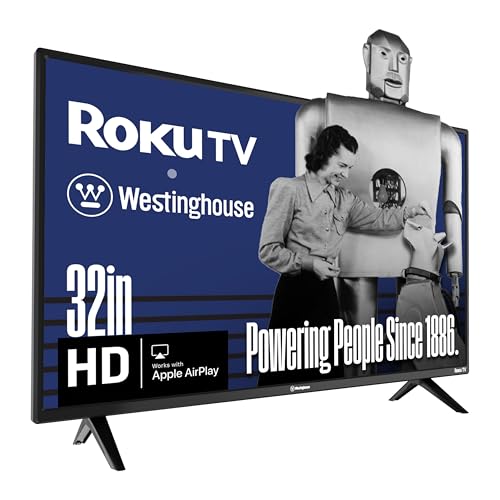
Westinghouse Roku TV
Its 8 W speaker output delivers surprisingly clear sound for a TV under $120, making it the most value‑rich entry‑level Roku option.
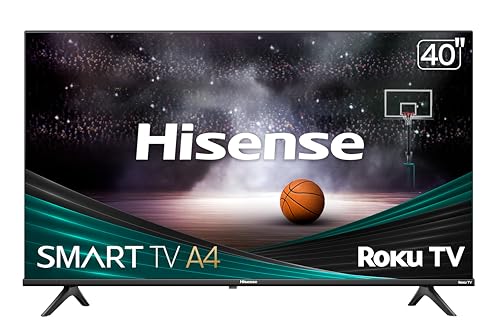
Hisense A4 40-inch
Ideal for families wanting a slim 40‑inch screen, it costs about $20 more than the Westinghouse budget pick, offering a thinner 84 mm profile.

TCL S4 43-inch
What sets it apart is a 20 W speaker system, delivering richer audio than the budget and runner‑up models, while its 43‑inch panel adds extra viewing space for premium home theaters.
Also considered
Score Analysis
Key score advantages vs. runner-up (Hisense A4 40-inch)
Price Range
Westinghouse Roku TV
$119.99
Hisense A4 40-inch
$159.99
TCL S4 43-inch
$283.29
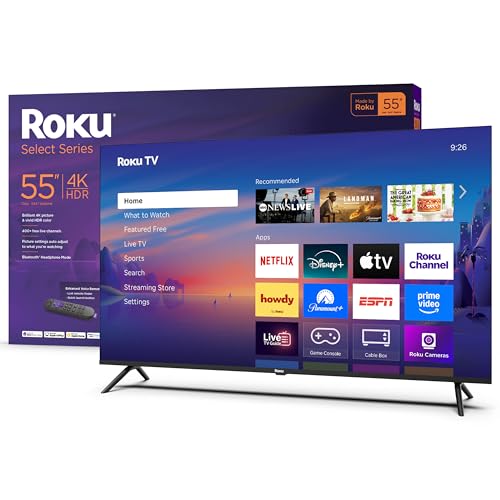
Roku Select 55-inch
$268.00
TCL 3-Series 32-inch
$151.00
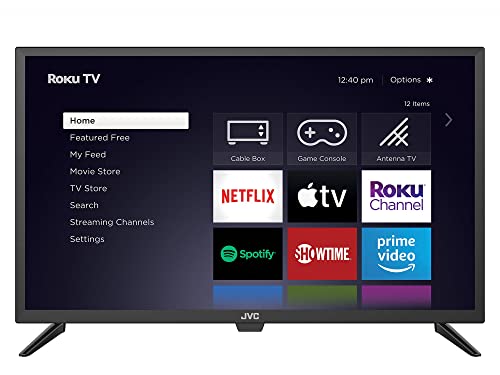
JVC Roku Smart TV
$139.00

Philips Roku Smart TV
$236.99

Emerson LED HDTV 24-inch
$190.06

Element LED TV 43-inch
$259.00
Spec Comparison
TL;DR: At $119.99, the Westinghouse 32‑inch Roku TV delivers HDR10/HLG video, Roku’s streaming platform, and a compact design, though its 1366×768 resolution and 220‑nit brightness limit picture detail.
The TV’s 813 mm screen (about 32 inches) runs at 1366 × 768 pixels, supports HDR10 and HLG, and refreshes at 60 Hz. It houses three HDMI ports and 8 W of speaker power, while the built‑in Dolby MS12 processing adds basic audio enhancement.
At 10.6 pounds, it’s heavier than the TCL 3‑Series (7.5 lb) and JVC model (7.7 lb) but lighter than the Hisense A4 (11.9 lb), Philips Roku TV (12.8 lb) and the 55‑inch Roku Select (22.0 lb). Its 60 Hz refresh rate matches most peers, though the TCL 3‑Series pushes 120 Hz. Like the JVC unit, it also offers three HDMI inputs.
Users praise the easy‑to‑navigate Roku interface and the budget‑friendly price, but note that the HD resolution and 220‑nit brightness can look washed out in bright rooms. Reviewers also mention the 8 W speakers are adequate for a bedroom but may feel thin in larger spaces. The panel’s 30 000‑hour backlight life, 3000:1 contrast ratio, and 50 W max power draw round out the technical picture.
Pros
Cons
Best for: Budget‑conscious buyers seeking a reliable entry‑level option
Avoid if: You need advanced features or professional‑grade performance
TL;DR: The Hisense A4 40‑inch Roku TV offers Full Array LED backlight, 1080p picture and Dolby Audio at a budget price, backed by a solid 4.5‑star rating from over 2,000 reviewers.
The standout feature is the Full Array LED backlight paired with a 120 Motion Rate processor, delivering sharper Full HD (1920 × 1080) images on a 40‑inch screen. The panel runs at a 60 Hz refresh rate and includes digital noise reduction plus a Natural Color Enhancer for clearer colors in bright rooms.
At 11.9 pounds, the Hisense sits heavier than the JVC Roku Smart TV (7.7 lb) and Westinghouse Roku TV (10.6 lb) but lighter than the Philips 40‑inch model (12.8 lb). Its 40‑inch footprint outsizes the 32‑inch rivals in this lineup, while the three HDMI 1.4 ports match the connectivity offered by JVC and Westinghouse. Wi‑Fi 802.11ac aligns with the TCL 3‑Series, giving you reliable streaming without an Ethernet cable.
Reviewers consistently praise the easy Roku interface and the immersive Dolby Audio, noting that setup feels plug‑and‑play. The same feedback flags the lack of 4K resolution and the absence of Bluetooth or Ethernet ports, and some gamers mention the basic 60 Hz panel feels dated for fast‑paced titles. The TV draws about 0.5 W in standby and 70 W during typical use, and it's modest for a unit of this size.
Pros
Cons
Best for: Budget‑conscious shoppers who want a well‑reviewed, reliable mainstream TV for bedrooms or secondary rooms.
Avoid if: You need advanced 4K/HDR features, high‑refresh‑rate gaming performance, or expanded connectivity like Bluetooth or Ethernet.
TL;DR: The TCL S4 43‑inch offers 4K HDR with Dolby Vision, 20 W Dolby Atmos sound and a 60 Hz panel, making it a solid mid‑size Roku TV for budget‑friendly rooms.
The standout spec is the 43‑inch 4K UHD panel (3840 × 2160) paired with HDR10, Dolby Vision, HLG and HDR PRO, which delivers vivid colors and detail for movies and shows. Under the hood, a 2‑core processor drives a Motion Rate 240 with MEMC, and the TV includes 4 HDMI ports (one with eARC) plus dual‑band Wi‑Fi, so you’ll have plenty of connectivity for consoles and soundbars. Audio isn’t an afterthought either – the built‑in speakers put out 20 W and support Dolby Atmos and DTS Virtual:X.
The TCL S4 sits in the middle of the size and weight spectrum compared with the eight other TVs in this roundup. At 6210 g it’s heavier than the compact 32‑inch models like the TCL 3‑Series and JVC Roku, but lighter than the larger 55‑inch Roku Select and the Element 43‑inch, which weigh over 15 pounds. The 4‑hour rating of 4.5 stars from 1,746 reviews ranks among the highest, outpacing the Philips 40‑inch and Westinghouse 24‑inch options that sit in the mid‑3‑star range.
Reviewers consistently praise the picture quality – professional critics highlight the Dolby Vision support as “cinema‑like” and everyday users love the sharp 4K image in bedrooms or kitchens. Frequent nods praise the built‑in Dolby Atmos audio for adding depth without a separate soundbar. On the downside, reviewers note the 60 Hz refresh rate bottlenecks fast‑action sports or high‑frame‑rate gaming, and the HDR peak brightness feels modest in very bright rooms. The remote’s lightweight feel also draws comments about durability.
Pros
Cons
Best for: Buyers willing to invest in a proven, high‑quality option
Avoid if: You need advanced features or professional‑grade performance
TL;DR: The Roku Select 55‑inch delivers a 4K HDR10+ picture on a spacious 55‑inch Direct‑Lit LED panel, runs Roku OS, and includes handy features like Bluetooth headphones, all for $268.00.
The standout spec is the 55‑inch 4K (2160p) screen paired with HDR10+ and HLG support, which gives vivid colors and decent contrast on a Direct Lit LED backlight. Weighing 22.0 pounds, the TV feels solidly built, and its dimensions—10.5 inches deep with the stand and 48.3 inches wide—provide a stable presence on most entertainment centers.
Compared with the eight other models in this roundup, the Roku Select is noticeably heavier than the 12.8‑pound Philips Roku Smart TV and the 7.7‑pound JVC Roku Smart TV, while the Element 43‑inch weighs 15.7 pounds, making the 55‑inch a heftier option. All the peers list a 60 Hz refresh rate, so the Roku matches that baseline, but it offers three HDMI ports (including one eARC) and a USB‑C port, which many of the smaller competitors either don’t list or provide fewer connections.
User sentiment repeatedly praises the clear 4K picture and the effortless Roku interface. Reviewers also highlight the convenience of Bluetooth headphone support and the Lost Remote Finder. Professional reviewers note that the Smart Picture engine automatically optimizes each source, while Auto Speech Clarity improves dialogue intelligibility. On the downside, the basic Direct Lit LED panel lacks local dimming, leading to less deep blacks than premium Mini‑LED units, and the 60 Hz panel caps high‑frame‑rate gaming. Reviewers describe the brightness as modest, which can be a drawback in very bright rooms.
Technical extras include a 2.1 surround Dolby Audio system, Gaming Mode for reduced input lag, Wi‑Fi 5, Ethernet, and a VESA‑mount pattern of 400×300 mm. The enhanced voice remote also doubles as a lost‑remote finder, adding a small but useful layer of convenience.
Pros
Cons
Best for: Budget‑conscious casual viewers, families, and streaming enthusiasts who want a straightforward 4K TV with Roku’s easy interface.
Avoid if: You need advanced features like local dimming, HDMI 2.1, or high‑refresh‑rate gaming performance.
“excellent picture quality”
“brilliant 4K picture”
TL;DR: The TCL 3‑Series 32‑inch Roku TV delivers Full HD picture, a 120 Hz refresh rate and Roku’s massive streaming library for $124.68, making it a solid budget pick for small‑space setups.
The standout spec is the 120 Hz CMI (effective) refresh rate, which is higher than the 60 Hz found in most other models in this roundup. Coupled with a 1920 × 1080 Full HD panel, the TV offers smoother motion for sports and fast‑moving content while keeping the picture crisp on a 32‑inch screen.
At 7.5 pounds, the TCL is lighter than the Westinghouse Roku TV (10.6 pounds) and the JVC Roku Smart TV (7.7 pounds), yet a bit heavier than the Emerson 24‑inch LED HDTV (5.74 pounds). Its three HDMI ports (one with ARC) match the connectivity JVC and Westinghouse provide, and the 5 W speaker power per channel aligns with its modest audio design.
Users consistently praise the easy‑to‑navigate Roku TV OS and the access to over 450,000 streaming titles, calling it “clear 1080p picture for small spaces” and “great value for money.” Professional reviewers note the lack of 4K and HDR limits future‑proofing, and many describe the 5 W built‑in speakers as “weak” for immersive listening.
Pros
Cons
Best for: Budget‑conscious buyers seeking a reliable entry‑level option
Avoid if: You need 4K/HDR resolution or stronger built‑in audio performance
TL;DR: The JVC 32‑inch Roku TV offers a lightweight 7.7‑lb design, 60 Hz refresh, and Roku’s 500k+ streaming catalog at $139, but its 720p resolution and lack of HDR limit picture detail.
The standout spec is the 32‑inch 1366 × 768 LED panel backed by a Full Array / Direct LED backlight that promises up to 30,000 hours of life. It runs at a 60 Hz refresh rate and ships with three HDMI ports, two 8 W speakers, and built‑in Wi‑Fi. At just 7.7 lb, the set's easy to move, making it a practical choice for bedrooms or small living spaces.
Compared with the other eight TVs in this roundup, the JVC sits in the middle of the size range – matching the TCL 3‑Series at 32 inches while being smaller than the Hisense and Philips 40‑inch models. It's lighter than the Hisense A4 (11.9 lb) and the Westinghouse Roku TV (10.6 lb) but only a shade heavier than the TCL 3‑Series (7.5 lb). Refresh‑rate wise, it aligns with most peers at 60 Hz, though the TCL 3‑Series lists an effective 120 Hz, giving it a smoother motion edge.
Reviewers appreciate the straightforward Roku OS integration, noting the “amazingly pristine” picture for a budget model and praising the intuitive access to over 500,000 titles and 5,000+ channels. Professional reviewers, however, flag the absence of HDR and any 4K support as a notable drawback for a TV released in 2024, and users mention the 720p resolution feels soft on detailed content.
Beyond the basics, the TV’s contrast ratio of 5,000:1 helps deliver decent blacks for its class, while the 8 W × 2 speaker setup provides adequate room‑filling sound for casual viewing. Connectivity includes three HDMI inputs, a coaxial jack, composite video, digital optical output, a headphone jack, and USB ports, covering most peripheral needs without extra adapters.
Pros
Cons
Best for: Entry‑level buyers or those on a tight budget
Avoid if: You want the best value‑per‑dollar in its price range
TL;DR: The Philips 40‑inch 1080p Roku TV delivers Full HD picture, a voice remote, and built‑in Roku streaming for $236.99, but its mid‑range price and 3.9‑star rating may give pause.
This model packs a 40‑inch LED panel with a 1920 × 1080 resolution, a 5000:1 contrast ratio and a motion rate of 120. The 9.5 ms response time and 60 Hz refresh rate aim to keep fast scenes smooth, while the voice‑controlled remote lets you launch apps hands‑free. With three HDMI inputs, two 8 W RMS speakers, and Roku’s extensive app library, it covers the basics you’d expect from a smart TV.
Compared with the other eight TVs in this roundup, the Philips sits in the middle of the size range – larger than the 24‑inch Emerson and the 32‑inch Westinghouse, but smaller than the 55‑inch Roku Select. At 12.8 pounds it’s lighter than the 15.7‑pound Element 43‑inch and the 22‑pound Roku Select, yet a bit heftier than the 11.9‑pound Hisense and the 5.74‑pound Emerson. All the peers share a 60 Hz refresh, so the Philips doesn’t stand out there, but its three HDMI ports give it comparable connectivity.
Users and professional reviewers alike praise the intuitive Roku interface for quick access to thousands of streaming titles and note the dynamic contrast helps deliver vivid images despite the modest Full HD resolution. However, reviewers repeatedly cite the lack of 4K support and the standard 60 Hz panel as drawbacks for gamers and sports fans who want higher frame rates and lower input lag. The TV’s standby draw is under 0.5 W, and its typical power draw is 73 W, which keeps energy use reasonable.
Pros
Cons
Best for: Most users seeking a balanced, mainstream option
Avoid if: You're a primary‑room viewer needing 4K, or a gamer/sports fan requiring higher refresh rates and low input lag
TL;DR: The Emerson 24‑inch LED HDTV packs a slot‑load DVD player, lightweight 5.74 lb build and Roku‑style interface into a compact, travel‑ready package for $195.69.
This model’s standout feature is the built‑in DVD player, letting you watch discs without an extra unit—a real space‑saver for RVs or small apartments. The screen measures 24 inches, runs at 60 Hz refresh, and supports HDR10, while the LED Direct‑Lit backlight keeps power use low.
At 5.74 lb, the Emerson is lighter than the JVC Roku Smart TV (7.7 lb) and far lighter than the Philips Roku TV (12.8 lb). Its 24‑inch panel's also the smallest in the nine‑product lineup, with the next smallest being the 32‑inch TCL 3‑Series. While most rivals list three HDMI inputs, Emerson offers two HDMI ports, which is fewer than the JVC’s three but still enough for a console and a streaming stick.
Reviewers appreciate the convenience of the integrated DVD slot, especially for on‑the‑road use, and note the included 12 V DC car adapter as a handy travel perk. However, users consistently mention thin, tinny built‑in speakers and a native 720p resolution that feels modest compared with full HD expectations. Professional reviewers also note that smart functionality limits options; the Roku label appears in listings, but Wi‑Fi or voice control isn’t confirmed.
Pros
Cons
Best for: Budget‑conscious travelers, RV owners, and anyone needing a compact secondary TV with DVD playback.
Avoid if: You need full HD resolution, robust smart streaming features, or a high‑performance home‑theater experience.
“great for camper”
“plays DVDs perfectly”
TL;DR: The Element 43‑inch LED TV delivers 4K resolution, HDR10 and Roku’s smart platform for $259, but its bulkier depth and modest reviews make it a middle‑of‑the‑road choice.
The standout spec is the 43‑inch 4K UHD panel with a native resolution of 3840 × 2160 and a dynamic contrast ratio of 5000:1, complemented by HDR10 support for brighter highlights. Weighing 15.7 lb, it also includes three HDMI inputs, Ethernet connectivity and 802.11ac Wi‑Fi, giving you a solid set of wired and wireless options.
Compared with the eight other Roku TVs in this roundup, the Element is heavier than the Philips (12.8 lb) and Westinghouse (10.6 lb) models but lighter than the 55‑inch Roku Select (22.0 lb). Its depth of 38.2 in is considerably deeper than the ultra‑slim designs of the TCL S4 (3.1 in) and the Westinghouse unit (198 mm), so it may need more floor space. In terms of screen size, it sits between the 40‑inch Hisense and the 55‑inch Roku Select, offering a middle ground for midsize rooms.
Reviewers note that the direct‑lit LED backlight lacks local dimming, which can result in less deep blacks despite the 5000:1 contrast claim. Reviewers praise the built‑in Roku platform for easy access to over 500,000 channels and voice‑assistant compatibility with Google Assistant and Amazon Alexa. However, users also point out the absence of USB ports and limited audio outputs, which may be a drawback for those seeking richer sound options.
Pros
Cons
Best for: Budget‑conscious shoppers who want a straightforward 43‑inch 4K TV with Roku streaming.
Avoid if: You need advanced picture processing, local dimming, or a wider selection of ports.
Breakdown
Westinghouse Roku TV
Pros
Hisense A4 40-inch
Pros
TCL S4 43-inch
Pros
Roku Select 55-inch
Pros
Based on scoring data and product specs
Personalized picks
Best Overall Pick
Westinghouse Roku TV
Best Budget PickBest for: Budget-conscious buyers seeking a reliable entry-level option
Hisense A4 40-inch
Best for: Most users looking for a well-reviewed, reliable mainstream option
$159.99+$40.00 vs winner
Skip Element LED TV 43-inch if…
Reliability and user satisfaction are your top concerns
Westinghouse Roku TV takes the top spot as the best budget Roku TV. It’s priced at $119.99 and carries a 4.6‑star rating from 1,753 reviews. The 32‑inch LED panel delivers 220 nits of brightness and a 3000:1 contrast ratio, while three HDMI ports give you plenty of connectivity options.
The Hisense A4 40‑inch earns the runner‑up title, especially if you need a larger screen for a family living‑room. At $139.97 it offers a 40‑inch Full‑Array LED display with native 1080p resolution, Dolby Audio, and three HDMI inputs, plus a solid 4.5‑star rating from 2,010 reviewers.
Pick the Westinghouse Roku TV at $119.99 for the best value and start streaming today.
The Westinghouse Roku TV is a compact choice at 716 mm wide (about 28 in) and 475 mm tall (about 19 in), and it’s the most affordable at $119.99. If you prefer full‑HD resolution in a similarly small footprint, the TCL 3‑Series 32‑inch offers 1080p at $124.68 with a comparable size.
No reviews yet — be the first to share your experience.
Please sign in to leave a review