⚡ Quick Answer
Choosing a rugged external drive isn’t just about capacity—it’s about surviving the chaos of travel, field work, or a cramped studio. We compared 12 models, balancing drop resistance, water‑dust protection, and speed so you can keep your high‑resolution media safe without sacrificing performance.
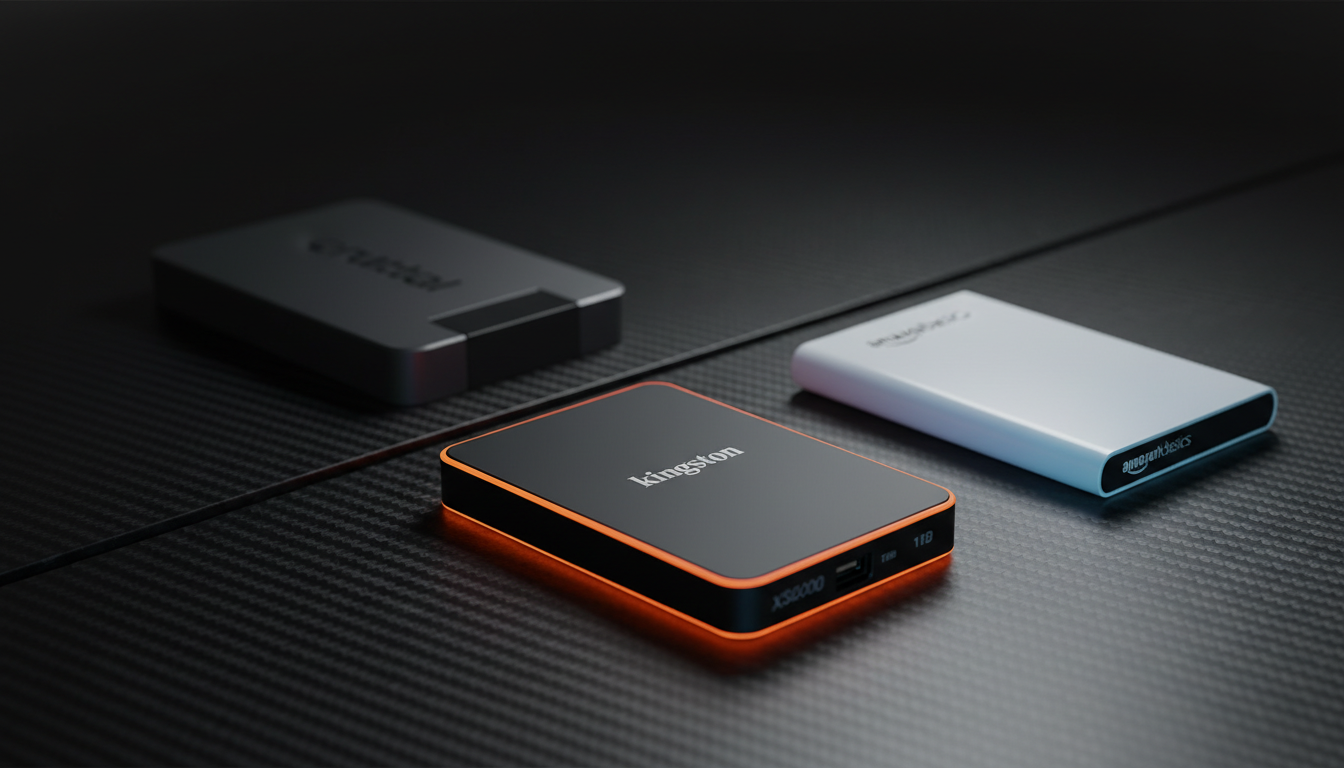
The lineup spans three price tiers. Budget‑focused options include the ADATA HD710 Pro 2TB at $104.00, the Crucial X9 1TB for $125.47, the Silicon Power Armor A60 4TB at $129.99, and the Kingston XS2000 1TB at $149.99, which weighs only 0.12 lb and advertises up to 2,000 MB/s sequential speeds. Mid‑range picks such as the SanDisk Extreme Portable SSD 1TB and LaCie Rugged 5TB offer solid performance and ruggedness for everyday creators. Premium selections—Amazon Basics 1TB ($180.49), WD My Passport SSD 2TB ($389.99), Samsung T7 Shield 2TB ($399.99) and the massive Crucial X10 8TB ($786.52)—deliver higher speeds, larger capacities, and top‑tier durability, with many models earning 4.6 / 5 or higher user ratings.
Next, we’ll break down each drive’s specs, durability features, and real‑world use cases so you can pinpoint the rugged storage solution that fits your workflow.

Kingston XS2000
Its 13.5 mm height keeps the drive slim enough for tight desk spaces while still delivering the performance and value that home and office users expect.

Amazon Basics Portable SSD
Ideal for audiophiles and enthusiasts, this SSD costs about $30.50 more than the Kingston XS2000, offering a sleek 9.9 mm profile for portable, high‑quality audio storage.
Crucial X10 8TB
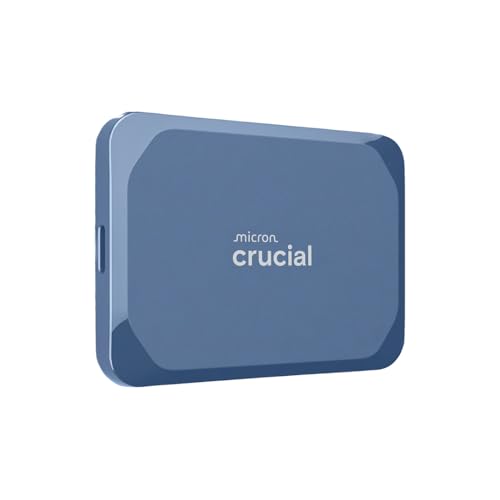
Features a USB 3.2 Gen 2x2 (20 Gbps) USB‑C interface and 49.8 mm depth, delivering transfers up to 20 Gbps for users needing massive 8 TB capacity.
Also considered
Score Analysis
Key score advantages vs. runner-up (Amazon Basics Portable)
Price Range
Kingston XS2000
$199.95
Amazon Basics Portable SSD
$180.49
Crucial X10 8TB
$840.65
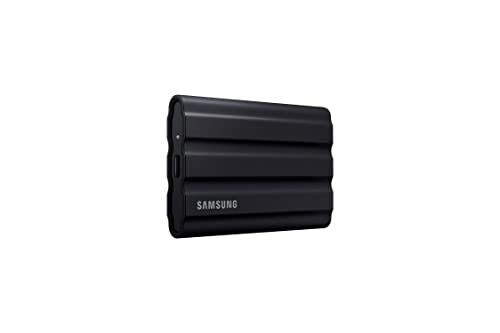
Samsung T7 Shield 2TB
$574.99
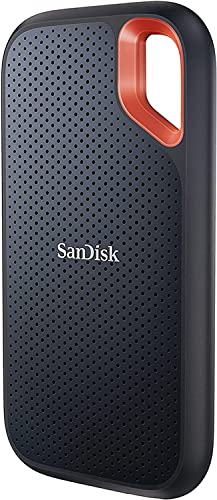
SanDisk Extreme
$169.00

ADATA HD710 Pro 2TB
$104.00

Crucial X9
$140.21

Silicon Power Armor A60
$129.99

WD My Passport SSD 2TB
$389.99

LaCie Rugged 5TB
$199.99
Silicon Power Armor A30 1TB Black
$89.99

Transcend SJ25M3
$119.99
Spec Comparison
TL;DR: The Kingston XS2000 delivers 1 TB of storage in a pocket‑sized, IP55‑rated case, offering up to 2,000 MB/s read/write speeds, though full performance needs a USB 3.2 Gen 2x2 port.
At just 28.9 g (0.12 lb) and measuring 69.54 × 32.58 × 13.5 mm, the XS2000 packs a 1,000 GB capacity into a metal‑plastic shell that meets an IP55 protection rating. Kingston lists sequential read and write speeds of up to 2,000 MB/s, and the drive supports TRIM, S.M.A.R.T. reporting and UASP, so it handles fast, on‑the‑go transfers well.
Compared with the other eleven contenders, the XS2000 is lighter than the Silicon Power Armor A60 (0.50 lb) and the LaCie Rugged (0.88 lb), but a bit heavier than the Crucial X9 (0.07 lb) and Amazon Basics Portable SSD (0.11 lb). Its 2,000 MB/s burst speed outpaces the Crucial X9’s 1,050 MB/s and the SanDisk Extreme’s 1,050 MB/s read speed, while matching the Amazon Basics drive that also advertises 2,000 MB/s. Dimensionally, its 13.5 mm thickness is slimmer than the Silicon Power’s 86 mm height and comparable to the Crucial’s 10 mm height, though the Crucial is slightly shorter at 65 mm length.
Professional reviewers praise the XS2000’s “industry‑leading” burst speeds and its IP55‑rated ruggedness for field work, noting that creators can move 8K video files quickly when paired with a compatible 20 Gbps host. Consumer feedback echoes the speed praise but flags occasional write throttling once the SLC cache fills, a side effect of its DRAM‑less design. The drive is bus‑powered, so you won’t need an external power brick, and its removable rubber sleeve adds an extra layer of drop protection.
Pros
Cons
Best for: Content creators, photographers, and videographers who need ultra‑fast burst transfers and a rugged, pocket‑sized SSD.
Avoid if: You lack a USB 3.2 Gen 2x2 port or require consistently high sustained write performance.
TL;DR: The Amazon Basics Portable SSD offers 1 TB of storage, claimed 2000 MB/s read/write speeds, and a pocket‑sized 9.9 mm profile for $180.49, making it a fast, compact option for on‑the‑go users.
The drive’s headline spec is its 2000 MB/s read and write speeds, paired with a full 1 TB capacity. At just 0.11 pounds (51.8 g) and only 9.9 mm thick, it slips easily into a laptop bag or pocket, and the metal casing with a scratch‑resistant polymer bottom adds a premium feel.
Compared with the other 11 drives in this roundup, the Amazon Basics SSD is lighter than the LaCie Rugged (0.88 lb) and far lighter than the Silicon Power Armor A60 (0.50 lb). Its weight is essentially the same as the SanDisk Extreme Portable (0.11 lb) and a touch lighter than the Kingston XS2000 (0.12 lb). In speed terms, its 2000 MB/s claim outpaces the LaCie Rugged’s 130 MB/s and exceeds the SanDisk Extreme’s 1050 MB/s read speed, while matching the Kingston XS2000’s top‑end claim.
Professional reviewers praise the SSD’s balance of speed and portability for budget‑focused creators, noting the built‑in thermal protection that keeps the drive below 50 °C during short bursts. Everyday users love the dramatic speed boost over traditional HDDs, but many report real‑world read speeds closer to 1100 MB/s and notice throttling during prolonged transfers. The IP65 rating and included protective case get highlighted, though independent verification of durability claims is lacking.
Pros
Cons
Best for: Budget‑conscious creators, gamers, and travelers who need a portable 1 TB SSD for quick transfers of large files.
Avoid if: You regularly run heavy sustained workloads like large game installations or professional video rendering, or rely on older USB standards.
“night and day”
“pretty good performance (42GB in 2 min, 1135/858 MB/s)”
TL;DR: The Crucial X10 8TB packs 8 TB of storage into a 49.8 mm‑deep, 9.9 mm‑high, 64.8 mm‑wide SSD with 2100 MB/s reads, IP65 protection and a 3 m drop rating, but it costs $786.52.
The drive squeezes a massive 8 TB capacity into a pocket‑sized chassis measuring 49.8 mm × 9.9 mm × 64.8 mm and weighing just 0.07 lb (32 g). It delivers sequential read speeds of 2100 MB/s and sequential writes of 2000 MB/s, while also offering sustained read/write rates of 907 MB/s and 960 MB/s respectively.
Compared with the other eleven entries, the X10 dwarfs the Samsung T7 Shield, WD My Passport SSD and all other SSDs that top out at 2 TB or 5 TB. Its 2100 MB/s read speed exceeds the 2000 MB/s ceiling of the Amazon Basics and Kingston XS2000 models, and its 3 m drop resistance matches the best‑rated rugged drives like the T7 Shield and SanDisk Extreme. At 0.07 lb it's lighter than the Samsung (0.21 lb) and WD (0.10 lb) options, and its IP65 dust‑and‑water rating isn’t listed for any peer.
Reviewers love the “world’s smallest 8 TB” claim, noting how easy it is to slip the drive into a camera bag or laptop sleeve. Users also praise the 256‑bit AES hardware encryption and the three‑year limited warranty. The most common gripe is that true 20 Gbps performance only appears on a rare USB 3.2 Gen 2x2 host, so many see speeds capped around 10 Gbps, and sustained transfers often fall short of the headline peaks.
Pros
Cons
Best for: Content creators, photographers, videographers, travelers, and gamers who need massive portable storage without sacrificing durability.
Avoid if: You don't have a USB 3.2 Gen 2x2 host or are on a tight budget — it's priced at $786.52
“the smallest 8TB drive imaginable”
“overhyped for non-20 Gbps hosts”
TL;DR: The Samsung T7 Shield 2TB packs 1,050 MB/s reads, 3 m drop protection, IP65 water‑dust resistance, and AES‑256 encryption in a 98 g, 12.5 × 57 × 86 mm rugged SSD.
The standout spec is its combination of speed and durability: Samsung lists sequential read speeds up to 1,050 MB/s and write speeds up to 1,000 MB/s while the drive survives drops from up to 3 m and has an IP65 rating for water and dust resistance. At just 98 g (about 0.21 lb) and with dimensions of 12.5 × 57 × 86 mm, it’s a compact, heavyweight‑class protector for demanding shoots.
Compared with the other eleven drives in this roundup, the T7 Shield is heavier than the WD My Passport SSD (≈0.10 lb) and the SanDisk Extreme Portable (≈0.11 lb), but lighter than the LaCie Rugged (≈0.88 lb) and Silicon Power Armor A60 (≈0.50 lb). Its 2 TB capacity outstrips the 1 TB models from Amazon Basics, SanDisk, and Kingston, while offering faster read/write performance than the LaCie (130 MB/s) and comparable speeds to the WD and SanDisk (both 1,050 MB/s read, 1,000 MB/s write). The drop resistance of 3 m exceeds the WD’s 1.98 m rating and matches the SanDisk’s 3 m protection, giving it a clear edge in ruggedness.
Users consistently praise the fast transfers and the peace of mind the IP65 rating and integrated carabiner loop give them. Professional reviewers note the Dynamic Thermal Guard keeps performance stable during long file transfers, a benefit for field photographers and video editors. A recurring complaint involves occasional connectivity hiccups with certain operating systems or adapters, and many buyers point out the premium price relative to non‑rugged SSDs.
Additional technical touches include AES 256‑bit hardware encryption for data security and a durable rubber exterior that cushions shocks. The drive ships with a carabiner loop for easy attachment, and Samsung backs it with a three‑year warranty, reinforcing confidence in its long‑term reliability.
Pros
Cons
Best for: Buyers willing to invest in a proven, high‑quality option
Avoid if: You're on a tight budget or only need basic functionality
TL;DR: The SanDisk Extreme Portable SSD 1TB packs 1050 MB/s read, 1000 MB/s write speeds into a 0.11‑lb, IP65‑rated case with a 3‑meter drop protection rating, making it a fast yet lightweight choice for mobile creators.
What sets this drive apart is its sequential read speed of 1050 MB/s and sequential write speed of 1000 MB/s, delivered from a compact 3.97" × 2.05" × 0.38" chassis that weighs just 0.11 pounds (52 g). The built‑in 256‑bit AES hardware encryption and IP65 water‑dust resistance add a layer of security and durability that many portable SSDs lack.
Compared with the other eleven drives in the roundup, the SanDisk is lighter than the LaCie Rugged 5TB (410 g) and roughly on par with the Amazon Basics Portable SSD (51.8 g). Its 1050 MB/s read speed outpaces the LaCie’s 130 MB/s but trails the Amazon Basics and Kingston XS2000, both listed at 2000 MB/s. Capacity-wise, it offers 1 TB, matching the Amazon Basics and Kingston but falling short of the LaCie’s 5 TB and Transcend’s 2 TB options.
Reviewers consistently praise the rapid read speed for smoother video playback during editing, and users love the pocket‑sized 52 g form factor for on‑the‑go work. The consensus notes that while the drive isn’t the absolute fastest on the market, its blend of speed, portability, and cross‑platform compatibility (iOS 13+, Android 11+, macOS 11+, Windows 10+) satisfies most creative workflows. The 5‑year limited warranty provides peace of mind for long‑term use.
Pros
Cons
Best for: Creative professionals and mobile workers who need fast, reliable portable storage without excessive bulk.
Avoid if: You need the absolute highest transfer rates or a drive built for extreme impact resistance.
“night and day”
“pretty good performance (42GB in 2 min, 1135/858 MB/s)”
TL;DR: The ADATA HD710 Pro 2TB packs a rugged IP68‑rated, MIL‑STD‑810G‑certified shell, 2 TB of storage and 250 MB/s real‑world speeds in a 0.59‑lb, 21.5 mm‑thick package.
This drive’s standout spec is its IP68 rating and MIL‑STD‑810G 516.6 certification, so it can survive submersion up to 2 m for an hour and endure the drops and shocks that would crush ordinary drives. The built‑in waterproof port cover reinforces its dust‑proof, water‑proof design.
At 0.59 lb (270 g) and measuring 21.5 mm × 133.3 mm × 98.5 mm, the HD710 Pro is larger and heavier than the Transcend SJ25M3 (0.41 lb, 18.8 mm × 129.5 mm × 82.3 mm) and far heftier than the ultra‑light Kingston XS2000 (0.12 lb) or SanDisk Extreme Portable SSD (0.11 lb). It shares the same USB 3.1 Gen 1 interface as the Transcend, but lags behind the USB 3.2 Gen 2x2 speeds found in the Kingston and the USB 3.2 Gen 2 of the SanDisk SSD.
Users consistently praise the drive’s ability to survive drops and accidental spills, noting that the 5400 RPM spindle and 250 MB/s real‑world transfer speed feel “decent” for a hard‑disk‑based solution. Professional reviewers echo the durability praise and note that the 5400 RPM motor caps performance compared with faster SSD rivals. The included USB 3.1 cable, quick‑start guide, and waterproof port cover add convenience for field work.
Pros
Cons
Best for: Outdoor adventurers, field professionals, and budget‑conscious buyers who need a rugged, high‑capacity external drive.
Avoid if: You prioritize ultra‑lightweight portability or SSD‑class speed for intensive editing workflows.
“tough go-anywhere hard drive”
“rugged external HDD with decently good CrystalDiskMark speeds”
TL;DR: The Crucial X9 1TB packs 1050 MB/s read/write speeds into a 65 × 50 × 10 mm, 32 g case with 7.5 ft drop protection and an IP55 rating, making it a pocket‑sized, rugged SSD for on‑the‑go creators.
The standout spec is its 1050 MB/s sequential read and write performance, which matches the advertised speed for a 1 TB SSD while staying under 0.07 lb (32 g). Its tiny 65 mm length, 50 mm width, and 10 mm height give it a footprint that fits in a keychain pouch, and the built‑in lanyard hole adds extra carry options.
Compared with the other eleven drives, the X9 weighs dramatically less than the Silicon Power Armor A60 (about 0.50 lb) and the ADATA HD710 Pro (about 0.59 lb). Its 65 mm length also beats the Transcend SJ25M3’s 129.5 mm length, and the 7.5 ft (2.3 m) drop protection exceeds the 122 cm (≈4 ft) rating the Silicon Power lists. While the Kingston XS2000 and SanDisk Extreme Portable SSD list higher sequential speeds in their specs, they weigh more (0.12 lb and 0.11 lb) and carry a higher price tag. The ADATA HD710 Pro costs less but caps at a real‑world transfer speed of 250 MB/s, far behind the X9’s 1050 MB/s.
User sentiment highlights the X9’s “pocket‑size convenience” and “plug‑and‑play” experience across Windows, macOS, Android, iOS, iPadOS, Linux, Xbox, PlayStation, and ChromeOS. Professional reviewers praise the ultra‑small 65 × 50 mm footprint and the reliable drop‑proof design as major wins for field‑work. Some reviewers point out that sustained write performance lags behind flagship SSDs, which may matter for large video transfers. The included USB‑C to C cable and three months of Mylio Photos Plus and Acronis True Image add value for creators.
Pros
Cons
Best for: Mobile professionals, content creators, gamers, and frequent travelers who need a pocket‑sized, high‑speed SSD with solid drop protection.
Avoid if: You require the toughest water‑dust protection or the absolute fastest sustained write speeds for massive video workflows.
TL;DR: The Silicon Power Armor A60 offers 4 TB of rugged storage with 500 kg crush resistance, IP68 sealing and 5 Gbps USB 3.0 speed, but its 228 g weight makes it bulkier than many SSD rivals.
The standout spec is its 500 kg crush resistance combined with MIL‑STD‑810G‑rated drop protection of 122 cm, meaning the drive can survive both heavy pressure and a one‑meter fall onto 26 contact points. Its enclosure also meets IP68 standards and carries a 256‑bit AES encryption module, giving you both waterproofing and data security in a single package.
Compared with the other eleven drives in this roundup, the Armor A60 sits in a higher price tier than the 1 TB Crucial X9 and the 2 TB Transcend SJ25M3, yet it’s cheaper than the 5 TB LaCie Rugged. It’s heavier than the ultra‑light SSDs—Crucial X9, Kingston XS2000 and SanDisk Extreme Portable—each weighing under 0.12 lb, but its 228 g mass resembles the ADATA HD710 Pro (270 g) and far lighter than the LaCie Rugged (410 g). Its 5 Gbps maximum transfer rate matches the ADATA’s USB 3.1 speed, but it lags behind the USB 3.2 Gen 2 SSDs that claim up to 10 Gbps.
Reviewers consistently praise the drive’s rugged build and massive 4 TB capacity for field work, backup, and gaming libraries. Professional reviewers note that the reliable WD Blue Mobile SATA III internals and the hardware‑based 256‑bit AES encryption boost confidence. On the downside, users mention the bulkier form factor and audible HDD noise, and some cite occasional cable connectivity hiccups during transfers.
Pros
Cons
Best for: Outdoor professionals, field workers, travelers, and gamers who need a rugged, high‑capacity storage solution.
Avoid if: You need ultra‑lightweight, ultra‑portable storage or the fastest possible transfer rates.
“really amazing 120–130 MB/s speeds”
“massive storage for backups/photos/videos”
TL;DR: The WD My Passport SSD 2TB delivers 2 TB of storage, up to 1050 MB/s read, 1000 MB/s write, 256‑bit AES encryption, and 6.5 ft drop resistance in a 46 g silver case.
The drive’s standout spec delivers NVMe‑based performance: up to 1050 MB/s sequential read and up to 1000 MB/s sequential write, and it includes 256‑bit AES hardware encryption. At just 9 mm tall, 100 mm long, 55 mm wide and weighing only 46 g (0.101 lb), it’s one of the lightest 2 TB SSDs on the market.
Compared with the other eleven contenders, the My Passport SSD is lighter than the Samsung T7 Shield (0.214 lb) and far lighter than the LaCie Rugged 5TB (0.880 lb). Its read/write speeds match the Samsung T7 Shield and SanDisk Extreme Portable SSD, while the Kingston XS2000 and Amazon Basics Portable SSD list higher 2000 MB/s figures. The 6.5‑ft drop‑resistance rating falls short of Samsung’s 3 m claim but still exceeds many non‑rugged rivals.
Reviewers praise the drive for handling 4K video editing straight from the SSD and for its ultra‑lightweight feel that slips into a pocket or camera bag. Professional reviewers note the five‑year limited warranty as a confidence boost. On the downside, users mention that the advertised speeds require a USB 3.2 Gen 2 host, and performance can dip on older USB 3.0 ports. The drive also lacks native ProRes capture support on newer iPhone models.
Pros
Cons
Best for: Mobile professionals, photographers, videographers, and travelers who require fast 4K video editing and strong data protection.
Avoid if: You need native ProRes capture on iPhone 15/Pro or rely primarily on older USB ports for maximum speed.
TL;DR: The LaCie Rugged 5TB packs a massive 5 TB of storage into a rain‑ and dust‑resistant case, but its 130 MB/s HDD speed and premium price make it a niche choice for durability‑focused creators.
The standout spec is the 5 TB capacity combined with a crush‑resistance rating of 1 ton and a drop tolerance of 4 ft (1.2 m). At 0.88 lb (410 g) it remains portable, and its USB‑C 3.1/3.2 Gen 1 interface delivers up to 130 MB/s read and write speeds while drawing power directly from the host.
Compared with the other 11 drives in this roundup, the Rugged holds the largest capacity—far above the 4 TB Silicon Power Armor A60 and the 2 TB Transcend SJ25M3. It weighs more than the ultra‑light SSDs such as the SanDisk Extreme Portable (52 g) and Kingston XS2000 (28.9 g), but its rugged shell offers protection that those SSDs lack. Speed‑wise, its 130 MB/s HDD performance trails the SSD peers, which list sequential reads of 1,050 MB/s (SanDisk, Crucial) and up to 2,000 MB/s (Amazon Basics, Kingston).
Users repeatedly praise the drive’s ability to survive harsh field conditions—rain, dust, and drops—while the bundled 2‑year Seagate Rescue data‑recovery service adds peace of mind. Professional reviewers note the desire for a 7,200 RPM version to close the speed gap, and some buyers point out the higher price relative to non‑rugged HDDs. The drive runs bus‑powered, supports software‑based encryption and password protection, and comes with a USB‑C 3.2 Gen 1 cable plus a one‑month Adobe Creative Cloud All Apps plan.
Pros
Cons
Best for: Content creators and field professionals who need a high‑capacity, drop‑proof drive and value built‑in data‑recovery support.
Avoid if: You prioritize the fastest possible transfers or need a lightweight drive for everyday commuting.
“"should disaster strike"”
“"pretty huge"”
TL;DR: The Silicon Power Armor A30 offers a rugged 1 TB drive with MIL‑STD‑810G drop protection up to 3 m, USB 3.2 Gen 1 speeds, and a budget‑friendly $49.99 price tag.
The standout feature is its military‑grade shockproof rating, certified to survive drops from up to 3 meters (≈ 11811 in) under MIL‑STD‑810G standards. Coupled with a 5 Gbps USB 3.2 Gen 1 interface, the drive promises theoretical transfer rates that satisfy most portable‑storage needs. Its compact 2.5‑inch form factor measures 134 × 87.5 × 18.6 mm and weighs between 181 g and 205 g, making it easy to slip into a field bag.
Compared with the other eleven drives in this roundup, the Armor A30 is the most affordable at $49.99, while still offering a full terabyte of space. It's lighter than the ADATA HD710 Pro (270 g) but heavier than the ultra‑light Crucial X9 (32 g). Its 5400 RPM spindle matches the ADATA’s speed but falls short of the SSD‑class performance of the Kingston XS2000 and SanDisk Extreme Portable SSD. Capacity-wise, it sits between the 1 TB SSDs and the larger 2 TB HDDs from ADATA and Transcend, giving a solid middle ground for users who need space without paying premium prices.
User feedback consistently praises the drive’s sturdy enclosure and the “up to 5 Gbps” transfer claim, noting that everyday tasks feel snappy despite the mechanical nature of the 5400 RPM disk. Professional reviewers note the compact dimensions and the integrated wrap‑around cable storage as convenient for on‑the‑go work. On the downside, several owners find the hexagonal silicone/rubber pattern visually unappealing and miss extra accessories like a protective case that competitors sometimes bundle.
Pros
Cons
Best for: Outdoor professionals, travelers, and field workers who need a rugged, budget‑friendly 1 TB storage solution.
“really amazing 120–130 MB/s speeds”
“massive storage for backups/photos/videos”
TL;DR: The Transcend SJ25M3 offers 2 TB of rugged, USB‑powered storage in a compact 5.1‑inch, 0.41‑lb package, backed by three‑stage shock protection and a one‑touch backup button.
The drive’s standout feature is its three‑stage military‑grade shock protection, which meets U.S. drop‑test standards for rugged use. It packs 2 TB of capacity into a portable form factor measuring 5.1 in (length) × 3.24 in (width) × 0.74 in (height) and weighing just 0.41 lb (186 g).
Compared with the other eleven drives, the SJ25M3 is lighter than the ADATA HD710 Pro (0.59 lb) and the Silicon Power Armor A60 (0.50 lb) but heavier than the ultra‑light Crucial X9 (0.07 lb). Its 129.5 mm length sits between the 65 mm Crucial X9 and the 139 mm Silicon Power Armor, making it a middle‑sized option. While the SJ25M3 relies on three‑stage shock protection, the Crucial X9 advertises a 7.5‑ft drop rating and the Armor A60 lists a 122 cm drop rating, so all three provide solid drop resistance.
Users repeatedly praise the one‑touch auto‑backup button and the bundled Transcend Elite data‑management software, noting that it feels solid in hand and survives travel jolts. Reviewers flag the mechanical HDD’s transfer speeds as slower than SSD rivals, and some point out that the $119.99 price tag delivers less value per dollar than similarly priced competitors. The drive runs off a USB‑powered source (USB 3.1 Gen 1) and carries a three‑year limited warranty, with an operating temperature range of 5 °C to 55 °C.
Pros
Cons
Best for: Mobile professionals, travelers, and anyone needing a rugged, high‑capacity portable backup solution.
Avoid if: You prioritize top‑tier transfer speed or ultra‑light SSD durability.
Breakdown
Kingston XS2000
Pros
Amazon Basics Portable SSD
Pros
Crucial X10 8TB
Pros
Cons
Samsung T7 Shield 2TB
Pros
Based on scoring data and product specs
Personalized picks
Best Overall Pick
Kingston XS2000
Best Mid-Range PickBest for: Home and office users seeking a balance of features and value
Amazon Basics Portable SSD
Best for: Audiophiles and enthusiasts seeking premium sound quality and advanced features
$180.49-$19.46 vs winner
Skip Transcend SJ25M3 if…
You have limited desk space or need portability
Kingston’s XS2000 takes the top spot with a solid 4.6‑star rating from 9,184 reviewers, up to 2,000 MB/s sequential read and write speeds, and an IP55 rating that keeps it safe from dust and water when you need a rugged drive on the go.
The Amazon Basics Portable SSD 1TB lands as the runner‑up, perfect if you want a drive that’s both IP65‑rated and comes with a protective case plus two USB‑C cables—ideal for field work or travel where extra durability and flexible connectivity matter.
If you’re watching the budget, the Silicon Power Armor A30 1TB at $49.99 offers basic ruggedness without breaking the bank. For those who need serious capacity, the Crucial X10 8TB at $786.52 delivers 8TB premium storage while still meeting the rugged criteria.
Pick the Kingston XS2000 today and get the best‑balanced rugged SSD for your data‑on‑the‑move needs.
The ADATA HD710 Pro and the Silicon Power Armor A60 both carry an IP68 rating, meaning they are fully protected against dust and can be submerged in water for extended periods. Their IP68 rating exceeds the IP65 rating of most other SSDs in the list, making them the top choices for wet or dusty environments.
No reviews yet — be the first to share your experience.
Please sign in to leave a review