⚡ Quick Answer
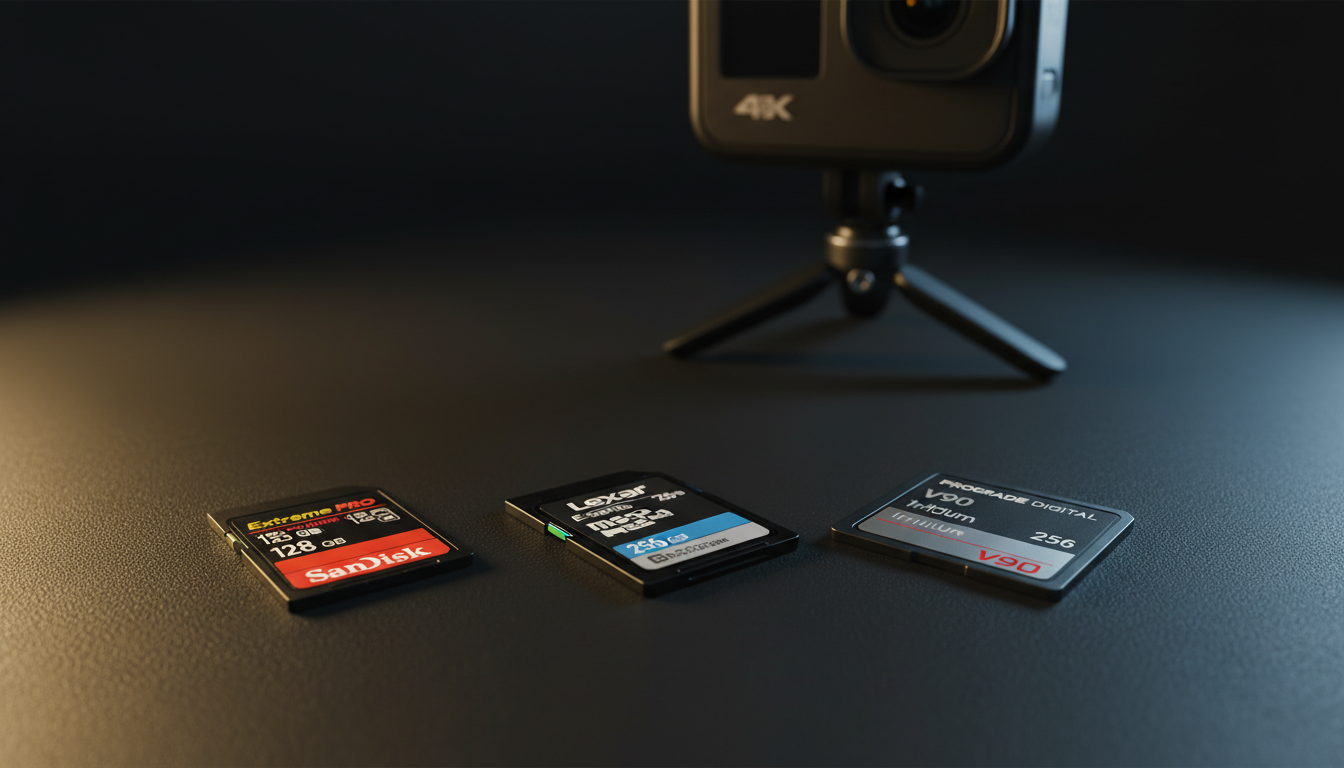
A notable finding from our review of 10 SD and microSD cards is that the $23.97 Silicon Power 128 GB microSD card, the cheapest option in the lineup, holds a solid 4.6‑star rating from 12,268 reviewers. This shows a low price tag doesn’t automatically mean a compromise on reliability for everyday 4K video or app storage.
Our roundup spans three price tiers. The budget tier includes the Silicon Power 128 GB, Samsung PRO Plus 128 GB ($23.99, 4.7 stars), Lexar High‑Performance 633x 256 GB ($30.79, 4.6 stars) and Lexar E‑Series 256 GB ($32.99, 4.7 stars). Mid‑range picks include the SanDisk Extreme PRO 128 GB, which offers up to 200 MB/s sequential reads and 90 MB/s writes, and the Gigastone 128 GB SD card. Higher‑end models like the ProGrade Digital V90 Iridium 256 GB deliver up to 300 MB/s reads and 275 MB/s writes, while the Lexar PLAY 512 GB pushes read speeds up to 205 MB/s.
Below we break down each card’s performance, durability and ideal use cases, so you can match the right storage solution to your 4K/8K video or action‑camera needs.
SanDisk Extreme PRO 128GB
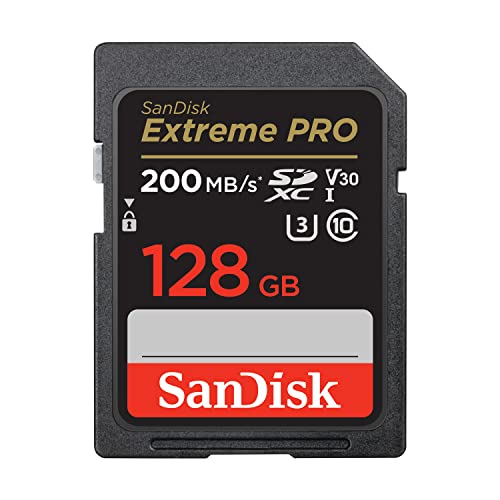
Its slim 2.3 mm depth fits most cameras while delivering reliable performance, earning a high rating and strong brand confidence.

Lexar E-Series 256GB
Ideal for budget‑conscious creators, this 256 GB card costs $14 less than the SanDisk pick, offering a reliable entry‑level option at $32.99.

ProGrade Digital V90 Iridium 256GB
Stands out with a 300 MB/s read and 275 MB/s write speed, catering to pros needing V90 performance that lower‑priced cards can’t match.
Also considered
Score Analysis
Key score advantages vs. runner-up (Lexar E-Series 256GB)
Price Range
SanDisk Extreme PRO 128GB
$47.46
Lexar E-Series 256GB
$32.99
ProGrade Digital V90 Iridium 256GB
$279.99

Lexar PLAY 512GB
$130.00

Gigastone Micro SD Card 256GB
$84.99

Lexar Blue 1TB
$189.99

Silicon Power 128GB Micro SD Card
$31.97

Samsung PRO Plus 128GB
$23.99

Gigastone SD Card 128GB
$59.99

Lexar High-Performance 633x 256GB
$47.92
Spec Comparison
TL;DR: The SanDisk Extreme PRO 128 GB SDXC offers up to 200 MB/s read speed, rugged waterproof construction, and a lifetime warranty, making it a reliable mid‑range choice for 4K video shooters.
The standout spec is the advertised sequential read speed of up to 200 MB/s, which QuickFlow technology uses for rapid file transfers straight from the card. Paired with a sequential write speed of up to 90 MB/s and U3/V30 speed class ratings, the card handles 4K UHD recording and burst photography with ease.
Compared with the other nine cards in this roundup, the SanDisk is physically larger and heavier than the ultra‑thin Lexar E‑Series 256 GB (which measures just 1.02 mm thick and weighs about 0.00044 lb), but it’s far lighter than the Lexar High‑Performance 633x 256 GB that tips the scales at roughly 1 lb. Its 2.3 mm depth, 32 mm height, and 24 mm width place it in the middle of the size spectrum, while its 2.0 g weight keeps it portable for on‑the‑go shooting.
Users consistently praise the card’s rapid transfer speeds and dependable performance in harsh environments. Consumer sentiment highlights the rugged, waterproof, shock‑proof design as a major plus for outdoor adventures. Professional reviewers note the 200 MB/s read rate speeds up post‑production workflows, though they also point out that the 90 MB/s write ceiling can fall short of UHS‑II competitors during prolonged 4K or 8K capture, occasionally leading to slower sustained writes.
Pros
Cons
Best for: Most users looking for a well‑reviewed, reliable mainstream option
Avoid if: You need advanced features or professional‑grade performance
“perfect for 4K shooting and burst mode”
“elevating creativity”
TL;DR: The Lexar E-Series 256GB microSDXC offers a roomy 256 GB capacity, IPX7 waterproof durability and up to 100 MB/s read speed at a $32.99 price point, making it a solid entry‑level choice for 4K video.
The card’s standout spec is its 256 GB capacity combined with an advertised maximum read speed of up to 100 MB/s, which meets the V30 video speed class needed for smooth 4K recording. It also carries an A1 application performance rating and an IPX7 waterproof rating, meaning it can survive immersion up to 1 m for 30 minutes. Its physical profile measures just 1.02 mm thick, 14.99 mm long and 10.92 mm wide, and it weighs only 0.000440924524 pounds, making it one of the lightest cards in this roundup.
Compared with its peers, the Lexar E-Series is considerably lighter than the Lexar High‑Performance 633x 256GB, which weighs about 1.0 pound, and also lighter than the SanDisk Extreme PRO 128GB that tips the scales at 0.00440924524 pounds. While its $32.99 list price sits in the budget tier, other cards in the set carry similar or lower price tags, so its value‑per‑dollar isn’t the absolute best. Nonetheless, its durability suite (waterproof, temperature‑proof, shock‑proof, vibration‑resistant, magnetic‑proof, x‑ray‑proof and drop‑proof) outmatches many competitors with fewer protective features.
User sentiment highlights the card’s reliability for gaming and video storage; reviewers praise its “fast transfer rates” and “sturdy build” for outdoor shoots. Professional reviewers note that the V30 class reliably supports 4K 60p video recording, and the IPX7 rating gives peace of mind for action‑camera use. The manufacturer lists an operating temperature range of –25 °C to 85 °C and a storage range of –40 °C to 85 °C, reinforcing its suitability for harsh environments.
Pros
Cons
Best for: Budget-conscious buyers seeking a reliable entry-level option
Avoid if: You want the best value-per-dollar in its price range
TL;DR: The ProGrade Digital V90 Iridium 256 GB SDXC delivers 300 MB/s read and 275 MB/s write speeds, V90 certification, and strong durability, but its $279.99 price tags it as a premium choice for pros.
What really sets this card apart is its advertised maximum read speed of 300 MB/s and maximum write speed of 275 MB/s, backed by a guaranteed 90 MB/s sustained write rate. At 32 mm × 24 mm × 2.1 mm, it fits any standard SD slot, and the V90 video class ensures it can handle 6K, 5K, and 4K RAW footage without dropping frames. The card also ships with a laser‑etched serial number, an optimized controller for cinematic cameras, and Refresh Pro™ software that monitors health and applies firmware updates.
Compared with the other nine cards in this roundup, the ProGrade card is pricier than most, but it also offers the highest advertised read speed—well above the SanDisk Extreme PRO 128 GB’s listed 200 MB/s and the Lexar Blue 1TB’s 160 MB/s. Its write speed outpaces the Lexar PLAY 512 GB’s maximum 140 MB/s, and the V90 class beats the UHS‑I‑only options that top out at lower classes. While many peers are UHS‑I, this card’s UHS‑II interface gives it a clear performance edge, though it will fall back to host‑limited speeds on older devices.
Professional reviewers highlight how the fast transfer rates make off‑loading 6K RAW clips a breeze, and users appreciate the built‑in error‑correction and wear‑leveling that protect critical footage. The main criticism is that the card’s speed advantage disappears on cameras that only support UHS‑I, and the manufacturer doesn’t list the card’s weight, which can matter for tight rigs. The combination of durability—shock‑proof, X‑ray‑proof, and temperature‑resistant—and a three‑year warranty makes it a reliable workhorse.
Pros
Cons
Best for: Buyers willing to invest in a proven, high‑quality option
Avoid if: You're shopping on a tight budget — it's priced at $279.99
TL;DR: Lexar PLAY 512 GB microSDXC offers a massive 512 GB capacity, up to 205 MB/s reads and a five‑year warranty, making it a solid high‑capacity choice for 4K video and gaming, though its write speed tops out at 140 MB/s.
The standout spec is the 512 GB storage capacity paired with a maximum read speed of up to 205 MB/s, which comfortably meets the demands of 4K video capture and fast game loading on compatible devices. It also carries the Class 10, U3, V30, A2 speed class, ensuring reliable sustained performance for high‑resolution media.
Compared with the other nine cards in this roundup, the Lexar PLAY is noticeably heavier than the ultra‑light Lexar Blue 1TB (0.00055 lb vs 0.02 lb) while sharing the same 11 mm length. Its 15 mm width and 1 mm thickness are on par with many peers, but the package dimensions (138 × 100 × 5 mm) are larger than the compact Gigastone Micro SD Card 256 GB. The card’s read speed exceeds the 100 MB/s advertised by several competitors, though the UHS‑I bus limits its ceiling compared with newer UHS‑II or microSD Express options.
Reviewers consistently praise the 512 GB capacity and quick load times, noting that the fast read speed makes game libraries and 4K footage feel instantly accessible. However, users also point out that the write speed caps at a minimum of 30 MB/s and a maximum of 140 MB/s, which can feel sluggish during intensive recording or large file transfers. Professional reviewers echo this, highlighting the UHS‑I interface as a bottleneck for demanding workflows. The card operates from 0 °C to 70 °C and stores safely from –25 °C to 85 °C, and it comes with a five‑year limited warranty for peace of mind.
Pros
Cons
Best for: Buyers willing to invest in a proven, high‑quality option that needs lots of space and fast read performance for 4K video and gaming.
Avoid if: You require the fastest possible write speeds or are a professional videographer needing top‑tier performance.
TL;DR: The Gigastone 256 GB microSDXC offers 256 GB of storage, up to 100 MB/s read speed, rugged durability and a 5‑year warranty for $84.99, making it a solid choice for 4K creators.
The card’s standout spec is its 256 GB capacity paired with a manufacturer‑claimed read speed of up to 130 MB/s and a verified maximum of 100 MB/s. It also lists write speeds up to 85 MB/s, with some listings advertising up to 100 MB/s. At 11.48 g (0.0441 lb) it’s lighter than the Gigastone 128 GB model (18 g) but noticeably heavier than the Lexar E‑Series 256 GB which weighs only 0.20 g. Its UHS‑I U3, V30 and A1 (or A2) ratings place it squarely in the class needed for smooth 4K UHD video recording.
Compared with the other nine cards in this roundup, the Gigastone 256 GB sits in the middle of the speed spectrum. The SanDisk Extreme PRO 128 GB reaches up to 200 MB/s read, and the Lexar PLAY 512 GB pushes 205 MB/s, so the Gigastone’s 100 MB/s is slower than those high‑end options. However, its read speed matches the Lexar High‑Performance 633x 256 GB (96.7 MB/s) and exceeds the Silicon Power 128 GB’s 100 MB/s read, while offering more capacity than most 128 GB peers.
Reviewers consistently praise the card’s rugged build—waterproof, shockproof, temperature‑proof and X‑ray‑proof—making it a reliable companion for GoPro, drones, dash cams and the Nintendo Switch. Professional reviewers list the 100 MB/s read and 60 MB/s write performance for 4K capture, but they also warn that the UHS‑I interface caps maximum throughput, and some users have reported inconsistent real‑world write speeds that can dip below the advertised 60 MB/s. The included SD adapter adds convenience for transferring files to a computer.
Pros
Cons
Best for: Buyers willing to invest in a proven, high‑quality option
Avoid if: You need advanced features or professional‑grade performance
TL;DR: Lexar’s Blue 1TB microSDXC packs a full terabyte into a 11 mm‑by‑15 mm card, offering up to 160 MB/s reads, 62 MB/s writes, and rugged IPX7 durability for 4K video and gaming.
The standout figure is the 1 TB capacity, which translates to roughly 928 GB of usable space in a microSDXC UHS‑I form factor that measures just 11 mm long, 0.7 mm thick and 15 mm wide, weighing a feather‑light 0.25 g. That combination lets you stash a massive library of games, 4K footage, and apps in a slot that barely adds bulk to a Nintendo Switch or smartphone.
Within this ten‑product roundup, the Lexar Blue 1TB sits at the high‑end of both price and capacity. It offers more storage than the Lexar PLAY 512 GB and the Gigastone 256 GB cards, while remaining lighter than the Lexar PLAY’s 9 g package. Compared with the ProGrade Digital V90 256 GB, it provides a larger capacity but fewer high‑speed specs, as the ProGrade lists a 300 MB/s read ceiling.
Reviewers praise the massive storage for gaming and media, noting real‑world read speeds that hover around 97 MB/s and a consistent 62 MB/s write speed. However, they also point out that write performance can dip to 40 MB/s during long 4K recordings, and the advertised 160 MB/s peak reads only materialise with Lexar’s own USB 3.1 multi‑card reader. The card’s IPX7 waterproof rating, 1,500 G shock resistance, 1.5 m drop protection, 15,000 Gauss magnetic resistance, and up to 10,000 insert/eject cycles give it a rugged edge for action‑camera use.
Pros
Cons
Best for: Buyers willing to invest in a proven, high‑quality option
Avoid if: You need advanced features or professional‑grade performance
“crazy that we're holding one terabyte in the palm of our hand”
“might slow down a little bit”
TL;DR: The Silicon Power 128 GB microSDXC delivers 100 MB/s read speed, V30‑rated 30 MB/s sustained write, and rugged durability at a budget‑friendly $23.97.
This card’s standout spec is its 100 MB/s maximum read speed paired with a guaranteed 30 MB/s minimum sustained write speed (V30). Those numbers satisfy most 4K Ultra HD recording and fast app launches, while the UHS‑I interface and A1 class rating further boost Android performance.
Compared with the nine other cards in the roundup, the Silicon Power offers the same 128 GB capacity as the Samsung PRO Plus but at a lower price tier. It’s noticeably lighter than the Lexar High‑Performance 256 GB model and sits in a similar weight class to the Lexar E‑Series 256 GB, making it easy to carry in tight camera slots. While some competitors list higher sequential write speeds, this card’s V30 rating keeps it competitive in the mid‑range segment.
Users consistently praise the card for reliable 4K video capture and quick app loading, noting the built‑in ECC and dust‑, X‑ray‑, and waterproof protection as reassuring for outdoor shoots. Professional reviewers highlight the V30 class as sufficient for most consumer‑grade video, but they also point out the 30 MB/s sustained write ceiling may fall short for high‑bitrate 8K workflows.
Beyond speed, the card’s durability suite—dust, X‑ray, temperature, and waterproof resistance—means you can trust it in harsh environments, from drone flights to action‑camera adventures. The 5‑year limited warranty adds peace of mind, and the compact dimensions (2.54 mm × 14.99 mm × 10.92 mm) ensure a snug fit in most devices.
Pros
Cons
Best for: Budget‑conscious buyers seeking a reliable entry‑level option
Avoid if: You need higher sustained write speeds for demanding professional video workflows
TL;DR: Samsung’s PRO Plus 128GB microSDXC costs $23.99, holds a 4.7‑star rating from over twelve thousand reviewers, and is praised for its speed, durability and value.
Samsung brings its well‑known brand reputation to the microSD market with the PRO Plus 128GB card, priced at $23.99 and landing at rank #8 in this ten‑product roundup. With a 4.7‑star average from 12,612 reviews, it stands out as one of the higher‑rated options among its peers.
Customers repeatedly highlight the card’s fast read and write performance, noting that it handles 4K video capture and large file transfers without hiccups. Durability is another frequent compliment; users appreciate the waterproof, drop‑resistant and X‑ray‑proof construction for outdoor shoots and rugged use. The included SD adapter also earns positive mentions for convenience.
In context, the PRO Plus sits in the mid‑price range of the list, offering a solid blend of cost and user satisfaction. While some reviewers mention slower speeds on older devices that lack the newest interface support, most reviewers say the card delivers reliable performance for most modern smartphones, drones and action cameras.
Pros
Cons
Best for: Budget‑conscious buyers seeking a reliable entry‑level option
“Supercharged write speeds... capture seamless 4K videos on compatible phone or drone”
“Expanded storage... play more high‑performance games.”
TL;DR: The Gigastone 128 GB SDXC card offers 4K video support, a 5‑year data‑recovery warranty and 100 MB/s max transfer speed, but its $69.99 price sits at the higher end of the mid‑range market.
The five‑year limited warranty includes free data recovery, giving peace of mind for critical 4K footage.
Compared with the other nine cards in this roundup, the Gigastone sits in the middle of the capacity range—several competitors offer 256 GB or more. Its 0.04‑pound (18 g) weight makes it heavier than the ultra‑light SanDisk Extreme PRO (about 0.004 lb) and the Lexar models that list weights under 0.001 lb, yet it’s far lighter than the Lexar High‑Performance 256 GB card that weighs about 1 lb. Speed‑wise, its 100 MB/s top rate is lower than the SanDisk Extreme PRO’s advertised 200 MB/s read speed and the Lexar PLAY’s 205 MB/s read speed, but it matches the read speed of the Gigastone 256 GB sibling.
User feedback, which reflects a 4.6‑star average from 4,709 reviews, highlights appreciation for the reliable 4K video support and the long warranty. Some reviewers note the price feels steep compared with lower‑priced 128 GB options that lack the same warranty coverage. Users who run mobile apps directly from the card also praise the card’s A1 application performance class.
Pros
Cons
Best for: Most users looking for a well‑reviewed, reliable mainstream option
Avoid if: You have limited desk space or need portability
TL;DR: The Lexar High‑Performance 633x 256 GB microSDXC offers a 256 GB capacity, up to 100 MB/s read speed and a V30 rating for 4K video at a budget‑friendly price.
What really stands out is the advertised read speed of up to 100 MB/s paired with a quoted write speed of 45 MB/s, backed by a measured sequential read of 96.7 MB/s and a measured sequential write of 69.3 MB/s. The card also carries a Class 10, UHS‑I U3 and V30 rating, meaning it can sustain the 30 MB/s minimum required for smooth 4K recording. With a 256 GB capacity, it stores roughly 67,600 photos or 36 hours of video, which many users cite as “more than enough for a weekend of shooting.”
In the context of the ten‑item roundup, this Lexar sits on the heavier side – at 1.0 pounds it outweighs ultra‑light options like the Lexar E‑Series, which weighs just 0.20 g. It also offers double the storage of the 128 GB cards from Samsung, Silicon Power and SanDisk, though its 100 MB/s read ceiling matches the maximum of the Silicon Power and Gigastone 128 GB models. Compared with the SanDisk Extreme PRO’s 200 MB/s read and 90 MB/s write, the Lexar’s speeds are modest, a point professional reviewers note when they compare bandwidth‑intensive workflows.
Consumers consistently praise the included microSD‑to‑SD adapter for hassle‑free file transfers to laptops, and the lifetime warranty gives peace of mind for long‑term use. Reviewers also highlight the reliable 4K capture enabled by the V30 class, while a recurring complaint is the write speed ceiling of 45 MB/s, which can feel slow when off‑loading large video clips. The card’s A1/A2 application rating adds a bonus for anyone who wants to use it as internal storage on a smartphone or tablet.
Pros
Cons
Best for: Budget-conscious buyers seeking a reliable entry-level option
Avoid if: Reliability and user satisfaction are your top concerns
Breakdown
SanDisk Extreme PRO 128GB
Pros
Lexar E-Series 256GB
Pros
Cons
ProGrade Digital V90 Iridium 256GB
Pros
Cons
Lexar PLAY 512GB
Pros
Cons
Based on scoring data and product specs
Personalized picks
Best Overall Pick
SanDisk Extreme PRO 128GB
Best Mid-Range PickBest for: Most users looking for a well-reviewed, reliable mainstream option
Lexar E-Series 256GB
Best for: Budget-conscious buyers seeking a reliable entry-level option
$32.99-$14.47 vs winner
Skip Lexar High-Performance 633x 256GB if…
Reliability and user satisfaction are your top concerns
SanDisk’s Extreme PRO 128 GB clinches the top spot thanks to its solid 4.8‑star rating from 84,707 reviewers, a lifetime limited warranty, and performance that hits up to 200 MB/s sequential reads and 90 MB/s writes. Its waterproof, temperature‑proof and shockproof build makes it a reliable companion for 4K/8K video rigs, while the $46.99 price keeps it comfortably in the mid‑range sweet spot.
The Lexar E‑Series 256 GB lands as the runner‑up, especially if you need extra capacity for long shooting sessions on drones or action cameras. It carries a 4.7‑star rating from 41,251 reviews, offers IPX7 waterproof protection, and delivers read speeds up to 100 MB/s with write speeds around 45 MB/s—all for $32.99.
For tighter budgets, the Silicon Power 128 GB Micro SD Card stands out as the most affordable option at $23.97, delivering performance suitable for casual 4K capture. If you’re chasing the highest video class, the ProGrade Digital V90 Iridium 256 GB commands premium pricing at $279.99 but promises V90 certification for demanding 8K workflows.
Pick the SanDisk Extreme PRO 128 GB today and you’ll have a proven, high‑speed, rugged card that covers most 4K/8K and action‑camera needs.
Both the SanDisk Extreme PRO 128 GB and the Lexar E‑Series 256 GB list waterproof, temperature‑proof and shock‑proof ratings, but the Lexar E‑Series adds vibration‑resistance, magnetic‑proof, X‑ray‑proof, wear‑proof and drop‑proof protection, making it the more rugged choice for extreme outdoor shoots.
No reviews yet — be the first to share your experience.
Please sign in to leave a review