⚡ Quick Answer
Looking for a TV that listens as well as it looks? Our roundup of 11 Alexa‑enabled smart TVs spans everything from a $109.99 compact 32‑inch model to a $699.99 65‑inch premium screen. Across the field the average rating sits around 4.3‑4.5 stars, with the Hisense A4 Fire TV pulling a 4.5/5 from over 2,300 reviewers.
We’ve grouped the picks into three price tiers so you can match a TV to your budget. The budget tier covers the Hisense A4, Hisense QD4, Samsung Q7F and Samsung U8000F, all under $400 and offering solid picture for smaller spaces. Mid‑range options—TCL’s S5 and Hisense’s U6—bring larger 65‑inch panels and higher refresh rates for around $400‑$500. The premium tier features the Samsung Q8F, Samsung QN70F, LG QNED82A and Hisense QD7, each priced near $500‑$700 and includes advanced AI processing and brighter displays.
Below we break down each model’s Alexa integration, picture performance and connectivity, so you can spot the TV that fits your living room, gaming setup or bedroom without guessing. Here are the details.

Samsung Q8F 65-inch
Its 65‑inch screen size offers an immersive view, aligning with the strong rating and brand confidence that earned it the top spot.

LG QNED82A 65-inch
Ideal for audiophiles and feature‑hungry enthusiasts, it costs $201 less than the top Samsung, delivering premium sound without the premium price tag.
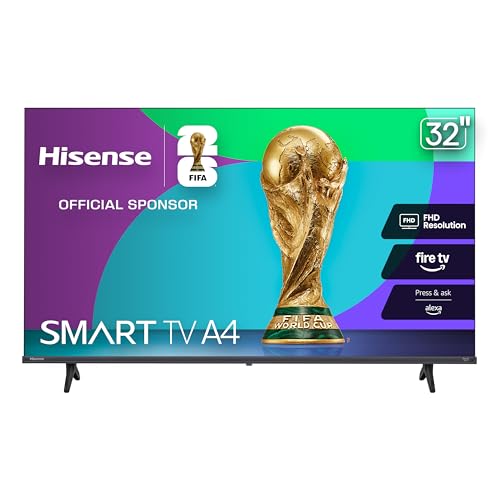
Hisense A4 Fire TV 32-inch
At 32 inches with a slim 3.1‑inch depth, it fits tight spaces and tight budgets, a size and form factor the larger Samsung and LG models lack.
Also considered
Score Analysis
Key score advantages vs. runner-up (LG QNED82A 65-inch)
Price Range
Samsung Q8F 65-inch
$597.99
LG QNED82A 65-inch
$449.99
Hisense A4 Fire TV 32-inch
$109.99

Samsung Q7F 50-inch
$319.95

TCL S5 65-inch
$409.99
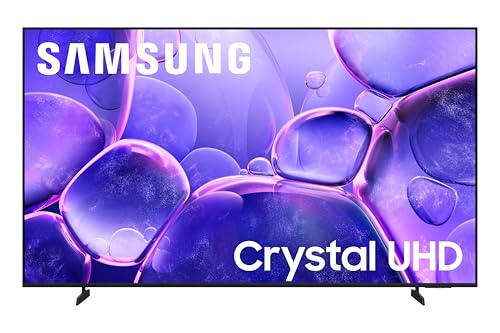
Samsung U8000F 65-inch
$397.99

Hisense U6 55-inch
$398.96

Samsung QN70F 65-inch
$699.99

Hisense QD4 40-inch
$146.97

Hisense QD7 65-inch
$437.99

Panasonic W70 70-inch
$499.99
Spec Comparison
TL;DR: The Samsung Q8F 65‑inch QLED offers vibrant 4K visuals, AI‑driven upscaling, and built‑in Alexa at $697.99, delivering a sleek, energy‑efficient home‑theater experience for mainstream households.
The Q8F sports a 65‑inch 3840 × 2160 panel with 10‑bit colour depth and 100% DCI‑P3 coverage. Quantum HDR+ and HDR10+ Adaptive enhance vivid highlights. Its refresh rate ranges from 50‑200 Hz and it includes four HDMI inputs, while Alexa integrates directly into the One UI Tizen interface.
At 46.7 lb, the TV weighs less than Samsung’s QN70F (48.1 lb) and LG’s QNED82A (51.5 lb) but weighs more than the Hisense QD7 (33.1 lb). The 200 Hz peak refresh outpaces the QN70F’s 144 Hz ceiling, giving it a motion edge in the Samsung lineup. While the $697.99 price tag sits above many budget options, it's justified by the feature set.
Consumers repeatedly praise the Q8F’s striking colour accuracy and the slim AirSlim design, noting a cinema‑like feel in living rooms. Professional reviewers highlight the Q4 AI Processor’s upscaling and the Vision AI personalisation as standout innovations. Energy‑Efficiency A rating, a max draw of 250 W, typical use of 122 W and a standby consumption of only 0.5 W keep operating costs modest, with an estimated yearly use of 178 kWh.
Pros
Cons
Best for: Buyers willing to invest in a proven, high‑quality option
Avoid if: You're shopping on a tight budget — it's priced at $697.99
“Favorite out of 6 TVs”
“Solid all around system, I would recommend”
TL;DR: The LG 65QNED82A offers a 65‑inch 4K QNED panel with 100 % color volume, AI‑driven picture and sound processing, and webOS smart features, but its edge‑lit backlight and 60 Hz refresh may limit contrast and fast‑action gaming.
The standout spec is the Dynamic QNED Color system that delivers 100 % color volume across the whole picture, paired with the α7 AI Processor 4K Gen8 for AI‑enhanced upscaling and brightness control. At 65 inches (1654 mm) and a native resolution of 3840 × 2160, the TV promises vivid detail and wide‑gamut colors, while the edge‑lit backlight keeps the unit relatively thin at 49.9 mm without the stand.
At 51.5 pounds, the LG model weighs noticeably more than every other TV in this 11‑product set—Panasonic’s W70 weighs 39.7 pounds, Hisense QD7 is 33.1 pounds, and Samsung’s Q7F tops out at 20.9 pounds. Its stand‑included depth of 295 mm sits between the shallow 221 mm depth of the Samsung U8000F and the deeper 353 mm depth of the Panasonic W70. The 60 Hz refresh rate matches most peers (Panasonic, Samsung Q7F, Hisense QD7) but falls short of the 144 Hz panel found in the Hisense U6, which may matter to competitive gamers.
Reviewers consistently praise the TV’s color accuracy and AI‑driven picture quality, noting that the Dynamic QNED Color makes HDR content feel more lifelike. The AI Sound Pro and AI Clear Sound features also earn kudos for clearer dialogue in everyday viewing. However, several users point out that the edge‑lit design can produce weaker blacks and modest contrast in dark rooms, and the 60 Hz panel limits smoothness in fast‑action sports or high‑frame‑rate gaming. Power draw's modest at 119 W operating (220 kWh/year), and the unit includes AI Brightness Control and a motion sensor for automatic picture tweaks.
Pros
Cons
Best for: Casual viewers, families, and smart‑home enthusiasts who value vibrant colors and AI‑enhanced picture and sound.
Avoid if: You prioritize deep black levels for dark‑room movies or need a high‑refresh 120 Hz panel for fast‑action gaming.
TL;DR: The Hisense A4 Fire TV 32‑inch delivers Full HD picture, Alexa voice control and low input lag for $109.99, making it a solid entry‑level smart TV for small‑room viewing.
The standout spec is its 16 ms input lag, which matches the 16 ms game‑mode lag of the Hisense QD4 40‑inch and is unusually low for a budget TV. Coupled with a 60 Hz refresh rate, the A4 handles everyday motion smoothly, and the Full HD 1080p resolution provides clear detail on a 32‑inch screen.
In the context of the eleven‑product roundup, the A4 is lighter at 7.5 pounds than the Hisense QD4 (10.4 pounds) and far lighter than the Samsung Q7F (20.9 pounds) or Samsung U8000F (32.0 pounds). Its depth of 3.1 inches matches the QD4, while its 28.4‑inch width and 16.8‑inch height make it more compact than the 40‑inch QD4, the 50‑inch Q7F and the larger 65‑inch models. All listed competitors share a 60 Hz refresh rate, so the A4 keeps pace on that front while offering the smallest footprint.
Users praise the ease of streaming thanks to the built‑in Fire TV platform and Alexa‑enabled voice remote. Reviewers appreciate the AI Sports Mode, which automatically boosts picture and audio for sports, and the DTS Virtual:X and Dolby Audio support that adds a sense of surround sound without extra speakers. Professional reviewers cite the same AI Sports Mode as a strong value add, though they point out that the direct‑lit backlight and lack of local dimming limit contrast compared with higher‑end models.
Pros
Cons
Best for: Budget‑conscious buyers seeking a reliable entry‑level option
Avoid if: You need advanced features or professional‑grade performance
TL;DR: The Samsung Q7F 50‑inch QLED TV packs Pantone‑certified color, Alexa voice control and a 60 Hz Motion Xcelerator refresh into a lightweight, budget‑friendly package.
The standout feature is its QLED panel with over 1 billion colors and Quantum HDR with HDR10+, delivering vivid, high‑brightness images on a 50‑inch 3840 × 2160 screen. The Q4 AI Processor handles 4K AI upscaling, while Vision AI continuously fine‑tunes picture and sound. Built‑in Alexa, Bixby and Google Assistant let you control the TV hands‑free, and the thin‑bezel design keeps the unit sleek.
At 20.9 pounds, the Q7F is noticeably lighter than the 32‑pound Samsung U8000F, the 43‑pound TCL S5 and the 43‑pound Hisense U6, making wall‑mounting easier. Its depth of 237 mm is a touch deeper than the U8000F’s 221 mm, but the Q7F is shorter (694 mm vs 881 mm) and narrower (1120.3 mm vs 1445 mm), so it fits tighter spaces. Three HDMI ports—including eARC and ALLM—match the connectivity level most peers offer in this roundup.
Reviewers consistently praise the picture quality, noting the bright HDR performance and accurate color reproduction. Everyday users echo this sentiment, calling the visuals “vibrant” and “great for daytime viewing,” but they also mention that the 20 W built‑in speakers feel thin, prompting many to add a soundbar. The 50 Hz native refresh (60 Hz max with Motion Xcelerator) can introduce motion blur in fast‑action games, a point professional reviewers highlight as they recommend the set for casual viewing rather than competitive gaming. Additional tech touches like Object Tracking Sound, Eco Sensor, and automatic power‑off round out the feature set.
Pros
Cons
Best for: Budget-conscious buyers seeking a reliable entry-level option
Avoid if: You want the best value‑per‑dollar in its price range
“colors are vibrant, bright scenes fantastic, perfect for living rooms”
“Immersive size, day‑bright QLED, smart features”
TL;DR: The TCL 65‑inch S5 offers a 4K VA panel with Dolby Vision, 120 Hz VRR at 1440p, and an Alexa‑enabled remote for $411.99, making it a solid budget option for casual viewing and entry‑level gaming.
The standout feature is the Game Accelerator, which delivers up to 120 Hz variable‑refresh at 1440p while the native panel runs at 60 Hz. Coupled with HDR PRO+ support for Dolby Vision, HDR10+ and HLG, the 65‑inch screen (56.93 in width, 32.8 in height) provides a bright‑enough picture for most living‑room lighting, with a peak HDR brightness of 290 cd/m².
At about 43 pounds, the S5 is heavier than the Samsung U8000F’s 32.0‑pound chassis and the Panasonic W70’s 39.7 pounds, but comparable to the Hisense U6’s 43.0 pounds. Its 2.87‑inch depth is shallower than the Samsung U8000F’s 221 mm depth, giving it a sleek profile on a stand that measures 12.6 in deep, 35.2 in tall and 44.6 in wide.
Owners repeatedly praise the smooth motion from the 240 Motion Rate and MEMC processing, as well as the low input lag that makes the TV feel responsive in casual gaming sessions. Professional reviewers highlight the AIPQ processor’s AI‑driven scene optimization and note that the Alexa‑built‑in voice remote adds convenient hands‑free control, even though the TV itself lacks a native voice assistant.
Technical context: the VA Direct LED panel, combined with Dolby Atmos and DTS Virtual:X audio formats, delivers immersive sound, while the 3 HDMI ports (including one eARC) and HDMI 2.0 limit 4K @ 120 Hz gaming but still support 120 Hz VRR at lower resolutions. The Google TV platform brings AirPlay2, Chromecast, Google Assistant and Apple HomeKit into one ecosystem.
Pros
Cons
Best for: Value-conscious buyers seeking quality at $411.99
Avoid if: You need premium HDR brightness, native 4K @ 120 Hz gaming, or a built‑in voice assistant without an external remote.
TL;DR: The Samsung U8000F offers a 64.5‑inch 4K VA panel with HDR10+, Alexa integration and a solid 32‑lb build for $397.99, making it a sizable smart TV that leans on value rather than premium performance.
The standout spec is the 64.5‑inch screen paired with a 0.372 mm pixel pitch, delivering a dense picture that Samsung’s Crystal Processor 4K upscales to 3840 × 2160 resolution. Combined with 30‑bit color depth, HDR10+ and 178° viewing angles, the TV provides vivid colors and wide viewing comfort for everyday streaming.
Compared with the other ten entries, the U8000F is lighter than the TCL S5 (≈43 lb) and Hisense U6 (≈43 lb), but a bit heavier than the Samsung Q7F (≈21 lb). Its 221 mm depth is shallower than the Panasonic W70 (353 mm) and LG QNED82A (295 mm with stand), yet deeper than the Samsung Q7F’s 237 mm. Width‑wise it sits between the Hisense QD7 (≈57 in) and the larger Panasonic (≈62 in), while its height of 881 mm is taller than the Hisense U6 (≈28 in) but shorter than the Panasonic (≈37 in). HDMI port count (3) matches most peers, though some rivals list additional inputs.
Users praise the TV’s vibrant 4K picture and the sleek metal chassis, noting that Alexa, Google Assistant and SmartThings work smoothly for voice‑controlled streaming. Professional reviewers highlight the Crystal Processor’s color accuracy, while everyday owners frequently mention washed‑out blacks and occasional Tizen app hiccups. Gamers often point to the 60 Hz native refresh rate and lack of local dimming as drawbacks for smoother high‑frame‑rate action.
Technical extras include Bluetooth 5.3, Wi‑Fi 5, and a suite of picture modes such as Filmmaker, Motion Xcelerator and HDR Gaming. While the TV lacks local dimming, features like Mega Contrast, UHD Dimming and PurColor aim to boost contrast and color richness.
Pros
Cons
Best for: Entry-level buyers or those on a tight budget
Avoid if: You want the best value‑per‑dollar in its price range
TL;DR: The Hisense U6 55‑inch Mini‑LED QLED TV delivers a native 144 Hz refresh rate, 1000 nit brightness and built‑in Alexa at $429.99, but its modest 20 W speakers may need a soundbar.
The Hisense U6 55‑inch stands out with a native 144 Hz refresh rate and a peak brightness of 1000 nits, delivering ultra‑smooth motion and vivid HDR in a compact size.
At 43.0 pounds, it’s heavier than the Samsung Q7F (20.9 pounds) and the Samsung U8000F (32.0 pounds), but lighter than the LG QNED82A (51.5 pounds). Its 55‑inch screen is smaller than the 65‑inch and 70‑inch models in the roundup, while its 1000‑nit panel outshines the Hisense QD7’s 600‑nit peak.
Gamers and sports fans applaud the buttery‑smooth 144 Hz panel and low‑lag Game Mode Pro, noting the AI‑driven upscaler keeps non‑gaming content crisp. However, reviewers consistently point out the 20 W 2.0‑channel speakers feel thin, and some see uniformity or blooming issues in bright scenes.
The TV runs Fire TV with Alexa, so voice commands and a wide app ecosystem come built‑in. It also supports Dolby Vision IQ, HDR10+, HLG and Advanced HDR by Technicolor, and offers multiple HDMI 2.1 ports with VRR from 48‑144 Hz, making it ready for next‑gen consoles.
Pros
Cons
Best for: Most users seeking a balanced, mainstream option
Avoid if: You're shopping on a tight budget — it's priced at $429.99
TL;DR: The Samsung QN70F 65‑inch Neo QLED blends Pantone‑validated colors, a 100 Hz refresh (up to 144 Hz) and a solar‑charged remote for $699.99, though its UI can feel fiddly.
The standout feature of the QN70F is its Neo QLED Mini‑LED panel with Quantum Matrix Slim backlight and Pantone‑validated color accuracy, delivering vivid 65‑inch 3840 × 2160 images. It runs at a native 100 Hz refresh, capable of 144 Hz for gaming, while drawing 141.0 W typical power and only 0.5 W in standby. At 48.1 pounds, the TV feels solid yet manageable for wall mounting.
Compared with the other ten models in this roundup, the QN70F is slightly heavier than the Samsung Q8F’s 46.7 pounds but lighter than LG’s 51.5‑pound QNED82A. It also out‑paces the LG’s 60 Hz panel with its 100 Hz (up to 144 Hz) rate, though it consumes more power than LG’s 122 W typical draw. Its depth with stand (279.4 mm) is slimmer than LG’s 295 mm, and it sits above the Panasonic, Hisense QD7, Hisense U6 and TCL models in weight, indicating a sturdier build.
Users consistently praise the TV’s bright, colorful picture and the smooth gaming experience that FreeSync Premium Pro enables. Professional reviewers highlight the Mini‑LED backlight for precise brightness control and the Vision AI that auto‑optimises picture and sound. However, many note that the Tizen interface can be unintuitive, and some buyers are unsure whether the backlight is edge‑lit or full‑array, reflecting mixed reports.
Beyond picture performance, the QN70F packs 20 neural‑network AI upscaling, a solar‑charged SolarCell One Remote, built‑in Alexa, and Zigbee/Thread SmartThings integration. Knox bolsters security, and the TV offers over 2,700 free channels via Samsung TV Plus. Samsung lists annual EU energy use at 518 kWh, giving a clear picture of operating costs.
Pros
Cons
Best for: Those prioritizing quality and willing to pay for premium performance
Avoid if: You're shopping on a tight budget — it's priced at $699.99
“Vibrant colors, deep blacks, outstanding sharpness for movies/sports, high brightness/contrast, easy smart features, quick app loading, premium home theater feel, and battery-free solar remote”
TL;DR: The Hisense QD4 40‑inch TV offers Hi‑QLED color, built‑in Alexa and 16 ms game‑mode lag at a budget‑friendly $159.99, making it a solid choice for small‑room streaming and casual gaming.
The standout feature is the Hi‑QLED Quantum Dot panel, which delivers vibrant, lifelike colors across its 40‑inch Full HD screen. Weighing just 10.4 pounds and measuring 3.1 inches deep, it fits neatly on a modest stand or wall mount. In game mode the TV registers a low 16 ms input lag, which reviewers note makes it responsive enough for light gaming sessions.
Compared with the other ten entries, the QD4 sits in the middle of the size range—larger than the 32‑inch Hisense A4 but smaller than the 50‑inch Samsung Q7F and the 65‑inch models from Samsung, TCL and Hisense. It’s lighter than the 65‑inch Samsung U8000F (32.0 pounds) and the 55‑inch Hisense U6 (43.0 pounds), yet heavier than the compact Hisense A4 (7.5 pounds). Its 60 Hz refresh rate matches the Samsung Q7F’s max rate and the Hisense A4’s 60 Hz, but falls short of the 144 Hz native rate found in the Hisense U6.
User sentiment highlights the ease of setting up Fire TV and Alexa voice control, with many praising the “stunning visual experience” from the Quantum Dot colors. Users compliment the built‑in DTS Virtual:X audio for creating a theater‑like soundstage in a bedroom or dorm. On the downside, consumers frequently mention the 1080p resolution feels limited when watching 4K content, and the lack of local dimming combined with a standard 60 Hz panel can make fast‑action scenes appear less smooth. The three HDMI 1.4 ports suffice for a streaming stick and a game console, though power users note the absence of higher‑bandwidth HDMI 2.0.
Pros
Cons
Best for: Entry-level buyers or those on a tight budget
Avoid if: You need powerful performance or professional‑grade features
TL;DR: The Hisense QD7 65‑inch offers a 144 Hz Mini‑LED QLED panel, built‑in Alexa and Google/Fire TV for $437.99, delivering bright colors and smooth gaming in a mid‑range package.
The Hisense QD7 65‑inch TV packs a 144 Hz native refresh rate and a Mini‑LED backlight that can reach up to 600 nits, delivering bright, fluid images on a 64.5‑inch QLED Quantum Dot panel. It runs on Google TV or Fire TV, includes a voice remote with built‑in Alexa, and weighs 33.1 pounds, making it a fairly compact option for a 65‑inch screen.
At 33.1 pounds, it's lighter than the Hisense U6 55‑inch (43.0 pounds) and the TCL S5 65‑inch (42.999 pounds) but it's a bit heavier than the Samsung Q7F 50‑inch (20.9 pounds) and the Samsung U8000F 65‑inch (32.0 pounds). Its 144 Hz panel matches the Hisense U6’s 144 Hz native rate, while the Samsung Q7F tops out at 60 Hz, giving the QD7 a clear edge for fast action. The 600‑nit peak brightness sits below the Hisense U6’s 1000‑nit rating, yet it still outshines many budget models that don’t list a brightness figure.
Everyday owners rave about the ultra‑smooth gaming experience, thanks to its 144 Hz panel, and the vivid colors that the Quantum Dot panel produces, while professional reviewers highlight the wide 178° viewing angles and the convenient Alexa integration. Common complaints focus on the 20 W 2.0‑channel speakers, which many say feel thin in louder scenes, and on occasional blooming in dark rooms due to the limited number of local dimming zones.
The TV supports Dolby Vision, HDR10, HDR10+ and HLG, and it bundles gaming tools like FreeSync Premium Pro, Auto Low Latency Mode and a Game Bar, so you can drop into titles without extra accessories.
Pros
Cons
Best for: Most users seeking a balanced, mainstream option
Avoid if: You have limited desk space or need portability
TL;DR: Panasonic’s 70‑inch W70 offers a 4K LED panel, Fire TV with Alexa, and four HDMI ports at $467.99, but its 60 Hz refresh and modest HDR may limit gaming and bright‑room performance.
The standout feature is the massive 70‑inch screen, the largest in this 11‑product lineup, paired with a 3840 × 2160 resolution LED (LCD/HDR Bright) panel that supports HDR10+, HDR10 and HLG. Integrated Fire TV brings Alexa voice control and AirPlay support straight out of the box, while the HDMI 2.1 eARC port and three additional HDMI inputs give you plenty of connectivity options.
Compared with its peers, the W70 noticeably outsize the 65‑inch LG QNED82A, Hisense QD7, TCL S5 and Samsung U8000F, and it outweighs the Hisense QD7 (33.1 lb) and Samsung U8000F (32.0 lb) but is lighter than the LG QNED82A (51.5 lb). Its depth of 353 mm exceeds most rivals—Samsung U8000F measures just 221 mm deep—so it will need a bit more room behind a stand or wall mount.
Users repeatedly praise the easy Fire TV setup and Alexa integration, noting that streaming from Apple devices via AirPlay works without a hitch. Reviewers also commend the MEM C motion technology for delivering smooth action in movies and sports. On the downside, the 60 Hz panel lacks 4K @ 120 Hz, VRR or ALLM, which gamers see as a limitation, and the HDR performance can appear dim in bright environments because the TV lacks local dimming and high peak brightness.
Technical highlights include Dolby Atmos and Dolby TrueHD 7.1 support through eARC, and a 4K Studio Color Engine that enhances color accuracy in SDR content. The TV runs on Fire TV’s smart OS, offering six user profiles and built‑in Bluetooth for peripheral pairing.
Pros
Cons
Best for: Viewers who want a large 70‑inch 4K screen with integrated Alexa and are comfortable with a 60 Hz panel for streaming and casual gaming.
Avoid if: You need high‑refresh‑rate gaming features, bright‑room HDR performance, or a slimmer depth profile for tight spaces.
Breakdown
Samsung Q8F 65-inch
Pros
Cons
LG QNED82A 65-inch
Pros
Hisense A4 Fire TV 32-inch
Pros
Samsung Q7F 50-inch
Pros
Cons
Based on scoring data and product specs
Personalized picks
Best Overall Pick
Samsung Q8F 65-inch
Best OverallBest for: Buyers willing to invest in a proven, high-quality option
LG QNED82A 65-inch
Best for: Audiophiles and enthusiasts seeking premium sound quality and advanced features
$449.99-$148.00 vs winner
Skip Panasonic W70 70-inch if…
You're on a tight budget or only need basic functionality
Samsung Q8F 65‑inch takes the top spot, thanks to its 4.4‑star rating from 747 reviewers, a full‑size 65‑inch QLED panel with Quantum HDR+ and 4K AI Upscaling, and built‑in Alexa voice control—all for $697.99, well below its $897.99 list price.
The LG QNED82A 65‑inch earns runner‑up honors if you need a smart TV that leans on the webOS platform for easy app access and gaming features; it offers AI Sound Pro, a 1654 mm screen (about 65 inches) and a solid 4.4‑star rating from 213 reviews for $496.99.
For tighter budgets, the Hisense A4 Fire TV 32‑inch delivers compact size and a low $109.99 price tag, making it ideal for dorm rooms or secondary spaces. The TCL S5 65‑inch offers performance and value at $411.99, serving families who want a larger screen without stretching the budget.
Pick the Samsung Q8F now and enjoy premium picture quality with Alexa integration right out of the box.
The Samsung Q8F 65‑inch offers Ultra Black Elite anti‑reflection coating and Quantum HDR+ that help preserve contrast under strong light, while the LG QNED82A 65‑inch relies on Dynamic QNED Color and HDR10 but lacks the same anti‑glare technology. If glare is a major concern, the Q8F’s built‑in anti‑reflection gives it an edge.
No reviews yet — be the first to share your experience.
Please sign in to leave a review