⚡ Quick Answer
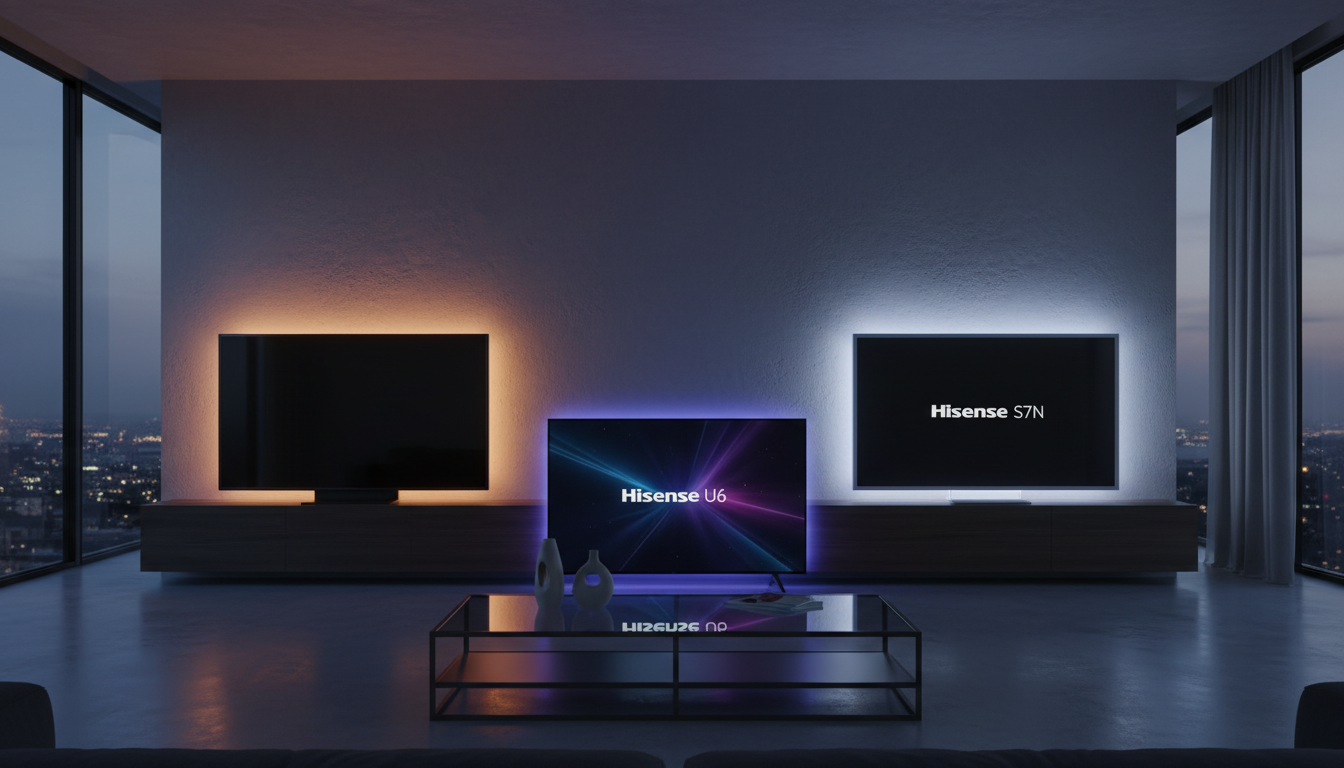
Choosing a TV that can fully showcase Dolby Vision HDR means juggling brightness, color gamut and motion handling while staying within your budget. In our look at 8 smart TVs, we’ve gathered options that span the budget, mid‑range and premium tiers, so you’ll see how a $279.99 Vizio V Series 50‑inch stacks up against a $1300.99 Hisense S7N CanvasTV 75‑inch or the $1236.99 LG C5 65‑inch OLED.
The premium tier includes the LG C5 with an 88.2% DCI‑P3 coverage, 1381 cd/m² peak brightness and a 120 Hz panel, earning a 4.5/5 rating from 992 reviewers. The Hisense S7N brings a 144 Hz native refresh and anti‑glare Hi‑Matte surface, scoring 4.6/5 from 613 users. Mid‑range choices like the Hisense U6 55‑inch and QD7 65‑inch deliver 144 Hz refresh and up to 1000 nits brightness, while staying in the mid‑range price bracket. Budget picks such as the Vizio, TCL T7 and Hisense E6 offer Dolby Vision HDR at $279.99‑$376.99 and solid 60‑120 Hz performance for tighter wallets.
Below we break down each model’s key specs, strengths and ideal viewing scenarios so you’ll match a Dolby Vision TV to your living space and usage habits.

LG C5 65-inch
Its ultra‑slim 231 mm depth gives a sleek profile, underscoring the premium experience that earned it the top spot.

Hisense S7N CanvasTV 75-inch
Ideal for buyers who want a proven, high‑quality TV; at $1300.99 it costs about $64 more than the Best Overall.

Hisense U6 55-inch
Stands out with 20 W built‑in speakers and a $429.99 price, offering solid 20 W sound for value‑focused shoppers.
Also considered
Score Analysis
Key score advantages vs. runner-up (Hisense S7N CanvasTV)
Price Range
LG C5 65-inch
$1,396.99
Hisense S7N CanvasTV 75-inch
$1,300.99
Hisense U6 55-inch
$398.96
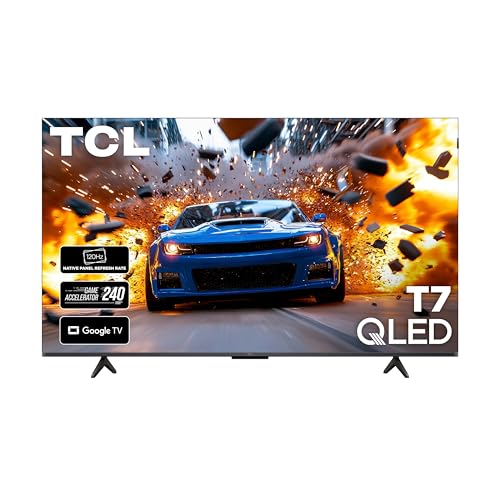
TCL T7 55-inch
$399.99

Sony BRAVIA 3 75-inch
$848.00

Vizio V Series 50-inch
$279.99

Hisense E6 Cinema 65-inch
$399.99

Hisense QD7 65-inch
$437.99
Spec Comparison
TL;DR: The LG C5 65‑inch OLED evo delivers Dolby Vision, 120 Hz refresh and 1381 cd/m² peak brightness, but its premium $1236.99 price and hard‑to‑reach inputs may deter budget‑focused buyers.
The standout spec is the OLED evo panel’s 1381 cd/m² peak brightness, paired with 120 Hz native refresh and Dolby Vision HDR, which together promise vivid highlights and buttery‑smooth motion. AI Picture Pro, Brightness Booster and Dynamic Tone Mapping Pro further refine the image for both movies and fast‑paced games.
Compared with the seven other TVs in this roundup, the LG C5 sits in the premium tier: it’s lighter than the 76.7‑pound Hisense S7N and the 71.9‑pound Sony BRAVIA, yet heavier than the 33.1‑pound Hisense QD7 and the 24.25‑pound TCL T7. Its 120 Hz refresh outpaces the 60 Hz panels of the Sony BRAVIA and Hisense E6, and matches the 120 Hz of the TCL T7, while the Hisense S7N and U6 push 144 Hz. In terms of brightness, the LG’s 1381 cd/m² tops the 1000‑nit peak of the Hisense U6, the 700 cd/m² of the QD7, and the 450‑nit of the TCL T7.
Reviewers consistently praise the TV’s perfect black levels and color accuracy, noting that the OLED evo panel and AI processing make dark‑room viewing a delight. Professional reviewers also highlight the webOS platform as one of the strongest smart‑TV interfaces available. However, users frequently mention that the input ports sit on the far left side of the back panel, making them awkward to reach when the set is wall‑mounted, and some owners report confusion about the listed weight versus the actual unit.
Pros
Cons
Best for: Movie enthusiasts, gamers and dark‑room viewers who want deep blacks, high color accuracy and low input lag.
Avoid if: You're shopping on a tight budget — it's priced at $1236.99
“Strong build quality, Gorilla Glass durability for handling/moving.”
“Exceptional contrast, bold colors, realistic detail, and premium picture in dark rooms.”
TL;DR: The Hisense S7N CanvasTV offers a 75‑inch QLED panel with a 144 Hz native refresh rate, Dolby Vision HDR and Google TV, but its edge‑lit backlight and $1,300 price keep it in the premium tier.
This model’s standout spec is the 74.5‑inch actual diagonal display paired with a 144 Hz native refresh rate and QLED edge‑lit panel. The Google TV platform brings a full app ecosystem, while Dolby Vision, HDR10+ and 4K UHD resolution promise vivid colors. At just 1.4 inches deep, the UltraSlim flush wall mount makes it look like a piece of art rather than a bulky TV.
Compared with the other seven contenders, the CanvasTV is considerably heavier at 76.7 pounds—heavier than the LG C5’s 40.8 pounds and the Sony BRAVIA 3’s 71.9 pounds. Its 75‑inch screen also outsizes the LG C5 (65 inches), Hisense QD7 (65 inches) and the Hisense U6 (55 inches), giving you a larger viewing canvas without sacrificing a slim profile.
Reviewers consistently praise the Hi‑Matte anti‑glare panel for reducing reflections in bright rooms, and professional reviewers highlight the solid gaming specs, including two HDMI 2.1 ports that support 4K @ 144 Hz. The built‑in Ambient Adaptive RGB sensor and motion‑detecting Art Mode add a touch of smart ambience, though the edge‑lit backlight with only about ten zones can lead to less uniform contrast than full‑array rivals, and the manufacturer hasn't disclosed peak brightness.
Pros
Cons
Best for: Gaming enthusiasts who need high‑refresh‑rate, low‑latency performance, and art‑oriented users who want a digital frame that doubles as a TV.
Avoid if: You prioritize deep black levels and uniform contrast, or you’re shopping on a tight budget—the unit is priced at $1,300.99.
TL;DR: The Hisense U6 55‑inch delivers a native 144 Hz refresh rate, 1000‑nit peak brightness and Dolby Vision IQ for $429.99, making it a bright, smooth‑moving option for gamers on a budget.
The standout spec is the 144 Hz native refresh rate paired with a Motion Rate of 480, which promises ultra‑smooth motion for fast‑action games and sports. Its Mini‑LED QLED panel can hit 1000 nits of peak brightness, giving vivid HDR performance even in bright rooms.
At 43.0 pounds, the U6 is heavier than the TCL T7 (24.25 pounds) and the Vizio V Series (22.05 pounds), but lighter than the Sony BRAVIA 3 (71.9 pounds) and the Hisense S7N CanvasTV (76.7 pounds). Its 3.0‑inch depth matches the Hisense QD7 and is much shallower than Vizio’s 10.0‑inch depth, while its 48.3‑inch width is similar to the TCL’s 48.2‑inch width and narrower than the QD7’s 57.2‑inch width.
Users consistently praise the buttery‑smooth 144 Hz gaming experience and the bright, colorful picture that Dolby Vision IQ delivers. Professional reviewers note the low input lag in Game Mode Pro and the AI‑driven picture processing as strong points. However, many call the built‑in 20 W 2.0‑channel speakers “weak,” so owners often add a soundbar for fuller immersion. Some owners also report uniformity and blooming concerns, especially outside dedicated gaming modes.
Beyond the headline specs, the U6 runs the Hi‑View AI Engine, which powers AI Picture, AI Upscaler, AI Sports Mode and AI Smooth Motion. It supports Auto Low Latency Mode (ALLM) and offers multiple HDMI 2.1 ports that handle 4K@60 Hz/120 Hz and VRR from 48‑144 Hz. The Fire TV/Google TV platform brings Alexa and Google Assistant integration, and Dolby Atmos adds height‑enhanced audio when paired with external speakers.
Pros
Cons
Best for: Value-conscious buyers seeking quality at $429.99
Avoid if: Audiophiles or home‑theater purists who need premium sound, or viewers demanding perfect uniformity and OLED‑level blacks
TL;DR: The TCL 55‑inch T7 delivers QLED color, a 120 Hz native panel, Dolby Atmos sound and Google TV for $399.99, making it a solid budget pick for gamers and everyday viewers.
The standout spec is its 55‑inch QLED display paired with a 120 Hz native refresh rate and 450 nits of brightness, plus a 60 W ONKYO 2.1 speaker system that supports Dolby Atmos. At $399.99 it lands a 4.4/5‑star rating from 321 reviewers, and its slim 2.7‑inch depth keeps the profile sleek.
Compared with the seven other TVs in this roundup, the T7 is lighter than the Hisense U6 (43 lb) and Hisense QD7 (33.1 lb), yet only a touch heavier than the Vizio V Series (22.05 lb). Its 120 Hz panel outpaces the Hisense E6, Vizio, and Sony models that stick at 60 Hz, though it doesn’t reach the 144 Hz native rates of the Hisense U6, Hisense S7N CanvasTV, or the LG C5’s 120 Hz. Brightness at 450 nits is lower than the 1,000‑nit peak of the Hisense U6 and the ~600‑700 nit range of the QD7, so HDR peaks may look less punchy in bright rooms.
User feedback frequently praises the vivid quantum‑dot colors and the fluid motion for sports and gaming, while professional reviewers highlight the full HDMI 2.1 suite—four ports, two of which handle 4K @ 144 Hz—and the responsive Google TV interface with voice‑enabled remote. The same reviewers note the limited peak brightness and a G‑class energy rating, which means the TV draws more power (average 53 W, max 90 W) than some efficiency‑focused rivals.
Best for: Entry‑level buyers or those on a tight budget
Avoid if: You want the best value‑per‑dollar in its price range
Pros
Cons
TL;DR: The Sony BRAVIA 3 75‑inch delivers a bright 4K picture with Dolby Vision, solid build quality and Google TV, but its 60 Hz panel and heavy shipping make it a better fit for streaming than fast‑action gaming.
At the heart of this model is a 1905 mm (75‑inch) LED panel that supports Dolby Vision and Dolby Atmos, paired with Sony’s 4K HDR Processor X1. The TV ships with four HDMI inputs, two USB ports and a 60 Hz refresh rate, giving you plenty of connectivity for consoles, soundbars and Blu‑ray players while keeping the interface simple.
Compared with the other seven TVs in this roundup, the Sony is noticeably heavier than the LG C5’s 40.8 pounds and the Hisense U6’s 43 pounds, reflecting its larger 1905 mm screen versus the LG’s 1654 mm panel. It also offers a lower refresh rate than the LG’s 120 Hz and the Hisense S7N’s 144 Hz, so it won’t match those models for high‑speed gaming. On the upside, its price point sits below many premium 75‑inch options, making it a more affordable way to get a true‑size living‑room display.
Reviewers consistently praise the TV’s picture quality, noting the bright LED performance and anti‑glare coating that reduce reflections in bright rooms. Professional reviewers highlight the precise back‑light control that boosts contrast. Users love the Google TV platform for its easy navigation and built‑in support for AirPlay 2, Chromecast, Google Assistant, Alexa and Siri. A recurring complaint is the stand‑width measurement—some owners report a 56‑inch width versus the listed 52‑inch—making cabinet fit a bit tricky, and the shipping box feels heavier than expected. The 60 Hz panel also limits its appeal for competitive gamers who prefer higher refresh rates.
Pros
Cons
Best for: Families and casual viewers who want a large, bright 75‑inch screen with strong streaming support.
Avoid if: You need a high‑refresh‑rate panel for competitive gaming or are on a tight budget.
“The TV is great”
TL;DR: The Vizio V Series 50‑inch delivers Full Array LED contrast and Dolby Vision HDR at a budget‑friendly $279.99, though its 60 Hz panel may feel modest for high‑frame‑rate gaming.
The Full Array LED backlight paired with Dolby Vision stands out, offering HDR10+, HDR10 and HLG support on a 3840 × 2160 panel that spans 50 inches diagonally. Weighing 22.05 lbs, the TV is light enough for wall‑mounting, and its 10.0‑inch depth keeps it from protruding too far from the wall. The IQ Active Processor handles upscaling, while the 60 Hz refresh rate and 120 Dynamic Motion Rate aim to smooth motion in everyday viewing.
Compared with the other seven contenders, the Vizio is slimmer than the Hisense E6 Cinema’s 2.8‑inch depth and the TCL T7’s 2.7‑inch depth, but its 10.0‑inch chassis is deeper than those ultra‑thin models. It also weighs less than the Hisense E6 (28.9 lb) and far lighter than the Sony BRAVIA 75‑inch (71.9 lb). In terms of refresh rate, the Vizio’s 60 Hz is lower than the TCL T7’s 120 Hz native panel and the Hisense U6’s 144 Hz, placing it in the entry‑level tier for motion performance.
Consumer feedback praises the easy setup, Wi‑Fi 6 streaming reliability, and the voice‑enabled remote. Professional reviewers note the sub‑10 ms input lag and VRR support via HDMI, which makes casual console play feel responsive. However, experts also point out the lack of a high‑end processing chip or quantum‑color technology, which can limit peak brightness and color gamut in bright rooms. Another frequent complaint notes the absence of ARC/eARC on the HDMI ports.
Pros
Cons
Best for: Budget‑conscious buyers seeking a reliable entry‑level option
Avoid if: You need advanced features or professional‑grade performance
“Wi‑Fi streaming without HDMI works seamlessly”
TL;DR: The Hisense E6 Cinema 65‑inch delivers Dolby Vision HDR and Dolby Atmos on a 65‑inch Hi‑QLED panel for $376.99, but its 60 Hz refresh limits high‑speed gaming.
The standout spec is the 65‑inch Hi‑QLED screen that supports Dolby Vision, HDR10+, HDR10 Adaptive, HLG and over one billion colors, paired with Dolby Atmos audio for a cinema‑like experience. At 28.9 pounds the TV is heavier than the 24.25‑pound TCL T7 but lighter than the 33.1‑pound Hisense QD7, making it manageable for wall mounting while still feeling solid.
In the eight‑product roundup, the E6’s 60 Hz native refresh sits below the 120 Hz panel of the TCL T7 and the 144 Hz panels of the Hisense U6 and Hisense S7N CanvasTV. Its depth of 2.8 inches is a touch deeper than the TCL T7’s 2.7 inches but shallower than the 3.0‑inch depth of the U6 and QD7. The 65‑inch diagonal outpaces the 55‑inch TCL and U6 models and the 50‑inch Vizio, yet it’s a fraction smaller than the 75‑inch Sony BRAVIA and Hisense S7N. Compared with the LG C5, the E6 matches the screen size but lacks the LG’s 120 Hz refresh and higher peak brightness.
Reviewers consistently praise the AI 4K Upscaler and AI Smooth Motion for sharpening low‑resolution content and reducing motion blur, while the built‑in Fire TV platform earns marks for smooth streaming navigation. Professional reviewers note that Dolby Vision combined with Dolby Atmos creates an immersive picture‑and‑sound package, but they also point out that the 60 Hz panel “doesn’t satisfy competitive gamers” looking for higher refresh rates.
Pros
Cons
Best for: Movie and TV enthusiasts who want a large, colorful screen with Dolby Vision and Dolby Atmos without breaking the bank.
Avoid if: You need a high‑refresh‑rate panel for competitive gaming or prioritize the lightest possible TV for frequent relocation.
TL;DR: The Hisense QD7 65‑inch offers a 144 Hz MiniLED QLED panel with Dolby Vision and Google/Fire TV at $437.99, delivering smooth gaming and bright colors while keeping speakers modest.
This model’s standout spec is its 144 Hz native refresh rate paired with a MiniLED backlight that can reach up to 600 nits and a QLED Quantum Dot panel that covers a wide color gamut. At 64.5 inches diagonal, the screen fills a typical living‑room wall, and the 3.0‑inch depth keeps the bezel‑less look sleek.
At 33.1 pounds, it’s lighter than the Hisense U6 55‑inch (43.0 pounds) but heavier than the TCL T7 55‑inch (24.25 pounds). Its depth matches the U6’s 3.0 inches while being slightly deeper than the T7’s 2.7 inches. Brightness sits below the U6’s 1000‑nit peak but above the T7’s 450‑nit panel, positioning it in the middle of the group. The 57.2‑inch width and 33.1‑inch height match the Hisense E6 Cinema 65‑inch, which shares the 65‑inch class footprint.
Buyers frequently praise the ultra‑smooth gaming experience, noting the 144 Hz Game Mode Pro, AMD FreeSync Premium Pro, and low‑latency mode. Professional reviewers highlight the QLED color reproduction and the 178° viewing angles of the IPS‑ADS panel. Common complaints focus on the 20 W, 2.0‑channel speakers that sound thin in larger rooms and on blooming caused by a limited number of local‑dimming zones, which can soften black uniformity in dark scenes.
Beyond gaming, the TV supports Dolby Vision, HDR10, HDR10+, and HLG, and it includes Dolby Atmos and DTS audio formats. Alexa is built in, and you can choose between Google TV or Fire TV as the operating system, both offering voice control and built‑in Chromecast. The included voice remote, power cable, and quick‑start guide cover the basics, while the available data does not list other connectivity specs like HDMI count or USB ports.
Pros
Cons
Best for: Budget‑conscious gamers, sports fans, and families who watch in bright rooms and value a smooth, colorful picture.
Avoid if: Deep‑black performance, premium contrast, or immersive built‑in audio are top priorities.
Breakdown
LG C5 65-inch
Pros
Cons
Hisense S7N CanvasTV 75-inch
Pros
Cons
Hisense U6 55-inch
Pros
Cons
TCL T7 55-inch
Pros
Cons
Based on scoring data and product specs
Personalized picks
Best Overall Pick
LG C5 65-inch
Best OverallBest for: Audiophiles and enthusiasts seeking premium sound quality and advanced features
Hisense S7N CanvasTV 75-inch
Best for: Buyers willing to invest in a proven, high-quality option
$1,300.99-$96.00 vs winner
Skip Hisense QD7 65-inch if…
Reliability and user satisfaction are your top concerns
The LG C5 65‑inch takes the top spot thanks to its OLED evo panel, 120 Hz refresh rate and a peak brightness of 1381 cd/m², which together deliver vivid Dolby Vision HDR performance. Its DCI P3 coverage of 88.2 % ensures rich colour accuracy, while a 4.5‑star rating from 992 reviewers shows strong user satisfaction. At $1236.99 it also offers a solid value for a premium‑grade TV.
The Hisense S7N CanvasTV 75‑inch lands as the runner‑up, especially if you need a large‑format screen that doubles as a digital art display. It sports a 144 Hz native refresh rate, Dolby Vision plus HDR10+ support, and comes with an UltraSlim flush‑mount for a sleek wall‑flush look. A 2‑year manufacturer warranty and a 4.6‑star rating from 613 reviews make it a reliable choice for spacious living rooms.
For shoppers with tighter budgets, the Vizio V Series 50‑inch provides an affordable entry point at $279.99. If you want a step up without breaking the bank, the Hisense U6 55‑inch balances price and features at $429.99. And for those seeking a premium experience beyond the runner‑up, the Hisense S7N CanvasTV 75‑inch remains the top high‑end pick at $1300.99.
Pick the LG C5 65‑inch today for the best Dolby Vision HDR TV experience.
The LG C5 65‑inch OLED evo lists a peak brightness of 1381 cd/m², which is substantially higher than the specifications provided for the Hisense S7N CanvasTV. That extra brightness helps maintain vivid HDR images even in well‑lit spaces, making the LG a stronger choice for bright rooms.
No reviews yet — be the first to share your experience.
Please sign in to leave a review