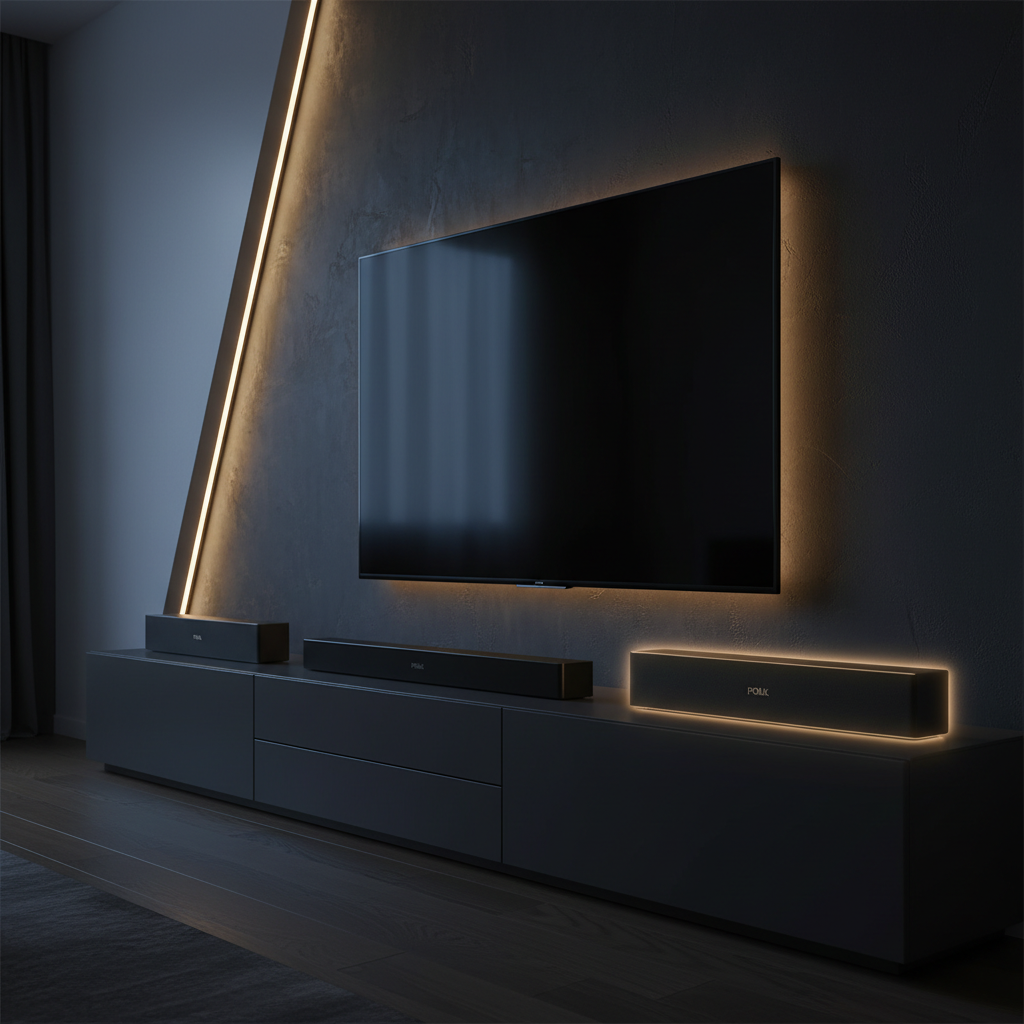
If you’re looking to turn your living room into a mini‑theater, a soundbar can give you big‑screen audio without the clutter of a full speaker array. In this roundup we’ve sifted through 15 soundbars, spanning three price tiers – budget picks such as the TCL TS5010, mid‑range options like Polk’s Signa S4, and premium powerhouses including the JBL Bar 1300X.
The entry‑level TCL TS5010 comes in at $129.99 and carries a solid 4.4‑star rating from over 9,000 reviewers, offering a compact 31.5‑inch width and a 10‑meter Bluetooth range. Stepping up, the Polk Audio Signa S4 retails for $449.00, weighs 19.0 pounds and delivers Dolby Atmos with a 16 ms audio latency, making dialogue crisp and bass deep. At the top end, JBL’s Bar 1300X lists at $1,699.95, earns a 4.5‑star score from 217 users and packs 1170 W peak output, plus detachable surround speakers for true 11.1.4 immersion.
Below you’ll find a side‑by‑side look at each model’s strengths, connectivity options and ideal room size, so you can match the right soundbar to your viewing habits and budget.
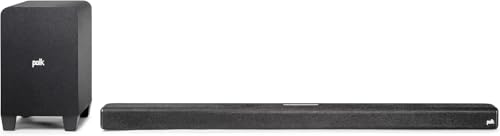
Polk Audio Signa S4
Its 16 ms audio latency ensures tight sync for movies and games, delivering mainstream reliability.

Polk Audio MagniFi Max AX SR
Ideal for audiophiles ready to spend about $450 more than the Signa S4, thanks to its HDMI eARC and multiple 4K HDMI ports.

TCL Alto 5+
Stands out with a shallow 3.3 in depth and 10 m Bluetooth range, fitting tight spaces where the larger Polk models won’t fit.
Also considered
Score Analysis
Key score advantages vs. runner-up (Polk Audio MagniFi)
Price Range
Polk Audio Signa S4
$379.00
Polk Audio MagniFi Max AX SR
$769.00
TCL Alto 5+
$149.99
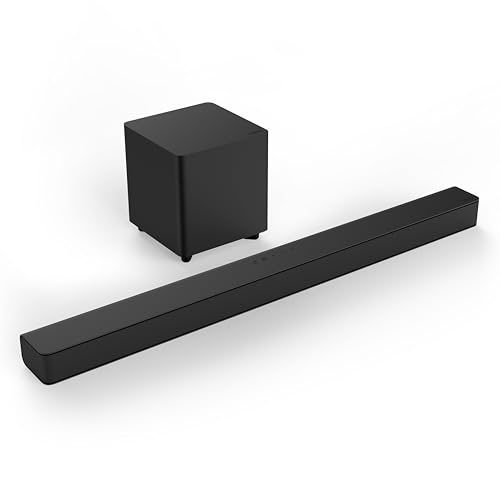
Vizio V21x
$160.76
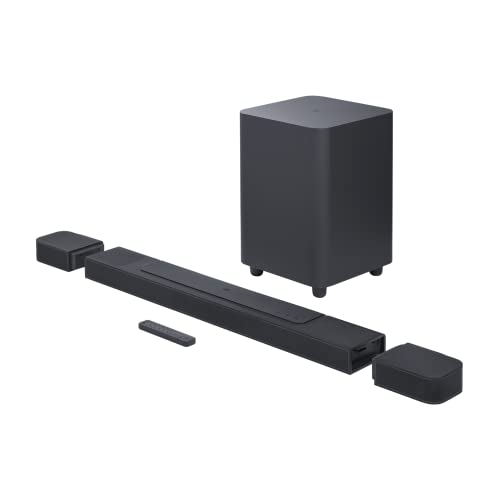
JBL Bar 1000
$899.95

JBL Bar 1300X
$1,149.95

JBL Bar 500
$449.95

Sony HT-S60
$698.00

JBL Bar 2.1 Deep Bass
$379.95

LG S40TR
$196.99

Bose Smart Ultra Black
$1,897.00
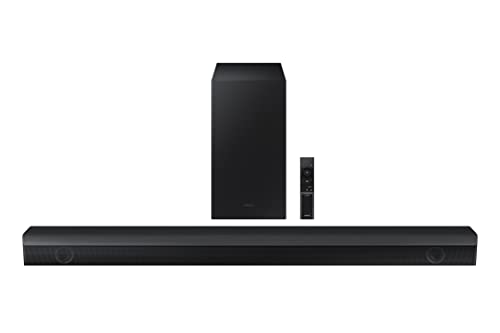
Samsung HW-B650
$326.99

JBL Bar 9.1
$599.99

Denon DHT-S316
$349.00

Bose Soundbar 600
$1,098.00
Spec Comparison
TL;DR: The Polk Audio Signa S4 delivers 3.1.2‑channel Dolby Atmos with up‑firing height drivers, a wireless subwoofer and HDMI eARC, all in a 19‑lb, low‑profile package for $449.
The standout feature is its 3.1.2 channel layout that includes two 2.6 in up‑firing height drivers for Dolby Atmos immersion. Combined with a 1 in center driver and 4.7 in midrange drivers, the soundbar produces clear dialogue and spacious sound. Bluetooth 5.0 offers a 10‑meter (33 ft) wireless range, and the system features a low 16 ms audio latency, which helps keep picture‑sound sync tight. Physically, the bar measures 41.2 in wide, 2.4 in high and 3.7 in deep, weighing 6.4 lbs, while the subwoofer adds 9.0 lbs for a total system weight of 19.0 lbs.
When stacked against other entries in this roundup, the Signa S4 is lighter than the JBL Bar 2.1’s 22.0 lb build but heavier than the Denon DHT‑S316’s roughly 11 lb chassis. Its Bluetooth 5.0 is a step up from the 4.2 version found in the JBL Bar 2.1 and JBL Bar 9.1, though Sony’s HTS60 uses a newer 5.3 chip. The Signa S4’s single HDMI eARC port matches the HDMI‑ARC capability of the Samsung HW‑B650 and exceeds the older HDMI 1.4 spec on the JBL Bar 2.1, giving it a more future‑proof connection option.
Reviewers consistently praise the Atmos effect and the VoiceAdjust™ feature that lifts vocal clarity, especially for dialogue‑heavy movies and TV shows. Users love the “plug‑and‑play” experience thanks to the included HDMI cable, optical cable and a remote that works with the TV via HDMI‑CEC. The main drawbacks include the lack of any smart‑home or Wi‑Fi streaming support, the inability to attach rear speakers, and occasional Bluetooth drop‑outs that some owners have reported.
Technically, the system also includes BassAdjust technology for room‑compensated bass, a Night mode for late‑night viewing, and five multicolor LEDs that indicate the active audio format (white for PCM, green for Dolby Digital, blue for Dolby Atmos). The wireless subwoofer’s 5.9 in driver sits in a bass‑reflex enclosure, delivering room‑filling low‑end without a separate power cord.
Pros
Cons
Best for: Movie and TV enthusiasts who want Dolby Atmos immersion without the complexity of a full 5.1.2 setup.
Avoid if: You need a fully expandable home‑theater system, integrated smart‑assistant control, or built‑in network music streaming.
“Dialogue is crystal clear, even in loud action scenes.”
“The subwoofer hits harder than expected for its size.”
TL;DR: The Polk Audio MagniFi Max AX SR delivers true 7.1.2‑channel Dolby Atmos sound with an 11‑driver soundbar, wireless 10‑inch subwoofer and three HDMI inputs for a premium home‑theater experience.
At the heart of the system is an 11‑driver soundbar that includes a 63.5 mm center mid‑woofer, 76.2 mm left/right mid‑woofers and dedicated height drivers, all packed into a 116.8 mm deep, 13.0‑pound chassis. The package rounds out with a wireless subwoofer that sports a 254 mm driver and two surround speakers, each with a 76.2 mm driver, delivering the advertised 7.1.2‑channel layout.
Compared with other entries in this roundup, the MagniFi Max offers more HDMI connectivity—three 4K HDMI inputs plus one HDMI eARC port—while the Bose Soundbar 600 provides only a single eARC input. In terms of weight, it sits between the lightweight Sony HTS60 (5.75 pounds) and the heftier Bose model (32.6 pounds), making it easier to mount than the larger competitors yet sturdier than the smallest units.
Reviewers consistently praise the system’s “crystal‑clear dialogue” and the punchy bass from the wireless subwoofer, noting that the VoiceAdjust technology helps vocals cut through action scenes. Professional reviewers highlight the system’s ability to deliver true 7.1.2 performance, a rarity among soundbars, and the OLED front display that keeps status information visible. The most common drawbacks include the need for line‑of‑sight with the IR remote and occasional Wi‑Fi hiccups because it lacks an Ethernet port.
Beyond the drivers, the MagniFi Max supports a full suite of immersive audio formats—including Dolby Atmos, Atmos True HD, DTS‑X and DTS‑HD Master Audio—while offering Bluetooth 5.0, dual‑band Wi‑Fi (2.4 GHz & 5 GHz) and streaming services such as Apple AirPlay 2, Google Chromecast for Audio, Spotify Connect and Alexa integration. Polk backs the system with a three‑year drivers warranty and a one‑year electronics warranty.
Pros
Cons
Best for: Home‑theater enthusiasts who want true Dolby Atmos/DTS:X immersion, larger living rooms where a 45‑inch soundbar fits comfortably.
Avoid if: You're on a tight budget, have a small apartment, or need a wired Ethernet connection for network stability.
“Dialogue is crystal clear, even in loud action scenes.”
“The subwoofer hits harder than expected for its size.”
TL;DR: The TCL TS5010 delivers 2.1‑channel sound with a wireless 5‑inch subwoofer, Bluetooth 4.2 streaming, and Dolby Digital decoding for just $129.99, making it a compact, budget‑friendly upgrade for most TVs.
This soundbar packs a 2.1‑channel layout, dual 2 in full‑range drivers and a 5 in (12.7 cm) wireless subwoofer. Dolby Digital decoding and three EQ modes (Movie, Music, News) aim to improve dialogue and general balance. Bluetooth 4.2 reaches up to 10 meters, while each unit draws 30 W when active, and standby power stays under 0.5 W.
At 9.5 pounds, the TS5010 is noticeably lighter than the Vizio V21x‑J8, which tips the scales at about 14.74 pounds. It also shares the same 10‑meter Bluetooth range as that Vizio model, but it lacks the HDMI ARC port that the LG S40TR includes. Because it’s priced below the LG and Samsung offerings, it lands on the cheaper side of the mid‑range lineup while still offering wireless subwoofer connectivity that many higher‑priced rivals omit.
Reviewers consistently praise the clear dialogue boost in News and Movie modes and the plug‑and‑play experience—thanks to the included optical, AUX and IR pass‑through cables plus a wall‑mount kit. Professionals note the rare USB‑A FLAC playback in this price bracket. Some owners have reported subwoofer sync loss after power interruptions and occasional remote‑range hiccups, while the 5‑inch driver can feel thin on bass‑heavy tracks. The system suits TVs 43 inches and larger, and its compact 31.5 in width, 2.6 in height and 3.3 in depth make it easy to fit on a console or mount on a wall.
Pros
Cons
Best for: Budget-conscious buyers seeking a reliable entry-level option
Avoid if: You need deep‑bass performance or a full‑featured home‑theater system with HDMI ARC/eARC
TL;DR: The Vizio V21x-J8 delivers 96 dB SPL and a 4.5‑inch wireless subwoofer for solid bass, while its 2‑driver soundbar and HDMI ARC make it a capable, budget‑friendly home‑theater upgrade.
The V21x-J8’s most eye‑catching spec is its 96 dB sound‑pressure level, paired with a 4.5‑inch subwoofer driver that pushes bass down to 50 Hz. With two full‑range drivers handling the mids and highs, the system promises clear dialogue and a noticeable low‑end punch for a room of modest size.
At 14.74 pounds, the Vizio sits heavier than the TCL TS5010 (9.5 pounds) and the Denon DHT‑S316 (about 11 pounds), but lighter than the Samsung HW‑B650 (18.1 pounds) and the JBL Bar 2.1 (22.0 pounds). Its 96 dB SPL also outstrips the LG S40TR’s 82 dB, giving it a louder presence than that competitor. Bluetooth version 5.0 matches the Polk Audio Signa S4 and exceeds the JBL Bar 2.1’s 4.2, though it trails the LG’s 5.3. All three of the LG, Samsung and Vizio models include a single HDMI ARC input, putting the Vizio on par with the higher‑priced options in connectivity.
Professional reviewers have highlighted the Vizio’s “strong, rumbling bass” and “clear, crisp dialogue,” and everyday users echo those praises, noting a clear upgrade over built‑in TV speakers. A recurring complaint is that the bass can become overwhelming at high volumes, sometimes causing wall vibrations. Users have also reported Bluetooth dropouts, and the system lacks Dolby Atmos support, limiting its appeal for those seeking immersive object‑based audio.
Beyond the headline numbers, the V21x-J8 supports Dolby Audio (via optical input), DTS Virtual:X, Dolby Volume and DTS TruVolume, giving it a fairly robust codec lineup for its price tier. Voice assistants such as Amazon Alexa, Google Assistant and Siri work through the auxiliary input, and the included remote offers full‑feature control. Wall‑mountable hardware comes standard, and the wireless subwoofer arrives pre‑paired for a straightforward setup.
Pros
Cons
Best for: Budget-conscious buyers seeking a reliable entry-level option
Avoid if: You want the best value‑per‑dollar in its price range
“Game-changer for TV sound”
“Bass is powerful and deep”
TL;DR: The JBL Bar 1000 delivers a 7.1.4‑channel, 880 W home‑theater experience with wireless surrounds, but its premium $1199.95 price and lack of HDMI 2.1 make it best for movie lovers who can afford a high‑end system.
What really sets the Bar 1000 apart is its 7.1.4 channel layout backed by 880 W total speaker power – 440 W from the soundbar and 300 W from the wireless subwoofer. The system also includes two detachable wireless surround speakers that run on a 3283 mAh battery, letting you place them wherever you like without running cables.
Compared with the other 14 entries, the Bar 1000 is heavier than the Polk Audio MagniFi Max AX SR (13.0 pounds) and the Bose Soundbar 600 (32.6 pounds), and it carries a higher price tag than those models. It offers three HDMI inputs, whereas the Bose Soundbar 600 lists only a single HDMI eARC port, giving the JBL more connectivity options out of the box.
Users consistently praise the deep, room‑filling bass and clear dialogue that the 10‑inch (260 mm) subwoofer delivers, noting that the immersive Dolby Atmos and DTS:X support makes movies feel cinematic. Professional reviewers highlight the solid build quality and the flexibility of the wireless surrounds. The most common complaint is the limited battery life of the detachable speakers, which means you’ll need to recharge them regularly, and several users point out the missing HDMI 2.1 features that modern gaming consoles expect.
On the technical side, the Bar 1000 packs five 46 × 90 mm racetrack drivers, three 0.75‑inch tweeters, and two 2.75‑inch up‑firing drivers, covering a frequency range of 33 Hz – 20 kHz (‑6 dB). Connectivity includes Bluetooth 5.0, Wi‑Fi 802.11ax, HDMI HDCP 2.3, and support for AirPlay, Chromecast built‑in, and Alexa Multi‑Room Music, making it a versatile hub for streaming and smart‑home integration.
Pros
Cons
Best for: Those prioritizing quality and willing to pay for premium performance
Avoid if: You're on a tight budget or only need basic functionality
TL;DR: The JBL Bar 1300X delivers 11.1.4‑channel, 1170 W immersive sound with wireless surrounds that run 12 hours, but its $1,699 price and heavyweight subwoofer suit larger rooms and premium budgets.
The JBL Bar 1300X packs an 11.1.4‑channel layout and a whopping 1170 W total speaker power, anchored by a 650 W soundbar amp and a 300 W 12‑inch subwoofer.
At 59.0 pounds, the 1300X is heavier than the JBL Bar 9.1 and far heavier than the Bose Soundbar 600, but it matches the weight of the Bose Home Theater System (59.38 pounds). Its total output of 1170 W dwarfs the Bose system’s listed 120 W and the JBL Bar 1000’s 880 W, while the soundbar’s 650 W exceeds the 440 W found in that same model. Compared with the compact Polk Audio MagniFi Max (13.0 pounds) and Sony HTS60 (5.75 pounds), the 1300X is decidedly a premium‑size solution.
Reviewers consistently praise the immersive 3‑D soundstage that Dolby Atmos and DTS:X create, often using the detachable surrounds as extra Bluetooth speakers around the house. The most frequent gripe is the need to recharge the surrounds roughly every 12 hours, and several users note that the 15.65 kg subwoofer can be a hassle to locate in tighter rooms.
The system supports JBL MultiBeam virtual surround, Wi‑Fi 6 dual‑band connectivity, and Bluetooth 5.0 on the bar with Bluetooth 5.2 on the surrounds, ensuring low‑latency streaming. You get three HDMI inputs, one HDMI eARC output, an Ethernet port, and an optical input, plus a USB‑A port limited to MP3 files (80‑320 kbps). Alexa Multi‑Room Music, Apple AirPlay 2, and Google Cast come built in.
Pros
Cons
Best for: Those prioritizing quality and willing to pay for premium performance
Avoid if: You're shopping on a tight budget — it's priced at $1699.95
TL;DR: The JBL Bar 500 delivers 590 W of 5.1‑channel Dolby Atmos sound with a 10‑inch wireless subwoofer, but its premium $549.95 price and occasional connectivity quirks may deter budget‑focused buyers.
The system’s headline figure is a 590 W total speaker power output, split between a 290 W soundbar and a 300 W wireless subwoofer. Coupled with Dolby Atmos and JBL’s MultiBeam technology, it promises a virtual surround experience without rear speakers, and the 10" (260 mm) driver in the subwoofer delivers deep, room‑filling bass.
At 6.172943336Pounds, the Bar 500 is far lighter than the JBL Bar 9.1’s 45.49900163156Pounds and also lighter than the Polk Audio Signa S4’s 19.0Pounds, making it easier to place on a TV stand. Its Bluetooth version 5.0 matches the Polk Audio model and improves on the JBL Bar 9.1’s older 4.2 Bluetooth, while the single HDMI eARC input mirrors the Samsung HW‑B650’s configuration.
Users consistently praise the powerful bass and the ease of setting up the wireless subwoofer through the JBL One app, noting that the 4.5/5‑star rating from 717 reviews reflects broad satisfaction. However, several reviewers flag Bluetooth latency that can cause audio‑video sync lag during movies, and a handful report random shutdowns or HDMI handshake failures with certain TV brands.
Beyond the headline power, the Bar 500 covers a frequency response of 35‑20,000 Hz (‑6 dB) and houses 46×90 mm racetrack drivers plus 0.75" (20 mm) tweeters. Smart‑home integration includes AirPlay 2, Chromecast built‑in, and Alexa Multi‑Room Music, while the included remote and Quick Start Guide simplify the initial setup.
Pros
Cons
Best for: Home theater enthusiasts who want Dolby Atmos immersion without multiple speakers
Avoid if: You need true discrete surround speakers, extensive analog connectivity, or a lower‑price solution
TL;DR: Sony’s HTS60 delivers a true 5.1‑channel home‑theater experience with 1,000 W total output, virtualized Dolby Atmos and a hefty subwoofer, but it sits at a premium $698.00 price point.
The standout spec is the 5.1‑channel configuration that combines a three‑driver soundbar, two wireless rear speakers and a powered subwoofer, all backed by a 1,000 W total power output. Bluetooth 5.3 lets you stream SBC or AAC audio, while HDMI eARC provides a single‑cable link to compatible Sony TVs. The system weighs 5.75 pounds overall (2608 g) and fits on a tabletop or wall thanks to its compact 66 mm × 907 mm × 91 mm footprint.
Compared with the other 14 entries, the HTS60 is lighter than the JBL Bar 9.1’s 45.5‑pound chassis and considerably lighter than the Polk Audio Signa S4 at 19 pounds. It is a bit lighter than the JBL Bar 500’s 6.17 pound body, yet it packs a higher total output than JBL’s 590 W figure and far exceeds the 300 W‑plus outputs of many mid‑range competitors. Its Bluetooth version (5.3) is newer than the 4.2 found in the JBL Bar 9.1 and JBL Bar 500, and its 5.1‑channel layout offers more discrete speakers than the two‑channel or 2.1‑channel systems in the list.
Everyday owners praise the cinematic impact, especially the “punchy” bass from the large subwoofer and the clear dialogue delivered by the dedicated center driver. Professional reviewers note the immersive 5.1 sound and smooth HDMI eARC integration with Sony TVs. The most common complaints revolve around the lack of true height speakers for genuine Dolby Atmos, and the need to perform firmware updates via a USB drive, which some users find cumbersome.
Beyond the core audio, the HTS60 supports virtualized Dolby Atmos and DTS:X, S‑Force PRO, and a Vertical Surround Engine. The BRAVIA Connect app handles control, or you can use an IR remote, and all inputs – HDMI eARC, optical, 3.5 mm analog and USB – terminate at the subwoofer, simplifying cable management. The system does not include Wi‑Fi, AirPlay or Chromecast, so streaming is limited to Bluetooth or wired sources.
Pros
Cons
Best for: Most users seeking a balanced, mainstream option
Avoid if: You're shopping on a tight budget — it's priced at $698.00
TL;DR: The JBL Bar 2.1 packs a 300 W total output, a 200 W wireless subwoofer, and HDMI ARC into a compact 85 mm‑deep, 22‑pound package for $379.95.
The system delivers 100 W from the soundbar and 200 W from the wireless 6.5‑inch subwoofer, giving a combined 300 W of power across a 40 Hz – 20 kHz frequency range. JBL lists Dolby Digital and its own Surround Sound processing, while the Bluetooth 4.2 connection reaches up to 10 meters. With a depth of 85 mm, height of 56 mm, and width of 965 mm, the bar sits low under most TVs, and the whole kit weighs 22.0 Pounds.
Compared with the other 14 entries, the JBL Bar 2.1 is heavier than the Denon DHT‑S316 (about 11 pounds) and much heavier than the ultra‑light JBL Bar 500 (around 6 pounds), yet it’s only a few pounds heavier than the Polk Audio Signa S4 (19 pounds). Its total power of 300 W sits below Samsung’s HW‑B650 (430 W) and JBL’s own Bar 500 (590 W), but it matches the LG S40TR’s 400 W claim and exceeds the Vizio V21x‑J8’s unspecified output. Bluetooth‑wise, it trails the Polk’s 5.0 version, while its HDMI version 1.4 offers a single ARC port—fewer than Samsung’s two‑port layout.
Reviewers consistently praise the “room‑filling” bass from the 200 W subwoofer and the straightforward HDMI ARC or optical hookup that gets the system up and running in minutes. Reviewers highlight dialogue clarity as a strong point, especially for movies and TV shows. On the downside, users note the absence of Wi‑Fi and a dedicated app, which limits smart‑home integration. Reports say the USB port works only on U.S. models, and the lack of eARC means you can’t pass the highest‑bitrate audio streams from newer TVs.
Beyond raw power, the bar’s four race‑track drivers plus two 1‑inch tweeters aim for balanced mids and highs, while the 6.5‑inch subwoofer driver focuses on low‑end impact. JBL Surround Sound and Dolby Digital support enhance cinematic feel, and HDR10/Dolby Vision pass‑through keeps video quality intact. Standby draw stays under <0.5 W, and the manufacturer backs the unit with a 1‑year warranty.
Pros
Cons
Best for: Most users seeking a balanced, mainstream option
Avoid if: You have limited desk space or need portability
TL;DR: The LG S40TR offers 400 W RMS output, 4.1‑channel Dolby Atmos sound and wireless rear speakers for $196.99, earning a 4.2‑star rating from 1,300 reviewers.
At the heart of the system is a 400 W total RMS power rating, split between a 100 W soundbar, 100 W rear speakers and a 200 W subwoofer, delivering 4.1‑channel Dolby Atmos immersion. The unit also packs Bluetooth 5.3, a 1‑port HDMI ARC and an optical S/PDIF input, letting you hook up most TVs without extra gear.
Weighing in at 12.9 lb, the LG S40TR sits lighter than the JBL Bar 2.1 (22 lb) and Samsung HW‑B650 (18.1 lb) but is a touch heavier than the TCL TS5010 (9.5 lb). Its 82 dB SPL is lower than the Vizio V21x‑J8’s 96 dB, yet its 400 W RMS output tops the JBL’s 300 W total and sits just under Samsung’s 430 W. The soundbar’s 86.36 mm depth matches the JBL’s 85 mm and is slimmer than Samsung’s 104 mm, while still being deeper than the Vizio’s 81.3 mm.
Reviewers consistently praise the immersive surround that the wireless rear speakers create and the deep punch the 200 W subwoofer delivers, noting Clear Voice Plus makes dialogue crystal‑clear. However, several users report noticeable Bluetooth latency during video playback, and reviewers describe the LG ThinQ app's UI as dated and clunky.
The system supports Dolby Digital, DTS Digital Surround and high‑resolution audio, and AI Sound Pro automatically tunes the output to your room. Features like WOW Interface let you control the soundbar and compatible LG TV with a single remote, while the metal mesh grill helps keep dust out.
Pros
Cons
Best for: Home‑theater enthusiasts with LG TVs, gamers, and budget‑conscious users who want immersive, AI‑enhanced sound.
Avoid if: You need Wi‑Fi, multi‑room audio, or built‑in voice‑assistant control.
TL;DR: The Bose Home Theater System delivers 5.1.2 Dolby Atmos sound with AI Dialogue Mode and ADAPTiQ calibration, but its $1897.00 price and modest 120 W output place it at the premium end.
At the heart of the system is a 9‑driver array—3 tweeters and 6 racetrack‑shaped full‑range drivers, including 2 upward‑firing units—for a 5.1.2 channel layout. It pushes 120 W of power and supports Dolby Atmos, AI Dialogue Mode, and ADAPTiQ room calibration, all wrapped in a glass‑top, metal‑grille chassis measuring 15.75 in (H) × 19.5 in (L) × 17.5 in (W).
Compared with other soundbars in this roundup, the Bose system is slightly heavier than the JBL Bar 1000 (59.38 lb vs 41.5 lb) and almost matches the JBL Bar 1300X’s 59.0 lb. Its 120 W total output is far below the JBL Bar 1300X’s 650 W soundbar output and the JBL Bar 1000’s 440 W, while offering more drivers than the Bose Soundbar 600’s five‑driver design. It also outweighs the Sony HTS60 (5.75 lb) and the Polk Audio MagniFi Max AX SR (13.0 lb), positioning it as a full‑room, premium‑grade solution.
Reviewers consistently praise the immersive spatial audio and the clarity that AI Dialogue Mode brings to movies and TV shows. Reviewers highlight the ADAPTiQ calibration for delivering balanced sound across a room. However, users note that the bass can feel thin without the included Bass Module 700, and the midrange sometimes sounds congested with highs that can become harsh. Professional outlets also flag occasional HDMI‑CEC quirks that cause unexpected power‑on behavior.
Beyond the core audio, the system offers dual‑band Wi‑Fi, Bluetooth 5.0 (rated 4.4), AirPlay 2, Chromecast, and Spotify Connect, plus built‑in Alexa and optional Google Assistant integration. The remote control scores a 4.5 rating, and tech support earned a 4.6 rating. Bose backs the package with a 1‑year limited warranty.
Pros
Cons
Best for: Those prioritizing quality and willing to pay for premium performance
Avoid if: You're shopping on a tight budget — it's priced at $1897.00
TL;DR: The Samsung HW‑B650 delivers 430 W of power, a dedicated center channel and a wireless subwoofer for clear dialogue and deep bass, all at a modest $283.99 price point.
What really sets the HW‑B650 apart is its 430 W total power output and a 3.1‑channel layout that includes a dedicated center speaker. Seven drivers sit behind a slim 58 mm‑high bar, and the wireless subwoofer sports a 152 mm woofer for room‑filling low end. Bluetooth supports SBC and AAC codecs and can pair up to two devices at once, while HDMI ARC gives you a single‑cable hookup to your TV.
Weighing 18.1 pounds, the HW‑B650 is heavier than the Denon DHT‑S316 (≈11 lb), LG S40TR (≈12.9 lb) and the TCL TS5010 (≈9.5 lb), but lighter than the JBL Bar 2.1 (≈22 lb). Its 430 W output outpaces the 400 W total RMS rating of the LG model and the 300 W total speaker power of the JBL, positioning it toward the higher‑end of the budget tier. Like the LG, it offers a single HDMI ARC port, which simplifies connections without the extra HDMI inputs some rivals provide.
Reviewers consistently praise the bar’s “crystal‑clear dialogue” thanks to the center channel, and many note the “room‑filling bass” from the wireless subwoofer. Gamers like the low‑latency Game Mode, while everyday viewers appreciate the easy setup with the included wall‑mount kit and optical cable. Professional reviewers highlight the DTS Virtual :X virtual surround and the adaptive sound modes that tailor the output to movies, music or voice‑over content.
Beyond the audio, the HW‑B650 has Energy Star certification and draws just 25 W during normal operation, 45 W for the subwoofer, and 0.5 W each in standby. Its physical footprint is modest—104 mm deep, 58 mm high and 1031 mm wide—so it slides under most TVs without crowding the console space. The package also includes a USB‑A port for music playback and Bluetooth multi‑connection for two devices, adding flexibility for streaming from phones or tablets.
Pros
Cons
Best for: Budget‑conscious buyers seeking a reliable entry‑level option
Avoid if: You need advanced features or professional‑grade performance
“Dialogue is crystal clear”
“Bass is powerful”
TL;DR: The JBL Bar 9.1 pairs a 400 W soundbar with a 300 W subwoofer and detachable wireless surrounds, delivering 5.1 channel Atmos sound, but its single HDMI input and hot chassis may limit some setups.
The system’s headline numbers are hard to ignore: a 400 W soundbar output combined with a 300 W subwoofer pushes the total maximum power to 820 W, while the subwoofer’s 10‑inch driver is rated for 300 W. JBL also bundles battery‑powered, detachable surround speakers that each deliver 60 W, letting you place them wherever you like without running wires.
At 45.49900163156 pounds, the Bar 9.1 is substantially heavier than the JBL Bar 500 (about 6.17 pounds) and the Sony HTS60 (around 5.75 pounds), and it also outweighs the Polk Audio Signa S4’s 19.0‑pound package. It offers just one HDMI input and one eARC output, which is fewer than many rivals that provide multiple HDMI ports. The trade‑off is a simpler connection scheme that still supports 4K video pass‑through and Dolby Vision.
Everyday users rave about the “window‑shaking” bass and the realistic Atmos effects, calling the sound quality the best they’ve heard in a home theater bar. Professional reviewers echo this, noting the “high‑quality sound with powerful bass” and praising the wireless surrounds for true freedom. However, both users and critics point out that the remote lacks a backlight and must see the IR sensor, and the soundbar can become noticeably hot after long movies or gaming sessions.
Beyond raw power, the Bar 9.1 reaches a maximum SPL of 103 dB and covers a frequency range from 34 Hz to 20 kHz, ensuring deep lows and clear highs. The detachable surrounds charge in about 3 hours and can run up to 10 hours on a single charge, so you won’t be tethered during a marathon film night. Connectivity includes AirPlay 2, Chromecast built‑in, Bluetooth 4.2, an optical input, and a USB‑A port for MP3 playback.
Pros
Cons
Best for: Home theater enthusiasts, audiophiles, and gamers who want a powerful, immersive Dolby Atmos experience.
Avoid if: You need multiple HDMI inputs, a backlit remote, or are sensitive to device heat.
TL;DR: The Denon DHT‑S316 is a compact 2.1‑channel soundbar with a wireless subwoofer, HDMI ARC, and Dolby Digital support, weighing just over 11 lb and priced at $349.
What really stands out is the system’s modest footprint: the soundbar measures 480 mm deep, 250 mm high and 970 mm wide, while the subwoofer is 312 mm deep, 341 mm high and 171 mm wide. At 11.0231131 pounds total, it’s lighter than the JBL Bar 2.1 (22.0 lb), Samsung HW‑B650 (18.1 lb) and Polk Audio Signa S4 (19.0 lb), yet a bit heavier than the ultra‑light JBL Bar 500 (6.17 lb). Its depth, however, is considerably greater than the 85 mm depth of the JBL Bar 2.1 and the 104 mm depth of the Samsung model, meaning it will sit farther from the wall than many competitors.
Users repeatedly praise the clear mids, crisp highs and solid bass that the dual 1.25 × 4.4 in mid‑range drivers and 1 in tweeters deliver, especially when paired with the Dialogue Enhancer’s three modes. Professional reviewers note the “clean, crisp, well‑balanced sound” and the effective virtual surround processing that simulates a multi‑channel experience without discrete rear speakers. Setup's straightforward thanks to a single HDMI ARC input (HDMI 2.0a with 4K UHD pass‑through, HDR and Dolby TrueHD) and the included optical cable, allowing the TV to control power and volume automatically.
Technical context adds a practical perspective: the soundbar’s height translates to 2.149 in, its width to 35.43 in and its depth to 3.22 in, while the subwoofer stands 13.41 in tall and 6.72 in wide. The system draws just 0.3 W in standby, and the total package weighs 5000 g (about 11 lb), making wall‑mounting feasible for small to medium rooms.
Pros
Cons
Best for: Entry‑level buyers or those on a tight budget
Avoid if: You need powerful performance or professional‑grade features
TL;DR: The Bose Soundbar 600 pairs a five‑driver layout with Dolby Atmos and wireless Bass Module 500 for a sleek, feature‑rich setup, but its premium $1098 price and modest 4.0‑star rating may give budget‑focused shoppers pause.
The standout hardware is the five‑driver array—two side‑firing full‑range drivers, a center tweeter, and two upward‑firing full‑range drivers—plus support for Dolby Atmos and Bose TrueSpace upmixing. The bundled Bass Module 500 adds a 24.7 lb subwoofer that connects wirelessly over a proprietary 2.4 GHz link, giving you low‑end punch without a messy cable.
Compared with the other fourteen entries, the Soundbar 600 is lighter than the JBL Bar 1000’s 41.5 pounds but heavier than the Sony HTS60’s 5.75 pounds. Its Bluetooth version 4.2 matches the JBL Bar 9.1 and JBL Bar 500, yet trails the JBL Bar 1000’s 5.0 and Sony HTS60’s 5.3. All three of those models list Bluetooth, but only the Bose includes a 10 m (33 ft) range. The unit offers a single HDMI eARC port for audio‑only input, which aligns with the single eARC port that Polk Audio uses on the MagniFi Max AX SR, while many peers provide multiple HDMI inputs.
Reviewers consistently praise the soundstage clarity and dialogue intelligibility, noting that the upward‑firing drivers deliver a “mighty” Atmos effect for a compact bar. Professional critics highlight the balanced tuning and the convenience of voice control via built‑in Alexa or Google Assistant. However, users also report that bass can clip at high volumes without the subwoofer, and many describe the height effects of Atmos as subtle. Another frequently mentioned limitation is the lack of an Ethernet port for wired network fans.
Best for: Those prioritizing quality and willing to pay for premium performance
Avoid if: you need deep, distortion‑free bass for large rooms or a system that excels in heavy‑bass content
Pros
Cons
“"mighty sound from a small speaker"”
“"thunderous" and "room‑shaking"”
Breakdown
Polk Audio Signa S4
Pros
Polk Audio MagniFi Max AX SR
Pros
TCL Alto 5+
Pros
Vizio V21x
Pros
Cons
Based on scoring data and product specs
Personalized picks
Best Overall Pick
Polk Audio Signa S4
Best Mid-Range PickBest for: Most users looking for a well-reviewed, reliable mainstream option
Polk Audio MagniFi Max AX SR
Best for: Buyers willing to invest in a proven, high-quality option
$769.00+$390.00 vs winner
Skip Bose Soundbar 600 if…
Reliability and user satisfaction are your top concerns
Polk Audio’s Signa S4 takes the top spot thanks to its solid 4.4 / 5 rating from 24,948 reviewers, a low‑latency 16 ms audio path, and native Dolby Atmos support in a 3.1.2 layout. The package includes an HDMI‑eARC cable for a true one‑cable setup, and the whole system weighs 19.0 lb, making it sturdy yet manageable for most living‑room setups.
The MagniFi Max AX SR lands as the runner‑up, ideal if you need a full‑featured home theater with dedicated surround speakers. It delivers 7.1.2 channels, three HDMI 4K (60 Hz) inputs plus an HDMI‑eARC 4K (60 Hz) port, and built‑in Wi‑Fi (2.4 GHz & 5 GHz) plus Bluetooth 5.0 for flexible streaming. At $899.00 it’s a step up for those craving immersive sound without compromising connectivity.
Pick the Signa S4 now and upgrade your movie nights with confidence.
The Polk Audio Signa S4, priced at $449, delivers strong Dolby Atmos and DTS Virtual:X support with a 3.1.2 channel layout, while costing about half of the $899 MagniFi Max AX SR. Its lower price and solid feature set make it the better value for most users.
Please sign in to leave a review
No reviews yet. Be the first to review!
