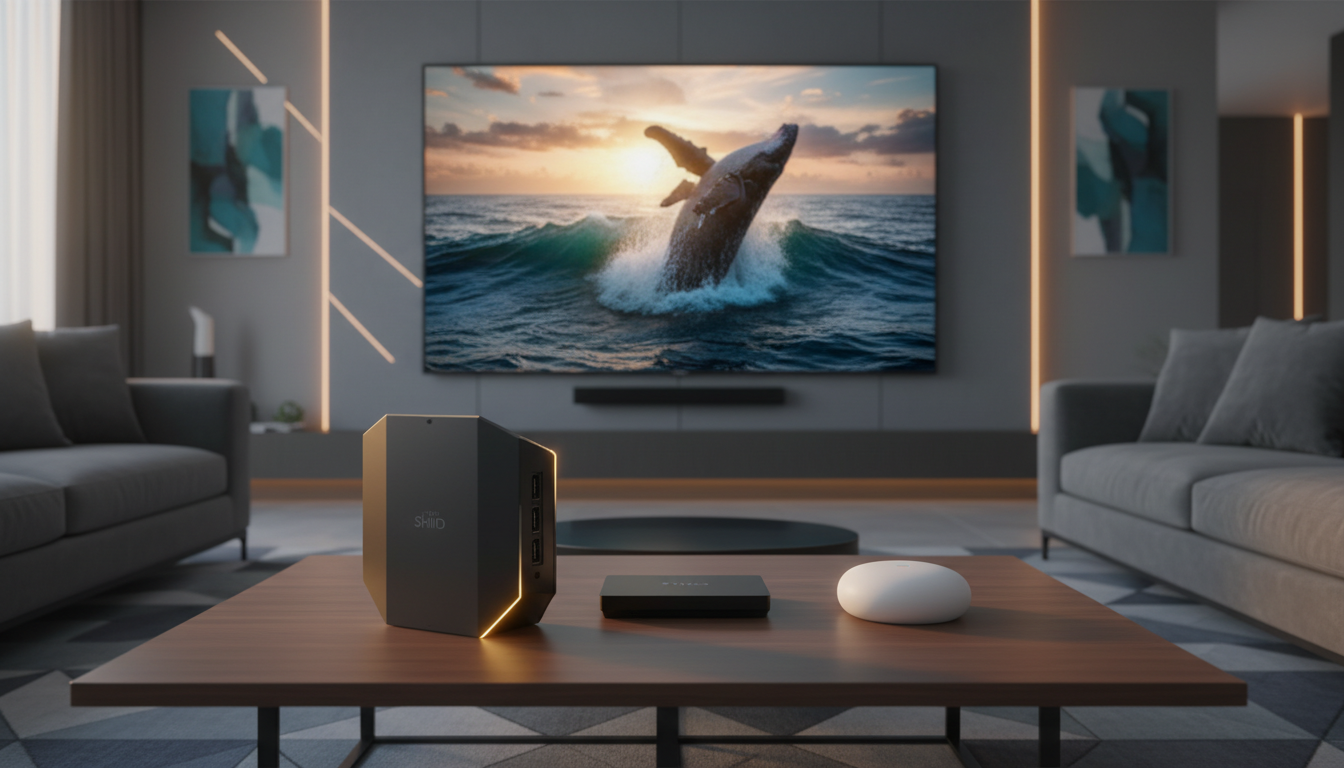
⚡ Quick Answer

🏆 Best Overall
Nvidia SHIELD Pro
$199.00
Choosing a streaming device that handles HDR can feel overwhelming, so 14 contenders were lined up and measured against the same criteria. All options support at least one HDR format, but they differ wildly in price, performance and feature set, giving you a clear view of what’s possible at every budget level.
The lineup stretches from the $38.97 Roku Express 4K, a solid entry‑level choice, up to the $309.00 Zidoo Z9X that targets premium home‑theater rigs. Budget picks also include the TiVo Stream 4K ($39.99) and the Xiaomi TV Stick 4K 2nd Gen ($69.99), while the mid‑range segment is anchored by the $79.99 Google TV Streamer 4K and the $94.99 Mecool KM9PRO MAX. At the high end, the $199.00 Nvidia SHIELD Pro and the $309.00 Zidoo Z9X bring the most RAM and storage, plus Dolby Atmos and Dolby Vision support. Ratings cluster around 4.4/5 for many models, with the Roku Streaming Stick 4K pulling a 4.7/5 from over 96,000 reviewers.
The next section breaks down each tier, compares HDR formats, audio capabilities and hardware specs, helping you match a device to your living‑room setup and streaming habits.
Nvidia SHIELD Pro
Its slim 1.02‑in depth keeps the unit unobtrusive while delivering high‑quality HDR streaming.

Google TV Streamer 4K
Ideal for mainstream users seeking reliable 4K streaming, priced at $79.99—about $119 less than the Nvidia SHIELD Pro.
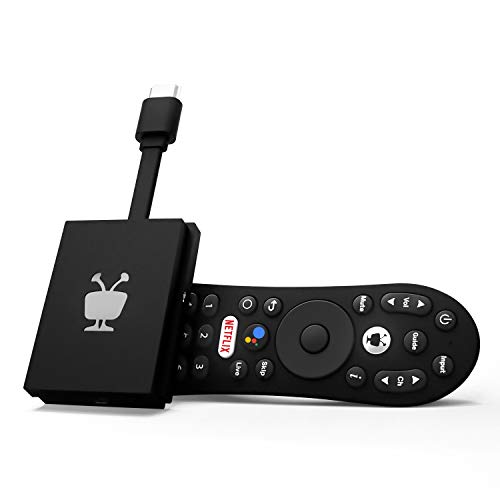
TiVo Stream 4K
Features an ultra‑low 0.63‑in height, letting you hide it behind any TV while staying budget‑friendly.
Also considered
Score Analysis
Key score advantages vs. runner-up (Google TV Streamer)
Price Range
Nvidia SHIELD Pro
$199.00
Google TV Streamer 4K
$79.99
TiVo Stream 4K
$39.99

Roku Streaming Stick 4K
$40.99

Roku Express 4K
$54.12
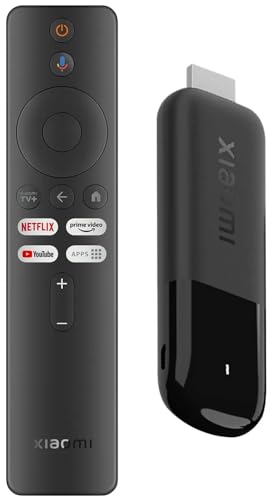
Xiaomi TV Stick 4K 2nd Gen Black
$69.99

RockTek GX1
$109.99

Zidoo Z9X
$309.00

Mecool KM9PRO MAX
$94.99

Minix U8K-Ultra
$195.90

Infomir MAG555
$72.99

Google Chromecast Ultra
$79.99

Raxxio MAG555
$87.99

Bomjupbr Android TV Box
$69.99
Spec Comparison
TL;DR: Nvidia SHIELD TV Pro packs a 256‑core GPU, AI‑enhanced 4K 60 FPS upscaling and expandable storage into a solid Android 11 box, but its 16 GB internal space feels tight for power users.
The standout feature is the AI‑enhanced upscaling that converts lower‑resolution video to true 4K 60 FPS, using a 256‑core NVIDIA GPU and a Tegra X1+ processor that’s 25 % faster than its predecessor. With 3 GB of RAM and Dolby Vision/HDR10 support, the device delivers smooth 4K HDR playback at 3840 × 2160 resolution. It also ships with a 40 W power adapter, while typical consumption stays between 5 W and 10 W.
Compared with the other 13 devices, the SHIELD Pro is noticeably heavier at 2.1 lb, outweighing the Minix U8K‑Ultra, RockTek GX1, Google Chromecast Ultra, Mecool KM9PRO MAX, Zidoo Z9X and Raxxio MAG555. Its 3 GB of RAM sits below the Minix’s 8 GB, RockTek’s 4 GB and Zidoo’s 6 GB, yet it tops the Mecool and Raxxio’s 2 GB. Internal storage is 16 GB, matching Raxxio but falling short of the Minix’s 128 GB, RockTek’s 32 GB, Mecool’s 32 GB and Zidoo’s 64 GB. The box is also pricier than the Chromecast Ultra and the RockTek GX1, though those models list fewer specs in total.
Users consistently praise the SHIELD Pro for buttery‑smooth 4K streaming, reliable Plex integration and the ability to run GeForce NOW 4K cloud gaming. Professional reviewers single out the AI upscaling as a real advantage and note the Tegra X1+ chip’s speed boost. On the flip side, owners mention the limited 16 GB internal storage, occasional Wi‑Fi hiccups and a remote that sometimes mishears voice commands. The lack of newer HDMI 2.1 and AV1 decoding, combined with a bulkier box design, also shows its 2019 hardware roots.
Beyond AI upscaling, the SHIELD Pro offers Dolby Atmos, Dolby Digital Plus and DTS‑X pass‑through for immersive audio, two USB 3.0 Type‑A ports plus a microSD slot for storage expansion, and built‑in Chromecast 4K. Android 11 powers the interface, and long‑term NVIDIA updates keep the software fresh.
Pros
Cons
Best for: Buyers willing to invest in a proven, high‑quality option
Avoid if: You need advanced features or professional‑grade performance
“best for PC game streaming to TV”
TL;DR: The Google TV Streamer 4K delivers 4K HDR video with Dolby Vision and Dolby Atmos, backed by 4 GB RAM, 32 GB storage, and a voice‑controlled remote, all for $79.99.
The device’s standout spec is its HDR support: Dolby Vision, HDR10, HDR10+ and HLG come built‑in, and it outputs 4K (2160p) at 60 FPS through an HDMI 2.1 connection. Audio isn’t an afterthought either—Dolby Digital, Dolby Digital Plus and Dolby Atmos deliver cinema‑like sound without extra equipment.
Compared with the other 13 streamers in this roundup, the Google TV Streamer 4K offers more memory and storage. It ships with 4 GB of RAM and 32 GB of internal storage, which is double the 2 GB RAM of the Raxxio MAG555 and twice the 16 GB storage of that same model. The Xiaomi TV Stick 4K 2nd Gen only provides 2 GB RAM and 8 GB storage, while the Infomir MAG555 also caps at 2 GB RAM and 16 GB storage. This unit confirms HDMI 2.1, matching the Raxxio and Infomir devices, whereas several peers do not list an HDMI version at all.
Reviewers consistently praise the smooth 4K playback and rapid app launches, noting that the interface “did not skip a beat.” The built‑in Gemini voice assistant and Matter/Thread border‑router support make it a solid hub for Google‑centric smart homes. Users also like the included voice remote that runs on two AAA batteries. On the downside, the lack of Wi‑Fi 6 may bottleneck wireless 4K streams in crowded networks, and the fixed 32 GB storage cannot be expanded, which some power users find limiting. Professional reviewers also point out that the hardware isn’t geared toward demanding gaming sessions.
Pros
Cons
Best for: Most users looking for a well‑reviewed, reliable mainstream option
Avoid if: You need advanced features or professional‑grade performance
“did not skip a beat”
TL;DR: The TiVo Stream 4K packs 2 GB RAM, 8 GB eMMC storage and Dolby Vision HDR into a compact dongle for $39.99, offering solid 4K streaming with voice‑controlled, unified app navigation.
Its standout hardware spec measures 3.03 in (77 mm) depth and 2.09 in (53 mm) width, giving it a low‑profile footprint that slides neatly behind most TVs. It drives up to 4K (3840×2160) at 60 fps and supports Dolby Vision, HDR10 and HLG, so you’ll see vivid colors and deep contrast on compatible displays. HDMI 2.0a with HDCP 2.2 delivers the video signal, while the built‑in Chromecast lets you cast directly from a phone or tablet.
Compared with the other 13 devices, TiVo’s 2 GB DDR4 RAM doubles the 1 GB that the Roku Streaming Stick 4K and Roku Express 4K use, matching the Xiaomi TV Stick 4K and the Bomjupbr Android TV Box. Its 8 GB eMMC storage outpaces the 4 GB in both Roku sticks, equals the Xiaomi’s 8 GB, but sits below the 16 GB of the Infomir MAG555 and the 32 GB of the Google TV Streamer 4K. The Mali‑G31 GPU provides a modest boost over the basic graphics in many entry‑level sticks, though it won’t match the higher‑end GPU in the Google TV Streamer.
Users consistently praise the unified content discovery that pulls Netflix, Prime Video, Disney+ and live‑TV services into a single interface, calling the experience “headache‑free.” The voice remote with Google Assistant gets kudos for quick searches and Sling integration. On the flip side, reviewers note the lack of an Ethernet port, which can make wired streaming impossible, and the Android 9.0 Pie OS feels dated with occasional app lag due to the modest RAM and storage. The 8 GB internal space can fill quickly if you install many large apps.
From a technical standpoint, the unit draws a maximum of 5 W, runs between 0 °C and 40 °C, and offers expandable storage via its USB‑C port. Google Play offers over 5,000 apps, and the device includes built‑in Chromecast for easy casting from mobile devices.
Pros
Cons
Best for: Budget-conscious buyers seeking a reliable entry-level option
Avoid if: You need advanced features or professional‑grade performance, such as Ethernet connectivity, a newer operating system, or extensive internal storage for a large app library.
TL;DR: The Roku Streaming Stick 4K delivers 4K HDR video with Dolby Vision at a low $39.88 price, packs 1 GB RAM, 4 GB storage, and a lightweight 26 g design, earning 4.7‑star ratings from over 96 k reviewers.
What really sets this stick apart is its support for four HDR formats—Dolby Vision, HDR10, HDR10+ and HLG—plus a maximum resolution of 2160p at 60 fps. Under the hood you get an ARM Cortex A55 processor, OpenGL ES 2.0 graphics, 1 GB of RAM and 4 GB of internal storage, all powered by less than 3.5 W during 4K playback. The voice remote lets you control TV power, volume and mute, and it runs on two AAA batteries.
Compared with the other 13 devices in this roundup, the stick is lighter than the Roku Express 4K (0.05625 lb vs 0.1 lb) and the Xiaomi TV Stick 4K 2nd Gen (0.05625 lb vs 0.0617 lb). Its depth of 3.7 in measures a touch longer than the TiVo Stream 4K’s 3.03 in, while its height of 0.45 in sits lower than TiVo’s 0.63 in. Storage‑wise it matches the Roku Express 4K’s roughly 4 GB, while devices like the Infomir MAG555 and Google TV Streamer carry much larger internal storage but also weigh considerably more (0.8 lb and 0.35625 lb respectively). The stick’s Wi‑Fi 5 dual‑band connectivity gives it a range edge over the Ethernet‑only options in the lineup.
Users consistently praise the easy setup and the vivid 4K picture that the HDR suite produces, noting the long‑range Wi‑Fi keeps streams smooth even in hard‑to‑reach rooms. Professional reviewers echo this, describing the picture as “breathtaking” and noting that upscaling from 720p/1080p to 4K provides a noticeable upgrade. The main complaints revolve around the lack of an Ethernet port and occasional UI lag when multiple apps run, which reviewers attribute to the modest 1 GB of RAM.
Pros
Cons
Best for: Budget‑conscious buyers seeking a reliable entry‑level option
Avoid if: You need advanced features or professional‑grade performance, such as a wired Ethernet connection or more RAM for intensive multitasking
“breathtaking upgrade for any TV”
TL;DR: The Roku Express 4K streams true 4K 60 fps HDR at a budget price, packs about 4 GB of storage, and draws under 3.5 W, making it a solid entry‑level choice.
At just $38.97, the Express 4K offers HDR10, HDR10+ and HLG support plus a 3840 × 2160 resolution at 60 fps, delivering crisp picture quality on compatible TVs. Its ARM Cortex‑A55 quad‑core processor and 1 GB of RAM come with roughly 4 GB of internal storage, which reviewers say speeds up app launches compared with older Roku sticks.
Physically, the unit measures 2 cm × 1.4 cm × 4.3 cm and weighs 0.1 pounds, making it a tad heavier than the Roku Streaming Stick 4K’s 0.05625‑pound chassis, but still compact enough to hide behind most TVs. Compared with the TiVo Stream 4K and Xiaomi TV Stick 4K, it weighs less than the Xiaomi model (0.0617 pounds) and is similar in size to the TiVo, though the TiVo lists a deeper profile.
Users praise the quick setup, reliable dual‑band Wi‑Fi (802.11ac) and the inclusion of a premium HDMI cable. However, several owners mention occasional Wi‑Fi hiccups and note that the simple IR remote lacks voice search, a feature found on some competing sticks. Professional reviewers also note the device’s sub‑3.5 W power draw, which earns ENERGY STAR certification and keeps electricity costs low.
Pros
Cons
Best for: Budget-conscious buyers seeking a reliable entry-level option
Avoid if: You need advanced features or professional-grade performance
TL;DR: The $69.99 Xiaomi TV Stick 4K (2nd Gen) delivers 4K HDR streaming with 2 GB RAM, 8 GB storage, and a lightweight 28 g design, earning a solid 4.2‑star rating from 193 users.
The stick’s standout spec is its 4K (3840 × 2160) video output with Dolby Vision and HDR10+ support, using a 2.5 GHz quad‑core Cortex‑A55 CPU and an 850 MHz ARM G310 V2 GPU. With 2 GB of RAM and 8 GB eMMC storage, the system runs Google TV smoothly, and the 60 Hz refresh rate keeps motion crisp.
Compared with the other devices in this roundup, the Xiaomi offers the same 2 GB RAM as the Infomir MAG555 and Raxxio MAG555, but its 8 GB storage is smaller than the Infomir’s 16 GB and the Google TV Streamer 4K’s 32 GB. Physically, its 40 mm height is shorter than the Bomjupbr Android TV Box’s 1.6 inches, while its 165 mm length exceeds the Infomir’s 127 mm but stays under the Google TV Streamer’s 162.56 mm. At 28 g, it’s dramatically lighter than the Infomir’s 363 g and the Raxxio’s 150 g, making it the most portable option.
Everyday users praise the device for lag‑free 4K playback, the convenience of its pocket‑size form factor, and the responsive UI, with only occasional remarks about the missing AI super‑resolution feature. Professional reviewers highlight the “absolutely crazy smooth” browsing experience, noting that the performance jump over the previous generation feels comparable to larger TV boxes.
Beyond video, the stick decodes DTS:X, DTS HD, and Dolby Atmos audio, and it ships with an HDMI extension cable, a Bluetooth 5.2 voice remote with Google Assistant, and a micro‑USB power cable. Wi‑Fi 6 (802.11ax) dual‑band connectivity provides a solid wireless link, though the lack of an Ethernet port means you’ll rely on Wi‑Fi for network access.
Pros
Cons
Best for: Entry-level buyers or those on a tight budget
Avoid if: You want the best value-per-dollar in its price range
“breathtaking upgrade for any TV”
TL;DR: The RockTek GX1 delivers 4K HDR streaming with Dolby Vision, 4 GB RAM and 32 GB storage in a compact Google TV box, though its 100 Mbps Ethernet may limit high‑bitrate local media.
The standout spec is its 4K UHD 2160p60 video engine supporting Dolby Vision, HDR10+ and AV1, paired with Dolby Atmos audio. Under the hood sits a Realtek RTD1325TPV quad‑core Cortex‑A55 processor (20K DMIPS) and a Mali‑G57 GPU, while 4 GB LPDDR4 RAM and 32 GB eMMC 5.1 storage give room for apps and smooth multitasking. The device also offers Wi‑Fi 6, Bluetooth 5.2, HDMI 2.1 with eARC and a voice‑controlled remote.
Compared with the other 13 streamers, the GX1’s 4 GB of RAM matches the Google TV Streamer 4K and exceeds most rivals that list 2 GB (e.g., Mecool KM9PRO MAX, Raxxio MAG555). Its 32 GB internal storage equals the Mecool and Google TV Streamer 4K models, and it tops the Xiaomi TV Stick’s 8 GB. The Ethernet port limits speeds to 100 Mbps, matching Mecool and Raxxio but slower than the Google TV Streamer 4K, which lists a 10/100/1000 Mbps port. Physically, the GX1’s depth of 93.98 mm and height of 22.86 mm make it larger than the ultra‑slim Chromecast Ultra yet smaller than the bulkier Infomir MAG555.
Users consistently praise the vivid HDR picture and crisp Dolby Atmos sound, calling the box “compact” and the interface “responsive.” A YouTube reviewer noted the Dolby Vision performance at 2160p60, while everyday owners love the included HDMI cable and voice remote. Professional reviewers, however, note the 100 Mbps Ethernet can bottleneck high‑bitrate NAS streams and point out the lack of VC‑1 codec support for older media files. Limited ventilation also raises a potential long‑term thermal concern.
Pros
Cons
Best for: Casual streamers who want premium 4K HDR on Google TV and appreciate a compact, feature‑rich box.
Avoid if: You need Gigabit Ethernet, VC‑1 codec support, or a device built for heavy NAS‑based media servers.
“topline product with great RTD1325 performance.”
“"Ok" rating due to this.”
TL;DR: The Zidoo Z9X packs a penta‑core Amlogic S928X‑K, 6 GB DDR4 RAM and HDMI 2.1a for native 8K@60 p HDR playback, but its $309 price and 64 GB internal storage keep it in the premium niche.
The standout spec is the ability to decode 8K@60 p video—including AV1, VP9, H.265, AVS3 and AVS2—while delivering HDR10+, Dolby Vision and 12‑bit BT.2020 colour depth through HDMI 2.1a. Coupled with an ARM Mali‑G57 MC2 GPU and 6 GB DDR4 RAM, the Z9X promises smooth rendering of demanding content. Its 64 GB eMMC storage is modest, but a SATA 3.0 port supports up to 16 TB HDDs for expansive libraries.
At $309.00 the Z9X is pricier than the Nvidia SHIELD Pro and the Minix U8K‑Ultra, both of which sit under $200. It also weighs 550 g, so it's heavier than the SHIELD Pro’s 8.8 oz (250 g) chassis and the RockTek GX1’s 115 g design. In RAM, the Z9X’s 6 GB outpaces the SHIELD Pro’s 3 GB and the Mecool KM9PRO MAX’s 2 GB, yet trails the Minix’s 8 GB. The Z9X’s extensive port selection—3 × USB 3.0, 2 × USB 2.0, HDMI 2.1a, optical out, RS‑232 and a SATA 3.0 slot—offers more connectivity than the Chromecast Ultra’s single HDMI and the Raxxio MAG555’s basic HDMI 2.1 setup.
Professional reviewers praise the Z9X’s powerful processor and the VS10 image engine for delivering cinema‑grade video quality, while the custom Poster Wall 4.0 UI and Music Player 8.0 UI earn marks for visual appeal and high‑resolution audio handling. Users appreciate the Dolby Atmos, Dolby TrueHD and DSD up to DSD512 support, but they note the limited 64 GB internal storage forces reliance on external drives, and the lack of an HDMI input prevents using the box as a pure pass‑through media hub.
Pros
Cons
Best for: Those prioritizing quality and willing to pay for premium performance
Avoid if: You're shopping on a tight budget — it's priced at $309.00
TL;DR: The Mecool KM9PRO MAX packs a Realtek 4‑core CPU, 2 GB RAM and 32 GB storage into a compact box with 100 Mbps Ethernet, HDR‑ready 4K video and a full suite of modern audio codecs for $94.99.
The standout hardware feature is its wired networking: a 100 Mbps Ethernet port lets you bypass Wi‑Fi for reliable 4K streaming, while the HDMI 2.1 output delivers true 4K (3840 × 2160) video. Under the hood, the Realtek RTD1325 processor pairs with 2 GB LPDDR4 RAM and 32 GB of eMMC storage, so you’ll have enough room for the major streaming apps listed in its 4K certification (Netflix, Disney+, Prime Video, YouTube).
When you line it up against the other devices in this roundup, the KM9PRO MAX is heavier than the Chromecast Ultra’s 49 g chassis, but it offers twice the internal storage of the Xiaomi TV Stick 4K’s 8 GB. It matches the Raxxio MAG555’s 2 GB RAM while beating that model’s 16 GB storage. The Google TV Streamer 4K and RockTek GX1 both ship with 4 GB RAM, giving them a multitasking edge, but the GX1’s storage is the same size as the KM9PRO MAX’s. That places it in the mid‑range tier—more storage than the stick‑style options and a wired port that many peers lack.
Users consistently praise the box’s “comprehensive connectivity” and the ability to plug into legacy AV equipment via the 3.5 mm composite jack and optical S/PDIF. Professional reviewers highlight the Auto Frame Rate (AFR) feature, which automatically switches to 24 fps for compatible content, delivering smoother playback. On the flip side, both everyday users and experts note that the 2 GB RAM can feel limiting when juggling several apps, and the 32 GB storage fills up quickly if you install many games or large‑size apps.
Pros
Cons
Best for: Most users seeking a balanced, mainstream option
Avoid if: You need advanced features or professional‑grade performance
TL;DR: The Minix U8K‑Ultra delivers true 8K @ 60 Hz playback with AI‑enhanced upscaling, 8 GB RAM and 128 GB storage, but its larger chassis and premium price make it a niche home‑theater choice.
What really sets the U8K‑Ultra apart is its AI‑PQ and AI‑SR upscaler, which boosts 1080p content 2×, 720p 3× and 480p 4×, paired with full‑stack HDR support (Dolby Vision, HDR10+, HDR10, HLG). Powered by an Amlogic S928X‑K processor, the box can decode true 8K @ 60 Hz video without dropping frames, and it runs Android AOSP 11 (upgradeable to Android 14).
In this roundup the U8K‑Ultra is noticeably larger than the RockTek GX1 (which measures 93.98 mm deep) and the Google Chromecast Ultra (60 mm deep). It also weighs more than the RockTek’s 115 g, but it outpaces most peers in memory and storage – offering 8 GB of LPDDR4X RAM versus 4 GB or less on the other devices, and a 128 GB eMMC drive compared with 16–32 GB on the competition. The inclusion of both a USB 3.0 and a USB 2.0 port, plus a micro‑SD slot that accepts up to 1 TB, gives it a clear edge in expandability.
Users consistently praise the flawless high‑resolution playback and the convenience of the large internal storage and expandable media options. Professional reviewers note the reliable 8K decoding and Widevine L1 certification for HD Netflix streaming. The most common complaints revolve around the bulkier chassis and the fanless design that caps power draw at 10 W, which some users say can lead to throttling during extended 8K sessions.
Beyond video, the U8K‑Ultra supports Wi‑Fi 6 (802.11ax) and Gigabit Ethernet for stable streaming, HDMI 2.1 with Dolby Vision and Dolby Atmos audio, and an INT8‑capable NPU for on‑device AI tasks. The device also offers optical S/PDIF and a 3.5 mm audio jack, making it flexible for a variety of sound systems.
Pros
Cons
Best for: Home‑theater enthusiasts who need true 8K/HDR performance and are willing to invest in premium hardware.
Avoid if: You have limited cabinet space, a tight budget, or require sustained heavy‑load performance without any risk of thermal throttling.
“It does what it says and plays back 8K video... supports HD streaming with all popular apps.”
“Bigger chassis but appreciate the dedicated hardware decoder for modern codecs.”
TL;DR: The Infomir MAG555 delivers native 4K @ 60 fps HDR streaming with Google TV, a voice‑enabled remote and 2 GB RAM for a solid mid‑range home hub at $71.74.
Its native 4K video at 60 fps with HDR10, HLG and HDR10+ support stands out, letting you enjoy vivid colors on a compatible TV. It runs Google TV (Android 11) on an Amlogic S905Y4‑B chipset, paired with a Mali‑G31 MP2 GPU, 2 GB DDR4 RAM and 16 GB eMMC storage, which together handle the listed AV1, VP9, HEVC and H.264 codecs without a hitch.
Compared with the other 13 devices, the MAG555 weighs more than the stick‑style options like the Xiaomi TV Stick 4K (about 0.06 lb) and the Google Chromecast Ultra (about 0.11 lb), but it packs more internal storage than the Xiaomi (16 GB vs 8 GB) and offers a full HDMI 2.1 port that many smaller peers lack. It's lighter than the Bomjupbr Android TV Box (around 1.1 lb) and the Raxxio MAG555 (about 0.33 lb), while providing the same 2 GB RAM as those models. The Google TV Streamer 4K carries twice the RAM (4 GB) and double the storage (32 GB), so the MAG555 sits a step below that higher‑end option.
User feedback highlights smooth 4K playback and the convenience of a built‑in Chromecast and Google Assistant‑enabled remote. Professional reviewers note the Cortex‑A35 CPU and Mali‑G31 GPU deliver reliable performance for most streaming apps, while also praising the shift to Google TV for a richer app ecosystem. The device includes HDMI 2.1 with HDCP, an optical S/PDIF output, dual‑band Wi‑Fi (2×2 MIMO) and Bluetooth 5.0+, covering the connectivity needs of a typical living‑room setup.
Pros
Cons
Best for: IPTV enthusiasts and cord‑cutters who want a single hub for live TV and major streaming services.
Avoid if: You need extensive local storage or heavy multitasking performance.
TL;DR: The Google Chromecast Ultra streams 4K HDR video at up to 60 fps, includes a wired Ethernet adapter and a 2 m power cable, but its $99 price makes it one of the costlier dongles.
What really sets the Chromecast Ultra apart is its native 4K UHD support (3840 × 2160) with HDR10 and Dolby Vision, paired with a 10‑bit color depth and a maximum refresh rate of 60 fps. The device also ships with an Ethernet‑enabled power adaptor, letting you run a stable wired connection straight from the plug, and the included power cable measures 2 m for flexible placement behind the TV.
At $99, it sits above the Xiaomi TV Stick 4K 2nd Gen ($69.99) and the Mecool KM9PRO MAX ($94.99), but below the RockTek GX1 ($109.99). In terms of weight, the Chromecast Ultra weighs 49 g (0.11 lb), which is less than the Mecool’s 100 g (0.22 lb) and the RockTek’s 115 g (0.25 lb), yet it’s heavier than the ultra‑light Xiaomi stick at 28 g (0.06 lb). Its compact puck shape (60 mm × 60 mm × 130 mm) fits neatly behind most TVs, a size advantage over the bulkier Google TV Streamer (162 g, 0.36 lb) and Infomir MAG555 (363 g, 0.80 lb).
Users consistently praise the ultra‑fast 4K streaming and the tidy magnetic HDMI connection, noting that the low power draw of 2.8–3.4 W during HDR playback keeps the unit cool. Professional reviewers say the picture quality is crisp and the codec support (HEVC, VP9 Profile 2) is broad. However, several reviewers mention a limited native 4K app library at launch and the absence of a dedicated remote or voice control, which can feel restrictive compared with full‑featured streaming boxes.
Pros
Cons
Best for: Those prioritizing quality and willing to pay for premium performance
Avoid if: You're shopping on a tight budget — it's priced at $99.00
TL;DR: The Raxxio MAG555 delivers 4K HDR video at 60 fps on Google TV, but its 2 GB RAM and 16 GB storage may feel limiting for power users.
What really stands out is the HDR‑enabled 4K UHD output up to 60 fps, driven by the Amlogic S905Y4‑B chipset and an ARM G31 MP2 GPU. Coupled with 2 GB of RAM and 16 GB of internal eMMC storage, the box runs Google TV (Android 12) and supports a wide range of video codecs, including native AV1, VP9 and H.265.
In the context of the other 13 devices, the MAG555 is heavier than the Chromecast Ultra (about 0.11 lb vs 0.33 lb) and bulkier than the compact Xiaomi TV Stick. It offers the same 2 GB RAM found in the Mecool KM9PRO MAX and Xiaomi Stick, yet it falls short of the 4 GB RAM in the Google TV Streamer. Storage-wise, it provides 16 GB, which is half of the 32 GB seen in both the Mecool and the Google TV Streamer.
Users appreciate the smooth 4K playback and the voice‑enabled remote that brings Google Assistant straight to the living‑room TV. Professional reviewers highlight the efficient AV1 and VP9 support, noting that lower‑bandwidth streams retain quality. On the downside, several reviewers mention that the modest 2 GB RAM can become a bottleneck when juggling multiple apps, and the 16 GB storage fills quickly, often requiring a USB drive for extra content.
Under the hood, the MAG555 packs a quad‑core Cortex‑A35 CPU, HDMI 2.1 with HDCP, dual‑band Wi‑Fi (2×2 MIMO), Bluetooth 5.0, and an RJ45 10/100 Mbps Ethernet port. The device also includes Google Cast and Widevine DRM, ensuring it's easy to cast and access premium streaming services.
Pros
Cons
Best for: Most users seeking a balanced, mainstream option
Avoid if: You have limited desk space or need portability
TL;DR: The Bomjupbr Android TV Box offers 4K HDR10+ streaming, an octa‑core processor, and up to 8 GB RAM at $69.99, but its low rating and modest performance may limit power users.
This box delivers 4K @ 60 Hz video and even supports 6K Ultra HD with HDR10, HDR10+ and HLG formats, all from a compact 1.6‑inch‑high, 3.6‑inch‑wide, 3.6‑inch‑deep chassis. The Allwinner H618 octa‑core CPU pairs with optional 2 GB, 4 GB or 8 GB DDR4 RAM, and you can choose internal storage from 16 GB up to 128 GB eMMC, plus a microSD slot that accepts cards up to 512 GB.
At $69.99 the price matches the Xiaomi TV Stick 4K 2nd Gen, yet the Bomjupbr weighs 0.5 kg—significantly heavier than the ultra‑light Xiaomi stick (about 28 g) but still small enough to sit behind most TVs. It also outpaces the Xiaomi’s 8 GB eMMC storage, offering up to 128 GB and a larger RAM ceiling, while HDR10+ support places it a step above many peers that only list basic HDR.
Everyday users like the compact cube design and smooth 4K playback, but several reviews note Wi‑Fi instability when the optional external antenna isn’t used. Professional reviewers highlight the combination of 4K @ 60 Hz HDR output and the octa‑core processor as a solid match for casual gaming and streaming, while also praising the built‑in Google Assistant voice remote for hands‑free control.
Additional technical perks include Dolby Audio and Dolby Digital Plus support, Netflix certification, OTA firmware updates, and HDMI 2.0 output. The device runs Android 12 with the latest Android TV interface, giving you access to the full Google Play library.
Pros
Cons
Best for: Entry‑level buyers or those on a tight budget
Avoid if: Reliability and user satisfaction are your top concerns
“Reliable 5G Wi‑Fi, no lag in streaming/apps, and compact setup”
Breakdown
Nvidia SHIELD Pro
Pros
Google TV Streamer 4K
Pros
TiVo Stream 4K
Pros
Roku Streaming Stick 4K
Pros
Based on scoring data and product specs
Personalized picks
Best Overall Pick
Nvidia SHIELD Pro
Best ValueBest for: Buyers willing to invest in a proven, high-quality option
Google TV Streamer 4K
Best for: Most users looking for a well-reviewed, reliable mainstream option
$79.99-$119.01 vs winner
Skip Bomjupbr Android TV Box if…
Reliability and user satisfaction are your top concerns
We crown the Nvidia SHIELD Pro as the outright winner. It ships at $199.00, carries a solid 4.4‑star rating from 13,135 reviews, and supports both Dolby Vision and HDR10 for top‑tier picture quality. The device also offers AI‑enhanced upscaling to 4K 60 FPS, features a 256‑core NVIDIA GPU and 3 GB of RAM, delivering smooth playback and gaming performance.
The runner‑up is the Google TV Streamer 4K, which shines if you need a compact, budget‑friendly box that still handles premium HDR formats. At $79.99 it delivers Dolby Vision, HDR10, HDR10+ and HLG, and it packs 4 GB of RAM for fluid navigation. Its small footprint (162 g) and voice‑remote make it ideal for tight living‑room setups.
For shoppers with tighter budgets, the Roku Express 4K stands out at $38.97 as the best‑value entry‑level option. If you’re aiming for a solid mid‑range choice, the Google TV Streamer 4K (already highlighted above) balances price and performance. And for those who want a premium experience, the Zidoo Z9X at $309.00 offers high‑end specs for the most demanding HDR enthusiasts.
Pick the Nvidia SHIELD Pro today and you'll enjoy the best HDR streaming performance without compromise.
The Nvidia SHIELD Pro lists Dolby Vision and HDR10. The Google TV Streamer 4K supports Dolby Vision, HDR10, HDR10+ and HLG. TiVo Stream 4K, Roku Streaming Stick 4K, Xiaomi TV Stick 4K 2nd Gen, and Zidoo Z9X all include Dolby Vision and HDR10 (with some also offering HDR10+ or HLG), while Roku Express 4K offers HDR10, HDR10+ and HLG (Dolby Vision on select models) and RockTek GX1 adds Dolby Vision and HDR10+. Minix U8K‑Ultra covers Dolby Vision, HDR10+, HDR10 and HLG.
No reviews yet — be the first to share your experience.
Please sign in to leave a review