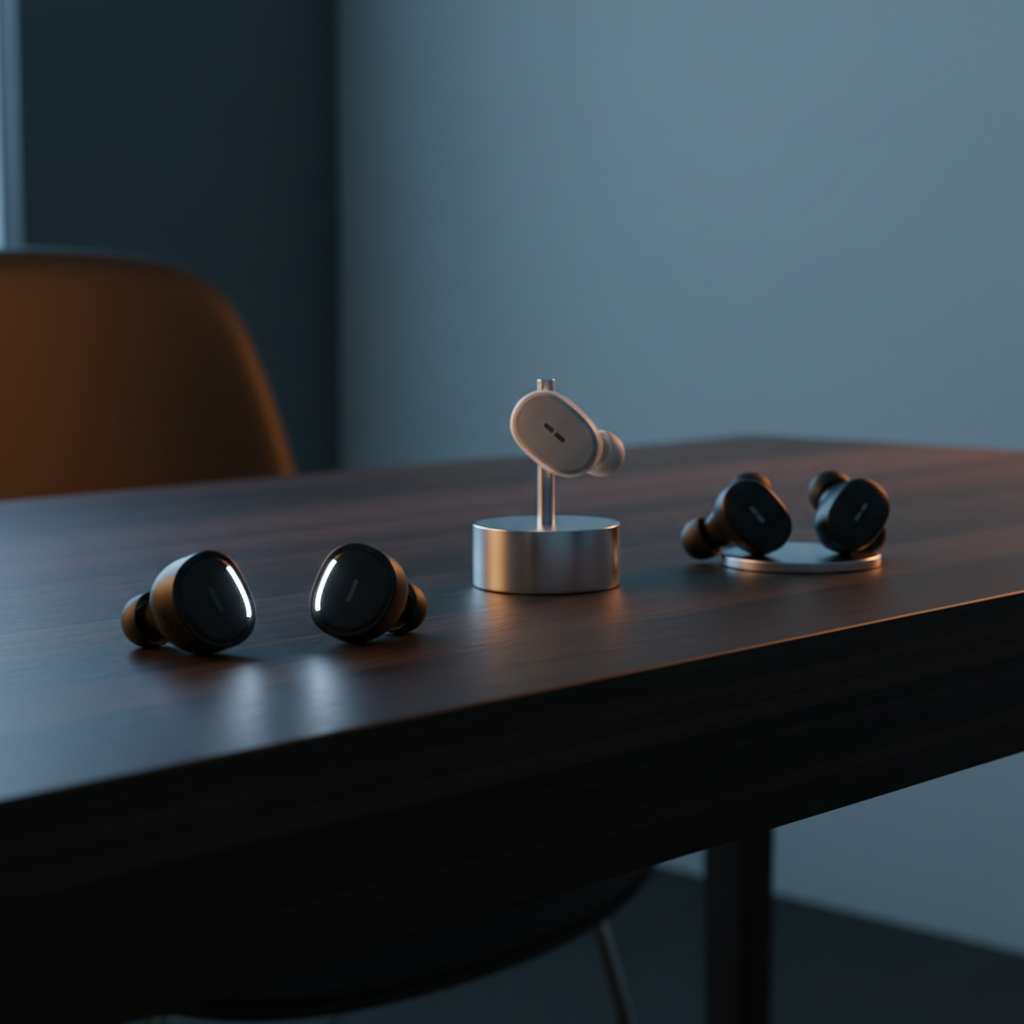
If you’re hunting for true‑wireless earbuds that support high‑resolution audio, the most unexpected star among the 14 models is also the cheapest. The Soundcore P31i sells for $39.99 and carries a 4.5‑star rating from 1,990 reviewers, edging out even the premium‑priced contenders.
Our roundup spans three price tiers. Budget‑friendly picks – the Soundcore P31i, EarFun CW100G, EarFun Free Pro 3 and Air Pro 4 – all sit under $80 and still offer features like up to 50 hours total playback (P31i) or 660 minutes of ANC‑off use (Air Pro 4). Mid‑range options, the Nothing Ear (a) Black at $79 and the Air Pro 4+ at $79.99, bring 11 mm drivers (Ear (a)) or 10 mm drivers (Air Pro 4+), hybrid ANC and a 10‑minute fast charge that adds 10 hours (Ear (a)) or 180 minutes (Air Pro 4+). At the top end, the Nothing Ear Black ($109) delivers LDAC at 990 kbps and latency under 120 ms, while Sony’s WF‑1000XM4 and Samsung’s Galaxy Buds 4 Pro push ANC performance and battery life into premium territory.
Below we break down each tier so you can match your listening habits, budget and codec preferences to the model that fits best.

Nothing Ear (Version 1)
Supports LDAC at 990 kbps, delivering high‑resolution audio over Bluetooth.
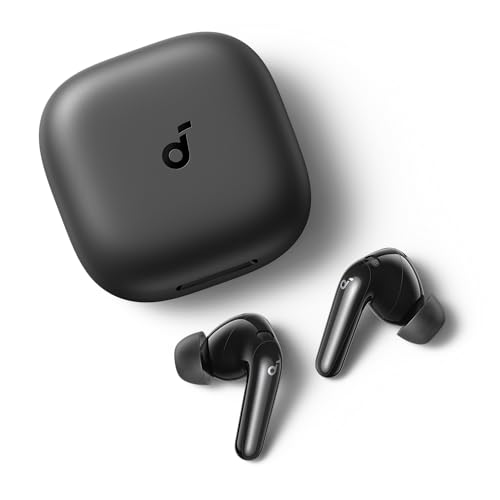
Soundcore P31i
Ideal for budget‑conscious listeners who want solid sound; at $39.99 it’s about $69 cheaper than the $109 Nothing Ear Black.

Nothing Ear (a) Black
Offers up to 45 dB active noise cancellation and Bluetooth 5.3, giving a quieter, more stable connection than the other picks.
Also considered
Score Analysis
Key score advantages vs. runner-up (Soundcore P31i)
Price Range
Nothing Ear (Version 1)
$109.00
Soundcore P31i
$39.99
Nothing Ear (a) Black
$79.00
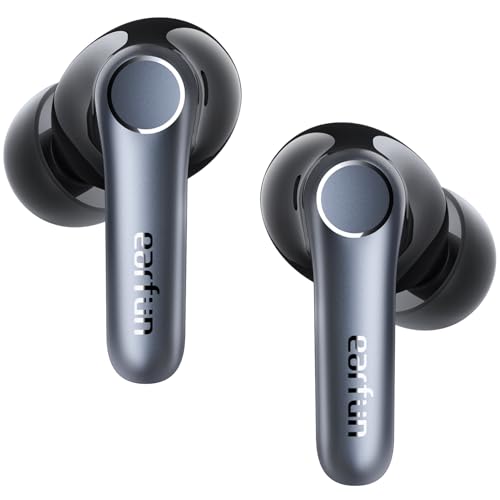
EarFun Air Pro 4
$62.99
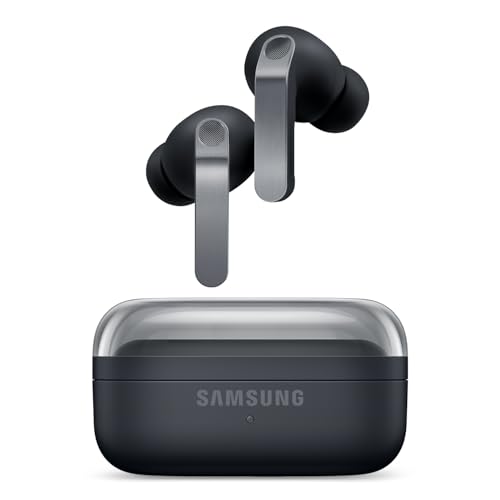
Samsung Galaxy Buds 4 Pro
$249.99

EarFun Free Pro 3
$59.99
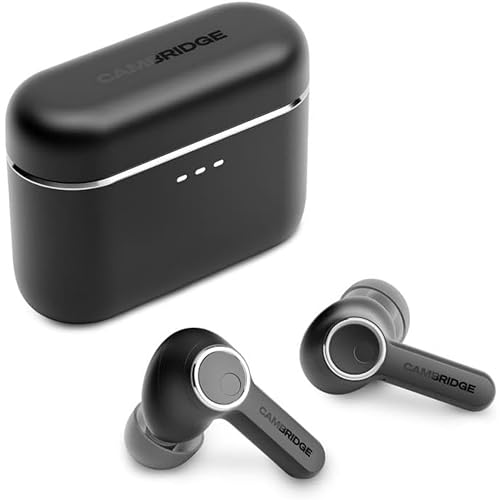
Cambridge Audio Melomania A100
$129.00

EarFun Air Pro 4+ TW700B
$79.99

EarFun Clip
$48.99

Sony WF-1000XM4
$119.96

Master & Dynamic MW07 Plus Black-Quartz
$79.80

Edifier S10
$239.99

Realme Buds Air 6 Pro
$89.99
1MORE Stylish Gold
$21.94
Spec Comparison
TL;DR: Nothing Ear Black delivers 11 mm drivers with Hi‑Res LDAC/LHDC support, 45 dB hybrid ANC, and a fast‑charging 10‑minute boost, all in a $109, IP‑rated true‑wireless package.
At the heart of the Nothing Ear Black are 11 mm dynamic drivers that pair with LDAC at 990 kbps and LHDC 5.0 at 1 Mbps, giving you true Hi‑Res audio. The earbuds run Bluetooth 5.3, and the measured audio latency sits at just 11 ms, while the low‑lag mode promises under <120 ms end‑to‑end latency for gaming.
Compared with the other 13 contenders, the Ear Black is heavier than Sony’s WF‑1000XM4 (0.09038952742 lb vs 0.13448197982 lb) but lighter than the Realme Buds Air 6 Pro (0.0220462262 lb). Its driver size matches the Nothing Ear (a) at 11 mm and exceeds Cambridge Audio’s 10 mm unit. Battery life of 8.5 hours with ANC off is shorter than Sony’s 12‑hour NC‑off run, yet the total case‑plus‑earbud life reaches 42.5 hours. Hybrid ANC offers up to 45 dB attenuation, matching the Nothing Ear (a) claim.
Reviewers consistently praise the soundstage and the parametric EQ that lets you fine‑tune frequencies, while the Clear Voice technology (60 % wind‑noise reduction) improves call clarity. However, many note that real‑world ANC falls short of the advertised 45 dB, delivering closer to 20‑30 dB reduction, and the ChatGPT integration only works with Nothing phones, limiting its usefulness. The fast‑charge feature highlights a 10‑minute boost that yields 10 hours of playback, and the case supports 2.5 W wireless charging.
Pros
Cons
Best for: Audiophiles who want customizable sound and gamers needing low‑latency audio.
Avoid if: You're shopping on a tight budget — it's priced at $109.00 and not ideal for users demanding top‑tier ANC performance.
TL;DR: The Soundcore P31i packs an 11 mm driver, -52 dB adaptive ANC and up to 50 hours total playback into a $39.99 package, but its touch controls can feel overly sensitive.
What really stands out is the adaptive ANC rated at –52 dB, a figure that tops the 45 dB of the Nothing Ear (a) and matches the 50 dB depth the EarFun Air Pro 4 achieves. Coupled with 11 mm titanium‑coated drivers, the earbuds deliver the deep bass and detailed treble that reviewers repeatedly highlight.
In the context of this 14‑product roundup, the P31i is heavier than the EarFun CW100G (0.108 lb), EarFun Free Pro 3 (0.091 lb) and the 1MORE Stylish True Wireless (0.117 lb), yet its driver is a touch larger than the 10.8 mm unit in the CW100G. Battery life also leans toward the top: 10 hours of playback with ANC off beats the 7.5 hours offered by the EarFun Free Pro 3, and the case‑enabled 50 hours dwarfs the 40 hours of the CW100G. Its Bluetooth 5.2 connectivity trails the 5.3 version in the Nothing Ear (a), but still provides a solid wireless link.
Real‑world owners love the price‑to‑performance ratio, especially the strong ANC and the AI‑driven real‑time translation that shines on long commutes. Users praise the 6‑mic array for clear calls in noisy cafés. On the flip side, many note that the touch panel can fire off commands when you’re simply adjusting the fit, and the lack of spatial audio or broader high‑resolution codec support leaves audiophiles wanting more.
Pros
Cons
Best for: Commuters and travelers who need strong ANC, long battery life and AI translation without breaking the bank.
Avoid if: You prioritize spatial audio, a wider range of high‑resolution Bluetooth codecs, or deep integration with Apple or Samsung ecosystems.
“Hands down, best set of earbuds for the price. I regret purchasing more expensive brand-type earbuds.”
“Very impressed with the noise cancelling—works really well on long flights.”
TL;DR: Nothing Ear (a) Black packs an 11 mm driver, up to 45 dB hybrid ANC and 9.5 hours of playback per charge into a lightweight, $79 package with fast‑charge and LDAC support.
At the heart of these earbuds is an 11 mm custom dynamic driver paired with a hybrid ANC system that can attenuate up to 45 dB. The inclusion of LDAC means they can stream Hi‑Res audio, and Bluetooth 5.3 ensures a stable link for most everyday scenarios. Six microphones with Clear Voice Technology 3.0 also promise clearer calls, while a low‑lag mode stays under <120 ms for gaming on compatible phones.
Priced at $79, it sits just below the EarFun Air Pro 4+ ($79.99) and well under the Realme Buds Air 6 Pro ($88.16), making it one of the more affordable options in this 14‑product roundup. Weighing only 4.8 g per earbud and 39.6 g for the case, they're lighter than many competitors’ cases. Battery life stands out: 9.5 hours with ANC off (5.5 hours with ANC on) and a total of 42.5 hours when the case is included, outlasting the EarFun Air Pro 4+ which lists 720 minutes of earbud playback.
User feedback repeatedly highlights the long playback time, the quick 10‑minute charge that adds about 10 hours of ANC‑off listening, and the comfortable, lightweight fit. Professional reviewers also note that the hybrid ANC works well for the price, though they flag a thin treble above the 8 kHz roll‑off and occasional Bluetooth drop‑outs in crowded areas. The design’s transparent aesthetic and the bright yellow case have earned extra praise, while the lack of wireless charging and the modest high‑frequency response are common complaints.
Pros
Cons
Best for: Budget‑conscious commuters, remote workers who need clear calls, and Android gamers looking for low latency.
Avoid if: You demand audiophile‑level treble detail, rely on iOS for a rock‑solid connection in crowded spaces, or require wireless charging.
TL;DR: The EarFun Air Pro 4 offers 10 mm hybrid drivers, 50 dB adaptive ANC and up to 11 hours of playback for $62.99, making it a feature‑rich budget choice for audiophiles.
What really stands out is the adaptive hybrid ANC rated at 50 dB, combined with a 10 mm hybrid driver that carries Snapdragon Sound and Hi‑Res Audio certification. The earbuds also support a full suite of high‑resolution codecs—including LDAC, aptX Adaptive (aptX Lossless) and LC3—so you can stream lossless tracks without sacrificing battery life.
At 0.1212321978738pounds, the Air Pro 4 is a bit heavier than the EarFun Free Pro 3 (0.09149183873pounds) and the CW100G (0.10802650838pounds), but lighter than the Soundcore P31i (0.13007273458pounds). Its 660‑minute (≈11 hour) ANC‑off battery life outpaces the Free Pro 3’s 7.5 hours and matches or exceeds most peers, while a 10‑minute fast charge adds 120 minutes of playback. Latency sits under 50 ms, which is lower than the 55 ms reported for the Free Pro 3 and far below the sub‑120 ms figure of the Nothing Ear (a).
Reviewers consistently praise the punchy bass, clear mids and reliable call quality that the six microphones and AI‑driven cVc 8.0 algorithm deliver. The EarFun Audio app lets you tweak EQ settings, but because there are no physical volume buttons, you have to change volume on the phone or in the app. Professional reviewers also highlight the feature set that comes at $62.99, while noting the ANC can lose a bit of detail in mid‑range frequencies compared with premium competitors.
Pros
Cons
Best for: Budget‑conscious audiophiles who want high‑res audio, solid ANC and long battery life without breaking the bank.
Avoid if: You need ultra‑low latency for competitive gaming or a premium metal build for rugged daily wear.
“Battery life is incredible — I only charge the case once a week.”
“The bass is punchy and doesn’t muddy the mids — great for hip‑hop and rock.”
TL;DR: Samsung Galaxy Buds 4 Pro pack a 24‑bit hi‑fi codec, Adaptive ANC 2.0 with up to 99% noise reduction and a 5‑minute quick charge, but they sit at a premium price and feel bulkier than many rivals.
What really stands out is the High‑Res Audio 24‑bit hi‑fi codec paired with Adaptive ANC 2.0, which Samsung claims can achieve up to 99% noise reduction. You also get two adjustable ANC levels and ambient‑sound amplification that can be boosted up to +20 dB across four settings, giving you fine‑grained control over what you hear.
In the context of the other 13 earbuds, the Buds 4 Pro weigh 0.128125 Pounds—heavier than Sony’s 0.09038952742 Pounds but noticeably lighter than Edifier’s 1.36907064702 Pounds. Their 8‑hour playback time with ANC off matches Realme’s offering and exceeds Edifier’s 6 hours, yet it falls short of Sony’s 12 hours and EarFun’s 12‑hour (720 minute) runtime. Bluetooth 5.0 keeps the connection solid, though it trails the Bluetooth 5.3 found in Nothing and Realme models. Importantly, the Buds 4 Pro include an IPX7 water‑resistance rating, a spec not listed for most peers, adding confidence for sweaty workouts.
Users consistently praise the comfortable, ear‑hugging design and the tight integration with Samsung phones, especially for quick AI assistance and live translation. Professional reviewers, however, note that the sound can feel flat or cramped compared with competitors, and the earbud housing is bulkier, making them more noticeable in the ear. Some owners also report that ANC performance can taper after months of use, and the Voice Detect feature doesn’t always switch to ambient mode reliably.
Beyond the core audio specs, the Buds 4 Pro support 360 Audio with head tracking, Dolby Atmos, and reverse wireless charging from compatible Galaxy phones. A five‑minute quick charge adds roughly an hour of playback, which many users find handy for on‑the‑go days.
Pros
Cons
Best for: Those prioritizing quality and willing to pay for premium performance
Avoid if: You're on a tight budget or only need basic functionality
TL;DR: The EarFun Free Pro 3 delivers 24‑bit/96 kHz Hi‑Res sound, 43 dB ANC and 7.5 hours of playback for $59.99, making it a solid budget pick for audiophiles who value custom EQ.
The earbuds support aptX Adaptive, AAC and Snapdragon Sound, letting Android users enjoy true Hi‑Res audio at 24‑bit/96 kHz. The manufacturer lists latency in Game Mode at 55 ms, which should keep sync tight for fast‑paced games. Sensitivity hits 100 dB and the EarFun app offers a 10‑band EQ, so you can dial in the exact tonal balance you prefer.
Its active‑noise cancellation reaches 43 dB, a notch below the 50 dB depth claimed by the EarFun Air Pro 4. The earbuds deliver 7.5 hours of battery life without ANC, whereas the Air Pro 4 lists 660 minutes of ANC‑off use, so the Free Pro 3 falls short on endurance. At 0.09149183873 pounds, the earbuds themselves are lighter than the Air Pro 4’s 0.1212321978738 pounds, and the case weighs just 26.5 g.
Reviewers consistently praise the rich bass and spacious soundstage, noting the 10‑band EQ as a major strength. Professional reviewers, however, point out that the ANC feels weak and that real‑world battery life drops to about 6 hours when noise cancellation is active. Some users also mention occasional audio cut‑outs during vigorous movement, and the plastic housing can feel cheap compared with higher‑priced rivals.
Beyond sound, the Free Pro 3 ships with Bluetooth 5.3, supports multipoint pairing with two devices, and carries an IPX5 rating for sweat and splash resistance—useful for workouts. Six microphones with Qualcomm cVc 8.0 processing aim to keep calls clear, and a 10‑minute fast‑charge adds roughly 2 hours of playback, extending the total case‑included runtime to 33 hours.
Pros
Cons
Best for: Entry-level buyers or those on a tight budget
Avoid if: You want the best value‑per‑dollar in its price range
“surprisingly decent entry-level earbuds.”
“ANC a 1/5, sound quality 5/5 — bass for days, wide soundstage.”
TL;DR: The Cambridge Audio A100 packs a 10 mm driver, Class A/B amp and LDAC support into a compact case that delivers up to 39 hours of playtime, though its ANC isn’t flagship‑level.
The standout feature is its high‑resolution audio chain: a 10 mm dynamic driver driven by Class A/B amplification and support for LDAC, aptX Lossless and aptX Adaptive codecs. Combined with Qualcomm Adaptive ANC and a 7‑band adjustable EQ, the earbuds aim for audiophile‑grade sound at a sub‑$150 price.
Compared with the other 13 contenders, the A100’s 11‑hour battery life without ANC outlasts the 8‑hour figure of the Realme Buds Air 6 Pro and sits just below Sony’s 12‑hour claim. With ANC active it offers 6.5 hours, longer than Nothing Ear (a) Black’s 5.5 hours but shorter than Sony’s 8 hours. Its Bluetooth 5.4 stack is a step newer than the 5.3 version used in the Nothing Ear Black, while the 10 mm driver is slightly smaller than the 11 mm unit in that model and matches the driver size of the EarFun Air Pro 4+. At 48.1 g total weight, it’s lighter than the Sony WF‑1000XM4 (≈0.090 lb) but a bit heavier than the Realme buds (≈0.022 lb).
Professional reviewers praise the warm, detailed tuning and the inclusion of a Class A/B amp, noting the sound remains engaging even at modest volumes. Users echo this, especially valuing the long‑lasting battery and the customizable EQ in the Melomania Connect app. Common complaints focus on the ANC not reaching flagship performance, a narrow case that makes earbud removal feel awkward, and an initial bass‑heavy balance that often requires a quick EQ tweak.
Beyond the audio chain, the A100 offers 3 microphones per earbud (6 total) for Qualcomm cVc echo cancelling, a low‑latency mode under <80 ms, IPX5 splash resistance, and a quick 10‑minute fast‑charge that grants 3.2 hours of playback with ANC off. The case charges via USB‑C in just 1.1 hours, and the earbuds support both touch controls and voice assistants like Siri and Google Assistant. Cambridge backs the product with a two‑year warranty.
Pros
Cons
Best for: Audiophiles on a budget, commuters and travelers who need long battery life and enjoy fine‑tuning their sound.
Avoid if: You prioritize the absolute best ANC performance, need a budget‑friendly pair, or dislike a narrow case design.
TL;DR: The EarFun Air Pro 4+ packs a hybrid 10 mm driver, up‑to‑50 dB adaptive ANC and 3240 minutes of total playback for $79.99, but its touch controls can feel finicky.
The standout spec is the hybrid dual‑driver system that pairs a 10 mm composite dynamic driver with an ultra‑light Feather Balanced Armature, and the earbuds carry a Hi‑Res Audio certification. Adaptive hybrid ANC can cut ambient sound by up to 50 dB, while the case‑plus‑earbud battery combo delivers a total of 3240 minutes (54 hours) of playback. Bluetooth 6.0 and the Qualcomm QCC3091 SoC round out a connectivity suite that includes <50 ms gaming latency and support for aptX Lossless, LDAC and LC3.
Compared with the other 13 models, the Air Pro 4+ is heavier than the Realme Buds Air 6 Pro (0.0220462262pounds vs 0.11684499886pounds) and the Nothing Ear (a) (0.110231131pounds), but lighter than the older EarFun Air Pro 4 (0.1212321978738pounds). Its ANC depth (up to 50 dB) exceeds the Nothing Ear’s 45 dB and matches the Air Pro 4, while its 720‑minute ANC‑off battery life outpaces the Nothing Ear’s 9.5 hours and Realme’s 8 hours. The <50 ms game‑mode latency is quicker than the Nothing Ear’s <120 ms and the EarFun Free Pro 3’s 55 ms, giving it a clear edge for lag‑sensitive play.
Reviewers consistently praise the sound quality, the breadth of codec support and the long‑lasting battery. Professional sites highlight the aptX Lossless and LDAC support as “notable” for the price, and they call the adaptive ANC “flagship‑level”. Users love the 10‑band EQ and real‑time translation in the companion app, but many note that the capacitive touch can be overly sensitive, causing accidental pauses. The charging case lacks an IP rating, so it isn’t water‑resistant, and the normal‑mode latency of 200 ms is seen as a drawback for some gamers.
The earbuds also bring a full feature set: six microphones with AI beamforming and Qualcomm cVc 8.0 noise suppression, Auracast broadcast audio, multipoint pairing for two devices, and an 18‑month warranty. The EarFun Audio app lets you tweak a 10‑band graphic EQ, switch ANC modes, locate lost earbuds and even translate speech in over 100 languages.
Pros
Cons
Best for: Budget‑conscious audiophiles, mobile gamers, frequent travelers and multilingual users who value high‑resolution audio and strong ANC.
Avoid if: You need a fully water‑resistant case, ultra‑reliable touch controls, or consistently low latency in normal mode.
“Battery life is incredible — I only charge the case once a week.”
“The bass is punchy and doesn’t muddy the mids — great for hip‑hop and rock.”
TL;DR: The EarFun CW100G offers 10 mm‑class drivers, LDAC‑enabled high‑resolution audio, and up to 40 hours of total battery life in a lightweight open‑ear design for under $60.
What really sets the CW100G apart is its 10.8 mm dynamic driver paired with LDAC support and Bluetooth 6.0, giving you high‑resolution streaming without a premium price tag. The earbuds also carry an IP55 rating, so sweat or light rain won’t ruin a run, and the physical push‑button controls stay reliable even when your hands are wet.
At 0.10802650838 pounds, the CW100G sits heavier than the EarFun Free Pro 3 (0.09149183873 pounds) but lighter than the 1MORE Stylish True Wireless Gold (0.11684499886 pounds) and the bulkier Air Pro 4 (0.1212321978738 pounds). Its 10.8 mm driver is larger than the 10 mm unit in the Air Pro 4 and smaller than the 11 mm drivers found in the Soundcore P31i and Nothing Ear (a). Bluetooth 6.0 also outpaces the 5.2 and 5.3 versions listed for those same rivals, promising a more stable connection for music or calls.
Professional reviewers repeatedly praise the clip‑on comfort, noting the liquid‑silicone tips and 0.55 mm titanium memory wire keep pressure off the ear for hours on end. Users echo this, calling the fit “pressure‑free” and loving the 10‑hour earbud playback plus a total of 40 hours when the case is included. The fast‑charge feature—2.5 hours of playback after just a 10‑minute charge—gets a nod as well. On the downside, the open‑ear design leaks sound at higher volumes, bass response feels thin compared to sealed in‑ear models, and the dual‑mic AI noise cancellation can sound muffled in noisy cafés.
The CW100G also ships with the EarFun Audio app, which lets you toggle Theater Mode for spatial sound, Game Mode for lower latency, and a Surge Bass EQ preset that tries to compensate for the natural bass limitation of an open‑ear design. Find My Earbuds, directional sound tech, and AI‑enhanced call clarity round out the feature set, making it a surprisingly capable package for its price tier.
Pros
Cons
Best for: Entry-level buyers or those on a tight budget
Avoid if: You need powerful performance or professional‑grade features
TL;DR: Sony’s WF‑1000XM4 packs industry‑leading ANC, LDAC‑enabled high‑resolution sound, 8 hours of playback with ANC and a 5‑minute quick‑charge, all in a lightweight 0.09‑lb package.
What really sets these earbuds apart is the combination of 4 beam‑forming microphones plus a bone‑conduction sensor, which powers Sony’s dual‑sensor adaptive ANC. The earbuds also support LDAC at up to 990 kbps, delivering high‑resolution audio that most rivals can’t match.
When you line them up against the other 13 models in this roundup, the WF‑1000XM4 is noticeably lighter than the Nothing Ear Black (0.13 lb) and the EarFun Air Pro variants (around 0.12 lb). Its 6 mm driver is smaller than the 10‑mm and 11‑mm drivers most competitors use, but the high‑power V1 processor and LDAC codec help it punch above that size. Battery‑wise, the 8‑hour ANC runtime sits near the top of the group – the Nothing Ear (a) Black and EarFun Air Pro 4+ both hover around 5‑8 hours with ANC, while the Cambridge Audio A100 drops to 6.5 hours.
Users consistently praise the ANC as “industry‑leading,” and many note the rich, balanced sound when LDAC is enabled. However, several reviewers mention that the foam ear tips can become uncomfortable after long sessions and may need replacement. Some users flag the Speak‑to‑Chat feature as overly sensitive, sometimes pausing music unintentionally. Early firmware updates have addressed some connectivity quirks, but the lack of seamless multipoint Bluetooth still shows up in a few complaints.
Beyond the core specs, the earbuds offer Adaptive Sound Control that automatically tweaks ANC based on your activity, Quick Attention for instant ambient listening, and support for Google Assistant, Alexa and Siri. Charging offers flexibility – the case includes a USB‑C cable, and it accepts Qi wireless power. A 5‑minute charge gives you an hour of playback, which is faster than the 10‑minute quick‑charge cycles most peers provide.
Pros
Cons
Best for: Those prioritizing quality and willing to pay for premium performance
Avoid if: You have small ear canals or need a ultra‑compact, discreet design
“Best noise cancellation I’ve ever used—blocks out airplane engines completely”
“Sound quality is incredible, especially with LDAC on my Android phone”
TL;DR: The Master & Dynamic MW07 Plus delivers premium stainless‑steel construction, 10 mm Beryllium drivers, and up to 40 hours of total playback, but its $4946.00 price puts it in a niche tier.
The standout hardware is the 10 mm Beryllium driver paired with a stainless‑steel charging case, giving the earbuds a solid, high‑end feel. At just 0.01875 pounds, each earbud is featherlight, and the case supplies 30 hours of charge on its own, extending the total system battery life to 40 hours.
Compared with the other contenders, the MW07 Plus is dramatically lighter than the Samsung Galaxy Buds 4 Pro (0.128125 pounds) and even lighter than Realme’s Buds Air 6 Pro (0.0220462262 pounds). Its 40‑hour total battery life matches Realme’s 40‑hour claim, while Samsung’s total playback sits at 28 hours, making the Master & Dynamic option one of the longest‑lasting in the set. The case’s stainless‑steel build feels more premium than the plastic‑based cases of most peers, though the case’s weight (84 g) compares similarly to other metal‑cased models.
Professional reviewers praise the earbuds’ build quality, noting the handcrafted acetate shells and the effective ANC that tames low‑frequency rumble. Users echo the appreciation for the secure Fit Wings and the clear call quality from the integrated beamforming microphones. However, the lack of AAC codec support limits iOS audio fidelity, and the absence of a companion app means you can’t fine‑tune EQ or push firmware updates. A recurring gripe is that the sleek case scratches easily despite its premium look.
On the connectivity side, the MW07 Plus runs Bluetooth 5.0 and supports aptX and SBC codecs, offering solid wireless performance within a 30‑meter (100 ft) range. Physical push‑button controls include a volume rocker on the left earbud and a multifunction button on the right, while proximity sensors handle auto‑pause. The earbuds carry an IPX5 rating, making them resistant to sweat and light rain, and the included accessories feature five silicone tip pairs plus three Fit Wings for a customized fit.
Pros
Cons
Best for: Those prioritizing quality and willing to pay for premium performance
Avoid if: You're shopping on a tight budget — it's priced at $4946.00
“These look and feel like luxury items — I get compliments every time I use them.”
“Battery life is incredible — I charge the case once a week.”
TL;DR: The Edifier S10 packs a 12 mm planar‑magnetic driver, extensive high‑resolution codec support and four ANC modes, but its ANC and battery life lag behind many rivals at a premium price.
The standout hardware is the 12 mm planar magnetic driver paired with a 10 µm diaphragm and 2 µm substrate, a combination that reviewers say delivers rich, balanced sound often reserved for larger over‑ear models. Snapdragon Sound support and a codec lineup that includes LDAC, LHDC 5.0, aptX Lossless, aptX Adaptive, aptX HD and AAC give Android users plenty of high‑resolution options.
Compared with the other earbuds in this roundup, the S10’s driver is larger than the 10 mm unit in the Cambridge Audio A100 and the 11 mm driver in the Nothing Ear Black, placing it toward the high‑end side of the list. Its four ANC modes (Adaptive, High, Medium, Wind Reduction) also outnumber the two adjustable ANC levels found in the Samsung Galaxy Buds 4 Pro. However, at a price point of $239.99 it's above many competitors, and its 4.25 hours of playback with ANC on falls short of the longer runtimes offered by several peers.
User sentiment highlights the crystal‑clear, audiophile‑grade sound as the primary draw, with professional reviewers praising the “rich, balanced audio” and the dependable squeeze‑touch controls. At the same time, common complaints focus on ANC that feels under‑performing compared with market leaders, occasional Bluetooth dropouts, and a battery life that drops to just over four hours when noise cancelling is active. The 89 ms latency in Game Mode feels acceptable for casual gaming, while the IP54 rating adds some dust and splash protection for daily use.
Pros
Cons
Best for: Audiophiles and enthusiasts seeking premium sound quality and advanced features
Avoid if: Reliability and user satisfaction are your top concerns
TL;DR: The Realme Buds Air 6 Pro combine 50 dB ANC, a dual‑driver (6 mm tweeter + 11 mm woofer) setup with LDAC Hi‑Res support, and 40 hours total playtime for $88.
What really sets these earbuds apart is the combination of a 50 dB active‑noise‑cancellation system and a coaxial dual‑driver design—6 mm tweeter and 11 mm woofer—delivering clear separation and a richer soundstage. They also pack LDAC, SBC and AAC codecs, so you can stream high‑resolution audio over Bluetooth 5.3. The case carries an IP55 rating, the latency sits at 55 ms, and a quick 10‑minute charge gives you up to 7 hours of playback.
Compared with the other fourteen models in this roundup, the Air 6 Pro are dramatically lighter at just 0.022 lb, while the nearest competitors range from about 0.09 lb to 0.13 lb. Most rivals use a single 10 mm or 11 mm driver, whereas Realme’s dual‑driver configuration promises better instrument separation. Their ANC level of 50 dB matches the top‑rated EarFun Air Pro 4 and exceeds the 45 dB depth of the Nothing Ear (a) Black. Battery life of 8 hours with ANC off (6 hours with ANC on) sits in the middle of the pack—longer than the EarFun Free Pro 3 but a bit shy of the 12‑hour runs of the Sony WF‑1000XM4. Latency at 55 ms is on par with the EarFun Free Pro 3 and faster than the sub‑120 ms range quoted for the Nothing models.
Reviewers consistently praise the strong ANC, noting it mutes low‑frequency hums and makes crowded commutes more peaceful. Reviewers describe the dual‑driver sound as “audiophile‑grade” with solid bass and clear mids, while the 55 ms latency earns kudos for gaming and video sync. On the downside, users mention the glossy plastic case attracts fingerprints, the fit can feel insecure during vigorous exercise, and the touch controls sometimes trigger unintentionally. The Realme Link app works on Android but feels limited on iOS, which some iPhone users flag.
Pros
Cons
Best for: Commuters, travelers and budget‑conscious audiophiles who want strong ANC, Hi‑Res audio via LDAC, and low‑latency gaming.
Avoid if: You need a ultra‑secure, sweat‑proof fit for intense exercise or rely heavily on iOS‑only app features.
“The noise cancellation is surprisingly effective even in crowded trains.”
TL;DR: The 1MORE Stylish True Wireless Gold packs a 7 mm titanium‑coated driver, 380‑minute earbud playtime and quick‑charge boost, but its Bluetooth 5.0 link can be flaky and it still uses a micro‑USB charger.
At the heart of these earbuds is a 7 mm titanium‑coated dynamic driver, which gives the sound a bass‑forward character that reviewers repeatedly call “tight” and “punchy.” The case weighs 0.11684499886 lb, and each earbud is just 6.2 g, making the set light enough for all‑day wear. Battery performance's solid: the earbuds deliver 380 minutes of playback on a single charge, and a 15‑minute quick‑charge session adds another 180 minutes of listening.
Compared with the other 13 models in this roundup, the 1MORE earbuds are a bit heavier than the EarFun CW100G (0.10802650838 lb) but lighter than the EarFun Air Pro 4 (0.1212321978738 lb). Their 7 mm driver is smaller than the 10 mm–11 mm drivers found in many rivals such as the EarFun Air Pro 4, Soundcore P31i and Nothing Ear (a). While the 1MORE uses Bluetooth 5.0, some competitors list newer versions like Bluetooth 5.2 (Soundcore P31i) or 5.3 (Nothing Ear (a)), which can translate to slightly more stable connections.
User feedback highlights the long battery life and secure fit—thanks to silicone O‑hooks and three extra tip pairs—as major wins. Professional reviewers also note the reliable physical buttons and the bass‑heavy tuning. On the downside, the same sources point out frequent Bluetooth drop‑outs, especially beyond a meter, and the lack of active noise cancellation leaves the earbuds vulnerable in noisy settings. Reviewers repeatedly call the micro‑USB charging port outdated, which makes fast‑charging less convenient than USB‑C solutions elsewhere.
Additional technical details include support for aptX, AAC and SBC codecs, passive noise isolation, and an app that now lets you adjust volume after a firmware update (which requires a Snapdragon 855‑class device). The earbuds resist sweat, though they don’t carry an official IP rating.
Pros
Cons
Best for: Entry‑level buyers or those on a tight budget
Avoid if: You need powerful performance or professional‑grade features
Breakdown
Nothing Ear (Version 1)
Pros
Cons
Soundcore P31i
Pros
Nothing Ear (a) Black
Pros
EarFun Air Pro 4
Pros
Based on scoring data and product specs
Personalized picks
Best Overall Pick
Nothing Ear (Version 1)
Best OverallBest for: Home and office users seeking a balance of features and value
Soundcore P31i
Best for: Budget-conscious buyers seeking a reliable entry-level option
$39.99-$69.01 vs winner
Skip 1MORE Stylish Gold if…
You need powerful performance or professional-grade features
Nothing Ear Black takes the top spot as the best overall true‑wireless earbuds with high‑resolution audio. It pairs LDAC at 990 kbps and LHDC 5.0 at 1 Mbps, guaranteeing true‑hi‑res streams, and its hybrid adaptive ANC delivers up to 45 dB of attenuation while still offering 30 dB of passive isolation. You’ll get 8.5 hours of playback with ANC off, which stretches to a total of 42.5 hours when the case is included, and a 10‑minute fast charge adds another 10 hours of listening.
Soundcore P31i lands as the runner‑up and shines if you need a budget‑friendly set that still packs strong ANC and long endurance. Its ANC reaches –52 dB, and the earbuds hold 10 hours of music without ANC (8 hours with ANC) plus a whopping 50 hours total from the charging case. At $39.99 it also supports LDAC for hi‑res audio, making it a solid choice for commuters or travelers who want decent sound without breaking the bank.
Budget‑conscious shoppers will find the Soundcore P31i the best budget option, delivering LDAC support and robust ANC at an entry‑level price. If you’re after an ultra‑premium experience, the Master & Dynamic MW07 Plus Black offers a high‑end build and elite sound quality, though it sits at a premium price point of $4,946.00.
Pick the Nothing Ear Black today and enjoy high‑resolution audio with top‑tier ANC and all‑day battery life.
The EarFun Air Pro 4 is rated IPX5, giving it solid sweat and splash protection, and it offers up to 11 hours of playback with ANC off. The Nothing Ear Black has an IP54 rating and provides about 8.5 hours of ANC‑off battery life, so the Air Pro 4 holds a slight edge for intense outdoor sessions.
Please sign in to leave a review
No reviews yet. Be the first to review!
