We’ve lined up 15 true‑wireless earbuds that support spatial audio, from budget‑friendly options to premium flagships. The list spans three price tiers: budget picks like the Truefree B1 at $19.99 and the Soundcore P31i, mid‑range choices such as the Beats Studio Buds+ at $99.95 and the Apple AirPods 4, and premium models including the Apple AirPods 3rd‑gen at $169.00 and the Jabra Elite 10 at $234.85. Ratings range from 4.1/5 for the Truefree B1 up to 4.5/5 for the AirPods 4, giving you a sense of general satisfaction.
For commuters who need solid ANC without breaking the bank, the Samsung Galaxy Buds Pro – priced at $64.92 and sporting six microphones for clear calls – emerged as the top pick. Gym‑goers will appreciate the Beats Studio Buds+ with up to 36 hours total battery life and a lightweight fit. If you’re building a home‑theater setup and want the richest spatial experience, the Apple AirPods 3rd‑gen leads with up to 30 hours of total listening time and a 4.4/5 rating.
Read on to see how each model stacks up in sound quality, comfort, battery life, and feature set.

Samsung Galaxy Buds Pro
It features six microphones (three per earbud) for clear calls and spatial audio.
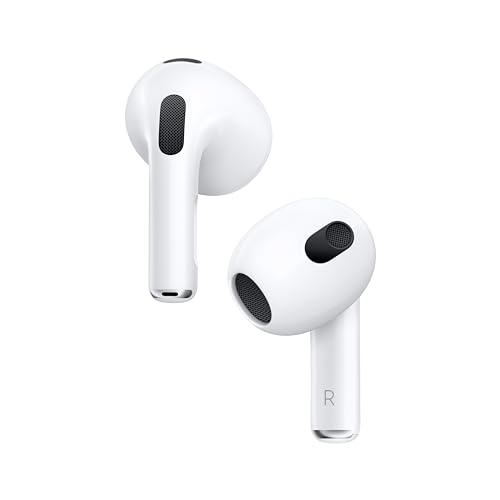
Apple AirPods 3rd-gen
Ideal for premium‑sound seekers willing to spend $169, roughly $104 more than the $64.92 Best Overall option.

Apple AirPods 4 Wireless Earbuds, Bluetooth Headphones,
It offers a compact 68.1 mm depth and 119.9 mm height, giving a smaller form factor than the Samsung and Apple 3rd‑gen models.
Also considered
Score Analysis
Key score advantages vs. runner-up (Apple AirPods 3rd-gen)
Price Range
Samsung Galaxy Buds Pro
$54.99
Apple AirPods 3rd-gen
$149.99
Apple AirPods 4 Wireless Earbuds, Bluetooth Headphones,
$148.99

Beats Studio Buds+
$99.95
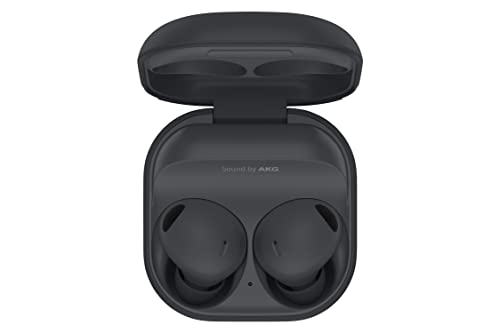
Samsung Galaxy Buds 2 Pro
$89.99
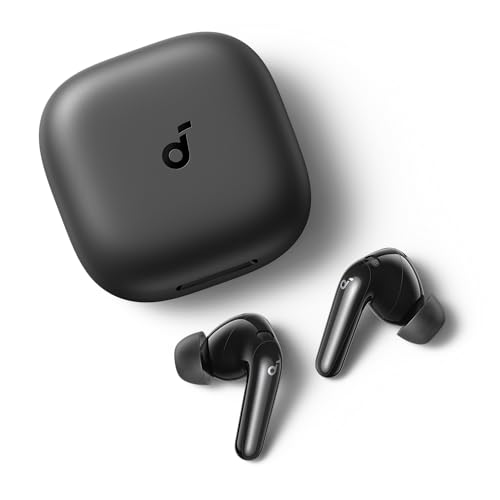
Soundcore P31i
$39.99

Jabra Elite 10
$203.42

Beats Powerbeats Pro 2
$212.49

Truefree B1
$23.99

OPPO Enco Buds3
$29.90

1MORE PistonBuds PRO Q30
$46.99

Bose QuietComfort Ultra
$199.00

Realme Buds T310
$44.99
Truefree HD-100
$33.99

JLab Epic Air Sport ANC 3
$99.99
Spec Comparison
TL;DR: The Samsung Galaxy Buds Pro deliver AKG‑tuned dual‑driver sound, IPX7 water resistance, and 8 hours of playback without ANC for $64.92, making them a lightweight, feature‑rich option in the true‑wireless market.
What really sets these buds apart is the 2‑way speaker system that pairs a 6.5 mm tweeter with an 11 mm woofer, backed by six microphones (three per earbud) and 360° head‑tracking audio. The case holds a 472 mAh battery while each earbud carries a 61 mAh cell, giving you up to 8 hours of listening when ANC and Bixby are off. Fast charging adds roughly one hour of playback after a 5‑minute boost, far quicker than the 10‑minute fast‑charge cycles listed for several rivals.
In the context of the 15‑product roundup, the Buds Pro are dramatically lighter at 0.013889122506 pounds per earbud, out‑weighing the 1MORE PistonBuds PRO Q30 (0.330693393 pounds) and Beats Studio Buds+ (0.220462262 pounds). Battery endurance sits in the middle of the field: 8 hours without ANC is longer than the 7.5 hours offered by the 1MORE model but shy of the 10 hours reported for the Soundcore P31i. The 5‑minute fast‑charge advantage also outpaces the Realme Buds T310 and Soundcore P31i, both of which require 10 minutes for a comparable playback gain.
Reviewers consistently praise the comfortable fit, crisp call quality, and the IPX7 water resistance that survives sweaty workouts. Professional reviewers highlight the rich, balanced soundstage and the effective mid‑high frequency ANC, while noting that low‑frequency noise reduction trails behind flagship competitors. Users love the quick charge and the smooth integration with Samsung devices, but many flag the touch controls as overly sensitive and the charging case as slippery and prone to scratches. A handful of owners mention occasional Bluetooth drops when swapping between devices.
Technical details round out the package: Bluetooth 5.0 connectivity, a 10‑meter wireless range, and an array of sensors—including accelerometer, gyroscope, and proximity sensor—enable intelligent ANC and on‑the‑go charging via a Galaxy device. The case weighs 48 g and the earbuds 6.3 g each, reinforcing the ultra‑light feel. Samsung backs the buds with a 90‑day limited warranty.
Pros
Cons
Best for: Value‑conscious buyers seeking quality at $64.92
Avoid if: You need the strongest ANC for very noisy environments or require flawless Bluetooth stability across multiple devices
TL;DR: Apple AirPods 3rd‑gen deliver up to 30 hours of total listening, a 5‑minute quick charge, and personalized spatial audio, but they lack ANC and carry a premium $169 price tag.
What really stands out is the battery endurance: a single case charge provides up to 30 hours of total listening time, and a 5‑minute quick‑charge session adds roughly an hour of play or talk time. The earbuds also support Apple’s Personalized Spatial Audio with dynamic head tracking, a feature that many reviewers praise for creating an immersive soundstage.
Compared with the other contenders, the AirPods’ case weighs just 37.91 g, making it lighter than the Bose QuietComfort Ultra’s 45‑gram case. However, its Bluetooth 5.0 chip lags behind Bose’s Bluetooth 5.3, and the AirPods sit at a higher price point than the Beats Studio Buds+ and Samsung Galaxy Buds 2 Pro. Unlike several rivals that bundle active noise cancellation, the AirPods 3rd‑gen don't offer ANC, which some users note as a drawback.
Consumer feedback repeatedly highlights the instant pairing, solid bass response, and sweat‑resistant IPX4 rating as everyday wins. Professional reviewers echo the sentiment, noting the Adaptive EQ and richer bass as clear upgrades over prior generations. The most common complaints revolve around the lack of ANC, occasional ear‑bud slippage during vigorous activity, and the absence of on‑ear volume controls.
The earbuds run on Apple’s H1 chipset, enabling “Hey Siri” voice activation and smooth hand‑off across iPhone, iPad, Mac, and Apple Watch. Their contoured stem design replaces silicone tips, which contributes to a lightweight earbud at 4.28 g and a compact charging case measuring 21.38 mm deep, 46.40 mm high, and 54.40 mm wide.
Pros
Cons
Best for: Buyers willing to invest in a proven, high‑quality option
Avoid if: You're on a tight budget or only need basic functionality
“Perfect for iPhone users — they just work.”
“Sound is much better than my old AirPods, especially with Spatial Audio on movies.”
TL;DR: Apple AirPods 4 deliver ANC, Personalized Spatial Audio and a comfortable redesign for $119.00, backed by a 4.5‑star rating from over 42 k reviewers.
The standout spec is the inclusion of Active Noise Cancellation that delivers up to 4 hours of listening on a single charge, extending to 20 hours with the case and 30 hours when ANC is off. The H2 chip powers Adaptive Audio and Personalized Spatial Audio, letting you enjoy immersive sound that follows your head movements.
Compared with the other fourteen earbuds in this roundup, the AirPods 4 sit at a higher price tier than options like Beats Studio Buds+ or Samsung Galaxy Buds 2 Pro, yet they offer more advanced processing features that those competitors don’t list. While the JLab Epic Air Sport ANC 3 provides a larger 8 mm driver, the AirPods 4 compensate with Apple’s proprietary low‑distortion driver and a custom high‑dynamic‑range amplifier, even though driver size isn’t disclosed here.
User sentiment highlights the comfort of the shorter stem and quick‑press controls, with many praising the seamless switch between ANC and Transparency thanks to the H2 chip. Professional reviewers note the “superior audio quality and intelligent functionality” that the chip brings, but they've also pointed out the shorter ANC battery life versus the Pro line. The lack of interchangeable ear tips is a recurring complaint, especially for intense workouts.
Technical context notes that the earbuds measure 68.1 mm in depth, 119.9 mm in height and 119.0 mm in width, fitting comfortably in most ears. Apple markets the charging case as the smallest in the industry, supporting wireless charging via Apple Watch chargers, USB‑C or Qi‑certified pads.
Pros
Cons
Best for: Apple ecosystem users who want ANC and Spatial Audio without stepping up to the Pro tier.
Avoid if: You need long ANC battery life, customizable ear tips, or are on a tight budget.
“Perfect for iPhone users — they just work.”
“Sound is much better than my old AirPods, especially with Spatial Audio on movies.”
TL;DR: Beats Studio Buds+ deliver Dolby Atmos spatial audio, up to 9 hours of playback without ANC, a 5‑minute fast‑charge boost, and IPX4 sweat resistance for $99.95.
The standout hardware upgrade is the three new acoustic vents and an ANC system that Beats claims is up to 1.6× stronger than the original model. Dolby Atmos spatial audio rounds out the listening experience, while the case’s fast‑fuel feature adds about an hour of playback after just a 5‑minute charge.
At $99.95, the Buds+ sit on par with the JLab Epic Air Sport ANC 3’s $99.99 price tag, but they weigh 0.220462262 pounds, so they're heavier than the Samsung Galaxy Buds 2 Pro’s 0.11 pounds and the Realme Buds T310’s 0.0992080179 pounds, yet lighter than the 1MORE PistonBuds PRO Q30’s 0.330693393 pounds. Their total case‑plus‑earbud battery life of up to 36 hours (ANC off) also outlasts the Realme’s 30 hours and matches the Samsung Galaxy Buds 2 Pro’s 28 hours.
Professional reviewers highlight the “great sound quality with balanced acoustic platform” and “good ANC for the price point.” Everyday users echo this, noting the earbuds stay comfortable during workouts and the quick‑charge is a lifesaver on commutes. The most common complaints revolve around the ANC‑on battery dropping to only 5‑6 hours, the charging case lacking water resistance, and the absence of wireless charging.
Additional technical notes: the buds house three microphones (two for ANC, one for voice) and a class 1 Bluetooth radio for extended range, while the IPX4 rating guards against sweat. Four silicone tip sizes help achieve a snug seal, and the transparent color keeps the look low‑key.
Pros
Cons
Best for: Most users seeking a balanced, mainstream option
Avoid if: You need all‑day ANC battery life, a fully waterproof case, or wireless charging
TL;DR: Samsung Galaxy Buds 2 Pro deliver IPX7‑rated durability, 5‑minute fast charging for an hour of play, and 28‑hour total battery life, but touch controls can feel too sensitive.
What really stands out is the ultra‑quick charging: a 5‑minute boost gives you roughly 1 hour of playback, and the case holds a 472 mAh battery that powers up to 28 hours total. The earbuds also pack a 2‑way AKG‑tuned speaker system with three microphones per earbud, supporting Active Noise Cancellation, 360 Audio and Dolby Atmos head‑tracking for an immersive soundstage on compatible Samsung devices.
In the broader field, the Buds 2 Pro weigh 0.11 pounds, making them lighter than Beats Studio Buds+ (about 0.22 pounds) but noticeably heavier than the older Samsung Galaxy Buds Pro (around 0.014 pounds). Their case battery capacity matches the Samsung Buds Pro at 472 mAh, while the JLab Epic Air Sport ANC 3 offers a larger 1000 mAh case. Bluetooth range sits at 10 meters, equal to the Samsung Buds Pro and a touch farther than the 9‑plus‑meter range quoted for the JLab model.
Users consistently praise the clear call quality thanks to the three‑mic array and appreciate the secure fit of the silicone tips (S, M, L). The IPX7 rating earns high marks for workouts and rainy commutes. However, many note that the touch‑sensitive controls respond overly sensitively, leading to accidental pauses, and some describe the sound signature as flat with modest bass depth. Professional reviewers echo these points, highlighting strong ANC for the price tier but calling the 360 Audio feature “limited to Samsung devices,” which can disappoint iOS owners.
Pros
Cons
Best for: Most users seeking a balanced, mainstream option
Avoid if: You want the best value‑per‑dollar in its price range
TL;DR: Soundcore P31i delivers adaptive ANC up to –52 dB, 10 hours of playback per charge, and a quick 10‑minute boost, all for $39.99, making it a solid mid‑range true‑wireless choice.
The standout feature is its adaptive noise cancellation rated at –52 dB, which professional reviewers call “premium‑level” for a budget earbud. It packs an 11 mm driver, supports LDAC and Hi‑Res Audio, and offers up to 10 hours of listening with ANC off. A 10‑minute fast‑charge gives you 3.5 hours of playback, while the case pushes total runtime to 50 hours when ANC is disabled.
Compared with its peers, the P31i’s ANC beats the Realme Buds T310’s 46 dB level, and its total battery life of 50 hours tops the Truefree B1’s 25 hours and the Truefree HD‑100’s 20 hours. Its Bluetooth 5.2 falls short of the 6.0 in the Truefree HD‑100, but it still outpaces the older versions in the lineup. At 59 grams, it weighs more than the Realme Buds T310’s 0.0992080179 pounds, yet lighter than the 1MORE PistonBuds PRO Q30’s 0.330693393 pounds.
Users love the strong ANC and the AI‑powered real‑time translation, calling the six‑mic system a lifesaver on noisy commutes. The bass punch from the 11 mm titanium‑coated driver receives frequent praise. On the downside, users report the touch controls as overly sensitive, and the lack of spatial audio means it won’t satisfy audiophiles chasing that immersive format.
Pros
Cons
Best for: Commuters and travelers needing strong ANC and long battery life.
Avoid if: You prioritize spatial audio, high‑resolution Bluetooth codecs, or deep integration with Apple or Samsung ecosystems.
“Hands down, best set of earbuds for the price. I regret purchasing more expensive brand-type earbuds.”
“Very impressed with the noise cancelling—works really well on long flights.”
TL;DR: The Jabra Elite 10 packs Dolby Atmos spatial audio, 2× stronger ANC, and a 10 mm driver in a comfortable semi‑open design, but its premium $234.85 price may deter budget shoppers.
The standout feature is Dolby Atmos with Dolby Head Tracking, delivering immersive spatial sound that many true‑wireless earbuds lack. Jabra also offers its Advanced ANC™ that is up to two times stronger than the previous generation, and each earbud houses a 10 mm dynamic driver for full‑range playback from 20 Hz to 20 kHz.
Compared with the other 14 contenders, the Elite 10 is pricier than Beats Powerbeats Pro 2 and heavier than those earbuds (0.3196702799 lb vs 0.171299177574 lb). Its 8‑hour ANC‑off battery life per earbud falls short of Beats’ 10‑hour per‑charge claim, yet it outlasts Beats Studio Buds+ which top out at 8 hours with the case delivering only 24 hours total. Jabra’s total case‑powered runtime of 36 hours (ANC off) surpasses Bose QuietComfort Ultra’s 18–20 hour system life, and its six‑mic AI‑enhanced array beats Bose’s four‑mic setup. The earbuds have an IP57 rating, while Bose does not list any IP protection.
Professional reviewers praise the semi‑open design and four sizes of EarGels™ for all‑day comfort, and they highlight the call‑quality advantage of the six‑mic AI noise‑filtering system. Users consistently note the strong ANC, especially for voice calls, but they also point out the absence of hi‑res codecs such as aptX or LDAC, a bass‑heavy default EQ, and a charging case that feels bulky in tight pockets. Practically, the physical buttons and fast 3‑hour full‑case charge feel reliable, and the Bluetooth 5.3 stack with LE Audio and multipoint connectivity adds versatility.
Pros
Cons
Best for: Those prioritizing quality and willing to pay for premium performance
Avoid if: You're shopping on a tight budget — it's priced at $234.85
TL;DR: Beats Powerbeats Pro 2 deliver 10 hours of playtime, adaptive ANC with transparency, and a built‑in heart‑rate sensor in a secure ear‑hook design, but they sit at a premium $249 price point.
What really sets the Powerbeats Pro 2 apart is the combination of Adaptive ANC with Transparency mode and Personalized Spatial Audio that tracks head movement, all wrapped in a dual‑ear‑hook design. You get up to 10 hours of listening on a single charge, and a rapid 5‑minute boost gives you an extra 1.5 hours of playback, extending the total case‑included runtime to 45 hours.
Compared with the other 14 earbuds in this roundup, the Powerbeats Pro 2 are lighter than the Jabra Elite 10 (0.3196702799 pounds) but a bit heavier than the Apple AirPods 3rd‑gen (0.00881849048 pounds). Their 10‑hour per‑charge battery outlasts Jabra’s 8 hours (ANC off) and matches the higher end of the lineup, while the earbud weight of 8.5 g is slightly above Bose QuietComfort Ultra’s 7.1 g. The price tag of $249 places them above most competitors, making them one of the pricier choices in the collection.
Reviewers consistently praise the secure‑fit ear‑hooks for staying put during intense workouts and the heart‑rate sensor that delivers real‑time data without a separate band. Sound quality and the 10‑hour battery life also get frequent nods. On the flip side, users note that the included USB‑C cable is the only charger, so you’ll need to buy a wall adapter separately, and some experience ear discomfort after extended wear, especially if they have smaller ears. Professional reviewers highlight the lightweight nickel‑titanium alloy ear‑hooks and the integration of the Apple H2 chip for low‑latency, lossless audio.
The earbuds carry an IPX4 rating for sweat and water resistance, support Bluetooth multipoint pairing, and charge wirelessly via Qi. The case dimensions (63.5 × 95.3 × 95.3 mm) keep them pocket‑friendly, and the overall weight of 78 g means they’re easy to carry all day.
Pros
Cons
Best for: Athletes, runners, and fitness enthusiasts who want a secure fit, real‑time heart‑rate monitoring, and immersive spatial audio.
Avoid if: You have very small ears, a tight budget, or need the absolute strongest ANC performance.
TL;DR: The Truefree B1 delivers 360° spatial audio, 5.5 hours of playback per charge and a 25‑hour total battery life for just $19.99, all in an ultra‑light open‑ear design.
The standout feature is its 10.8 mm dynamic driver paired with Truefree’s Audio Technology 2.0, which promises directional transmission and reverse acoustic silencing. Combined with 360° immersive spatial audio and a claimed 98% sound‑leakage reduction, the B1 aims to give you a wide soundstage without blocking external sounds.
When stacked against the other 14 earbuds in this roundup, the B1 sits at the low‑end of the price spectrum and is notably lighter than many of its peers. Its Bluetooth 5.4 connection is newer than several competitors that still use older Bluetooth versions, and the inclusion of multipoint pairing gives it a functional edge despite a more modest spec sheet.
User feedback consistently praises the clip‑on, C‑shaped nickel‑titanium ear hooks for a secure, breathable fit that stays put during runs or bike rides. Reviewers love the situational awareness the open‑ear design provides, though they note the bass isn’t as deep as closed‑back models. Professional reviewers highlight the 360° spatial audio and the 25‑hour total battery life as the most compelling benefits, while also pointing out the lack of active noise cancellation and the limited IPX4 water resistance.
Technical extras include dual AI‑enhanced microphones with an anti‑wind structure, touch controls that can be remapped via the Truefree app, and a fast‑charging system that delivers one hour of playback after just 10 minutes on the charger. The earbuds weigh only 5 g each, and the entire package totals 90.7 g, making them easy to carry all day.
Pros
Cons
Best for: Runners, cyclists, commuters, and anyone who values situational awareness and a budget‑friendly earbud with spatial audio.
Avoid if: You need deep bass, active noise cancellation, or protection against heavy rain.
“So comfortable I forget I’m wearing them.”
“Perfect for running — I can hear traffic clearly.”
TL;DR: The OPPO Enco Buds 3 pack a 12.4 mm titanium‑coated driver, 9.5 hours of playback per charge and a 47 ms gaming‑mode latency, all in a lightweight IPX55‑rated case.
What really stands out is the combination of a 12.4 mm dynamic driver with a listed sensitivity of 123 dB ± 2 dB @1 kHz and a low‑latency gaming mode measured at just 47 ms. A 10‑minute quick charge can push playback out to three hours, and the case holds enough juice for a total of 48 hours of listening. The earbuds also support OPPO’s “Alive Audio” spatial‑audio suite, giving an immersive soundstage without needing any extra hardware.
Compared with the other 14 contenders, the Enco Buds 3 are dramatically lighter than the Truefree B1’s 90.7 g total weight, coming in at just 39.2 g for earbuds and case. Their per‑charge runtime of 9.5 hours also eclipses the Truefree B1’s 5.5 hours, while both share Bluetooth 5.4 for a stable connection. The driver size matches the Realme Buds T310’s 12.4 mm unit, but the OPPO model adds spatial audio and a dedicated low‑latency mode that the Realme earbuds lack. In the Bluetooth range department, the Enco Buds 3 reach up to 10 m, which is on par with many peers.
User sentiment highlights a comfortable semi‑in‑ear fit and the convenience of dual‑device pairing, especially for gamers who appreciate the 47 ms latency. Reviewers note the fast‑charging routine and the long‑lasting case battery as major wins. The downsides that surface repeatedly include the lack of active noise cancellation, AI Translate being locked to OPPO/OnePlus phones, and touch controls that some find overly sensitive. A missing USB‑C charging cable in the box also appears in a few complaints.
From a technical standpoint, the earbuds cover the full audible spectrum (20 Hz – 20 kHz) and feature a microphone sensitivity of -38 dBV/Pa, which should be adequate for calls. Bluetooth 5.4, dual‑device connection and Google Fast Pair round out the connectivity suite, while the IPX55 rating guards against dust and light splashes, making them suitable for workouts.
Pros
Cons
Best for: Mobile gamers and commuters who need low latency, long battery life and spatial audio without the need for active noise cancellation.
“solid sound quality”
“comfortable fit”
TL;DR: The 1MORE PistonBuds PRO Q30 deliver 42 dB adaptive ANC, spatial audio and a 10‑minute fast‑charge that grants two extra hours of playback, all for $46.99, though touch controls can be finicky.
What really stands out is the QuietMax™ Adaptive ANC that reaches a measured 42 dB of noise reduction, paired with software‑based spatial audio that tracks head movement. The earbuds house a 10 mm Diamond‑Like Carbon dynamic driver and support a low‑latency gaming mode at roughly 80 ms, while the standard mode sits around 90 ms. A quick 10‑minute charge adds about 2 hours of listening time, and the case holds up to 30 hours of playback with ANC off.
Compared with the other 14 contenders, the PistonBuds PRO are noticeably heavier than the 0.013889122506‑pound Samsung Galaxy Buds Pro and the 0.0992080179‑pound Realme Buds T310, and even the 0.13007273458‑pound Soundcore P31i feels lighter. Their 10 mm driver is smaller than the 11‑mm to 12.4‑mm drivers found in most peers. ANC depth sits between Realme’s 46 dB and Soundcore’s 52 dB, so it’s modest in that regard. Latency is higher than Realme’s 45 ms but comparable to the 70 ms reported for the Truefree HD‑100. Battery life with ANC off (7.5 hours) lands between Realme’s 9 hours and Soundcore’s 10 hours, yet falls short of the 20‑hour endurance of the Truefree HD‑100. The fast‑charging gain of 2 hours trails Realme’s 5‑hour boost and Soundcore’s 3.5‑hour boost.
Everyday users praise the clear, balanced sound and the effectiveness of the ANC for commuting and workouts, while many note that the capacitive touch controls sometimes trigger unintentionally and the auto‑pause feature can misfire. Professional reviewers highlight the 42 dB, customizable ANC and the low‑latency mode that benefits gaming, but they’ve also pointed out occasional firmware hiccups and a fit that may not suit very small ear canals. The earbuds support SBC and AAC codecs, offer 12 preset EQ modes plus full customization via the 1MORE Music app, and carry an IPX5 rating for sweat resistance.
Pros
Cons
Best for: Entry‑level buyers or those on a tight budget
Avoid if: You need flawless touch controls or professional‑grade performance
TL;DR: The Bose QuietComfort Ultra offers industry‑leading 39 dB ANC, spatial audio and a comfortable 7.1 g earbud design, but its $199 price and 6‑hour battery life may limit its appeal for budget‑focused users.
The standout spec is the hybrid active‑noise‑cancellation that delivers 39 dB attenuation above 1 kHz (34 dB at lower frequencies), which professional reviewers call “best‑in‑class.” Coupled with the Bose Immersive Audio engine, the earbuds create a wide, natural soundstage that many users describe as a notable improvement for movies and travel.
Compared with the other 14 entries, the QuietComfort Ultra sits at the higher end of the price spectrum—pricier than the Apple AirPods 3rd‑gen ($169) and the Beats Powerbeats Pro 2—while offering fewer listed features than some rivals that include fast‑charging minutes or larger total listening times. Its Bluetooth 5.3 connectivity and Snapdragon Sound certification place it ahead of older Bluetooth 5.0 models, but the lack of LE Audio or LC3 codecs keeps it from being the most future‑proof option.
User sentiment repeatedly praises the comfortable 7.1 gram earbuds and the adaptive 4‑mic system that yields clear call quality, yet many note the “average” 6 hours 11 minutes of playback with ANC on and the need to manage settings through the Bose Music app. Professional reviewers also flag the earbud’s bulkier dimensions (24.5 mm × 20.1 mm × 24.3 mm) as a potential issue for small ears, echoing consumer complaints about size.
Pros
Cons
Best for: Frequent travelers and Android users who prioritize top‑tier ANC, spatial sound and a comfortable fit.
Avoid if: You’re on a tight budget, need extended battery endurance, or prefer iOS‑only spatial audio without a companion app.
“Best noise cancellation I’ve ever used — blocks out airplane engines completely.”
“The Immersive Audio makes music feel alive, like I’m in a concert hall.”
TL;DR: Realme Buds T310 deliver 46 dB hybrid ANC, 360° spatial audio and 45 ms ultra‑low latency, backed by up to 40 hours total playtime and a 10‑minute fast‑charge boost.
The standout spec is the 46 dB hybrid active‑noise‑cancellation paired with 360° spatial audio and Dolby Atmos support, while the ultra‑low 45 ms latency makes them feel responsive for gaming. Battery-wise, the earbuds give 9 hours of playback with ANC off, 5 hours with ANC on, and a total of 40 hours when you count the charging case.
Compared with the other 14 earbuds in this roundup, the T310 is lighter than the 1MORE PistonBuds PRO Q30 (0.330693393 pounds) and the Soundcore P31i (0.13007273458 pounds), but a bit heavier than the Samsung Galaxy Buds Pro (0.013889122506 pounds). Its 45 ms latency undercuts the 1MORE’s ~80 ms gaming mode and the Truefree HD‑100’s 70 ms latency, putting it among the quickest Bluetooth 5.4 options. Battery life also tops the 1MORE’s 7.5 hours (ANC off) and matches the Soundcore’s 10 hours, while its total 40‑hour case capacity exceeds the 1MORE’s 30 hours and rivals the Soundcore’s 50 hours.
Professional reviewers praise the ANC strength and the rarity of 360° spatial audio at this price point, while everyday users love the bass punch and the quick‑charge perk. Common complaints focus on touch controls that can be too sensitive, occasional stereo imbalance, and a charging case that isn’t water‑resistant, which limits use in rainy conditions.
Technically, the earbuds house a 12.4 mm dynamic bass driver and cover a 20 Hz – 20,000 Hz frequency range. They support SBC and AAC codecs, have an impedance of 32 Ω, and connect via Bluetooth 5.4 with a 10‑meter wireless range. The case holds a 460 mAh battery and charges via USB‑Type C.
Pros
Cons
Best for: Entry-level buyers or those on a tight budget
Avoid if: You want the best value‑per‑dollar in its price range
“Best ANC under ₹2500”
“Bass is punchy, highs are clear”
TL;DR: The Truefree HD-100 offers 20 hours of playback, a 10‑minute fast charge for 5 hours, and 70 ms low‑latency gaming mode, all for $33.99.
The standout spec is its 20‑hour battery life paired with a 10‑minute USB‑C fast charge that adds roughly 5 hours of listening time. Coupled with a 70 ms ultra‑low‑latency gaming mode, the earbuds aim to deliver a console‑like response for mobile gamers. The dynamic 11 mm drivers support LDAC and 360° spatial audio, while Bluetooth 6.0 promises a stable connection.
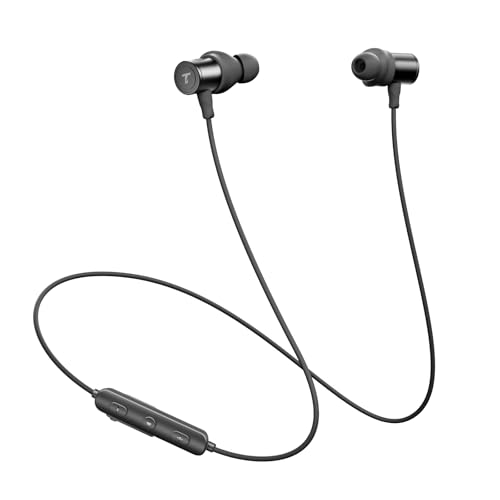
Compared with the other 14 entries, the HD‑100 sits in the budget tier, costing less than many competitors. Its driver size matches the Soundcore P31i at 11 mm, but it offers a larger battery envelope than the Realme Buds T310, which lists 9 hours of playback with ANC off. At 100 g, it's lighter than the 0.130 lb Soundcore P31i yet bulkier than the truly wireless designs, reflecting its neckband form factor.
User feedback highlights the long battery life and secure, magnetic fit as major wins for runners and commuters. Reviewers also praise the IPX67 dust‑proof and waterproof rating for sweaty workouts. On the downside, several users note that the built‑in mic can pick up clothing rustle and that the mandatory Truefree app account adds friction before the first use. Professional reviewers point out the lack of active noise cancellation, which some audiophiles may miss.
Pros
Cons
Best for: Athletes and fitness enthusiasts who need a secure, sweat‑proof earbud; commuters who value long battery life and rapid charging.
Avoid if: You need active noise cancellation, a completely wireless case‑based design, or audiophile‑grade sound performance.
TL;DR: The JLab Epic Air Sport ANC 3 delivers 8 mm dynamic drivers, 15 hours of playback without ANC, spatial audio and hybrid ANC in a secure ear‑hook design for $99.99.
What really stands out is the 8 mm dynamic driver paired with a 32‑ohm impedance and an output of 110 ± 3 dB, giving you a lively soundstage that also supports spatial audio. The earbuds pack a 1000 mAh case and 120 mAh earbuds, translating to 15 hours of listening when ANC is off, while the Bluetooth 5.0 connection reaches up to 30+ feet (9+ meters) for reliable streaming.
Compared with the other fourteen contenders, the JLab sits in a mid‑range price tier and feels a bit heavier than the Samsung Galaxy Buds 2 Pro, which weigh 0.11 pounds, but its total weight of 100 g is comparable to the Beats Studio Buds+ at 0.220462262 pounds. Battery life is longer than the Beats Studio Buds+, which list up to 8 hours (ANC off), and the case dimensions (33.5 mm × 85.1 mm × 61.2 mm) are larger than the compact Samsung Galaxy Buds Pro case, though still pocket‑friendly.
Users repeatedly praise the 15‑hour battery life and the secure ear‑hook fit that stays put during intense workouts. Some reviewers describe the hybrid ANC as delivering effective noise reduction for the price, while the touch controls sometimes feel overly sensitive, leading to accidental track skips. The microphone, rated at –38 dB ± 3 dB, many callers call “average” in noisy settings, which aligns with the mixed feedback on call quality.
On the technical side, the earbuds support SBC, AAC and LDAC codecs, feature a low‑latency “Movie Mode” under 200 ms, and integrate with the JLab Air ANC app for EQ3 sound customization. Infrared wear‑detection sensors handle auto play/pause, and Tile integration lets you locate a misplaced case.
Pros
Cons
Best for: Athletes and fitness enthusiasts who need a secure, sweat‑proof fit and long battery life.
Avoid if: You prioritize crystal‑clear microphone performance or need ultra‑compact earbuds for tight‑fit use.
“Perfect for running and gym — they never fall out.”
“Battery lasts forever — I charge the case once a week.”
Breakdown
Samsung Galaxy Buds Pro
Pros
Apple AirPods 3rd-gen
Pros
Apple AirPods 4 Wireless Earbuds, Bluetooth Headphones,
Pros
Beats Studio Buds+
Pros
Based on scoring data and product specs
Personalized picks
Best Overall Pick
Samsung Galaxy Buds Pro
Best OverallBest for: Value-conscious buyers seeking quality at $64.92
Apple AirPods 3rd-gen
Best for: Buyers willing to invest in a proven, high-quality option
$149.99+$95.00 vs winner
Skip JLab Epic Air Sport ANC 3 if…
You have limited desk space or need portability
The Samsung Galaxy Buds Pro take the top spot thanks to a blend of features that stand out in the true‑wireless space: they deliver AKG‑tuned 360° audio with head‑tracking, boast IPX7 water resistance for sweaty workouts, and offer fast charging that gives an hour of playback from just five minutes on the case. At $64.92 they also sit comfortably under $70, and a 4.2‑star rating from 5,207 reviewers shows broad approval.
The runner‑up, Apple AirPods 3rd‑gen, shines if you need seamless iPhone integration and a long‑lasting case battery. They provide up to six hours of listening on a single charge, a quick‑charge boost of roughly an hour after five minutes, and dynamic spatial audio with head tracking—supported by a 4.4‑star rating from 6,238 users and an IPX4 splash‑proof rating for everyday use.
For tighter budgets, the Truefree B1 delivers basic true‑wireless functionality at just $19.99, making it the most affordable entry point. In the mid‑range segment, Beats Studio Buds+ at $99.95 balances solid sound with a comfortable fit for daily commuters. If premium performance is your priority, Beats Powerbeats Pro 2 commands $249.00 and adds extra battery life plus a secure‑fit earhook design for intense training sessions.
Pick the Samsung Galaxy Buds Pro today and enjoy spatial audio without compromise.
The Samsung Galaxy Buds Pro stand out on price, listed at $64.92, while still offering immersive 360° audio with head‑tracking and an 8‑hour playback span without ANC. Compared with the Apple AirPods 3rd‑gen at $169.00, the Buds Pro deliver a much lower cost for a comparable spatial‑audio experience.
Please sign in to leave a review
No reviews yet. Be the first to review!
