
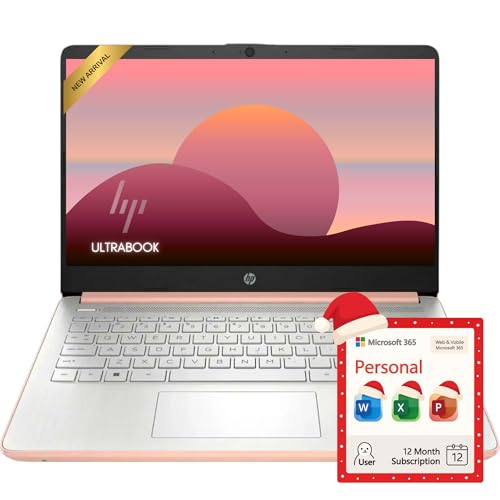
💚 Best Value
HP Rose Gold Ultrabook 14-inch
$234.00
Finding an ultrabook that packs at least a terabyte of storage while staying light enough to toss in a backpack can feel like hunting for a unicorn. The review examined nine models, checking everything from battery capacity to user ratings, so you can match a laptop to your workflow without guessing.
The lineup splits neatly into three price tiers. On the budget side you’ll see the HP Rose Gold Ultrabook 14‑inch at $279.99 with a 4.1/5 rating, its sibling is listed at the same price, and the HP Ultrabook G10 at $284.99. The mid‑range champion is the HP UltraBook, priced at $289.99 and earning a 4.4/5 score. Premium choices include the LG Gram 17‑inch at $1479.02 (4.5/5), the 2 TB version at $1570.01 (4.0/5), and the LG gram Pro 16‑inch at $1649.00 (3.8/5). The Vaio FS 16‑inch and the HP Rose Gold Ultrabook 14‑inch 8B3V are also listed, though they don’t show a price but bring unique features to the table.
Below, each category gets its own deep dive so you can see which ultrabook checks the boxes for storage, portability, and performance.
LG Gram 17-inch
Its 80 Wh battery paired with 65 W USB‑C PD charging gives long runtime and fast top‑up, underpinning its top rating and value.

HP UltraBook
Ideal for students or commuters needing up to 12 hours video playback, it’s $289.99—about $1,189.03 less than the LG Gram, offering strong value.
LG Gram 17-inch 2TB
For power users craving marathon sessions, its 19.5‑hour MobileMark battery life and stereo 4 W speakers set it apart, though it’s $1570.01, a premium over the other picks.
Also considered
Score Analysis
Key score advantages vs. runner-up (HP UltraBook)
Price Range
LG Gram 17-inch
$1,539.99
HP UltraBook
$289.99
LG Gram 17-inch 2TB
$1,419.00

Vaio FS 16-inch
$949.99

HP Rose Gold Ultrabook
$279.97
HP Rose Gold Ultrabook 14-inch
$234.00
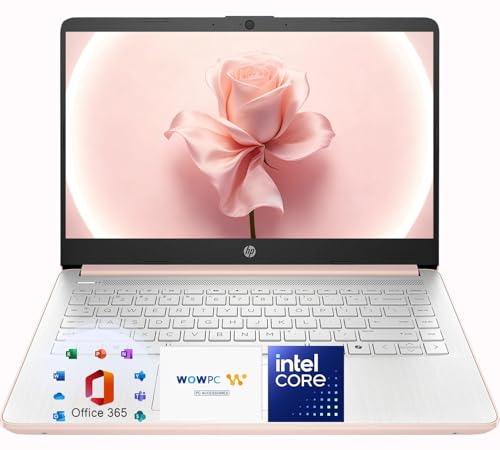
HP Rose Gold Ultrabook 14-inch 8B3V
$189.99

LG gram Pro 16-inch
$1,964.00

HP Ultrabook G10
$284.99
Spec Comparison
TL;DR: The LG Gram 17‑inch packs a 1 TB SSD, 16 GB RAM and a bright 350‑nit 99% DCI‑P3 display into a feather‑light 2.98‑lb chassis, delivering all‑day productivity on the go.
This model balances a spacious 17.0‑inch WQXGA panel (2560 × 1600) with a remarkably thin 0.70 in profile and a weight of just 2.98 pounds, making it one of the lightest laptops of this size. Inside, you get 16 GB of LPDDR4X memory running at 4266 MHz and a roomy 1 TB PCIe NVMe SSD, while the 80 Wh battery and 65 W USB‑C charger promise near‑all‑day use (≈10–12 hours typical).
Compared with the other eight entries, the Gram 17‑inch sits between the ultra‑light 16‑inch LG gram Pro (which tips the scales at 2.73 lb and offers a brighter 400‑nit screen) and the bulkier HP Rose Gold Ultrabook that weighs a solid 5.0 lb. It matches the 2.98‑lb weight of the LG Gram 17‑inch 2TB model, but its battery life falls short of that model’s advertised 19.5 hours. The HP UltraBook weighs less at 1.41 kg, and the Vaio FS 16‑inch weighs more at 1470 g, underscoring how the Gram 17‑inch delivers a rare blend of size and portability.
Reviewers consistently praise the laptop’s feather‑light feel and the vivid, color‑accurate display, noting it’s ideal for travel and creative work. Professional reviewers also highlight the Thunder‑bolt 4 ports and Intel Evo certification as future‑proof features. The main criticisms revolve around the soldered 16 GB RAM, which can’t be upgraded, the single M.2 slot that limits SSD expansion, and average speaker output that falls short for immersive media. The lack of a discrete GPU disappoints heavy graphics users.
Under the hood, the 11th‑gen Intel Core i7‑1195G7 runs at a 2.9 GHz base clock and can boost up to 5.0 GHz, paired with Intel Iris Xe graphics that share the system’s 16 GB of memory. Connectivity includes Bluetooth 5.1, Wi‑Fi 6 (Intel Wireless‑AX211), two USB‑C Thunderbolt 4 ports, two USB‑A 3.2 Gen 2 ports, HDMI, a microSD reader, and a fingerprint‑enabled power button for quick Windows Hello login.
Pros
Cons
Best for: Business travelers, content creators, and students who need a large, color‑accurate screen without sacrificing portability.
Avoid if: You require a dedicated GPU or anticipate needing to upgrade RAM or storage frequently.
“I travel weekly and this is the only 17‑inch laptop I can carry all day without fatigue.”
“The screen is stunning — colors pop, and the 16:10 ratio is perfect for multitasking.”
TL;DR: The HP UltraBook packs a 14‑inch HD screen, 8 GB RAM and a 12‑hour battery into a 1.41 kg chassis, plus a year of Microsoft 365 and Copilot AI for a budget‑friendly $289.99 price.
The standout spec is the fast‑charge capability – you can go from 0 % to 50 % in just 45 minutes, while the battery itself promises up to 12 hours of video playback. Coupled with 8 GB DDR4 RAM, the machine handles typical student tasks and light office work without needing a power outlet for most of the day.
In practice, the UltraBook's the lightest option in this nine‑product set. At 1.41 kg (about 3.1 lb) it undercuts the HP Ultrabook G10 (3.3 lb), both HP Rose Gold models (5.0 lb each), the Vaio FS (≈3.2 lb) and the LG Gram line (≈2.9 lb). Battery life matches the G10’s 12‑hour claim and exceeds the Rose Gold’s 11.5‑hour video playback. However, its 250‑nit maximum brightness trails the Vaio’s 300 nits and the LG Gram’s 350‑400 nits, and the 1366 × 768 HD panel it's notably dimmer than the higher‑end displays. Color coverage sits at 62.5 % sRGB, aligning with the G10’s listed gamut.
Everyday users praise the notebook’s portability, the long battery, and the built‑in Copilot AI key that streamlines Office tasks. Professional reviewers flag the HD resolution as outdated for a 14‑inch screen in 2026 and note that the entry‑level Intel N150 processor can feel sluggish when multitasking beyond basic apps. The 64 GB SSD also limits local file storage, though the included 1 TB of OneDrive cloud space helps offset that shortfall.
Pros
Cons
Best for: Students or remote workers who need a light, long‑lasting notebook with built‑in Office tools.
Avoid if: You need a high‑resolution screen, powerful CPU, or ample local storage for professional‑grade workloads.
“Users appreciate the lightweight design and long battery life.”
“The dedicated Copilot key is seen as a useful feature for AI integration.”
TL;DR: The LG Gram 17‑inch packs a 2560×1600 IPS display, 16 GB RAM and up to 19.5 hours of battery life into a 2.98‑pound magnesium‑alloy chassis, making it a rare ultra‑light 17‑inch workhorse.
The standout spec is the 17.0‑inch IPS LCD with a 2560 × 1600 resolution and 99 % DCI‑P3 colour gamut, delivering crisp, colour‑accurate visuals on a screen that’s still thin at 17.8 mm. Under the hood you’ll find an 11th‑gen Intel Core i7‑1165G7 paired with 16 GB of LPDDR4X RAM, while the optional dual‑1 TB SSD configuration gives you a massive 2 TB of storage without compromising the laptop’s feather‑light feel of 2.98 pounds.
Compared with its peers, the Gram 17 is a bit heavier than the LG Gram Pro 16‑inch, which tips the scales at 2.73 pounds, but it still beats many larger‑screen competitors. Its 80 Wh battery outmatches the Pro’s 77 Wh pack and easily eclipses the 55 Wh capacity of the Vaio FS 16‑inch, translating to a MobileMark‑2014 rating of 19.5 hours – the longest battery life among the nine models in this roundup. While the HP UltraBook weighs just 1.41 kg (heavier than the Gram), the Gram still feels more portable thanks to its magnesium‑alloy chassis.
User sentiment repeatedly praises the laptop’s portability and endurance, noting that it “feels like a tablet on a 17‑inch screen.” Professional reviewers also highlight the bright, colour‑rich display and the fast Thunder‑bolt 4 ports (2 × USB 4.0 Gen 3x2) that support high‑speed data transfer and external displays. However, several owners mention a slight flex in the chassis under pressure and a plastic‑like feel to the magnesium shell. The 0.9 MP webcam is another common gripe, especially for video‑call heavy users.
Pros
Cons
Best for: Those prioritizing quality and willing to pay for premium performance
Avoid if: You need advanced features or professional‑grade performance
“I travel weekly and this is the only 17‑inch laptop I can carry all day without fatigue.”
“The screen is stunning — colors pop, and the 16:10 ratio is perfect for multitasking.”
TL;DR: The Vaio FS 16‑inch packs a 16‑core Intel Core Ultra 7, 1 TB SSD and 16 GB RAM into a lightweight 1.47 kg aluminum ultrabook with a bright 16:10 touchscreen and solid port selection.
The standout spec is the 16‑core Intel Core Ultra 7 155H processor built on Intel’s 4 nm Meteor Lake H‑series, paired with 16 GB of LPDDR5x 6400 MHz RAM and a 1 TB PCIe Gen4 NVMe SSD. A 16.0‑inch IPS LCD delivers a 1920×1200 resolution at 300 nits, while the all‑aluminum chassis measures just 17.8 mm thick, 249 mm deep, 358 mm wide and weighs 1470 g.
Compared with the eight peers, Vaio’s weight of 1470 g is lighter than the HP Rose Gold models that tip the scales at about 5 lb (≈2268 g) and comparable to the HP UltraBook’s 1410 g, but a touch heavier than the LG Gram lineup at roughly 2.98 lb (≈1352 g). Its 10‑hour typical battery life sits a bit below the HP models that claim up to 12 hours, while the 300‑nit screen is dimmer than the LG Gram 17‑inch’s 350 nits and the LG gram Pro 16‑inch’s 400 nits. The 16‑inch display is larger than the 14‑inch HP ultrabooks and smaller than the 17‑inch LG Gram, offering a comfortable middle ground. Portwise, Vaio includes two Thunderbolt 4/USB4, two USB‑A 3.2, HDMI 1.4, an RJ45 Ethernet port and a microSD slot—features many HP competitors lack, especially Ethernet and HDMI without adapters.
Users consistently praise the sturdy aluminum build, the instant Windows Hello login via fingerprint reader and IR webcam, and the productivity boost from the 16:10 touchscreen. Professional reviewers note the thoughtful port selection and AI‑ready Meteor Lake chip for efficient multitasking. The main criticisms focus on the 300‑nit brightness being insufficient for bright outdoor use, the RAM and SSD come soldered, so you can't upgrade them later, and the absence of a discrete GPU for graphics‑intensive workloads.
Pros
Cons
Best for: Business professionals and remote workers who need powerful CPU performance, a full‑size 1 TB SSD and secure login options in a portable, well‑built ultrabook.
“Incredibly solid build — feels like a tank but weighs nothing.”
“Love the fingerprint sensor and IR camera combo — login is instant and secure.”
TL;DR: The HP Rose Gold Ultrabook packs 16 GB DDR4 RAM, a year of Microsoft 365 and 1 TB of OneDrive, and up to 11.5 hours of video‑playback battery life for $279.99.
This ultrabook’s standout spec is the 16 GB of DDR4 SDRAM, a rarity at this price point, plus a bundled 1 TB of OneDrive storage that brings the total usable capacity to about 1.1 TB when combined with the 64 GB or 128 GB local eMMC/SSD.
At 5.0 lb, it's noticeably heavier than the HP Ultrabook G10 (3.3 lb) and the ultra‑light LG Gram models (under 3 lb), but it matches the weight of the earlier HP Rose Gold 14‑inch version. Battery life reaches up to 11.5 hours of video playback, just shy of the 12‑hour claim on the G10, yet it aligns with the 11.5‑hour claim on the 8B3V Rose Gold sibling. Most peers share the 14‑inch screen size, except the larger 16‑ and 17‑inch LG Gram options. Bluetooth 5.4 and Wi‑Fi 6 keep its connectivity on par with the G10 and UltraBook, while its 9.53‑in width makes it slightly wider than the G10’s 8.86 in.
Reviewers repeatedly praise the lightweight‑feeling rose‑gold chassis, the battery that lasts up to 11.5 hours of video playback, and the inclusion of a full‑year Office 365 subscription. Users also like the convenient HDMI 1.4b port and the SD card reader for expanding media access. On the flip side, the 1366 × 768 display and 220–250 nits brightness draw criticism for looking dull in bright environments, and the entry‑level Celeron CPU paired with eMMC storage feels sluggish when many browser tabs are open. Professional reviewers note the port selection as a strong point but flag the low‑resolution panel as a downside for media consumption.
Pros
Cons
Best for: Entry‑level buyers or those on a tight budget
Avoid if: You need advanced features or professional‑grade performance
“Perfect for my college classes — light, long battery, and Word/Excel work great.”
“Love the rose gold color — stands out and feels stylish.”
TL;DR: The HP Rose Gold Ultrabook 14‑inch packs 16 GB RAM, a 12‑hour battery and 1.1 TB total usable storage into a 5‑lb, rose‑gold chassis for just $223.
The standout spec is the 1.1 TB total usable storage – 128 GB local eMMC plus a 1 TB OneDrive allocation – giving you plenty of room for documents, media and cloud backups without paying extra.
Compared with the other eight ultrabooks, this model shares the same 5.0 lb weight as the HP Rose Gold Ultrabook (B0FB38NSP7) and is heavier than the ultra‑light LG Gram 17‑inch options. Its 12‑hour battery life matches the HP Ultrabook G10 and HP UltraBook, and it exceeds the 11.5‑hour claim of the other HP Rose Gold variant. While the LG Gram models sport brighter screens, this unit’s 220‑nit brightness and 45 % NTSC color gamut are typical for budget‑class HD panels.
Users appreciate the lightweight feel, the eye‑catching rose‑gold finish and the bundled 1‑year Microsoft 365 subscription. Professional reviewers note that the Celeron N150 (1.1 GHz base, 3.6 GHz turbo) and 16 GB DDR4 RAM handle web browsing, document work and video streaming comfortably. However, the eMMC storage is slower than a full SSD, and the 1366 × 768 HD display can look soft for detailed work; many consumer comments echo this point.
Under the hood, the Intel Celeron N150 provides four cores and four threads, backed by 4 MB L2 cache. Integrated Intel UHD Graphics 600 handles everyday visual tasks, while the 720p HD webcam and dual 1.5 W stereo speakers cover basic video calls. Connectivity includes HDMI 1.4b, two USB‑A 3.0 ports, a USB‑C 3.2 Gen 1 data port, a micro‑format SD card reader and Bluetooth 4.2.
Pros
Cons
Best for: Shoppers on a tight budget who want the most for their money
Avoid if: You need high‑performance tasks, a high‑resolution display, or fast storage; this model isn’t aimed at gamers, video editors or power users.
“Perfect for my college classes — light, long battery, and Word/Excel work great.”
“Love the rose gold color — stands out and feels stylish.”
TL;DR: The HP Rose Gold Ultrabook 14‑inch packs a quad‑core Celeron, 4 GB RAM and 128 GB SSD into a 1.47 kg, 18 mm‑thin chassis with 11.5‑hour battery life and a 1 TB OneDrive bundle.
This model’s most eye‑catching spec is its 11.5‑hour claimed battery life, letting you power through a full day of classes without hunting for an outlet. At just 1.47 kg (3.24 lb) and 18.0 mm thick, it’s also one of the lightest options in the roundup.
Compared with its peers, the Ultrabook is lighter than the HP Rose Gold Ultrabook 14‑inch (B0G66PBV7Q) and the HP Rose Gold Ultrabook (B0FB38NSP7), both weigh 5.0 lb, and slimmer than the HP Ultrabook G10, which weighs 3.3 lb. It matches the Vaio FS 16‑inch (1470 g) and is only marginally lighter than the HP UltraBook at 1.41 kg. Battery endurance sits between the Vaio FS’s 10 hours and the LG Gram series’ 19.5 hours, while its 220‑nit brightness trails the Vaio’s 300 nits but aligns with the HP UltraBook’s typical 220 nits. Bluetooth 5.4 puts it ahead of the Vaio’s 5.2 and the older HP Rose Gold (B0G66PBV7Q) at 4.2, matching the newer HP Ultrabook G10 and LG gram Pro.
Users repeatedly praise the laptop’s portability and the rose‑gold finish that makes it feel more personal than a typical gray notebook. Professional reviewers note the quad‑core Intel Celeron N150 delivers smoother multitasking than older dual‑core entry models, but they also flag the 4 GB of non‑upgradable DDR4 RAM as a bottleneck for modern browsing with many tabs open. People frequently call the 1366 × 768 HD display and its 220‑nit brightness “dim” and “low‑resolution” compared with Full‑HD rivals. The generous I/O—HDMI 1.4b, a USB‑C 3.2 Gen 1 port with DisplayPort 1.2, USB 2.0 and USB 3.2 Gen 1, plus a multi‑format SD card reader—helps offset the limited internal storage, especially when paired with the included 1 TB OneDrive subscription.
Pros
Cons
Best for: Students or light‑weight commuters who need a portable, stylish laptop with long battery life and cloud storage for everyday tasks.
Avoid if: You need advanced features or professional‑grade performance.
“Perfect for my college classes — light, long battery, and Word/Excel work great.”
“Love the rose gold color — stands out and feels stylish.”
TL;DR: The LG gram Pro 16‑inch packs a 2.73‑lb ultra‑light chassis, OLED touchscreen and up to 25.5 hours of video playback into a premium‑priced, well‑featured 2‑in‑1.
The standout spec is its weight: at just 2.73 lb the gram Pro is the world’s lightest 16‑inch 2‑in‑1, thanks to a magnesium‑alloy chassis. Its 16‑inch OLED touchscreen delivers 133.5% DCI‑P3 colour coverage, 400 nits peak brightness and a 144 Hz refresh rate, making media work look vivid and smooth.
Compared with the other eight contenders, the gram Pro is lighter than the LG Gram 17‑inch models (both at 2.98 lb) and also lighter than the HP UltraBook, which weighs 1.41 kg. Its 400‑nit display outshines the HP UltraBook’s 250‑nit panel and the LG Gram 17‑inch’s 350‑nit screen, while the battery life of up to 25.5 hours video playback exceeds the typical video‑playback numbers listed for the HP devices. The trade‑off is a higher price tag than most of the peers.
User sentiment repeatedly praises the laptop’s feather‑light feel, the “gorgeous” OLED panel and its battery life of up to 25.5 hours video playback. Professional reviewers echo those points, highlighting the display quality and endurance, but they also flag a mushy trackpad, average keyboard comfort and occasional performance throttling when the CPU and optional RTX 3050 GPU work hard. The mixed feedback aligns with the 3.8‑star rating from 21 reviews.
Under the hood sits an Intel Core Ultra 7 258V processor (2.2 GHz base) paired with 32 GB of LPDDR5X RAM running at 8500 MHz. An on‑board NPU delivers 48 TOPS of AI processing, and Wi‑Fi 7 and Bluetooth 5.4 keep connectivity fast. The machine includes HDMI 2.1, two USB‑A 3.2 Gen 2 ports and two USB‑C/Thunderbolt 4 ports, plus a 3.5 mm headphone/mic jack. MIL‑STD‑810H durability certification adds ruggedness for frequent travelers.
Pros
Cons
Best for: Frequent travelers, remote workers or students who value extreme portability, a vivid OLED display and long battery life.
Avoid if: You need sustained high‑performance CPU/GPU power, gaming capability, or prioritize the highest reliability and user satisfaction.
“I travel weekly and this is the only 17‑inch laptop I can carry all day without fatigue.”
“The screen is stunning — colors pop, and the 16:10 ratio is perfect for multitasking.”
TL;DR: The HP Ultrabook G10 packs a 14‑inch anti‑glare screen, 8 GB RAM, 320 GB SSD plus 1 TB of OneDrive storage, and up to 12 hours of video playback for $284.99, making it a solid budget pick for students.
What really stands out is the dedicated Microsoft Copilot key, giving you instant AI assistance right from the keyboard. The machine also includes a fast‑charge capability that reaches 50 % in just 45 minutes, and it ships with a full year of Office 365 and a hefty 1 TB of OneDrive cloud storage.
At 3.3 lb, the Ultrabook is lighter than the 5‑lb HP Rose Gold models but a touch heavier than the ultra‑light LG Gram lineup, which sits under 3 lb. Its battery life of up to 12 hours for video playback matches the HP UltraBook and the 12‑hour claim on the Rose Gold 14‑inch, and it exceeds the 11.5‑hour video claim of the HP Rose Gold Ultrabook with 5 lb weight. Brightness sits between 220 and 250 nits, mirroring the 220‑250 nits range listed for the HP UltraBook, while the larger LG Gram laptops push 350 nits or more.
Users appreciate the portability, long‑lasting battery, and the convenience of the Copilot key and bundled Office suite. However, the 1366 × 768 HD panel on a 14‑inch screen is frequently described as blurry and dim, especially compared to the higher‑resolution displays on the 17‑inch LG Gram models. Professional reviewers also note that the Intel Celeron N150 processor, with a 2.8 GHz base and 3.6 GHz boost, feels underpowered for Windows 11 multitasking, and the lack of a backlit keyboard's a nuisance in dim environments.
Under the hood, the laptop runs on an Intel Celeron N150 (4 cores, 4 threads, 6 MB cache) paired with 8 GB DDR4 RAM. Storage combines a 320 GB PCIe x4 SSD with the cloud‑based 1 TB OneDrive, giving you a total of 1.3 TB usable space. Connectivity includes Bluetooth 5.4, Wi‑Fi 6, a USB‑C port that supports DisplayPort 1.2, HDMI 1.4b, a full‑size USB‑A 3.2 Gen 1, a USB‑A 2.0, an SD card reader, and a headphone/microphone combo jack.
Pros
Cons
Best for: Entry-level buyers or those on a tight budget
Avoid if: You'd want the best value‑per‑dollar in its price range
“Users appreciate the lightweight design and long battery life.”
“The dedicated Copilot key is seen as a useful feature for AI integration.”
Breakdown
LG Gram 17-inch
Pros
HP UltraBook
Pros
LG Gram 17-inch 2TB
Pros
Cons
Vaio FS 16-inch
Pros
Based on scoring data and product specs
Personalized picks
Best Overall Pick
LG Gram 17-inch
Best OverallBest for: Those prioritizing quality and willing to pay for premium performance
HP UltraBook
Best for: Most users seeking a balanced, mainstream option
$289.99-$1,250.00 vs winner
Skip HP Ultrabook G10 if…
You want the best value-per-dollar in its price range
The LG Gram 17‑inch earns the top spot thanks to its spacious 1 TB PCIe NVMe SSD paired with 16 GB of LPDDR4X memory, giving you plenty of room and speed for demanding work. At just 2.98 lbs it stays feather‑light for a 17‑inch machine, and the 80 Wh battery delivers a near‑all‑day 10–12 hour runtime. Its 350‑nit IPS display covers 99 % DCI‑P3, and the Intel Evo certification guarantees responsive performance.
The HP UltraBook is the runner‑up, ideal if you need a compact 14‑inch notebook for classes or travel. It weighs 1.41 kg, fits into tight spaces, and offers up to 12 hours of video playback plus a rapid 0‑50 % charge in just 45 minutes. At $289.99 it provides a 64 GB SSD, 8 GB RAM, and 1 TB of OneDrive cloud storage, making it a solid, affordable workhorse.
For tighter budgets, the HP Rose Gold Ultrabook 14‑inch at $223.00 delivers the lowest entry price. Meanwhile, that HP UltraBook serves as a capable mid‑range choice at $289.99. If you crave a premium experience, the LG gram Pro 16‑inch at $1649.00 offers higher‑end specs and a larger screen for power users.
Pick the LG Gram 17‑inch now and you’ll enjoy the best blend of performance, portability, and storage.
The LG Gram 17‑inch costs $1,479.02 versus $289.99 for the HP UltraBook, a price gap of about $1,189. It offers a 1 TB PCIe NVMe SSD, 16 GB LPDDR4X RAM, a brighter 350‑nit 17‑inch WQXGA display, an 80 Wh battery and MIL‑STD‑810G durability, which are substantial upgrades over the HP UltraBook’s 64 GB SSD + 1 TB cloud storage, 8 GB DDR4, and lower‑brightness 250‑nit screen. For users who need premium performance, a larger high‑resolution screen and ruggedness, the higher price can be justified.
Please sign in to leave a review
No reviews yet. Be the first to review!
